13 New Year Meal Plans That Felt Unrealistic

New Year meal plans often look inspiring on day one, but many fall apart once real life steps in. Overly strict rules, unrealistic expectations, and one-size-fits-all approaches leave people exhausted, hungry, and discouraged. Instead of building sustainable habits, these plans often rely on perfection, willpower, or drastic changes that few can maintain. As January unfolds, many people realize the problem wasn’t their motivation. It was the plan itself. These meal plans show why good intentions alone aren’t enough without flexibility, balance, and realism.
1. Instant Detox Cleanses Promising Miracle Results

The appeal of a detox cleanse is obvious at the start of the year. After weeks of indulgence, the idea of flushing everything out feels reassuring. The problem is that most detox plans dramatically oversimplify how the body actually works. Your liver and kidneys already do the detoxing, constantly and efficiently. Juice-only or liquid cleanses often strip away protein, fiber, and essential fats, leaving people tired, hungry, and lightheaded within days. Many who try them report short-term weight loss that quickly rebounds once normal eating resumes. What begins as a reset often ends in frustration, stalled energy, and a disrupted relationship with food rather than any lasting health benefit.
2. Extreme Calorie Cutting to Rapidly Lose Weight

Drastic calorie cuts look disciplined on paper but rarely survive real life. Slashing intake far below daily needs triggers fatigue, irritability, and constant hunger, which makes everyday decisions harder instead of easier. The body responds by slowing metabolism and increasing cravings, especially for high-energy foods. People often start strong but burn out quickly, leading to cycles of restriction and overeating. These plans also make it difficult to maintain work, family routines, and social meals. Sustainable weight change depends more on consistency than intensity, and extreme restriction usually teaches people what they cannot maintain rather than how to eat well long term.
3. Cutting Entire Food Groups Overnight

Eliminating carbs, fats, or entire categories of foods sounds decisive, but it often ignores nutritional balance and personal lifestyle. Carbohydrates fuel the brain and muscles, fats support hormones and nutrient absorption, and proteins aid repair and satiety. Cutting one group completely can lead to low energy, digestive issues, and nutrient gaps. Socially, these plans make shared meals awkward and stressful. Many people abandon them after a few weeks because they feel isolated or deprived. Instead of learning moderation, they reinforce an all-or-nothing mindset that makes food feel like a set of rules rather than nourishment.
4. Meal Plans That Ban All Sugar and Treats Forever

Plans that promise success only if sugar is eliminated tend to backfire. Total restriction increases the psychological pull of the forbidden food, making cravings stronger over time. When people eventually give in, they often feel guilt rather than satisfaction, which can spiral into overeating. These plans also ignore cultural traditions, celebrations, and simple enjoyment, all of which are part of real life. A diet that allows no flexibility becomes fragile. The most realistic approaches teach how to include treats occasionally without derailing overall habits, rather than pretending temptation can be erased.
5. Plans Targeting Rapid Multi-Pound Weight Loss in Weeks

Meal plans built around aggressive short-term goals often rely on water loss and glycogen depletion rather than real fat loss. The scale may move quickly, but the changes are rarely sustainable. Once normal eating resumes, weight tends to return, sometimes with added frustration and discouragement. These plans also encourage people to judge success by speed instead of health markers like energy, strength, or consistency. Fast results create unrealistic expectations, making slower, healthier progress feel like failure even when it is far more sustainable over months and years.
6. All-or-Nothing Perfect January Eating Plans

The idea of a flawless January sounds motivating, but perfection is a fragile goal. One missed workout, unplanned meal, or stressful day can make the entire plan feel ruined. Many people abandon their goals completely after a single setback because the structure leaves no room for adjustment. Life does not pause for resolutions. Work deadlines, family obligations, and unexpected events make rigid plans impractical. Flexible approaches that allow imperfect days tend to last longer because they focus on patterns rather than daily perfection.
7. Meal Plans That Ignore Social or Work Schedules
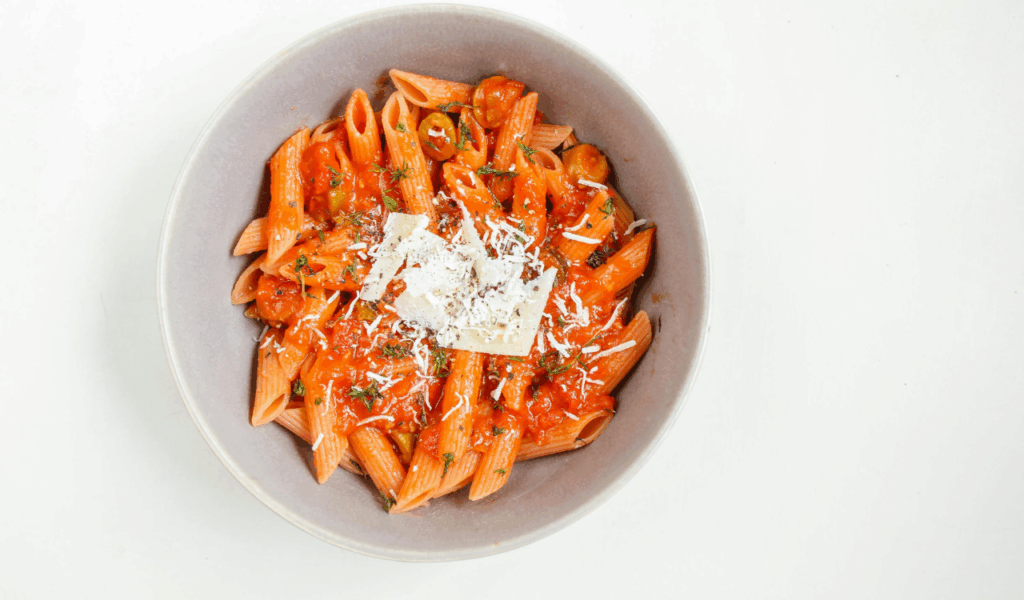
Some New Year meal plans assume unlimited prep time, consistent schedules, and ideal conditions. In reality, long work hours, commuting, caregiving, and social commitments shape how people eat. Plans that require elaborate cooking every day or strict meal timing quickly clash with real routines. When plans fail to account for leftovers, takeout nights, or work travel, people feel like they are failing rather than recognizing the plan was unrealistic. Successful eating habits adapt to life instead of demanding life revolve around them.
8. Eating Plans Expecting Zero Cravings or Temptations

Cravings are a normal biological response, not a personal weakness. Plans that promise hunger-free perfection set people up for disappointment. Stress, lack of sleep, and emotional triggers all influence appetite. When cravings inevitably appear, people often feel confused or discouraged, assuming the plan is not working or they lack discipline. Realistic meal plans anticipate cravings and provide strategies to manage them, such as balanced meals, adequate protein, and flexibility. Ignoring this reality makes plans feel disconnected from human behavior.
9. Rigid Portion Control Without Flexibility

Strict portion rules may look simple, but they rarely account for varying hunger levels, activity, or special occasions. Hunger fluctuates from day to day, and rigid portions can leave people unsatisfied or overly focused on measuring food. This approach often turns meals into calculations rather than experiences. Over time, it can disconnect people from natural hunger cues. More adaptable plans encourage awareness rather than strict limits, allowing portions to adjust based on real needs while still supporting overall balance.
10. Plans That Don’t Allow Occasional Indulgence

Meal plans that leave no room for indulgence often fail socially and emotionally. Food is tied to celebration, comfort, and connection. Plans that ignore this reality can feel isolating and joyless. People may follow them briefly but abandon them once they feel deprived or disconnected. Allowing occasional indulgence helps reduce feelings of scarcity and supports long-term adherence. The goal is not constant restriction but learning how indulgences fit into a balanced pattern without guilt.
11. Meal Plans That Rely on Willpower Alone

Motivation is highest at the start of the year, but willpower naturally fades. Plans that depend solely on self-control without structure tend to collapse once enthusiasm wears off. Hunger, stress, and decision fatigue make constant restraint unrealistic. Sustainable plans rely on systems, such as meal prep, accessible foods, and supportive routines. When the environment supports the goal, less willpower is required. Plans that ignore this reality often leave people blaming themselves instead of recognizing flawed design.
12. New Year Plans Created Without Personalization

One-size-fits-all meal plans ignore differences in culture, preferences, medical needs, and daily routines. What works for one person may feel miserable or impractical for another. Generic plans can lead to boredom, dissatisfaction, or physical discomfort. Personalization increases the chance of success by aligning food choices with tastes, budgets, and lifestyles. Without it, plans feel imposed rather than chosen, making them harder to maintain beyond the first few weeks.
13. Instant Overnight Complete Healthy Lifestyle Overhauls

Plans that attempt to change everything at once often overwhelm even the most motivated people. Switching diets, exercise routines, sleep habits, and social behaviors simultaneously creates too much friction. Small disruptions can derail the entire effort. Sustainable change usually happens through gradual adjustments that build confidence and momentum. Overnight overhauls sound inspiring but rarely survive contact with real life. Lasting habits grow from manageable steps, not sweeping resolutions that demand immediate perfection.