9 January Food Habits People Quickly Dropped

In January, health objectives, budget resets, and holiday exhaustion drive healthy eating habits. People experiment with sugar-free, everyday cooking, and fashionable diets. When life restarts, certain habits persist, but others fade quickly. Due to professional, social, and time constraints, strict food guidelines are difficult to maintain. Nutrition is important, but fun, flexibility, and balance are too. A month later, convenience and satisfaction slowly take over. These dropped habits are not failures; they indicate that meal patterns must blend into daily living. Once routines stabilize after a few weeks, what people quit shows sustainability, motivation, and how we eat.
1. Cutting Out All Sugar Completely

Many individuals start January by cutting off all sugar, natural and added. Total sugar elimination seems impossible, yet lowering sugar can boost energy and oral health. Fruits, dairy, sauces, and packaged foods contain sugar, making avoidance psychologically demanding. Quitting typically increases cravings and rebound overeating. Nutrition study reveals moderation is preferable than restriction since deprivation harms the body and brain. Since group meals commonly include sweets, social obstacles are noticed. Many go from strict avoidance to thoughtful reduction in January. They limit overly sweetened meals rather than police every ingredient, making eating more sustainable and stress-free.
2. Drinking Only Green Smoothies for Meals
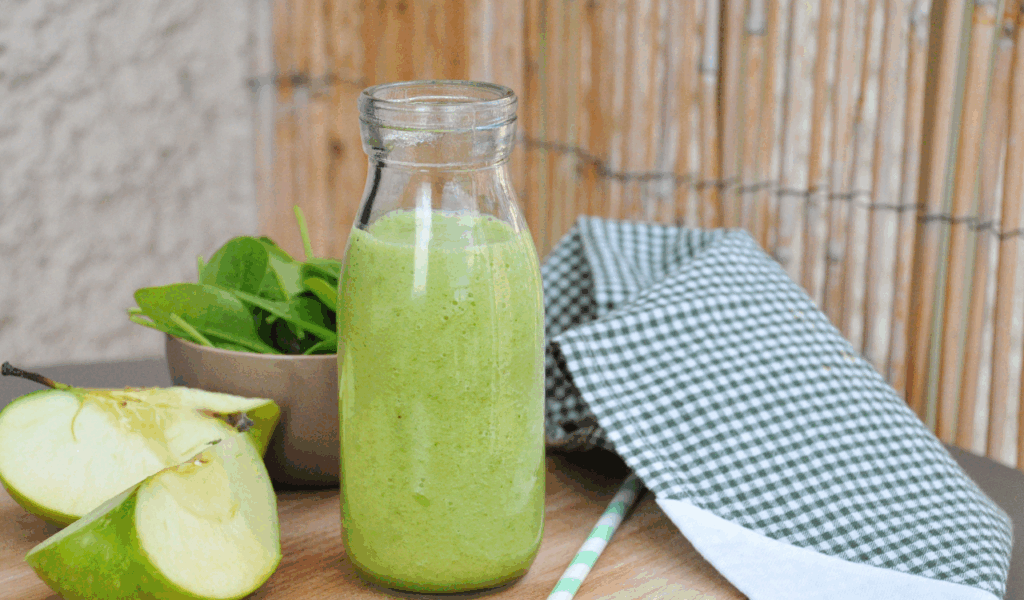
In January, green smoothies become more popular since they taste clean, light, and full of vitamins. But depending on them for most meals rapidly shows their limits. People are more likely to nibble after eating liquid meals since they digest faster. A lot of smoothies also don’t have enough protein, healthy fats, or calories to provide you energy. Chewing food helps you feel full, and taking it away makes you less satisfied with your meal. After a few days of solely smoothies, people often feel cold, sleepy, or cranky. Most people go back to eating solid food by the middle of January, although they still drink smoothies as a supplement. Blending fruits and vegetables is necessary, but balanced, digestible meals are better.
3. Avoiding Carbohydrates Entirely

Promises of fast weight loss drive low-carbohydrate regimens every January. However, eliminating carbohydrates might cause weariness, impaired concentration, and decreased workout performance. Carbohydrates fuel the body, especially the brain and muscles. Eliminating them makes daily chores harder, especially for active people. When basic foods are banned, social dining becomes difficult. Many people learn that entire grains, fruits, and veggies contain critical nutrients. Weeks of severe avoidance lead to selective inclusion. Reintroducing carbohydrates mindfully emphasizes quality and quantity size rather than eradication.
4. Cooking Every Single Meal at Home

Often, January energy leads to lofty intentions to prepare all meals from scratch. Cooking at home is time-consuming, but it helps with budgeting and nutrition. Preparing, cooking, cleaning, and shopping all need constant work that conflicts with hectic schedules. How exhausting this becomes after lengthy workdays is often underestimated. Cooking stops feeling like a good habit and instead becomes a chore as exhaustion sets in. Expectations are adjusted by the middle of the month. Despite allowing basic prepared foods or occasional meals outside, they nevertheless cook frequently. With this flexible method, home cooking benefits are kept without the worry of perfect uniformity.
5. Drinking Only Juice for Cleansing

People pay attention to juice cleanses in January because they help them get back on track after eating a lot during the holidays. Juices have vitamins, but they also take out fiber, protein, and lipids that slow down digestion and make you feel full. Only drinking juice can make your blood sugar levels go up and down, give you headaches, and make you feel tired. The liver and kidneys already do a good job of detoxifying the body, so cleanses aren’t needed. People typically feel weak and hungry within days, which makes it tougher to stick to their normal routines. As people learn more, many quit juice-only programs. Instead, they drink juices with meals or snacks and consume a balanced diet for digestion and energy sustainment.
6. Following Extremely Low Calorie Plans

Another habit that goes away rapidly in January is eating very little calories. Cutting calories can cause short-term changes, but eating very little will slow down your metabolism and raise your hunger hormones. People get cranky, can’t concentrate, and have trouble sleeping. It also gets difficult to do physical activity, which makes you move less overall. Because of these impacts, it’s hard to stick to rigorous programs for very long. A lot of people know that for advancement to be lasting, there needs to be enough food to live on. People eat healthier foods throughout the month. Nutrient density and regular meals are prioritized over tough diets that tire you out and cause overeating.
7. Eating Only Trend Driven Superfoods
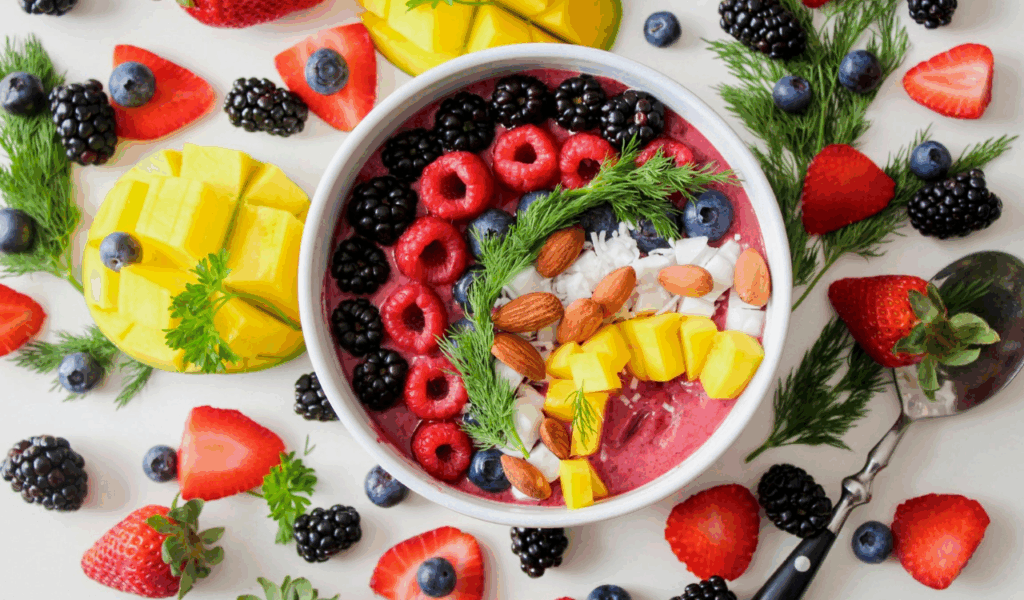
January frequently presents shopping lists replete with fashionable superfoods purported to address all issues. Although some foods may be healthful, dependence on a limited selection restricts diversity. No individual ingredient supplies all necessary nutrients; a varied diet promotes intestinal health and long-term well-being. Choices influenced by trends might be costly and difficult to obtain consistently. Individuals quickly observe that uncomplicated, well-known meals provide comparable advantages when consumed consistently. As enthusiasm wanes, superfoods transition from staples to infrequent enhancements in meals. Balanced nutrition uses simple, affordable ingredients that fit budgets, tastes, and cooking habits.
8. Skipping Breakfast Every Day

A lot of people skip breakfast in January to cut down on calories or because they are following time-based eating fads. Some people feel good at first, but later in the day they may feel tired, have trouble focusing, or eat too much. The time of breakfast affects people in different ways, depending on how active they are and how fast their metabolism is. If you skip it all the time, mornings might be slow, especially for people who have to get up early. As routines settle down, a lot of people start eating simple breakfasts again. Instead of big or complicated options, they pick ones that are quick and enjoyable. Paying attention to hunger and energy needs replaces skipping meals.
9. Cutting Out All Comfort Foods

People sometimes try to get rid of all their comfort foods in January after the holidays. The goal is to have control, but completely avoiding something might have negative effects on your emotions. Comfort foods are part of culture, enjoyment, and stress alleviation. Taking them away totally could make people feel deprived and make them eat too much later. Many people know that having fun every now and again helps keep things in balance instead of throwing them off. As January goes on, comfort foods come back in smaller amounts. Instead of feeling guilty, they focus on enjoying things mindfully. Healthy habits and enjoyment can coexist, making diets more feasible and emotionally sustainable.