12 Foods People Rely on to Control January Chaos — With Mixed Results

January often brings busy schedules, leftover indulgences, and attempts at healthier habits, prompting many to rely on specific “control” foods for structure and efficiency. From pre-made smoothies to quick snacks, these meals promise convenience, nourishment, and energy during hectic weeks. While some options support routines and provide quick satisfaction, others fall short due to repetitive flavors, hidden calories, or extra prep. Their effectiveness depends on portion control, timing, and realistic expectations, as not all shortcuts solve post-holiday chaos in practice.
1. Pre-Made Smoothies

Pre-made smoothies are a go-to for January mornings because they offer speed, portability, and perceived health benefits. Yet sugar content can range from 20 to 40 grams per bottle, and calories may be higher than expected, prompting extra snacks later. Daily costs can strain budgets, particularly for families or frequent users, while repeated flavors risk taste fatigue. Smoothies reduce prep time and provide quick nutrients, but satisfaction varies. They are convenient and supportive of wellness goals, yet they only partially address morning hunger and routine management when energy and attention are low.
2. Overnight Oats
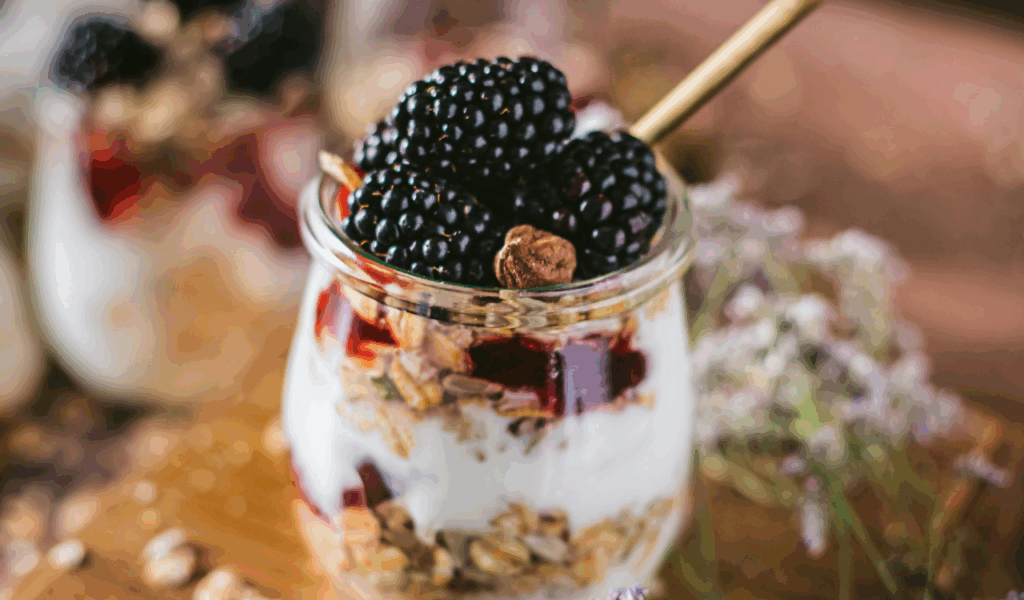
Overnight oats are valued for simplicity, portability, and customizable nutrition, yet they are not a guaranteed solution for January meal control. Repeated preparation can feel monotonous in texture, and flavor combinations may grow dull over days, leading to decreased interest. Additions like nut butters, honey, or fruit can increase calories and affect satiety, reducing effectiveness for portion management. While quick to assemble, they require creativity, rotation of flavors, and attention to consistency to remain appealing. Overnight oats provide structure and convenience but must be managed thoughtfully to maintain adherence and enjoyment.
3. Meal Replacement Bars
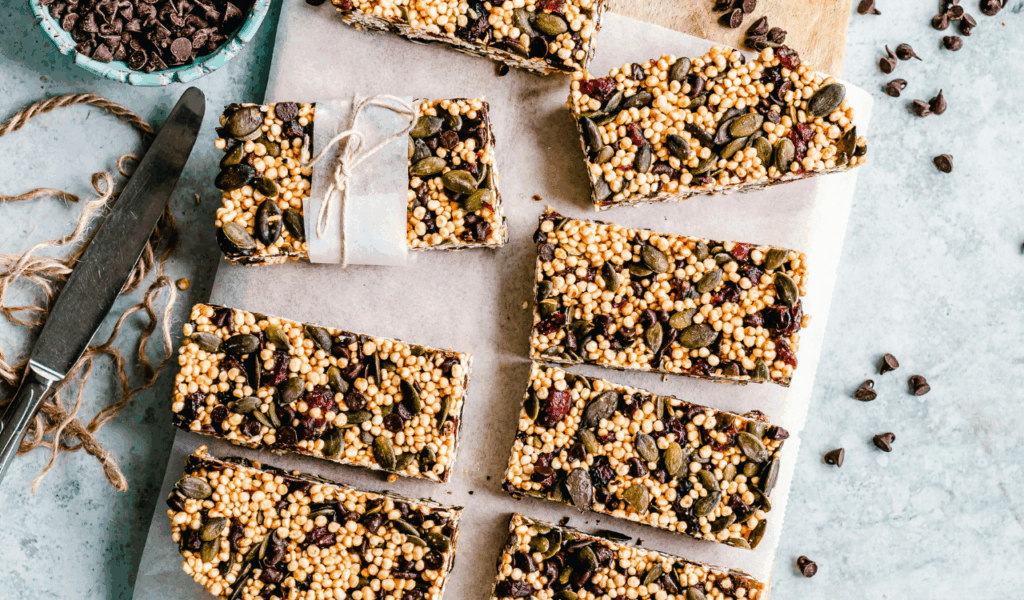
Meal replacement bars are popular for quick nutrition during hectic January schedules, offering a structured and portable option when planning is limited. However, bars vary widely in sugar, fiber, and protein content, which affects hunger and energy differently for each person. Daily consumption can produce taste fatigue, limiting adherence, and some bars may not match the nutrient density of whole foods. While they reduce decision-making and save time, relying solely on bars cannot fully substitute balanced meals. Careful selection is required, and even then, bars may only partially support post-holiday routines while offering convenience and predictability.
4. Pre-Cut Vegetables
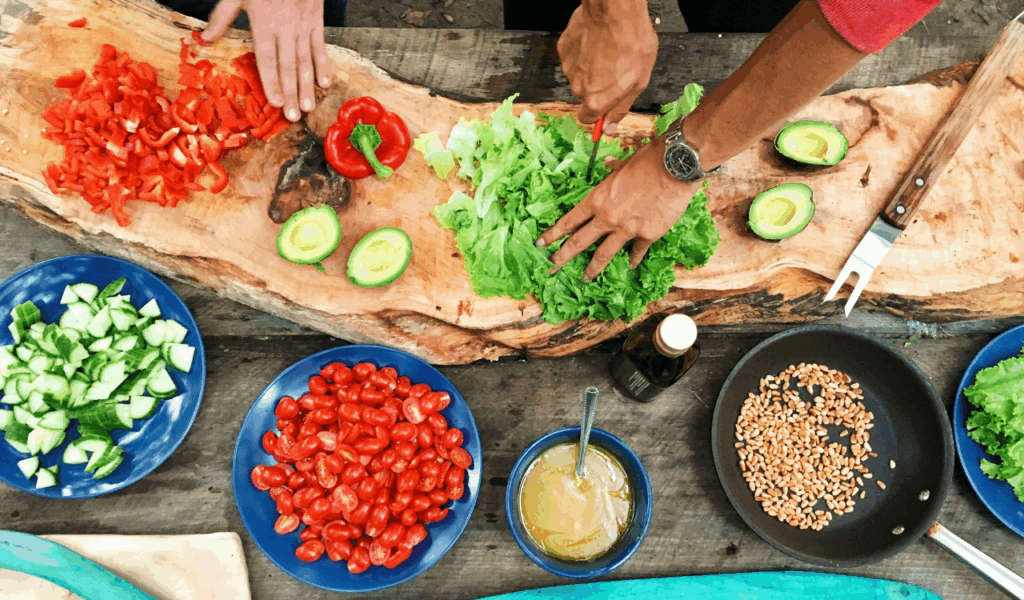
Pre-cut vegetables provide convenience for snacking and meal prep during busy January weeks, yet they are not foolproof. They cost more than whole produce and may spoil faster, requiring prompt use, which can increase pressure. Some family members may avoid raw vegetables altogether, diminishing their utility. Texture and moisture can differ from freshly cut items, affecting appeal. While they save chopping time and encourage vegetable intake, their effectiveness depends on planning, rotation, and pairing with other foods. Pre-cut produce supports healthier habits but cannot replace mindful meal design, so results are varied when used for structured routines.
5. Rotisserie Chicken
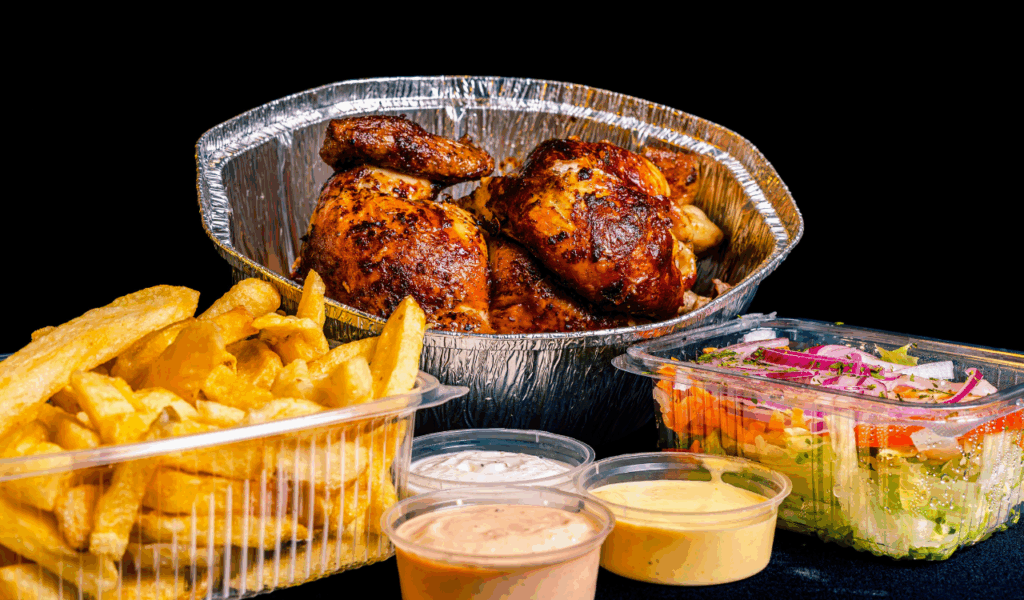
Rotisserie chicken is a convenient source of protein and a popular solution for busy January dinners, yet it does not automatically simplify meal planning. Portions may not align with planned servings, leftovers require storage, and repeated meals can feel flavor-repetitive. Sodium content often ranges from 800 to 1200 milligrams per bird, which may conflict with health-focused resolutions. Skin and seasoning limit flexibility for some diets. While it reduces prep and cooking time, the effectiveness of rotisserie chicken depends on pairing with sides, balancing portions, and creative use, making it helpful but not foolproof for controlling hectic post-holiday routines.
6. Soup from a Can

Canned soups are a staple for warmth and structure during January, offering minimal prep and portion control, yet results are inconsistent. Sodium levels can be high, sometimes exceeding 900 milligrams per serving, and repeated flavors may feel one-dimensional, leading to taste fatigue. Customizing with fresh herbs, spices, or leftover vegetables requires extra effort, reducing convenience. Even heating can be uneven, creating hot spots or bland servings. While canned soups are filling and predictable, they rely on careful management to maintain interest and nutritional balance, meaning their efficiency in managing busy post-holiday routines is limited and partially effective.
7. Frozen Vegetables
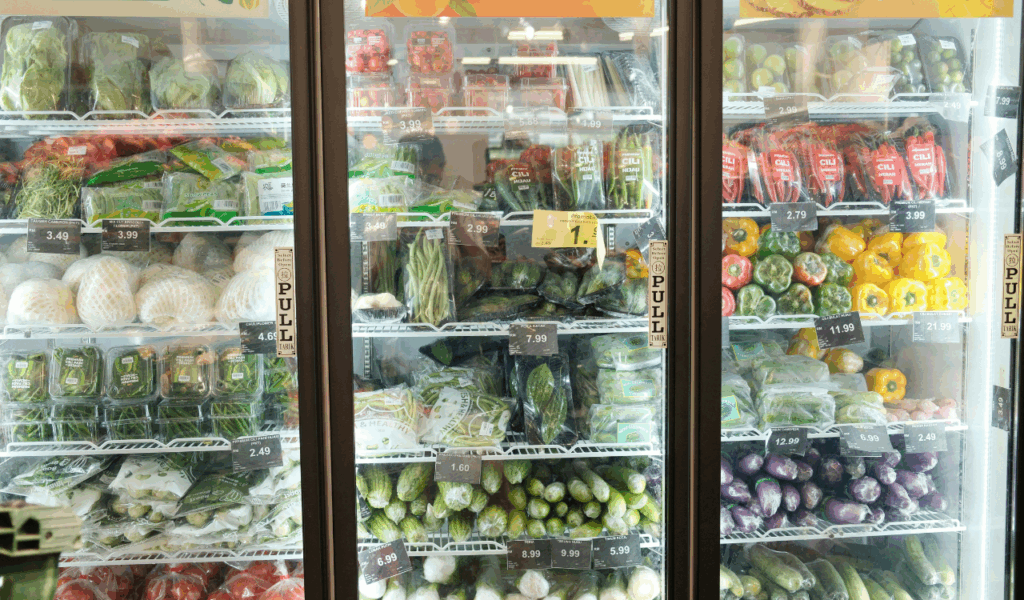
Frozen vegetables are convenient, nutritious, and save prep time, making them a staple for busy January meals, yet relying on them alone has limitations. Texture can be softer than fresh, and flavor may seem muted without proper seasoning or cooking methods. Repeated use can make meals feel monotonous, reducing engagement with meal planning and enjoyment. Nutritional benefits like fiber and vitamins remain intact, but variety matters. While they support efficiency and structure, frozen vegetables do not automatically make meals exciting or fully solve post-holiday routine challenges.
8. Quinoa Bowls
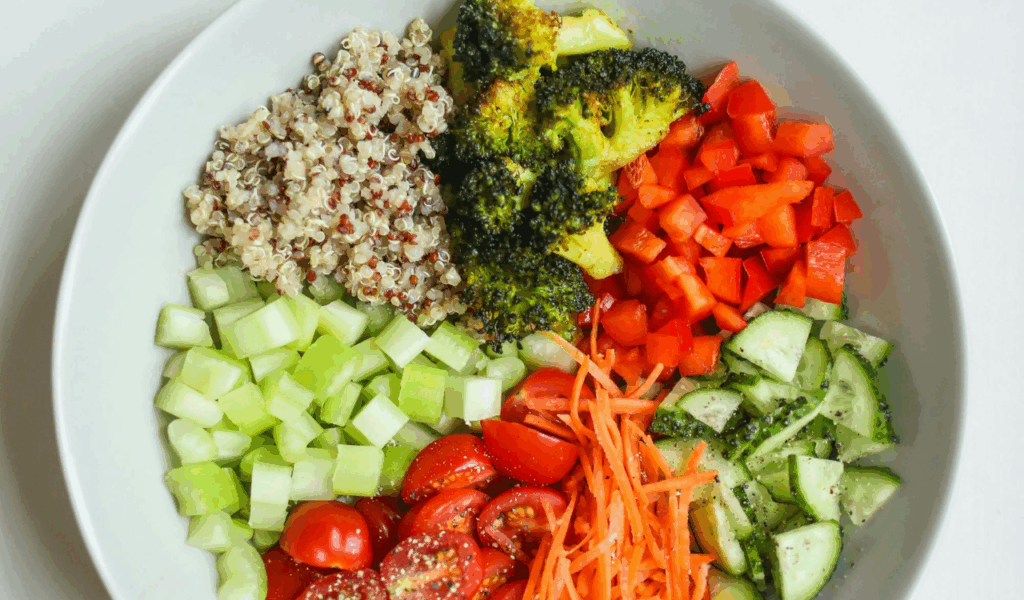
Quinoa bowls are popular for January meal planning because quinoa provides protein, fiber, and a neutral base, yet they are not automatically satisfying. Without creative seasoning, dressings, or varied toppings, these bowls can feel bland and repetitive, contributing to taste fatigue. Portioning and balancing protein, vegetables, and sauces requires planning that can reduce convenience. While visually appealing and versatile, quinoa bowls need attention to flavor and combination to prevent monotony. Even with herbs, spices, or fresh produce, they remain reliable but not foolproof for managing busy, post-holiday weeks.
9. Smoothie Packs
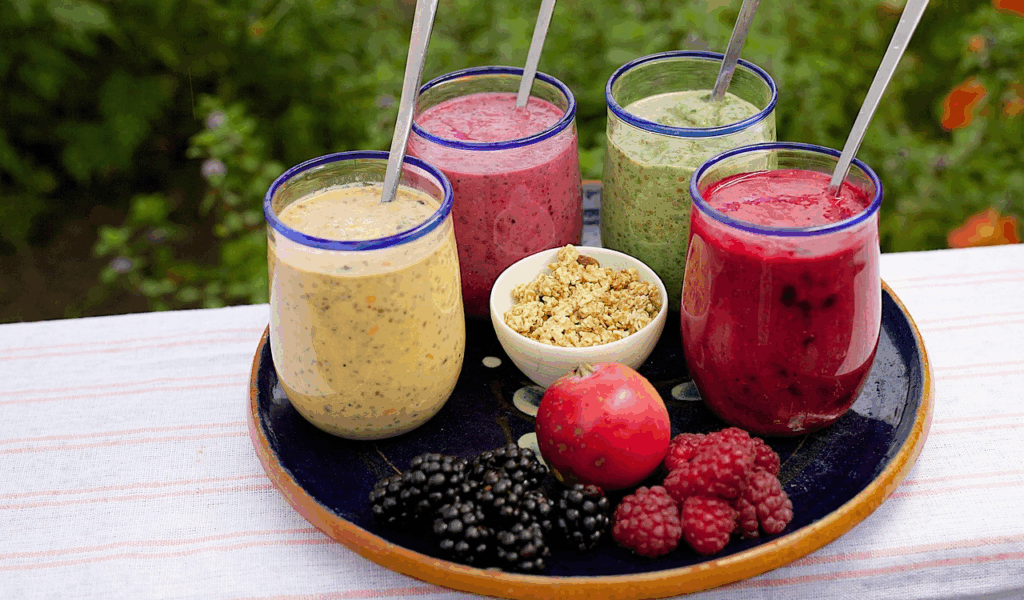
Pre-portioned smoothie packs are designed to save time for breakfasts or snacks, yet they do not always simplify mornings. Freezing fruit and ingredients can reduce prep, but some fruits lose texture, and repeated flavors risk taste fatigue. Added powders or sweeteners can increase sugar content, affecting appetite and energy. While convenient and structured, smoothie packs alone may not satisfy hunger fully or prevent extra snacking, requiring thoughtful rotation and pairing with protein or fiber for better balance. They support routine efficiency but are not a perfect solution for controlling post-holiday weeknight nutrition.
10. Greek Yogurt

Greek yogurt is a common January breakfast or snack choice because of its protein content, versatility, and convenience, yet relying solely on it has drawbacks. Plain versions can taste bland, prompting added sweeteners that increase sugar intake, while repeated use may create monotony. Serving multiple family members can also create tension if preferences differ. Pairing Greek yogurt with fruit, granola, or seeds can improve flavor and texture. While it provides quick nutrition and supports satiety, it cannot fully replace variety or creativity, making it a helpful but inconsistent tool for managing busy winter routines.
11. Pre-Cooked Grains
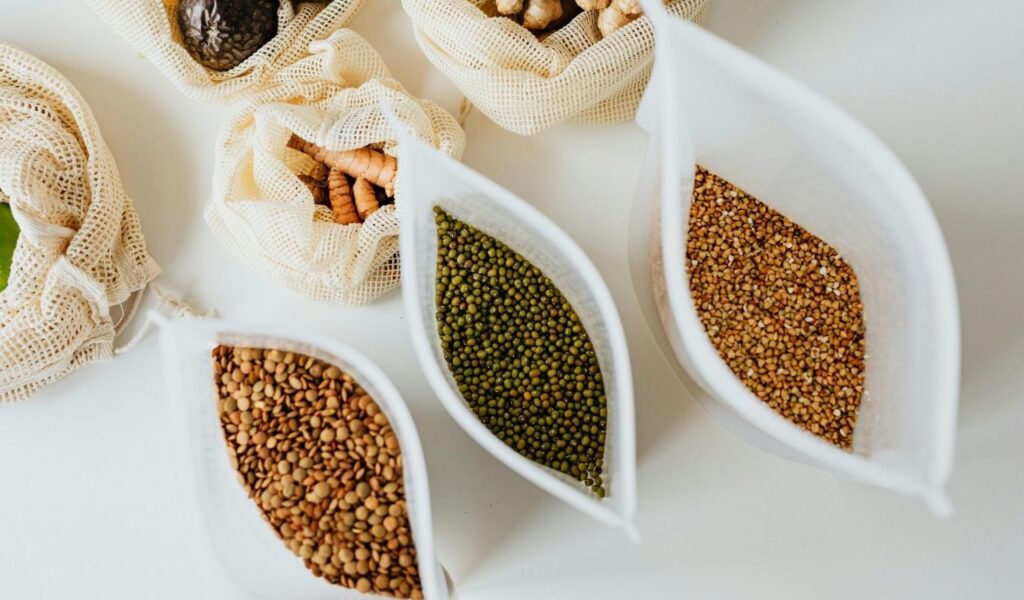
Pre-cooked grains, such as rice, farro, or barley, save cooking time and offer a ready base for meals, yet relying on them repeatedly can feel monotonous. Texture may be altered during reheating, and flavor can lack depth without additional ingredients or seasoning. While convenient for post-holiday weeks, using the same grains daily may reduce engagement with meals. Combining grains with fresh vegetables, proteins, or spices enhances taste and variety. Though practical for structure and efficiency, pre-cooked grains are only partially effective for keeping January meals interesting and require planning to maintain satisfaction.
12. Nut Butters
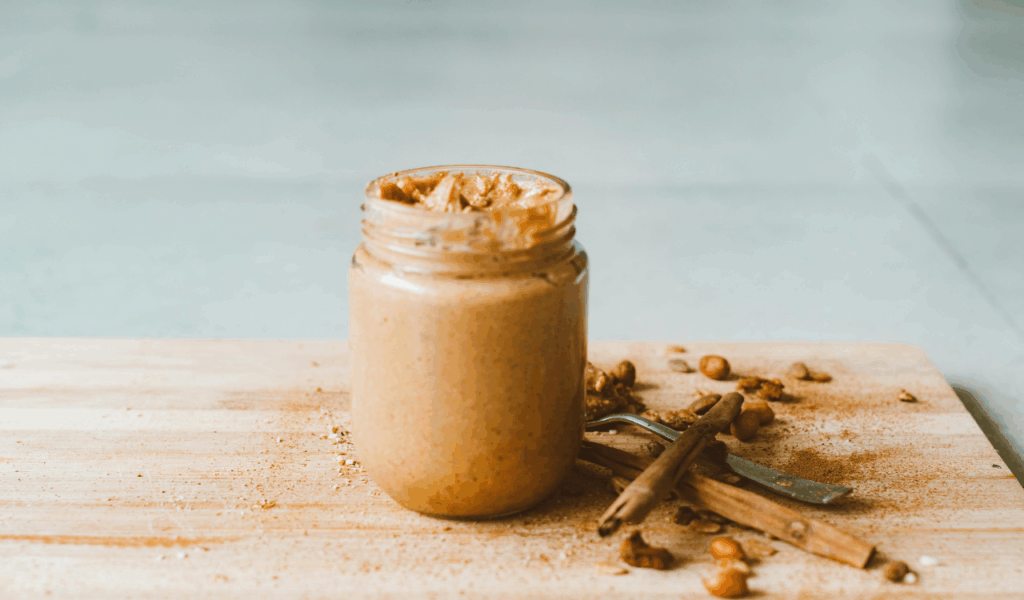
Nut butters are a popular way to boost protein and provide quick energy during January, yet they are not a complete solution for chaotic schedules. Easy to spread on bread, fruit, or snacks, they deliver satiety but are high in calories, which can undermine diet intentions if portions are mismanaged. Limited flavor variety may reduce appeal unless paired creatively with other foods. Sticky texture can create minor frustrations during preparation. While they are convenient and reliable for a fast nutritional boost, nut butters cannot independently simplify meals or prevent post-holiday indulgence, highlighting their partial usefulness for managing busy weeks.