
7 “Vintage” Light Fixtures That Actually Cause Electrical Fires
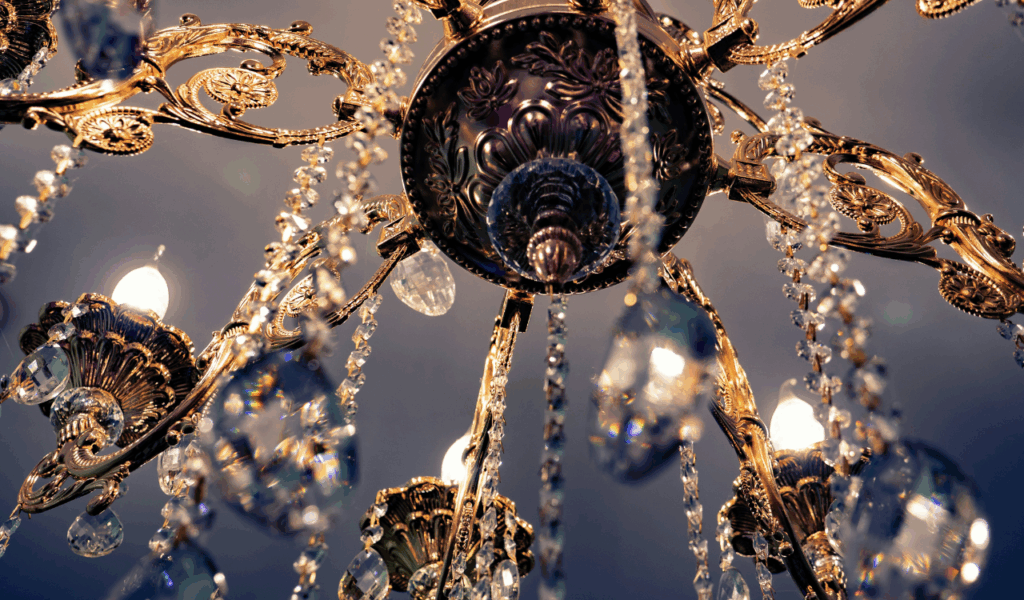
Homeowners who want to give a room instant flair may find it hard to resist a mid-century chandelier or a Victorian-era sconce. But interior designers and expert electricians say that real “vintage” light fixtures are often ticking time bombs beneath pretty brass and glass. Electrical contractors say that the biggest risk is that interior parts will break down because they weren’t made to last for a hundred years. These lights may look great on a dimmer switch, but their old wiring can cause deadly arc flashes or silent heat buildup in your walls.
Safety inspectors and professional flippers stress that the “authentic” look often comes with insulation that has deteriorated into fragile dust over the years. “Just because a light turns on doesn’t mean it’s safe to leave it alone,” says one experienced fire investigator. Designers say that each historic item should be regarded like a decorative housing that needs to be completely gutted before it can be used. In this scenario, a $50 flea market find can lead to a $50,000 fire insurance claim if protecting the historical integrity is more important than following modern electrical rules.
1. The Cloth-Wrapped Art Deco Pendant

Designers love Art Deco pendants because they are so beautiful and geometric, but the original cloth-wrapped wiring is very dangerous since it can catch fire. Electricians say that the organic cotton or silk insulation used in the 1920s and 1930s is likely to rot and get damaged by bugs, which leaves the copper wires entirely exposed. Experts claim that even a small tremor can make these bare wires meet, which would produce an electrical arc right away.
Professional organizers say that these fixtures should only be used for show until a certified professional updates all of the internal wiring. Designers say that the heat from current light bulbs can make old textile insulation smolder or catch fire if it has dried out and flaked off. “Contractors say that the rubber lining under the cloth often breaks down into a sticky, conductive mess that makes short circuits easier,” says an electrical engineer.
When real estate agents do home inspections, they commonly point out these original-wire pendants as safety breaches that need to be fixed right away. The look is ageless, but the original wiring is from a time before modern safety requirements, so it could be dangerous in a modern home.
2. The Unchecked Bakelite Socket Sconce

In the early 1900s, bakelite was a groundbreaking plastic that was often employed in the sockets of table lamps and wall sconces. Experts explain, nevertheless, that Bakelite gets quite brittle as it gets older and can develop tiny hairline cracks that make it less effective as an insulator. If a socket breaks, it can let electricity “leak” into the metal casing of the fixture, making the whole lamp a live wire. Designers say that if you touch a broken Bakelite sconce, you could get a bad shock or start an electrical fire if it touches wallpaper that can catch fire.
Electrical contractors commonly see that these sockets have “carbon tracked,” which means that electricity has made a route across the plastic that lets it flow. “Experts say that carbon tracking can lead to a slow, smoldering fire that is difficult to detect until it breaks out of the fixture,” says a fire safety specialist. Experts in flipping say that you should replace all of the old Bakelite parts with new ceramic or high-heat plastic ones. Paying a little bit to make sure that your “vintage” lights don’t cause a huge disaster in your home is a little thing to pay.
3. The Heavy Cast-Iron Floor Lamp with “Zip Cord”

In the middle of the century, a lot of heavy cast-iron lamps were re-wired with thin “zip cord” that doesn’t have a sufficient grounding wire. Designers say that the lamp’s weight can easily crush or pinch this small wire, which can cause a break in the insulation that you can’t see. Experts claim that if there is no ground wire, any problem inside the lamp will send electricity via the metal body instead of tripping a circuit breaker.
This makes a “silent” fire hazard since the metal frame can get hot enough to set fire to surrounding draperies or area rugs. Professional organizers say that zip cords are also known for “brittle-break” failure, which happens when the plastic shell splits when bent. A maintenance expert says, “Experts say that the heat from high-wattage incandescent bulbs that are often used in these lamps speeds up the hardening of the wire.
” Designers say that any old floor lamp should be updated with a new, heavy-duty three-prong cord to make sure that electrical problems don’t happen. A weak zip wire just can’t handle the demands of modern electricity, therefore a big lamp needs heavy-duty protection.
4. The Victorian Gas-to-Electric Conversion Chandelier
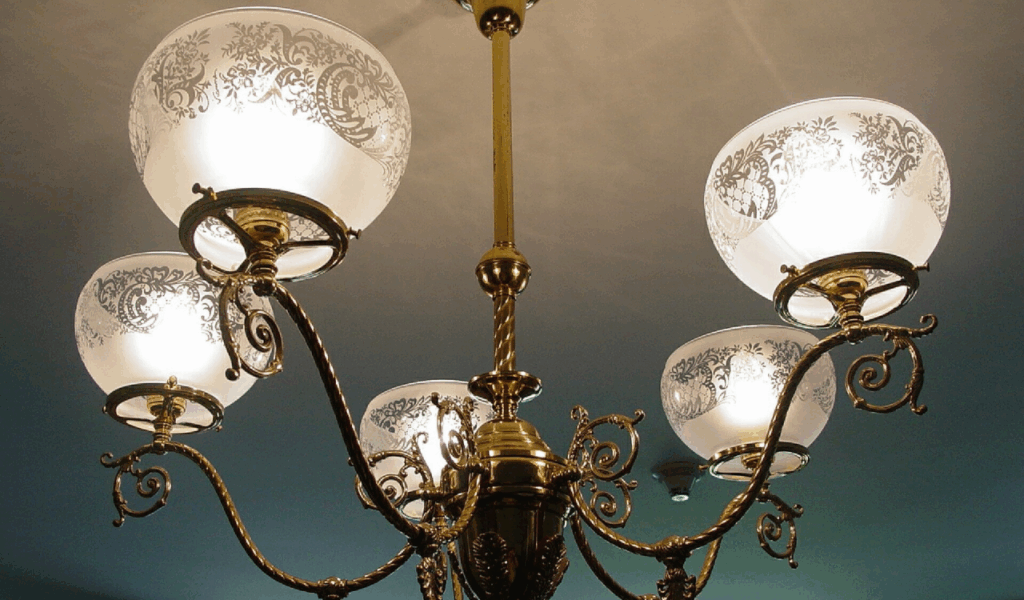
Many of the most stunning “vintage” chandeliers were originally powered by gas. In the early 1900s, many were changed to use electricity instead. Designers say that these changes often used very small gas pipes to carry the new electrical cables. Experts claim that the sharp edges within these ancient pipes can easily cut through wire insulation while they are being installed, which can cause a “ground fault” inside the metal arm. This could make the chandelier ignite or get too hot, which could set off dust or ornate ceiling medallions.
Realtors say that these hybrid fixtures are some of the most dangerous because they don’t always have the right mounting boxes in the ceiling. “Architectural historians say that contractors say that the weight of a Victorian brass chandelier is often too much for the original gas pipe to safely support.” If the pipe breaks, the fixture could fall, pulling the live wires out of the ceiling and putting you at risk of a fire right away. Professional flippers say that these pieces need a new structural support system and a full rewiring with thin-gauge, high-temperature Teflon-coated wires.
5. The “Industrial” Factory Light with Open Wiring
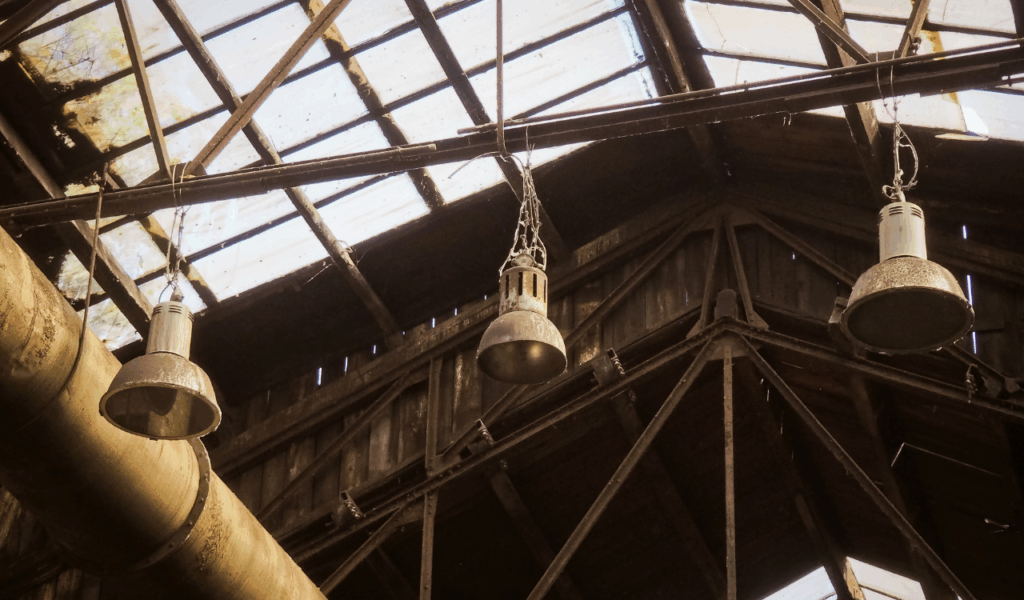
The trend in industry has caused many people to save old factory lights that have open-top designs or ceramic insulators that are visible. Designers say that these lights were made for warehouses with high ceilings, not kitchens or dining rooms with low ceilings. Experts explain that dust, grease, and moisture can quickly build up on the open wiring terminals. This might cause a “flashover,” which is when electricity leaps between the contacts.
This is especially dangerous in kitchens because cooking oils can get into the air and make a very flammable layer on the fixture. Electrical inspectors say that these old industrial items typically don’t have the “UL” or “ETL” safety certifications that are needed for modern homes. “A safety auditor says, “Experts say that the porcelain insulators used in these lights can crack quietly, letting the live terminals touch the metal cage.
” People in charge say that these lights should only be utilized if they have been professionally encased and replaced with new, moisture-resistant hardware. Industrial lighting has a “raw” style that is alluring, but having electrical parts exposed in a home is never safe.
6. The European “Import” Chandelier with Mismatched Voltage
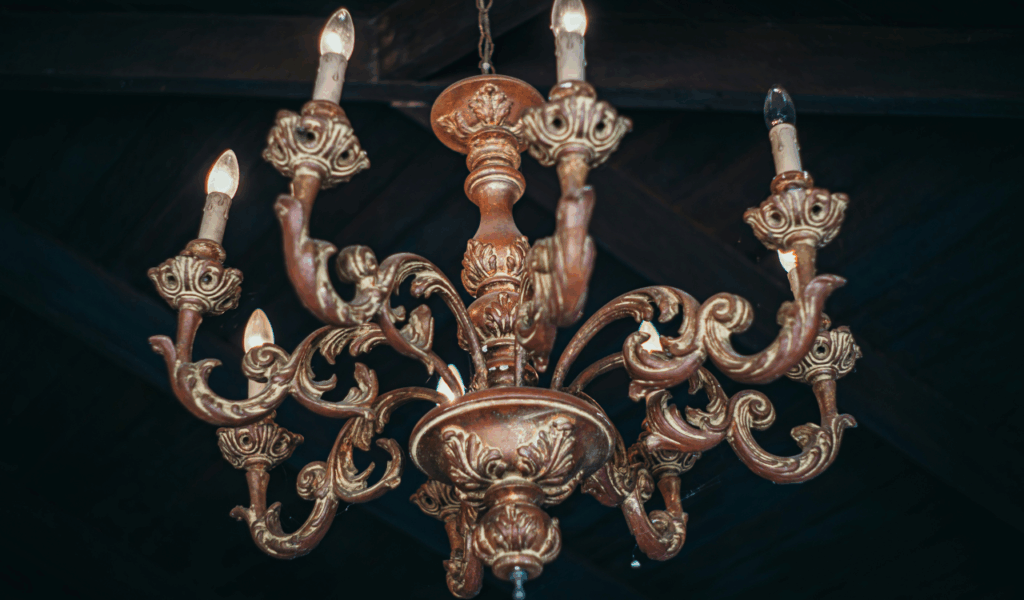
Luxury designers love vintage chandeliers from Europe, but they are generally wired for 220-volt systems instead of the 120-volt norm in the U.S. Experts claim that only changing the plug or the bulbs won’t make these lights safe. The wiring within European historic objects is sometimes much smaller than what is needed for American current. Under a 120-volt load, this can make the wires get very hot, which can melt the insulation and start a fire in the middle column of the fixture.
Professional flippers say that the socket diameters in European vintage lights, including E14 or E27, may not fit American bulbs completely, which could cause bad electrical contact. According to designers, bad contact causes “arcing,” which makes a lot of heat and can burn the socket in just a few minutes, a lighting consultant says. Experts say that any vintage light fixture that comes from another country should be thoroughly taken apart and rebuilt using American sockets and wire gauges. This is the only method to make sure that your international find works with your home’s electrical “language” and safety rules.
7. The Faux-Antique “Edison Bulb” DIY Fixture

Many DIY fixtures that use vintage-style elements are technically “new,” but they might be more unsafe than real antiques. Many “steampunk” or “rustic” lights created with unrated pipes, jars, and decorative wiring don’t let heat escape properly, according to designers. Experts believe that the popular “Edison bulbs” make a lot more heat than LEDs.
When they are put in closed jars or tight metal housings, they can even fry the wiring. This makes the insulation fail too soon and raises the chance of an internal fire that you can’t see until it’s too late. Electrical professionals say that a lot of the “vintage-style” outlets you can buy online are inexpensive imports that don’t fulfill basic fire safety regulations.
A home inspector says, “Experts say that the wires can pull out of the terminals if there isn’t enough strain relief on DIY cord-hung lights.” Organizers said that a professional should check any “handmade” historic light to make sure it is properly grounded and vented. You shouldn’t use 19th-century safety logic to build something that appears like it was made in the 19th century. There are reasons why modern standards exist.