12 Evening Foods That Are Supposed to Help but Often Complicate Things

Evening eating is often approached with the goal of lightness, comfort, or sleep support, yet many common choices complicate the process. Research shows that 40% of adults report disrupted sleep, bloating, or restlessness from evening carbohydrates, fiber, or acidic foods. Staples like pasta, rice, oatmeal, and toast, as well as fruits, vegetables, teas, chocolate, nuts, and smoothies, can spike or crash blood sugar, slow digestion, or trigger reflux if timing or portions are off.
Evening meals require attention to glycemic load, fiber content, acidity, and individual tolerance. What looks simple on the plate can end up heavy, stimulating, or uncomfortable, making a supposed “helpful” food counterproductive if eaten too close to bedtime or in large amounts.
1. Pasta
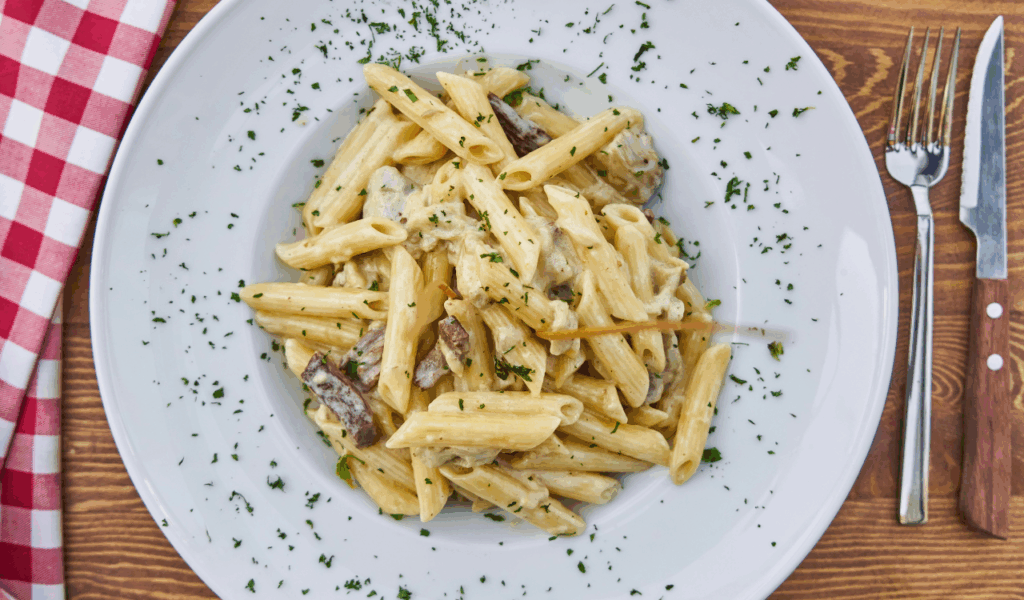
Pasta is a familiar evening comfort, but high-glycemic varieties such as white pasta (GI 70–89) can cause rapid blood sugar spikes followed by energy dips, delaying melatonin release and making it harder to unwind. Large portions late at night exacerbate these effects, while plain starches may leave the digestive system working harder, producing bloating or a sense of heaviness. Even whole-grain pasta slows absorption but adds fiber that may prolong digestion, requiring careful timing.
Portioning pasta with protein, vegetables, or a light sauce helps mitigate blood sugar swings and promotes satiety without overloading the stomach. For instance, half a cup paired with roasted vegetables balances carbohydrates and slows digestion. The perception of comfort can backfire if pasta dominates the meal or is consumed right before lying down, showing that even a “helpful” evening staple can complicate rest without mindful preparation and portion control.
Pro Tip: Stick to ½ cup portions and pair with vegetables or light protein to prevent spikes and improve evening digestion.
2. Rice
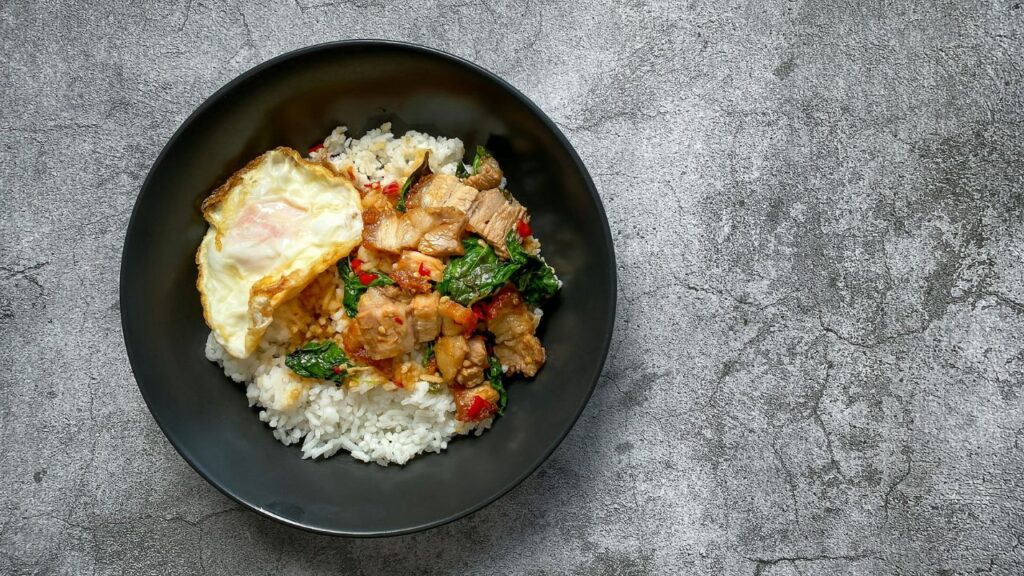
Rice, particularly white rice, is easy to digest but can disrupt evening routines due to high glycemic index. Eating more than one cup late in the day can elevate blood sugar and prompt a crash, leaving restlessness or hunger. Brown rice offers more fiber and slower absorption, yet it also prolongs digestion, which can be uncomfortable close to bedtime. Sauces, oils, or toppings add additional caloric load and can increase digestive effort in the evening.
Combining rice with vegetables and lean protein creates a more balanced meal that maintains fullness without causing spikes or bloating. Even simple rice bowls require attention to portion and timing to prevent digestive discomfort. Despite appearing light and calming, rice-heavy dinners can feel heavy or stimulating if not paired with slower-digesting components, highlighting the importance of mindful evening planning.
Pro Tip: Keep evening servings to ½–1 cup and add vegetables or proteins for balance and satiety.
3. Oatmeal
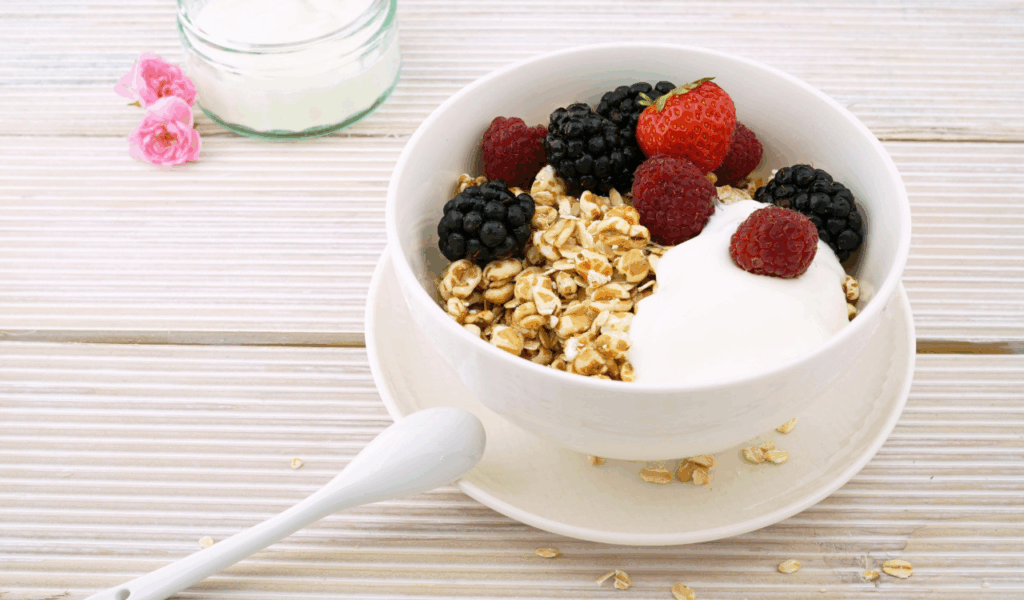
Oatmeal is often perceived as a soothing evening option, yet soluble fiber such as beta-glucan slows digestion and can leave some individuals bloated or restless. Thick or instant oat bowls with added sugars may destabilize blood sugar, undermining the calming effect. Even low-sugar oatmeal can produce lingering fullness that feels heavy during a wind-down period, complicating intended relaxation.
Pairing oatmeal with spices like cinnamon, a few nuts, or small fruit portions enhances flavor, satiety, and texture without overloading digestion. The timing of consumption matters; large or late bowls can prolong digestion and reduce comfort. Even a seemingly simple food can complicate evenings if fiber and portioning are not tailored to support rest rather than extend digestive effort.
Pro Tip: Opt for ½ cup cooked oats with a sprinkle of nuts or cinnamon to enhance calm and prevent heaviness.
4. Toast
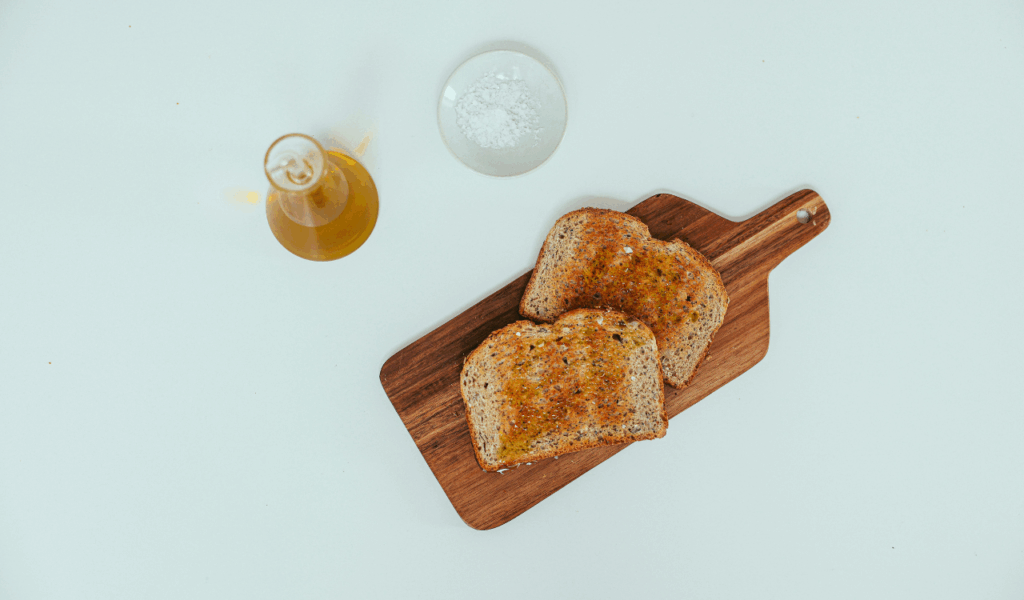
Toast is frequently chosen for its convenience, yet refined bread has a high glycemic index (GI 70+), which can spike and crash blood sugar if eaten in the evening. Sweet toppings such as jam or honey exacerbate the effect, potentially creating alertness or mild restlessness when the goal is relaxation. Whole-grain bread moderates spikes but pairing with cheese, nut butter, or other toppings increases caloric load and digestion time.
Even a simple slice can feel heavier than expected if consumed late, as the starch requires digestive effort that slows the wind-down process. Toast is best paired with protein or small portions of fruit to maintain satiety without blood sugar disruption. Timing, topping selection, and portion size are critical to prevent a supposedly light snack from interfering with evening calm or sleep readiness.
Pro Tip: Use one slice of whole-grain toast with a light spread of nut butter or fruit for balanced evening snacking.
5. Bananas
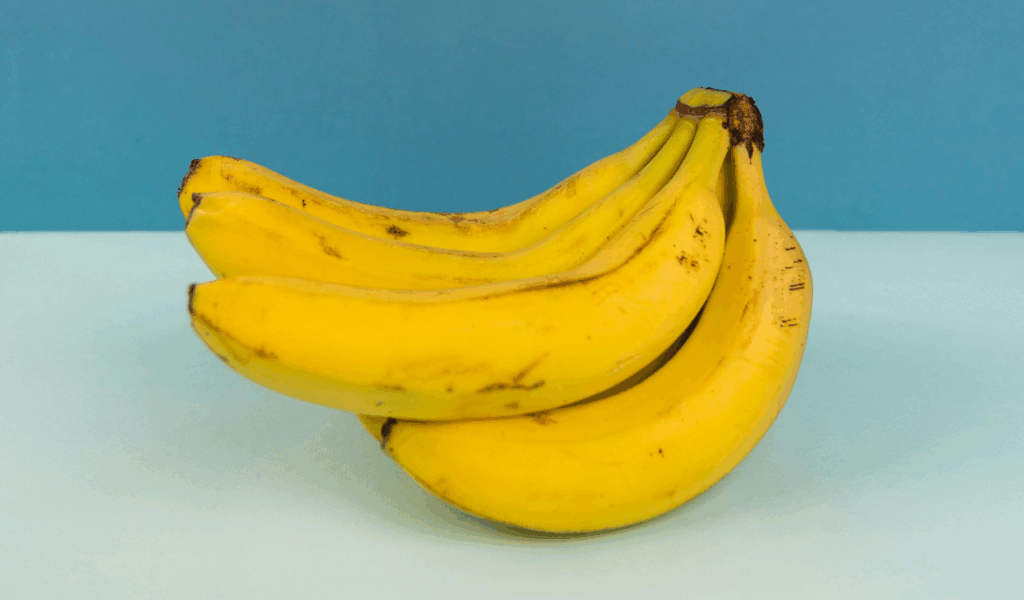
Bananas are often recommended for evening relaxation due to potassium and magnesium, but ripe bananas have a moderate glycemic index (around 50+), which can produce energy fluctuations. Their soluble fiber slows digestion, sometimes causing bloating or mild discomfort close to bedtime. Eating too many bananas or very ripe ones can create unintended stimulation rather than calm.
Combining bananas with yogurt, a small handful of nuts, or a touch of cinnamon can improve satiety and reduce sugar spikes. Portion control and pairing help maintain their intended calming effect while minimizing digestive load. Even a seemingly simple fruit can complicate evenings if eaten in isolation or in excessive amounts, demonstrating that moderation and context are key for supportive evening foods.
Pro Tip: Eat half a banana with a small handful of nuts or yogurt to balance sugar, fiber, and digestion.
6. Apples

Apples provide fiber and sweetness, but their insoluble pectin can ferment in the gut and cause gas or bloating when eaten too close to sleep. Large portions or raw-only consumption may leave a feeling of fullness without satisfaction, complicating digestion and rest. Sweet varieties may also trigger cravings for additional snacks, undermining the goal of calm evening intake.
Pairing apples with a small amount of protein, like a few nuts or a spoonful of yogurt, slows digestion and maintains satiety. Mindful portioning ensures that the fiber and natural sugars support a calm evening rather than provoke digestive discomfort or alertness. Apples demonstrate that even healthy fruits require attention to timing, portion, and pairing to avoid complicating evening routines.
Pro Tip: Slice one medium apple with a few nuts or yogurt for balanced evening satiety without discomfort.
7. Citrus Fruits
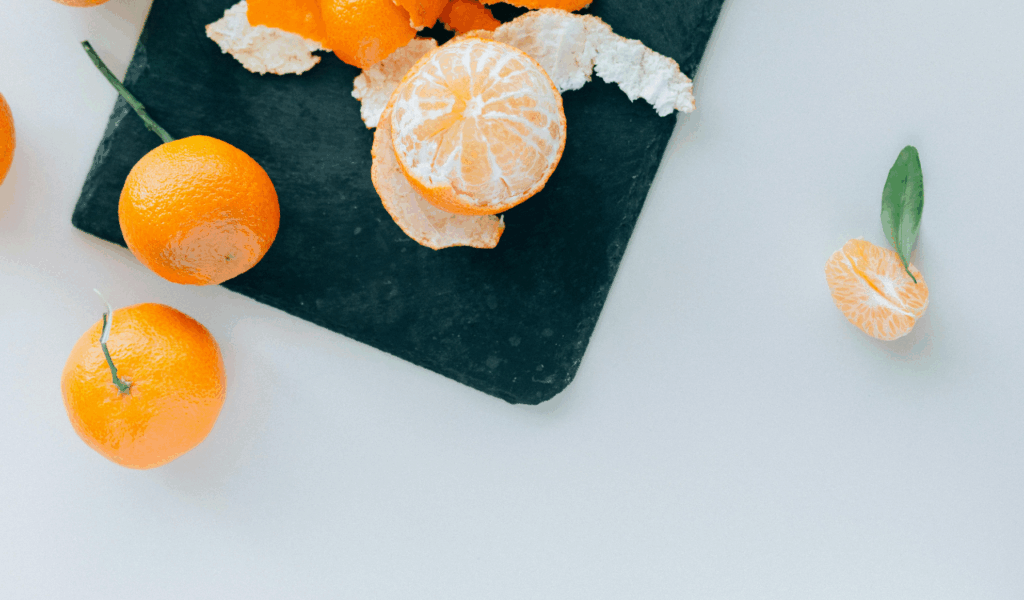
Citrus fruits like oranges, grapefruits, and tangerines are commonly thought to promote calm and provide vitamin C, but their acidity (pH 2–4) can trigger reflux, heartburn, or stomach discomfort when eaten in the evening. For people prone to GERD, even a small portion 1–2 hours before bed may increase the risk of waking with discomfort. The citric acid can also interact with other foods, slowing gastric emptying and leaving a heavy sensation. While light and refreshing, citrus requires careful timing and moderation to avoid complicating the evening wind-down.
Combining citrus with low-fat dairy or a small handful of nuts can buffer acidity and slow digestion, reducing potential discomfort. Cooked citrus, such as roasted oranges in a warm grain bowl, is milder and easier to digest. Even though these fruits are marketed as light and beneficial, their timing and preparation can make the difference between a calming snack and one that keeps the digestive system active late into the night.
Pro Tip: Consume citrus at least two hours before bed and consider pairing with yogurt or nuts to reduce acidity and digestive strain.
8. Tomatoes
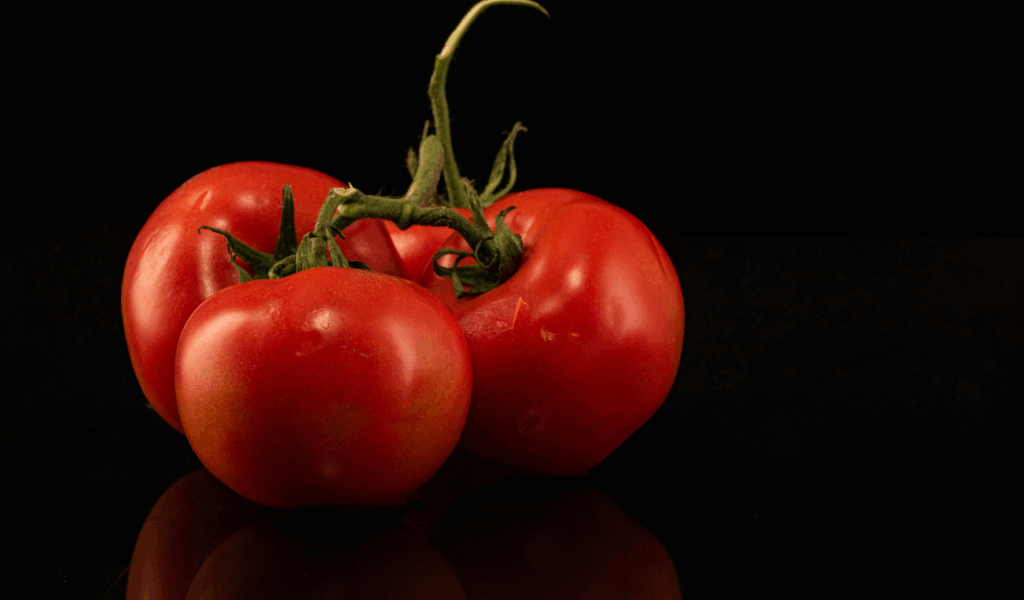
Fresh tomatoes, cherry tomatoes, and tomato-based sauces are frequently labeled as healthy evening choices, yet their acidity and fiber can provoke reflux or heartburn in sensitive individuals. The combination of insoluble fiber and acidic juice may lead to bloating or mild discomfort when eaten near bedtime. Even cooked tomato sauces are easier on digestion, but may still require pairing with neutral foods to prevent stomach irritation. Portion control and meal composition are critical to ensuring that tomatoes remain beneficial rather than disruptive to evening comfort.
Balancing tomatoes with grains, vegetables, or protein slows gastric emptying and mitigates acid impact. Roasting or simmering them softens acidity, making them gentler on the digestive tract. While tomatoes provide valuable vitamins and antioxidants, they illustrate that seemingly helpful foods can complicate the evening if timing, portion, and preparation are not aligned with digestive physiology and sleep readiness.
Pro Tip: Use small portions of cooked tomatoes with grains or protein for gentle digestion and reduced reflux risk.
9. Raw Vegetables
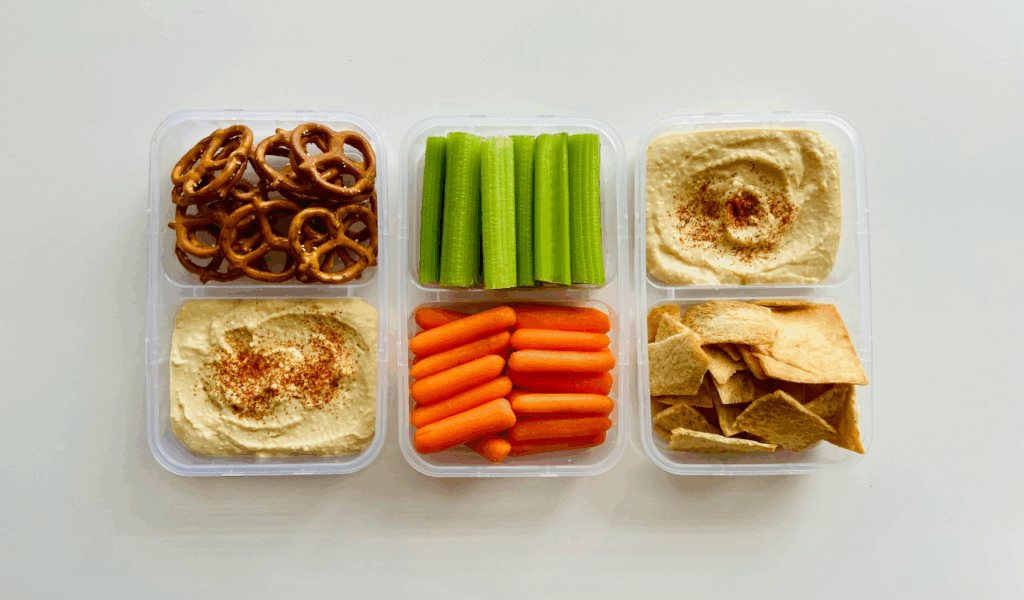
Raw vegetables such as carrots, celery, peppers, and cucumbers are praised for being light and nutrient-rich, yet their high insoluble fiber content can create gas, bloating, or mild digestive discomfort when eaten late in the evening. FODMAP-rich vegetables, in particular, may ferment in the gut and leave a feeling of fullness or pressure that interferes with sleep. Their crisp textures, while appealing, are less satiating than cooked or steamed preparations, which slows digestion and may leave the stomach unsettled.
Steaming or lightly roasting raw vegetables softens fibers, making them easier to digest without sacrificing nutrients. Pairing vegetables with healthy fats or proteins, such as olive oil, hummus, or yogurt, balances fiber and slows absorption, reducing the likelihood of discomfort. Even “healthy” vegetables illustrate the principle that timing, preparation, and combination matter for evening foods; raw alone, they can complicate digestion instead of supporting calm rest.
Pro Tip: Steam vegetables and combine with a small protein or fat source to improve digestion and evening comfort.
10. Herbal Teas

Herbal teas are widely consumed for relaxation, yet their effects vary depending on the plant. Chamomile and lemon balm are generally calming, but peppermint, ginger, and some herbal blends can stimulate digestion or mildly increase alertness. Some teas also contain trace caffeine or act as mild diuretics, prompting extra bathroom visits overnight. Steeping time and concentration matter; oversteeping can intensify bitter compounds, impacting taste and gastrointestinal comfort.
Moderating portion size and selecting caffeine-free blends like chamomile ensures that herbal tea aids relaxation rather than disrupts it. Drinking tea at least 30–60 minutes before bed helps avoid nighttime trips to the bathroom and allows the digestive system to settle. Even beverages marketed as calming must be consumed mindfully to avoid interfering with the sleep-supportive routine.
Pro Tip: Choose chamomile or lemon balm, steep 5 minutes, and drink 30–60 minutes before bedtime to maximize calming effects without digestive disruption.
11. Dark Chocolate
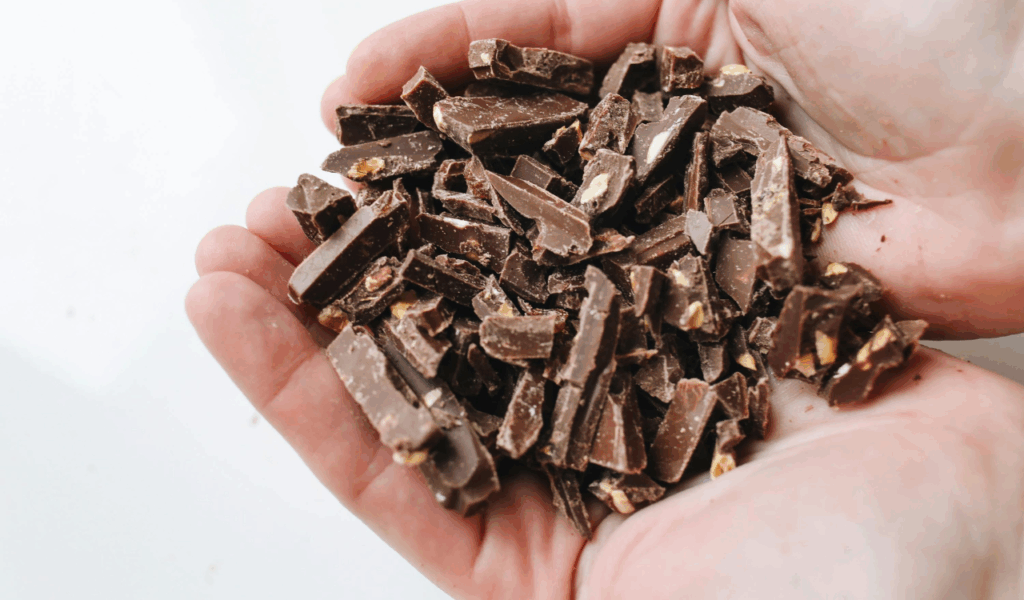
Dark chocolate is often cited as a mood-boosting or relaxing evening treat, but it contains stimulants such as theobromine (25 mg per ounce) and caffeine (around 20 mg per ounce), which can increase alertness for several hours. Its fat content also slows gastric emptying, leaving a heavy feeling in the stomach when eaten close to bedtime. Even a small square can complicate wind-down for sensitive individuals. Sweet varieties exacerbate sugar-related blood sugar spikes, further disrupting calm.
Consuming small portions, ideally under one ounce, and pairing with a low-GI carbohydrate or protein can mitigate the alertness effect and support mild satiety. For those sensitive to stimulants, evening chocolate is best replaced with low-caffeine alternatives. Despite its comforting reputation, dark chocolate illustrates that a seemingly simple indulgence can unintentionally disrupt evening relaxation if timing, portion, and composition are ignored.
Pro Tip: Limit to under 1 ounce of high-cocoa dark chocolate and pair with a small protein or fiber source for moderated energy impact.
12. Nuts
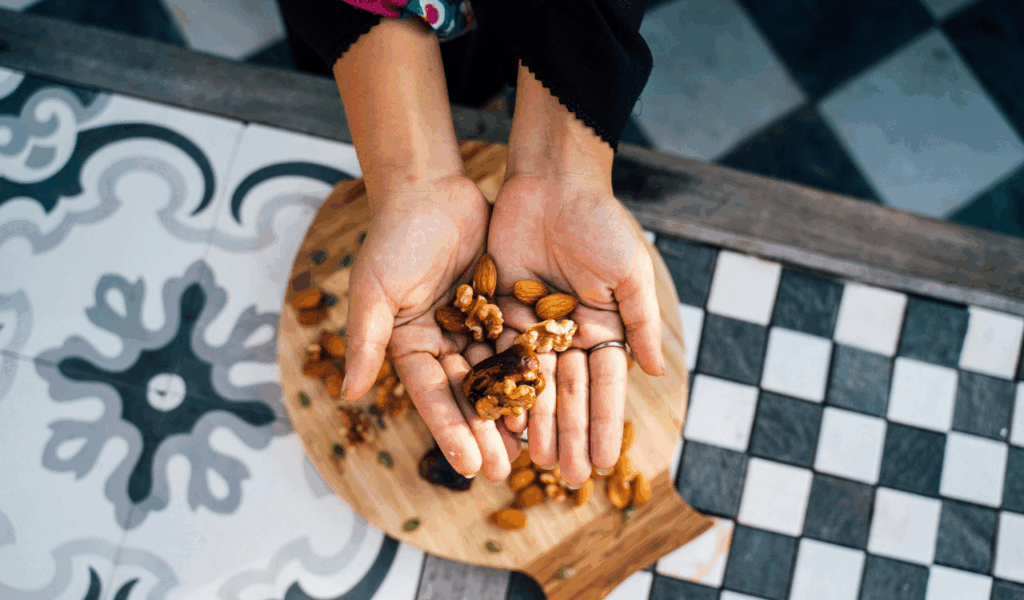
Nuts are nutrient-dense and often promoted as calming evening snacks, yet their high fat content slows digestion significantly, sometimes by two to four times compared with lighter foods. Eating large quantities can leave the stomach feeling heavy and may delay sleep onset. Even when consumed for satiety, timing and portion are critical, as the delayed gastric emptying may interfere with rest.
A small handful, roughly 1 ounce, paired with fruit or yogurt, provides balanced nutrition without overloading the digestive system. Choosing unsalted or lightly roasted nuts minimizes gastrointestinal irritation. Nuts demonstrate that healthy evening foods can complicate rest if consumed in excess or alone, highlighting the importance of portion control and thoughtful combination with other foods.
Pro Tip: Stick to a 1-ounce serving and pair with fruit or yogurt to balance fats and fiber for smoother evening digestion.