11 Home Comforts People Suddenly Miss, After Realizing They Never Had Them

Home comfort is often assumed to come from obvious upgrades like large furniture, high-end appliances, or visible luxury finishes, but the most impactful elements are often subtle, practical, and easily overlooked. Many people only notice these comforts after moving, traveling, or experiencing a disruption, when simple routines that once felt effortless suddenly require more effort. Daily life depends on reliable water, stable temperature, functional lighting, accessible storage, and quiet spaces, all of which quietly reduce stress, support focus, and create emotional ease throughout the day.
These foundational elements shape well-being in ways that go unnoticed until they are absent. Without stable hot water, consistent climate control, sufficient counter space, or natural light, tasks that once felt easy can become frustrating, and small inefficiencies accumulate into mental and physical strain. Seasonal shifts, work-from-home routines, and household transitions amplify the impact of missing comforts, revealing how deeply they influence daily life. Recognizing these overlooked essentials helps redefine what it truly means for a home to be supportive, calm, and functional.
1. Reliable Hot Water

Consistently warm water is more than just convenience; it quietly anchors daily routines and supports overall well-being. In 2026, 31% of U.S. households reported hot water failures (Housing Ombudsman), turning simple showers into rushed and stressful experiences. Cold or inconsistent water affects not only comfort but also stress levels, hygiene, and even productivity, especially during winter months when a warm shower is essential for starting the day on the right note. Homes with reliable water systems allow residents to complete personal care and household chores efficiently, reducing cumulative frustration.
Investing in dependable hot water solutions, such as tankless heaters or smart temperature systems, ensures that mornings and evenings are smoother and less taxing. Even brief disruptions can create a sense of chaos in otherwise calm routines, revealing how foundational this utility is to daily energy and emotional stability. Small maintenance improvements, like regular inspections or upgraded pressure regulators, have an outsized impact, showing that a utility often overlooked can dramatically shape physical comfort and mental ease throughout the year.
2. Ambient Climate Control
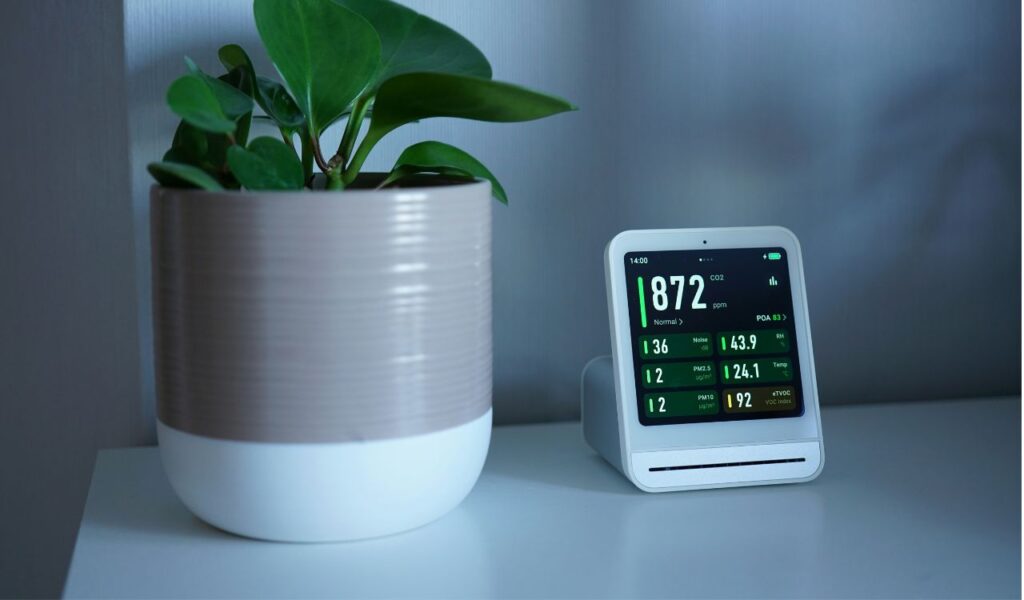
Maintaining stable indoor temperatures is a subtle yet crucial factor for comfort and emotional balance at home. As of 2026, over 60% of U.S. households have adopted smart thermostats, highlighting the growing awareness of climate control’s role in wellness and energy efficiency. Proper heating and cooling prevent discomfort during winter chills or summer heat waves, improving sleep quality, focus, and productivity. Without consistent climate management, residents often expend extra effort layering clothing, opening windows, or running portable heaters, which quietly drains energy and elevates stress levels.
Modern climate systems offer adaptive and programmable settings that maintain optimal temperatures without constant intervention. This consistency supports daily routines, especially for families with varying schedules or remote work demands, and reduces the likelihood of fatigue, irritability, or disrupted sleep. Homes lacking effective control force residents to manage environmental stress manually, revealing how a well-regulated temperature system is not merely a luxury but a core element of functional, restorative living spaces throughout the seasons.
3. Natural Light That Supports Daily Routines
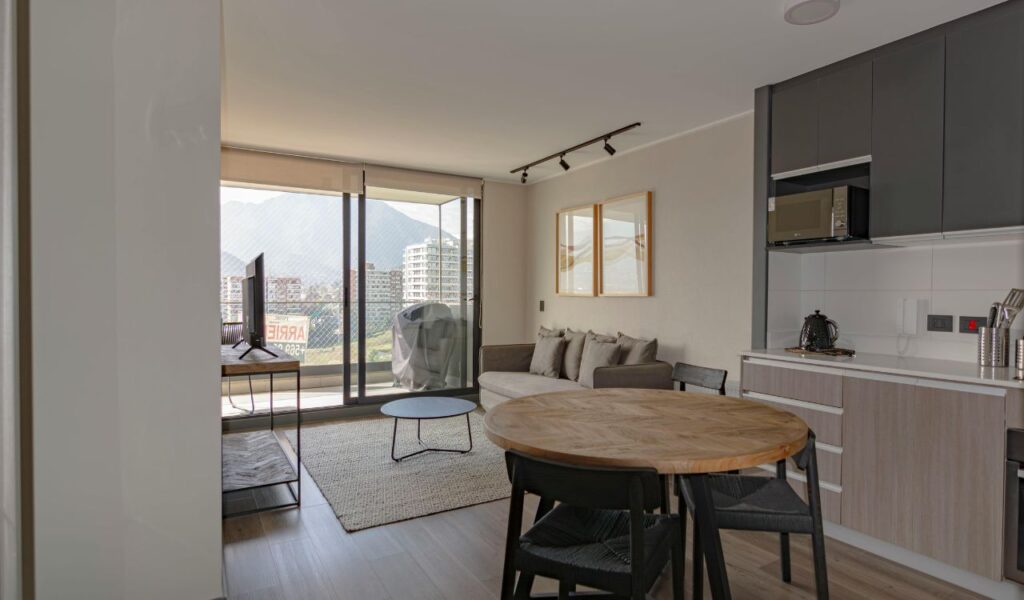
Natural light has profound effects on mood, productivity, and overall health, making it a cornerstone of home comfort. In 2026, Zillow reported a 48% increase in searches for reading nooks and sunlit spaces, demonstrating the rising value placed on daylight exposure. Properly positioned windows reduce eye strain, enhance focus, and help regulate circadian rhythms, supporting restful sleep and alert mornings. Without sufficient sunlight, indoor environments can feel heavy or gloomy, and residents may experience subtle dips in energy and mental clarity, especially during winter months with shorter days.
Simple adjustments, such as sheer curtains, mirrors, or light-reflecting surfaces, can amplify natural light, creating spaces that feel open and inviting while reducing the reliance on artificial lighting. Incorporating daylight into kitchens, workspaces, or reading areas improves comfort and efficiency, showing that even small design choices can significantly influence daily well-being. Homes that embrace natural light not only enhance visual appeal but also foster psychological balance, turning sunlight into a key, often underestimated, pillar of healthy living.
4. Privacy Inside The Home
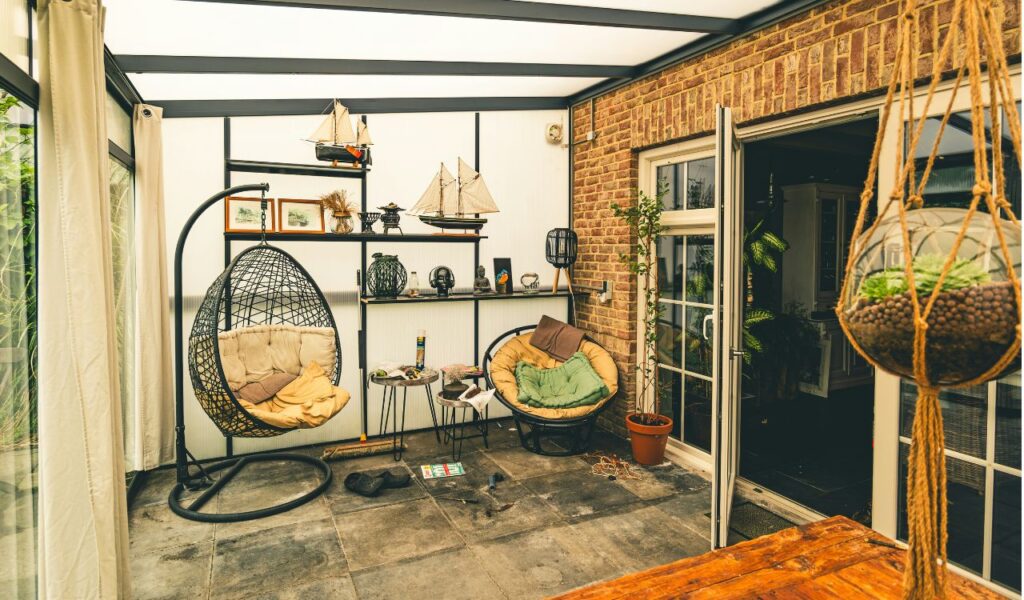
Having private spaces within a home is essential for emotional well-being, focus, and stress relief, yet many people only realize its importance after losing it temporarily. In 2026, studies show that 71% of urban youth report high-noise environments negatively impacting mental health, highlighting how privacy gaps can increase anxiety and decrease concentration. Quiet, personal areas allow residents to read, work, reflect, or simply decompress without interruptions, providing a psychological buffer against daily pressures and fostering a sense of security that permeates the rest of the household.
Beyond mental health, privacy affects social dynamics and family routines. Even small separations, such as designated reading nooks, home offices, or private corners, reduce friction during shared living, minimizing arguments and improving cooperation. Thoughtful layout and soundproofing, including solid doors, partitioning, or acoustic treatments, enhance the ability to maintain personal space. The absence of privacy is felt acutely during busy seasons or work-from-home periods, emphasizing that well-planned private areas are a core component of functional and supportive living environments.
5. Floors That Stay Quiet
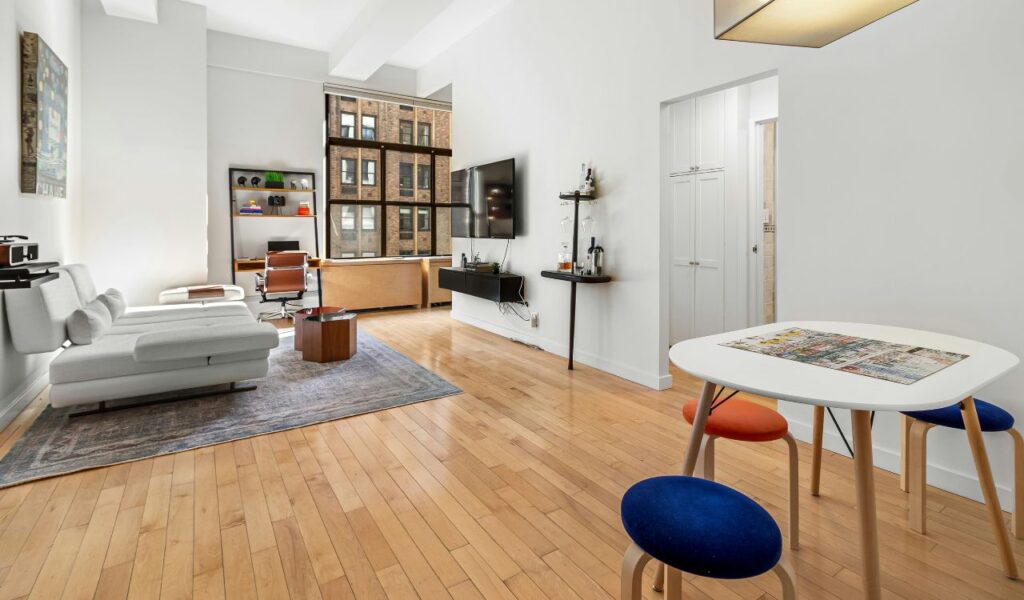
Flooring might seem like a purely aesthetic choice, but its impact on daily comfort and sleep quality is substantial. Noise levels above 55 decibels are linked to a 17% higher risk of antidepressant use and sleep medication reliance, illustrating the importance of quiet surfaces for restorative living. Hardwood, carpeted, or cushioned flooring not only reduces footfall noise but also prevents disruptions from children, pets, or neighbors, allowing households to maintain calm routines and uninterrupted sleep cycles, particularly in multi-story or high-traffic homes.
Quiet floors also enhance functional living spaces by minimizing distraction and supporting productivity during daytime activities. They prevent the cumulative stress of repeated disturbances, which can otherwise subtly erode patience and energy. Modern innovations, like acoustic underlays, cork, or padded laminate, offer solutions that are both visually appealing and effective at sound dampening. Homes that invest in noise-reducing flooring report a more serene daily experience, showing that seemingly minor details can profoundly shape overall well-being and comfort.
6. Safe, Walkable Surroundings

The neighborhood around a home contributes as much to comfort as the interior itself. Safe, walkable streets allow residents to run errands, exercise, and socialize without added stress, improving physical health and emotional stability. Sidewalks, street lighting, and low-traffic areas foster independence for all age groups, while unsafe or poorly maintained areas create constant anxiety and reduce opportunities for outdoor engagement, which can have cascading effects on stress and daily energy levels.
Walkable neighborhoods also support community connections, enhancing a sense of belonging and reinforcing mental well-being. Residents in safe areas spend more time outdoors, boosting vitamin D exposure, cardiovascular health, and social interaction. Features like crosswalks, traffic calming measures, and pedestrian-friendly design further improve the quality of life. When homes are surrounded by secure, navigable streets, the comfort of living extends beyond walls, demonstrating that the external environment is just as critical as internal amenities for daily ease and satisfaction.
7. A Home That Is Easy To Keep Clean

Ease of cleaning is a foundational comfort that often goes unnoticed until disrupted. Surfaces, flooring, and furniture designed for maintenance save time and mental energy, especially during high-activity seasons or when hosting guests. Kitchens and bathrooms that allow for quick wiping, stain resistance, and efficient layouts reduce daily friction and minimize the accumulation of stress associated with household chores. Homes that are difficult to clean increase fatigue and may even discourage regular upkeep, subtly eroding the overall sense of calm and order.
Strategically chosen finishes, storage systems, and organization methods amplify cleaning efficiency. Pull-out drawers, accessible cabinets, and smooth surfaces reduce bending, lifting, or repeated effort, letting residents maintain hygiene without prolonged strain. Lighting also plays a role; well-lit areas reveal dust or spills promptly, enabling timely intervention. When cleanliness is easy to maintain, routines become predictable and satisfying, reinforcing comfort, control, and emotional balance throughout the home, proving that functional design directly supports well-being.
8. Soft Water (No Scale Buildup)

Hard water can subtly undermine home comfort by affecting appliances, plumbing, and skin. In 2026, 24% of household appliance failures are linked to scale buildup (water softening stats), showing how much unnoticed water quality can disrupt daily routines. Showers feel different, faucets clog, and coffee machines or dishwashers degrade faster, making tasks that normally feel simple unexpectedly frustrating. Soft water not only protects appliances but also improves skin and hair health, reducing irritation from mineral deposits.
Homes with properly softened water allow for smoother daily chores, from laundry to cleaning, while protecting plumbing longevity. Even subtle differences in water texture influence comfort: bathing feels more pleasant, soap lathers efficiently, and dishes sparkle without extra effort. Investing in filtration or softening systems minimizes maintenance needs, lowers repair costs, and ensures a sense of ease and reliability in routines that most people take for granted, showing that water quality is a quietly essential home comfort.
9. Enough Kitchen Counter Space
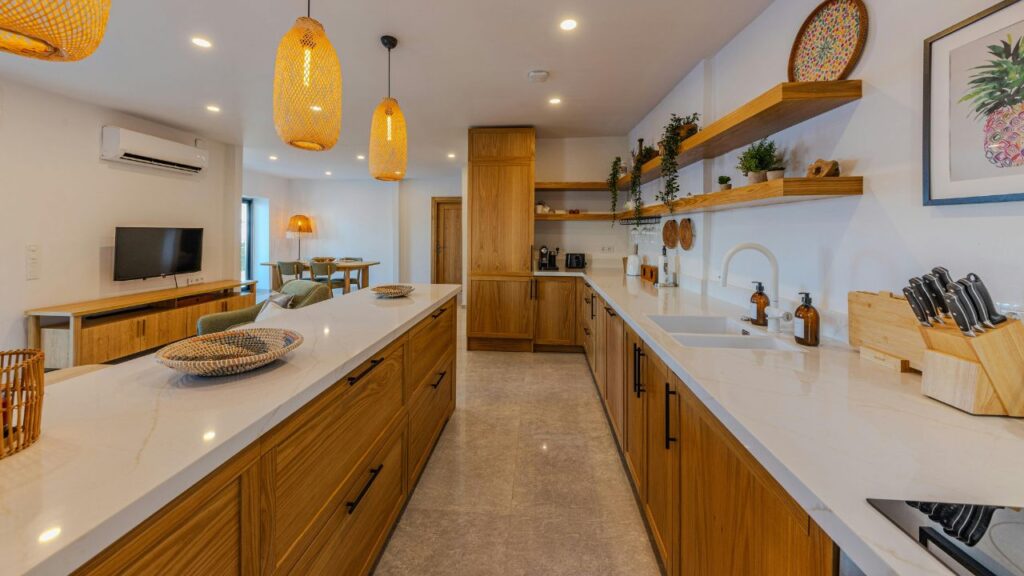
Ample kitchen counter space is more than a convenience; it directly influences cooking efficiency, safety, and emotional ease. Small, crowded surfaces create friction during meal preparation, forcing constant rearrangement of ingredients, appliances, and utensils. This friction can make everyday cooking feel stressful, particularly during busy workweeks or holidays when meal volume increases. In 2026, DIY kitchen upgrades focusing on counter expansion have risen 1.3%, reflecting growing awareness of the importance of functional workspace for home comfort.
Counter space also impacts organization and cleanliness, allowing items to remain accessible while maintaining visual calm. Proper layout supports multitasking, prevents clutter accumulation, and reduces the mental load of managing simultaneous kitchen tasks. Homes with generous surfaces encourage more frequent cooking, efficient meal prep, and smoother cleanup, showing that the physical dimensions of a kitchen can profoundly influence daily rhythm and overall satisfaction.
10. Smooth Door Operation

Doors are often overlooked, but smooth, well-aligned, and quiet door operation has a surprisingly large impact on daily comfort and emotional ease. Squeaking, sticking, or jammed doors add repeated micro-frustrations, disrupting routines and increasing mental strain, particularly in high-traffic households. Quiet, smooth hinges and well-fitted doors create a sense of stability and privacy, making it easier to maintain calm, focus, and seamless transitions between rooms.
Beyond convenience, smooth doors support accessibility for all ages and abilities, reducing accidents and frustration during busy mornings or evenings. The psychological effect of effortless movement through the home contributes to a sense of control and satisfaction. Maintaining hinges, lubricating mechanisms, and checking alignments periodically ensures these subtle comfort factors remain consistent, showing that even minor mechanical details quietly anchor the feeling of a supportive, functional home environment.
11. Adequate Ceiling Height
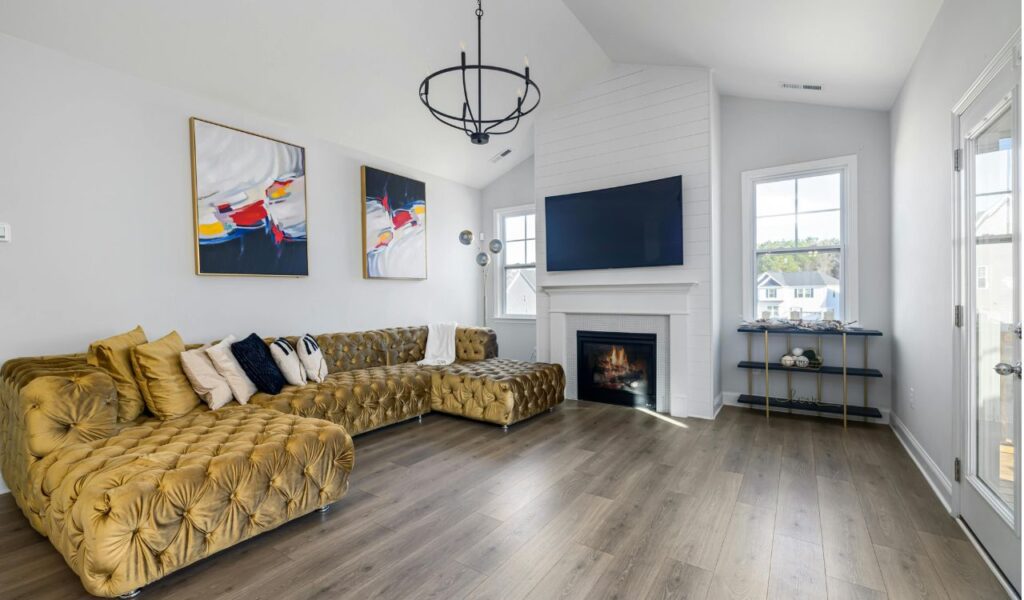
Ceiling height is more than an architectural detail; it influences perceived space, psychological comfort, and air circulation. Low ceilings can feel confining and heavy, subtly affecting mood, focus, and relaxation, especially in smaller homes or rooms with limited windows. In 2026, homeowners increasingly prioritize spaces that feel open and airy, recognizing the connection between ceiling height, natural light distribution, and overall home comfort.
High or properly proportioned ceilings enhance airflow, reduce stuffiness, and allow for better interior design options, such as taller storage or shelving. They contribute to mental clarity by preventing feelings of crowding and fostering a sense of freedom within private spaces. Adequate ceiling height, combined with thoughtful lighting and layout, turns even compact homes into visually and psychologically inviting environments, proving that spatial perception is a fundamental, often unnoticed component of daily well-being.