11 New Year Organization Trends That Fell Apart Fast
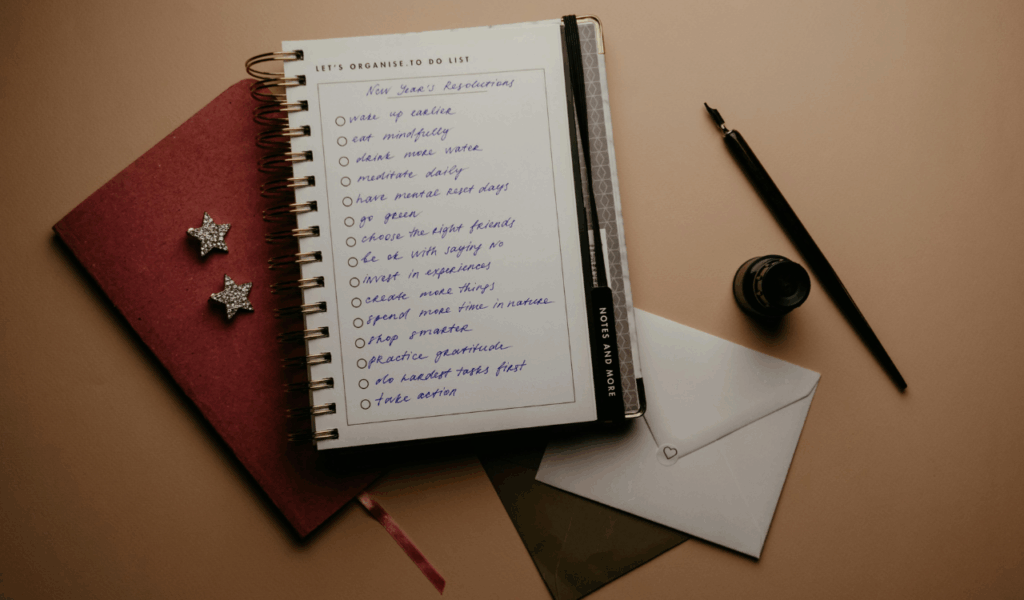
Every New Year comes a new set of organization trends that promise to make homes calmer, kitchens cleaner, and lives perfectly controlled. There are a lot of pretty storage systems, color-coded planners, and simple routines on social media that look easy to follow. The issue is that a lot of these trends sound better than they actually are. Some systems just stop working when everyday routines, time restrictions, budgets, and people’s laziness kick in. This article talks about 11 famous New Year’s organizing fads that seemed like they would work but didn’t. It tells you why they didn’t work and what truly works better for everyday life.
1. Color-Coded Everything Systems
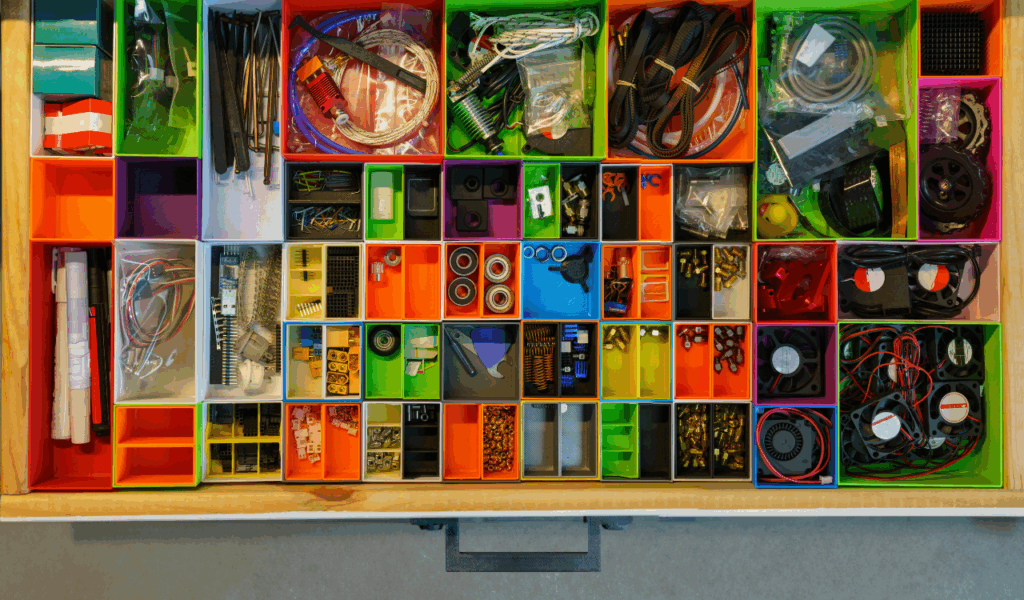
At first, it appears nice and pleasant to color code every drawer, file, and shelf. People use colors to organize their clothes, papers, food, and even digital folders. When life gets busy, the problem seems to happen. It’s hard work to keep tight color guidelines, and if one thing is out of position, the whole system falls apart. People eventually stop using the procedure altogether because they feel too much pressure to maintain colors ideal. When organization is natural and flexible, it works best. When it demands frequent decision-making or rigorous visual control that feels more like labor than help, it doesn’t work as well.
2. Hyper-Minimalist Pantries
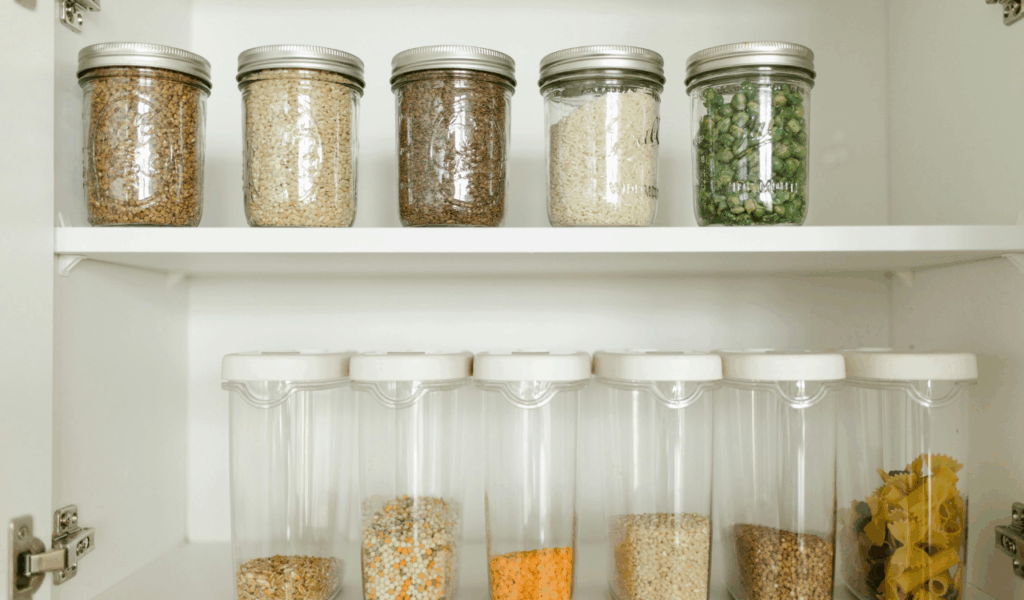
A simple pantry with the same containers and not too many shelves was a favorite for New Year’s. People often overlook how they really buy and cook, even though they look clean and peaceful. A lot of families buy products in different sizes or need more supplies before busy periods. Repackaging everything adds more steps, and forgetting to put on labels might make things more confusing. When the process of refilling gets too hard, the clutter slowly creeps back. A functioning pantry should have space for real routines instead of just perfect symmetry and empty shelf aesthetics that are largely for photos.
3. One-Drawer Daily Declutter Rules
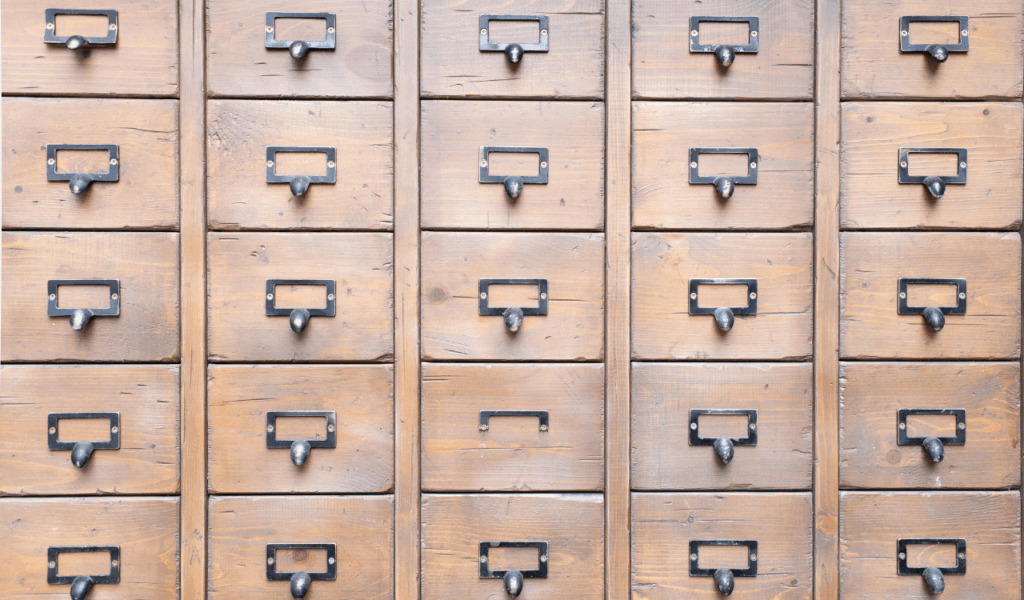
Every day, you should clean up one drawer or a small area. This seems like a reasonable and inspiring goal to work toward. In real life, things don’t always go as planned. People miss days because they are too busy, too tired, or have unexpected tasks to do, and then they feel bad about it and decide to quit for good. Even though short bursts of decluttering might be helpful, sticking to daily limits can cause stress instead of progress. When tasks are broken down into manageable time blocks that fit into the weekly schedule, organization works better. This is distinct from pushing consistency, which most people can’t do forever.
4. Overstuffed Planner Systems
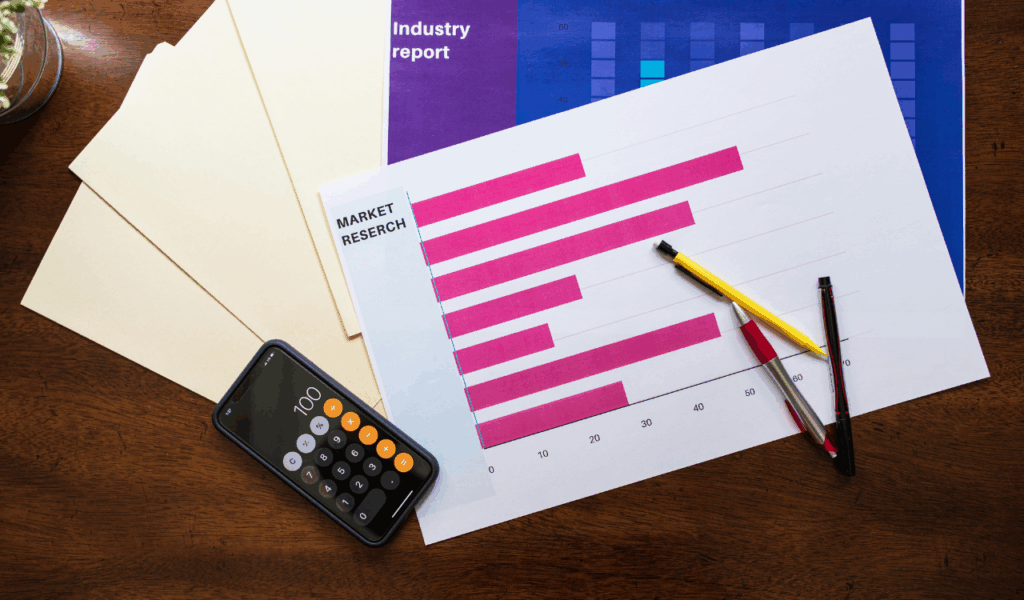
Planners that are meant to be used during the New Year often have pages for goals, habits, gratitude, meals, money, and daily reflections. At first, filling them out seems like a good way to be productive and motivated. Over time, the complexity becomes a heavy weight that is hard to bear. If you miss a few days, you’ll have blank guilt pages, which will make you less likely to keep using it. A number of people have stopped using the planner altogether. Life should be recorded and helped by a planning system. Although elaborate planners require ongoing attention and emotional energy, simple calendars and to-do lists function better.
5. Perfect Labeling Obsession
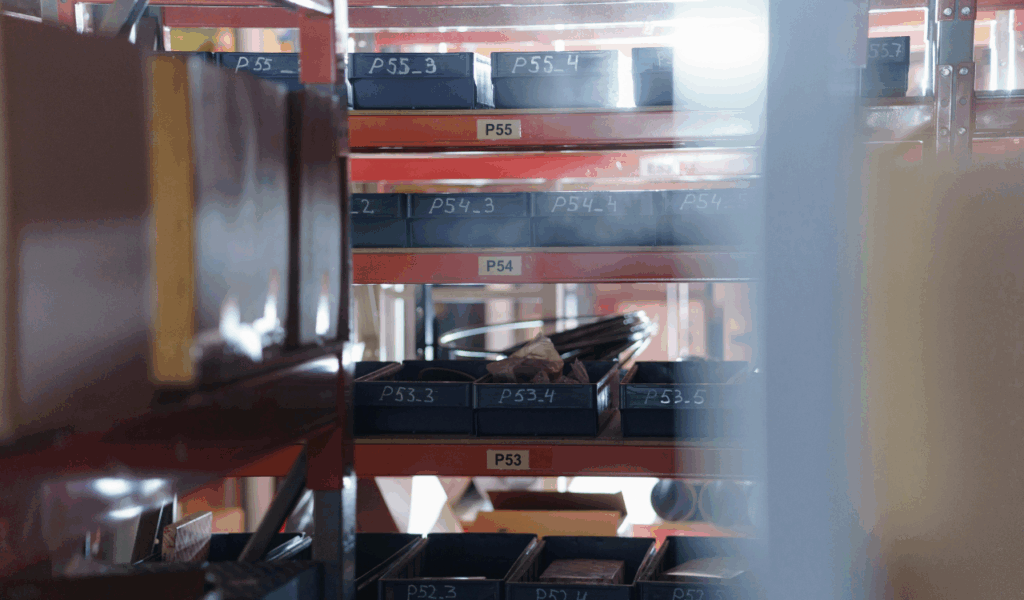
It seems that putting labels on everything from storage containers to shelves in the fridge is the best way to keep things organized. One problem with labels is that they assume things will never change. As the seasons change, habits change, and needs grow, labels become less useful. People either cease updating them completely or opt to ignore them after that. Labels become a visual mess instead of a useful part of the design. To be able to organize well, you need clear zones and logical placement. This lets things move around naturally without having to continuously rename or relabel every container in the house.
6. Capsule Wardrobes With Strict Limits

People like capsule wardrobes with set item counts because they say they will make mornings easier and cut down on clutter. Many people thought the rules were too strict, even though the notion works for some ways of life. Changes in the weather, social events, and one’s personal style might make it hard to stick to strict numbers. It might be very annoying to have to take off or move your clothes all the time. People buy more clothes when they feel like their wardrobes are too small. This is a way for them to fight the system. Instead of making rules that feel too strict or boring, the way clothes are organized should reflect the needs of comfort and lifestyle.
7. Weekly Total Reset Days
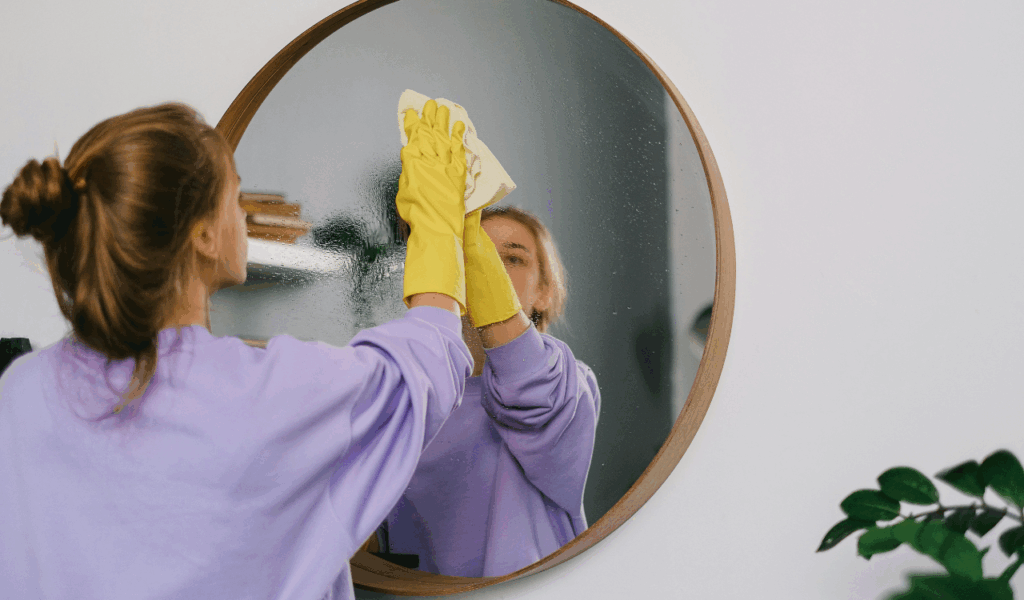
It sounds like a good idea to have a weekly reset day when everything is cleaned, organized, and free of clutter. When put into reality, committing to a certain amount of hours per week is rarely a long-term commitment. If you miss even one reset, the backlog will treble, making the task seem practically impossible. A lot of the time, people decide to give up completely instead of starting afresh. Most schedules can’t keep up with the big resets that demand a lot of energy and uninterrupted time, which are not what is needed for sustainable organization. Instead, it is the small daily routines that stop building that are needed.
8. Matching Container Storage Everywhere
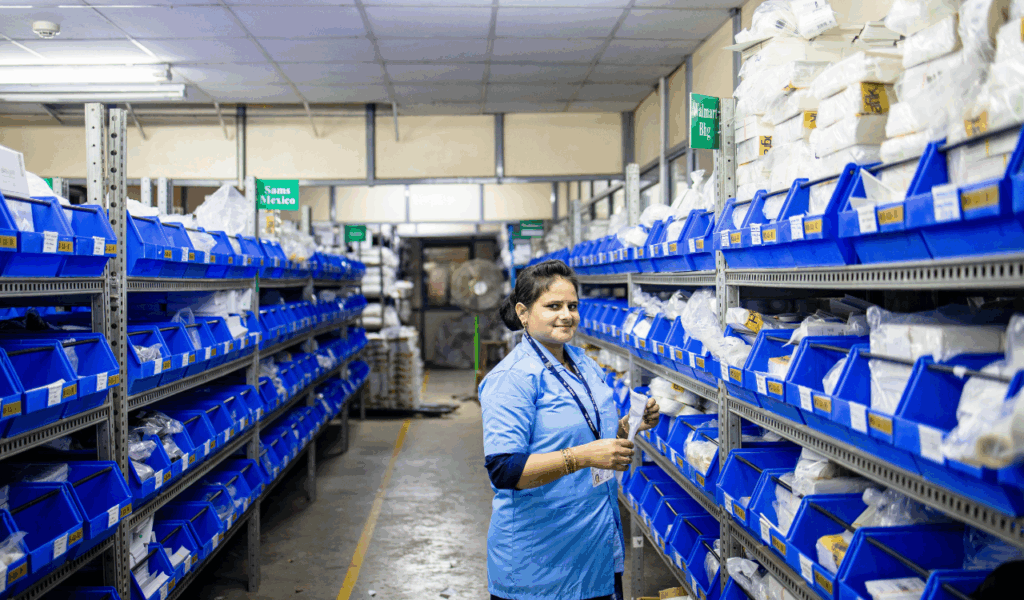
You can make your closets, kitchens, and offices look neat and organized by buying the same containers for all three. The downsides are that they are expensive and not very flexible. Containers may not be able to handle changing needs, and it can be quite expensive to add to or replace sets. People still preserve containers even after they are no longer useful, just to keep their look the same, even if that means they don’t work as well. Things should be able to fit in storage without having to fit into containers. It is much more crucial to think about how easy it is to get to and how useful the size is than how it looks.
9. Digital Organization Overload

Apps that can save files, tasks, reminders, and notes promise that you will never have to deal with paper again. multiple people used multiple technologies at once because they thought that having more systems meant having more control. Instead, the information was spread out over several platforms, which caused confusion and made it hard to finish tasks. Self-control and sync are needed to run several apps. The system fails because that effort failed. Instead than buying every new software that promises to boost productivity without any effort, stick with one or two digital organization solutions you use regularly.
10. Zero Clutter Counter Rules

To keep things clean, it became common to not allow any products to be used on countertops. But it doesn’t take into account things that people use every day, like mail, fruit bowls, or appliances. Putting things away all the time causes friction and makes places look less lived in. Most people eventually ignore the rule completely. When a realistic approach is taken, some things can stay visible in some areas. Organizations should not fight against the natural ways that people use their environments; instead, they should make things easier and more convenient.
11. Organization Based Only on Aesthetics

Many New Year’s trends focus more on how rooms look than on how useful they are. In pictures, clear containers, neutral hues, and well-designed shelves all look beautiful, but they could hide usability issues. When a business only cares about how it looks, it often fails when it comes to doing business. Because of this, it can be hard to get to or keep things, which could make people unhappy. A long-lasting organization finds a good mix between being easy to get to and looking nice. When systems are made to meet people’s behaviors, not when they are meant to impress or copy social media perfection, is when they work.