
10 Farmhouse Sinks Realtors Say Are Impossible to Resell
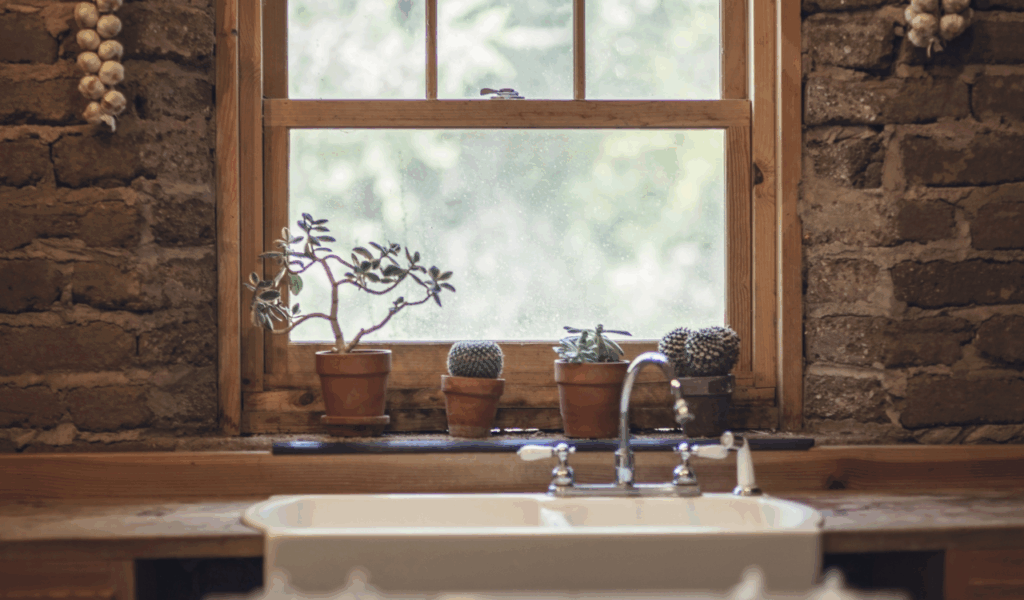
The apron-front sink, also known as the farmhouse sink, has been a favorite in interior design for about ten years. However, its reign in the real estate market is becoming more and more difficult. Many homeowners appreciate the deep basins and rustic look, but some professionals are now warning that some varieties could be risky.
Realtors say that the very things that make these sinks special can also make them very hard to sell when it’s time to go. Problems like permanent changes to cabinets or using unusual materials can turn off a lot of purchasers who want a design that is more flexible than a definite, exclusive one.
Designers say that a personalized sink may look great in a carefully chosen shot, but it doesn’t always have the broad appeal needed to sell a house quickly. Professional flippers say that they often repair farmhouse sinks that are hard to care for or too fancy before putting a property up for sale to avoid frightening off wary buyers.
Contractors also say that these units require special installation, which means that once you get them, you can’t change your mind without spending a lot of money. You may make a smarter choice for your kitchen that matches your personal taste with long-term financial sense by knowing which styles are currently not selling well in the resale market.
1. Hand-Painted Decorative Ceramic Aprons
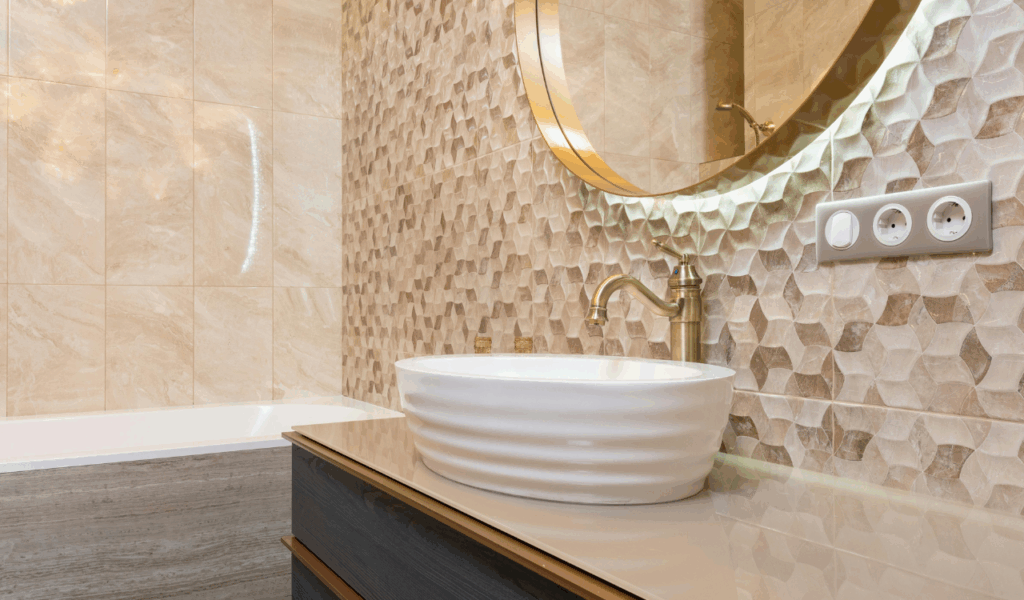
A sink with hand-painted flowers or complicated patterns may seem like a nice personal touch, but it makes it much harder to sell. Realtors say that purchasers these days want a blank canvas where they can show off their own taste. A permanent fixture with a very specific pattern on it feels like an imminent restoration project. Experts claim that decorative aprons can clash with practically every other design choice a new owner could wish to make. This means that the kitchen is stuck in one extremely narrow style that most people don’t like.
Designers say that these artistic sinks tend to look old more faster than sinks that are just one color. Professional flippers say they nearly always choose traditional white or stainless steel because a patterned sink is generally the first thing a potential buyer complains about during an open house.
Organizers say that kitchen trends change quickly, so what seems like a fun statement piece now could be an ugly mess tomorrow. If you want to get the most money for your property, it’s preferable to keep the permanent fixtures neutral and use patterns on things that can be removed.
2. Unsealed Natural Copper Basins
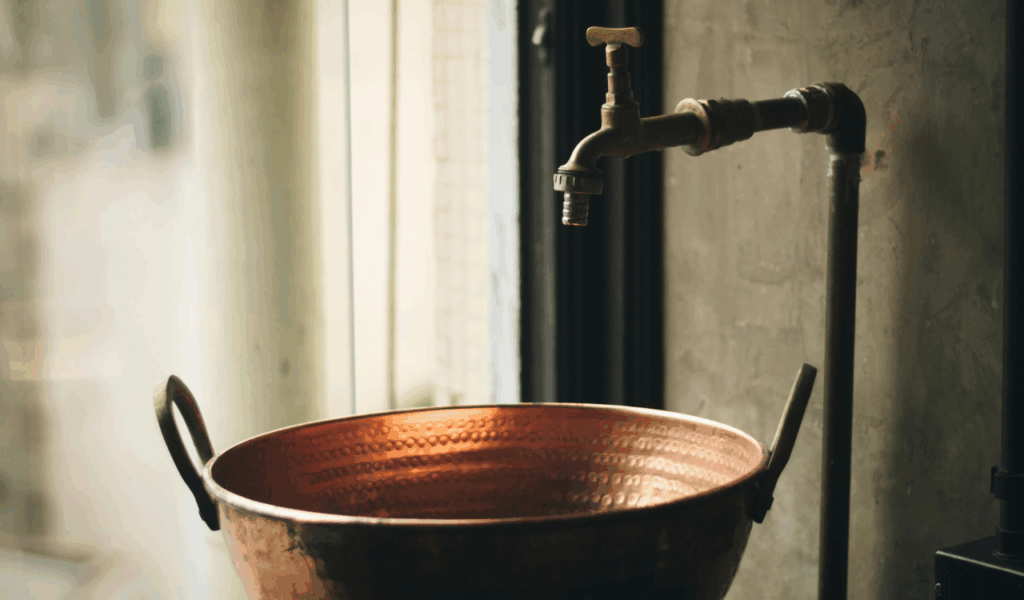
People love copper sinks because they look great and are naturally antibacterial, but they are hard to keep clean in a busy kitchen. Realtors say that the “living finish” of an unsealed copper sink, which changes color as it develops a patina, often looks dirty or neglected to someone who isn’t skilled. People who want to buy a home that is ready to move into often feel scared by the unique cleaning needs and the chance of lasting stains from acidic foods like lemons or tomatoes. It is a material that only a certain type of homeowner will like.
Experts warn that the upkeep costs of copper are a big “red flag” for modern families that value convenience. Professional flippers say they don’t utilize copper in their projects since it’s too divisive for most people. Designers say that if you like the look of metal, you should stick with high-quality stainless steel. It has a comparable industrial feel but doesn’t change color all the time. A sink that needs its own set of rules and a tight polishing schedule is not something that busy buyers who just want a practical, low-stress kitchen are likely to be interested in.
3. Oversized Double-Bowl Fireclay Models
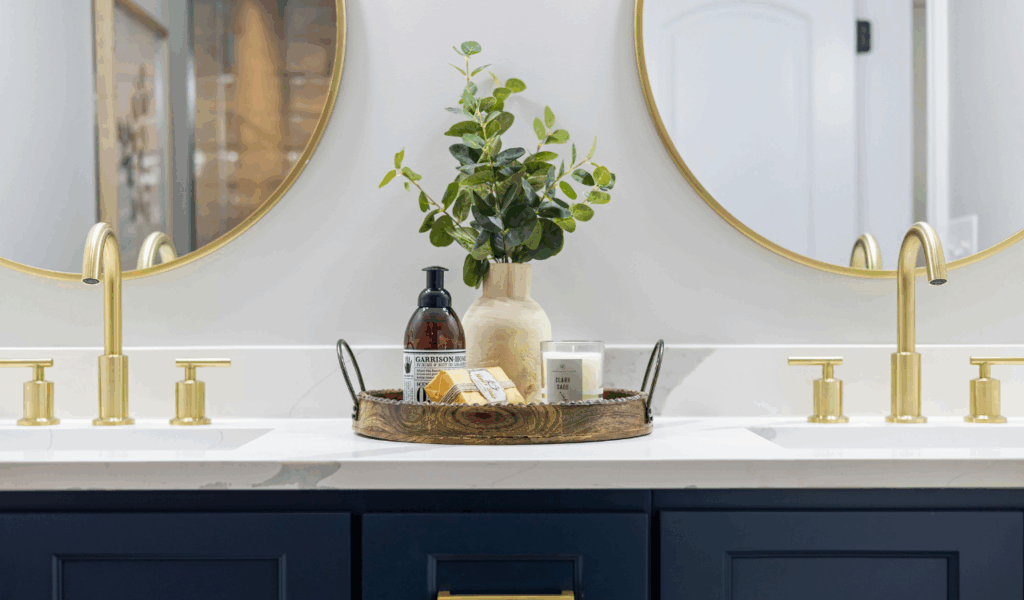
Big farmhouse sinks look great, but a lot of double-bowl types are becoming a pain for modern cooks who like to soak heavy pots in a single, large basin. Realtors say that a big sink that takes up too much counter space is a bad thing in smaller kitchens where every inch of workstation is important. Experts note that the immovable central divider in a large farmhouse sink can actually make it harder to clean baking sheets or roasting pans, which defeats the purpose of having a deep, broad basin in the first place.
Contractors say that the sheer weight of these oversized fireclay units sometimes requires extra support for the floor and cabinets, which makes any future kitchen improvements much more expensive. Designers say that purchasers are choosing single-basin sinks because they are more versatile for diverse kitchen chores.
Professional flippers regularly see buyers leave kitchens where the sink seems “out of scale” with the rest of the room. By picking a single-basin model that isn’t too big, you give buyers what they want while making sure the sink doesn’t take up too much space in the kitchen.
4. Porous Concrete Apron Fronts
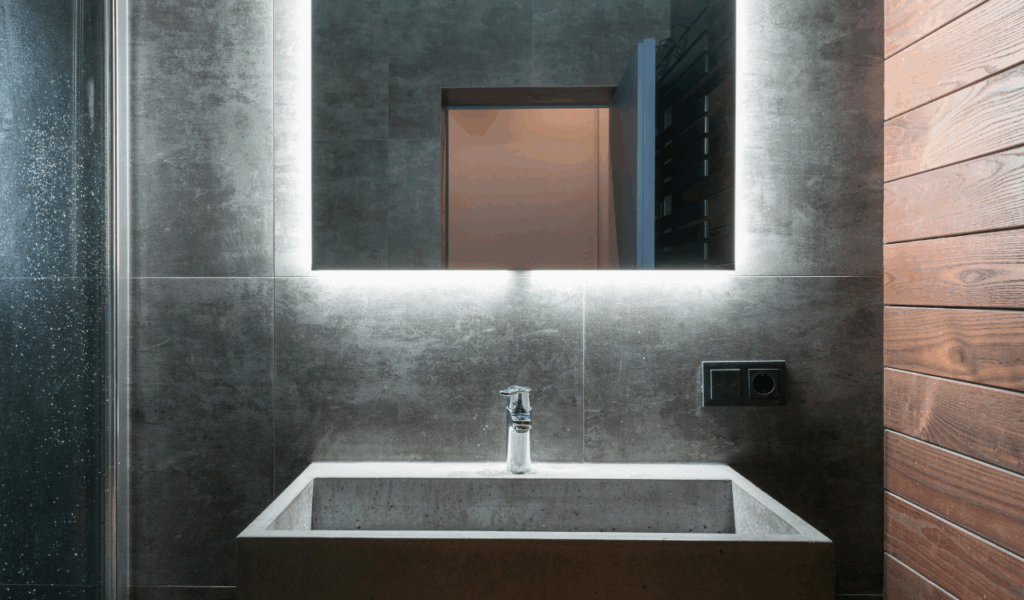
Concrete has become more popular because of industrial and minimalist design trends, however it has certain long-term problems as a sink material. Realtors say that concrete is naturally porous and can get stained, cracked, and chipped if it isn’t kept in pristine condition and resealed on a regular basis. If a sink has water damage or dark spots from oils that have been trapped, it can make the whole kitchen feel dirty to a potential buyer. People who don’t know much about concrete often think that the “raw” look of it means it’s not very good quality, according to experts.
Designers say that concrete sinks can sometimes seem chilly and rough in a home that is designed to be comfortable for families. Professional flippers say that the expense of fixing or replacing a broken concrete farmhouse sink is typically too high for purchasers to handle during the inspection phase.
Organizers say that individuals don’t want to make a permanent commitment because concrete is so heavy and hard to remove. Choosing a non-porous material like high-quality enameled cast iron or fireclay gives you a comparable solid feel, but it’s considerably more durable and has a lot better reputation among homebuyers.
5. Shallow Basin “False” Farmhouse Styles
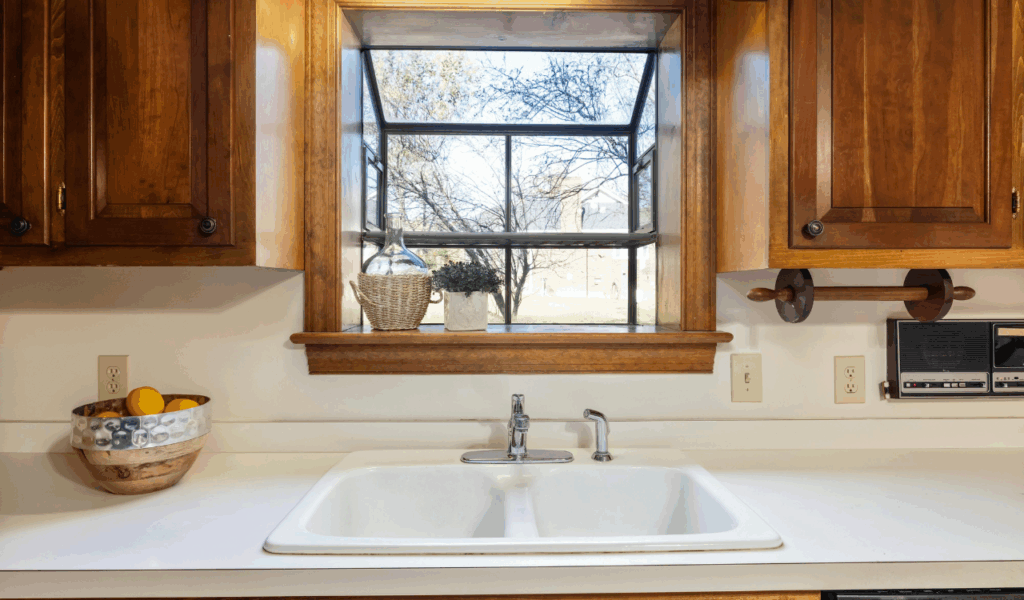
Some companies provide farmhouse-style sinks with narrower basins to make installation easier, but real estate agents say that these “false” types don’t usually impress. People who want a farmhouse sink expect a deep, professional-grade basin that works well. When they see a shallow one, it feels like a poor copy. Experts believe that these sinks don’t always look as well as real apron-front sinks and can look strange when used with expensive cabinets. Most of the time, neither the seller nor the buyer is happy with the ultimate result of this compromise.
Designers say that shallow sinks are also not as useful for the heavy-duty cleaning duties that most farmhouse sink owners like to do. Professional flippers say they always use the full-depth models since the “junior” ones don’t provide them the same return on investment.
Contractors say that the cost of labor to install a shallow farmhouse sink is almost the same as that of a full-sized sink. This means that the little savings on the sink itself are not worth the money. If you want to sell your home with an apron-front look, you need to be sure that it has all the features and size that make the style work.
6. Heavily Textured Stone Sinks

Sinks made from a single piece of natural stone, like granite or marble, are quite nice, but their deeply textured or “chiseled” aprons make them hard to sell. Realtors say that these textures attract oil, soap scum, and kitchen dirt that is almost tough to scrub out of the porous crevices. During a home showing, a sink that looks dirty all the time is a big turn-off. Experts believe that these solid stone units are so heavy that they might cause cabinets to droop over time, which is a big structural problem for customers.
Professional flippers say that they rarely find a stone sink that hasn’t been permanently stained or etched by household chemicals. Designers say that the strong, natural pattern of a stone apron can clash with the clean lines of modern kitchens. Organizers say that taking care of natural stone requires special, pH-neutral cleaners, which makes regular tasks even more difficult. Experts say that quartz-composite sinks are a superior choice since they look like stone but are not porous, are lighter, and are much easier for the ordinary homeowner to maintain clean.
7. Integrated “Trough” Style Wooden Sinks
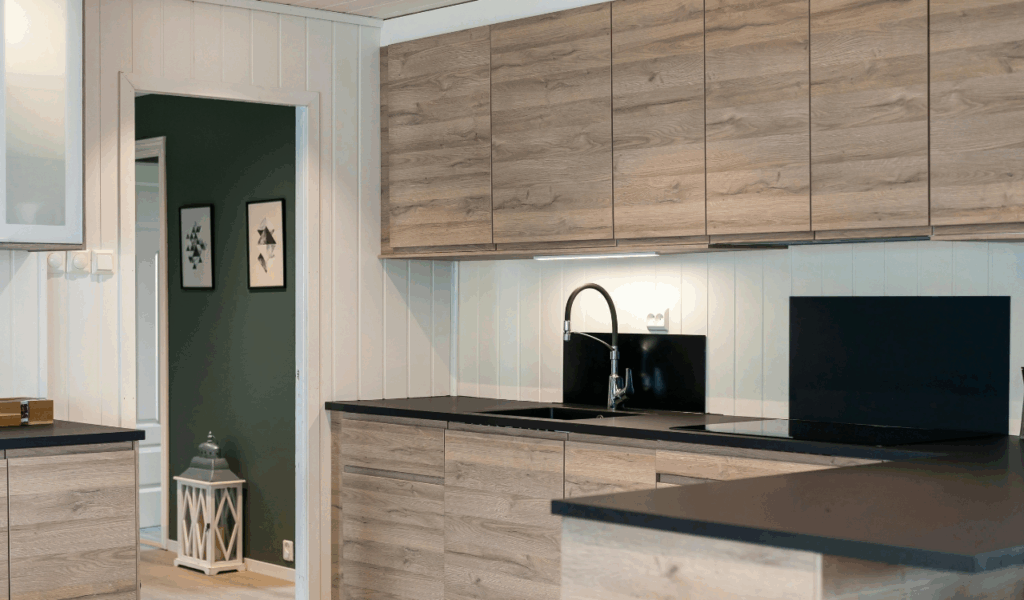
Realtors believe that wooden farmhouse sinks, which are usually made of teak or bamboo, are a specialized design choice that is practically impossible to sell to a wide audience. They have a wonderful, spa-like warmth, but most customers are afraid of wood decay and water damage, which is a big mental barrier. Experts believe that a wooden sink needs a lot of care that most people don’t want in their kitchen, even with high-quality marine-grade sealants. People regard a sink that could grow mold if it stays wet for too long as a big problem, not a nice feature.
Designers say that wooden sinks are preferable for powder rooms or secondary wet bars than for main kitchens, where they would be used every day with heavy pots and boiling water. Professional flippers say that in practically every house they’ve bought, they’ve had to tear out the wooden sinks because the basins were already showing signs of black mildew or wood splitting. Realtors say that the additional care that a wooden sink needs is often a topic of dispute during pricing negotiations. It is far better to use a material that has been around for a long time and doesn’t need to be “oiled” or “sealed” to work.
8. Matte Black Resin or Acrylic Versions

Black matte is a huge trend in fixtures, but real estate agents say that black resin or acrylic farmhouse sinks are bad for the value of a home over time. A black sink basin, on the other hand, displays every water stain, soap smear, and speck of dust. Matte black faucets are easy to clean.
Experts believe that over time, minerals from hard water build up on the surface of these sinks, making them look “chalky” or gray. A buyer might think that a sink that looks dirty even when it’s clean means that the kitchen would be hard to keep clean all the time.
Designers say that matte black can also make a kitchen feel smaller and darker, which is the opposite of what most consumers want. Professional flippers say that acrylic and resin are easy to scratch deeply, which turns white and makes the damage very easy to see against a black background.
Contractors say that these materials are also more likely to be damaged by boiling water than regular fireclay or cast iron. If you want a black sink, experts say you should get a high-quality granite composite. This type of sink is much less likely to get scratched or build up minerals, so it will stay stylish instead of becoming a cleaning chore.
9. Narrow “Workstation” Farmhouse Sinks
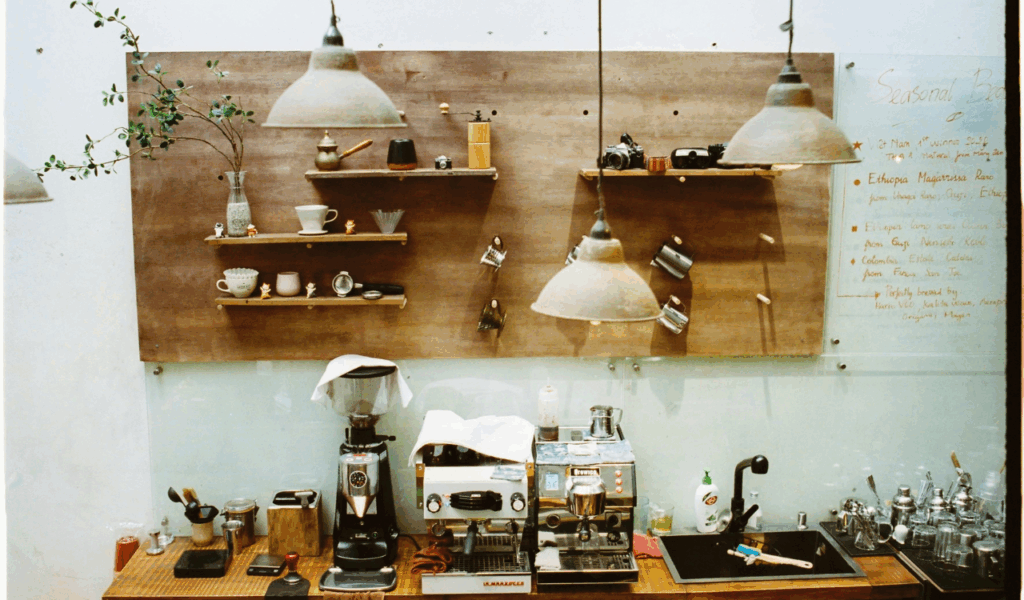
People like workstation sinks that include built-in cutting boards, colanders, and drying racks, although narrow farmhouse versions might be hard to use. Realtors say that if the basin is too small, the extra accessories get in the way and make it hard to use the sink for its main purpose.
Experts believe that consumers who see a sink full of “gadgets” typically think it’s a technique to mask the fact that there isn’t enough counter space. Also, these special accessories are easy to lose or break, and it might be hard for a new owner to acquire replacements for a certain, narrow sink model.
Designers say that the “ledge” that these items need can also become a place where food and dirt can get stuck if it isn’t cleaned well. Professional flippers say they like simple, wide-open basins better because they appeal to everyone. A workstation sink, on the other hand, only appeals to a certain sort of cook.
The organizers say that the accessories typically take up valuable cupboard space when not in use, which makes the kitchen even messier. A conventional, high-quality farmhouse sink without any extra features is usually a far safer bet for a quick and successful home sale.
10. Distressed or “Antiqued” Metal Finishes

In today’s real estate market, sinks with purposely damaged or “antiqued” metal finishes, like weathered brass or hammered zinc, are hard to sell. Real estate agents say that what one person calls “charming character,” another person calls “worn out and damaged.” Experts note that it’s hard to find modern appliances that match these finishes, which are usually stainless steel or matte black. A sink that seems like it came from an old factory can make a brand-new kitchen feel chaotic and out of place to someone who likes things to be neat and organized.
Designers say that “distressed” styles come and go swiftly, so you can end up with an expensive fixture that feels out of date. Professional flippers say that they often have to replace these with regular brushed nickel or stainless steel to make the house look more put together and attract a wider range of purchasers.
Contractors say that some antiqued finishes are essentially thin layers that can peel or flake off over time, exposing a different metal underneath. To keep your kitchen a valued asset, it’s best to pick a finish that will last, is easy for any new owner to match with their own taste, and will never go out of style.