9 Holiday Display Trends That Felt Cluttered Fast
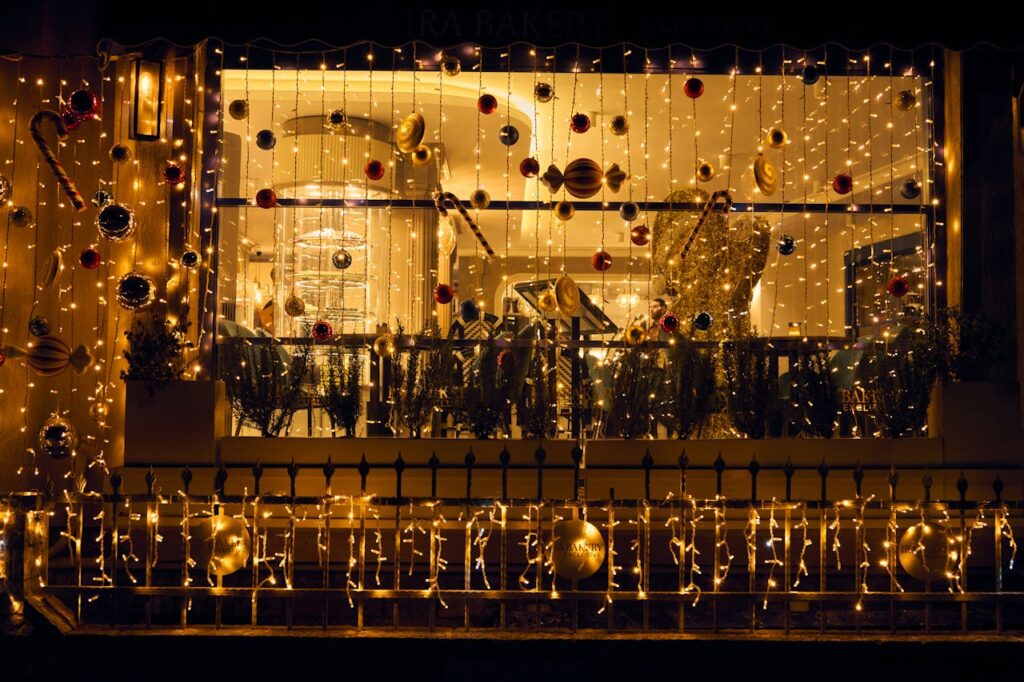
Holiday decorating is meant to make spaces feel warm and inviting, but it is easy to cross the line from festive to crowded. Many popular display trends focus on abundance, layers, and bold color, which look exciting in photos but overwhelm real rooms. When every surface becomes a decoration stage, the home starts to feel busy rather than cozy. Comfort, conversation, and everyday movement all suffer when décor takes over. These are the holiday display trends that filled rooms quickly and made spaces feel cluttered long before the season was over.
1. Overloaded Red and Green Everywhere
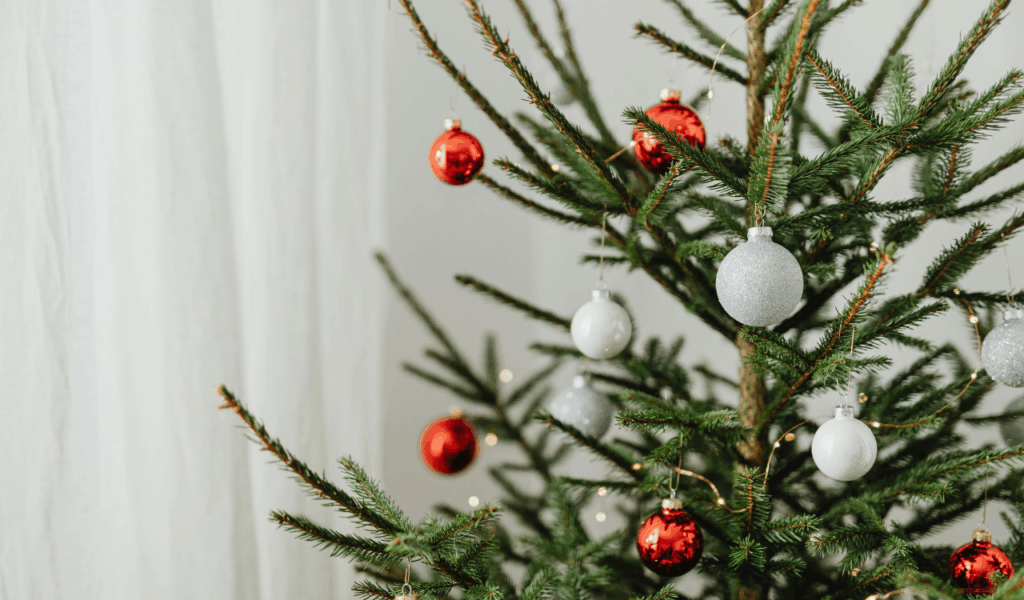
Red and green are classic for a reason, but using them in every corner quickly becomes overwhelming. When pillows, throws, ornaments, table linens, wall art, and kitchen accessories all compete in the same bright palette, the eye has nowhere to rest. Instead of feeling festive, the space starts to feel chaotic. Strong primary tones bounce off each other and amplify visual noise, especially in rooms with lots of natural light. What begins as cheerful quickly turns heavy and crowded. A few red and green accents can anchor a holiday look, but covering entire rooms in them removes contrast and makes even tidy spaces feel cluttered.
2. Multicolored Light Displays That Overpowered the Room
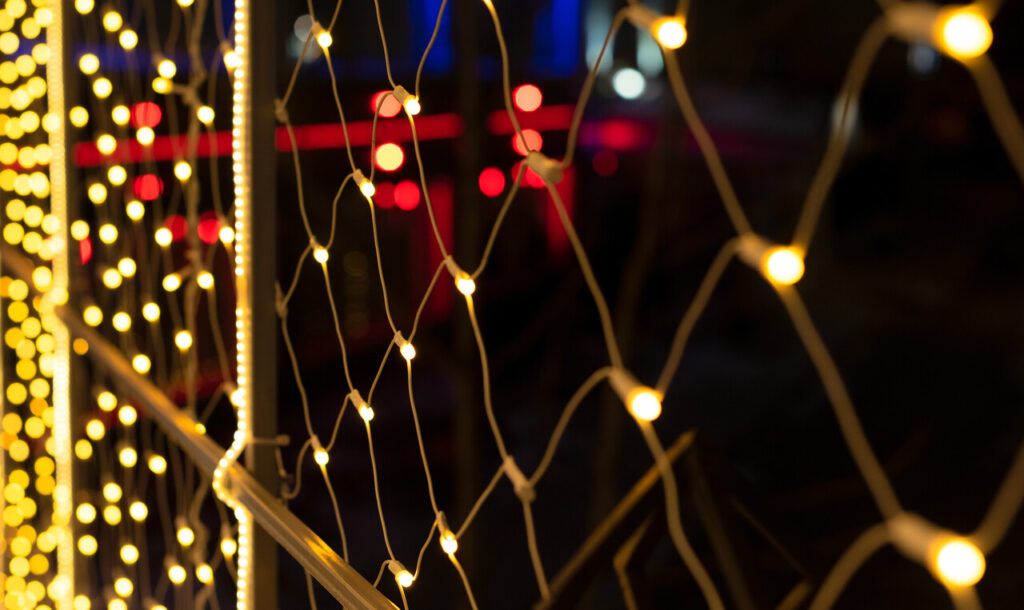
Colorful lights bring energy, but too many strands in one space create visual confusion. When every surface glows in different colors, the room loses depth and structure. Furniture, walls, and décor blend into a single flickering backdrop. Instead of highlighting special features, the lights flatten everything. Multicolored lights also clash with other decorations, making coordinated displays feel impossible. After the initial novelty fades, the constant brightness can feel tiring rather than joyful. Softer lighting schemes allow holiday accents to stand out instead of being drowned in sparkle.
3. Tinsel and Glitter Used Without Restraint
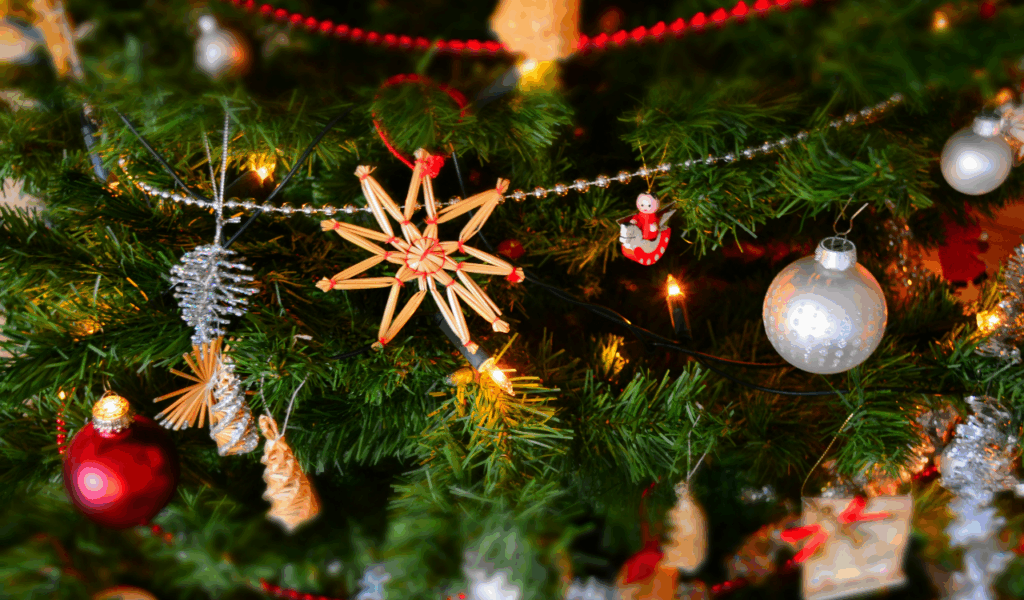
Shiny finishes reflect light in every direction, which makes even small amounts of tinsel or glitter feel busy. When layered heavily, they magnify clutter by catching attention on every surface. Glitter also migrates, spreading onto furniture, floors, and other decorations. What was meant to add sparkle quickly looks messy as it scatters throughout the room. Tinsel loses shape fast, drooping and tangling in ways that look untidy rather than festive. Instead of enhancing décor, excessive shimmer often exposes wear and disorder, making rooms feel more chaotic than cozy.
4. Mixing Too Many Holiday Themes at Once
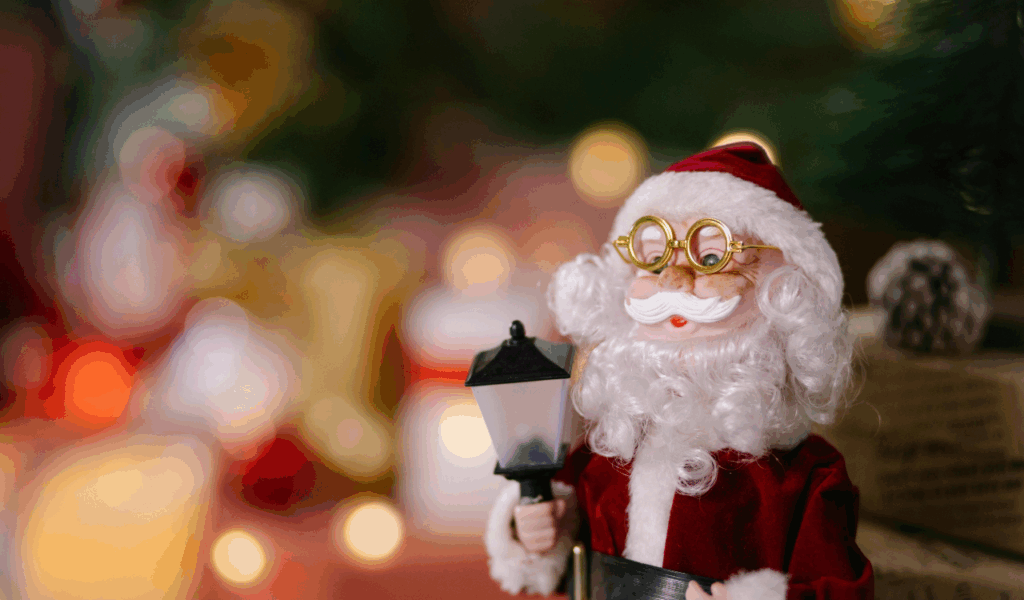
Combining rustic, modern, whimsical, and traditional styles in one space creates visual competition. Each theme has its own colors, textures, and symbols. When they are all present together, nothing feels intentional. Santa figurines clash with minimalist décor. Natural greenery fights with metallic accents. Instead of telling one story, the room tells several at once. The result is not richness but confusion. Even well-chosen items feel out of place when they lack a shared style direction. Cohesion is what allows decorations to feel calm. Without it, clutter becomes the dominant impression.
5. Too Many Figurines and Small Decorative Accents
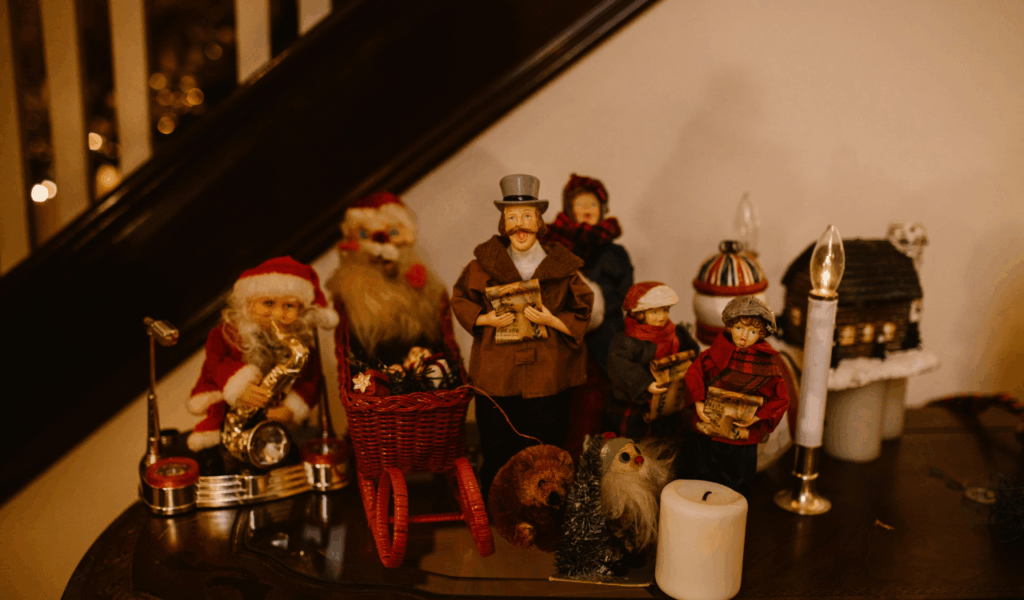
Tiny decorations are easy to add and hard to stop adding. Shelves, mantels, and side tables fill quickly with snowmen, reindeer, houses, and tiny trees. Individually, they are charming, but together, they crowd surfaces and block negative space. Dust becomes more noticeable, and cleaning becomes harder. Visual weight builds up even though each piece is small. Guests cannot focus on any single item because there are too many competing for attention. Instead of creating a focal point, the display becomes visual static.
6. Garland Draped Everywhere Without Purpose
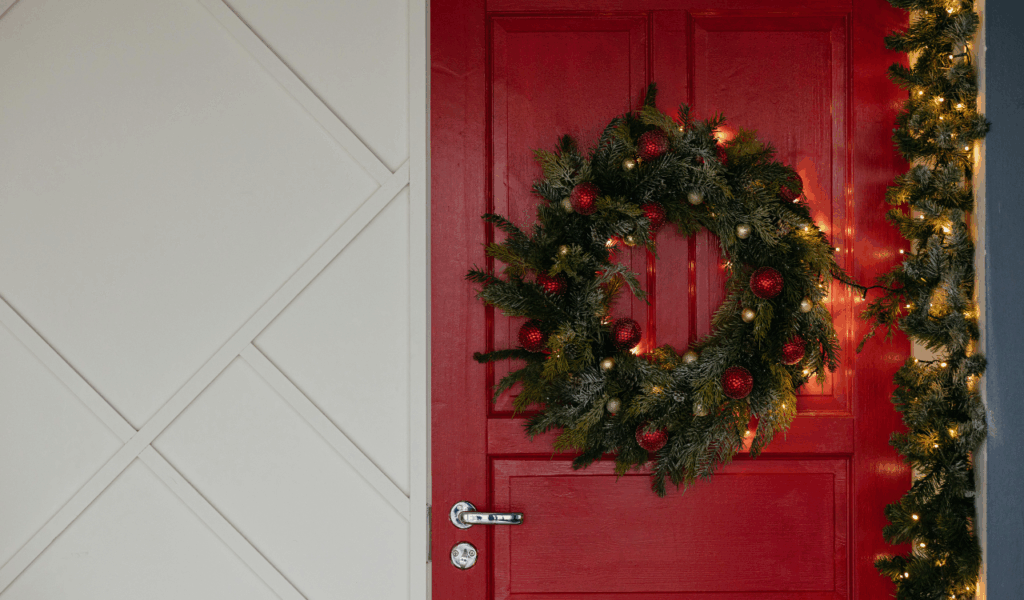
Garland looks lovely when it frames something important, like a mantel or staircase. When it is placed on every doorframe, shelf, mirror, and banister, it loses impact and adds bulk. Thick greenery takes up physical space and visually narrows rooms. In tighter areas, it can make walkways and furniture feel cramped. Without clear focal points, garland becomes background clutter rather than accent. The eye stops noticing it as décor and starts seeing it as obstruction.
7. Oversized Novelty Decorations Used Indoors
Large novelty items like giant nutcrackers, oversized Santas, or inflatable characters are designed to grab attention. Indoors, they dominate the room. They block sightlines, interfere with traffic flow, and compete with furniture for space. These pieces often sit awkwardly because they are too big to integrate naturally into layouts. Instead of feeling playful, they make rooms feel crowded and unbalanced. Smaller spaces suffer most, where a single large decoration can overwhelm the entire visual field.
8. Heavy Pattern Mixing With Holiday Textiles
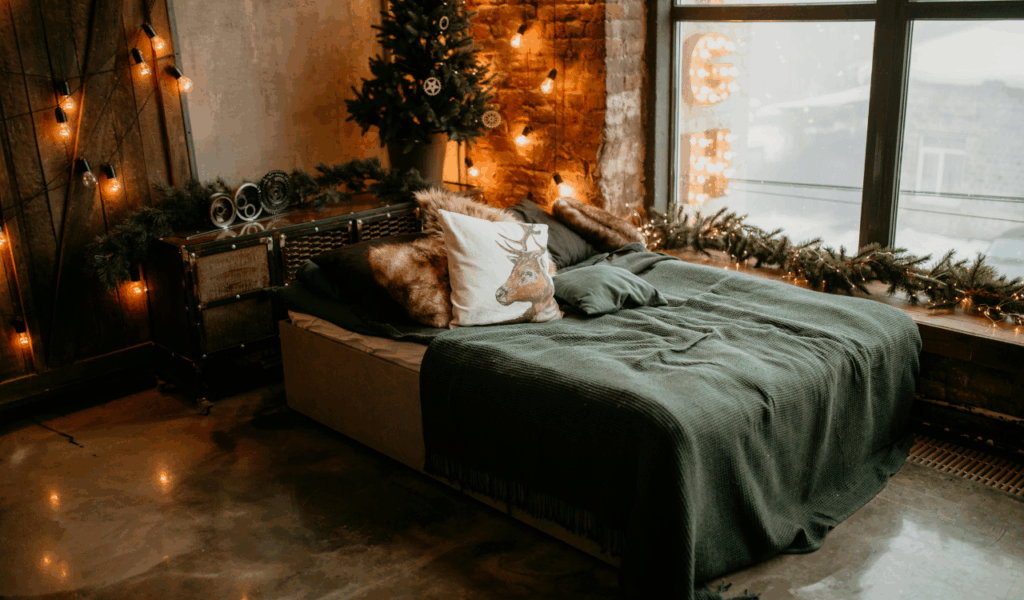
Holiday textiles often feature bold prints, from plaids to snowflakes to novelty characters. Layering several of these patterns in one room quickly becomes chaotic. Sofas covered in patterned pillows, throws with busy designs, and tablecloths with strong motifs all fight for attention. Without solid colors to break things up, the room feels restless. Patterns work best when balanced with quiet surfaces. When everything shouts, nothing feels grounded, and the space reads as cluttered even if it is technically organized.
9. Overcrowded Mantels and Shelves
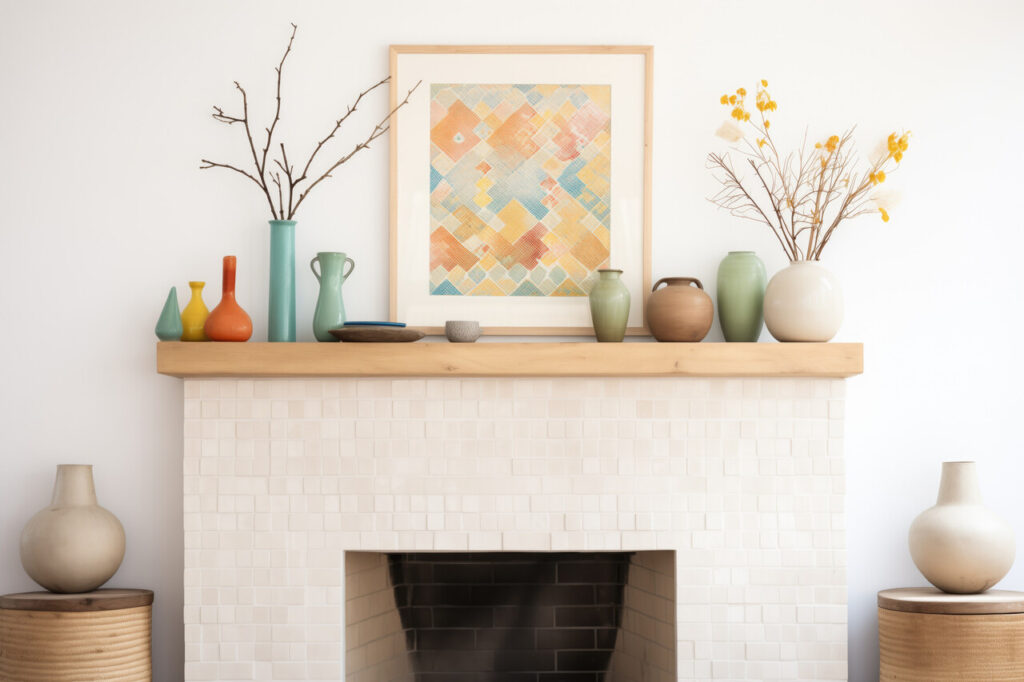
Mantels and shelves naturally draw the eye, which makes them tempting places to pile on decorations. When every inch is filled with candles, greenery, figurines, signs, and ornaments, the structure of the shelf disappears. Instead of framing the display, the shelf becomes invisible behind the clutter. Items blur together, and individual pieces lose impact. The display also becomes harder to adjust as the season goes on, since removing one item leaves gaps that feel awkward. What should be a highlight of the room turns into a dense wall of décor.