9 Home Decor Ideas That Adapt Well to Life Changes
Although a home is a living thing that needs to change with the people who live there, many interior designs have a static philosophy that ignores life’s unpredictable nature. The most resilient houses, according to interior designers and architects, are constructed on the idea of “fluidity,” in which the furnishings can be readily changed when families expand, occupations change, or interests develop.
According to experts, flexibility is the ultimate luxury in contemporary architecture since it eliminates the emotional and financial strain associated with a complete makeover every few years. By making investments in adaptable components, you make sure that your environment will continue to serve as a backdrop for your evolving demands rather than a barrier.
A home that prioritizes modularity and multi-functionalism over “fixed” characteristics is considered flexible, according to residential architects and life-stage planners. A design that does not “typecast” a space for a single use is the secret to a long-term successful interior, according to experts.
Rather, homeowners are able to change their living arrangements in a matter of hours by selecting furniture and layouts that adapt to different purposes. It is advised by designers to think of your house as a collection of “movable parts” that may be changed and reconfigured to keep your surroundings as resilient and dynamic as your life.
1. Modular Sectional Seating Systems
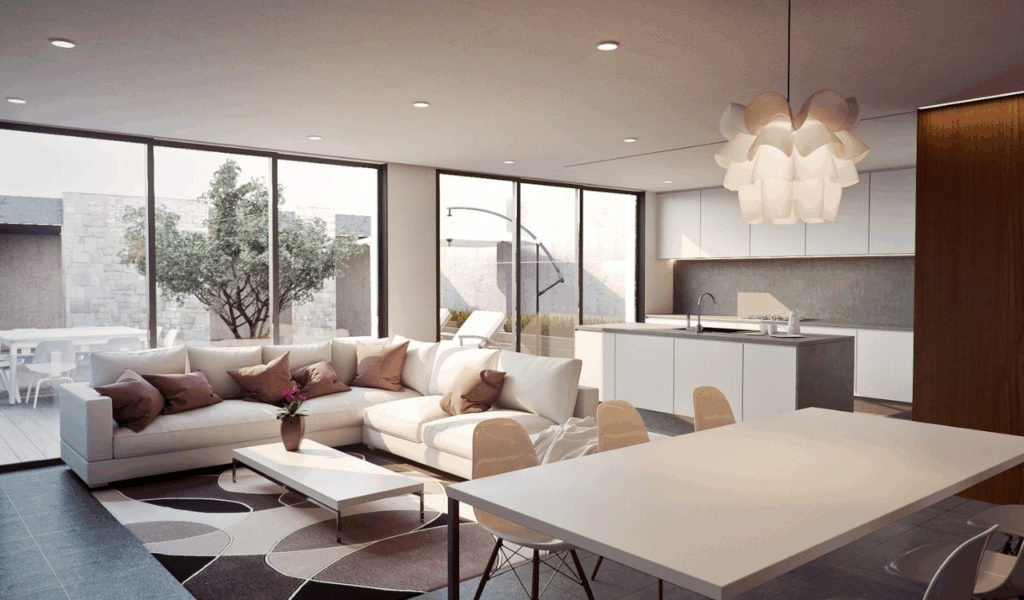
Modular seating is advised by designers since standard sofas can be a significant obstacle when relocating or altering the purpose of a space. These systems, in contrast to conventional couches, are made up of separate parts that can be taken apart and put back together in a number of different configurations, such as a comfortable corner “L” or a long, straight line. The practice of selecting “Lego-style” furniture, according to experts, enables your living room to rapidly transform from a formal conversation location to a lounge area for movie evenings.
Modular sofas are especially useful for expanding families, say interior decorators. According to experts, you can begin with a modest two-piece set and gradually add more portions as your family grows. To guarantee lifetime, designers advise choosing items with concealed connectors and strong, machine-washable textiles. No matter how frequently your address or lifestyle changes, this decorating habit makes life easier by offering a permanent seating solution that blends in flawlessly with every floor layout.
2. Adjustable Shelving and Wall Units

Adjustable shelving provides a degree of personalization that expands with your collection of books, artwork, and technology, whereas fixed cabinetry can frequently feel outdated or constricting. Designers and contractors suggest modular shelving units or track-based wall systems with adjustable shelf heights. According to experts, this practice is crucial for “life transitions,” like turning a toy-filled nursery into a teen’s study space or an upscale home library.
Professional organizers claim that as your storage demands change, flexible cabinets let you make the most of vertical space. Experts show that for a seamless, fully adjustable look, premium metal or wood tracks can be included into a room’s construction. Selecting a neutral finish that complements many decor styles over time is advised by designers. This is a very flexible and economical option because you can move shelves up or down to make room for new goods without ever having to purchase new furniture.
3. Nesting Tables for Flexible Surface Area

Nesting tables provide a “collapsible” surface area that adjusts to your daily activities, while large, heavy coffee tables can take up a lot of space and restrict mobility. When guests arrive, these groups of two or three tables of varying sizes can be dispersed across the space or tucked away into a single footprint. For people who frequently organize social gatherings or who live in smaller places, designers advise adopting this practice. Nesting tables, according to experts, offer the usefulness of several surfaces without the ongoing visual clutter.
Interior stylists claim that nested tables are the best “multitaskers” in the house. According to experts, they can be used as temporary nightstands in a guest room, side tables, or even a tiered coffee table. To give the space depth and intrigue, designers advise using sets made of various materials, such as metal and wood. Because you can quickly generate more “hosting space” when you need it and recover your floor space when you don’t, this habit makes daily living easier.
4. Castor-Mounted Furniture and Accents

One design tip used by professional flippers and home stagers to create truly moveable spaces is to put your furniture on wheels. Castor-mounted components let you to quickly clear a space, whether it is a workstation, a kitchen island, or a sizable storage chest. According to experts, this practice is ideal for homes with spaces that frequently have two uses, like a dining room that doubles as a dance floor or an office that doubles as a yoga studio.
High-quality locking castors guarantee that the furniture stays secure and sturdy while being used, according to architects and constructors. The ability to shift a heavy island to the side of the room can drastically alter the flow of traffic during a big gathering, according to experts.
Designers advise using hidden wheels for a more classic design or industrial-style castors for a more contemporary appearance. This designing practice guarantees that your house is never “static,” allowing you to rearrange your arrangement anytime you become inspired or circumstances change.
5. Neutral Foundation with Swappable Textiles
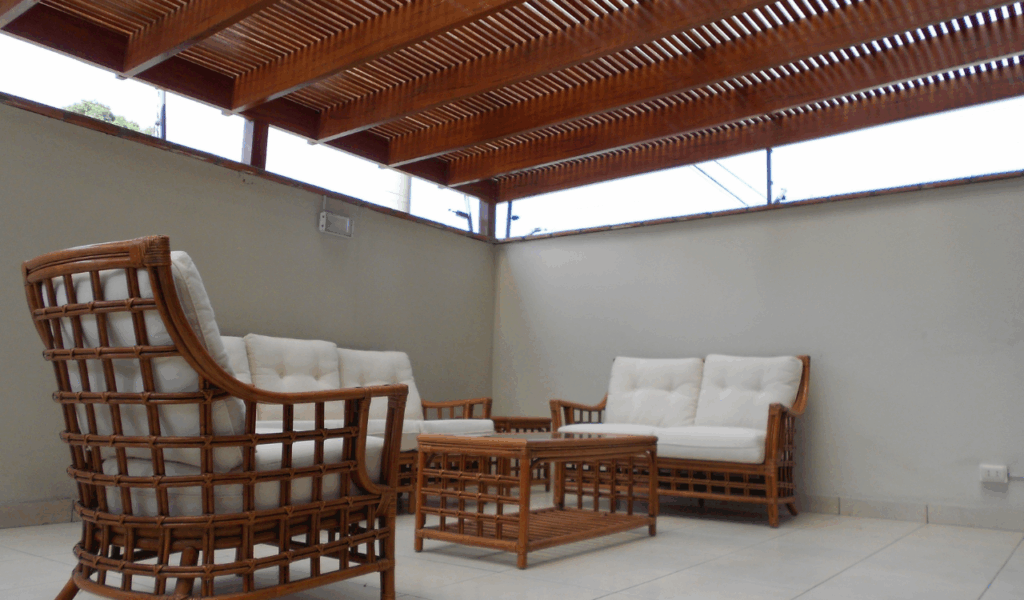
Creating a neutral foundation for the most costly pieces, such the walls and huge furniture, is one of the best practices for a changing home. Designers advise using soft charcoal, sand, or milk hues for these long-lasting pieces. Experts advise using inexpensive fabrics like pillows, throws, and rugs to drastically alter the vibe of your house while keeping the “big ticket” items neutral. Without making a significant financial commitment, this habit enables you to adjust to new color trends or seasonal shifts.
A neutral home is more tranquil and much simpler to “refresh” as your personal style develops, according to real estate agents and interior designers. The “texture over color” strategy, according to experts, guarantees that a space will remain elegant even when the accent colors are changed. Designers advise spending money on premium neutral linens that only get better with time. By eliminating the possibility of “buyer’s remorse” when making bold, costly purchases that you might outgrow in a few years, this tactic makes life easier.
6. Lightweight Folding Room Dividers

Although open-concept living is common, there are times when you need to be able to quickly separate or generate privacy. Room dividers and decorative folding screens are examples of adaptable devices that let you “build a wall” in a matter of seconds. According to experts, they are crucial for parents who wish to conceal a play area at a dinner party or for people who work from home and need to conceal their desk at the end of the day. They offer a structural alteration without the long-term effects of building.
Screens can also be utilized as a decorative backdrop to give a corner height and texture, according to interior designers. Lightweight materials that are easy to carry and store include frosted glass, cloth, and rattan, according to experts. Double-sided patterns are advised by designers to ensure that the divider appears stunning from all sides. By granting you authority over the “sightlines” of your house, this habit streamlines your way of life and guarantees that, even in a common living area, you can always find a little quiet or tranquility.
7. Dual-Purpose Murphy or Wall Beds
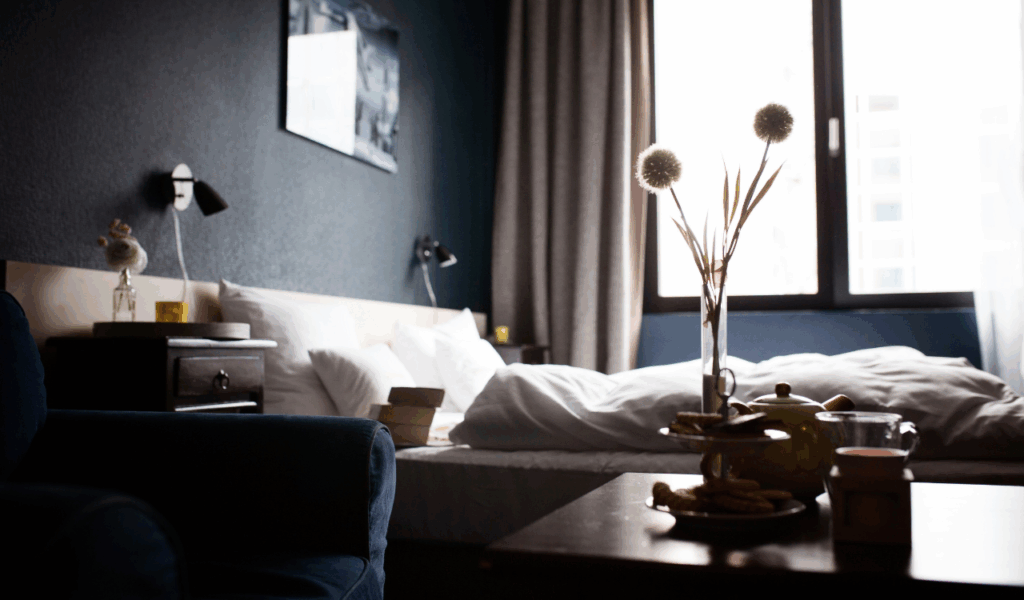
The wall bed (also known as a Murphy bed) is a traditional adaptable solution that has been updated for modern decor in homes where a separate guest room is not always practical. These are suggested by architects for hobby rooms or home offices that occasionally need to accommodate overnight guests. According to experts, contemporary models blend in with the cabinets so effectively that, when folded up, they are hardly noticeable. This practice maximizes the usefulness of your square footage by making one space efficiently do the work of two.
A wall bed is a “smart investment” that significantly increases a home’s utilitarian value, according to contractors and renovators. Experts report that modern methods are simple to use, enabling you to set up a guest suite in less than a minute. For a smooth, unified wall unit, designers advise placing built-in storage on either side of the bed. This habit is ideal for people who appreciate both productivity and hospitality because it guarantees that you are constantly “guest-ready” without sacrificing your regular workstation.
8. Expandable Dining and Console Tables
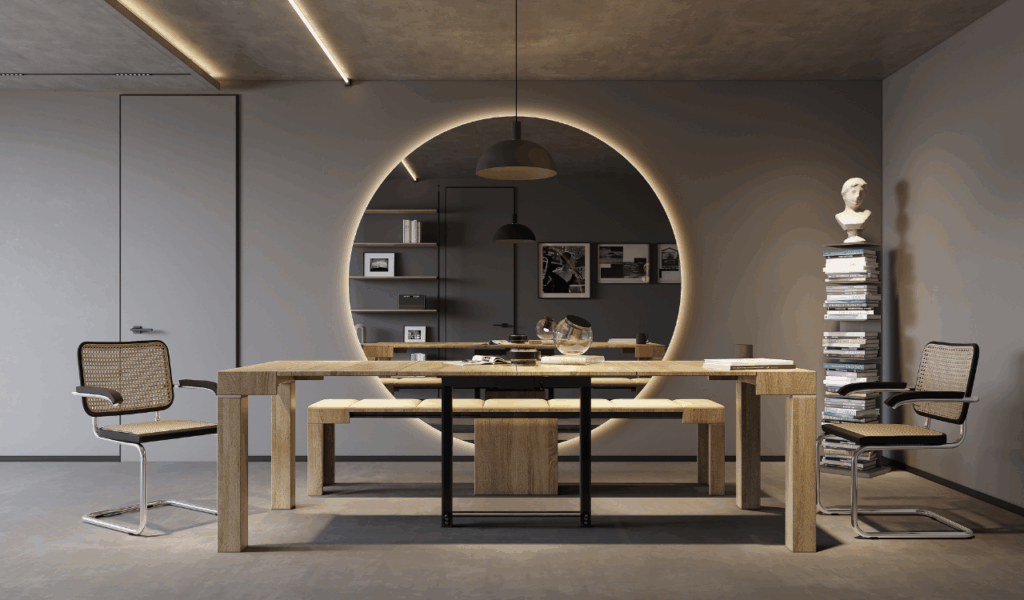
A fixed-size dining table could be a hardship because your household’s size and the number of guests you host can fluctuate regularly. Purchasing “transforming” tables that can expand or contract as needed is advised by designers. You can always have the ideal number of seats with a console table that can be folded up into a full-sized dining table or a traditional pedestal table with detachable leaves. According to experts, this practice keeps your dining area from feeling claustrophobic on a daily basis while allowing you to host a holiday feast.
The foundation of a “agile” house, according to interior designers and hospitality consultants, is an extensible table. Experts find that keeping the leaves in a special closet keeps them readily accessible and safe from harm. Designers advise selecting tables with a sturdy mechanism that is manageable by one person. By eliminating the stress of seating arrangements, this decoration option makes life easier and enables your house to accommodate anything from a romantic dinner for two to a lavish feast for 10.
9. Gallery Walls with Interchangeable Frames
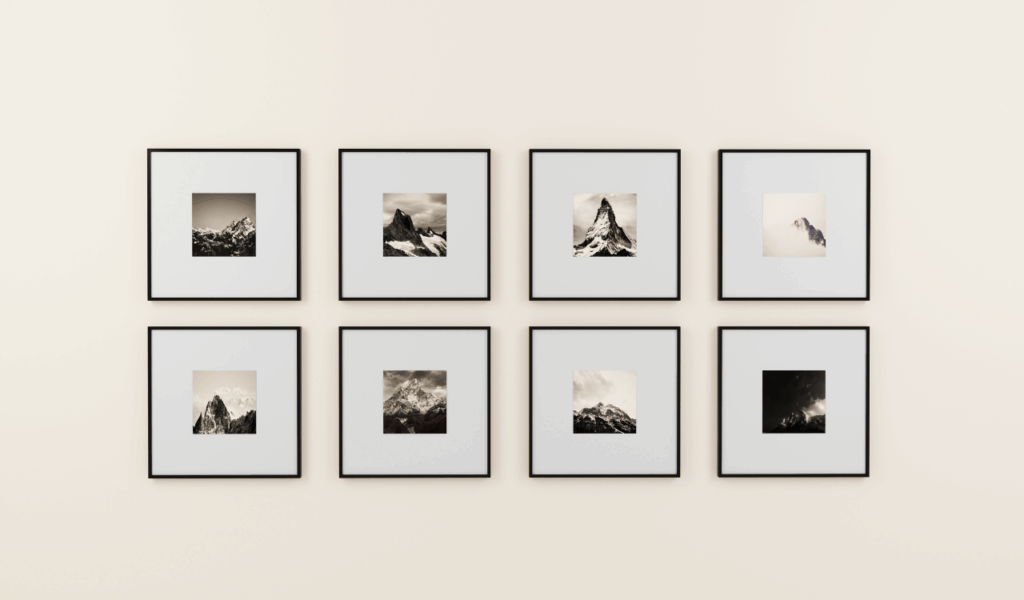
Although art is a very personal aspect of a house, your preferences and the memories you wish to showcase will inevitably change. Designers advise using a “gallery rail” or a special shelf for frames that permits continuous rotation in place of separate fixed hooks. According to experts, this practice makes it simple to replace your walls with fresh pictures, kid-made artwork, or souvenirs from trips without giving your drywall a “Swiss cheese” look. It maintains the room’s vitality and reflects your present stage of life.
Professional artists and organizers agree that a movable gallery wall lets you try out various configurations and heights. Experts show that, regardless of the artwork within, utilizing frames with different sizes but constant colors produces a unified appearance. For the most effective updates, designers advise utilizing “easy-change” frames that open from the front. This decorating practice makes sure that the “visual story” of your house is always evolving and changing along with you.