11 Living Spaces That Are Meant to Feel Calm but End Up Feeling Flat
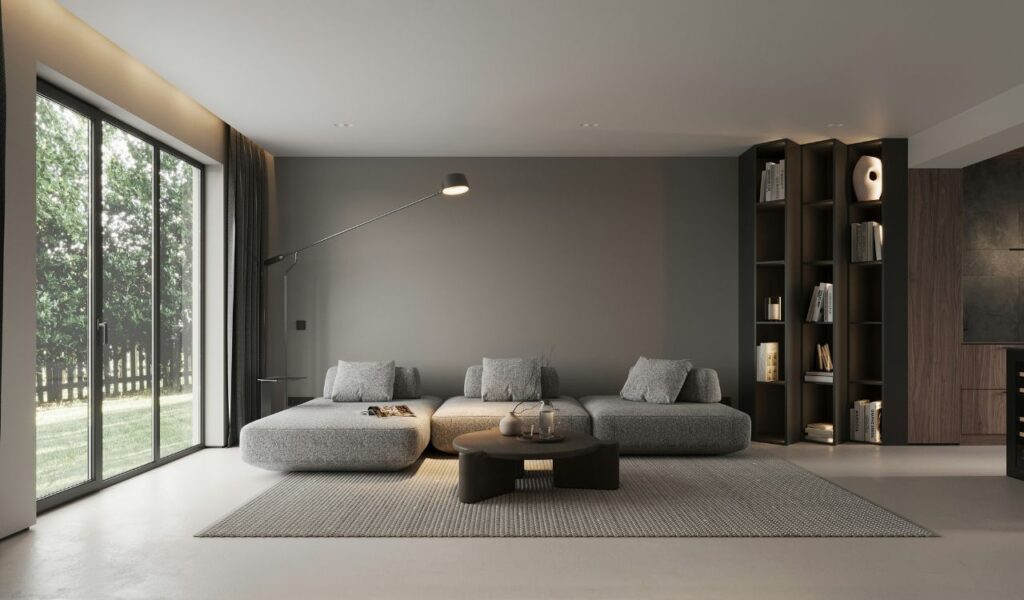
Calm interiors are usually created with positive intentions, as designers and homeowners rely on neutral colors, open layouts, and pared-back décor to reduce stress and sensory overload. However, calm does not come from removing stimulation entirely, and design psychology shows that people feel most at ease in environments that balance softness with contrast, structure with warmth, and restraint with personality. When rooms are stripped down too far, they lose emotional feedback and everyday usefulness, making them feel distant rather than restorative. Spaces that photograph as serene often feel cold or unfinished once lived in daily, especially during winter months or long evenings indoors when low light and routine amplify flatness. Instead of helping occupants recharge, these environments quietly fade into the background. True calm comes from layering texture, familiarity, and subtle variation, and when that balance is missing, living spaces stop supporting emotional comfort and begin feeling visually and functionally empty.
1. Neutral-Only Living Rooms That Lose Visual Depth
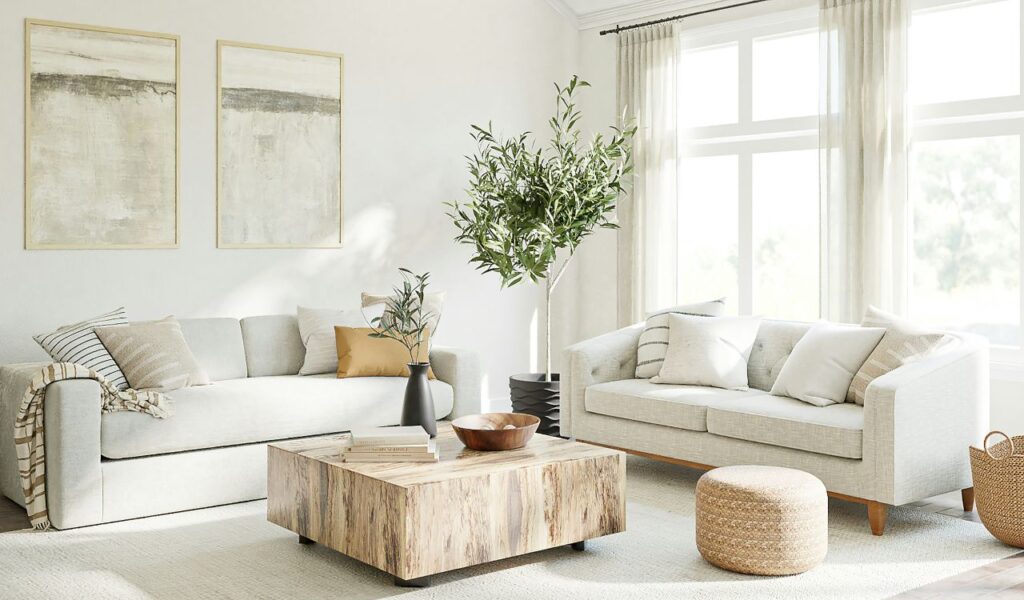
Living rooms designed entirely around beige, gray, or soft white palettes are intended to feel soothing, but they often flatten visual energy instead. When contrast is removed, the eye has no focal points to engage with, leading to subtle visual fatigue rather than relaxation. As daylight shifts throughout the day, similar tones blend, making walls, furniture, and floors feel indistinguishable. During the winter months, reduced natural light dulls these shades even further, making the space feel lifeless and muted. While neutral colors can support calm, they require layering through texture, tonal variation, or material contrast to feel complete. When used in isolation, they remove emotional cues that help a room feel welcoming and lived in, turning what should be a restorative environment into something visually flat and forgettable.
2. Minimalist Spaces That Remove Comfort Along With Clutter
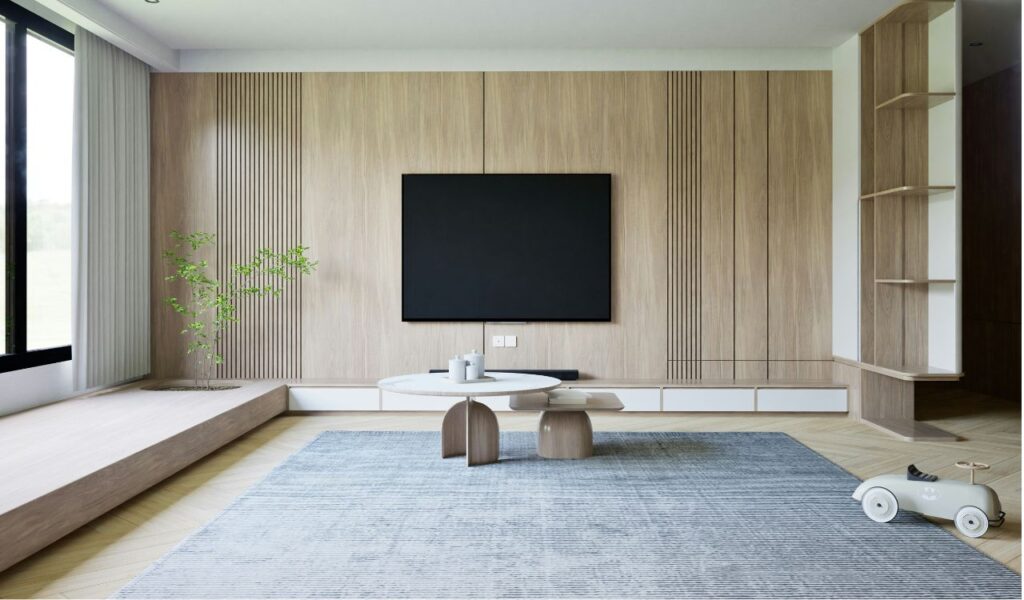
Extreme minimalist interiors promise mental clarity and calm, yet they often remove the very elements that make a space feel comfortable and human. Sparse furniture, limited textiles, and the absence of personal objects reduce both physical ease and emotional connection. Without rugs, cushions, books, or artwork, rooms lose warmth and tactile interest, making them feel more like temporary showrooms than places meant for daily life. Seating is frequently selected for clean lines rather than ergonomic support, which shortens how long people naturally want to stay in the space. While the lack of clutter appears peaceful in photographs, it can feel restrictive and uninviting in practice. Calm turns into detachment when a room stops reflecting the people who live there and instead feels visually silent and emotionally distant.
3. Open Living Areas That Feel Airy but Emotionally Empty
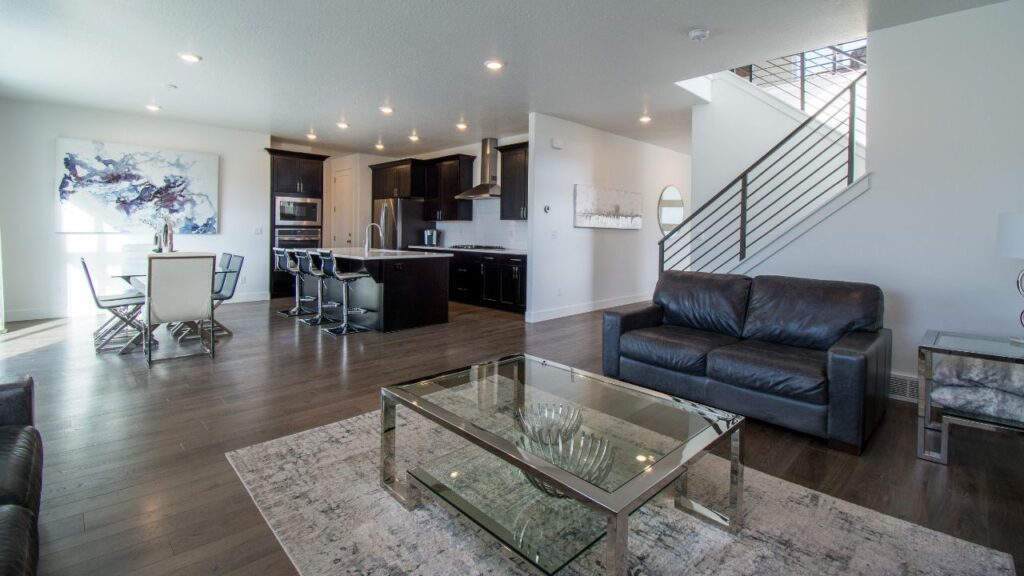
Large open-plan living areas are designed to feel expansive and calm, but they often lack intimacy and functional clarity. Without defined zones, furniture can appear to float without purpose, leaving the space feeling unfocused and underused. Sound travels easily across open layouts, creating echoes that make conversations feel distant and less personal. Activities blur together, reducing comfort and making it harder to relax or concentrate. In the evenings, when lighting and warmth matter most, these rooms can feel hollow rather than soothing. Calm becomes isolation when a space does not respond naturally to movement, rest, or social interaction. While open living areas look serene on paper, they often fail to support the rhythms and emotional needs of everyday life.
4. Symmetrical Designs That Sacrifice Warmth for Order
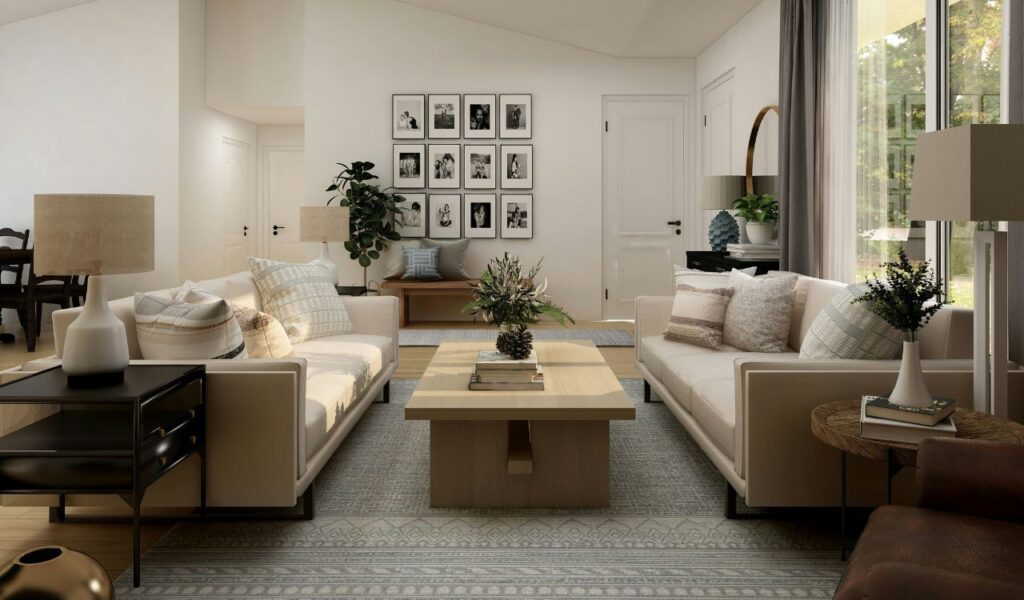
Rooms built around perfect symmetry aim to create visual harmony, but they often feel stiff once lived in. Matching furniture, evenly spaced décor, and tightly controlled layouts remove spontaneity and adaptability from the space. Textures are limited, surfaces remain untouched, and lighting is kept overly soft to preserve the look rather than support comfort. As a result, the room can feel more observed than used, discouraging natural interaction. While visually balanced, these spaces often lack emotional warmth and flexibility. Calm turns into flatness when imperfection and contrast are eliminated. A truly soothing environment should invite use and change, not feel frozen in a state of permanent display.
5. Low-Contrast Bedrooms That Feel More Dull Than Restful
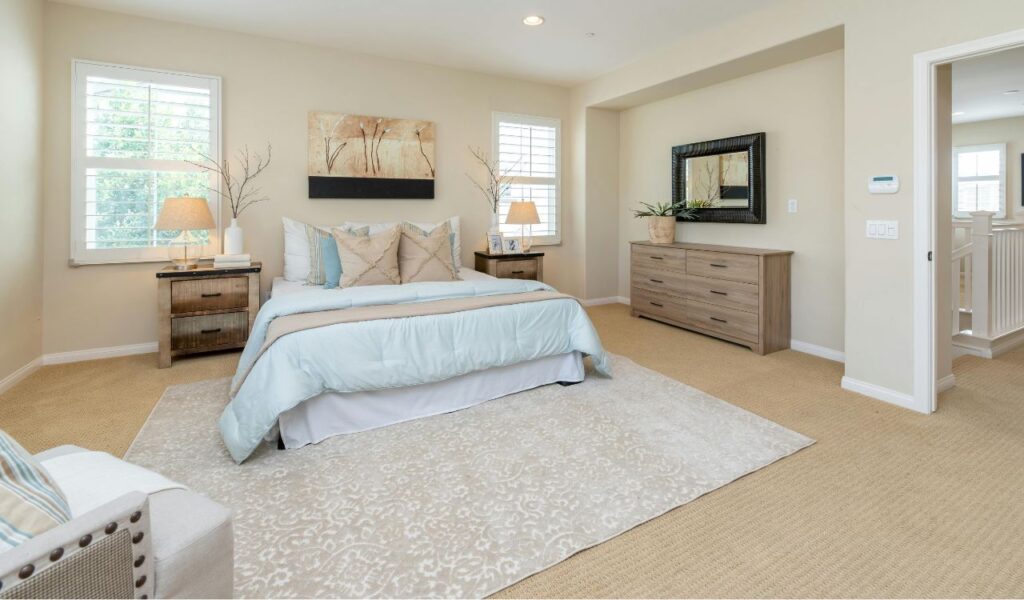
Bedrooms designed with extremely soft, low-contrast palettes are meant to encourage rest, yet they often lack grounding energy. When walls, bedding, and furniture all sit within the same tonal range, the room feels washed out rather than calming. Visual depth disappears, making the space feel temporary or unfinished. In low-light conditions, especially during winter mornings and evenings, these bedrooms struggle to feel cozy or secure. Calm bedrooms benefit from subtle contrast through texture, layered materials, or deeper anchor tones that provide visual reassurance. Without these elements, the room lacks emotional warmth and presence, turning what should be a restful retreat into a space that feels flat and disengaging.
6. Sparse Dining Rooms That Discourage Gathering
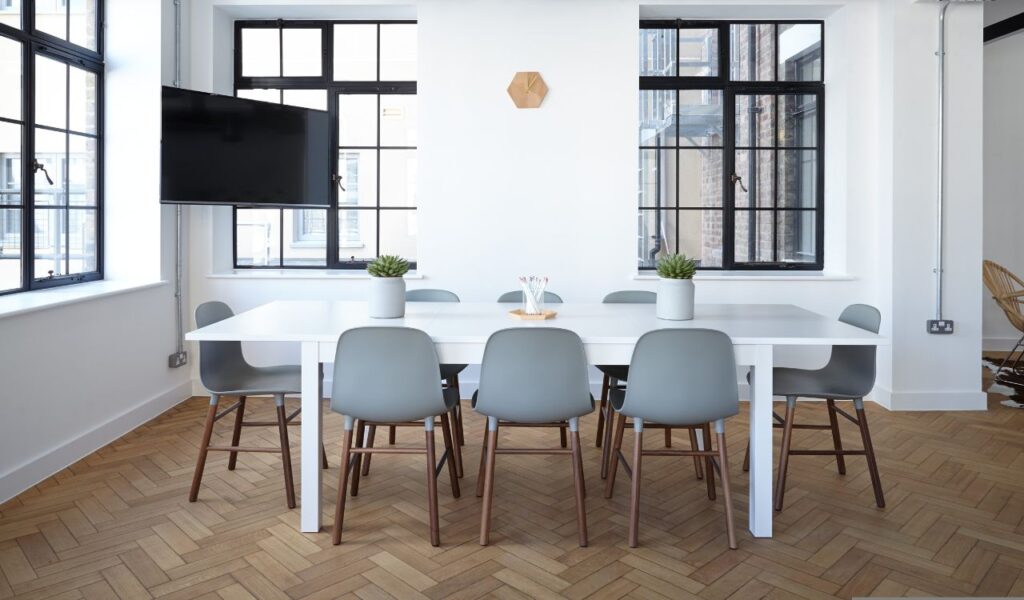
Dining rooms styled to feel calm and uncluttered often end up discouraging connection instead. Minimal furniture, hard surfaces, and restrained décor remove the warmth that encourages people to linger at the table. Without rugs, layered lighting, or textured seating, sound reflects easily, making meals feel louder and less relaxed rather than soothing. Conversations feel sharper, and the room can take on a formal, temporary quality instead of a welcoming one. When visual anchors are missing, the space lacks intimacy and emotional grounding. What should be a place for gathering and slowing down begins to feel transitional and utilitarian. Calm dining environments still need softness, warmth, and subtle visual cues that support comfort and togetherness; restraint turns into emotional distance.
7. All-White Kitchens That Gradually Feel Cold and Mechanical
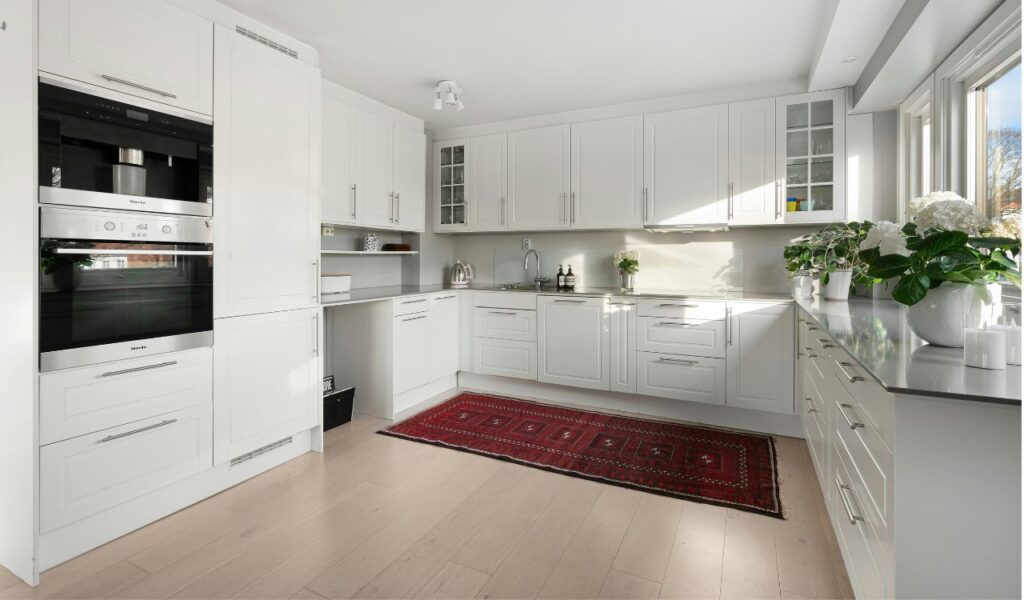
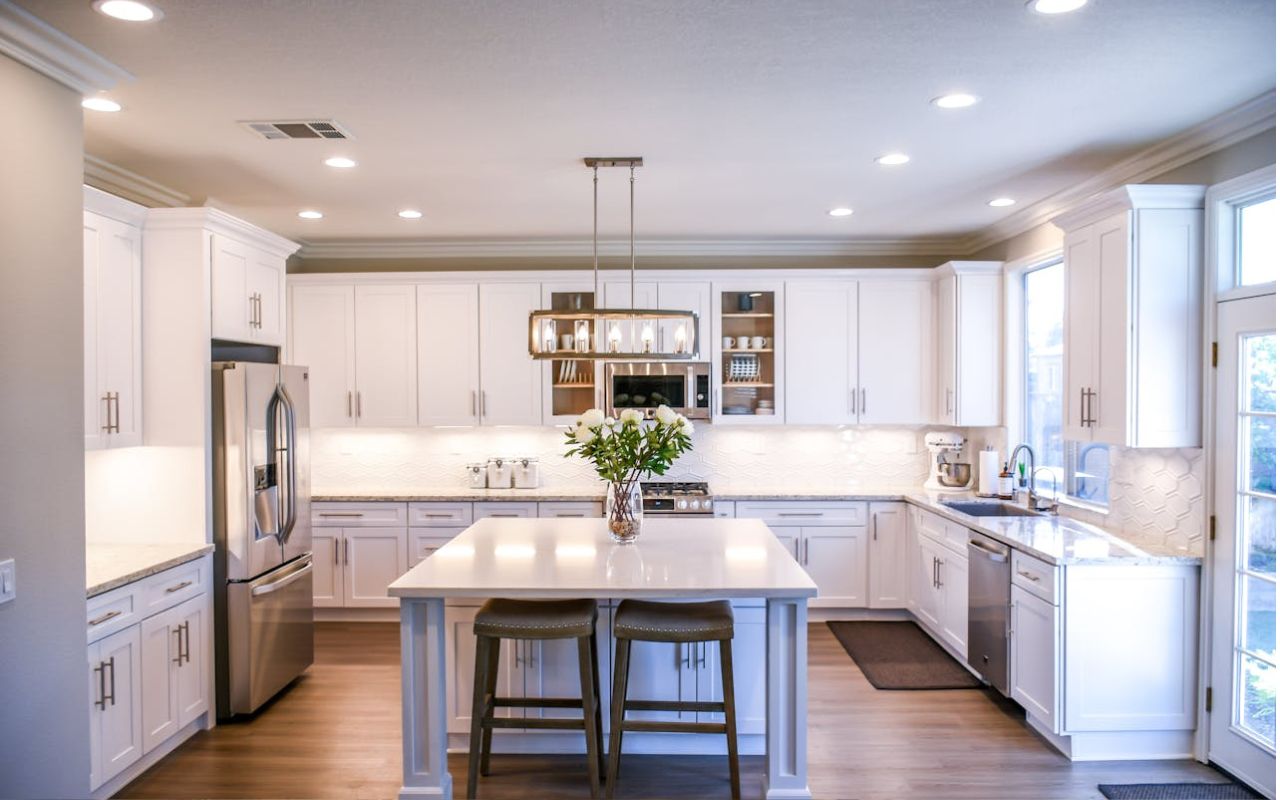
Kitchens designed entirely in white are meant to feel clean and calm, but over time, they often become sterile and emotionally flat. Uniform cabinetry, countertops, and walls reflect light evenly, removing depth and visual relief from the space. Without material contrast, the kitchen begins to feel more like a laboratory than a place where people naturally gather. Cooler light temperatures during the winter months intensify this effect, making the room feel cold rather than comforting. Daily routines can start to feel mechanical instead of grounding. Calm kitchens benefit from warmth introduced through wood, stone, muted color variation, or softer finishes. When those elements are missing, the space loses personality and stops supporting the emotional rhythm of everyday life.
8. Bare Home Offices That Reduce Mental Energy
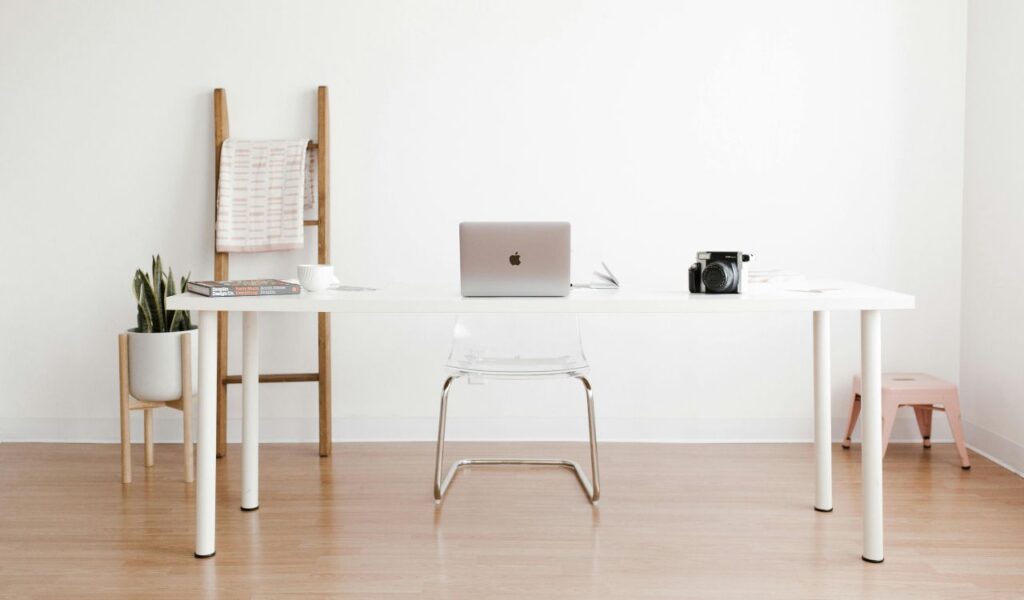
Home offices designed to feel calm often rely on extreme simplicity, but overly bare setups can quietly sap motivation and focus. Blank walls, limited color, and sparse furnishings remove visual cues that help stimulate creativity and mental engagement. While the room may feel quiet, it can also feel disconnected and heavy, making work feel more draining instead of supportive. Without personal objects, varied textures, or subtle contrast, the space lacks identity and emotional feedback. Over long workdays, this absence can increase fatigue rather than reduce it. Calm workspaces still need warmth, familiarity, and visual interest to sustain attention and energy. When emptiness replaces balance, productivity suffers, and the space feels uninspiring.
9. Over-Restrained Entryways That Fail Daily Transitions
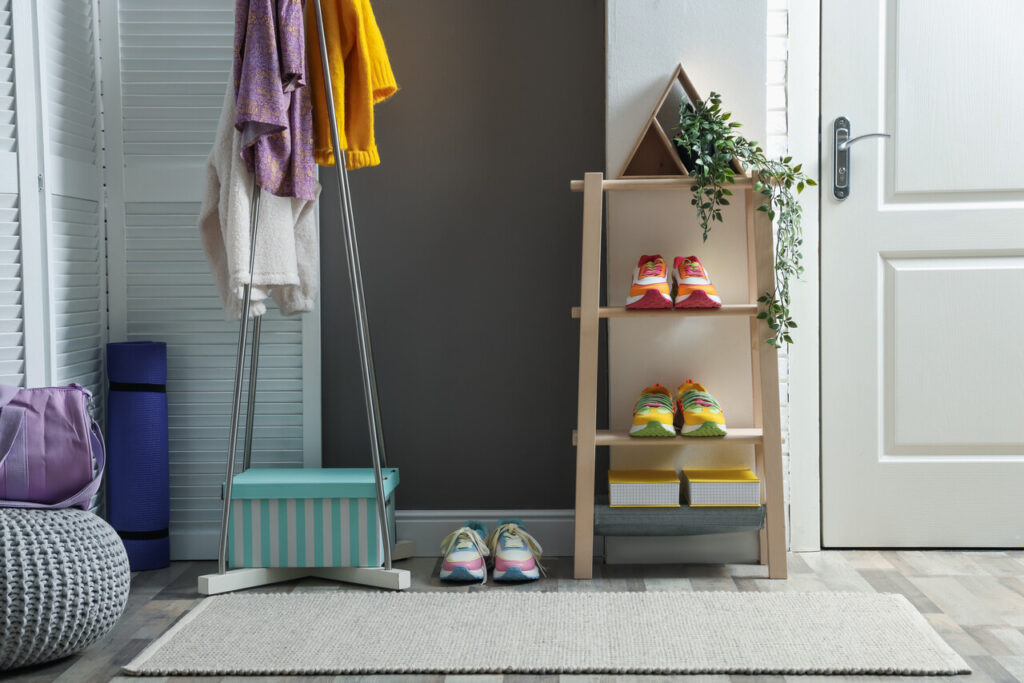
Entryways designed to look calm often remove hooks, benches, and visible storage to preserve a clean aesthetic. While visually tidy, these spaces struggle with real daily use. Shoes, bags, and coats quickly lose their place, creating friction instead of ease. The lack of seating or warmth makes arrivals feel abrupt, offering no pause between the outside world and the interior of the home. Instead of grounding transitions, the entryway feels cold and unfinished. Calm entry spaces work best when function supports flow and comfort. When restraint overrides usability, the space becomes frustrating and flat rather than soothing and welcoming.
10. Smooth, Texture-Free Bathrooms That Feel Impersonal
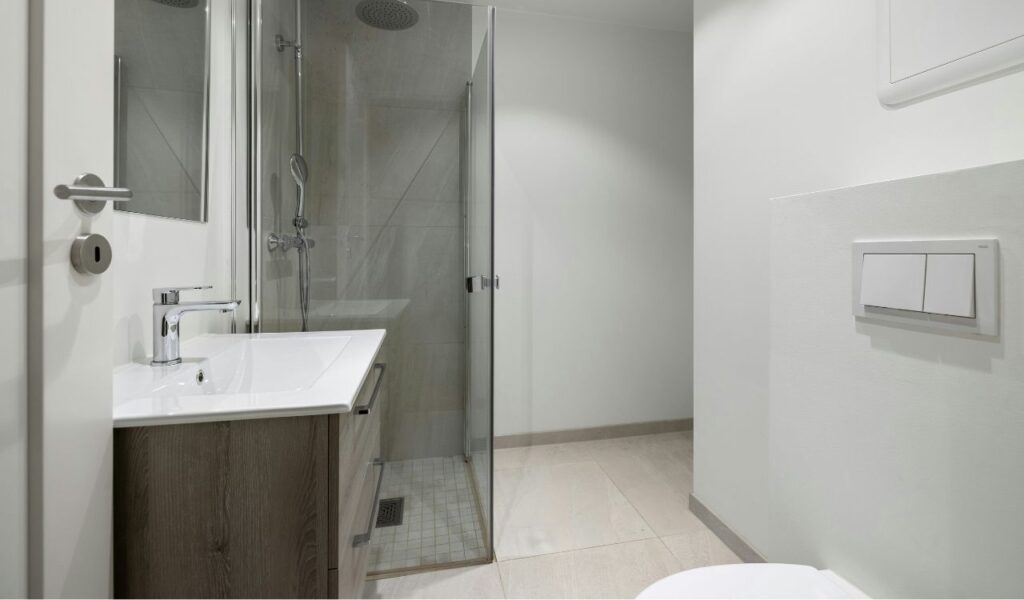
Bathrooms built around smooth surfaces and neutral tones aim to create spa-like calm, but without texture, they often feel stark and impersonal. Tile, glass, and stone dominate the space, leaving little softness to balance sound, light, and temperature. Echoes become more noticeable, lighting feels sharper, and the room lacks warmth. Over time, the bathroom begins to feel purely functional rather than restorative. Calm bathrooms still rely on tactile contrast through textiles, varied finishes, and layered lighting to support comfort. When these elements are missing, the space loses its ability to feel nurturing and instead becomes visually cold and emotionally distant.
11. Perfectly Styled Rooms That Stop Feeling Alive
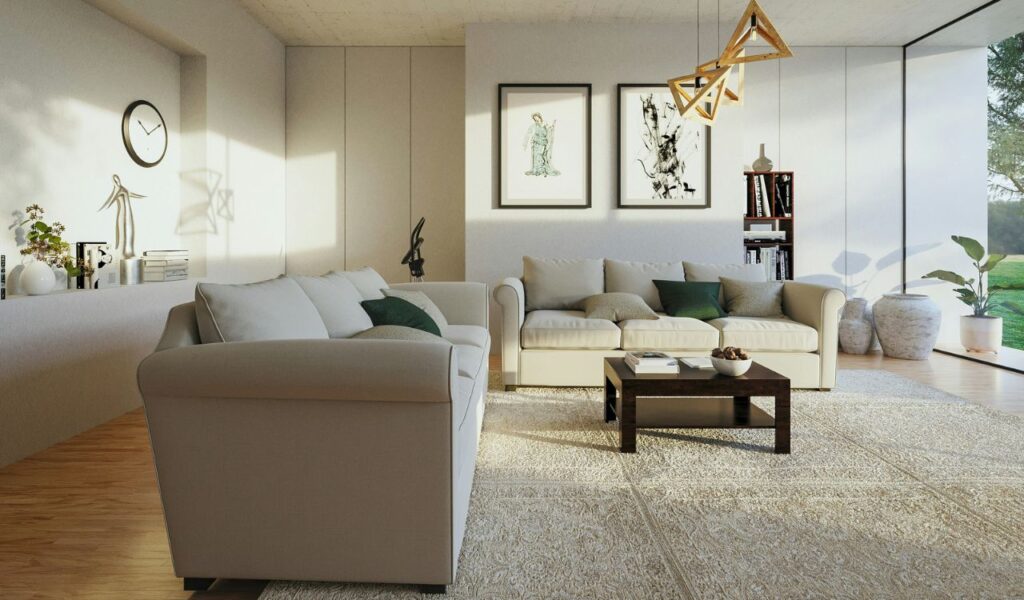
Rooms designed to remain visually perfect often feel calm at first but quickly become stagnant. Furniture placement stays fixed, décor remains untouched, and adaptability is sacrificed to preserve the look. The space feels finished rather than lived in, discouraging interaction or change. Over time, this rigidity removes emotional connection and flexibility, making the room feel distant. Calm turns into flatness when a space no longer responds to seasons, routines, or personal growth. Truly calming environments allow movement, personalization, and subtle evolution. When design freezes a room in time, it loses warmth, relevance, and everyday comfort.