10 Decor Fads That Promise Coziness But Deliver Chaos
Comfortable décor should soothe, warm, and ease, yet many common design choices achieve the opposite without homeowners knowing it. While comfy in photos, some materials, colors, layouts, and ornamental habits impair daily comfort. They can alter lighting, airflow, organization, mental clarity, and physical ease over time. When misused, what appears attractive might become overbearing, unworkable, or visually heavy. Comfort comes from balance, function, and adaptation, not trends. Understanding when décor choices unintentionally hinder comfort helps build rooms that promote rest, focus, and well-being rather than visual clutter or sensory weariness.
1. Overloaded Throw Pillows
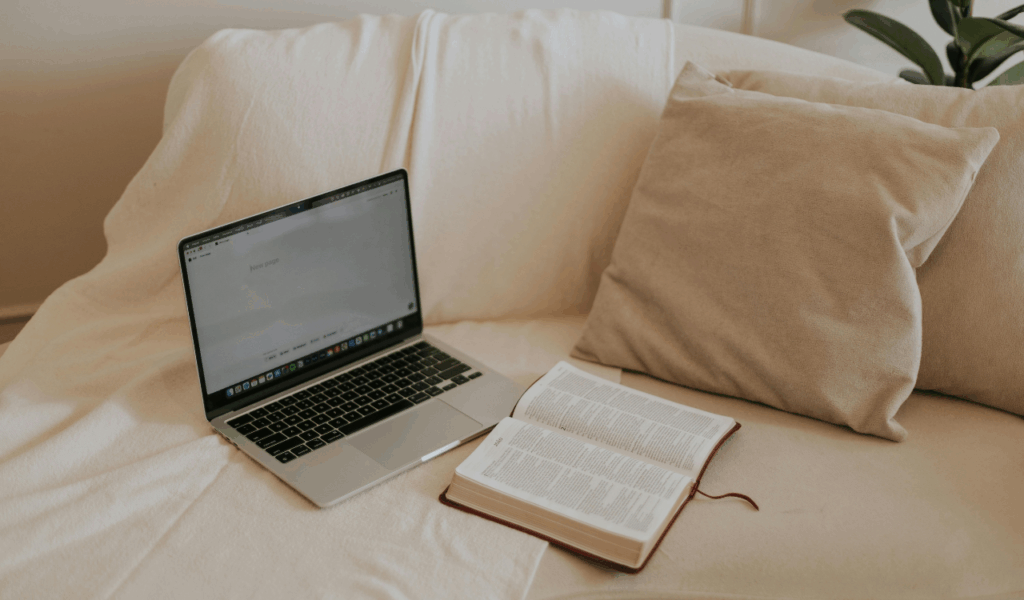
Although throw pillows are intended to provide visual coziness and softness, an excessive number of them can rapidly turn seating into an uncomfortable situation rather than a welcoming one. Excessive pillow stacking on couches or beds reduces usable area and necessitates frequent repositioning for sitting or relaxing. This erodes comfort by causing modest but enduring frustration. When patterns and textures conflict, visual overcrowding can give the impression that a space is chaotic rather than peaceful. Another disregarded issue is dust buildup from unused pillows and allergies. With less supporting, mobile pillows, seating is practical, ventilated, and attractive.
2. Heavy Curtains Blocking Natural Light
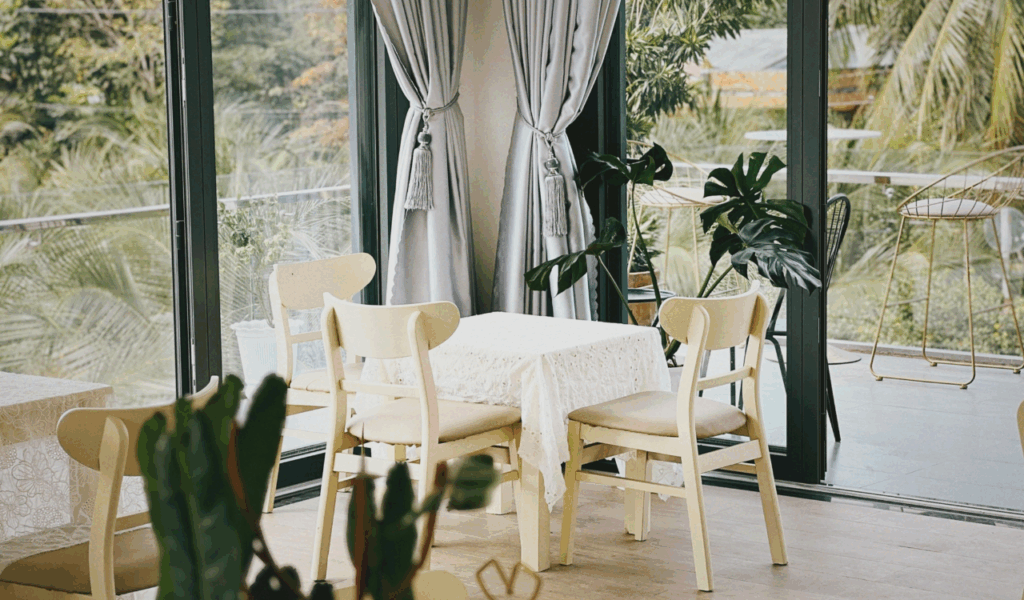
Although thick curtains are typically chosen for seclusion and warmth, they often obstruct important natural light that enhances comfort and mood. Lack of natural light can make a room appear smaller, darker, and more enclosed, which can exacerbate sensations of restlessness or sluggishness. When kept closed for extended periods of time, heavy textiles can impede airflow, which affects temperature balance. Although insulation is important, letting light change throughout the day enhances comfort. Lighter materials or movable layers let in natural light while maintaining privacy, making spaces feel bright, lively, and inherently cozy rather than dingy and enclosed.
3. Too Many Warm Color Tones
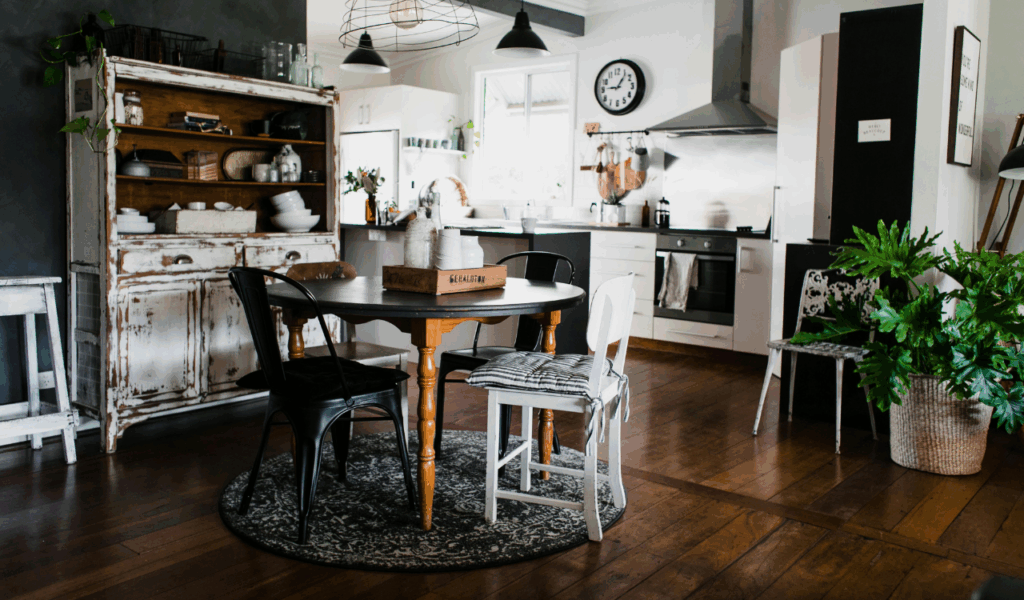
Warm colors make people feel cozy, but too many warm colors can be too much for the senses. When utilized together, deep browns, reds, and oranges can make the room look heavy, which can be oppressive instead than calming. The space can lose its shape without contrast, which makes it harder for the eyes to relax. Too much heat can also make rooms look warmer than they are by trapping heat. When warm colors are matched with neutral or cooler accents that give you room to breathe, comfort goes up. When contrast is thoughtfully applied, it prevents warmth from being overpowering and cognitively taxing.
4. Oversized Furniture in Small Spaces
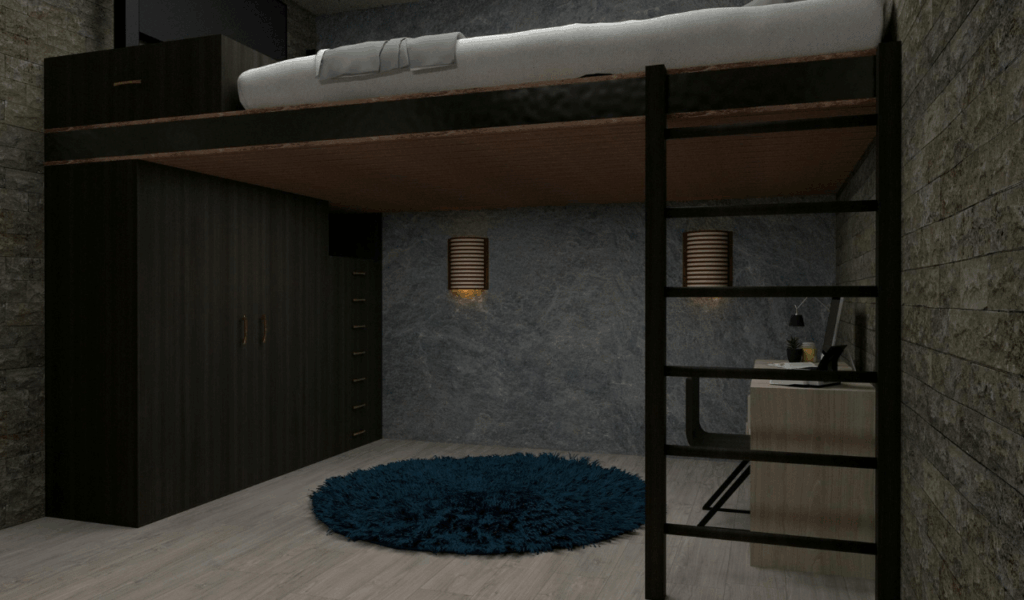
Large furniture pieces can make smaller spaces feel constrained and claustrophobic, even if their size generally promises comfort. Bulky tables or oversized couches restrict mobility, take up less useful floor space, and produce awkward routes that impede flow. Tight areas promote tension rather than ease, which has a subtle effect on relaxing. The room appears cluttered even when it is tidy because of the large furniture that takes up most of the space. Proportional design that permits flexibility and movement is the source of comfort. Properly sized furniture allows the space to breathe, which promotes both physical comfort and mental tranquility.
5. Excessive Soft Lighting
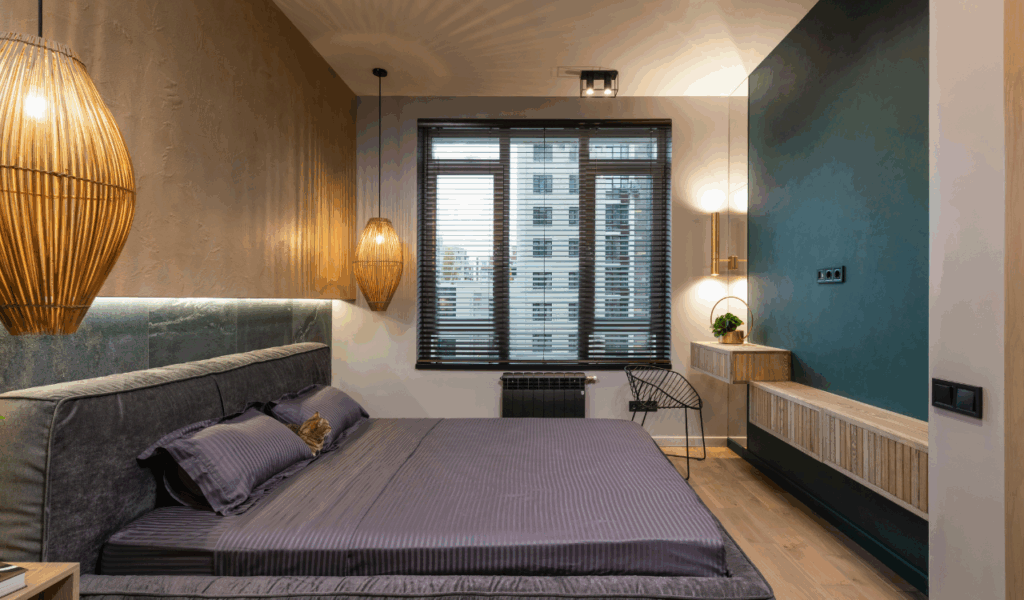
Although soft lighting is sometimes associated with relaxation, excessive dimness can cause eye strain and impair functionality. Lack of layered lighting can make a room feel drowsy rather than peaceful, especially when reading or cooking. Additionally, dim lighting can warp color, giving rooms a drab or hazy appearance. Adaptable lighting that facilitates various activities throughout the day is essential for comfort. Warmth and clarity are maintained by combining adjustable task lighting with gentle ambient light. Comfort is guaranteed by proper balance without compromising energy or visibility.
6. Thick Rugs Everywhere
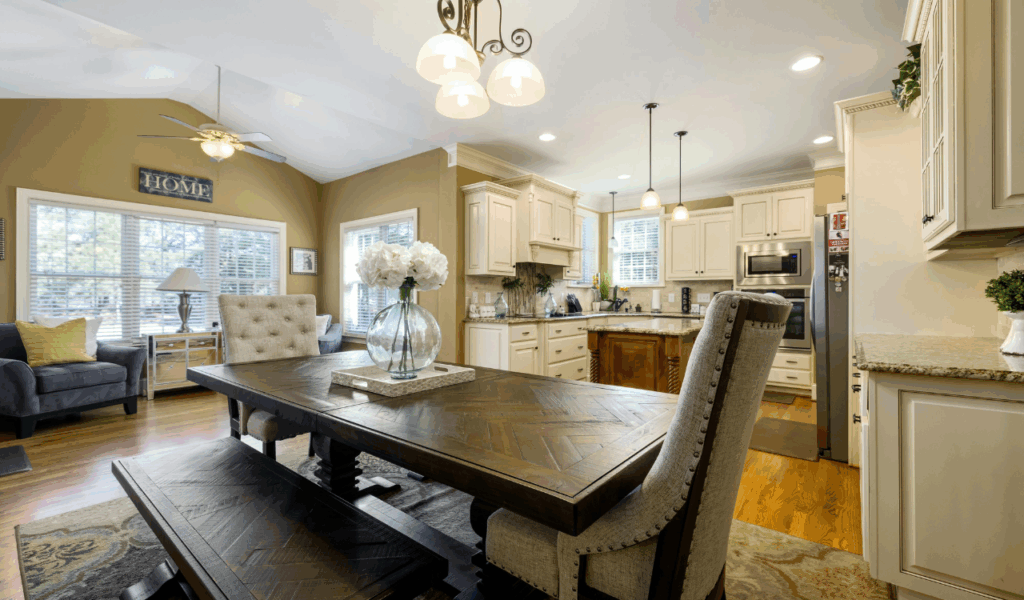
Although plush rugs feel opulent underfoot, too many layers can compromise both comfort and usefulness. Indoor air quality is impacted by thick carpets because they are more likely than flatter ones to retain dust, allergens, and moisture. Over time, they may also produce uneven walking surfaces that feel uncomfortable and obstruct door movement. Too many thick carpets give the impression that a room is divided and congested. When rugs are deliberately placed to define spaces rather than cover every surface, comfort increases. As a result of meticulous layout, spaces are maintained in a manner that is comfortable, tidy, and easy to use.
7. Cluttered Open Shelving
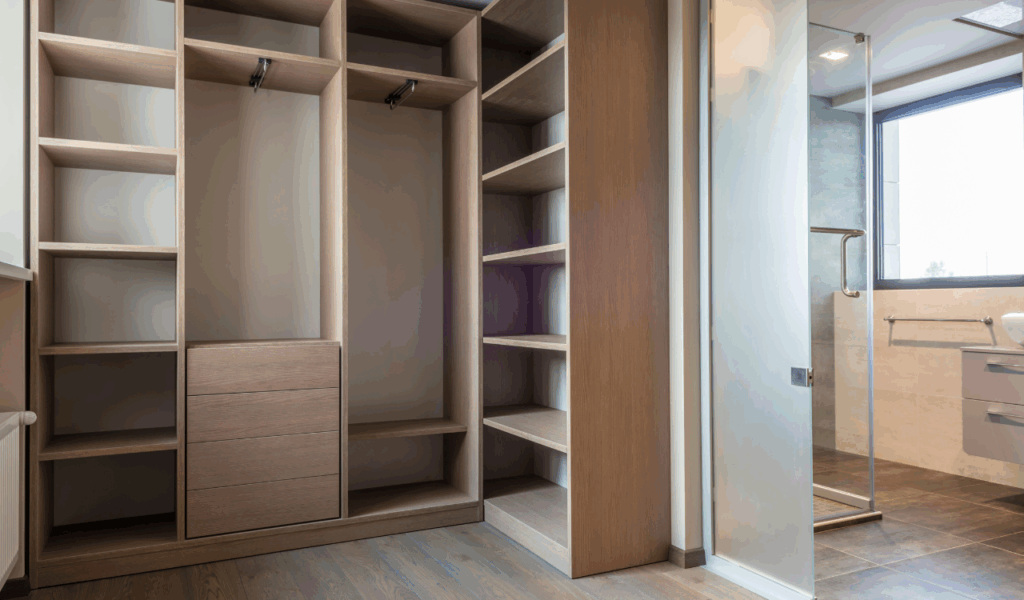
Open shelves may add warmth and individuality to a room, but if you put too much stuff on them, they can make the room feel crowded instead of cozy. When there are too many things on the shelves, the eye has nowhere to rest, which makes the room appear busy and distracting. Dust builds up more quickly, which means you have to clean more often, which adds to your mental burden. What starts off as a way to decorate becomes a cause of conflict. Simplicity is what makes comfort. Keeping things open but still showing off important pieces can be done by leaving space between items and limiting what is on the shelf.
8. Scent Overload
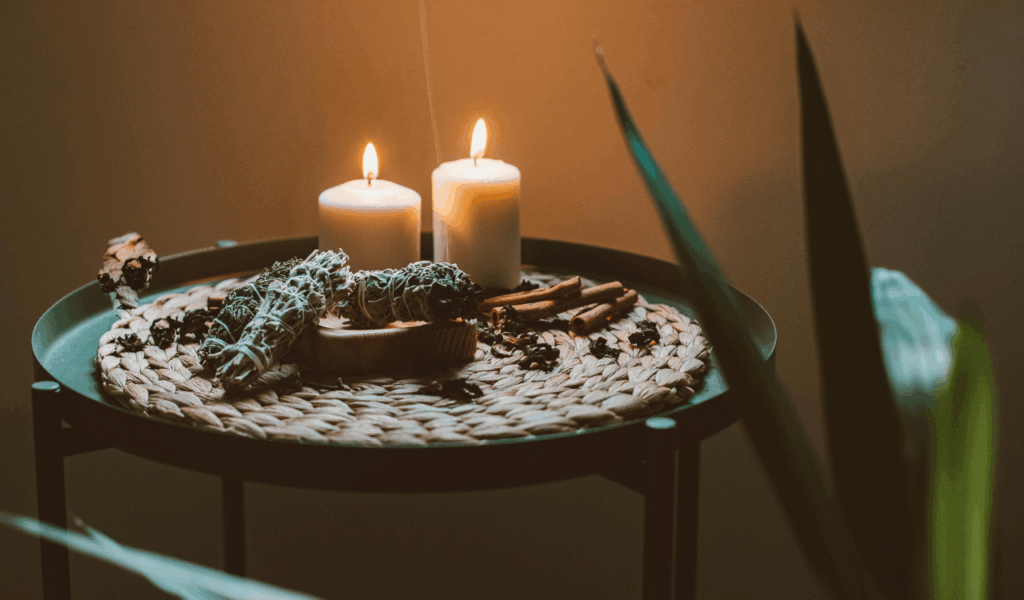
A lot of scented things can be too much for the senses, even though fragrance is intimately linked to comfort. Having more than one candle, spray, or diffuser going at the same time may make you feel worse instead of better. Strong or long-lasting smells also make the air less clean, especially in small places. Not saturation, but subtlety is what makes comfort. Choosing one light scent or changing scents often keeps your senses from getting too muchThe aroma of a tranquil area is one that is light and fresh, which enables individuals to relax without experiencing excessive stimulation or exhaustion as a result of being constantly exposed to aromatic substances.
9. Excessive Decorative Layers
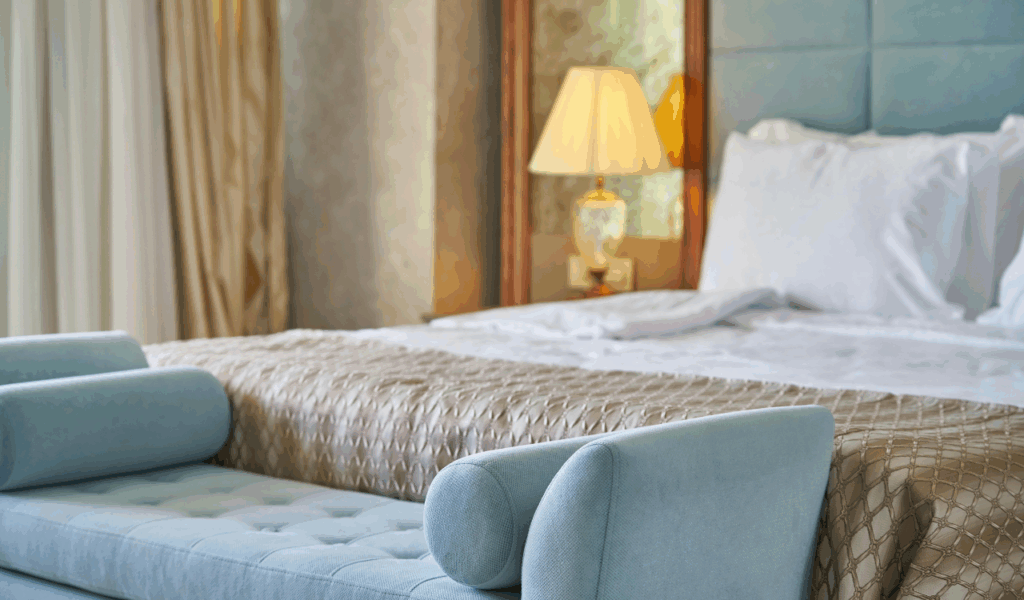
Adding layers of textures and decor is supposed to make a room seem warmer, but too many layers can make it look heavy and cluttered. There are too many blankets, baskets, art pieces, and other things that draw attention, which makes rooms feel busy instead than relaxing. This continual visual stimulation keeps the mind from settling down, even in places that are meant to be relaxing. Layering things on purpose, not just piling them up, makes you feel better. Keeping things warm and clear can be accomplished by selecting a few textures that complement one another. When it comes to comfort, simplicity is more likely to last than initial impressions.
10. Ignoring Practical Comfort
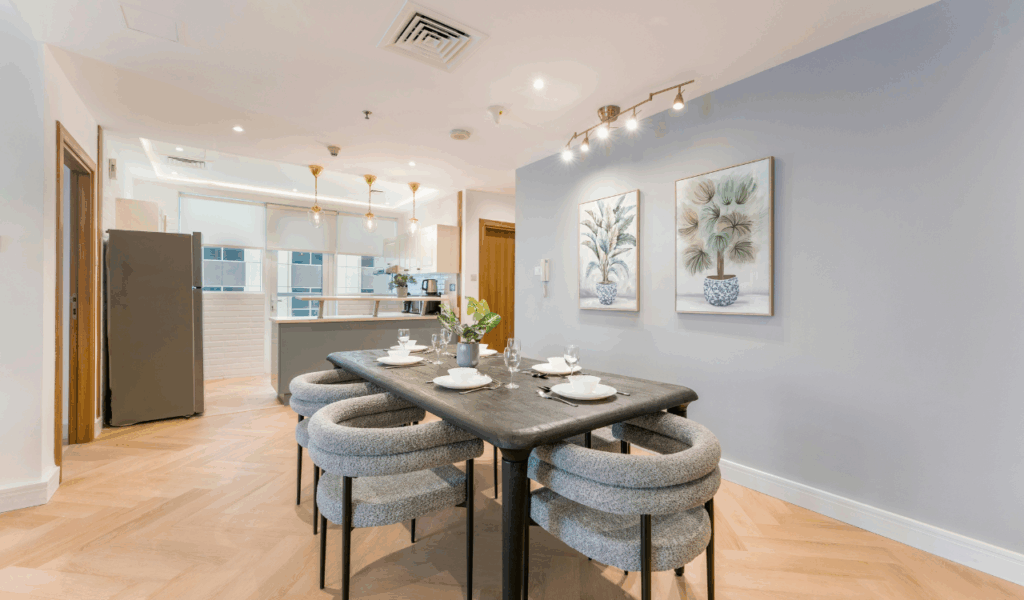
In real reality, decor that appears cozy but disregards everyday use frequently fails. Comfort is gradually diminished by unsupportive chairs, rough-feeling fabrics, or arrangements that restrict movement. Not simply how it looks in photos, a place should accommodate how people sit, move, and rest. When aesthetics take precedence over functionality in décor, discomfort becomes the norm. Usability and elegance are combined to create true comfort. When careful judgments are made, posture, accessibility, and maintenance are taken into consideration. This results in environments that are not only aesthetically beautiful but also comfortable to live in.