9 Suppers That Are Marketed as Simple but Still Feel Like a Chore
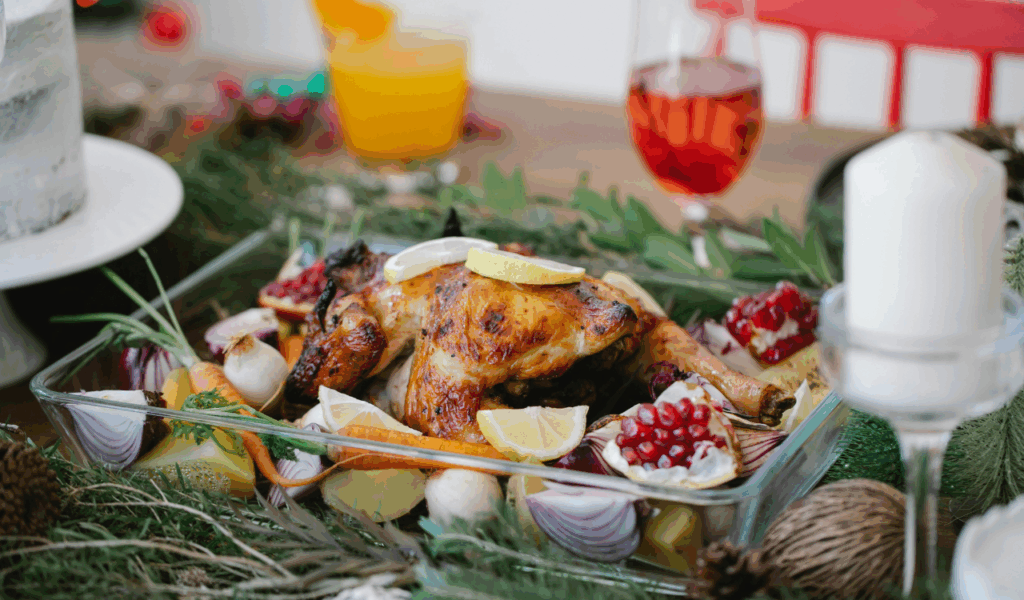
Weeknight dinners are frequently promoted as fast and low-effort solutions for busy households, but these meals often fail to account for the mental and physical fatigue that builds throughout the day. By early evening, decision fatigue peaks and energy levels drop, making even short cooking tasks feel longer and more demanding than expected. Studies on kitchen psychology show that after 5 p.m., declining cortisol levels slow perceived time, causing a 30-minute meal to feel significantly longer for tired cooks. Surveys consistently show that more than 60 percent of home cooks struggle most with timing and multitasking, while recipe prep times are commonly underestimated by as much as 50 to 100 percent. During winter evenings, when hunger intensifies and motivation is low, these pressures combine to make supposedly simple suppers feel like an exhausting obligation rather than a convenience.
1. Stir-Fry Dinners
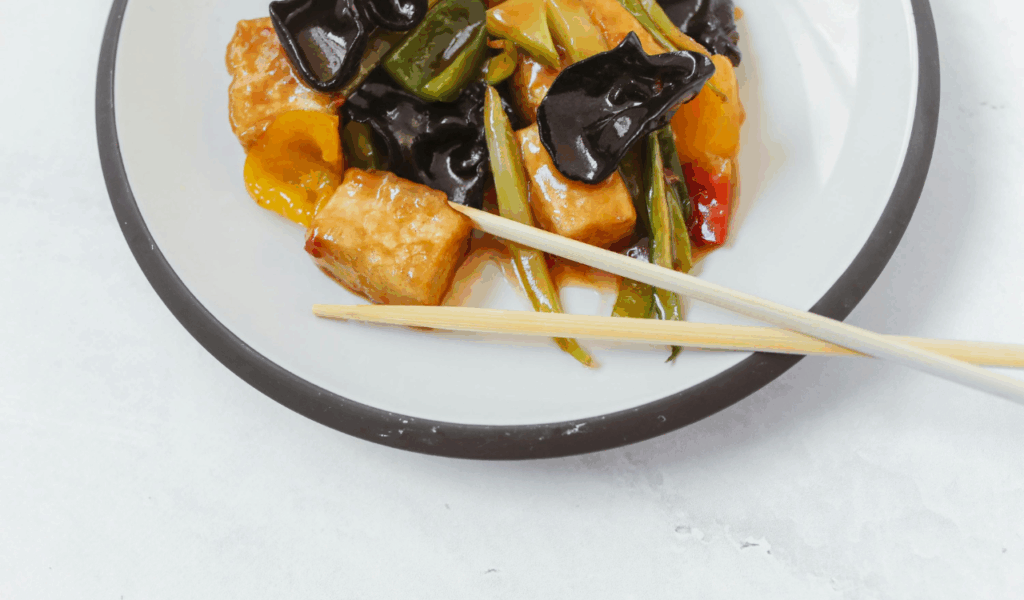
Stir-fry dinners are often presented as quick and flexible, but they require constant attention and precise execution that can overwhelm tired cooks. Proper stir-frying depends on maintaining high heat, typically in the 350 to 400 degree range, so proteins sear quickly while vegetables cook without releasing excess moisture. Even slight delays can cause vegetables to burn in under two minutes or proteins to cook unevenly. Sauce timing must be exact, added too early, it burns, and too late, it fails to coat evenly. The need for continuous stirring, temperature control, and fast decision-making leaves no margin for distraction, turning what appears to be a speedy meal into an intense multitasking exercise that feels far from effortless.
2. Quick Taco Nights
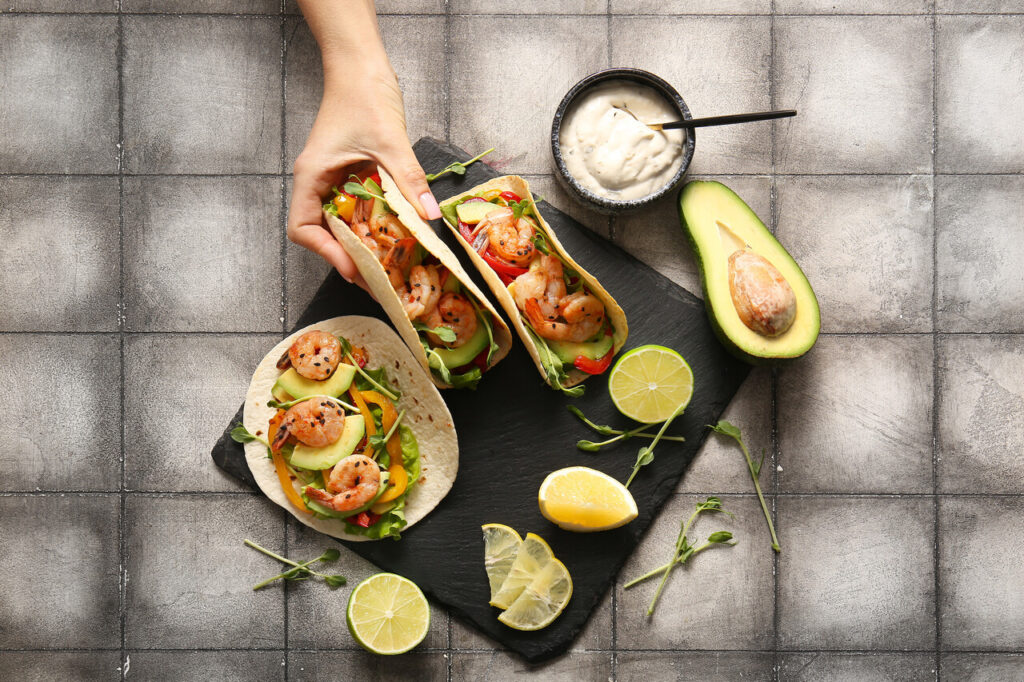
Taco nights are commonly viewed as an easy assembly-style dinner, yet they quietly demand multiple tasks to happen at the same time. Proteins must be cooked and seasoned properly, shells or tortillas need warming, toppings require chopping, and sauces must be prepared before anything cools down. Each component has its own timing window, and delays of even a few minutes can affect texture and temperature. Keeping everything warm while assembling plates adds another layer of stress, particularly when serving more than one person. What looks simple on paper often becomes a rushed process that requires constant movement and coordination, making taco night feel more like a race than a relaxed dinner.
3. Pan-Seared Fish or Meat
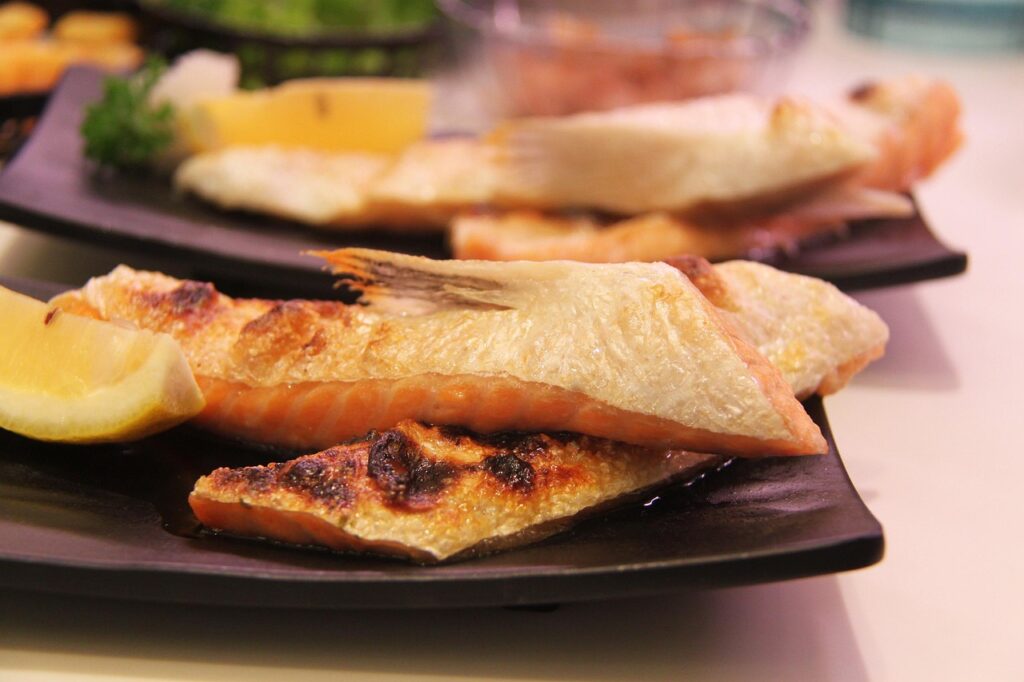
Pan-seared suppers depend on precision rather than simplicity, which makes them surprisingly demanding on low-energy evenings. Proteins require exact heat levels to develop proper browning without drying out, and even small temperature changes can ruin texture. Fish can overcook in minutes, while meats must be monitored closely to avoid undercooking or toughness. At the same time, side dishes need to be timed so everything finishes together. This constant monitoring forces cooks to stay focused at the stove, adjusting heat and timing in real time. Instead of offering flexibility, pan-seared meals demand attention from start to finish, transforming a minimal-ingredient dinner into a mentally taxing task.
4. Sheet-Pan Meals
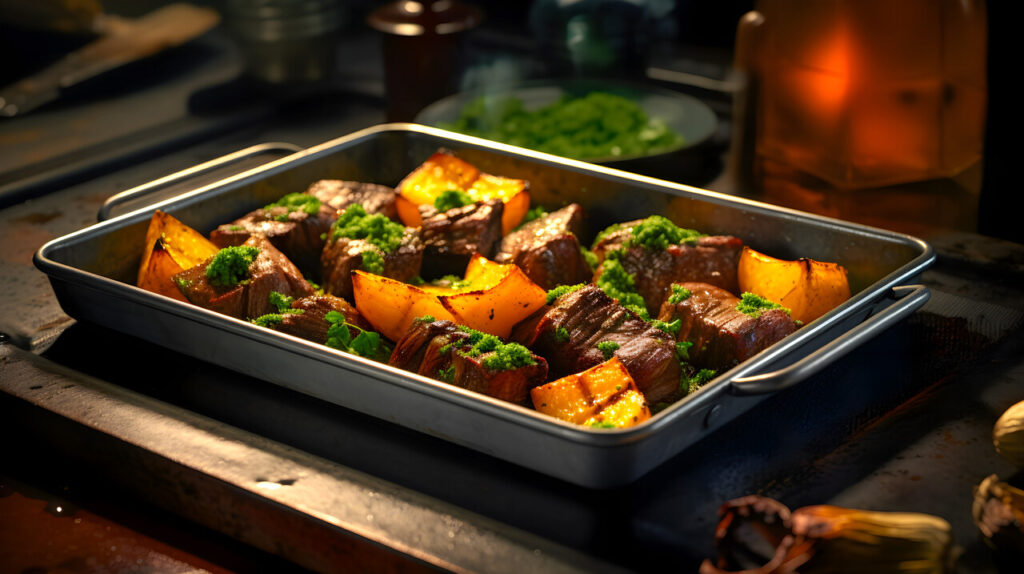
Sheet-pan meals are marketed as low-effort, one-pan solutions, but they hide several technical challenges that increase workload. Ingredients must be chopped evenly to ensure consistent cooking, and spacing is critical to prevent moisture buildup. When pans are overcrowded, oven temperatures can effectively drop by up to 50 degrees, causing food to steam rather than roast and requiring frequent rotation every 5 to 10 minutes for proper browning. Seasoning also needs careful distribution to avoid bland spots. While cleanup may seem minimal, the prep, monitoring, and adjustments often take longer than expected, making these meals feel far less hands-off than their reputation suggests.
5. Casseroles
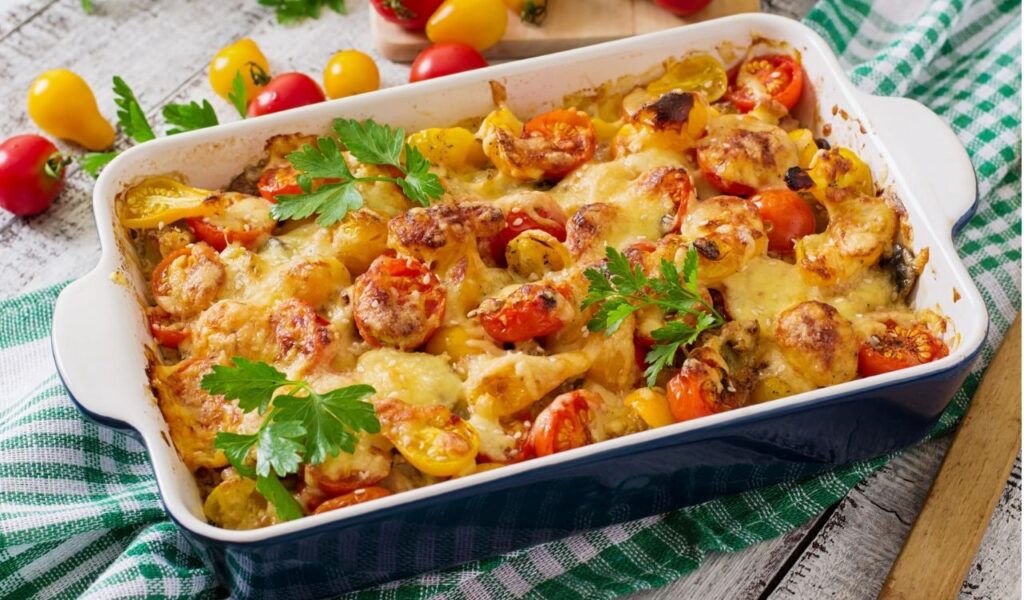
Casseroles are often associated with comfort and simplicity, but the reality involves layered preparation, long oven times, and extended mental commitment. Ingredients must be chopped, cooked, or partially prepared before assembly, then layered carefully to ensure even cooking. Most casseroles bake for 45 to 60 minutes, during which attention is still required to prevent drying, bubbling over, or uneven doneness. Side dishes rarely cook in the same timeframe, forcing additional stovetop work. Waiting for the oven while hunger and fatigue build can make evenings feel stretched and sluggish, especially in winter. What appears to be a passive, cozy meal often becomes a drawn-out process that requires patience, planning, and ongoing monitoring well beyond initial expectations.
6. Omelet Suppers
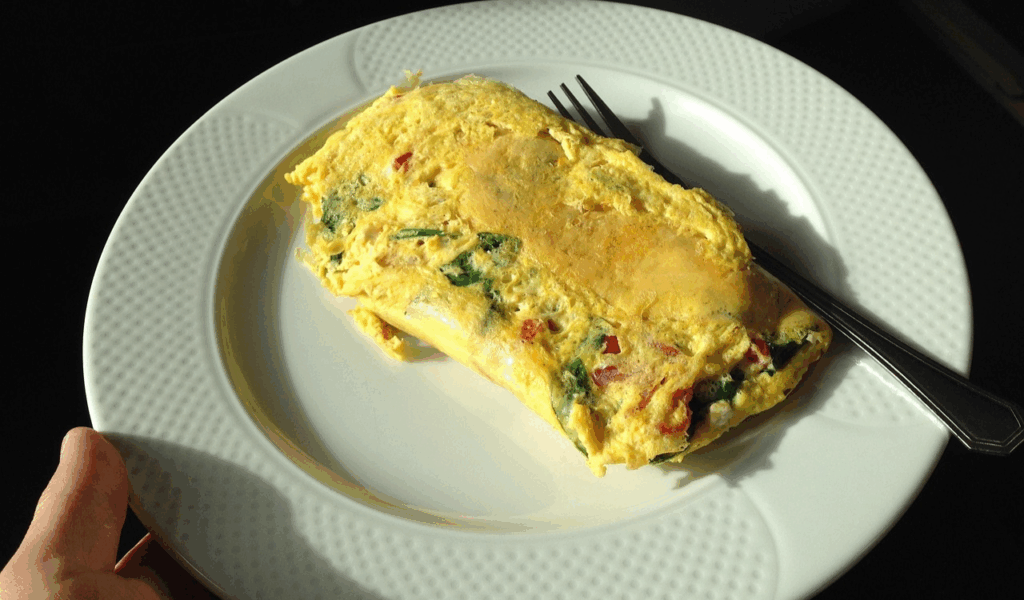
Omelet suppers are frequently labeled as quick and easy, yet they demand continuous focus and repetition that can drain energy quickly. Each omelet typically cooks in two to three minutes, requiring careful heat control, precise timing, and confident folding to avoid overcooking or tearing. Because omelets must be made individually, serving more than one person means standing at the stove for an extended period, repeating the same task without pause. Fillings must be prepped in advance, and mistakes cannot be easily corrected once cooking begins. What seems like a fast solution becomes labor-intensive through repetition, turning dinner into an assembly line that feels more demanding than its short cook time suggests.
7. Rice Bowls
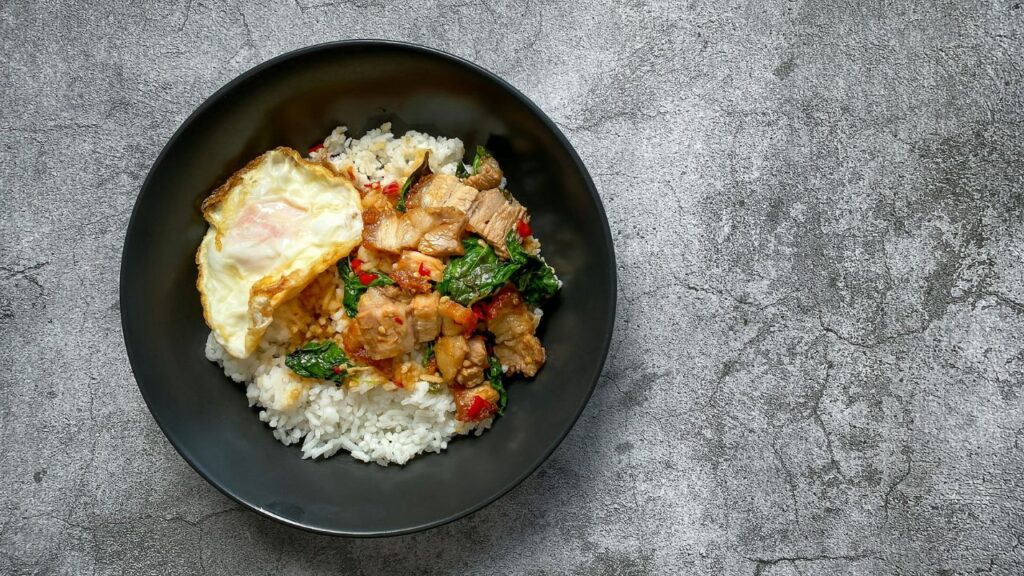
Rice bowls are praised for their flexibility and balanced nutrition, but they quietly increase the mental load of dinner preparation. Grains must be cooked ahead of time, proteins require separate seasoning and cooking, vegetables often need chopping or sautéing, and sauces add another step with their own timing. Each component finishes at a different pace, requiring coordination to serve everything warm. Customizing bowls to suit different preferences further complicates the process, increasing decision-making and multitasking. Instead of simplifying dinner, rice bowls often fragment it into multiple parallel tasks, making the meal feel more like project management than a relaxing evening routine, particularly when energy is already depleted.
8. Pasta Dinners

Pasta dinners are widely viewed as reliable fallback meals, yet they depend heavily on precise synchronization that leaves little room for error. Noodles must reach al dente texture within a narrow eight to twelve-minute window, while sauces need to finish at the same time to avoid drying or separation. If either component lags, texture and flavor suffer immediately. Draining, tossing, and plating must happen quickly to preserve quality, forcing cooks to juggle steps under pressure. Even small delays can turn pasta mushy or sauces overly thick. What looks like a forgiving option often demands sharp attention and timing, making it surprisingly stressful on low-energy evenings.
9. Simple Roasts or Baked Chicken
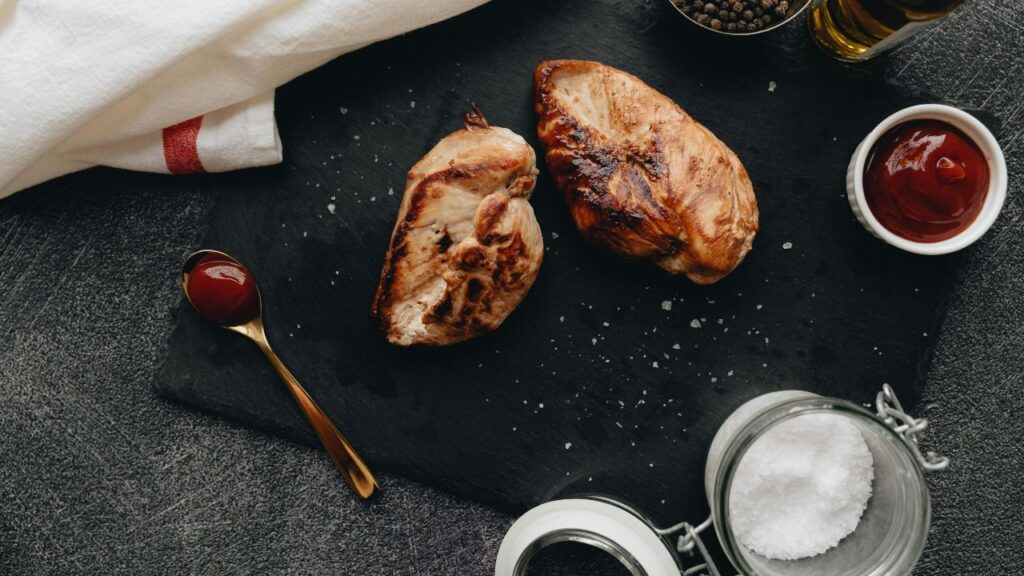
Roasts and baked chicken promise hands-off comfort, but successful results rely on careful timing and temperature awareness. Poultry must reach a safe internal temperature of 165 degrees while remaining moist, with chicken thighs averaging around 40 minutes of cooking, depending on size and oven consistency. Vegetables and sides rarely match the same timeline, requiring separate planning and adjustments. Oven preheating adds further delays, stretching the overall process longer than expected. During cold evenings, the waiting and monitoring can feel especially draining as hunger peaks. Despite their reputation for ease, these meals demand patience and coordination that often feel heavier than anticipated.