12 Homes That Feel Right in Theory, and Wrong in Daily Life
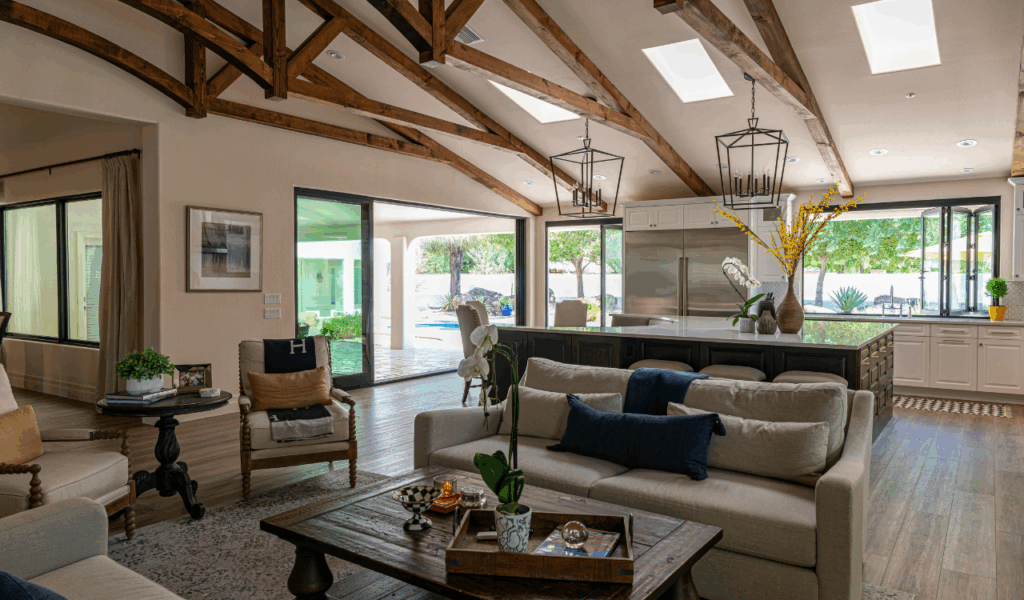
A lot of homes appear great on paper, in magazines, or on mood boards, but once you live in them, they may be really frustrating. Most of the time, the problem is that the design decisions put looks ahead of comfort, movement, and upkeep. A layout may look great in photos, but it may not work for cooking, family activities, or even just relaxing. It’s not clear that these homes are poorly designed; they just don’t take into account how people really live, move, clean, and relax. Knowing where theory and practice don’t match up helps homeowners and renters make better decisions and stay away from places that slowly sap energy or cause tension over time.
1. Open Concept Homes With No Defined Zones
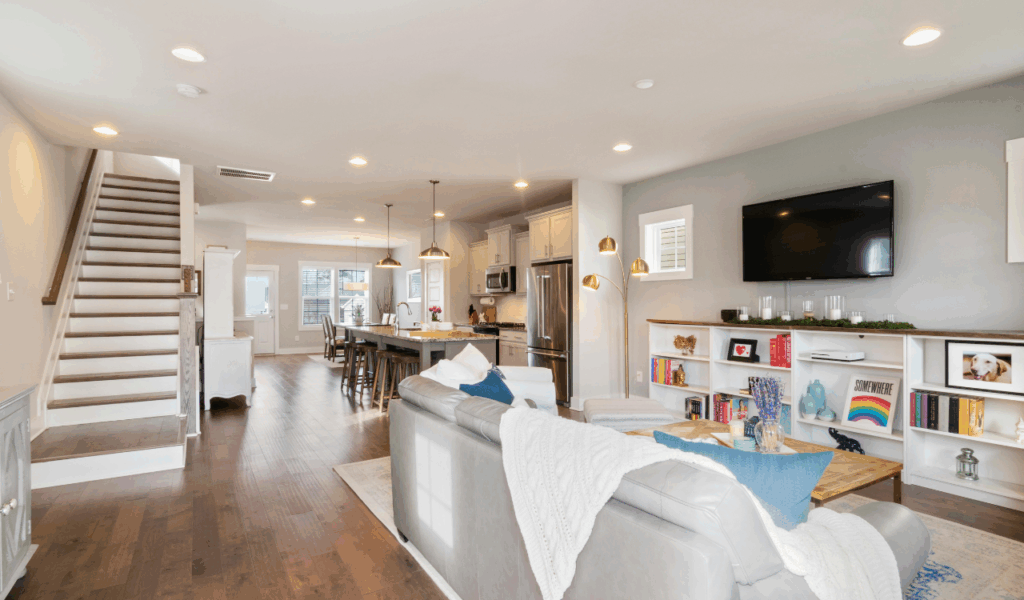
Open-concept houses promise light, fluidity, and flexibility, but everyday living often shows how inadequate they are. Without defined zones, sounds can move around freely, which makes it impossible to concentrate, relax, or do more than one thing at once. Cooking scents spread quickly, the noise from the TV drowns out discussions, and heating or cooling is less effective in a large space. It can be hard to decide where to put furniture because walls don’t dictate layout choices anymore. These houses look nice, but they need to be cleaned all the time because there is always clutter on show. Things that seem light can become loud, inconvenient, and overbearing if routines are set.
2. All White Interiors That Demand Constant Upkeep
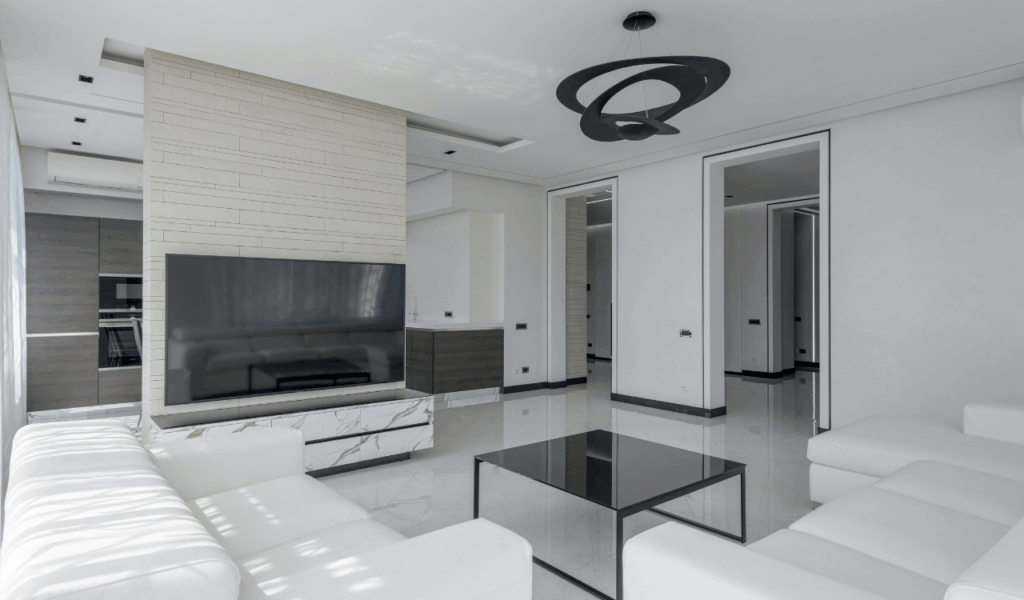
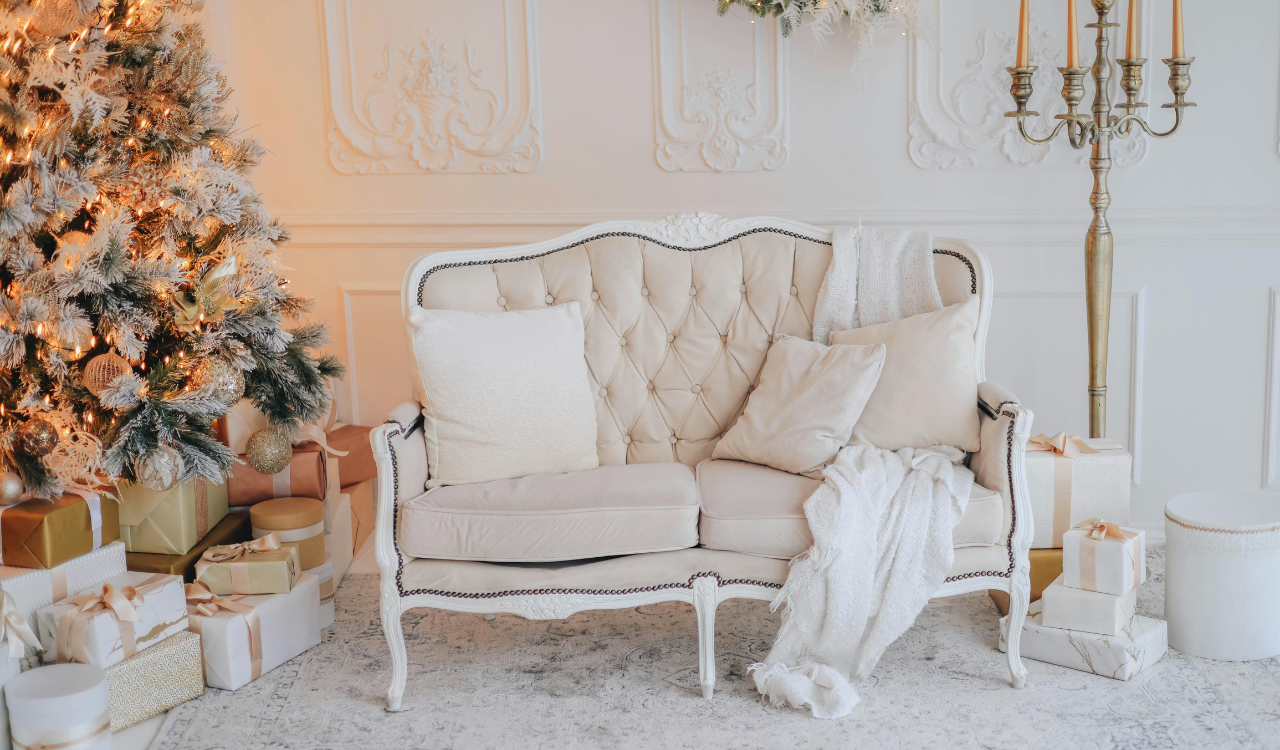
White walls and floors make a room look quiet, clean, and classy, but real life rapidly proves that wrong. Marks from shoes, hands, spills, and pets show up right away on walls, furniture, and fabrics. Even homes that are very clean have to clean more often to keep the image they want. Natural aging, exposure to sunshine, and small scratches produce apparent faults instead of signs of wear. Due to the fact that everything must be kept clean, the atmosphere in the room may become more tense than serene. Although it may appear to be a great home, an all-white home frequently prioritizes appearance over comfort in day-to-day life.
3. Kitchens Designed for Looks Instead of Cooking
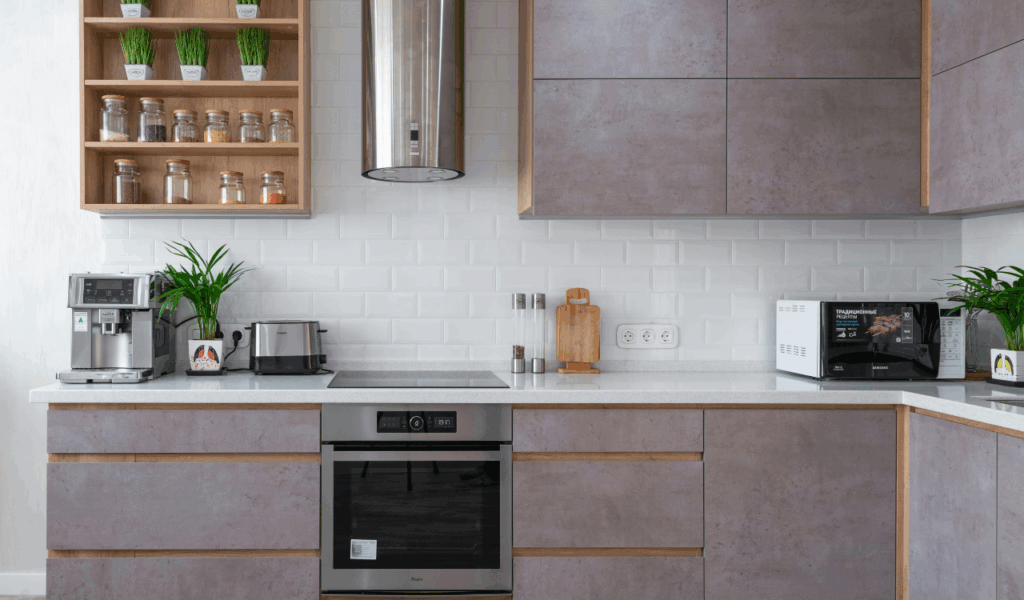
If you don’t pay attention to how well it works, a gorgeous kitchen might still be very frustrating. Bad spacing on the counter, not enough storage, or appliances that are in the way of each other can all mess up the basic flow of cooking. Decorative shelves might take the place of useful cupboards, which would leave important tools open to dust and grease. Trendy finishes can easily get stained, scratched, or chipped when used. Even simple dinners can be tiresome if you don’t have enough prep space or good lighting. These kitchens look great on pictures, but they don’t work well in real life. Having a kitchen that is not only aesthetically pleasing is not enough. Additionally, it ought to be risk-free, simple to operate, and effective.
4. Bathrooms With Style but No Storage
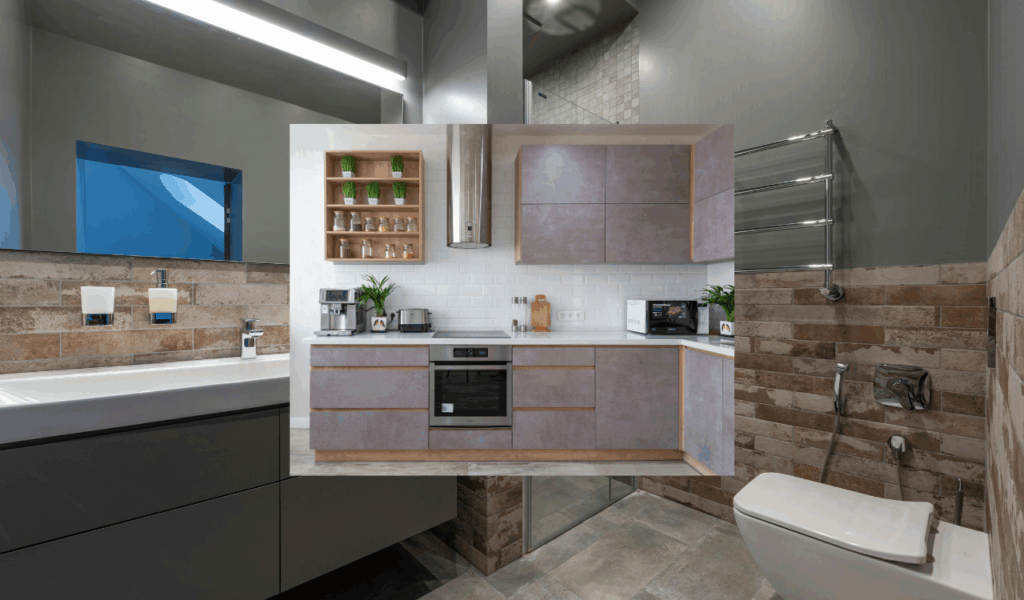
Many stylish bathrooms give up storage space in favor of clean lines and minimalism. Without drawers or cabinets, things like towels, toiletries, and cleaning supplies wind up on surfaces or hidden in other places. Over time, this makes things harder to find and makes a mess. Open shelving and floating sinks may look trendy, but they don’t always match the necessities of a real home. Moisture exposure also limits what can be stored outside. A bathroom should look good and work well at the same time. In order to keep the area functional, organized, and simple to clean on a daily basis, it ought to have sufficient storage space that is closed off.
5. Bedrooms With Large Furniture and Limited Movement
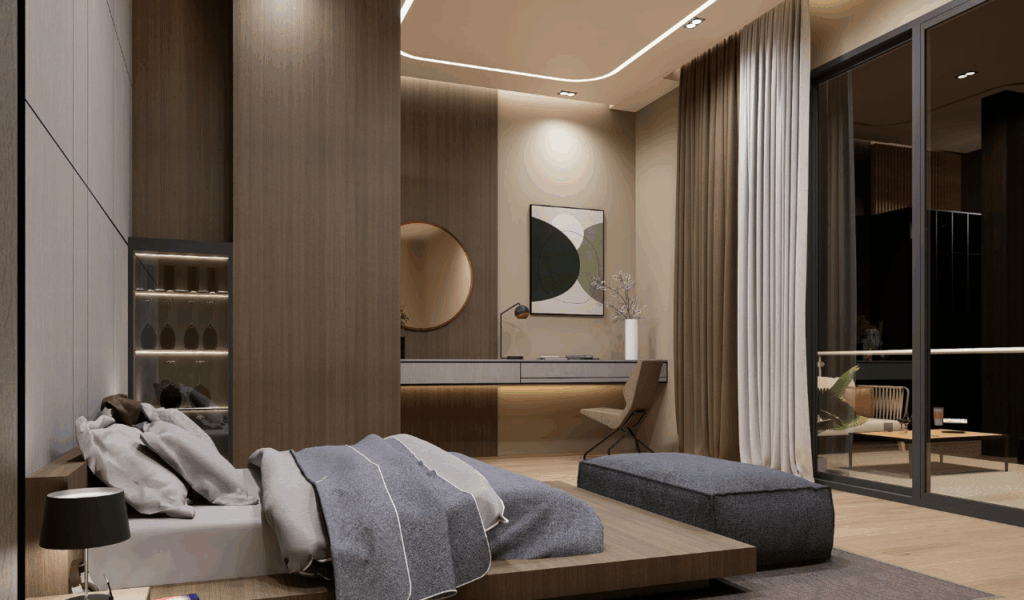
At first appearance, big mattresses and heavy furniture might make bedrooms feel fancy, but moving around in them every day reveals a different narrative. Tight passageways make it harder to clean, less comfortable, and less flexible in terms of arrangement. It may be hard to open drawers or doors. The room could not seem relaxing since it’s too small. The best bedrooms are those that let people move about and breathe easily. In addition to the dimensions of the furniture, it is important to consider how easily you can move around, get dressed, and rest without constantly having to contend with obstructions.
6. Living Rooms Built Around a Single Focal Point

When the design of a room is centered solely on a single feature, such as a television or fireplace, it might make the room more difficult to utilize altogether. Seating plans become set in stone, making it hard to talk or leaving some parts of the room out. When furniture can only face one way, it loses its flexibility. This configuration might work for watching TV once in a while, but everyday life includes reading, talking, relaxing, and doing more than one thing at a time. A nice living room is one that allows people to engage in a variety of activities and encourages them to interact with one another rather than simply doing nothing but sitting around and watching.
7. Homes With Too Many Hard Surfaces
Although tile, stone, and bare wood floors have a clean and contemporary appearance, they do not provide as much comfort as you might think they would. Echo and noise fatigue are both caused by the ease with which sound can bounce off of objects. It hurts to stand for a long time, especially in the kitchen. It’s easier to mop up spills, but things that fall break more quickly. Without the presence of soft items, spaces may have a cold and unwelcoming atmosphere. In order to achieve a sense of equilibrium, it is essential to incorporate rugs, fabrics, and cushioned seating into the room. This will make the area more comfortable, warmer, and simpler to live in.
8. Minimalist Homes With No Room for Real Life
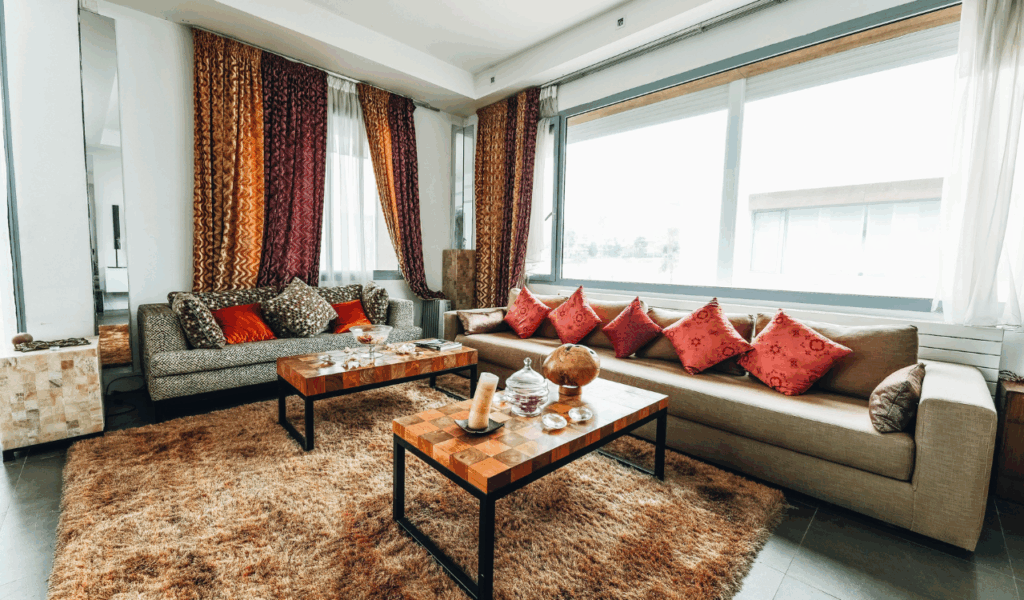
Minimalism promises peace and clarity, but extreme versions overlook the facts of life. Because there isn’t enough storage, you have to constantly decide what to keep visible. Things that people use every day don’t have proper homes, which might be frustrating or make things messier in other places. It might be tiring to feel like you have to keep everything looking flawless. Homes should change to fit life, not the other way around. individuals can be comfortable and productive in a minimalist home that functions effectively because it has clever storage and adaptability. This allows individuals to have the sense of simplicity that they desire without sacrificing comfort.
9. Homes With Poor Natural Light Placement
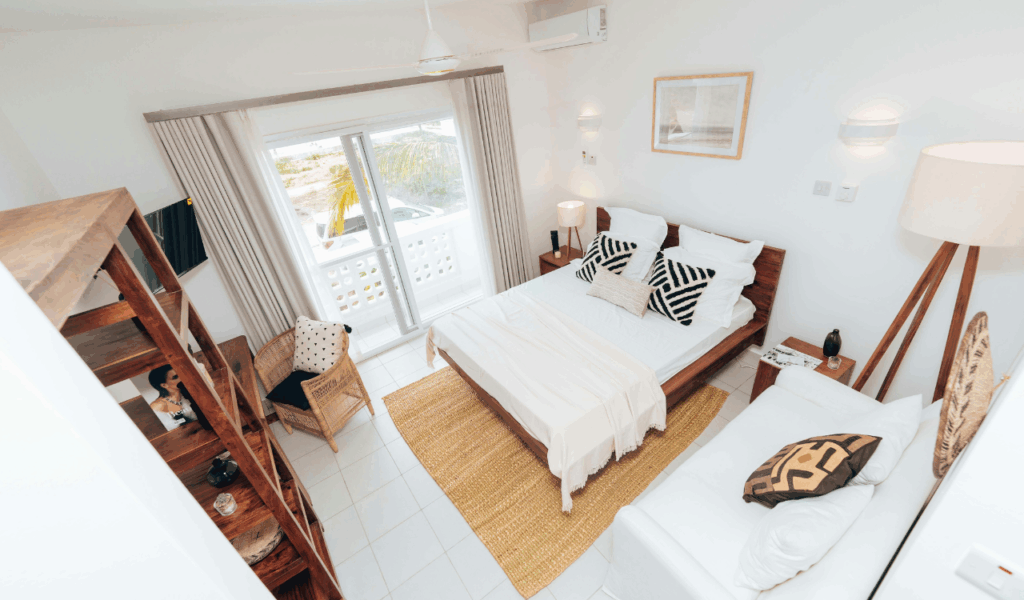
Big windows don’t always mean that you can use natural light. If you don’t put it in the appropriate area, it can cause glare, uneven brightness, or dark spots all day. Depending on how much sun they get, rooms may feel too cold or too hot. It’s hard and uncomfortable to arrange furniture without thinking about how the light changes throughout the day. Then, artificial light makes up for it in a bad way. Good design takes into account how light passes through a home, which helps both mood and function. In spite of the fact that the property has been beautifully finished, it possesses a strange atmosphere when light disrupts daily living.
10. Dining Areas Rarely Used as Intended
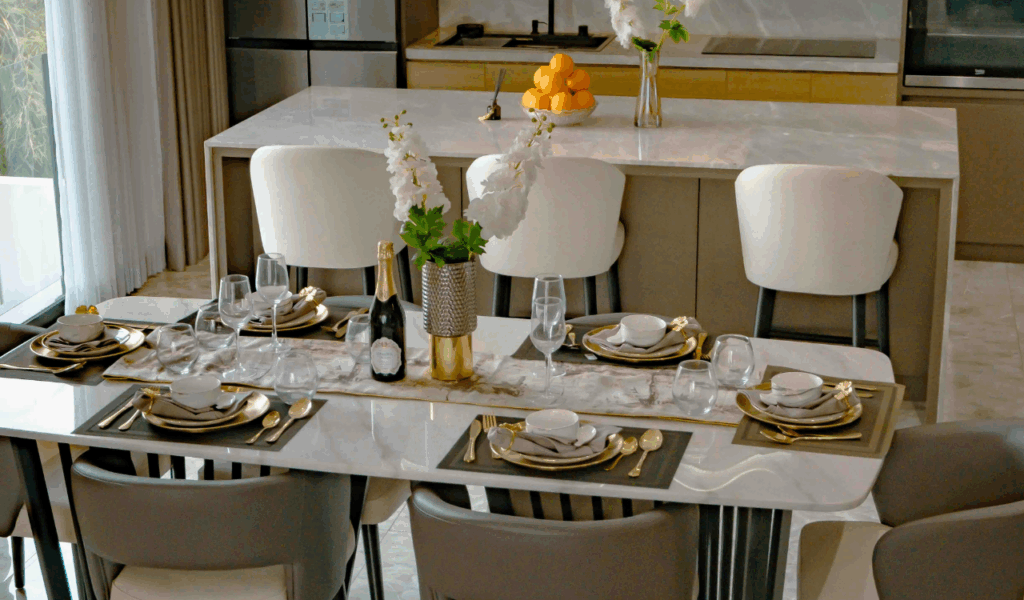
People generally don’t use formal dining rooms, so they turn into catch-all spaces. People don’t use it much because it’s too far from the kitchen, the sitting is uncomfortable, or the tables are too big. Families could choose more casual places to eat, which would make the formal room feel like a waste of space. The rooms are really attractive, but they have nothing to do with the activities that people perform on a daily basis. Dining areas that are designed to accommodate genuine activities, whether they are informal or flexible, will be helpful rather than merely sitting empty and looking lovely. This is because the space will be designed to accommodate these behaviors.
11. Entryways Without Practical Storage
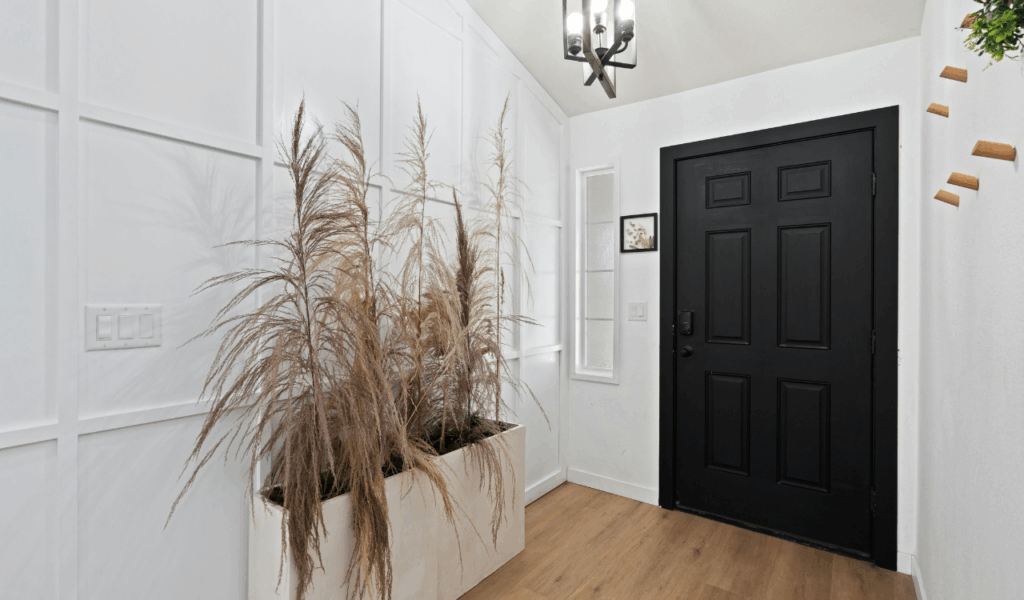
An entryway creates the mood for the house, yet a lot of them don’t have room for everyday things. Clutter spreads fast into living rooms when there aren’t any locations to put shoes, bags, or jackets. Every time someone comes or goes, this makes things more stressful. If an entry appears to be well-organized but is not functional, it will quickly become disorganized. Storage that is both practical and efficient makes routines easier to complete and helps to keep the rest of the house nice. Hooks, shelving, or other hidden storage options that have been carefully considered can be of use in even the smallest of entryways.
12. Homes Designed for Guests, Not Residents
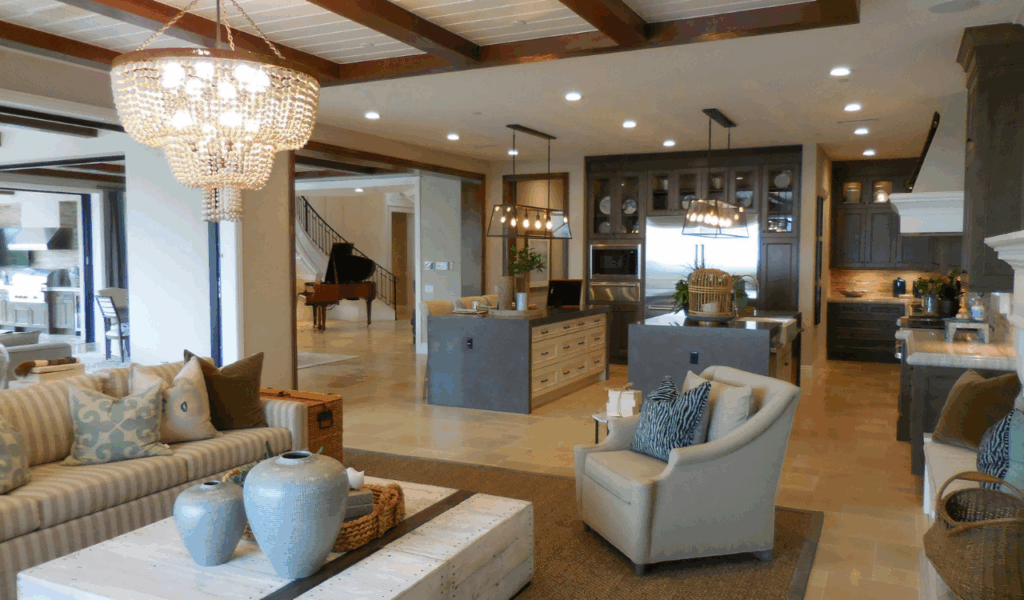
Some houses are made to look good to guests instead of being useful to the people who live there. It’s hard to relax because of the fragile materials, unpleasant chairs, and stringent standards about how things should look. People living there may feel like they are taking care of an exhibition instead of owning a home. This separation makes things less comfortable and fun over time. The people who live there on a daily basis are the primary focus of a home that is truly successful. When genuine habits and comfort are prioritized in design, beauty follows naturally and does not require any effort or restraint on the part of the designer.