10 New Year Home Refresh Trends That Didn’t Stick Past February
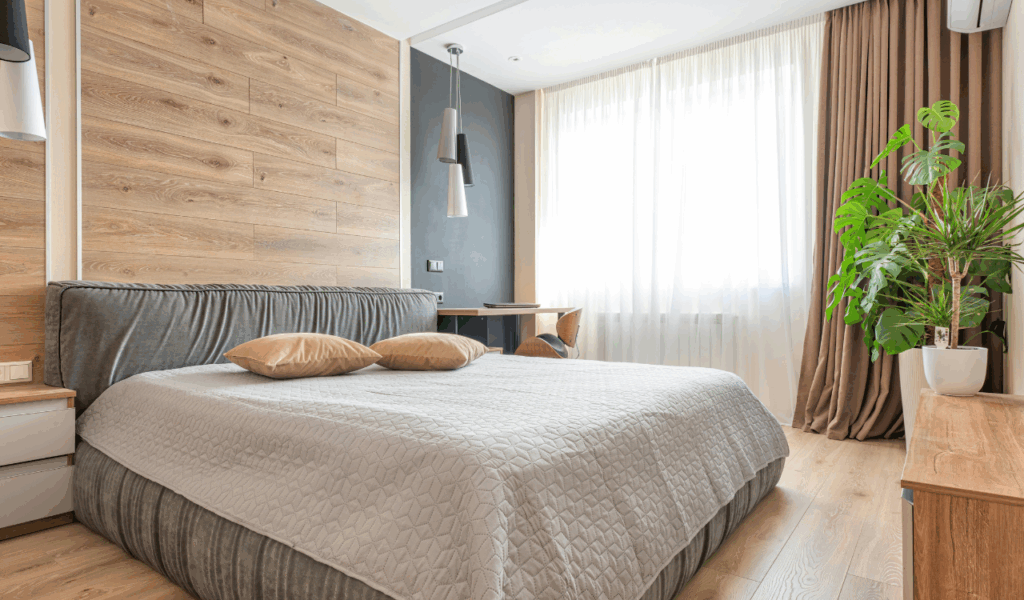
A new year is a great time to get motivated to clean up your home and explore new ideas. In January, home and garden periodicals, social media, and retail displays all promise swift changes and new vitality. At first, these tendencies seem polished, positive, and possible. When daily routines come back, reality kicks in. When it comes to comfort, storage needs, cleaning difficulties, and long-term usefulness, looks start to matter less. A lot of trends lose their attractiveness gradually by February. These ten New Year’s home makeover fads seemed great at first, but they didn’t last long in real life after the first few weeks.
1. All-Neutral Everything
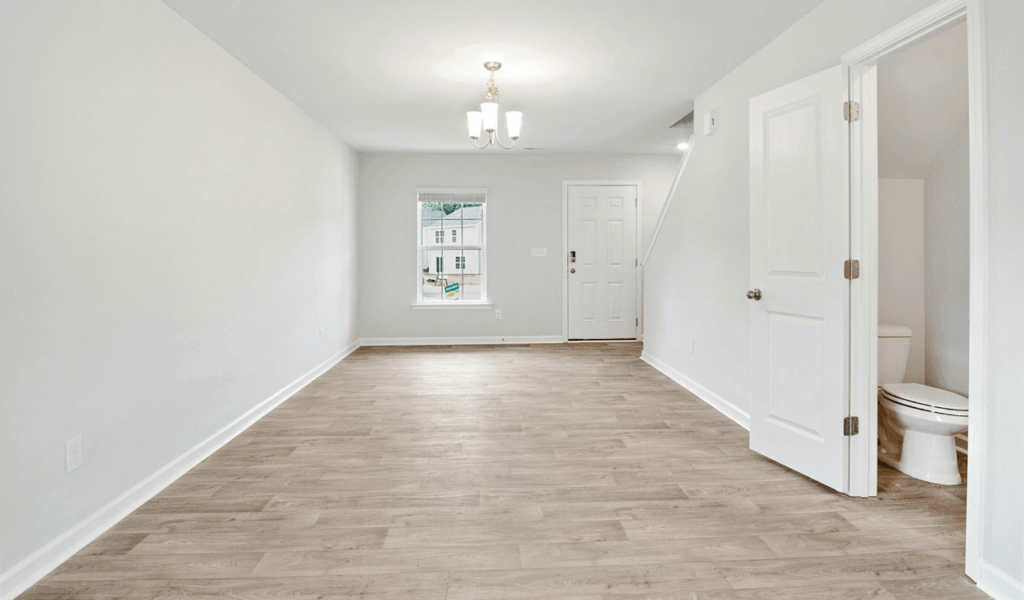
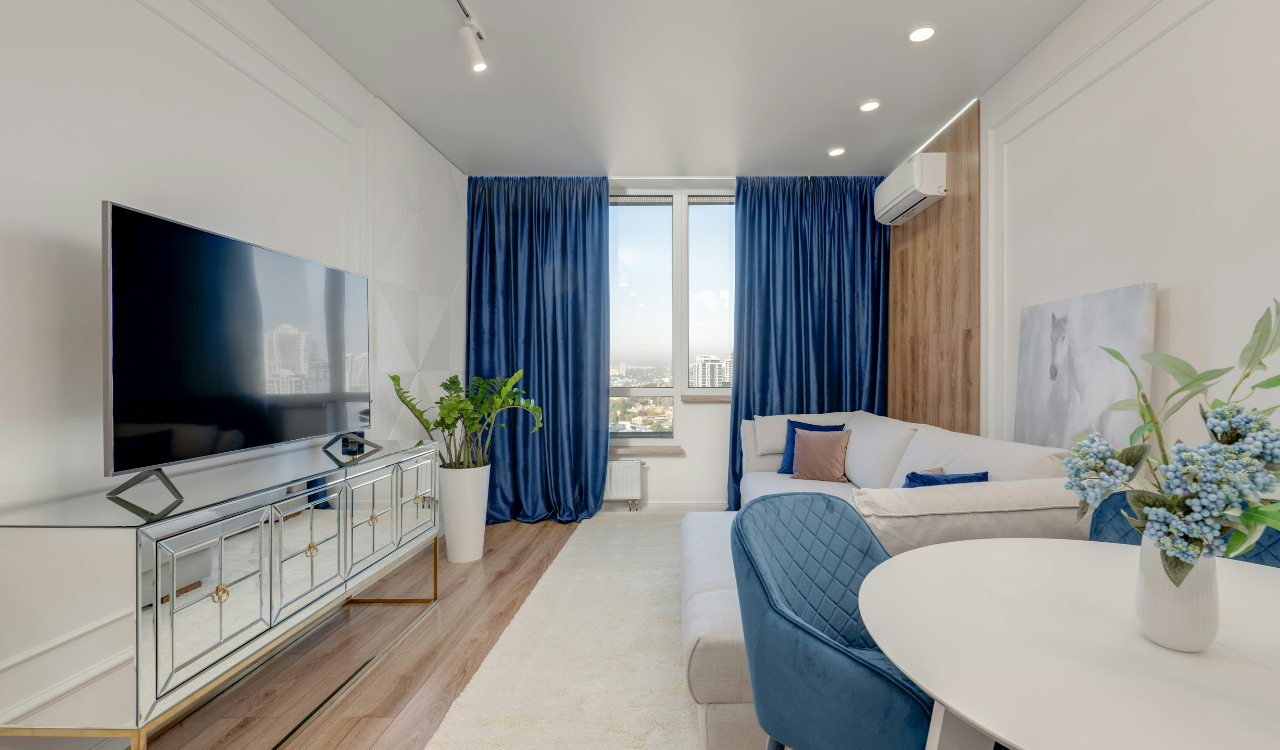
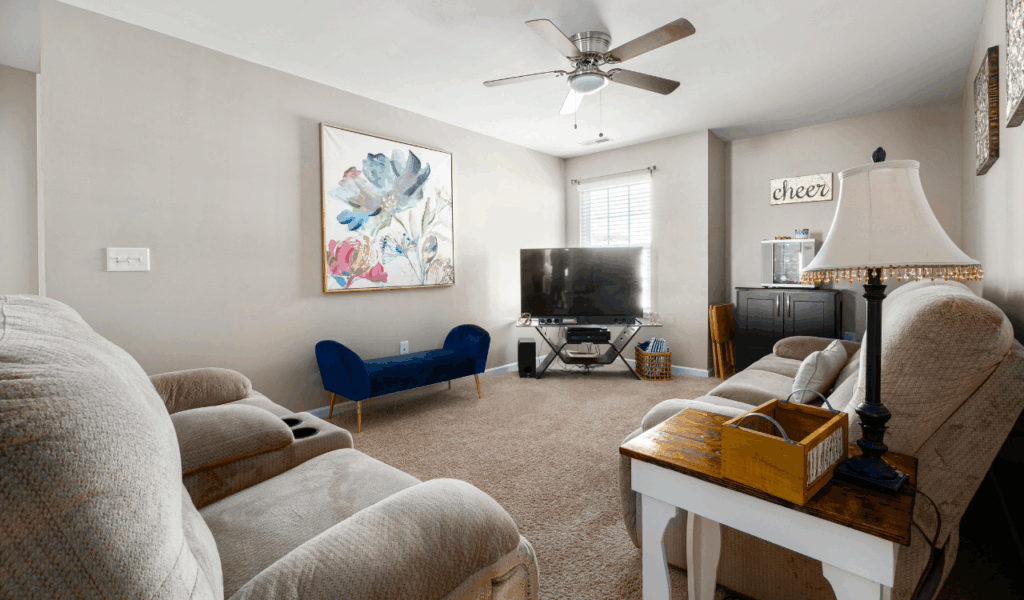
When the year began, all-neutral rooms made people feel tranquil and classy. The soft beige walls, light upholstery, and understated decor gave the room a clean and calm appeal. It was hard to live with this color scheme for a long time. Rooms typically felt lifeless and boring without contrast. Stains, scuffs, and discoloration on everyday clothes became easier to see. The dreary background made seasonal decorations look out of place. Many homeowners missed emotional and visual appeal. A tranquil start became uninteresting, so people added color, texture, and personal touches sooner than expected.
2. Statement Accent Walls in Bold Shades
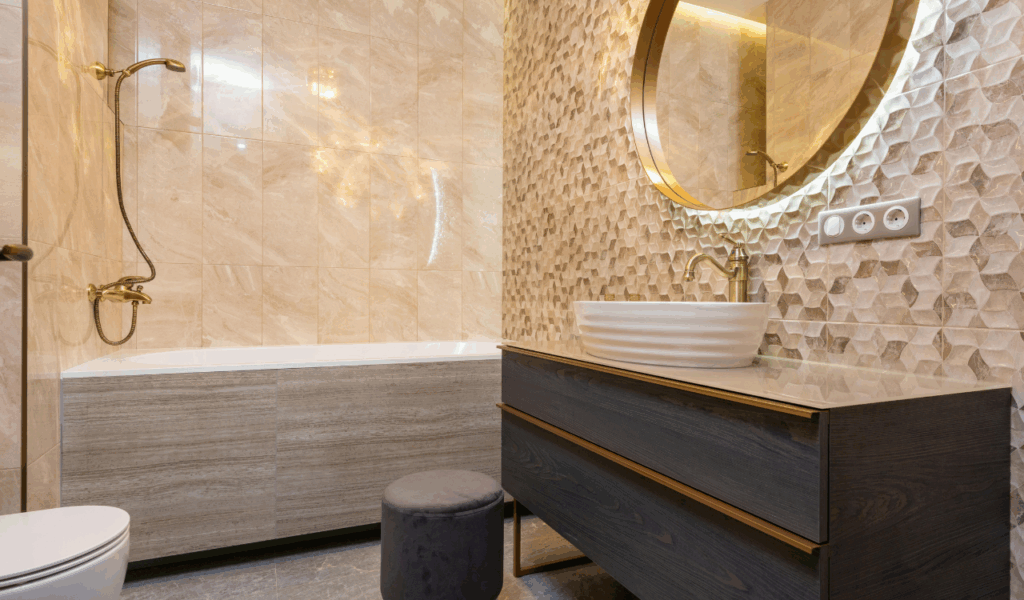
Bold accent walls promised big changes with little work. In January, dark neutrals, deep greens, and rich blues looked trendy and stunning. Living with bright colors every day became too much for me over time. The way the wall looked changed over the day because of the light. Sometimes it made rooms feel smaller or darker. There didn’t seem to be many options for furniture and decor, so it was clear that painting again was going to happen. What used to seem sure started to feel heavy. By February, a lot of homeowners had either softened or taken down accent walls to bring back balance and comfort to the eye.
3. Open Shelving in Every Room
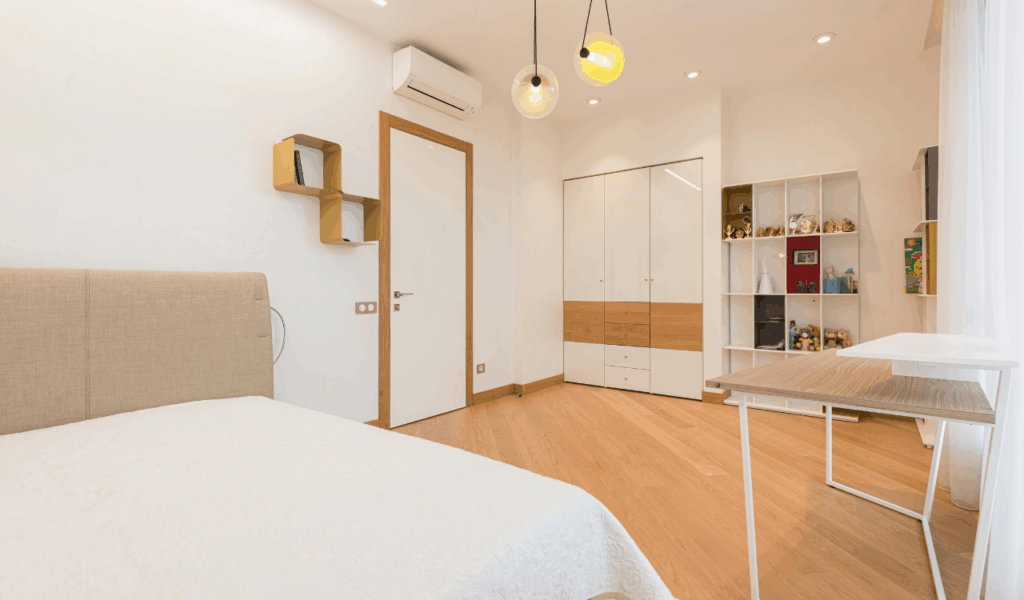
People started to like open shelving because it made rooms feel lighter and easier to get to. Taking off the doors of the cabinets felt trendy and liberating at first. Using it every day rapidly showed its flaws. Dust collected quickly, things looked messy, and shelves needed to be styled all the time. Kitchens and bathrooms were especially hard to clean because they needed more cleaning because of the wetness and stickiness. Things you use every day didn’t stay ready to be displayed very often. Instead of feeling open, the areas looked busy. By February, a lot of homes went back to covered storage or limited open shelving to small, well-organized spaces.
4. Oversized Statement Furniture
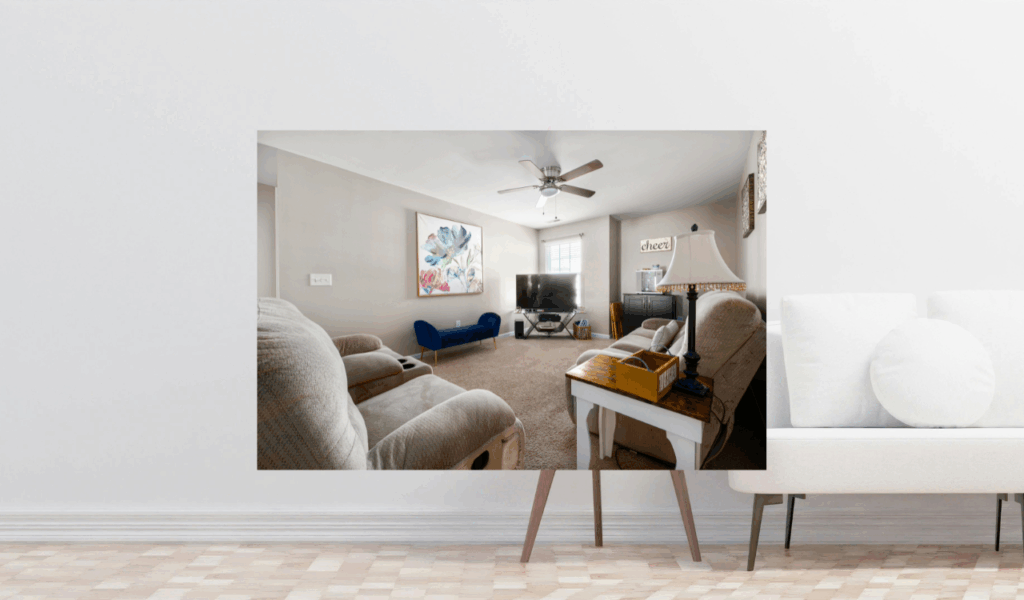
In staged photos, big pieces of furniture made a strong visual statement and felt rich. In real homes, big sofas and tables often got in the way of moving around. Especially in rooms that weren’t very big, it felt like there were too many people. It was hard to clean around big things, and it felt impossible to move things around. As flexibility was away, comfort went down. At first, it felt nice, but then it grew annoying. By late winter, a lot of homeowners understood that size was more important than impact and started moving or replacing large pieces of furniture to make their homes more useful and comfortable.
5. Fully Minimalist Living Spaces
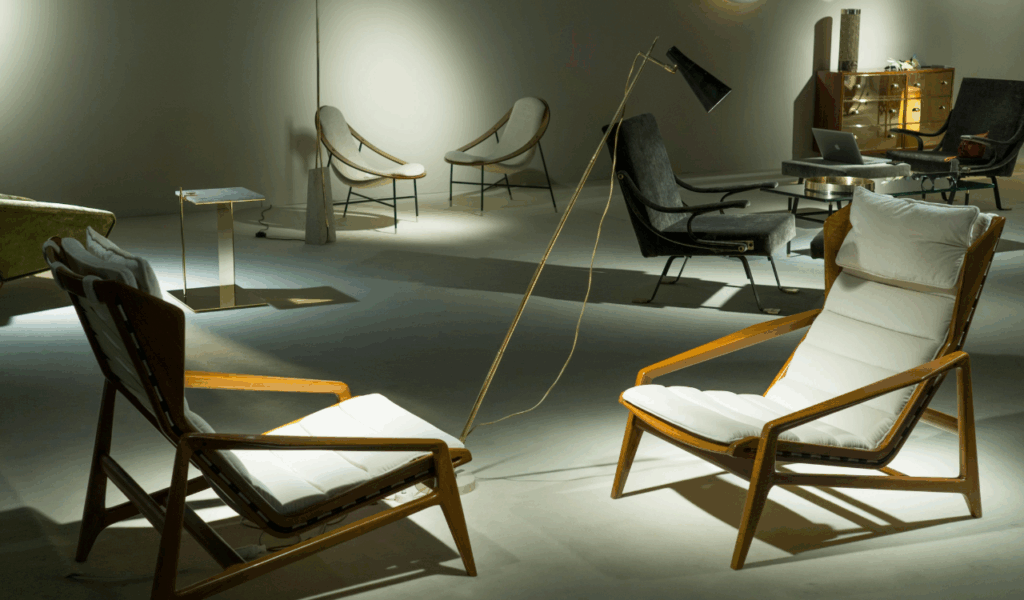
Minimalist living meant getting rid of things you didn’t need and only keeping the things you did. At first, the simplicity felt new and organized. As time went on, rigid simplicity stopped working. Homes felt empty and cold, with little personal touch. Daily stuff didn’t have a set place, which made things more stressful instead of relaxing. Family members had a hard time sticking to strict rules, and the rooms didn’t feel welcoming. In theory, it seemed tranquil, but in actuality, it wasn’t. By February, a lot of people had added decor, linens, and important artifacts to their minimalist apartments to make them more livable.
6. Trendy Color-of-the-Year Décor
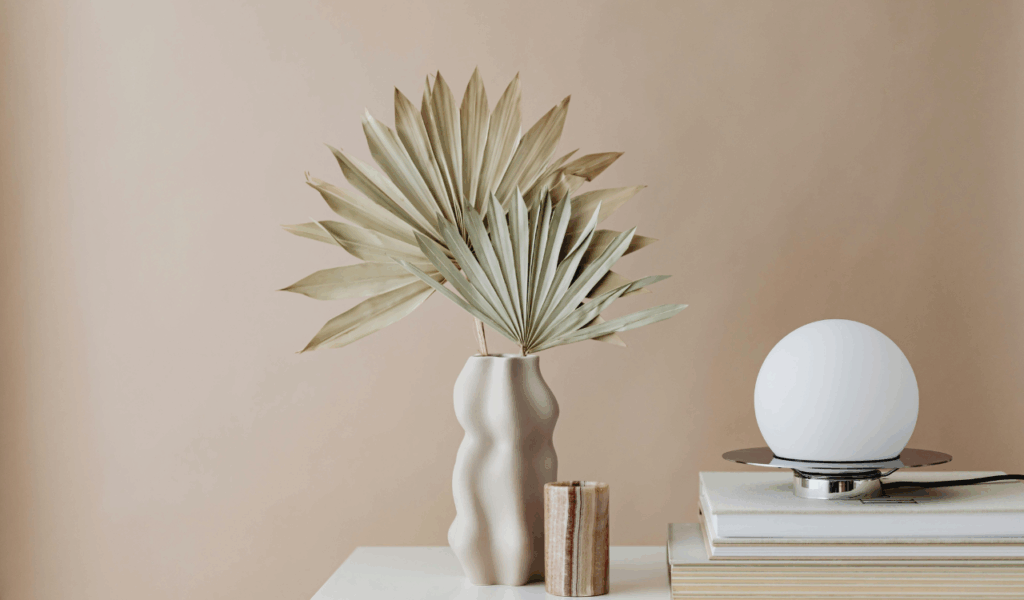
In January, it felt right and appropriate to decorate a lot with a hue that was popular at the time. Fully committing to one color suddenly became a problem. Accessories went out of style quickly, and it felt forced to match everything. When personal preference didn’t match the trend, people felt bad about it. It seems unnecessary and costly to change the decor so soon. A lot of homeowners learned that trends operate better in little amounts. By February, people had lost interest in the color of the year and went back to neutral bases with accent colors that could change.
7. Decorative but Uncomfortable Seating
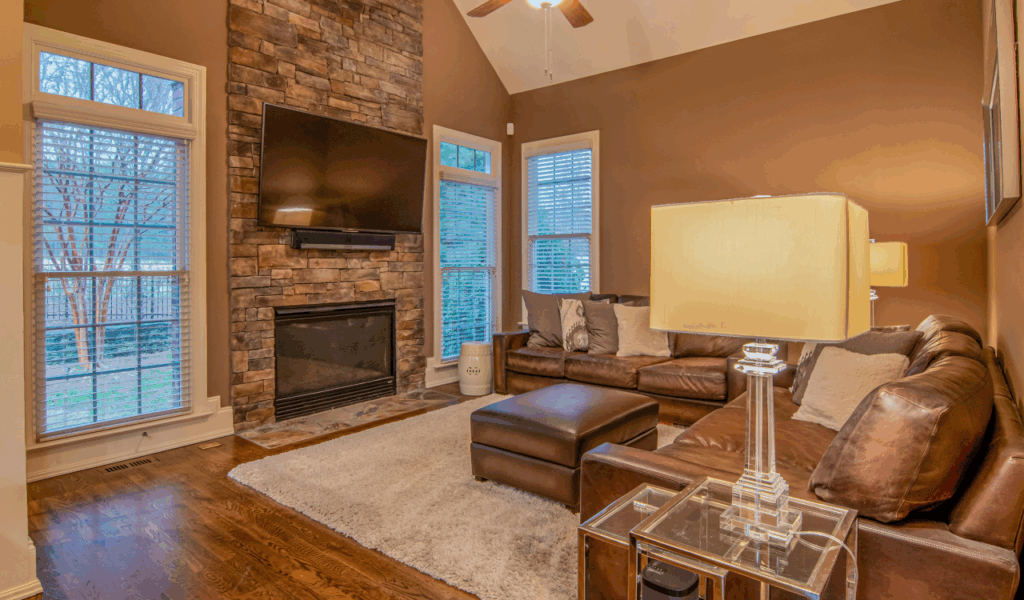
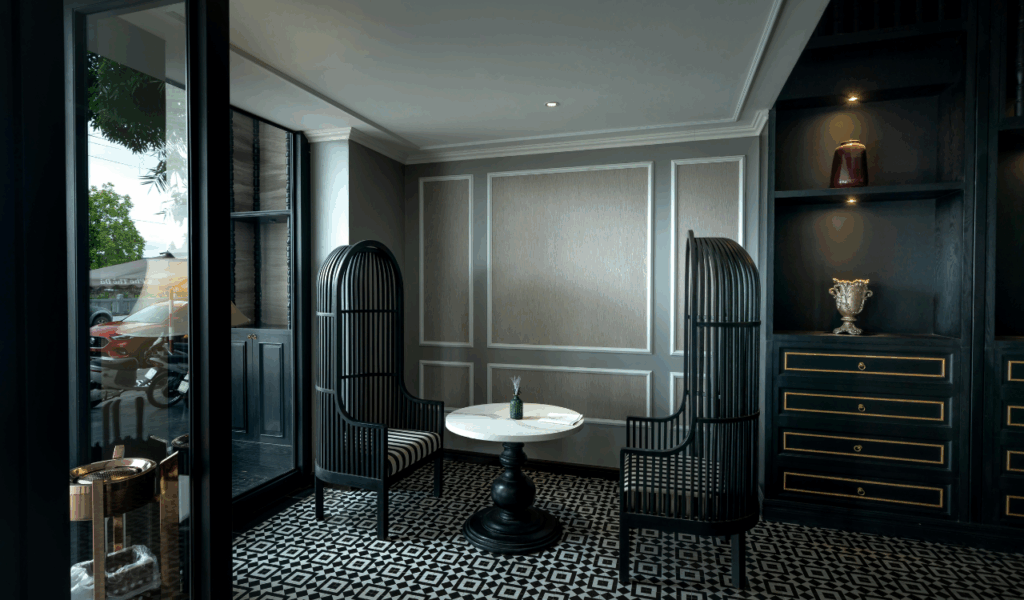
Stylish seating pieces got a lot of attention because of their sculptural designs and modern look. Using them every day showed their flaws. Many of them didn’t have enough support, had rough surfaces, or were shaped in a way that made sitting uncomfortable. People didn’t want to use them, and homeowners didn’t use them very often. Function was not as important as beauty. What seemed amazing turned out to be useless. By February, comfort was more important than looks, thus these pieces were moved, replaced, or set aside for places when looks were more important than comfort.
8. Heavy Layered Textiles Everywhere
The area was able to stay warm all winter by piling pillows, wraps, and rugs on top of each other. Real homes had more fabrics that collected dust and had to be moved around a lot. This was a need. The rooms felt messy and cold. It required a long time to clean, especially in homes with pets or people who had allergies. When smaller areas were visually weighty, they felt heavier and lost their balance. As their routines became more regular, many homeowners got rid of layers to make their maintenance easier. At the start of February, brighter designs seemed to be more useful and enjoyable for everyday life.
9. Extreme Symmetry in Room Layouts

Photos that were designed and had layouts that were perfectly symmetrical looked like they were planned and ready. Living with perfect symmetry was hard. The regular practices messed up the balance almost right away, making the spaces feel strange instead than natural. There wasn’t much room to shift the furniture around, and it was stressful to do so. It didn’t seem like dwellings were made just for you anymore, and you could change them. By February, many homeowners had adjusted their homes’ layouts to make them more comfortable, functional, and accessible, even though they didn’t look good.
10. Seasonal Décor Left Too Long
New Year’s decorations held hope in early January. They combined winter textures with new beginnings. This decor aged and became unsuitable for daily life. Homestyles became more consistent over time. What had seemed natural becomes background noise. Long-term seasonal style makes it harder to achieve small mood swings, according to many. Homeowners removed holiday decorations early in February and replaced them with neutral, everyday objects for lighter, more flexible homes. Instead of seasonal themes, changeable homes were needed. Many sites were refreshed early.