10 Decorating Styles That Feel Comfortable Year-Round
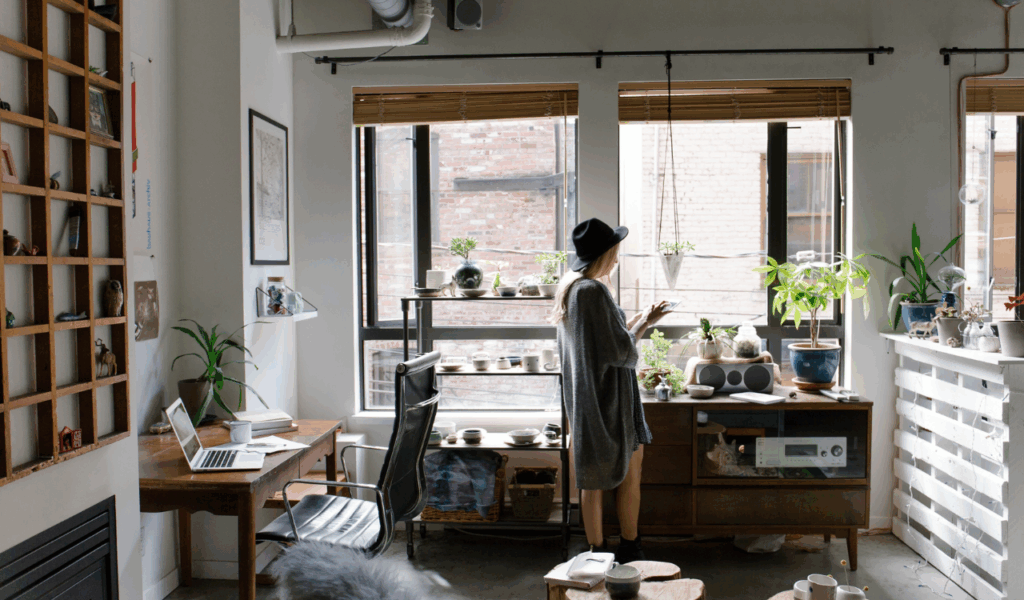
A well-designed home is one that provides a constant sense of refuge throughout the changing seasons, whether it is snowing outside or it is hot and muggy. The key to a happy house all year round, according to top interior designers, is “trans-seasonal” designing, which strikes a balance between neutral color schemes, open floor plans, and cozy textures. The regular seasonal remodeling of a room can be less stressful when it is constructed with a solid basis. These ten types are praised by specialists for their capacity to maintain physical and visual comfort throughout the year, offering a sturdy background for everyday events.
Real estate brokers and professional organizers say the most “peaceful” homes are not seasonal or weather-dependent. Experts recommend using organic materials, flexible textiles, and tiered lighting to create a climate that breathes in the hot and cocoons in the cold. These styles are a gentle partner in your domestic well-being, making your home an inviting sanctuary year-round. You can make your home a well-functioning, well-balanced, and curated haven all year by following these expert aesthetics.
1. Warm Minimalism
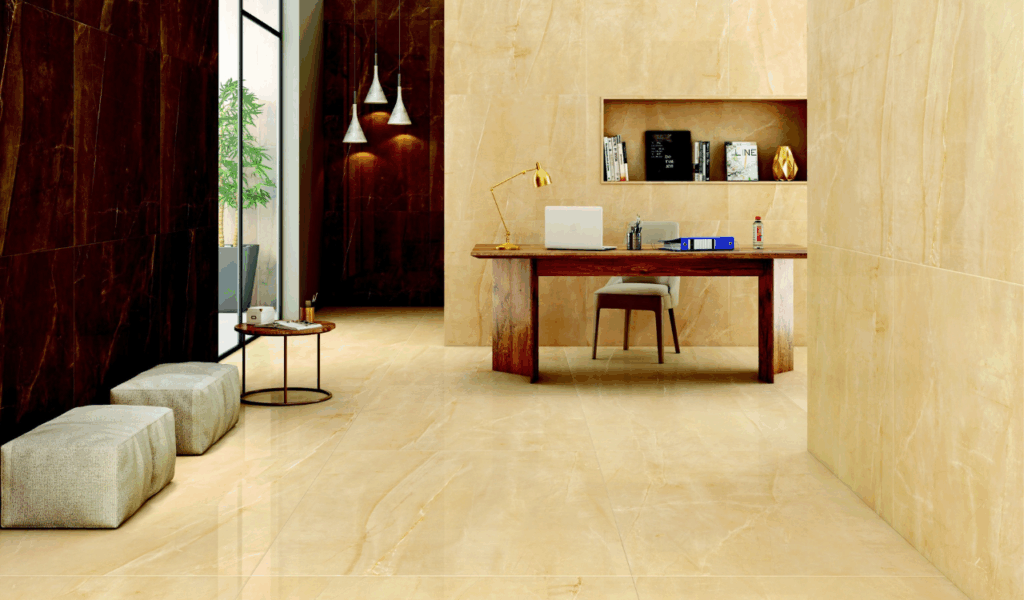
The skillful development of the “cold” modern galleries of the past is known as warm minimalism. Interior designers claim that this style uses a palette of sand, bone, and gentle oat tones to create an airy, wide space that feels refreshing in the summer. The “warm” element, however, is derived from the use of natural wood grains and soft, premium textiles such as wool and bouclé, which experts say offer the tactile coziness required for winter evenings while preserving the crisp, visual quiet that gives a house a fresh feeling in the warmer months.
Warm minimalism is frequently preferred by architects and real estate agents because it can make any floor layout feel more logical and roomy. Designers say this style’s clutter-free design relieves stress.
Focusing on a few high-impact “soul” items, such as a big salvaged wood coffee table or a sculptured stone lamp, can create a timeless design layer. It is elegant and reliable, providing a tranquil environment that encourages productivity and relaxation year-round.
2. Transitional Design
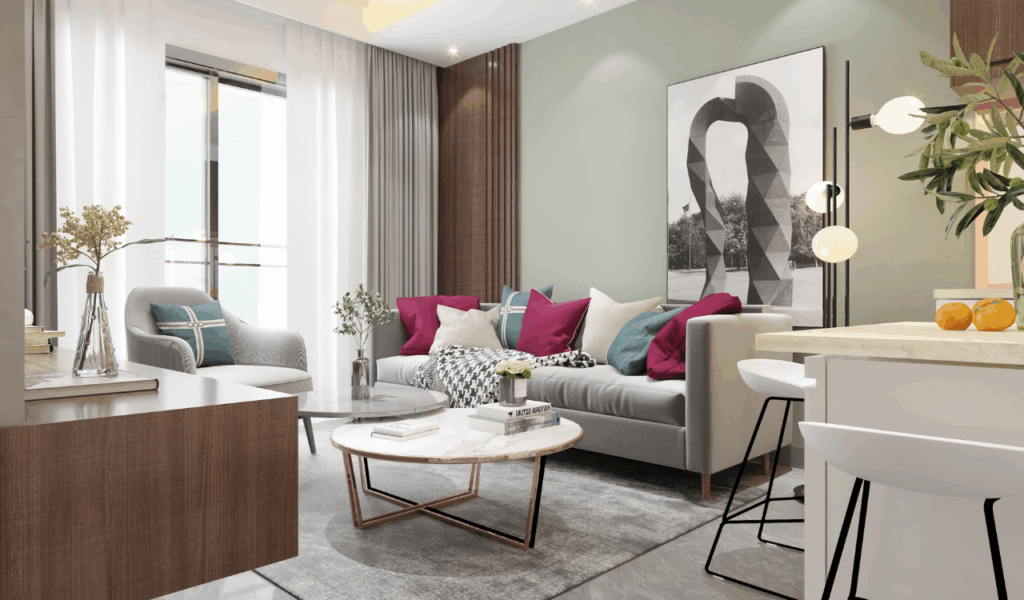
The “sweet spot” between classic elegance and contemporary simplicity is known as transitional design. Because it retains the structural integrity of classic furniture, such as a rolled-arm sofa, but eliminates the heavy, dark materials in favor of light neutrals, this style is very pleasant all year round, according to decorators and realtors. In the winter, this combination makes the space feel solid and anchored, but in the summer, the light color scheme and simple lines prevent it from feeling suffocating. It is a masterwork of balanced architecture.
The “layered” approach to soft products, according to experts, is the secret to transitional success. The space adjusts to the needs of the inhabitant in real time by combining cashmere throw for warmth and linen pillows for breathability. Because it conceals the “mess” of everyday living better than ultra-modern aesthetics, interior designers frequently suggest this style for families. You may build a home that feels like a long-term investment by selecting classic silhouettes and a smart, subdued color scheme. Regardless of the surroundings, this sturdy and adaptable form offers comfort and continuity.
3. Modern Organic
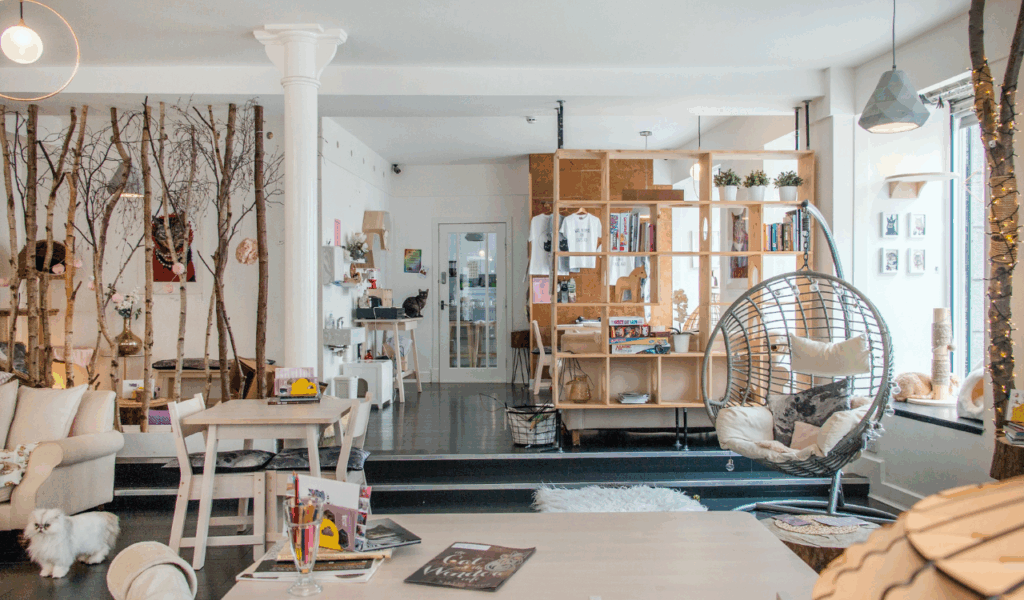
By bringing the outdoors indoors, modern organic design establishes a subliminal connection to nature that is naturally healing. Designers claim that “living” elements such as live-edge wood, jute, and unlacquered metal are essential to this style. Over time, these components acquire a patina that, according to experts, gives the house a more genuine and lived-in sense. The residence feels like a garden pavilion in the summer because to the profusion of plants and natural light; in the winter, the rich wood tones and stone textures offer a feeling of “earthy” warmth and security.
Expert flippers frequently incorporate organic components to give new projects “character” when they could otherwise seem sterile. Greenery and natural textures are universal indicators of a well-maintained home, according to real estate agents. Prioritizing woven baskets and handcrafted pottery adds a human element that is frequently absent from mass-produced décor.
By eliminating the “visual noise” of synthetic materials, modern organic design creates a grounded space that encourages an active, healthy lifestyle. It is a timeless and soulful method that guarantees your house will feel like a thriving ecosystem throughout the year.
4. Scandinavian Hygge
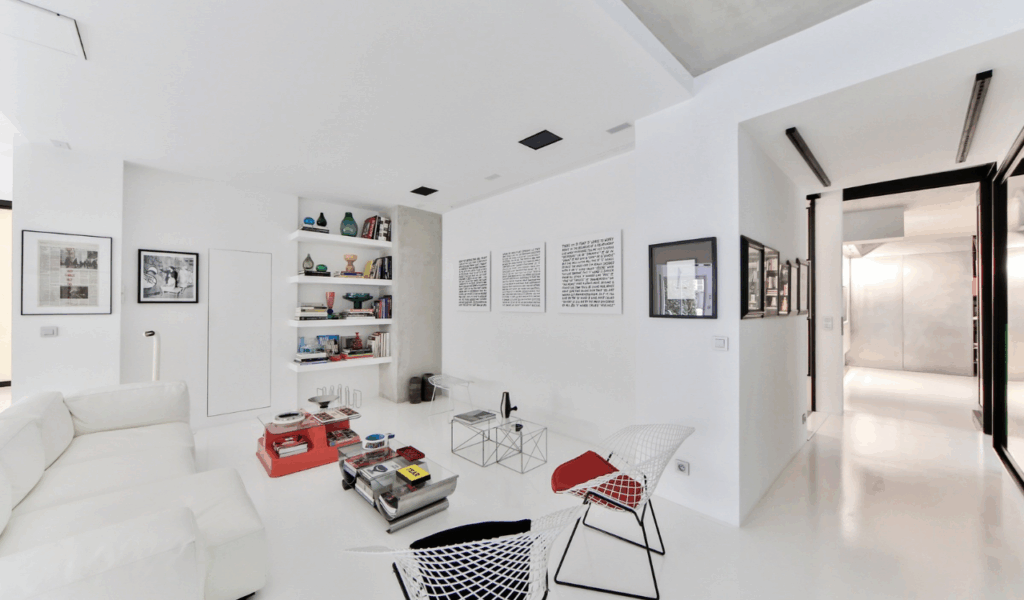
Although “Hygge” is sometimes connected to coziness in the winter, the fundamental ideas of Scandinavian design are intended for year-round use. Architects claim that Scandinavian design’s emphasis on “light-maximizing” elements, such as white walls and light wood floors, is crucial for mental well-being in the gloomy winter months while simultaneously producing a light, beachy atmosphere in the summer. Sheepskins and candles, according to experts, offer the emotional warmth required in the winter, while the simple, clutter-free design maximizes air circulation in the summer.
According to designers, this style’s appeal is found in its “functional honesty.” Each piece of furniture is picked for its practicality and simple design. Professional organizers claim that the Scandinavian practice of keeping “transition zones” clutter-free greatly simplifies household management. A “one-in, one-out” approach to décor guarantees that the house never feels cluttered. It is a clever, low-maintenance design that attends to the residents’ physical and mental demands, guaranteeing that the house continues to be a highly functional haven of calm and clarity.
5. Elevated Farmhouse
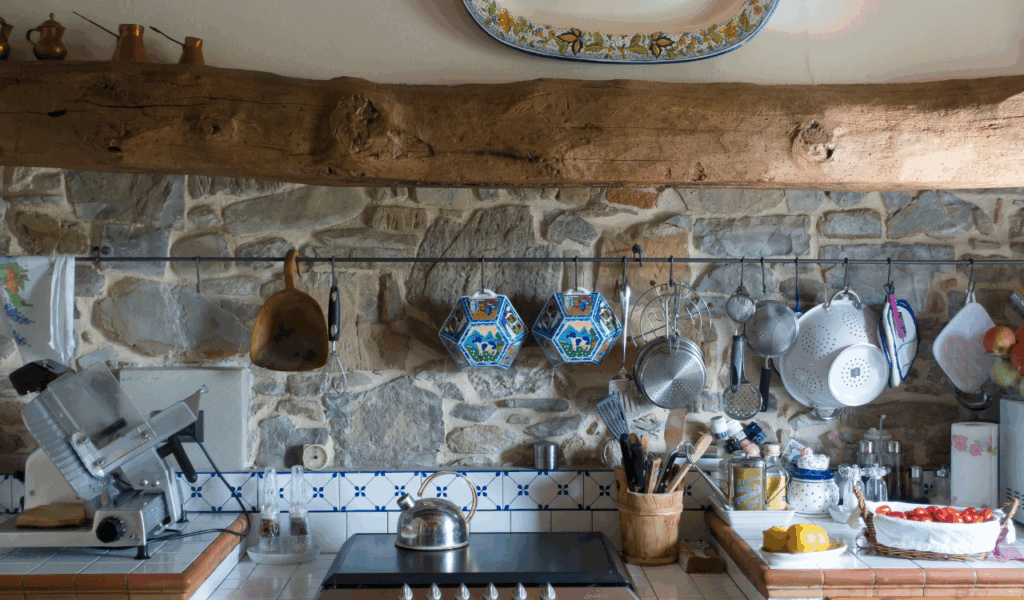
The raised farmhouse design, which departs from the “kitsch” of the past, emphasizes the comfort and longevity of country living. This style is based on “hardworking” materials such as recycled timber beams, slipcovered furniture, and apron-front sinks, according to designers and contractors. According to experts, slipcovers are the best option for year-round design since they are simple to launder, keeping a snug, layered feel in the winter and a fresh appearance in the summer. Whites and greys typically make up the palette, which offers a stark background for seasonal embellishments.
The elevated farmhouse style is especially good at making a space feel “welcoming” to visitors, according to real estate agents. Designers claim that the use of deep-seated couches and large dining tables promotes a social and communal lifestyle.
A layer of personal history is added by using “vintage” or found items, which gives the house a distinctive feel. Comfort is given precedence above formality in this grounded, simple style. You may build a home that feels solid, dependable, and well-suited to the demands of contemporary domesticity by selecting things that “work” as hard as you do.
6. Japandi
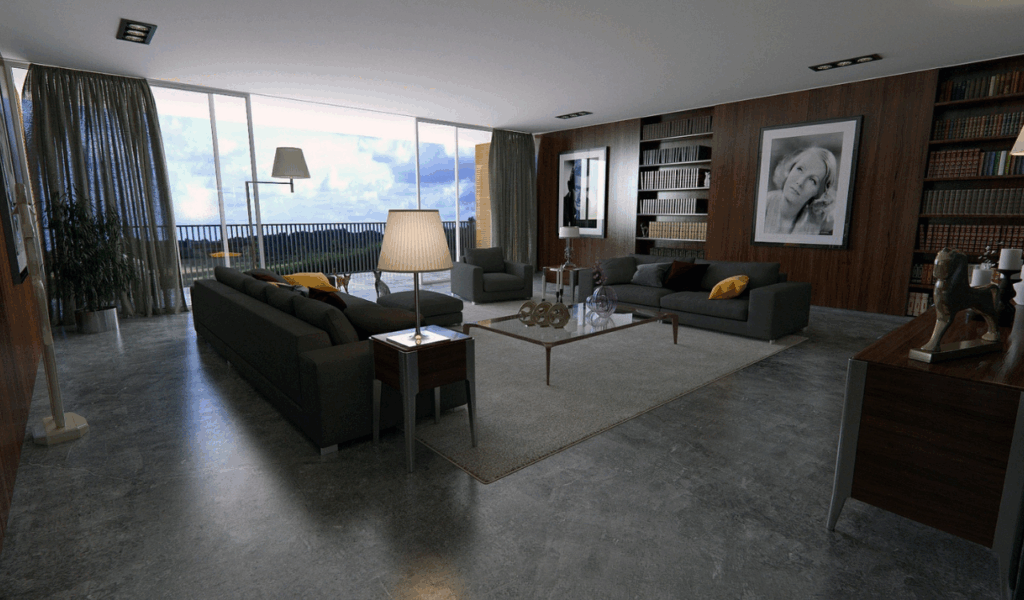
Scandinavian rusticism and Japanese functionalism are combined to create Japandi. Interior decorators claim that because this style emphasizes “zen” simplicity and fine craftsmanship, it is ideal for year-round comfort. Sliding screens (or their visual counterpart) and low-slung furniture provide an airy, flowing space that is perfect for summer cooling. But in the winter, the “Scandi” influence brings in the cozy wood tones and soft textiles that give the room a cozy, safe feeling. This style is known as “refined restraint.”
According to experts, Japandi lessens “mental load” by removing superfluous visual distractions. Professional organizers claim that this style’s emphasis on “integrated storage” guarantees that clutter is concealed behind elegant, understated doors. A palette of “muddy” or subdued colors, such as charcoal and sage green, can be used to create a calming atmosphere that does not require much attention. It is an extremely intelligent and sophisticated style of design that manages the changing of the seasons with remarkable elegance. The best designs are frequently those that remove barriers to tranquility, as seen by Japandi’s ability to create a visual “hush” that allows the mind to calm.
7. Coastal Modern
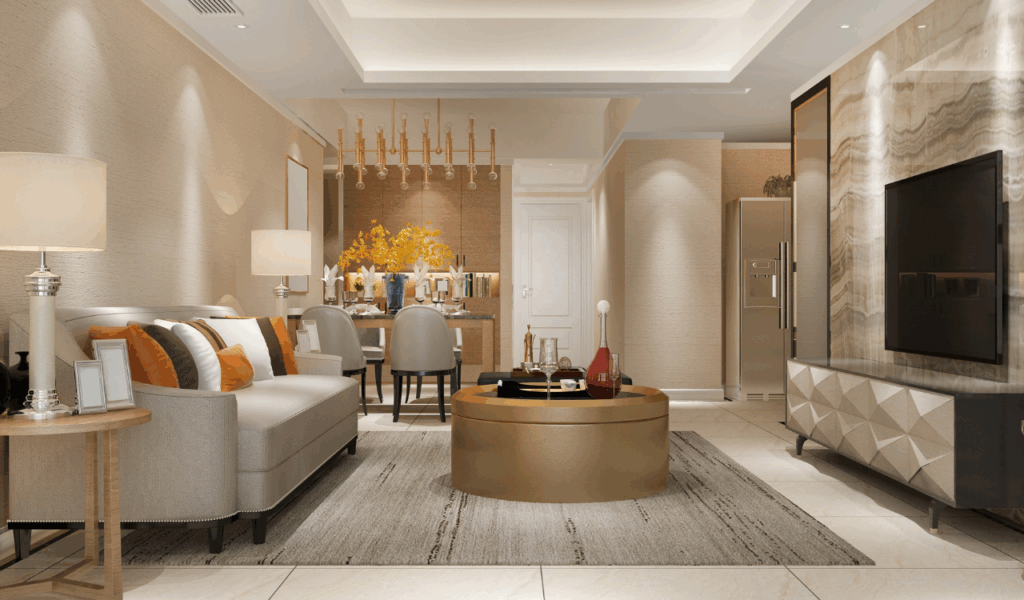
Coastal modern design is not simply for the beach, despite what many people think. Realtors and designers say that this style, which uses a foundation of “oceanic” blues and clean whites to create a constant vacation vibe, works all year round. Using sleek, modern furnishings keeps the space from feeling like a themed souvenir shop, which is the “modern” component of the equation. In the summer, the linen textiles and light woods keep the room feeling breezy, but in the winter, the addition of thick blue sweaters and brass accents creates a “nautical” warmth that resembles a comfortable captain’s quarters.
The secret to seaside comfort, according to designers, is “texture over pattern.” Rattan seats, capiz shell lamps, and seagrass rugs provide organic interest without overpowering the senses. Experts in hospitality say that one of the best ways to put visitors at ease right away is with a coastal modern design.
The guest feels instantly at ease and excited by this light and inclusive presentation style. Regardless of the view outside, you may build a home that seems spacious and airy by selecting a design that honors the horizon and the sea.
8. New Traditional
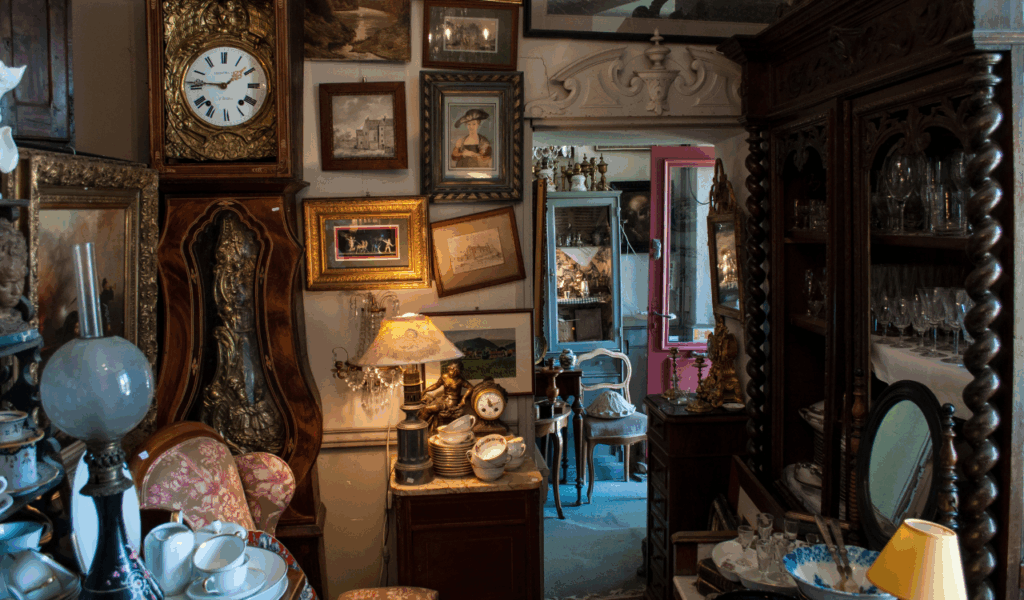
The “heirlooms” of the past are given breathing room in the new traditional style. Interior designers claim that since it combines bright, contemporary art with white walls and heavy, dark antiques, this style is cozy all year round. The “visual silence” of the white space prevents it from feeling stuffy in the spring, while the “high-contrast” approach guarantees that the room seems historic and anchored during the holidays. According to experts, combining multiple eras results in a “collected” home that reads more like an autobiography than a retail display.
This technique is frequently employed by professional flippers to infuse a new home with a feeling of “instant history.” Realtors claim that a well-chosen traditional piece, such as a sideboard made of mahogany, adds a sense of structural stability that contemporary “flat-pack” furniture does not. Breaking the “matching sets” habit makes room for a more imaginative and intuitive flow. By encouraging you to experiment with scale and proportion, this design approach makes your house feel less like a copy and more unique. It is a clever and durable method that guarantees your house feels substantial and well-maintained throughout the year.
9. Biophilic Urbanism
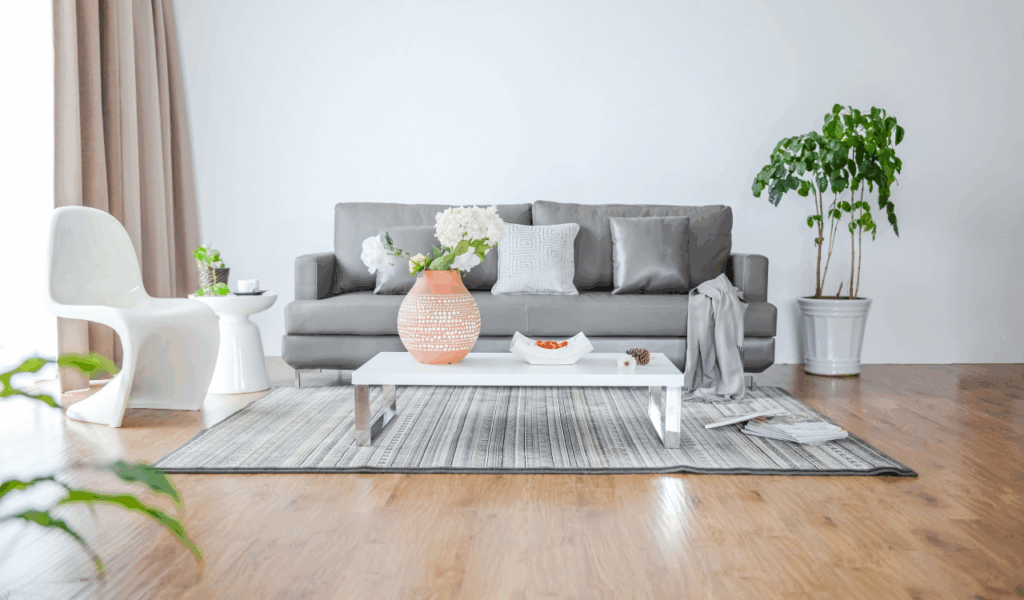
Biophilic urbanism is the best year-round comfort option for city dwellers. Architects and designers claim that this design approach emphasizes making the most of natural light and “living walls” of vegetation. According to experts, having plants in every room is crucial for urban well-being because it enhances air quality and offers a crucial link to the seasonal cycle. In the summer, the lush vegetation offers natural shade and cooling, while in the winter, the vivid green of the plants creates a required contrast to the grey sky of the city.
Designers advise adding height and drama to a space by utilizing “architectural” plants like Monsteras or Fiddle Leaf Figs. Realtors claim that a house with flourishing plants feels more lively and “alive.”
You can design a home that synchronizes with your internal circadian cycle by implementing “naturalistic” lighting that reflects the sun’s changing patterns. By eliminating the “starkness” of the city, biophilic urbanism creates a gentle, natural setting that encourages both work and leisure. It is a vibrant and progressive design that guarantees your house will continue to be a thriving haven in the middle of the city.
10. Mid-Century Modern (The “Soft” Version)
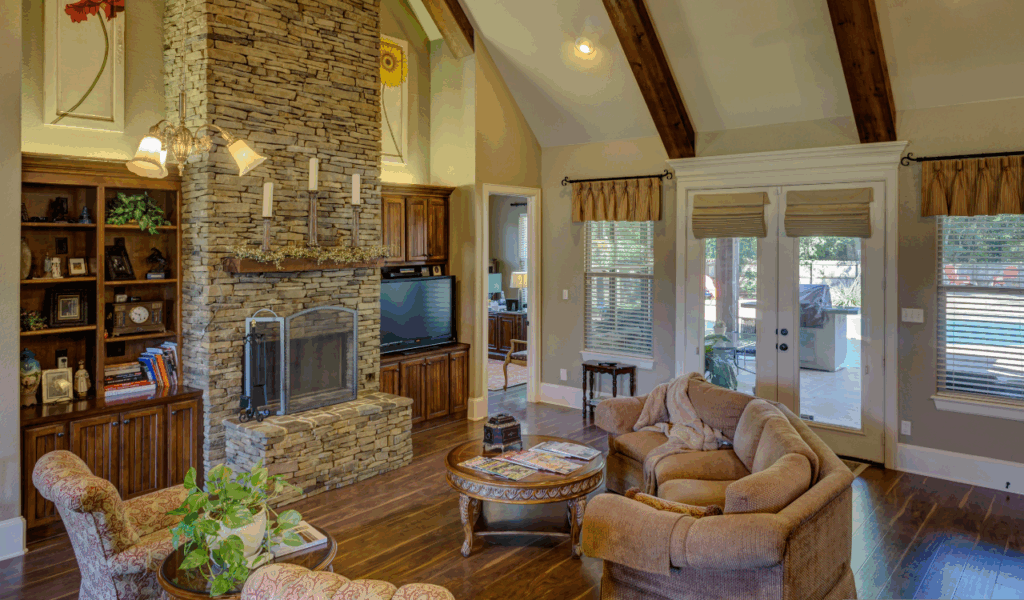
Because of its fun geometry and ergonomic ease, the “soft” form of mid-century modern design is still a perennial favorite. Designers claim that because its renowned furniture, such as the Eames chair, was created especially for the human body, this style is appropriate for every season. For the summer, the “floating” shapes and tapered legs give the impression of lightness and floor space. The “soft” remake, on the other hand, uses richer velvets and warmer walnuts than the original 1950s models, offering the tactile luxury required for a comfortable winter hideaway.
Because its furniture is made to appear excellent from all sides, experts say mid-century modern design is ideal for open-concept living. Professional organizers claim that this style’s emphasis on “functional beauty” makes maintaining the house much simpler. The use of neutrals and the color palettes “terracotta” and “mustard” creates a cozy, upbeat atmosphere that feels bright even on overcast days. It is a sophisticated and reliable style that offers comfort and continuity. If you choose pieces that emphasize “the human scale,” you may create a house that is elegant, intuitive, and well-balanced throughout the year.