Why These 11 Back-to-School Décor Updates Felt So Out of Touch
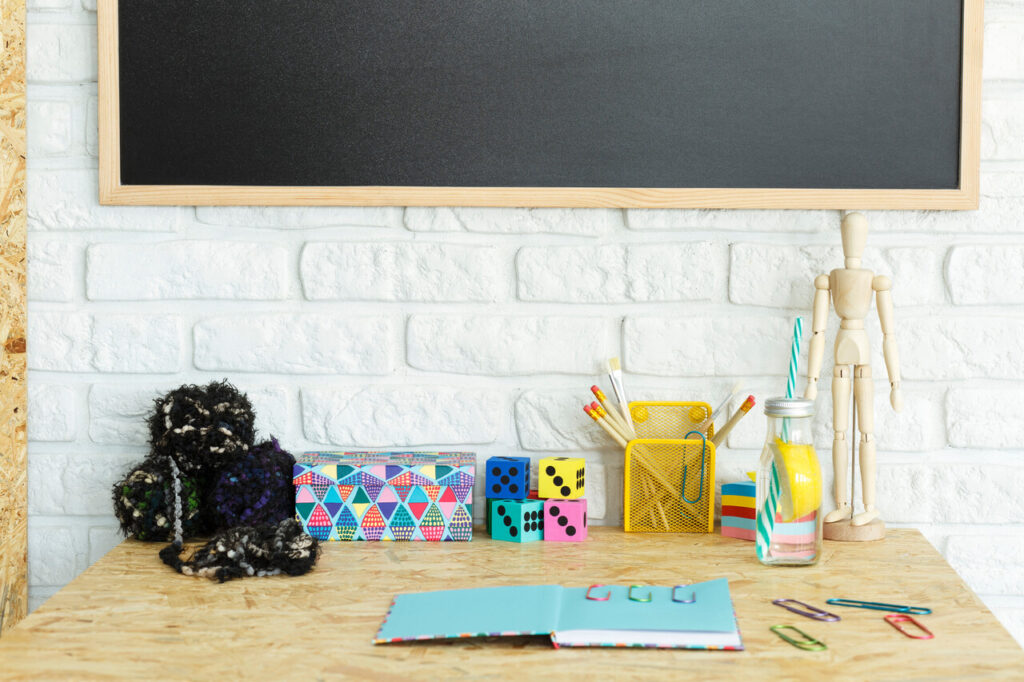
Back-to-school season often comes with the urge to refresh bedrooms and study corners so they feel new and motivating. Stores and social feeds are full of cute décor ideas that promise to make kids excited about learning. The problem is that many of these updates focus on looks instead of how children actually use their space every day. Once homework routines begin, anything that does not support comfort, storage, or focus quickly fades into the background. In some cases, it even gets in the way. These décor trends looked fun and thoughtful at first, but they rarely changed daily habits or made schoolwork easier.
1. Themed Wall Posters That Blend Into the Background Almost Immediately
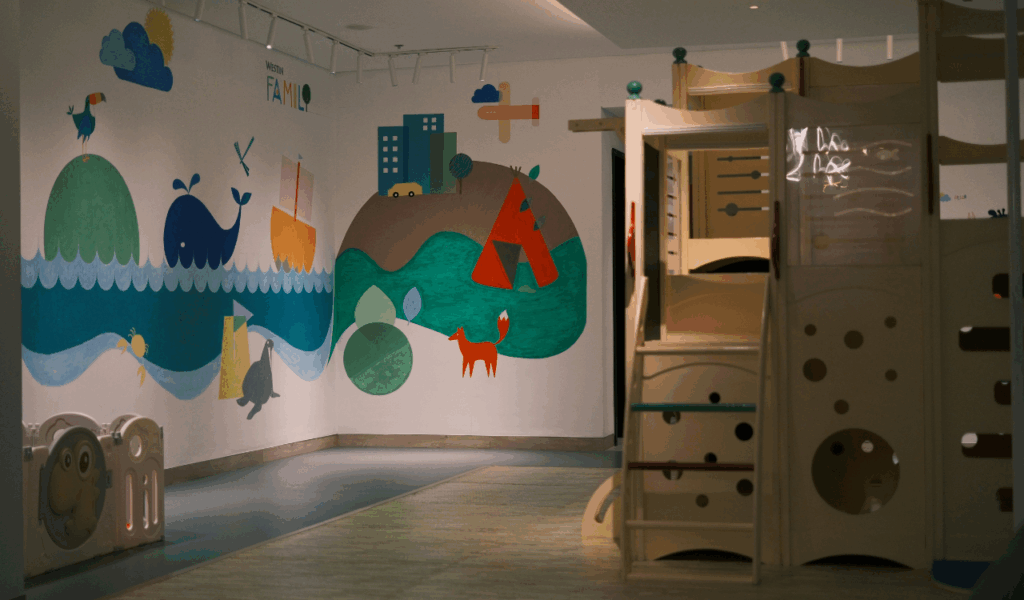
At first, themed posters feel like an easy way to make a study space feel fresh for a new school year. Bright colors and catchy phrases create a sense of excitement during the first few days. The problem is that our brains are very good at tuning out things that never change. Once the novelty fades, posters become part of the wall and stop registering at all. Kids rarely look at them while working, and they do not affect behavior or focus in any lasting way. In some cases, too many visuals can even pull attention away from schoolwork, especially for younger children who are sensitive to visual clutter. Parents often realize that the money spent on prints could have gone toward better lighting, seating, or storage, which would actually support daily routines instead of just decorating the room.
2. Matching Desk Accessories That Prioritize Looks Over Use
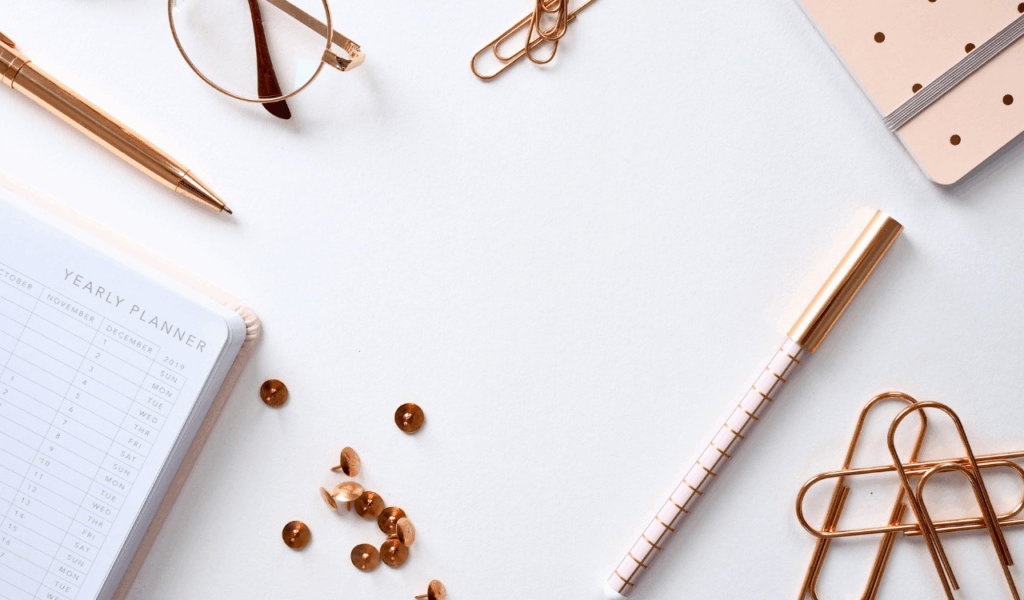
Color-coordinated pencil cups, trays, and organizers look neat in photos, but they often fail to improve how kids actually use their desks. School supplies are constantly changing as projects shift and homework loads grow. Fixed matching sets rarely adapt well to new needs. When containers are too small or oddly shaped, kids start piling items on the desktop instead of using the organizers. Over time, the desk becomes cluttered despite the decorative system. Parents then end up buying new organizers or abandoning the matching look altogether. What seemed like a thoughtful update becomes another short-lived purchase that does not support long-term organization or better study habits.
3. Decorative Bulletin Boards That Never Become Functional
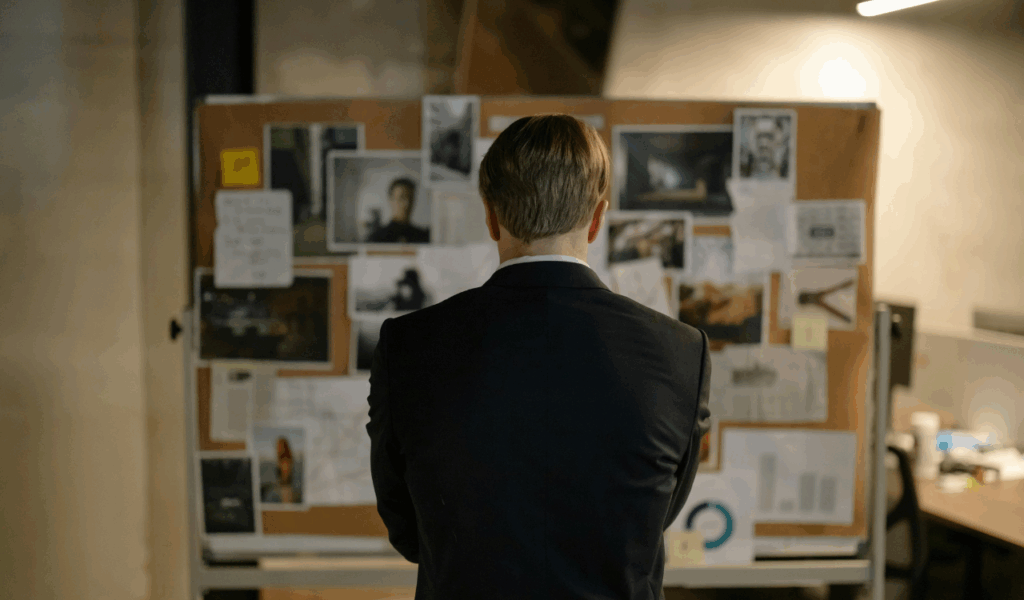
Bulletin boards are meant to display schedules, reminders, and school projects, but decorative versions often stay empty or get covered with random papers. Styling them with borders and themed backgrounds takes time, yet many kids never interact with them after the first week. If a board is not located where kids naturally look while studying, it becomes irrelevant. Without a routine for updating and using the space, it turns into wall filler instead of a planning tool. Parents sometimes assume kids will use the board independently, but most need guidance and consistent habits for it to matter. Without that structure, the board adds visual clutter without improving organization.
4. Washi Tape Borders That Add Style but No Practical Value
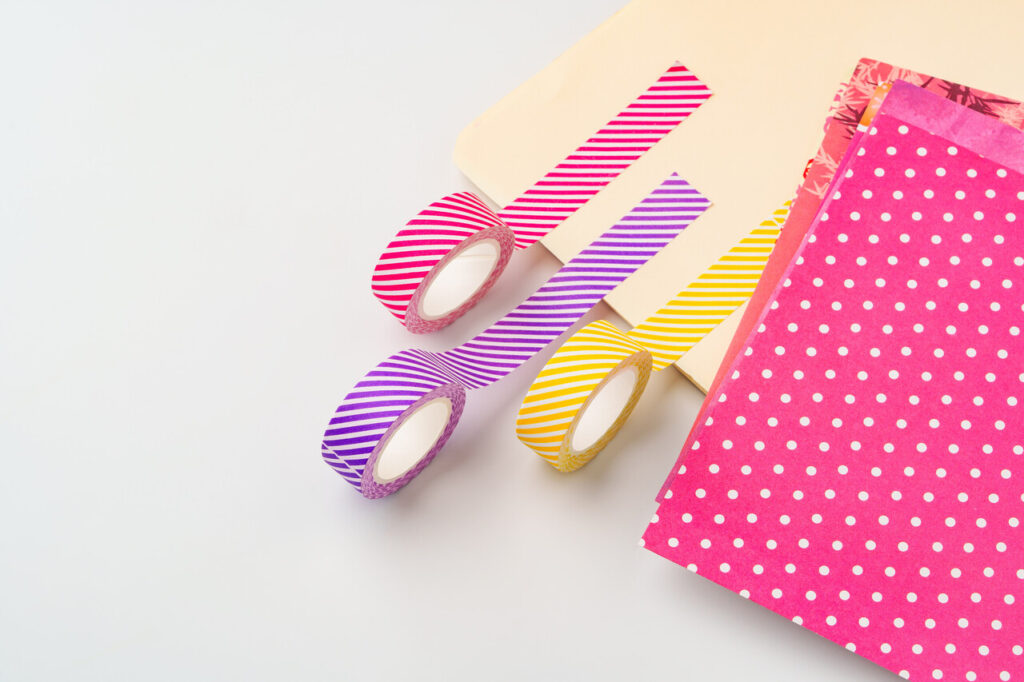
Washi tape is popular because it is colorful and easy to apply, but borders around desks or shelves rarely serve any functional purpose. While the tape looks playful, it does not help store supplies, improve lighting, or reduce distractions. Over time, tape can peel or lose adhesion, especially in warm rooms. Kids may also pick at it, leaving uneven edges that look messy. When routines become busy, no one bothers to fix or replace the tape. What began as a cheerful update slowly becomes an ignored decoration that adds nothing to how the space actually works day to day.
5. Motivational Signs That Lose Their Impact After the First Week

Signs that say things like work hard or stay focused sound helpful, but repeated exposure makes them easy to ignore. Motivation does not usually come from reading the same phrase every day. It comes from clear routines, manageable workloads, and supportive guidance. When signs do not connect to real actions, they stop feeling meaningful. Some kids even find them annoying or distracting, especially if they are struggling academically. Parents may expect these signs to encourage better habits, but without changes to schedules or support systems, behavior rarely improves. The signs remain on the wall while real challenges continue unchanged.
6. Plush or Themed Rugs That Get Moved Out of the Way
Soft rugs with school themes look cozy, but they often interfere with how kids actually move in the space. Chairs roll poorly on thick rugs, and backpacks get dropped on top of them, flattening fibers and creating wear spots. In small rooms, rugs reduce usable floor space and can become tripping hazards. Parents frequently find themselves folding or shifting rugs to allow better movement, which defeats the purpose of placing them there. Over time, the rug becomes more of an obstacle than an upgrade, offering comfort only when the space is not being actively used.
7. Seasonal Banners That Turn Into Visual Noise

Back-to-school banners and garlands feel festive at the start of the year, but they rarely stay relevant. Once classes settle into a routine, the decorations no longer reflect what is happening in daily life. Instead of creating excitement, they start to feel out of place. Because they are not tied to practical use, they remain until someone finally takes them down months later. By then, they are often ignored completely. This kind of decoration does not support learning or organization and can even add to visual clutter in already busy rooms.
8. Chalkboard Wall Decals That Become Doodle Zones
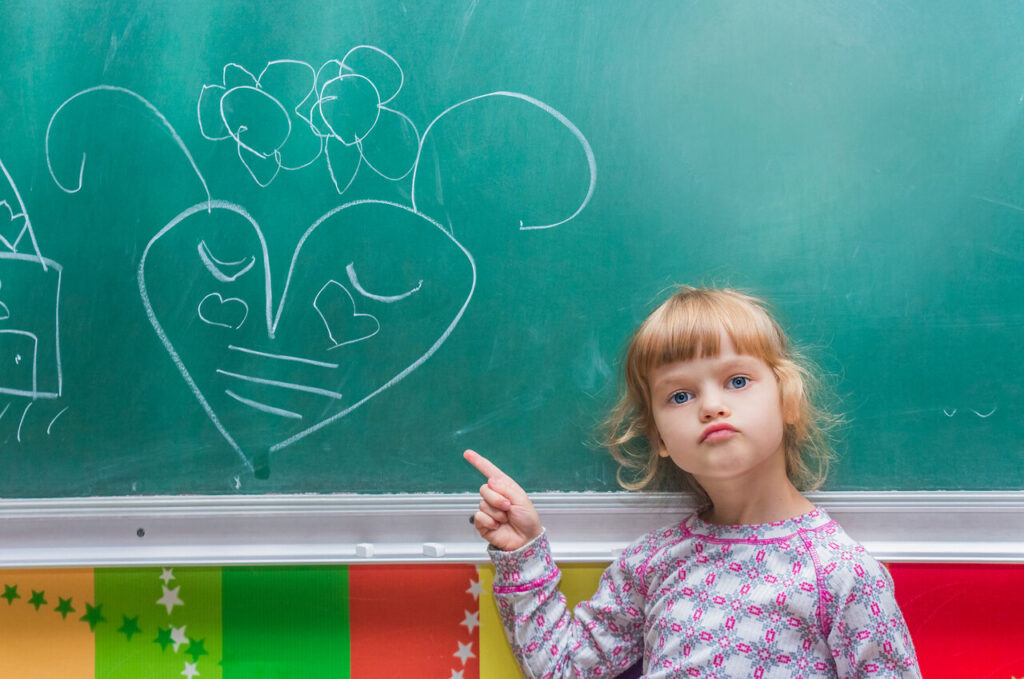
Chalkboard decals promise a creative space for reminders or practice problems, but many end up covered in random drawings instead. While creativity is valuable, it does not help when the goal is maintaining focus during homework. Dust from chalk can also spread onto desks and floors, creating extra cleanup. When the surface fills quickly, there is no room left for useful notes. Parents may wipe it clean, only to find it filled again with doodles. What was meant to support learning turns into another playful distraction that does not serve the intended purpose.
9. Desk Figurines That Compete With Homework for Attention
Small toys and decorative figures are charming, but they often steal attention during study time. When objects invite play, kids are more likely to pick them up instead of staying focused on assignments. These items also take up limited desk space that could be used for books or writing materials. As supplies increase, figurines get pushed aside, fall behind furniture, or collect dust. Parents then realize that the decorations they added are working against concentration rather than helping it. A clear surface usually supports better focus than one filled with visual distractions.
10. String Lights That Do Not Improve Actual Task Lighting
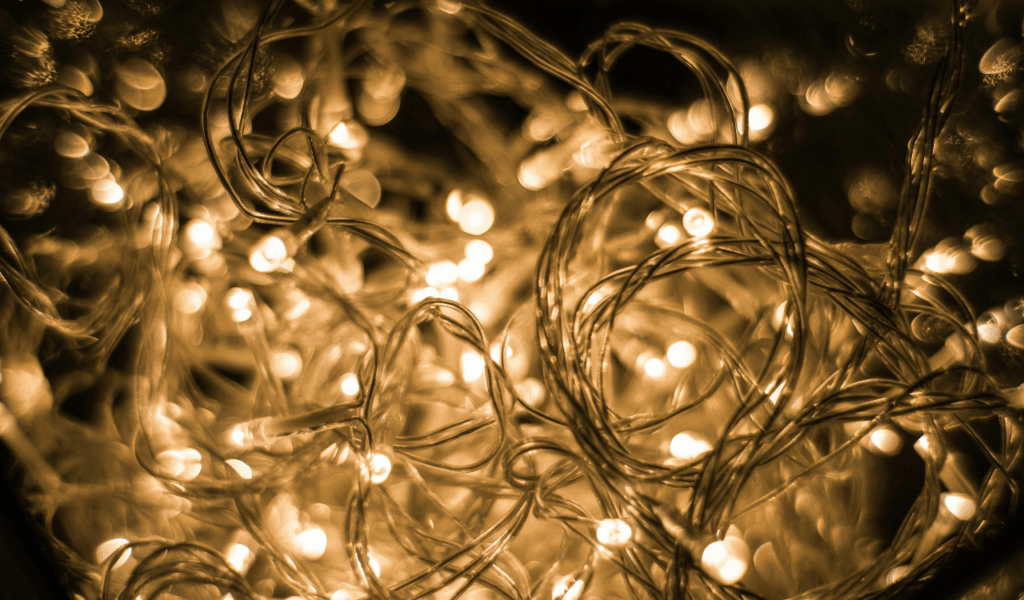
String lights are popular for creating a cozy feel, but they rarely provide the kind of focused lighting needed for reading and writing. Most are too dim and cast uneven shadows. In some cases, blinking or glowing bulbs draw attention away from work. Kids may play with the cords or unplug them, leaving them unused. Meanwhile, proper desk lamps are far more effective at reducing eye strain and supporting longer study sessions. When families realize that the lights do not help visibility, they often stop using them, making the original purchase feel unnecessary.
11. Decorative Bookends That Do Not Fit Real School Materials
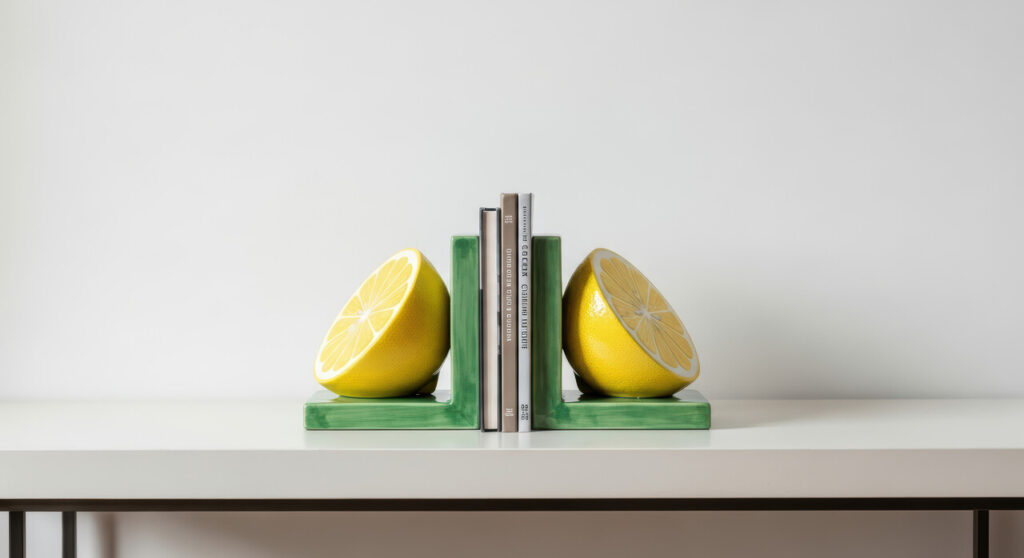
Stylish bookends are designed for display shelves, not for the mix of binders, workbooks, and folders that school requires. Many are too narrow or lightweight to hold heavy items upright. When books lean and topple, kids stop using the bookends altogether. Supplies end up stacked horizontally or shoved into backpacks instead. Parents then buy storage bins or shelves to fix the problem. What looked like a thoughtful detail turns out to be poorly matched to actual school materials, offering more style than support.