9 Décor Trends That Felt Mass-Produced

Christmas décor trends move fast, and what feels fresh in November can start to feel strangely familiar by the time the season is in full swing. As the same colors, shapes, and themes roll out across major retailers, homes begin to mirror one another. Pieces designed for impact end up looking identical once they appear everywhere. By the end of the holidays, many decorations feel less personal and more like they came straight off an assembly line. These are the Christmas décor trends that looked festive at first but ultimately felt mass-produced once they showed up in house after house.
1. Oversized Holiday Bows Everywhere

Bows used to feel like a thoughtful finishing touch. Recently, they have taken over entire homes. Trees wrapped in ribbon, stair rails layered with bows, wreaths topped with matching loops, even chair backs tied off the same way. The problem is not the bow itself but the repetition. Most of these bows come pre-made, sold in identical fabrics, sizes, and colors across major retailers. Velvet red, satin gold, or neutral linen versions appear everywhere at once. By the time December rolls around, the look feels copied rather than styled. Another issue is scale. Oversized bows overwhelm smaller spaces and quickly dominate the room. Instead of adding charm, they flatten personality. What starts as festive ends up feeling like décor pulled straight from a store display.
2. Traditional Red and Green Color Schemes

Red and green will always be associated with Christmas, but when used without variation, the palette can feel mass-produced fast. Many modern décor collections rely on the same shade of bright red paired with evergreen green, repeated across ornaments, textiles, and tableware. The result is homes that look nearly identical in photos and in person. This happens because manufacturers standardize colors for easy coordination, not individuality. By the end of the season, the scheme feels predictable rather than comforting. It also leaves little room for personal touches. Without variation in tone, texture, or accent colors, the look reads as store-bought instead of collected. What once felt timeless now often feels overused and impersonal.
3. Mass-Market Ornaments and Baubles
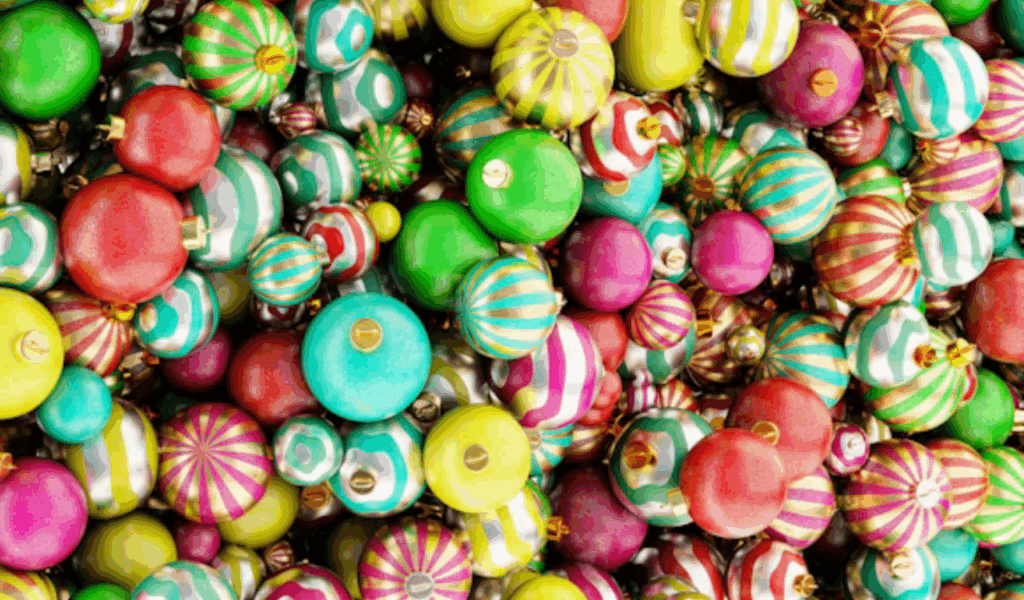
Perfectly shaped glass balls in matching finishes dominate many trees today. Matte, glossy, glittered, and metallic sets are sold in bulk, encouraging uniformity over storytelling. While they photograph well, they remove the sense of history that once defined holiday trees. These ornaments are designed to match each other, not to stand out. When every branch carries the same shape and color, the tree feels styled rather than lived in. Another issue is availability. The same sets appear in countless homes, making even beautifully decorated trees feel interchangeable. Without handmade pieces, older ornaments, or personal mementos, the result feels mass-produced instead of meaningful.
4. Supersized Baubles That Overwhelm the Tree
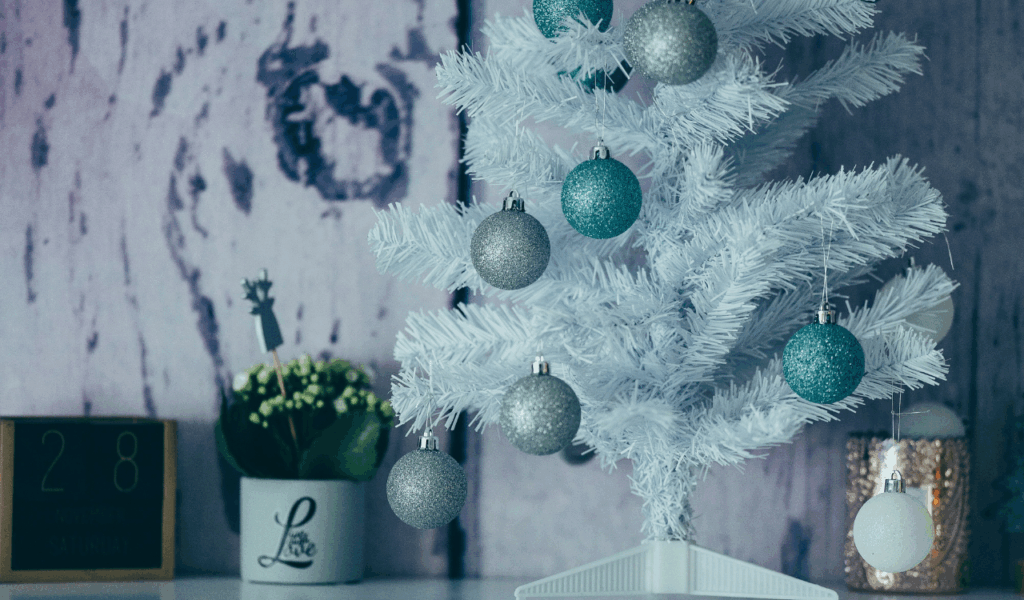
Large ornaments were introduced to make trees feel bold and modern, but their popularity has made them feel formulaic. These oversized baubles are often identical in color and finish, sold as part of coordinated collections. On smaller trees, they dominate the visual field and reduce depth. On larger trees, they repeat so often that they flatten the overall look. Because they are mass-produced for scale impact, they lack detail and craftsmanship. Once the trend spread widely, the effect became predictable. Instead of adding drama, they signal trend-chasing. By the time the season settles in, many trees feel styled for a catalog rather than a home.
5. Multicolored String Lights Making a Comeback
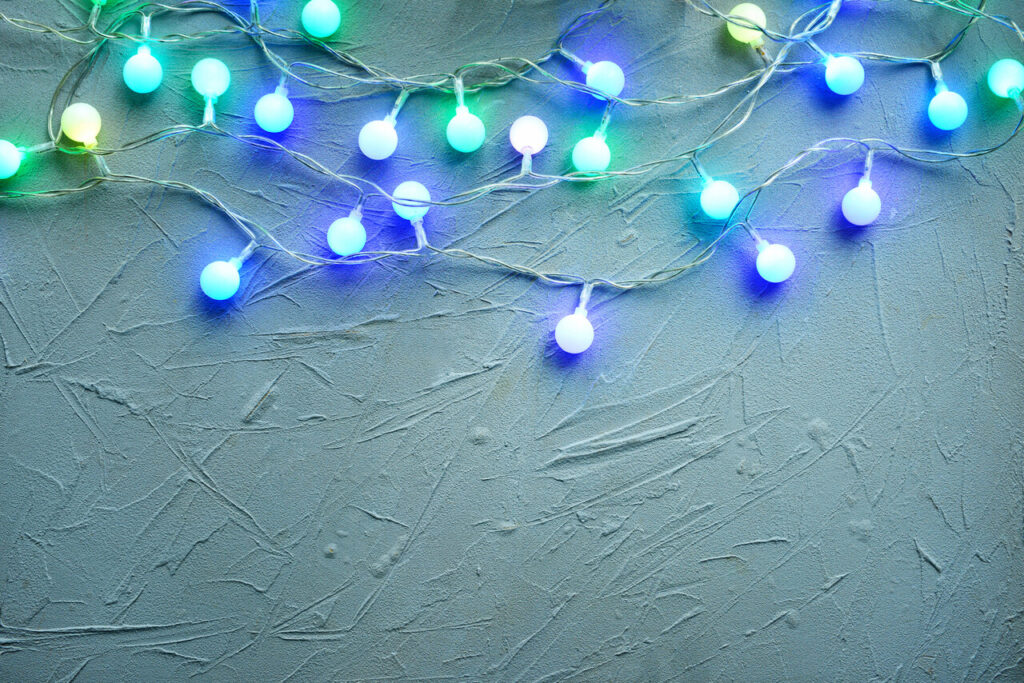
The return of multicolored lights was meant to feel nostalgic, but widespread adoption has dulled the effect. Most versions sold today use the same bulb shapes, spacing, and color combinations. Blue, red, green, and yellow repeat in the same sequence across countless homes. The charm of older lights came from variation and imperfection. Modern sets are engineered for uniform brightness and rhythm, which removes that warmth. When combined with other mass-market décor, the lights feel less like a personal choice and more like a default setting. Instead of evoking memory, they often feel generic once seen everywhere.
6. Paper Stars and Generic Scandinavian Crafts
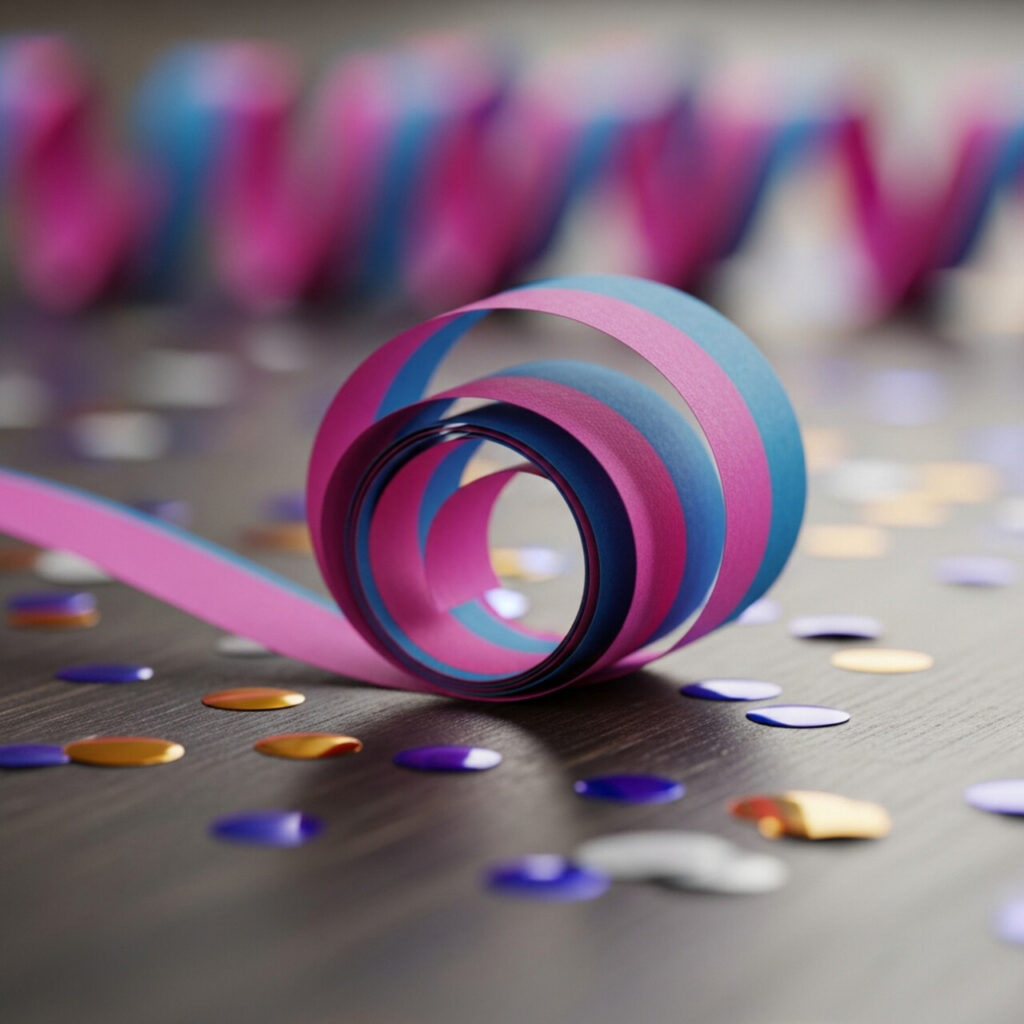
Paper stars and folded decorations promise simplicity and warmth, but mass production has stripped them of character. Originally handmade, these items are now factory-produced in identical sizes, patterns, and shades of white or beige. They appear in windows, on walls, and above tables in nearly every seasonal catalog. The issue is not the style but the sameness. When every star looks identical, the handmade story disappears. Lightweight materials also wear quickly, creasing and yellowing within a season. What was meant to feel thoughtful and calm ends up looking temporary and generic, especially when used without variation or personal context.
7. Nutcracker Themes and Harlequin Patterns
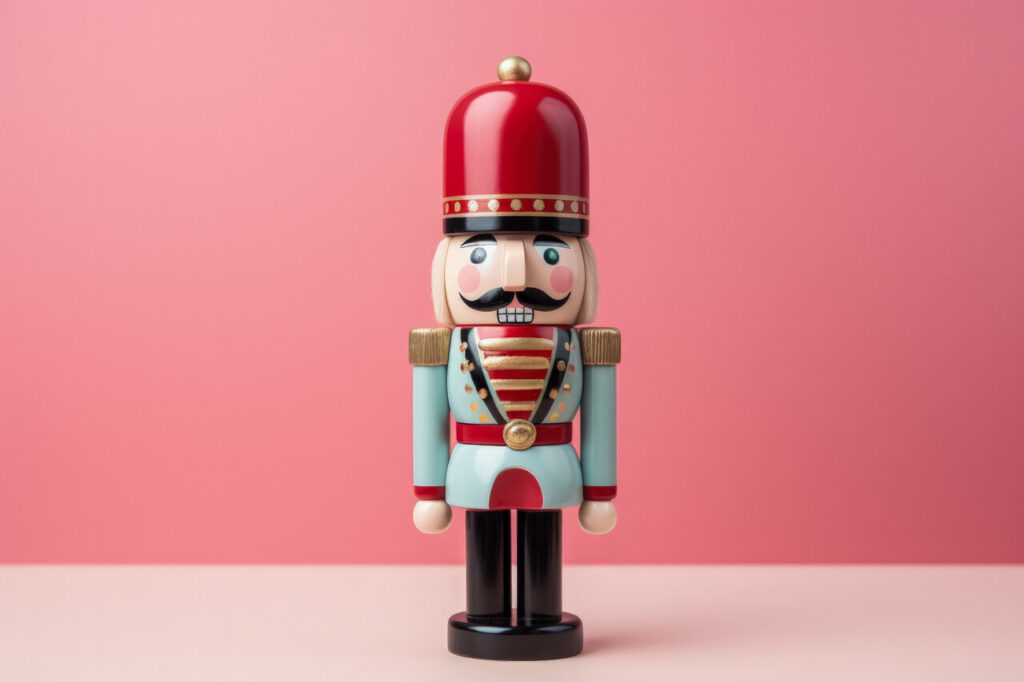
Nutcracker décor once felt whimsical and theatrical. Its recent explosion into mainstream collections has made it feel packaged. Identical nutcracker figures, striped patterns, and bold reds appear across ornaments, pillows, wrapping paper, and tableware. These items are often sold as coordinated sets, encouraging full-room themes rather than selective use. The result feels closer to a retail display than a personal home. Because the imagery is strong, repetition becomes exhausting quickly. Instead of playful nostalgia, the look turns loud and overly curated. Many homes end up mirroring the same visual story, which strips the theme of originality.
8. Tinsel and Flocked Trees Done the Same Way Everywhere
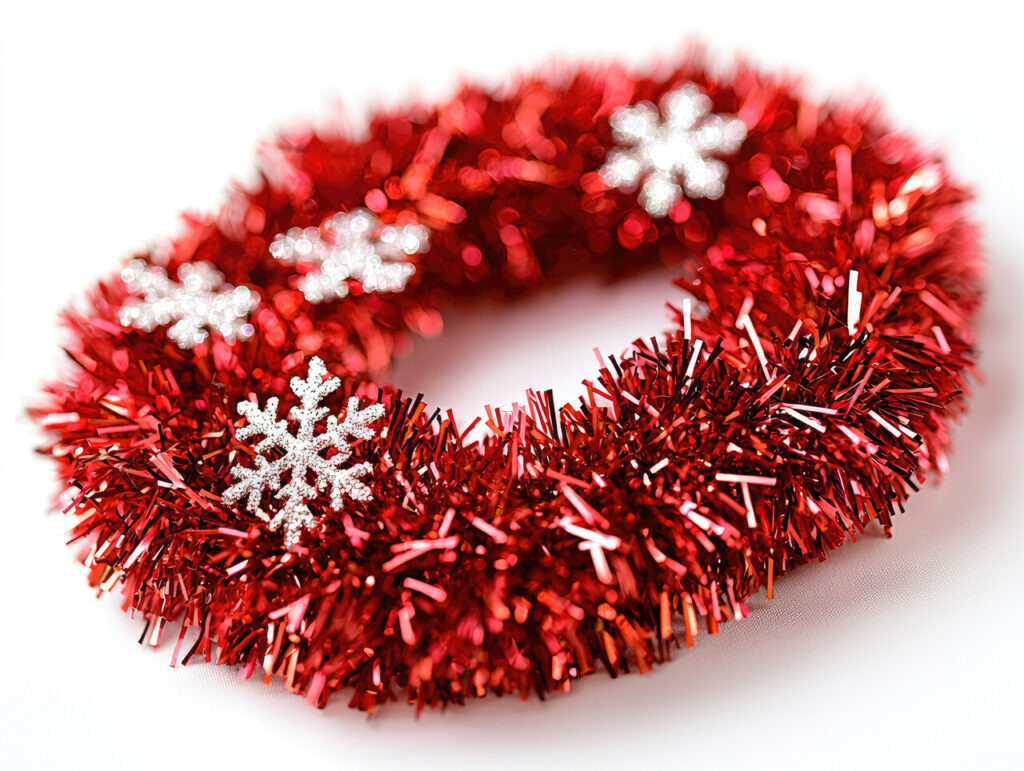
Tinsel and flocking have returned, but in highly standardized forms. Modern tinsel is evenly cut, uniformly shiny, and often pre-colored. Flocked trees arrive heavily coated in identical white finishes. While both can be beautiful, the lack of variation makes them feel factory-made. Older versions varied in thickness, shine, and wear, which added character. Today’s versions prioritize consistency for mass appeal. Once placed in multiple homes, the effect feels repetitive. Instead of evoking winter charm, they often feel artificial and staged, especially when paired with matching ornaments and lights.
9. Pre-Packaged Themed Décor Sets
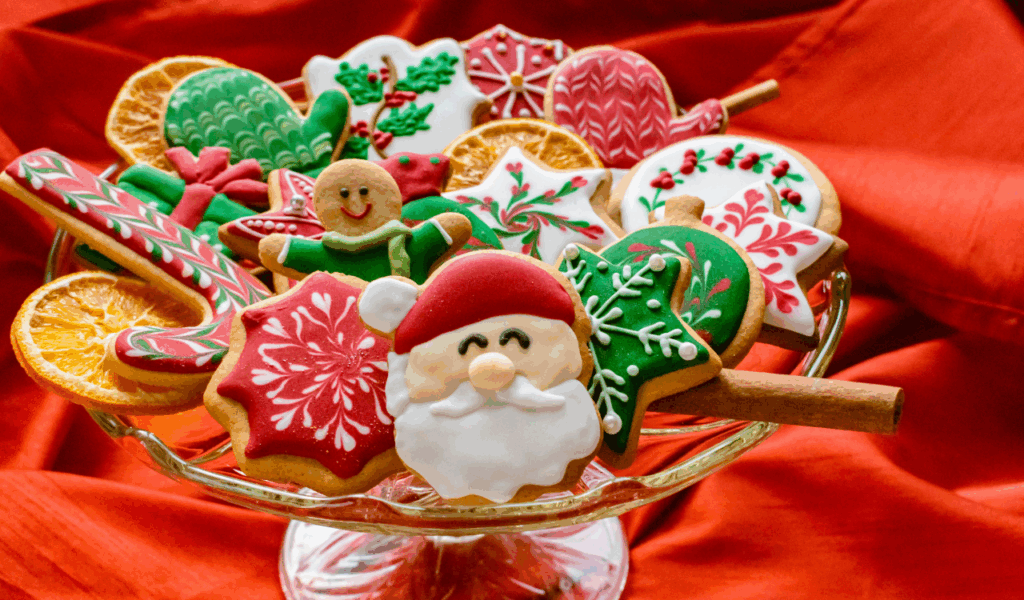
Complete décor kits promise convenience, but they also remove individuality. These sets include matching ornaments, stockings, tree skirts, pillows, and table décor designed to be used together. While easy, they leave no room for personal editing. Homes decorated this way often look indistinguishable from one another because they follow the same visual formula. The colors, materials, and motifs repeat exactly as intended by the manufacturer. By February, the regret sets in. The décor felt festive but hollow. Without contrast, history, or personal objects, the space lacks warmth. What should feel like home ends up feeling like a showroom.