10 January Grocery Trends Shoppers Quickly Abandoned
January shopping habits look very different from December ones. After weeks of holiday spending, indulgence, and impulse buying, many shoppers step back and reassess what actually fits their daily routines. Pantry overflow, unused treats, and rising grocery prices force more careful choices. Trends that felt convenient or exciting during the holidays suddenly feel impractical. As budgets tighten and eating habits reset, shoppers quickly abandon products that do not deliver real value. These are the January grocery trends that faded fast once everyday life resumed.
1. Bulk Holiday Stockpiling That Quickly Backfired
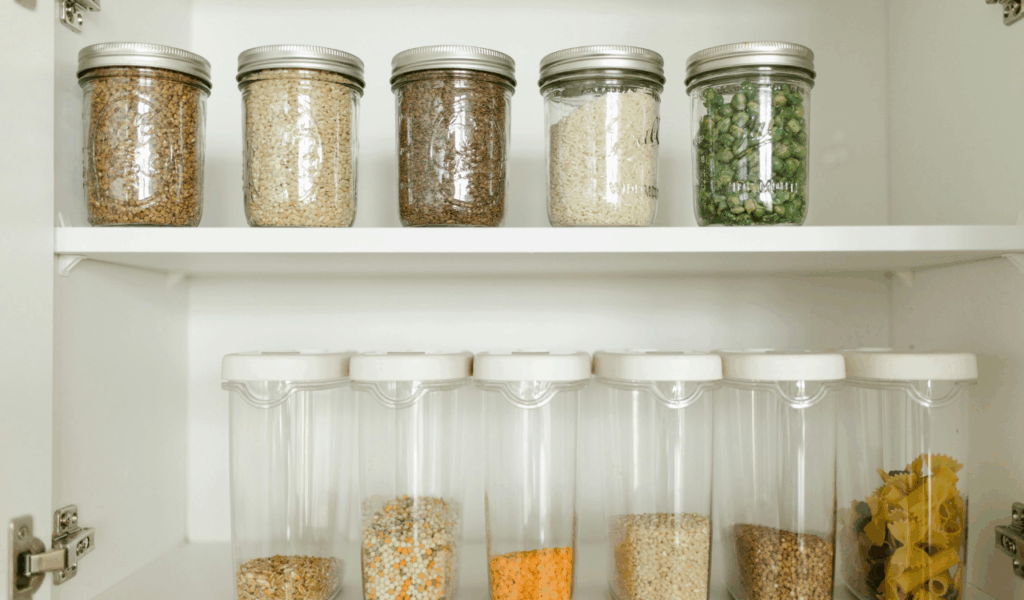
January is when the reality of December excess sets in. Many shoppers entered the new year with pantries already full from holiday stockpiling. Bulk buys made sense when hosting, traveling, or entertaining, but everyday routines do not consume food at the same pace. Large packages of snacks, baking supplies, and frozen items lingered longer than expected. Storage space became tight, expiration dates crept closer, and meal planning felt boxed in by what needed to be used up. As budgets reset after holiday spending, shoppers grew more cautious. Buying less but more intentionally felt smarter than managing overflow. Bulk stockpiling lost its appeal once convenience turned into pressure.
2. Overhyped New Snack Launches That Lost Momentum
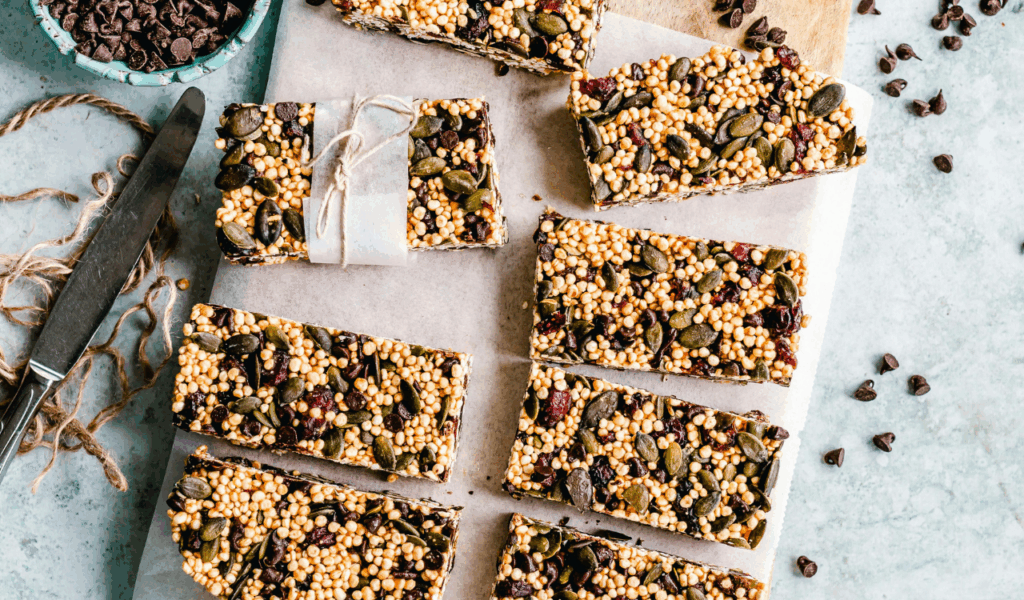
January shelves are often crowded with newly launched snacks promoted as better-for-you, trend-forward, or indulgently different. Many shoppers try them once out of curiosity. Flavor fatigue sets in quickly. Some snacks rely heavily on novelty ingredients, unusual textures, or health claims that do not translate into repeat enjoyment. Price also plays a role. When a single bag costs noticeably more than familiar options, loyalty is hard to build. After the first trial, shoppers often return to trusted brands that feel predictable and satisfying. The excitement fades fast when everyday snacking habits reassert themselves.
3. Premium Frozen Meals That Felt Overpriced
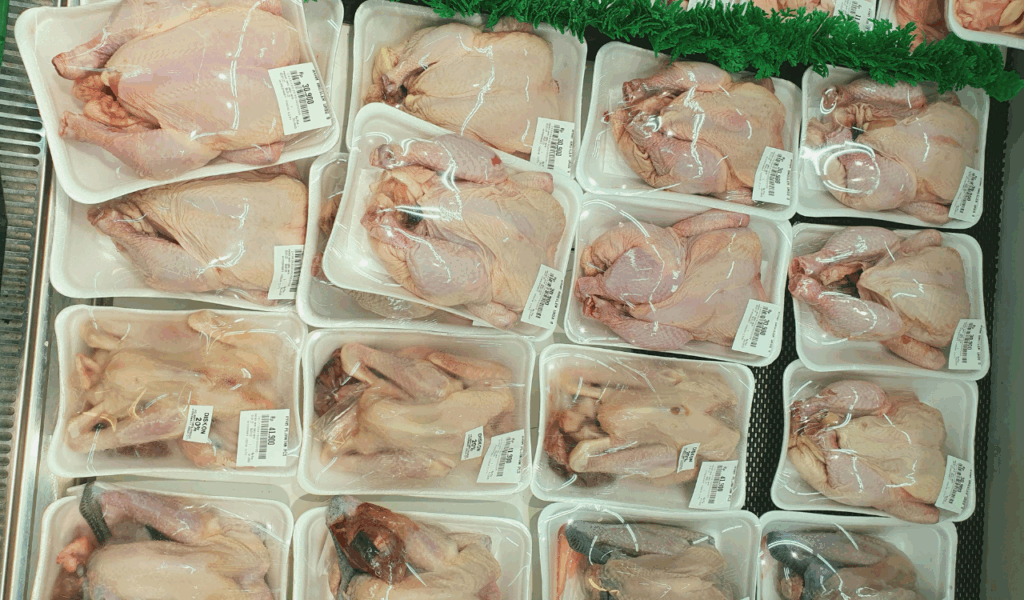
High-end frozen meals gained traction during busy holiday periods when convenience mattered more than cost. January brings a shift. Shoppers start comparing value more carefully. Premium frozen meals often cost as much as a simple takeout option but deliver smaller portions and uneven quality. Texture and flavor rarely match the promise on the package. Once holiday fatigue passes, many shoppers choose either budget frozen staples or fresh cooking instead. The middle ground of expensive convenience loses relevance. What felt like a smart shortcut in December feels unnecessary in January.
4. Seasonal Holiday Flavors That No Longer Fit
Peppermint, gingerbread, sugar cookie, and spiced everything dominate shelves in December. By January, those flavors feel emotionally tied to a season that has passed. Shoppers crave reset foods that feel lighter and more neutral. Holiday flavors also tend to be sweeter and richer, which clashes with post-holiday eating goals. Even discounted seasonal items struggle to move once the mood shifts. What felt comforting weeks earlier starts to feel out of place. Shoppers abandon these products not because they tasted bad, but because the timing no longer makes sense.
5. Specialty Beverages That Never Became Daily Habits
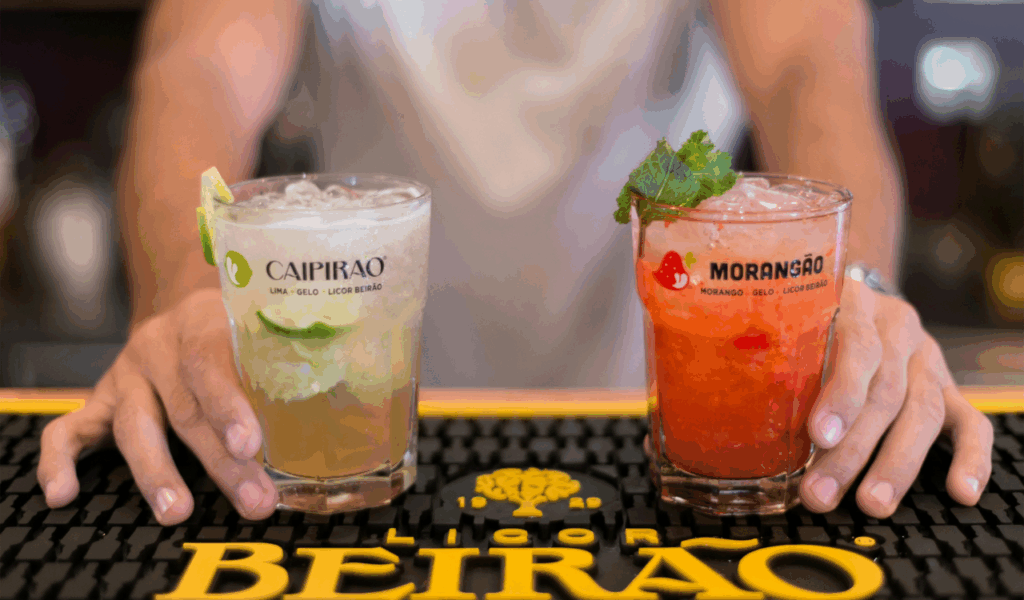
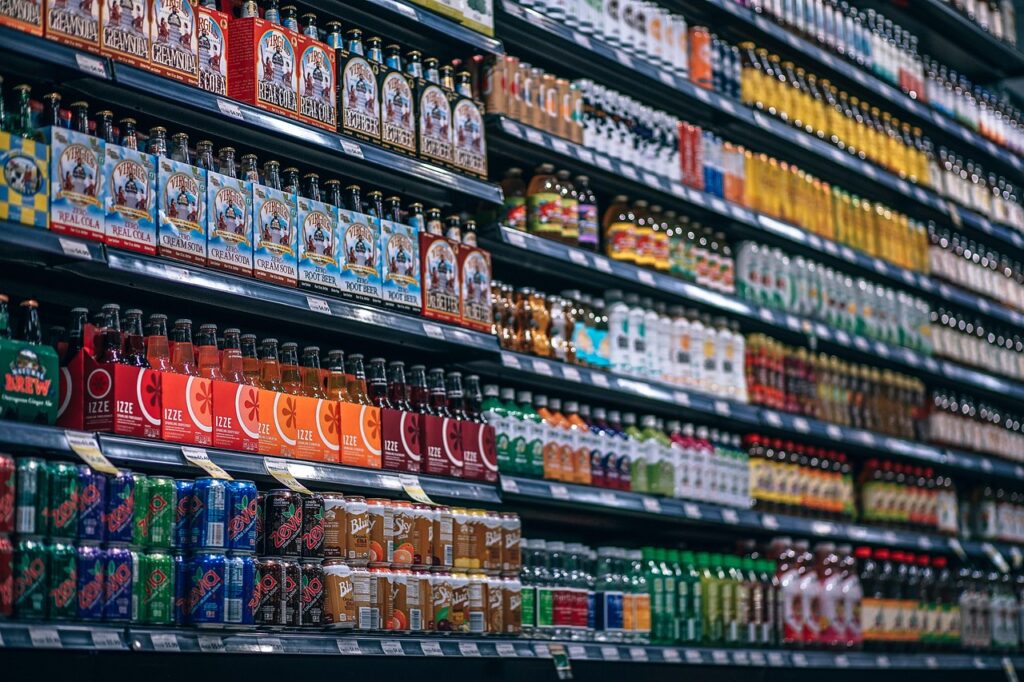
Infused waters, functional sodas, and festive sparkling drinks attract attention during celebrations. Many are purchased for gatherings or as alcohol alternatives. Once January routines return, these beverages feel unnecessary. Flavor profiles can be subtle, medicinal, or overly sweet. Price per bottle often exceeds standard drinks without offering clear everyday benefits. Shoppers gravitate back to basics like water, coffee, or familiar sodas. Specialty beverages struggle to justify shelf space once novelty wears off and practicality takes over.
6. Impulse Grocery Buys Driven by Promotion Fatigue
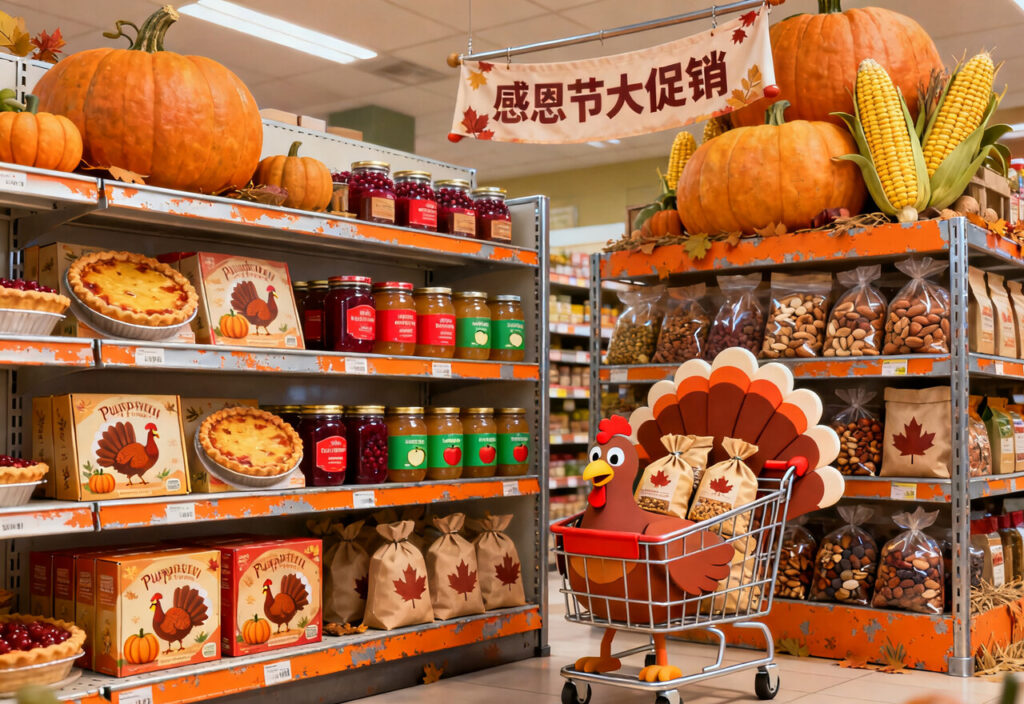
The holidays flood shoppers with promotions, displays, and limited-time offers. January brings exhaustion from constant upselling. Many consumers become more selective, abandoning impulse-driven purchases they later regret. Items bought because of endcaps, bundle deals, or loud signage often go unused. Once shoppers review receipts or pantry contents, the disconnect becomes clear. January shopping favors intention over temptation. Products that relied on marketing buzz rather than genuine need quickly fall out of carts and shopping lists.
7. Bulk-Prepared Salads and Party-Size Sides

Large tubs of prepared salads, dips, and sides make sense during entertaining season. In January, they become a liability. These items spoil quickly and are often too large for everyday households. Shoppers who bought them out of habit or optimism found themselves throwing food away. That experience discourages repeat purchases. In the new year, shoppers favor smaller portions and longer shelf life. Convenience only works when it aligns with real consumption patterns.
8. Premium Bakery Items That Lost Their Occasion

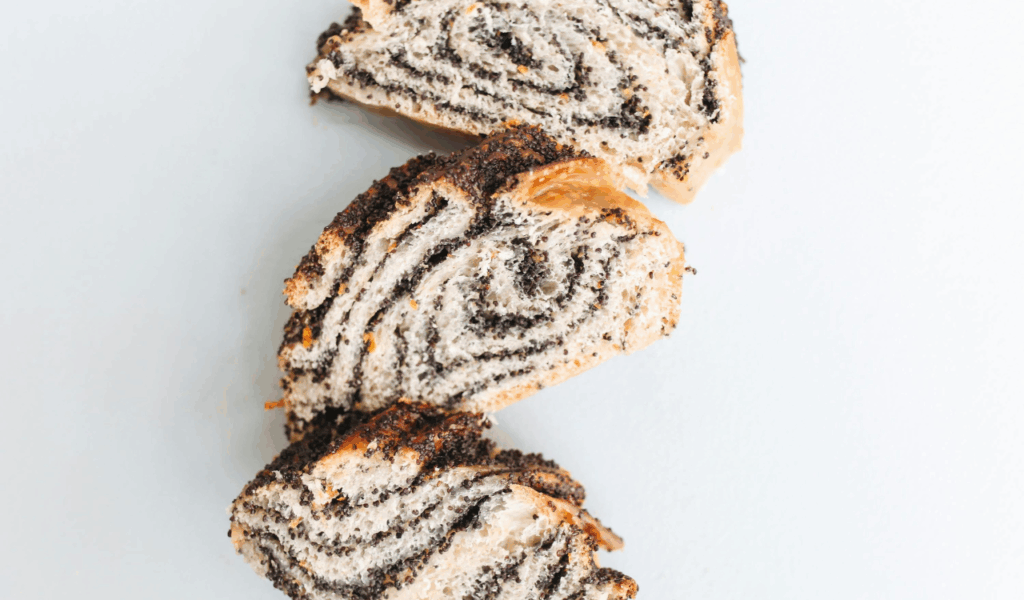
Artisan pastries, decorated desserts, and specialty baked goods feel justified during holidays. January strips away the occasion. Without guests or celebrations, these items feel indulgent and expensive. Freshness windows are short, and leftovers go stale fast. Shoppers shift toward basic breads and simple baked staples that fit daily meals. The bakery case looks less tempting once routine replaces celebration. Premium bakery items lose relevance when there is no reason to splurge.
9. Snack Sampler Packs That Felt Wasteful

Variety packs appeal to shoppers seeking options or sharing. After the holidays, many realize they only liked a few items inside. Unwanted snacks pile up while favorites run out quickly. Packaging waste becomes more noticeable, especially during a reset month. January shopping habits prioritize efficiency and satisfaction. Samplers feel inefficient when half the contents go uneaten. Shoppers move back to buying specific items they know they will finish.
10. Overstocked Beverage Cases That Became Clutter
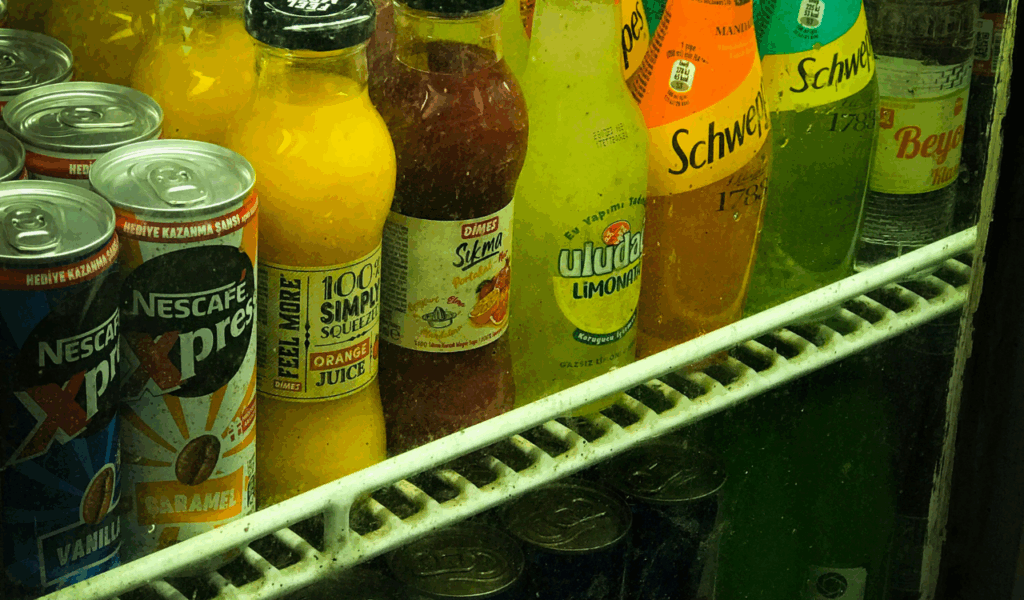
Holiday beverage buying often leans toward abundance. Soda cases, flavored drinks, and alcohol variants are purchased just in case. January exposes the downside. Storage space is taken up by drinks no one reaches for. Flavor fatigue sets in, especially with novelty options. As budgets tighten and health goals emerge, these beverages sit untouched. Shoppers stop replenishing and focus on clearing what they already have. Overstocking loses its appeal once excess becomes visible.