10 Furniture Arrangements That Help Rooms Feel More Open
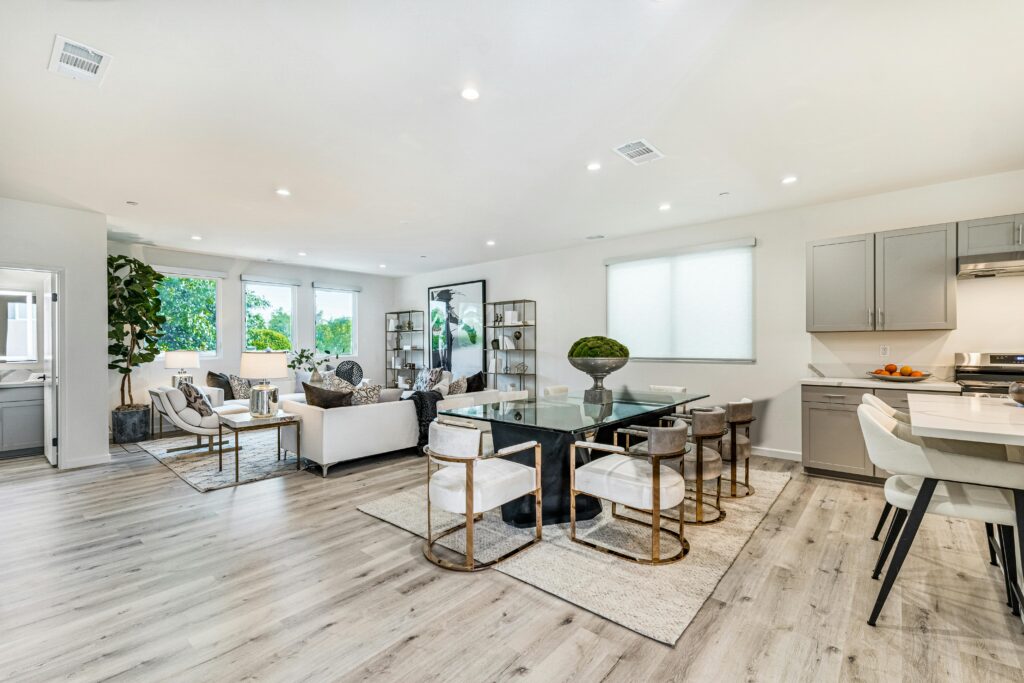
If your home feels tight or visually crowded, the problem might not be square footage. Interior designers often say that layout, not size, determines whether a room feels open and inviting. The way you position seating, tables, and storage can either create breathing room or block it entirely.
Smart furniture placement improves traffic flow, opens sightlines, and helps natural light move freely through the space. Even small adjustments can make a noticeable difference. Here are 10 designer-approved furniture arrangements that help your rooms feel larger, lighter, and far more comfortable to live in.
1. Float Seating Away From The Walls For Better Flow
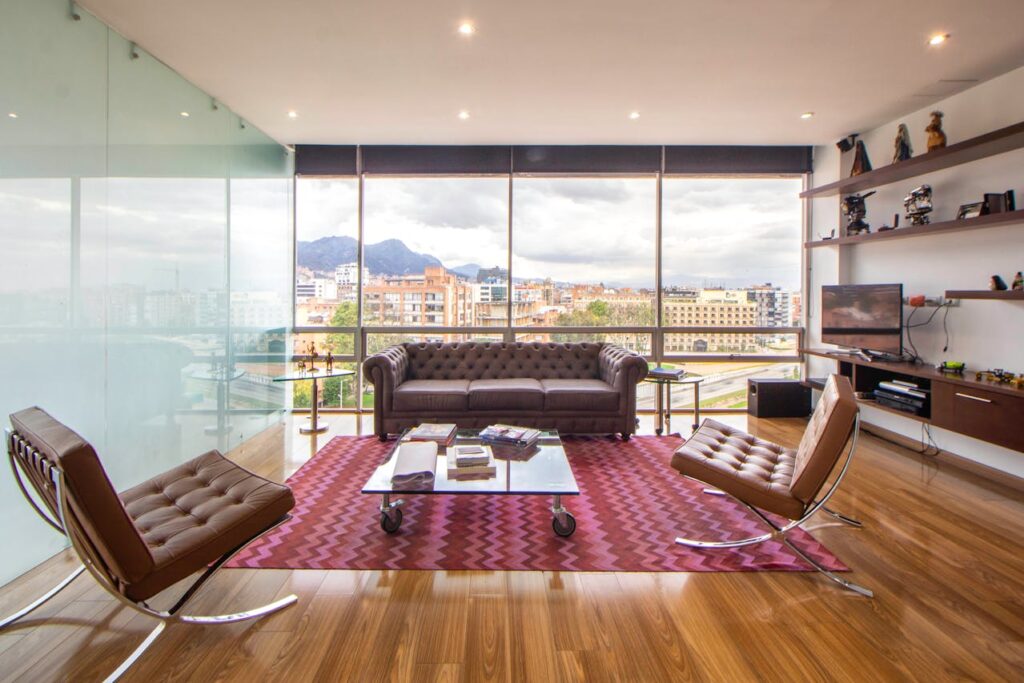
Pushing every sofa and chair against the wall can actually make a room feel boxed in. Designers often recommend floating your seating a few inches, or even a foot, away from the walls to create subtle depth. When you position furniture inward, you form a defined conversation zone that feels intentional rather than cramped.
This arrangement also improves walking paths around the perimeter of the room. Add a slim console or narrow table behind the sofa if you need function without bulk. By letting the walls breathe, you create the illusion of more space and a layout that feels thoughtfully arranged instead of tightly packed.
2. Choose Low Profile Furniture With Exposed Legs
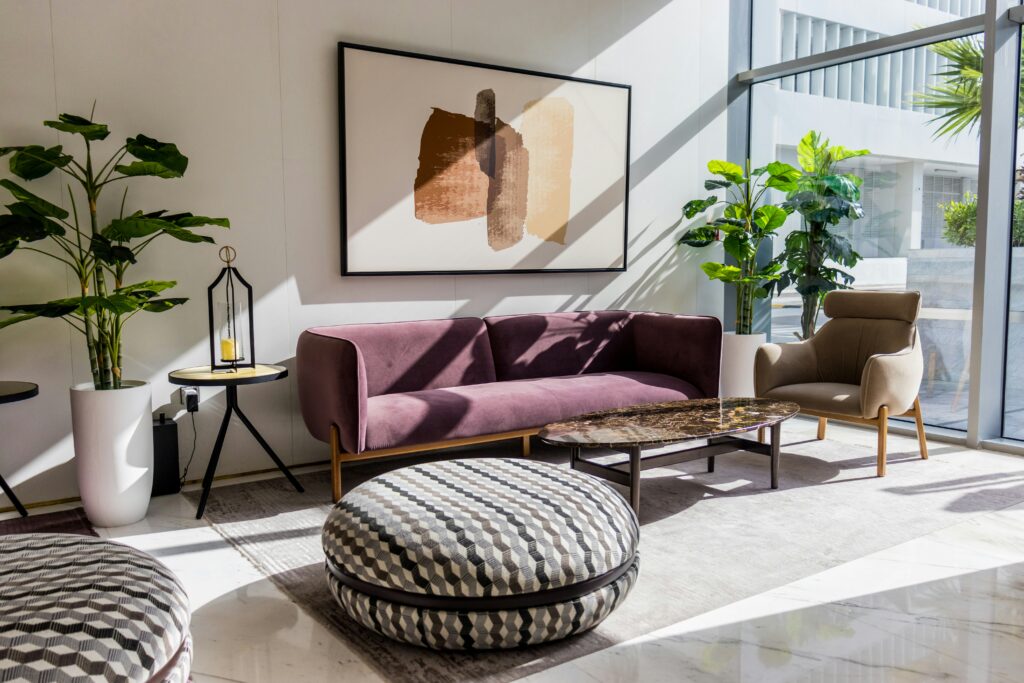
Heavy furniture that sits directly on the floor can visually weigh down a room. To create openness, designers suggest choosing sofas, chairs, and tables with raised legs. When you can see more floor beneath each piece, your eye travels farther, which makes the space feel larger.
Low profile silhouettes also keep sightlines clear, especially in smaller living rooms or apartments. Mid century inspired pieces work particularly well because they combine slim frames with elevated bases. By showing more visible floor area and reducing visual bulk, you give the entire room a lighter, more breathable appearance without removing essential seating or storage.
3. Add A Console Table Behind The Sofa To Define Space
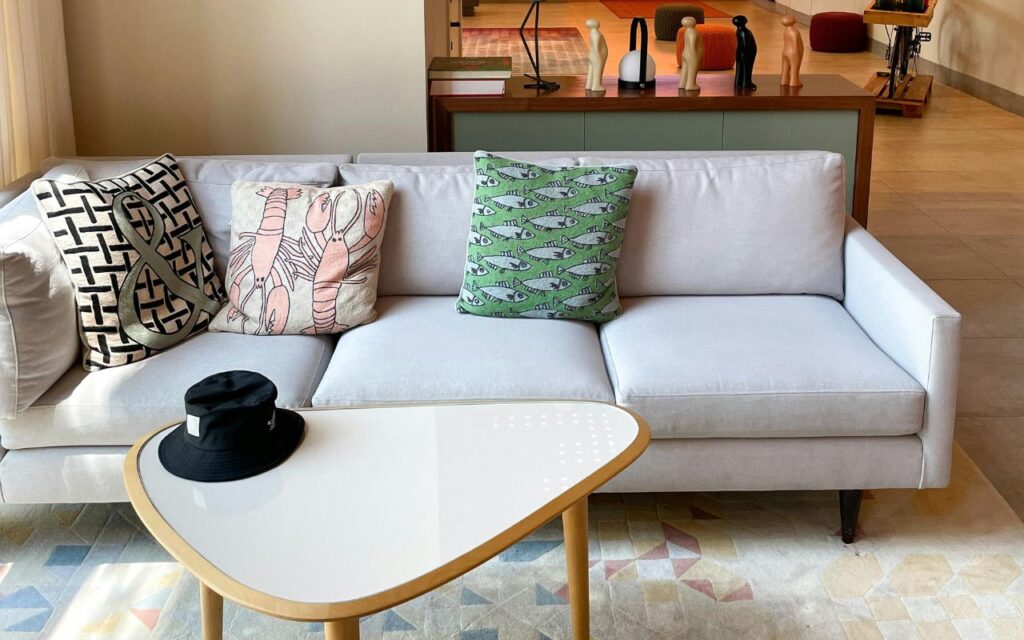
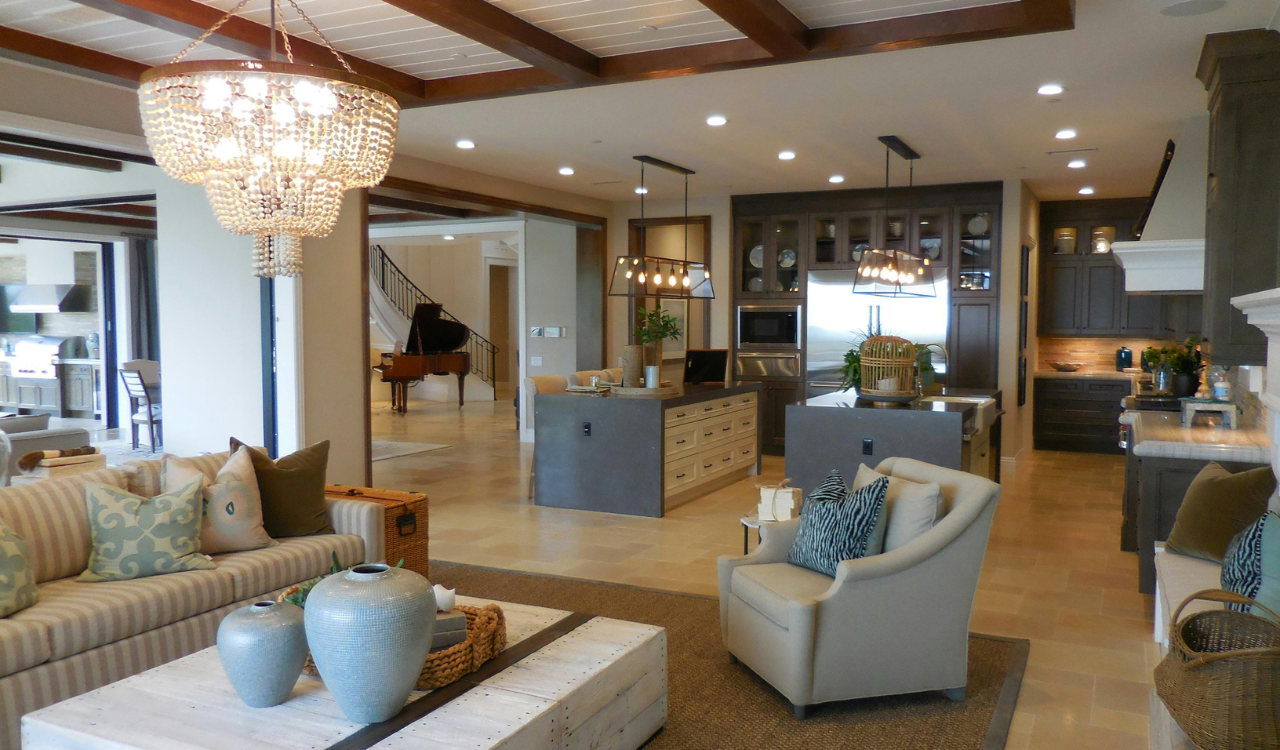
In open concept homes, rooms can blur together in ways that feel undefined. Placing a console table, slim bookshelf, or narrow desk behind your sofa creates structure without building a wall. Designers use this technique to establish a clear boundary between living and dining areas while preserving airflow and light.
The surface also adds function, giving you space for lamps, décor, or storage baskets. Choose a piece that feels proportional rather than oversized. This simple arrangement anchors your seating area, prevents furniture from floating aimlessly, and keeps the room feeling open while still providing a sense of order.
4. Use An L Shaped Sectional To Create Subtle Zones
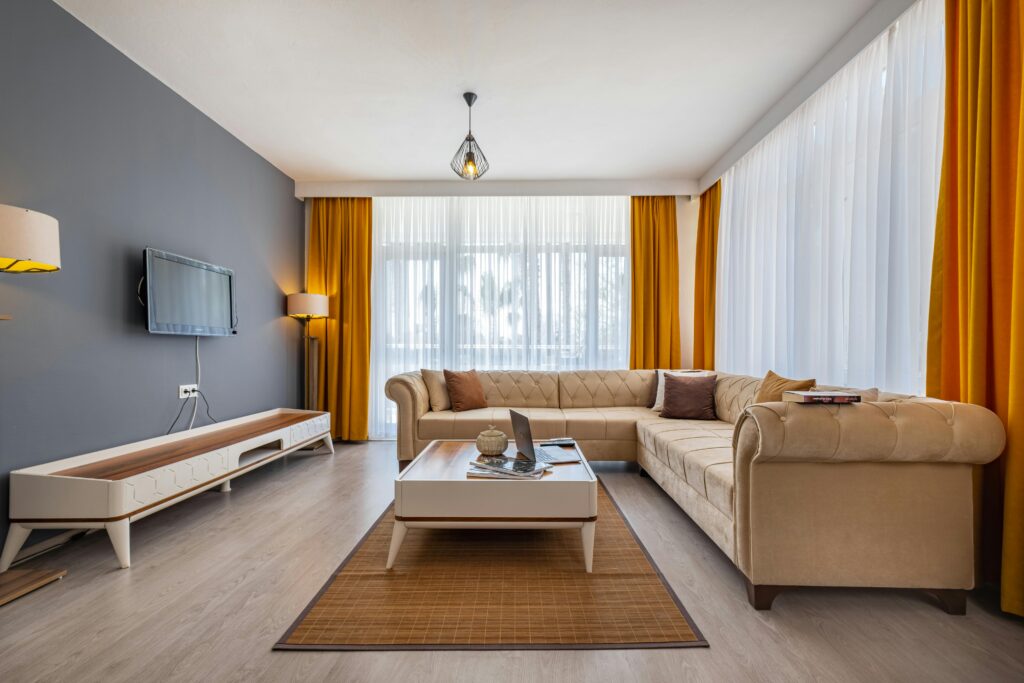
An L shaped sectional can help you organize a larger room without crowding it. Instead of scattering multiple chairs around the perimeter, use one well scaled sectional to define a cozy seating area. Designers often position the longer side to frame the edge of a rug, which visually contains the space while keeping traffic paths clear.
This layout works especially well in open floor plans where you want separation between the living area and kitchen. By using the sectional as a soft divider, you maintain openness while creating a comfortable, clearly defined gathering spot that does not interrupt natural flow.
5. Arrange Back To Back Sofas In Large Rooms
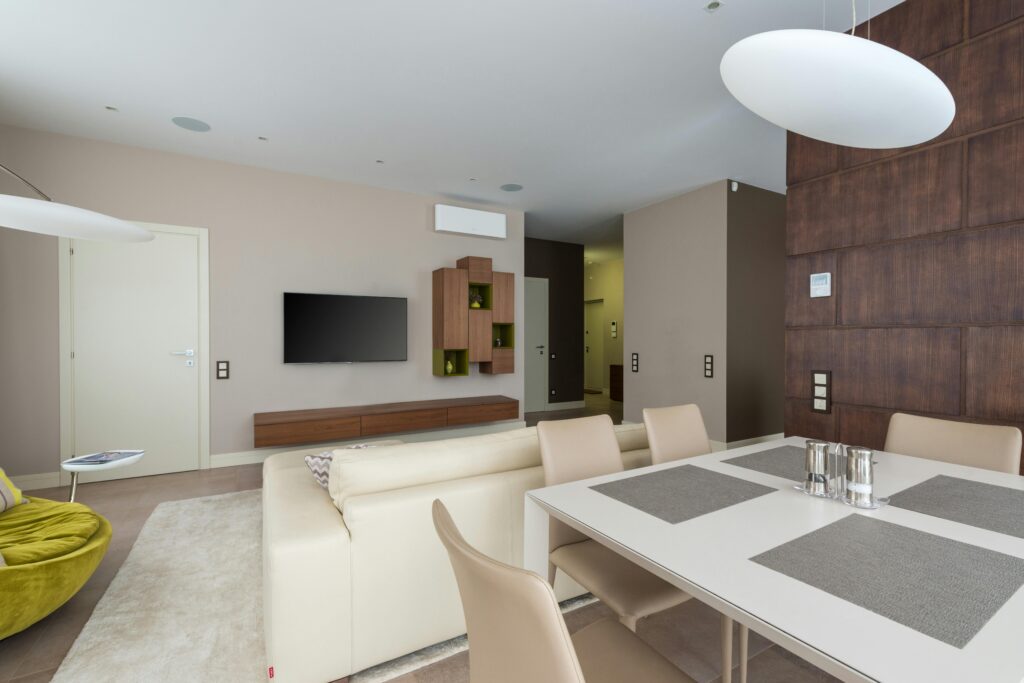
Long or oversized rooms can feel awkward when furniture hugs the walls. Placing two sofas back to back allows you to divide the space into two functional areas without adding bulky partitions. Designers use this approach in large family rooms to create a TV zone on one side and a conversation area on the other.
The shared back keeps the layout cohesive while preserving wide walkways around both zones. Add a console table between the sofas if you need extra storage, lighting, or display space for décor. This arrangement makes expansive rooms feel purposeful, welcoming, and balanced instead of empty or difficult to furnish properly.
6. Opt For Round Tables To Improve Traffic Flow
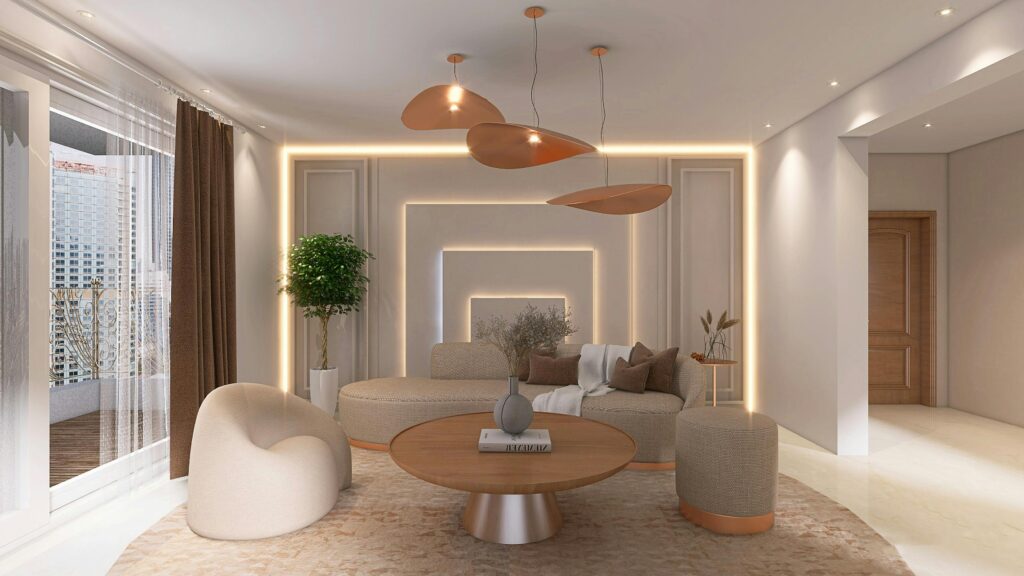
Sharp corners can interrupt movement and make tight rooms feel even narrower. Round coffee tables and dining tables soften the layout and allow people to move more easily around them. Designers favor circular shapes in smaller spaces because they eliminate harsh angles that block pathways.
A round table also encourages more natural conversation since everyone faces inward. In high traffic areas, this shape reduces the risk of bumping into edges. By choosing curved forms over bulky rectangular pieces, you improve circulation and create a smoother visual rhythm that helps the room feel open and welcoming.
7. Draw The Eye Up With Vertical Storage Solutions
When floor space is limited, think vertically. Tall bookcases, floor-to-ceiling shelving, and narrow cabinets pull the eye upward and emphasize ceiling height. Designers recommend keeping these pieces streamlined rather than heavy to avoid overwhelming the wall. By vertically stacking storage, you free up valuable floor space and reduce clutter.
Styling shelves with a mix of books, baskets, and open space prevents them from feeling crowded. This upward emphasis makes even modest rooms feel taller and more expansive. When your eye moves vertically instead of stopping at low furniture, the entire space feels airier and more open.
8. Turn Empty Corners Into Functional Light Zones
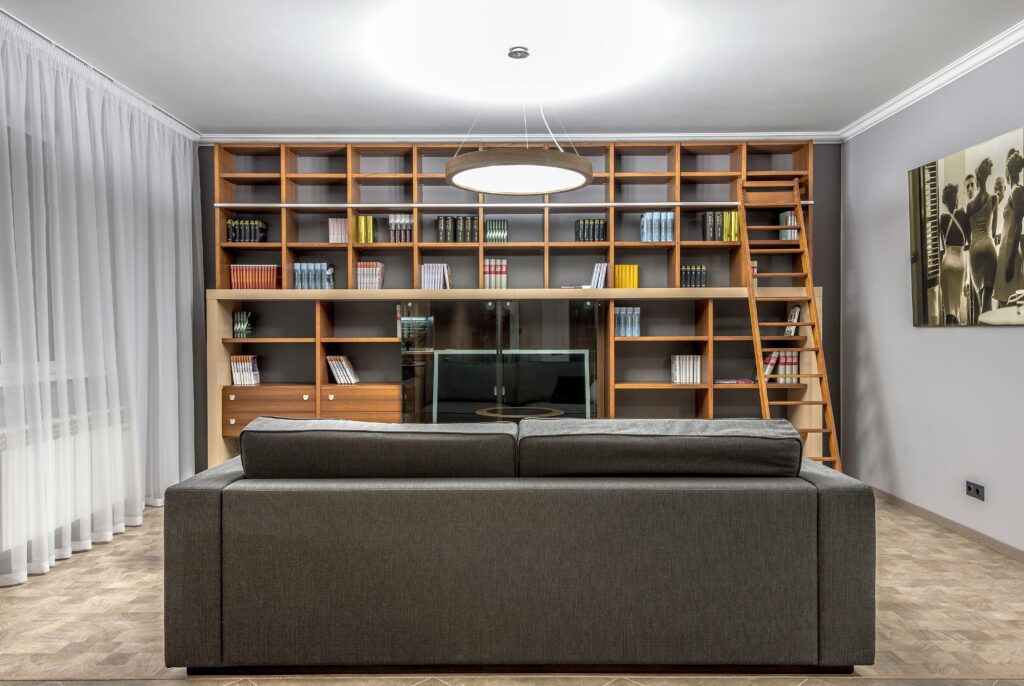
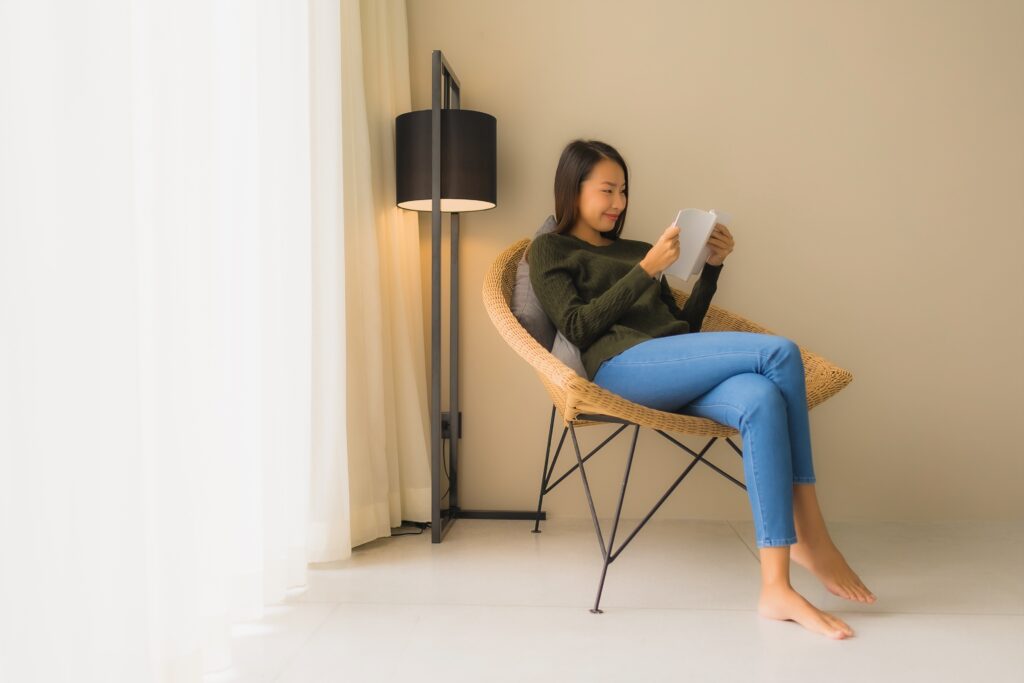
Bare corners can make a room feel unfinished, yet overcrowding them creates visual clutter. Instead, designers suggest adding one intentional piece such as a slim reading chair, a tall plant, or floating corner shelves. This approach activates unused square footage without blocking flow.
A lightweight accent chair with visible legs works especially well because it provides seating without heaviness. Properly styled corners add depth and balance to the layout. By giving each corner a clear purpose, you prevent awkward gaps while maintaining openness, which helps the room feel thoughtfully arranged rather than randomly filled.
9. Place Swivel Chairs For Flexible Conversation Areas
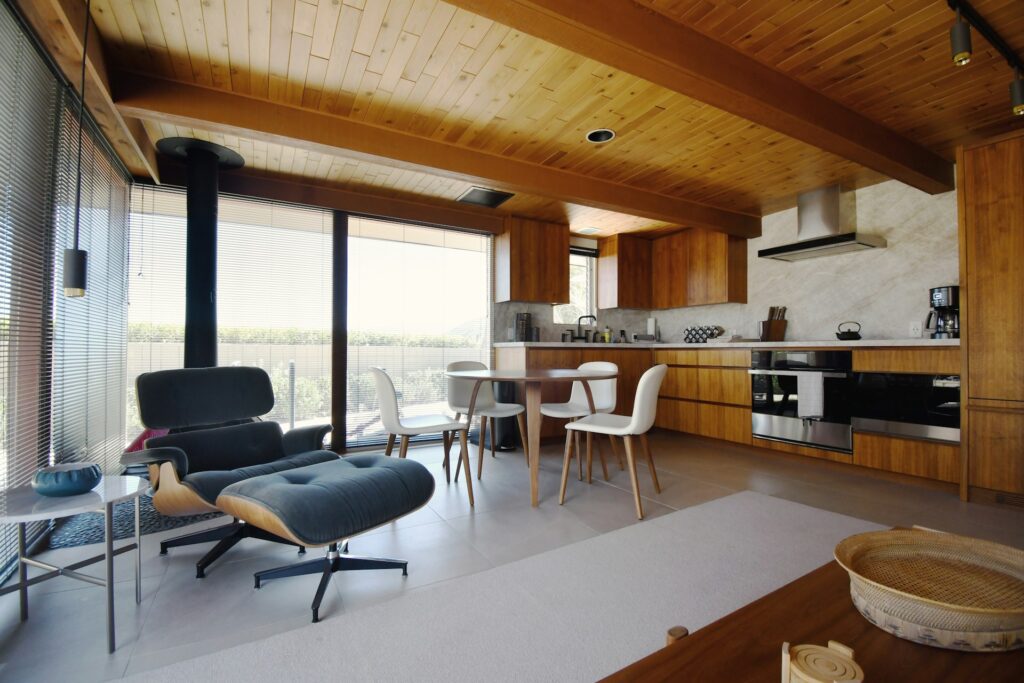
Swivel chairs offer flexibility that traditional seating cannot match. Designers often place them between adjoining spaces, such as a living room and kitchen, so they can pivot toward either area. This keeps conversation fluid without requiring bulky furniture to divide the room.
Because swivel chairs are typically compact, they provide seating without visually blocking sightlines. Choose styles with slim arms and raised legs to maintain an airy look. This arrangement supports multi functional living while preserving openness. Instead of rigid zones, you create adaptable seating that encourages interaction across spaces.
10. Keep Walkways Clear And Sightlines Open
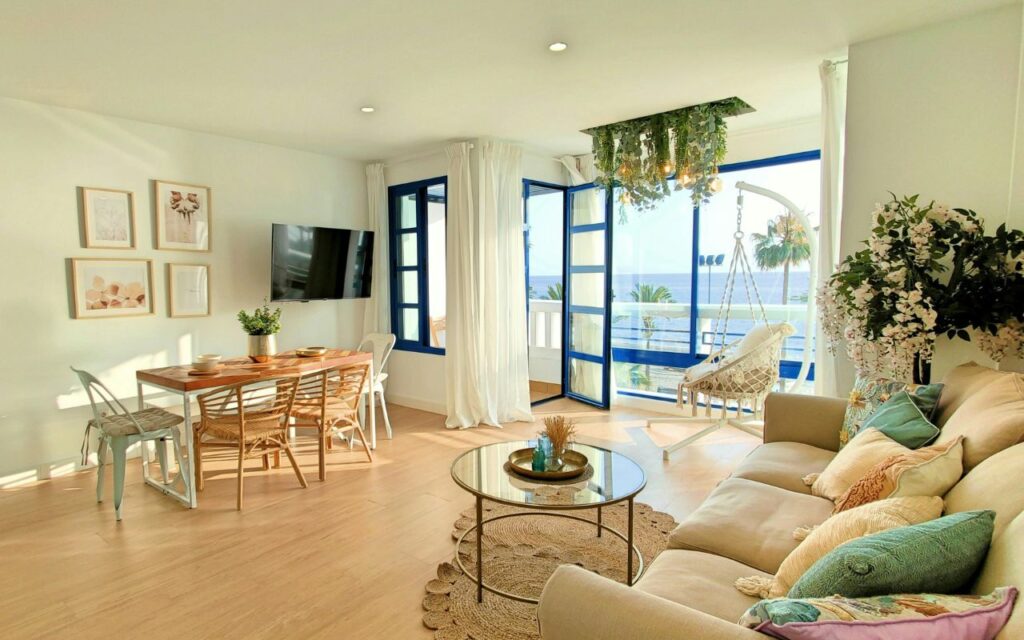
Clear pathways are essential if you want a room to feel spacious. Designers recommend maintaining a direct, unobstructed route through the main traffic areas. Position taller furniture like bookcases against walls and keep lower pieces closer to the center. Avoid placing bulky items where they interrupt the view from one side of the room to the other.
When your eye can travel freely across the space, it automatically feels larger. Thoughtful spacing between furniture pieces also prevents crowding. By prioritizing movement and open sightlines, you create a layout that feels calm, balanced, and easy to navigate.