10 Faux Fireplace Mantels That Look Cheaper Than Real Brick
The fireplace is the heart of the home, giving the area a focal point that ties everything together. Real stonework is pricey, but many homeowners use fake fireplace mantels to attain that comfortable effect on a budget. However, expert interior designers and real estate agents say that picking the wrong fake might backfire and make a stylish living space feel cheap or unfinished. Experts claim that the “uncanny valley” of home décor is especially strong here. This is when a material tries too hard to look like stone or wood but doesn’t have the genuine thing’s depth, texture, and weight.
Instead of just being a shelf for candles, designers say that a mantel should provide architectural appeal. Professional flippers say that a cheap-looking fake mantel is one of the first things potential buyers notice, and it can make the property seem less valuable. As home design moves toward more real and touchable materials, the problems with synthetic, mass-produced surrounds become ever more obvious. Knowing which styles to stay away from will help you avoid the problems that make things look cheap and choose a fireplace solution that has real character and will last for years.
1. High-Gloss Hollow Plastic Surrounds
The high-gloss, hollow plastic mantel is one of the worst things you can buy for fake decor. Professional contractors say that these units are sometimes sold as “easy-install” kits, but they don’t have the structural stability needed to look real. The high-shine surface makes every seam and molding fault stand out, making the material look precisely like what it is: molded plastic.
Experts claim that these mantels typically feel weak when you touch them and can even bend if they are too close to a heat source, which is dangerous. If you want to copy old materials, designers say you should stay away from anything that seems “wet” or too shiny. Realtors say that these units sound hollow when tapped since they are so light.
This quickly disrupts the idea of a strong architectural feature. Instead of plastic, experts say to seek for cast stone or solid wood solutions that have the same density and matte appearance as real brick. A fireplace shouldn’t feel like a transient plastic piece of furniture that was fastened to the wall with glue. It should seem like a permanent part of the house.
2. Flat-Print “Stick-On” Brick Patterns
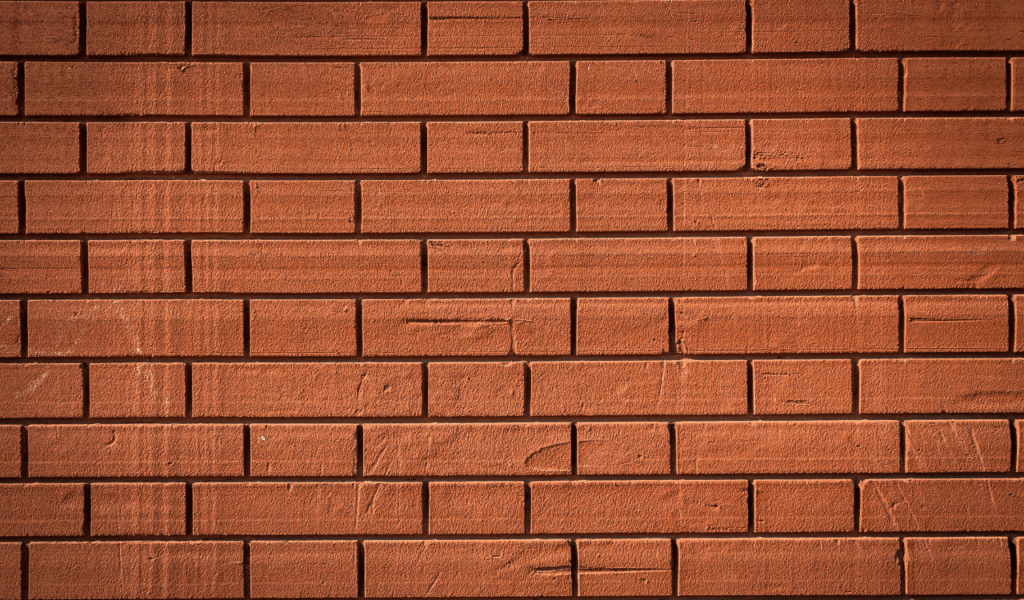
Some homeowners choose flat-print sticky wallpapers or thin “stick-on” panels that look like brick to save room and money. Designers think this is a big mistake because it doesn’t have the depth and shadow lines of actual masonry. Professional flippers say that these flat designs look “cheap” because they don’t work with the room’s lighting.
When you look at it from the side, the illusion goes away completely, leaving you with a flat, pixelated picture of a fireplace instead of a textured focal point that gives warmth.
Experts say that if you want the look of brick, you should use true clay thin-brick veneers. These give the eye what it expects to see in terms of texture and grout lines.
Contractors say that stick-on patterns often peel at the edges over time, especially when they are near a ventless heater or electric insert that gets hotter. Designers like materials that have tangible depth because the way light and shadow play off of each other makes real brick look so warm and inviting in a traditional home.
3. Lightweight Polystyrene “Stone” Blocks
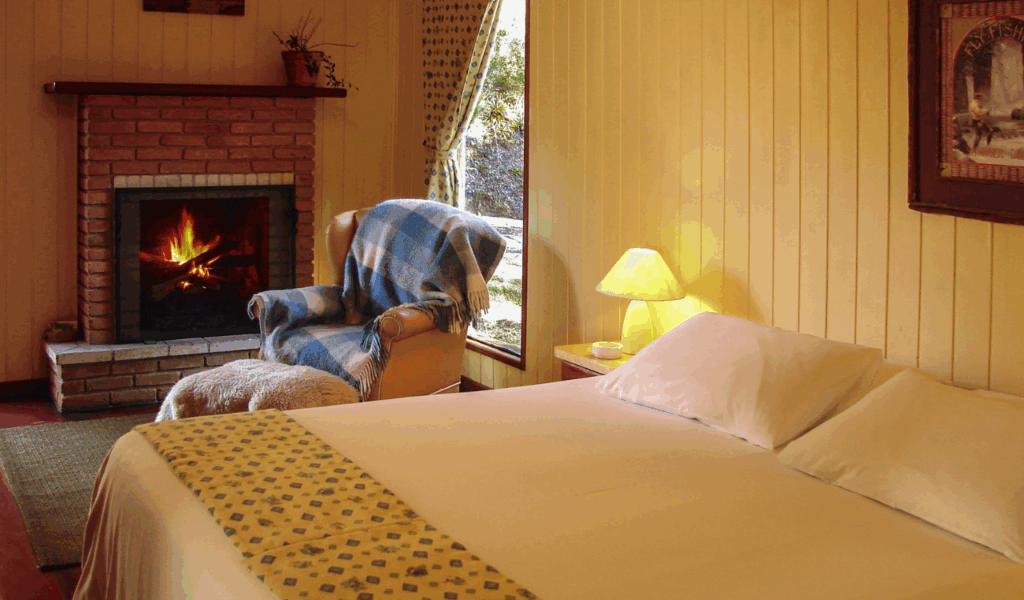
Polystyrene, often known as high-density foam, is often used to make “stone” mantels that are light enough to fit in a conventional box. Designers say that even though they are easy to lift, they are almost tough to make look real. Professional woodworkers say that foam’s texture is too smooth and doesn’t have the natural pits, fossils, and color changes that real limestone or travertine has. Experts believe that even if the paint job is good, the “clink” of a ring or key on the surface shows right away that the foam is fake.
Organizers and designers say not to use these because they can easily get scratched and dented. A fireplace mantel is a busy spot for decorations, and foam can’t hold up large mirrors or brass clocks without breaking. Realtors say that these mantels often look more like “theatrical props” than parts of a house. If you don’t have a lot of money, experts say you should look for old wooden mantels that can be refurbished. These have true weight and a history that a foam block can’t match, no matter how beautifully the factory sprays on the “stone” finish.
4. Oversized Ornate Polyurethane Castings
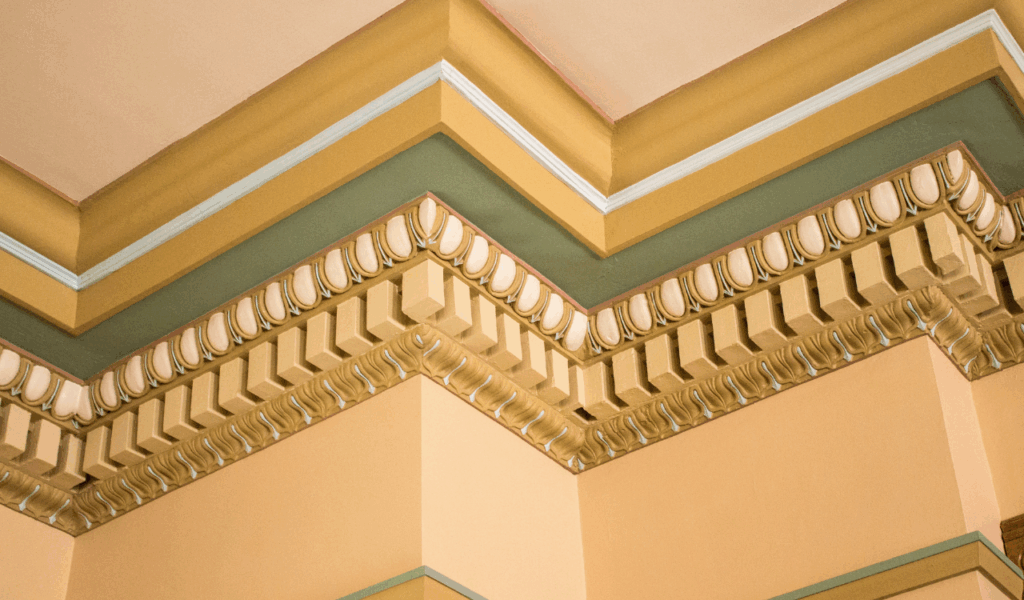
Polyurethane makes it possible for producers to make very detailed, Victorian-style mantels with complicated scrolls and floral patterns for a reasonable price. But designers say that these typically look “tacky” because the details are too flawless and the same. Professional contractors say that authentic hand-carved stone or wood always contains small flaws that make it unique.
Experts believe that the sharp, machine-molded edges of polyurethane castings look cheap and clinical next to the softened, organic lines of a real antique or a high-quality cast-stone imitation. When working with fake materials, designers say that “less is more” is the way to go. Realtors say that a plain, clean-lined mantel looks more expensive than one with phony, plastic-looking filigree on it.
If the mantel seems like it belongs in a dollhouse or a themed hotel, it generally isn’t the best choice for a classy home. Experts say that the goal should be to enhance the room’s architecture, not to overwhelm it with a mass-produced replica of historical grandeur that doesn’t fit in with the current context.
5. Particleboard Mantels with Wood-Grain Stickers
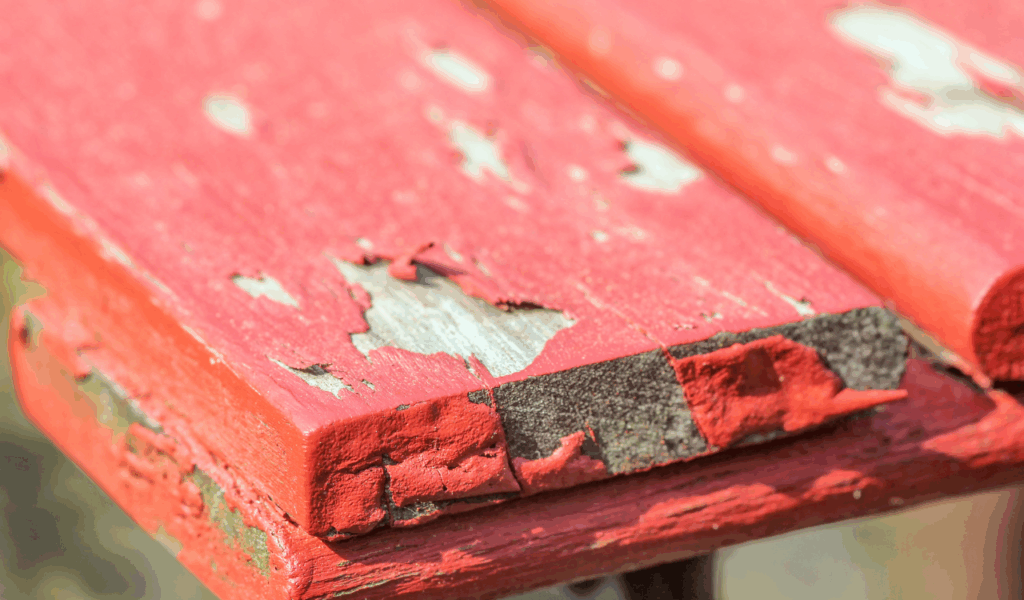
Big-box stores always have the cheap particleboard mantel, but it often shows its age first. Professional woodworkers say that the “wood” effect can be accomplished with a thin paper or vinyl cover that has a printed grain. Experts note that plastic wrap typically bubbles or peels at the edges, especially when it’s hot and dry near a fireplace. The core is made of compressed sawdust, so it can’t be polished or stained. This means that when the “sticker” gets destroyed, the whole mantel looks like trash.
Designers say that a plain pine board is superior than a unit made of vinyl-wrapped particleboard. You can touch up real wood as it becomes old, and it looks good. According to skilled flippers, the way the printed wood grain repeats is a “dead giveaway” that the piece is not very good. Experts say that to make a unique mantel that really gives off warmth, you should seek for pieces of solid wood or butcher block. A fireplace is an investment in the mood of your home, and using a sticker to imitate a natural element almost never looks well.
6. Shiny Faux-Marble Contact Paper Wraps
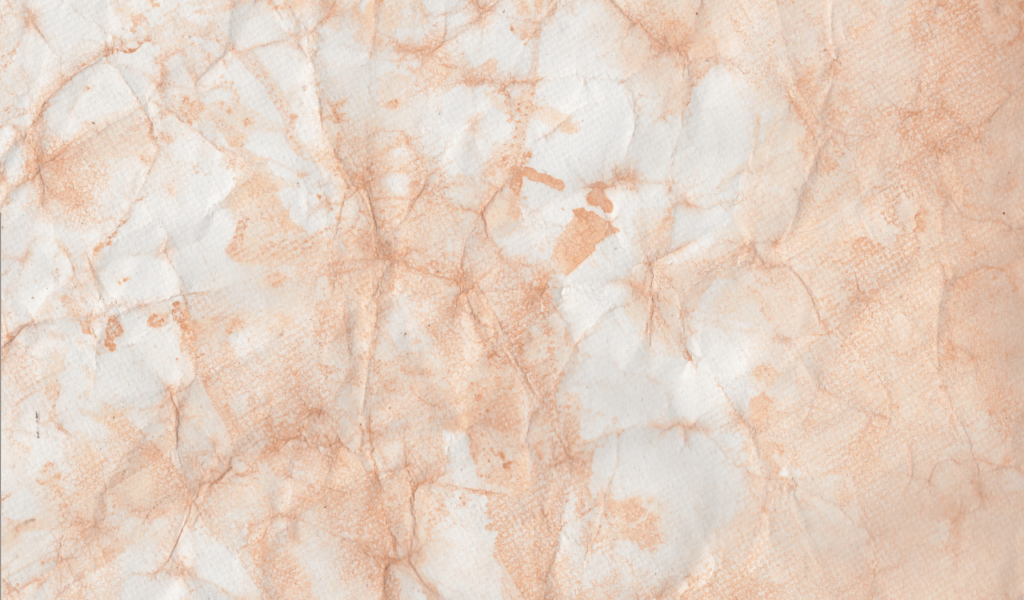
Marble is the most luxurious stone, yet the craze of “faux-marble” contact paper has made it look quite cheap. Designers claim that putting marble-print vinyl over an existing mantel or a plywood box makes it look excessively polished and not see-through like real stone. Professional contractors say that true marble has a depth that lets light through the surface, while vinyl reflects light off the top.
Experts believe this makes it look like a “plastic wrap” effect, which is more like a failed DIY effort than a high-end architectural feature. Realtors say that fake marble might make a home less appealing since it looks like an attempt to hide a lower-quality material.
Designers say that if you can’t afford actual marble, a solid matte color like black or charcoal is a preferable choice for a modern style. This seems more real and planned than a pixelated picture of Carrara stone. Professional organizers say that your home should represent quality over imitation. A well-painted oak mantel will always look better than a plywood box with a dazzling marble-patterned sticker on it.
7. Fiberboard Mantels with Visible Seams

Because it is sturdy and takes paint well, medium-density fiberboard (MDF) is a common material for mantels. Cheap MDF kits, on the other hand, often have seams that are easy to see where the pieces are bolted together. Professional builders say that these seams are impossible to cover fully and scream “furniture that needs to be put together.” Experts argue that a real mantel looks like one solid piece or has joints that are strong enough to hold up. When there is a clear horizontal line in the middle of a mantel, it seems more like a bookcase than a fireplace.
If you use MDF, designers say you should employ someone to fill, sand, and paint the seams so they go away. Realtors say that the “flat-pack” design is a big turn-off for consumers who want a home that seems like it was made just for them. Experts say that a well-done mantel should look like it was made by a carpenter, not like it came in a flat box with an Allen wrench. If you take the time to caulk and sand the joints, an inexpensive fiberboard unit can look much more expensive and durable.
8. Faux Driftwood Made of Painted Resin

People prefer the “driftwood” look on the beach, but resin copies of these big beams sometimes look like orange-tinted plastic. Real driftwood has a bleached, silver color and a very particular fragile texture, according to skilled designers. Experts claim that resin castings frequently have a “rubbery” aspect to the grain and utilize a single-tone paint that doesn’t contain the gray and tan colors that are found in nature.
Woodworkers say that the weight of these resin beams is also a concern because they often sag in the middle if they aren’t properly strengthened. If you want a rustic beam, contractors say you should get a reclaimed piece of wood from a nearby lumber yard. Resin can’t match the smell and feel of real old wood.
Professional flippers say that the “fake wood” effect is especially shocking when it’s in a room with real wood floors or furnishings. Experts say that your mantel should be the most important part of the room. Using a molded plastic beam as a focal point might make a room feel more like a movie set than a cozy, real home.
9. Small “Floating” Shelves Used as Mantels
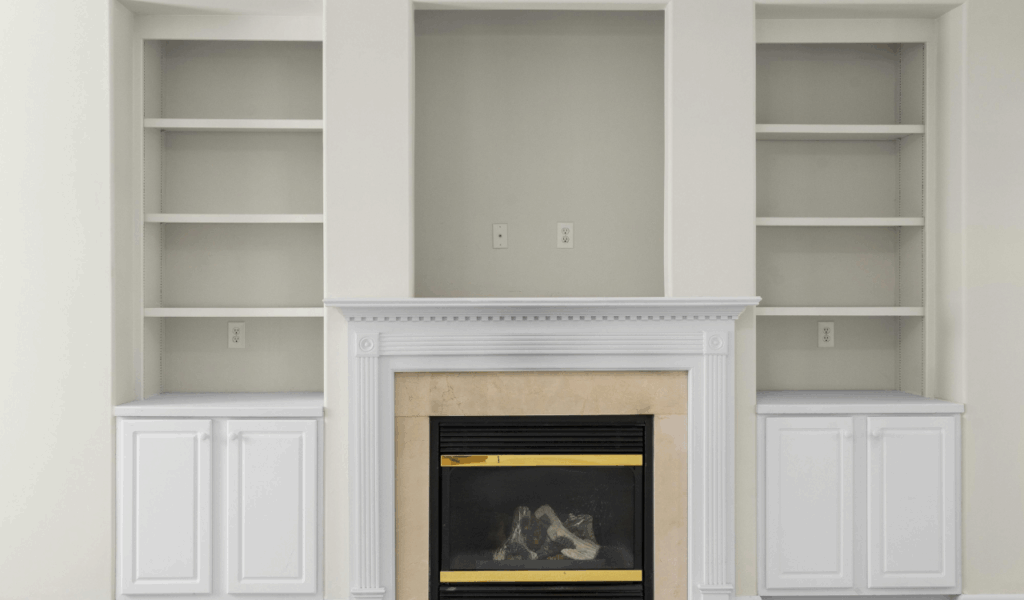
A lot of people who own homes try to save money by employing a six-inch deep “floating” shelf as a mantel. Designers say that this often seems “underscaled” and inexpensive next to a big chimney breast. Professional contractors say that a real mantel needs a particular amount of “heft” or thickness to look right with the fireplace opening below. Experts believe that a narrow shelf appears like it could fall off the wall and doesn’t have the architectural presence needed to hold a room together. This is a typical mistake in modern minimalist designs that makes the design look incomplete.
Realtors say that a mantel should be at least eight to ten inches deep so that you may style it properly with vases or art. Designers say that if the shelf is too thin, it looks like an afterthought instead of a planned design choice. If you can’t afford a full mantel, professional flippers suggest making a “box” around a thin shelf to make it look heavier. A fireplace is a big deal, and it needs a mantel that is the same size as the fireplace. If not, the whole wall feels off balance and the decor looks like it’s floating around.
11. Multi-Piece Kits with “Plastic” Grout Lines

Some fake stone kits come with panels that fit together and already have “grout” lines in them. Because the grout is the same color and material as the stone, expert contractors say they are some of the hardest to make look true. Experts explain that in genuine masonry, the grout is a different color and texture that separates the stones.
When the “grout” is essentially a smooth plastic valley between two bumps, the whole wall seems like one piece of molded plastic. This is a sign of cheap basement repairs. If you utilize a panel system, designers say you should pick one that lets you put real mortar in the gaps. Real estate agents say that the “seamless” look of plastic grout is a big sign that a repair was done cheaply.
Experts say that the intricacies are what make something genuine, and the transition between stones is where the eye looks for reality. If you want the look of stone, it’s best to use a small area of real stone veneer than a big wall of plastic panels that don’t have the same texture and depth as real stone.