15 Mudroom Must-Haves for Rainy Coasts
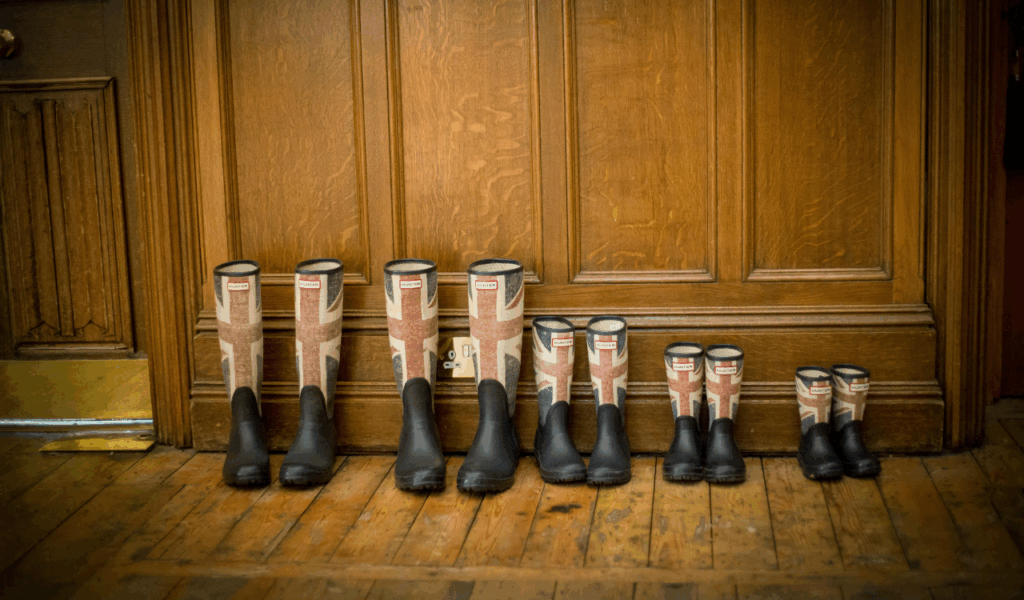
Living on a rainy coast gives you beautiful vistas, but it also means that your home is always wet and muddy, which can make it dirty. A well-planned mudroom is an important airlock that keeps the weather from getting into your living spaces. Designers say that in coastal areas, a mudroom is not just a nice thing to have; it’s also necessary to preserve your floors and furniture. It works as a separate area where you can deal with dripping outerwear and wet boots without causing stress in the house.
Realtors say that a well-functioning mudroom is one of the most important things that coastal homebuyers look for since it shows that the house was created for its environment. Experts suggest that the trick is to have surfaces that last and ventilation that is smart. This will keep the damp, musty smell that is common in coastal areas from happening.
Professional contractors stress the importance of choosing moisture-resistant materials from the floor to the ceiling to make sure the building lasts. By adding these fifteen must-haves, you can turn a plain doorway into a powerful organization that can handle even the worst weather and make you feel at home.
1. Non-Slip Porcelain Tile Flooring
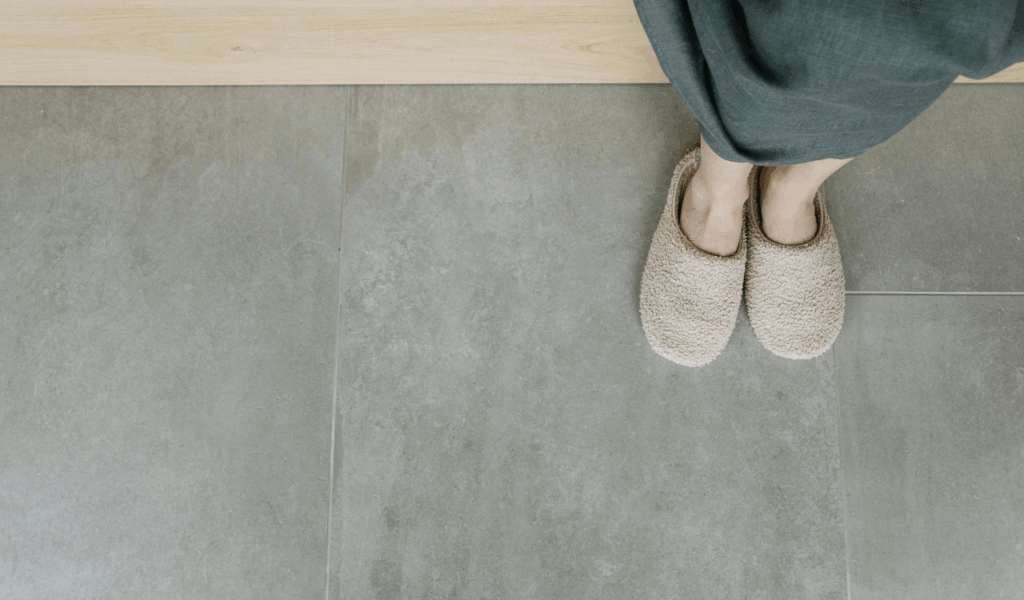
Contractors say that the most important choice for coastal mudrooms is the flooring. Experts claim that porcelain tile that doesn’t skid is the best choice because it is almost completely waterproof and very easy to clean. Natural stone can be porous and get stained by muck, while porcelain has a thick surface that can handle intense scrubbing and continual wetness. Designers say that picking a tile with a textured finish will give wet feet and paws more grip, which will save them from slipping on rainy afternoons.
Professional flippers say that dark or mixed designs are excellent for masking the inevitable tracking of dirt and sand. Interior designers say that large-format tiles with few grout lines are easier to clean since they don’t have as many locations for moisture to build up. Putting a waterproof membrane under the tile is a safety precaution that keeps moisture from getting into the subfloor. This foundation keeps your mudroom structurally sound and looking good, even though it is on the seaside where it is humid and rains and muck every day.
2. Integrated Boot Warming Station
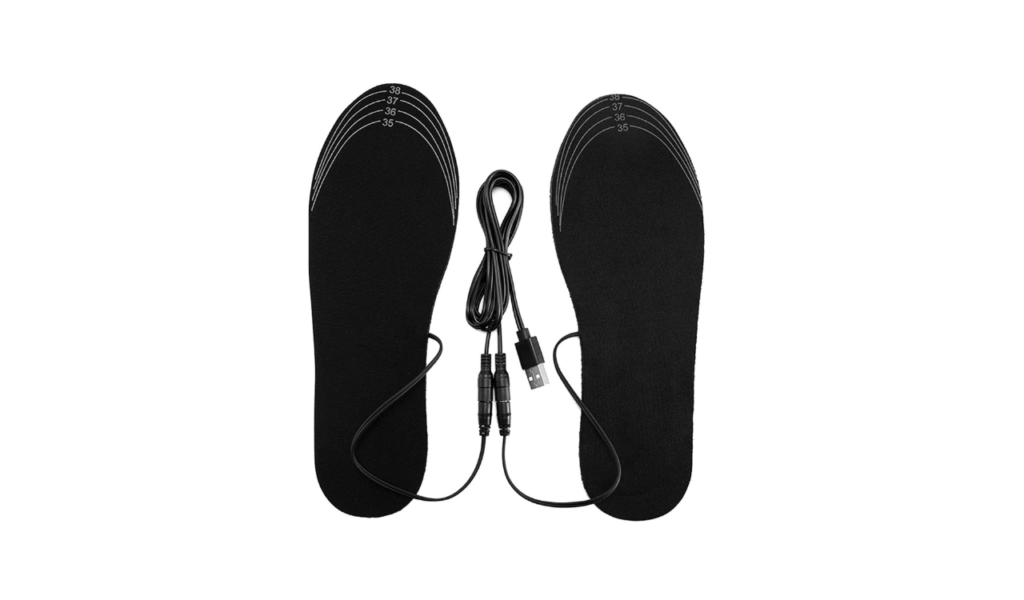
If you live in a place where winters are chilly and wet, an integrated boot warmer is a game-changer. Designers suggest putting in a separate storage unit with heated tubes that gently move warm air through wet shoes. Experts advise that drying your boots quickly is important for more than simply comfort. It also stops mold and bacteria from growing in wet leather and fabric. This important function makes sure that your gear is always ready for the following trip, even if the storm from yesterday is still making you feel cold.
Professional organizers say that a boot warmer should be easy to reach by being placed near the floor. Contractors say that these units use less energy and may be put on timers to only run when needed. This keeps boots from piling up in the hallway as they dry. Interior designers say that a built-in model appears far more professional than a portable unit and adds a touch of high-end luxury to the utilitarian space. It is a useful investment that really makes a home that is constructed for life on the seaside.
3. Floor-to-Ceiling Waterproof Cubbies

Standard wooden lockers don’t work well in places with a lot of moisture, therefore designers suggest utilizing waterproof materials like marine-grade plywood or special laminates. Floor-to-ceiling cubbies make the most of vertical storage by giving each family member their own space. Organizers say that the best way to stop the gear from piling up in a messy fashion is to give each participant their own “zone.” These cubbies should be deep enough to contain big rain jackets and bags without their spilling out into the room’s walking route.
Experts believe that keeping the bottom of the cubbies open to the floor makes it easier to clean and lets air flow better. Adding a small vent or slats to the back of the cabinets will help keep moisture from being trapped, according to professional flippers. Interior designers say that putting light colors inside the cubbies will make it simpler to find dark rain gear. This way of organizing the mudroom keeps it neat and makes sure that everyone can locate their hats and umbrellas, even on a hectic school day when everyone is rushing around in the morning.
4. Heavy-Duty Brass Wall Hooks
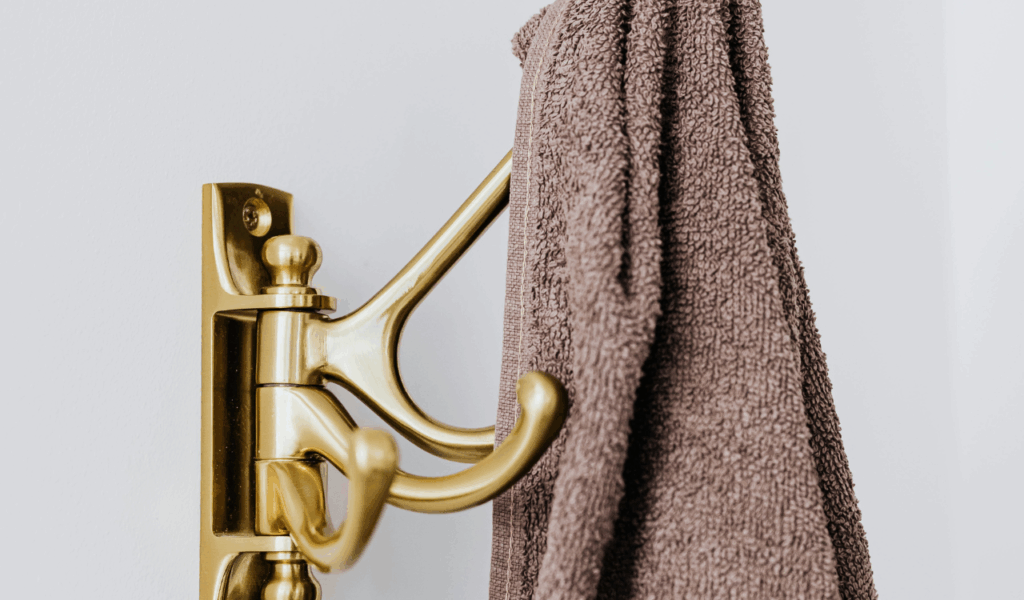
When clothes are very damp, they need a lot of room to breathe. Instead of regular coat hangers, designers say to use heavy-duty brass or stainless steel wall hooks. Experts say that brass is inherently antibacterial and very resistant to the salt air corrosion that happens a lot in coastal places. These hooks let air flow freely around the fabric, which speeds up the drying process by a lot. By putting them at different heights, you can make sure that even long raincoats may hang freely without contacting the floor or other wet things.
The people in charge say that each family member should have at least two hooks so that they can hang up both their main coat and things like bags or umbrellas. Contractors say that putting these hooks into a sturdy wood base board is a safety essential because a trench coat full of water might weigh a lot. If you want to go with a coastal look, professional designers say to choose a vintage or nautical style. This simple hardware upgrade makes it easy to handle wet layers and gives your mudroom walls a touch of timeless, worn elegance.
5. Recessed Drip Trays for Umbrellas
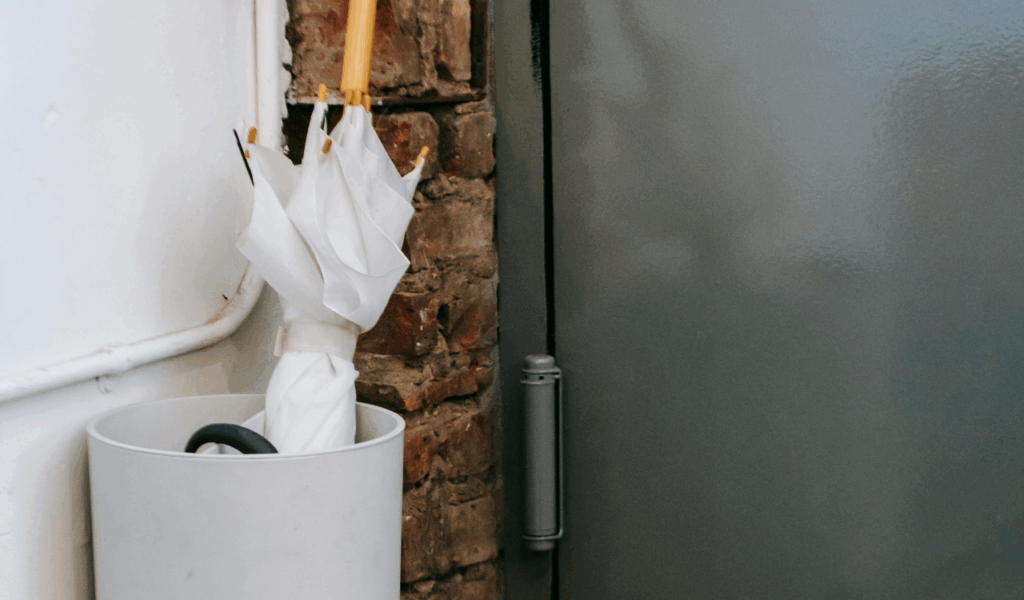
A classic is an umbrella stand, but a recessed drip tray is a must-have in today’s world. Designers say that you should make a small, tiled alcove in the floor or the base of a cabinet just for wet umbrellas. This restricts the water from leaking into a single waterproof region instead of letting it puddle on the main floor. Contractors say that these trays can be made with a small slope toward a floor drain for the easiest way to keep them clean. This stops the risk of slipping that happens as water moves across the room.
Experts suggest that utilizing a stainless steel or rubber tray that can be taken out makes it easier to empty and clear up any sand or trash that has built up. Interior designers say that this small touch demonstrates a lot of particular craftsmanship that real estate agents love to show off. You can avoid water damage to your paint or trim by giving umbrellas a defined place to go instead than leaning against walls. It is a sensible design choice that solves a specific problem on the coast while keeping the mudroom floor dry with a clean, integrated look.
6. Durable Bench with Storage Underneath
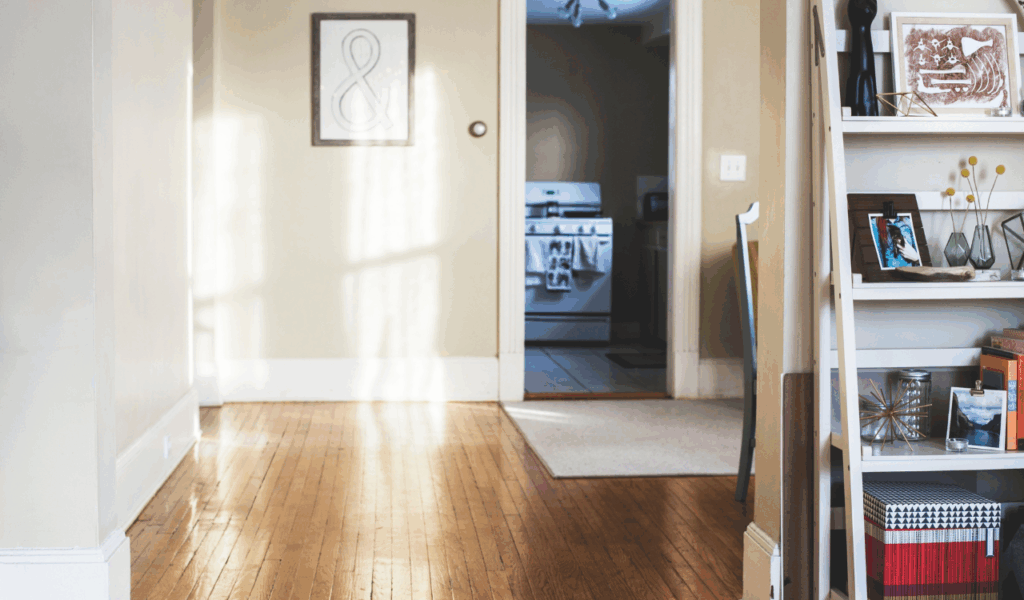
A mudroom needs a strong bench so that people may sit down as they struggle to get their rain boots on. Designers say that a seat should be built of strong wood that won’t rot, like teak or white oak. Interior designers say that the space under the bench is a great place to store more things. Experts believe that open-slat shelf behind the seat lets even more air flow through the shoes. This keeps smells from getting stuck and keeps the shoes organized and out of the way of people walking in and out of the mudroom.
Professional organizers say that a bench with a hinged cover can also be a good place to store things you don’t use very often, such beach towels or emergency supplies. Contractors do say, though, that open storage is always better for airflow when the bench is used for wet things. Realtors say that a built-in bench makes a mudroom feel like a real room instead of just a passageway. You make the most of the space by integrating a seat with storage. This makes it easy and pleasant to put on or take off coastal gear.
7. High-Capacity Dehumidifier System
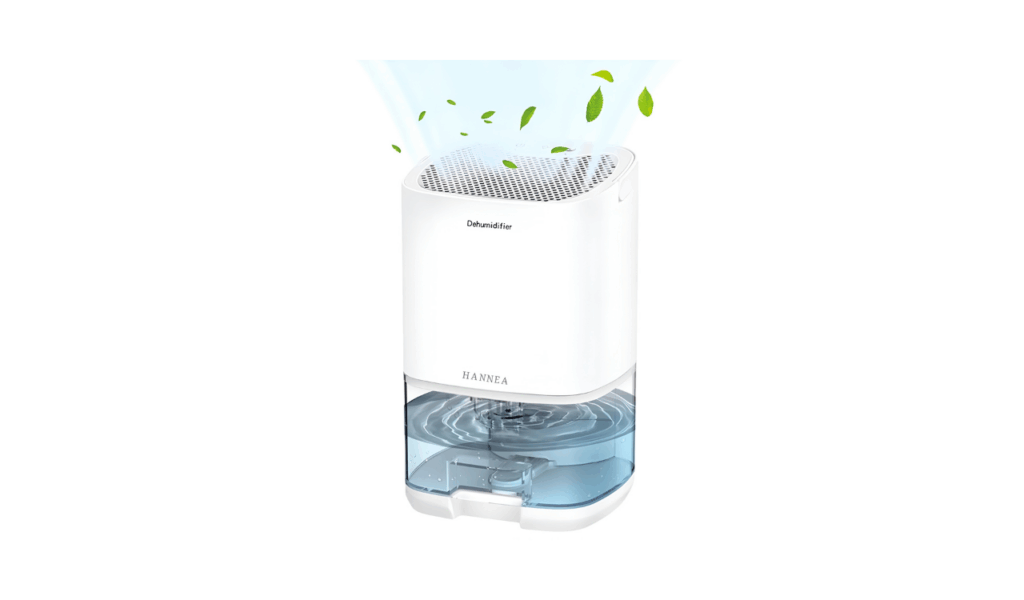
In a coastal area with a lot of rain, the air in a mudroom can soon become full with water. To keep the humidity at a healthy level, designers suggest putting in a separate, high-capacity dehumidifier. Experts say that the only way to make sure that wet clothes and gear really dry out between usage is to keep the air dry. This stops mildew from growing on clothes and keeps the house from rotting. Professional contractors love built-in units that drain straight into the plumbing.
Interior designers say that a dehumidifier can also get rid of the “wet dog” or damp wool scent that can be a problem in coastal entryways. To make sure the air quality in the property is good, professional flippers often incorporate these systems in high-end restorations. Realtors say that a house that feels cool and dry even when it rains has a far higher perceived worth. This addition, which you can’t see, is a workhorse that keeps your cabinets and clothes safe while also making the mudroom a nicer location to enter your home.
8. Oversized Utility Sink for Pre-Washing
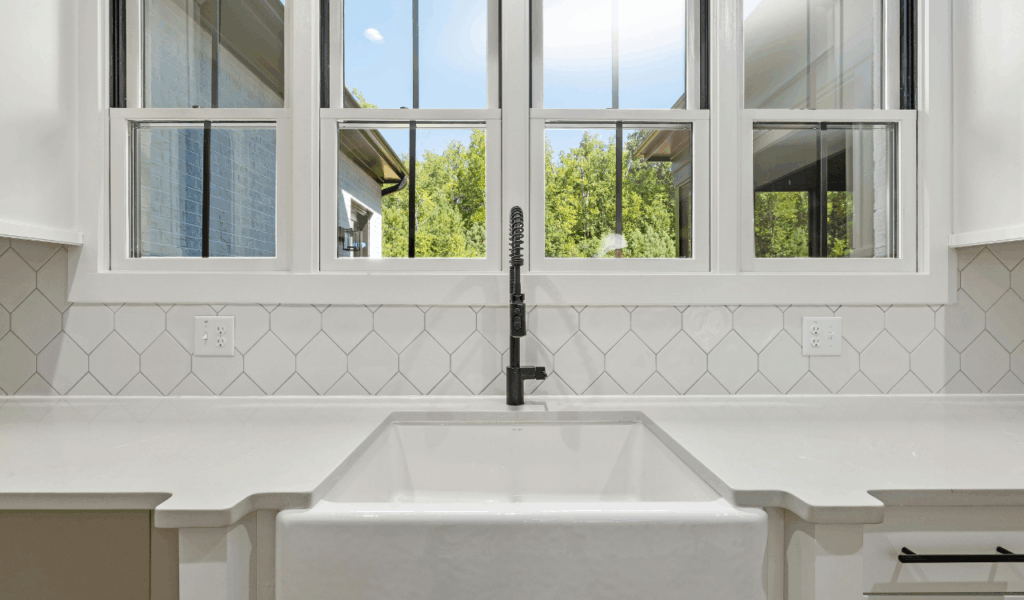
Mud should stop at a deep utility sink in the mudroom before it gets to the laundry room. Designers say that a big farmhouse-style sink made of fireclay or stainless steel that lasts a long time is a good choice. Experts say that this is the best place to wash off muddy boots, sandy paws, or dirty rain gear before it gets wet. To make it easier to clean big things, professional contractors say to put in a high-arc faucet with a strong pull-down sprayer. This keeps the biggest messes in the mudroom, which is far away from where you spend most of your time.
For quick cleanups, organizers say to maintain a cache of old towels and scrub brushes in a cabinet under the sink. Interior designers say that a nice sink can also be a second spot to arrange flowers or rinse off fish from the area. Realtors say that a mudroom sink is a really useful addition that busy families can’t live without. By capturing the dirt at the door, you keep your washing machine from getting too much grit and your kitchen and bathroom sinks free for their intended uses, which keeps the whole house cleaner.
9. Woven Resin Baskets for Accessories

Designers say that high-quality woven resin baskets are better than natural wicker since they can decay or grow mold in moist coastal air. These baskets seem just as snug and natural as ones made of natural fibers, but they are entirely waterproof and can be washed. The people in charge say that these are great for keeping things like gloves, hats, and scarves. Experts believe that the basket’s weaving lets air flow through it, which keeps accessories from getting wet and smelling musty when they are stored on shelves.
Interior designers say that you can sort things by family member or season by utilizing baskets of varying sizes. Professional flippers typically use them to style open shelving so that it seems neat and curated. Contractors say that resin baskets are almost impossible to break and won’t harm your cabinets as other metal ones might.
This easy-to-use storage solution is a light and long-lasting way to keep track of the small things that tend to make a mess. Choosing materials that don’t hold moisture will keep your organizing system working and looking good for years, no matter how humid it gets.
10. Wall-Mounted Magnetic Tool Strip
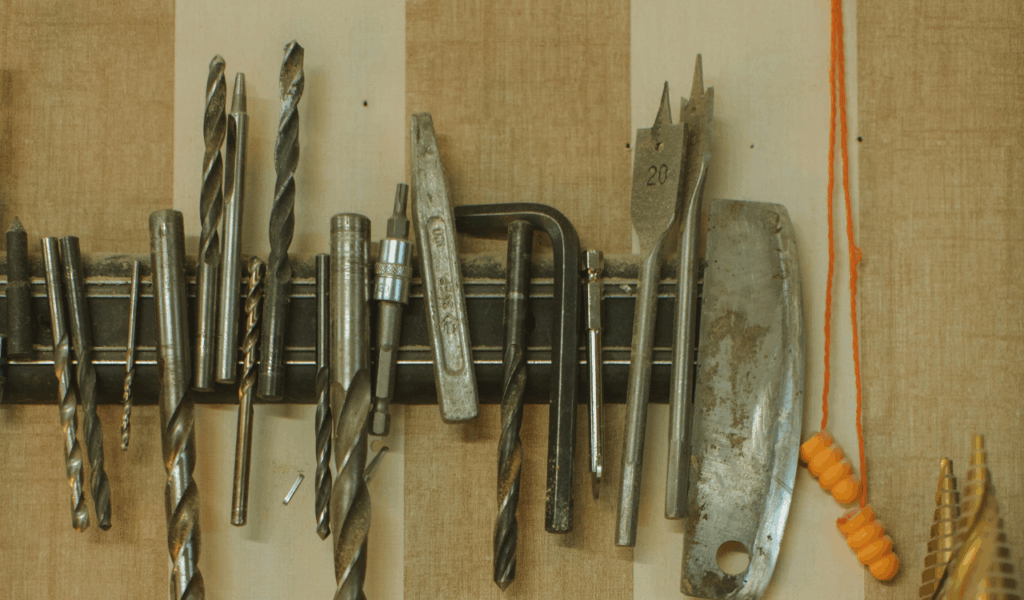
A mudroom is a great place to undertake short home maintenance or gardening duties, especially on a rainy coast. Designers say that a wall-mounted magnetic strip is a good way to store metal equipment like torches, gardening trowels, and even keys. Experts say that technique puts your most important things in sight and easy to get to without taking up valuable room in drawers or on shelves. Professional organizers say that vertical storage is the key to a modest but useful mudroom because it keeps the surfaces clear for use.
Interior designers say that the magnetic strip should be as close as possible to the utility sink or workbench area for the most convenience. Contractors believe that these strips are straightforward to put up and can bear a lot of weight as long as they are properly fastened.
Experts warn that being able to get a flashlight during a power outage on the coast is very important for safety. Using the walls to store tools makes your seaside home work like a workshop, which fits with its tough, hardworking style. It’s a sensible, industrial-style improvement that gives your home more character and makes it work better.
11. Dimmable Motion-Sensor Lighting

When it rains heavily on the coast, you typically go home in the dark with your hands full of groceries or gear. Designers say that you should put in motion-sensor lights that turn on automatically when you walk into the mudroom. Experts say that this is an important safety element that keeps people from tripping and falling over luggage or boots. LED lights that can be dimmed let the light stay soft when you come home late at night, but they are bright enough for serious cleaning or organizing throughout the day. This automation makes things run smoothly and makes people feel welcome.
Contractors say that motion sensors are also a good alternative for saving energy because they won’t leave the lights on in the mudroom by accident. To get rid of shadows, interior designers say to use a mix of overhead lighting and task lighting under cabinets. Realtors say that smart lighting is a sign of a modern, high-tech home. Professional flippers typically employ these little electrical changes to make utilitarian areas feel more luxurious. This function makes sure that your mudroom is always ready for you, giving you clarity and safety when you need it most.
12. Slip-Resistant Washable Rugs
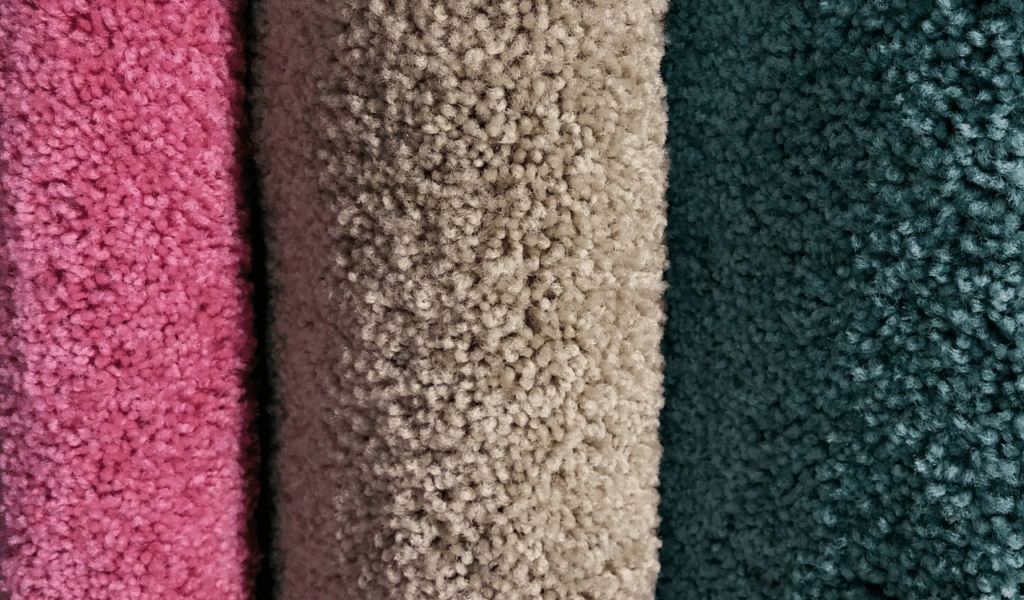
Even with the greatest tiling, you need a rug to catch the last drops of water before you tread on hardwood or carpet. Designers say that rugs with low piles that can be washed and are made for high-traffic areas are the best choice. Experts say that you can throw these rugs in the washing machine anytime they get too dirty, which will keep your mudroom clean and fresh. Interior designers say that you should pick a rug with a rubberized, slip-resistant backing so that it stays in place on the tile floor. This is an important safety tip.
Professional organizers say that a long runner may help people move around a room by showing them where to go and encouraging them to stay on the safe path. Experts suggest that polyester and treated cotton are the best synthetic fibers for coastal settings since they dry quickly and don’t fade as quickly in the sun and salt.
Contractors say that a rug should be big enough for someone to take a few steps on it so that it may soak up as much water as possible. This last layer of protection keeps your floors safe and provides color and comfort to the room where you operate.
13. Dedicated Pet Drying Station
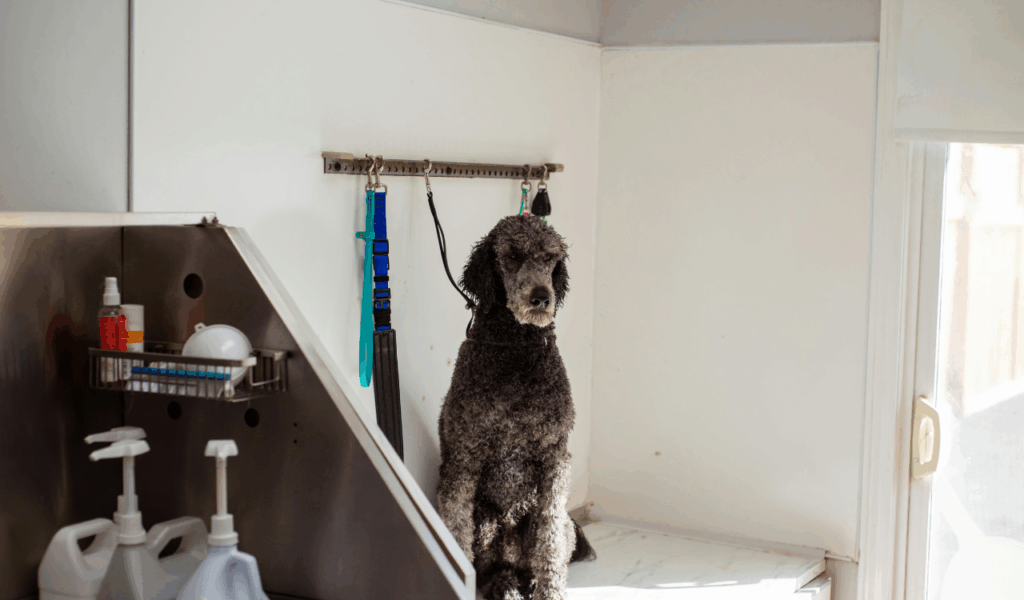
The family dog is generally the main source of mud and water in the house when it rains on the seaside. Designers suggest making a unique area for pets in the mudroom, with a low-entry shower or a special place to dry them off. Experts say that providing a particular place to dry off a wet pet will stop them from shaking water all over your pristine furniture. Professional builders say that employing waterproof wall panels in this area will make cleaning up a lot easier. This addition makes the mudroom a full-service grooming area.
Interior designers say that the drying station should have built-in storage for pet towels, leashes, and goodies. Realtors said that more and more purchasers are asking for “pet-friendly” features. Professional flippers say that a tiny pet shower may also be used to wash off sandy boots or feet, which makes it even more useful. Experts believe that keeping your pets clean and dry at the entrance is very good for your health since it keeps allergens from getting into your home and stops bacteria from spreading. It is a nice touch that honors the whole family.
14. Weather-Resistant Shiplap Walls

Coastal mudrooms need walls that can tolerate a little water and a lot of humidity. Designers say that shiplap or beadboard made of PVC or treated wood that can handle the weather is best. Contractors say that these horizontal or vertical planks make a surface that lasts considerably longer than regular drywall, which can get squishy and moldy when it gets wet. Experts claim that shiplap is a typical coastal design feature that gives a property character and a sense of antiquity. The more you use it, the nicer it looks.
Interior designers say that walls with a semi-gloss or high-gloss paint finish are very easy to clean. Professional flippers typically use shiplap to cover up flaws in ancient walls and make hooks and shelves more stable. Realtors say that the “coastal cottage” look of shiplap is a classic style that many people like. This choice of wall treatment makes sure that your mudroom is more than simply a utility closet; it’s a beautifully finished room that can stand up to the toughest coastal weather for decades.
15. Integrated Charging and Command Center
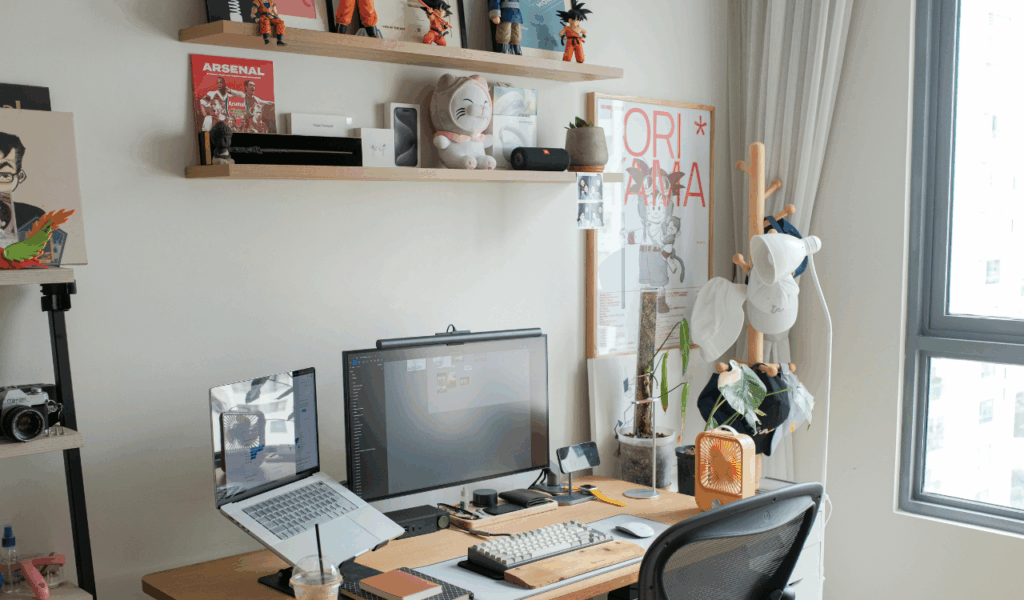
A mudroom is a great spot for a digital command center because it’s often the final place you stop before you leave and the first place you stop when you get there. Designers say that a separate shelf or drawer with built-in USB connections is the best way to charge phones and tablets.
Experts say that this keeps the “tech clutter” out of the kitchen and makes sure your devices are ready to use. A small chalkboard or whiteboard for family schedules and a mail sorter to minimize paperwork from stacking up on the dining table are two things that professional organizers recommend.
Interior designers say that a command center makes the morning rush easier because everyone knows where their keys and electronics are. Realtors say that these “drop zones” are quite useful for keeping a busy household’s everyday life in order. Contractors say that pre-wiring these rooms while you’re remodeling is a cheap method to make sure your property is ready for the future. When you combine tech storage with traditional organizing, you make a place that is both efficient and calming for your home. This prepares you for the outside world.