10 Décor Choices People Settle for Because They’re Too Tired to Care

Tired people choose decor that seems “good enough” rather than planned. Visual clutter and convenience choices take over houses when people are tired. These decisions are often made because people are fatigued, psychologically exhausted, or burned out from making them. They make homes feel uninteresting, cluttered, or unfinished. Understanding these patterns helps us understand why some decor choices become standard and how they affect our comfort. This article lists 10 common decorating choices made by tired people. Not to shame, but to promote awareness. Being aware of it is the first step to creating a calmer, more personal, and easier-to-live-in atmosphere without constant work or perfection.
1. Overhead Lighting as the Only Light Source
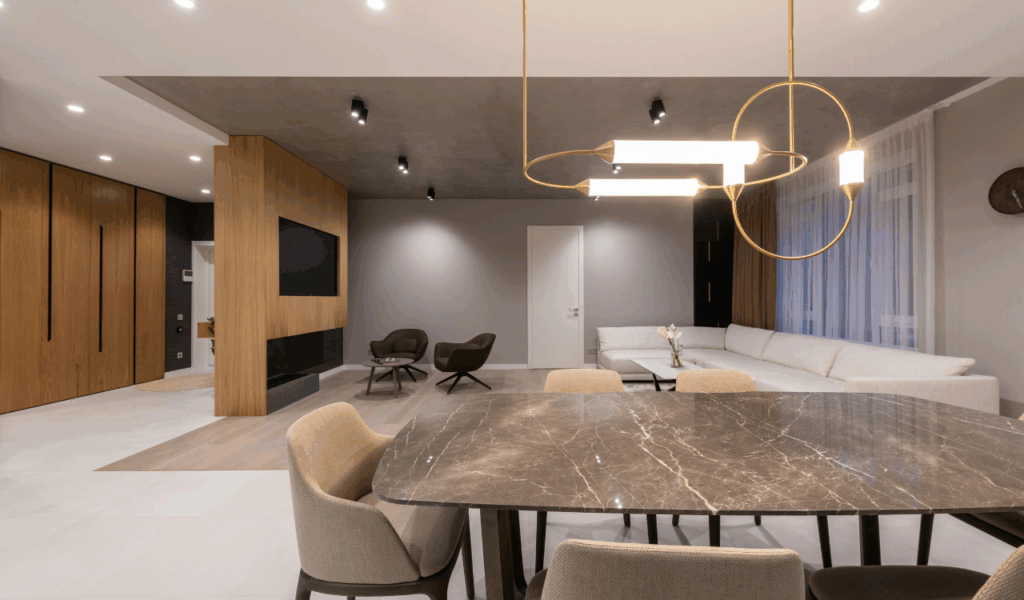
Many decorators compromise by using solely overhead lighting since it’s easy. Already having ceiling lights makes putting lamps seem more work. But a single powerful light source could make shadows harsh and visuals flat, making the room unwelcoming. At night, overhead lighting can make even well-designed rooms appear chilly or sterile. Different light source heights provide warmth and depth, but tired minds choose what works best. Because the environment is “lit,” although it’s uncomfortable, people don’t notice this choice. Harsh lighting can make you feel worried over time. You don’t need pricey fixtures to choose different forms of lighting; just realize that light quality is as vital as brightness.
2. Generic Wall Art with No Personal Meaning
Most people select mass-produced wall art because it fills space quickly and requires no emotional effort. Choosing something neutral feels safer than showing off taste when exhausted. Generic prints aren’t bad, but they don’t make a location feel special. The walls appear full yet feel empty. This is usually done because people are terrified of making the wrong choice or lack the energy to search for something vital. Rooms become less like homes and more like temporary spaces. Decor that speaks to you doesn’t have to be pricey or spectacular. Most people choose generic art because they don’t want to make another option on a busy day.
3. Furniture Chosen Only for Convenience
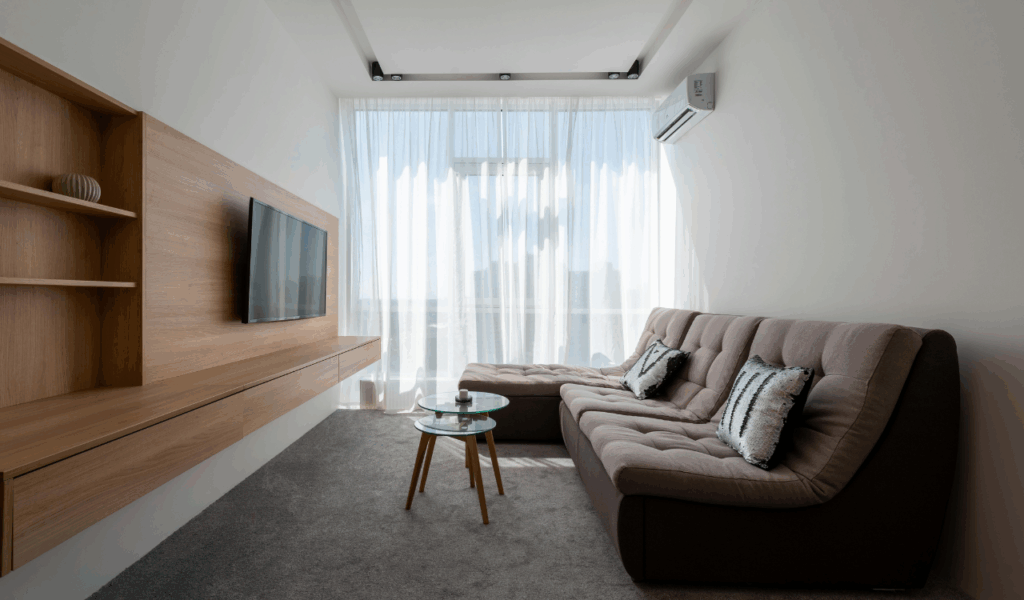
When choosing furniture for convenience, people usually choose items that are easy to get, carry, or always available. Exhausted people prioritize functionality over size, proportion, and comfort. This creates functional but unsuitable items. Sofas, tables, and seats may be overly big, tiny, or uncomfortable for long durations. These mismatched items gradually depress room occupants. Tired people prioritize speed above fit, making rooms feel unpleasant or congested. Replacing older, poorly picked furniture costs more and is more unpleasant than waiting for the right item. Choosing the appropriate furniture might make you feel comfortable every day, but when you’re exhausted, you want a quick fix.
4. Ignoring Window Treatments Altogether

Many people leave their windows naked because they’re bored of decorating them. Not having much energy can make choosing curtains or blinds difficult because you have to measure, choose a style, and install them. This keeps windows open, affecting privacy, light control, and room balance. Rooms without curtains can feel empty, echoey, or open. The sun may be too bright during the day, and people may see you at night. This choice is sometimes called minimalism, yet people usually desire to avoid something. Simple window treatments can affect a room’s mood. Tired decisions might gently influence a home’s vibe by leaving windows bare.
5. Clutter Used as “Temporary Storage”
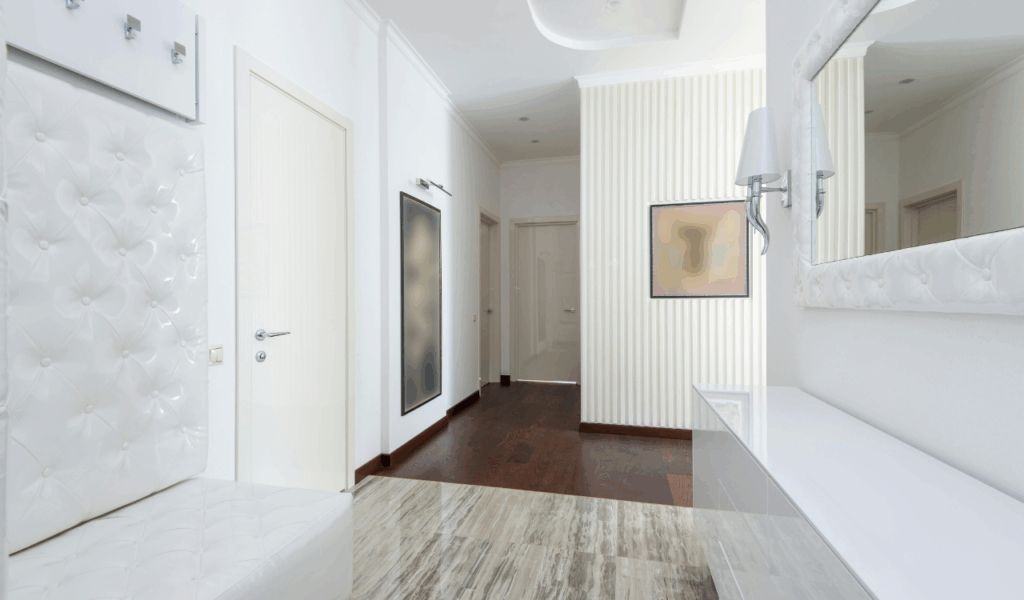
Chaos is simple when you’re tired. People often set things on seats, counters, or floors but don’t finish because they’re sleepy. These mounds become decor, making the place look and feel cluttered. This makes environments hectic and stressful, even when the clutter is daily items. Visual clutter makes you sleepy because the brain interprets it as unfinished work. People tolerate clutter because they lack the time or energy to tidy it. The cycle continues, making environments harder to appreciate. Decluttering doesn’t need perfection, but considering clutter as a design option can show you how small changes can make a tremendous difference.
6. Mismatched Color Schemes Out of Indifference
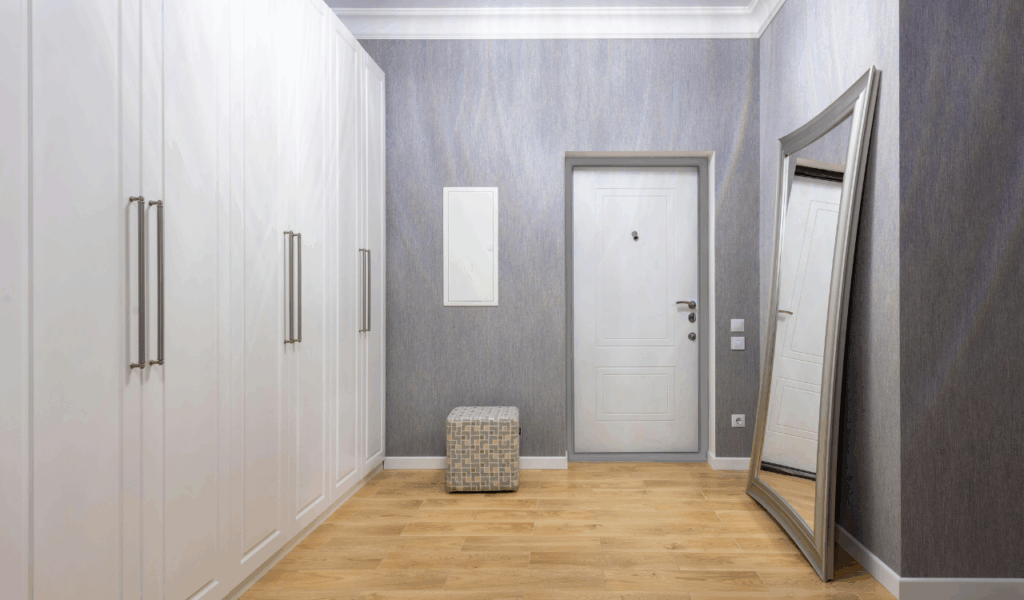
People lose interest in color coordination when they’re tired. Items are added based on necessity or availability, not compatibility. Rooms become cluttered as clashing colors accumulate. A lack of planning, not bold or mixed design, is the issue. Unmatched colors may make a room feel restless and unstable, changing your mood subtly. When fatigued, you choose function over harmony. Thus, the room feels odd for no reason. A few colors can calm things, but being exhausted makes consistency unnecessary. Misaligned plans often result from apathy, not creativity.
7. Overusing Neutral Tones to Avoid Decisions

Because they don’t want to choose colors, people employ neutrals. Neutrals are soothing, but too much may make a place feel lifeless. Beige, gray, or white help exhausted people feel comfortable and secure. Spaces without contrast or change might feel cold and impersonal. People choose this choice because they fear making mistakes, not because they want to. Neutral places may bore you over time, draining your emotions. Adding texture or color doesn’t require drastic choices. When fatigued, people do what’s easiest. A lot of neutral overload can indicate indecision.
8. Leaving Walls Empty for Too Long

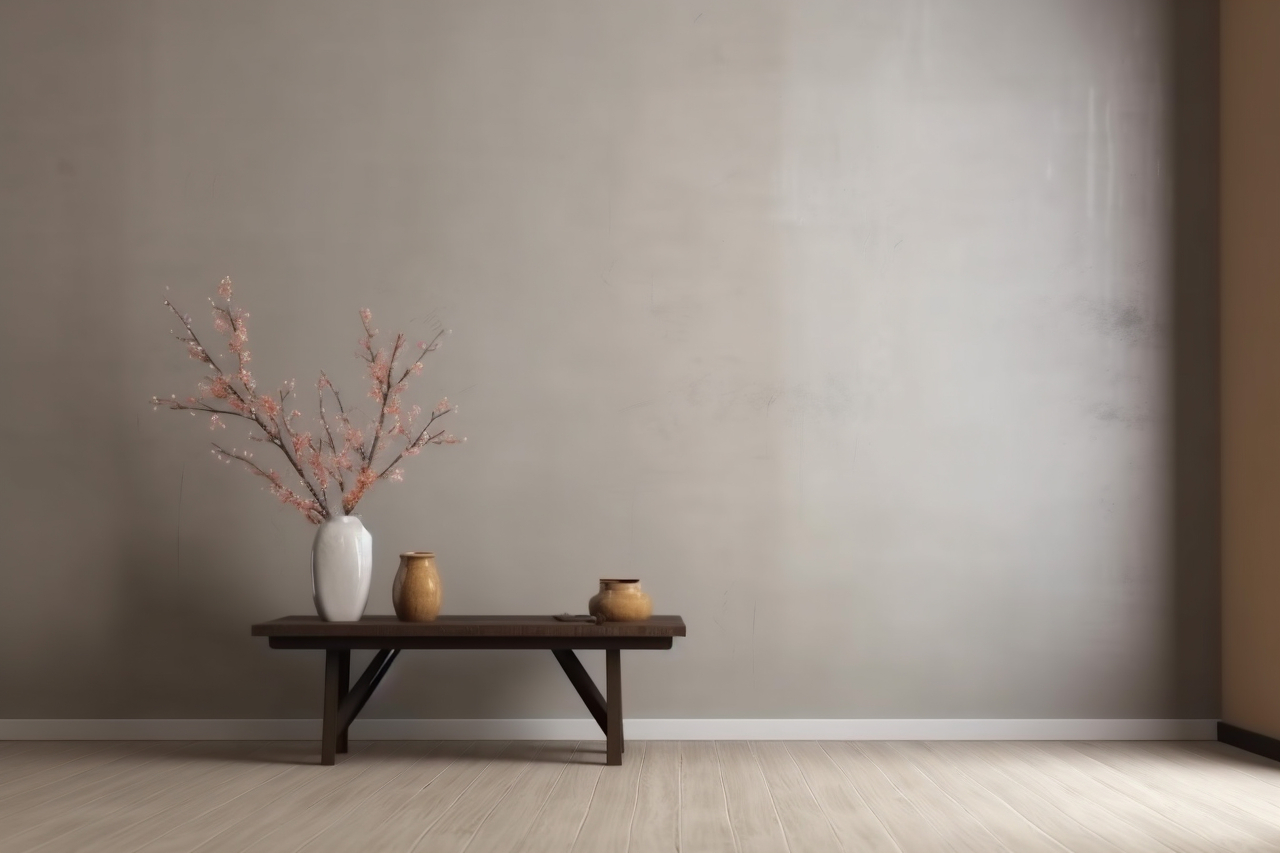
People often say that empty walls are a sign of intentional minimalism, but they are more often a sign of decor paralysis. It can be hard to decide what to hang, so the walls stay blank forever. Even after years of living there, many areas still feel unfinished or temporary. In bigger areas, blank walls can make things feel more empty instead of tranquil. Without visual anchors, rooms feel less personal and less stable. People put off making decisions when they are tired, telling themselves they will decorate later. It doesn’t happen very often. No fancy exhibits are needed, but visual interest can make walls seem like home. Most people who choose empty walls don’t want to commit, not because they like simplicity.
9. Decorative Items Never Replaced After Moving
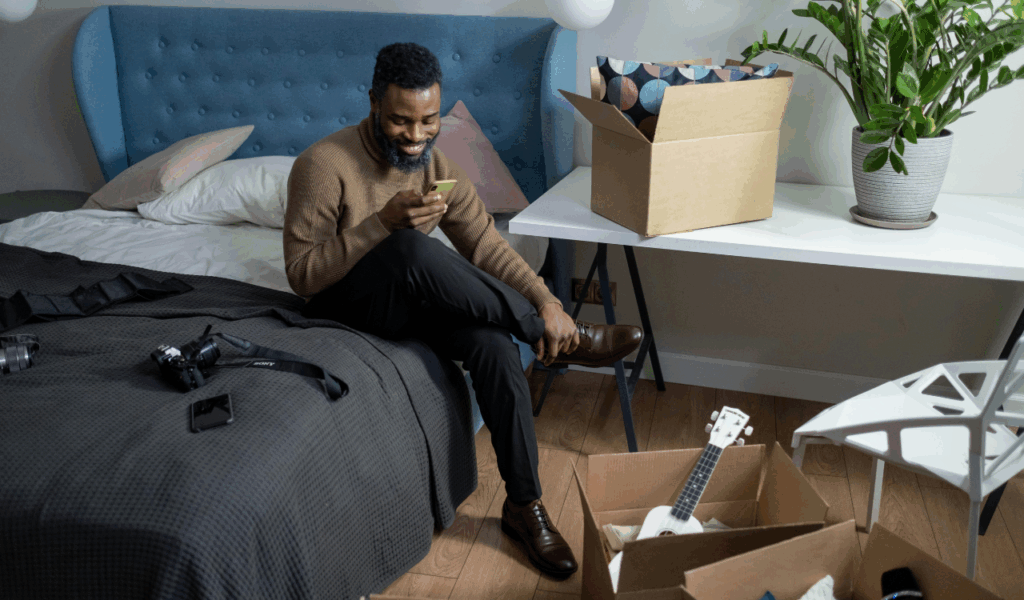
Since unpacking and replacing seems too much labor, many individuals use existing decorations after moving. The layout, light, and design of the new room may prevent old ideas from working. However, fatigued people are more likely to accept these incompatibilities than reconsider them. Homes can become out of place with their environment and lifestyle. Because of familiarity, this choice is often overlooked. Even if it slows you down, being around familiar things feels wonderful when you’re tired. It’s more about not wanting to work than liking antique decor. You can refresh a place without starting over if you know when your old choices won’t work.
10. Treating Décor as a Low Priority Altogether
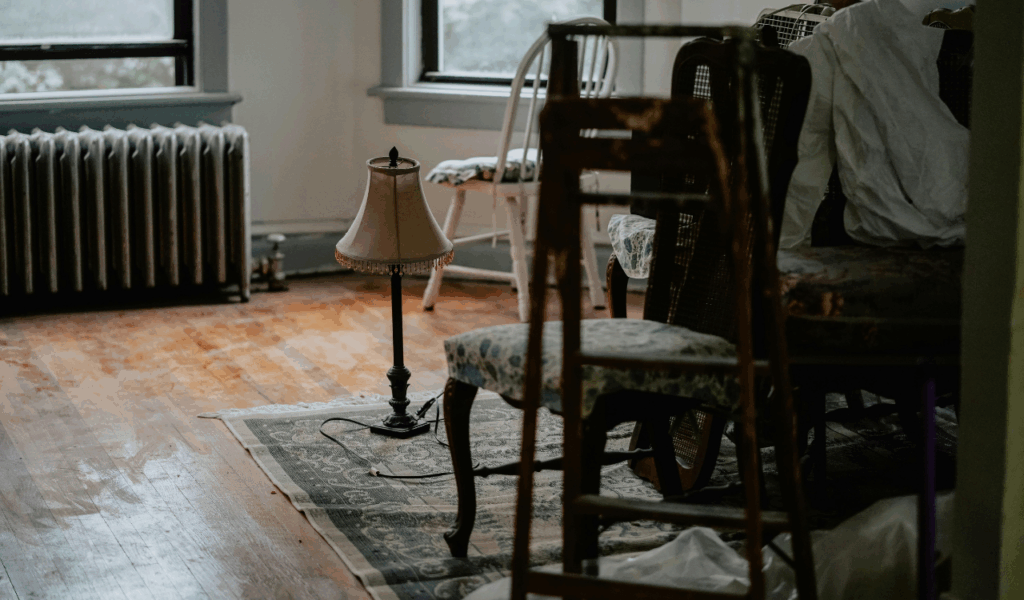
When life gets too much, decorating often goes to the bottom of the list. People convince themselves it doesn’t matter and simply think about how it works. This way of thinking seems practical, but it doesn’t take into account how the environment affects mental health. Stress and unhappiness can grow when you live in places that seem neglected. This choice is based on survival, not sloth. Over time, things that aren’t cared for display wear and tear, bad lighting, and visual disorder. Decor doesn’t have to be perfect or expensive to be meaningful. Not caring usually indicates burnout. Small, cautious changes may help you feel more in control and relaxed without stressful you.