13 Back-to-School Snacks That Didn’t Stay Fresh

Back-to-school snacks often start the day looking fresh, healthy, and carefully packed. By the time snack breaks arrive, many of them have already lost the textures and flavors that make kids want to eat them. Temperature changes, moisture, and simple time all work against foods that are delicate or highly perishable. Even snacks that are nutritious and well planned can fall apart once they sit in a backpack for hours. When texture shifts or packaging fails, kids are quick to skip the snack altogether. These are the popular lunchbox choices that struggled to stay fresh through a full school morning.
1. Cut Fruit That Turned Brown or Mushy
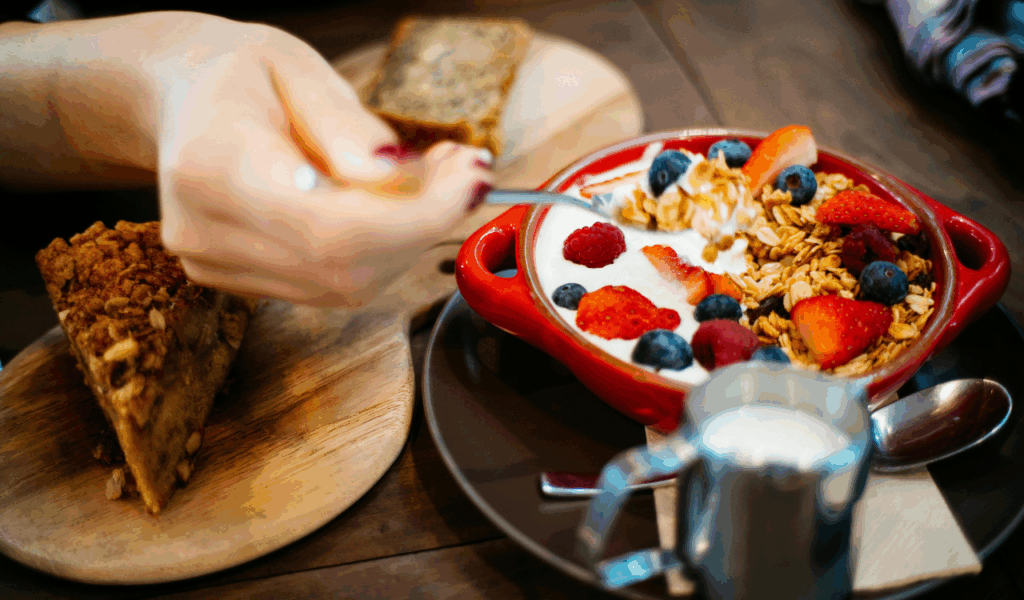
Fresh-cut fruit feels like the healthiest, most caring choice, but it is also one of the quickest snacks to lose appeal. Once apples, pears, or bananas are sliced, oxygen starts breaking down the surface, causing browning and soft spots. Even when lemon juice is used, moisture collects in containers and changes the texture. By the time snack breaks roll around, pieces can feel slippery, bruised, or grainy. Temperature swings inside backpacks make things worse, especially when fruit sits next to warm items. Kids are far more sensitive to texture than adults, and once fruit looks tired or feels odd, it often goes untouched. What started as a fresh snack ends up back in the lunchbox, creating waste and frustration.
2. Unsweetened Applesauce Cups That Split or Leak
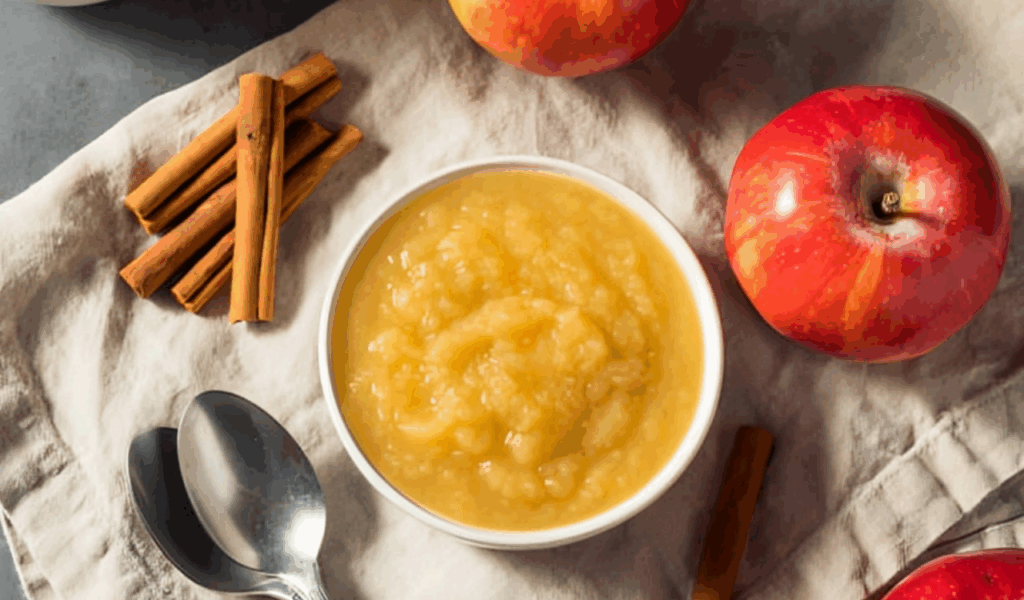
Applesauce seems foolproof because it comes sealed and ready to eat, but natural versions without thickening agents are more prone to separation. Pressure from packed lunchboxes or temperature changes can cause cups to swell or leak. Once opened, applesauce does not hold its structure and can look watery or foamy. Even minor leaks make other foods soggy and unappetizing. Kids also tend to avoid snacks that look messy or require careful handling. A snack that was meant to be simple becomes something they skip to avoid spills, which defeats the purpose of including it in the first place.
3. Cut Vegetables With Hummus That Dried Out
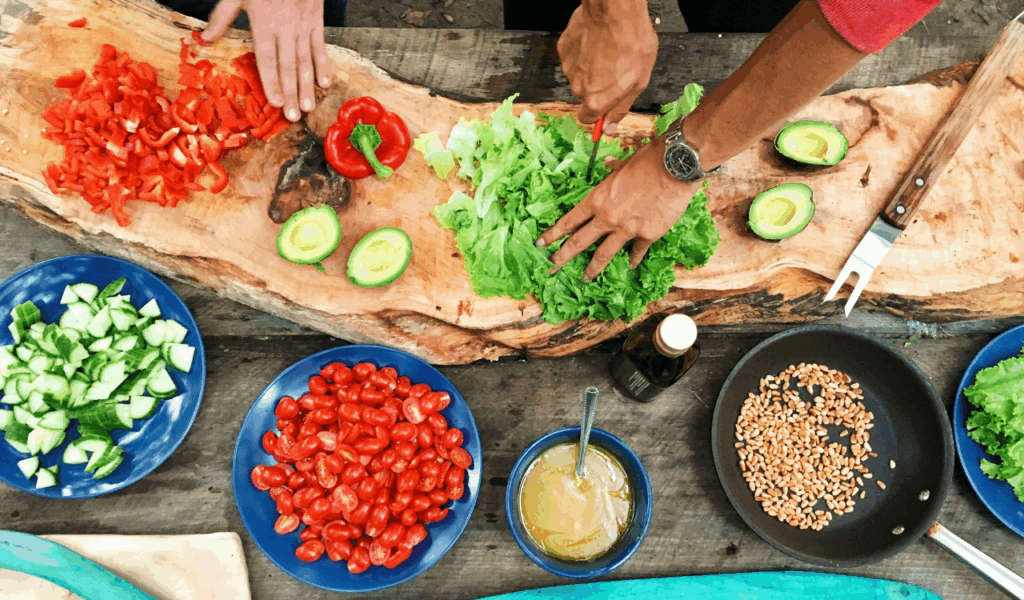
Carrots, cucumbers, and bell peppers are crisp and refreshing when freshly cut, but they dry out quickly when exposed to air. Even when packed with hummus, the vegetables themselves lose moisture and flexibility. The edges become tough, and the crunch fades. Hummus can also thicken and form a skin when not kept cold, making dipping less enjoyable. Without an ice pack, both texture and flavor suffer. Kids notice when vegetables feel leathery or taste dull, and once that happens, they rarely finish the portion. What should be a light, satisfying snack becomes something that feels stale before it is ever eaten.
4. Cheese Sticks That Sweated and Turned Rubbery
Cheese sticks rely on cool temperatures to stay firm and pleasant. In warm lunch bags, moisture forms on the surface, creating a slick texture that many kids dislike. The cheese itself can become soft and rubbery, losing its clean snap. Smell can also intensify as the cheese warms, which can make children hesitant to eat it in front of classmates. Even when ice packs are used, the temperature does not stay stable for long periods. By late morning or early afternoon, cheese that started fresh can feel heavy and unappealing, leading kids to skip it entirely.
5. Homemade Trail Mix That Went Soft
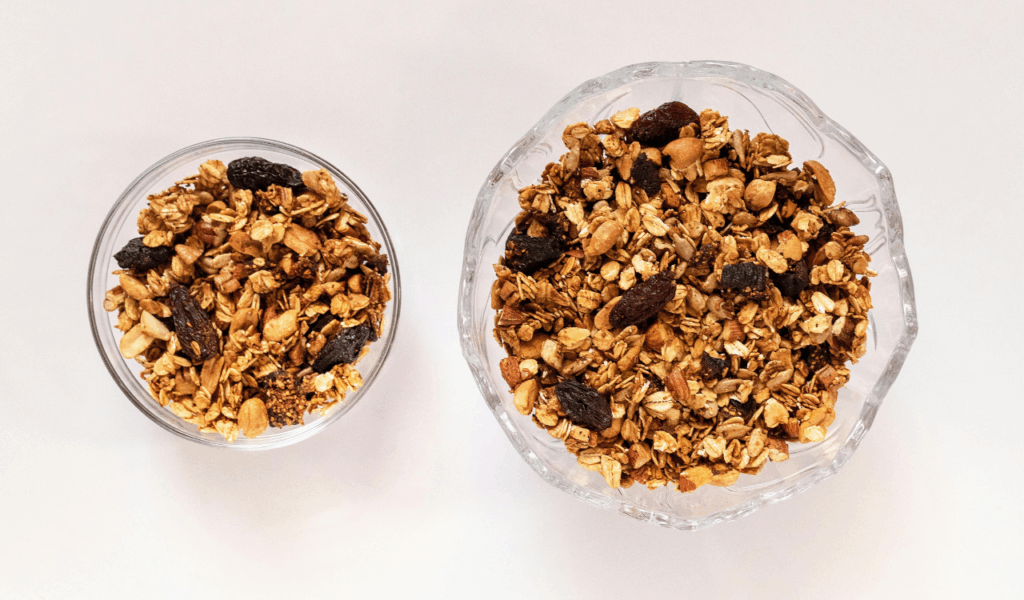
Trail mix seems sturdy, but once dried fruit, cereal, or pretzels mix with nuts, moisture moves between ingredients. Dried fruit releases humidity, softening crunchy pieces. Chocolate or yogurt coated items may melt and smear, sticking everything together. When trail mix loses contrast between textures, it stops feeling satisfying to eat. Instead of crisp and varied, it becomes chewy and dense. Without airtight containers, even one humid day can change the entire batch. Kids expecting crunch are disappointed when they get soft clumps instead, and they often abandon the snack halfway through.
6. Healthy Muffins That Became Dry
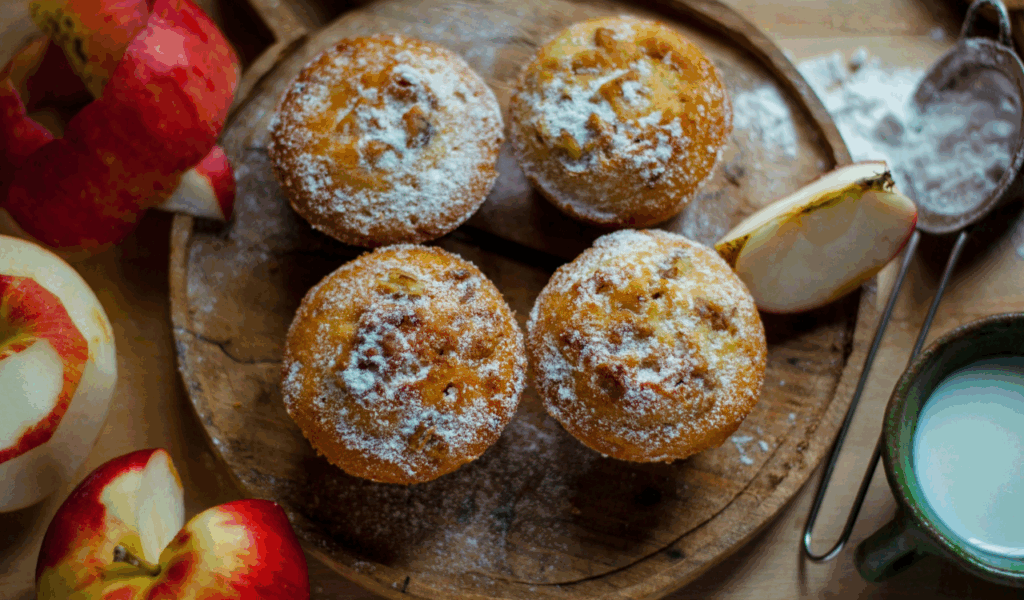
Homemade muffins made with whole grains or reduced sugar dry out faster than bakery versions. Without preservatives or extra fat, moisture escapes quickly. Even when wrapped, muffins can feel stiff and crumbly by the time snack time arrives. Cold temperatures also firm up the crumb, making them less tender. Kids may take a few bites and stop because chewing feels like work. When baked snacks lose softness, they no longer feel like treats and become less appealing compared to packaged alternatives. Parents often underestimate how quickly homemade baked goods change texture during storage.
7. Homemade Granola Bars That Fell Apart
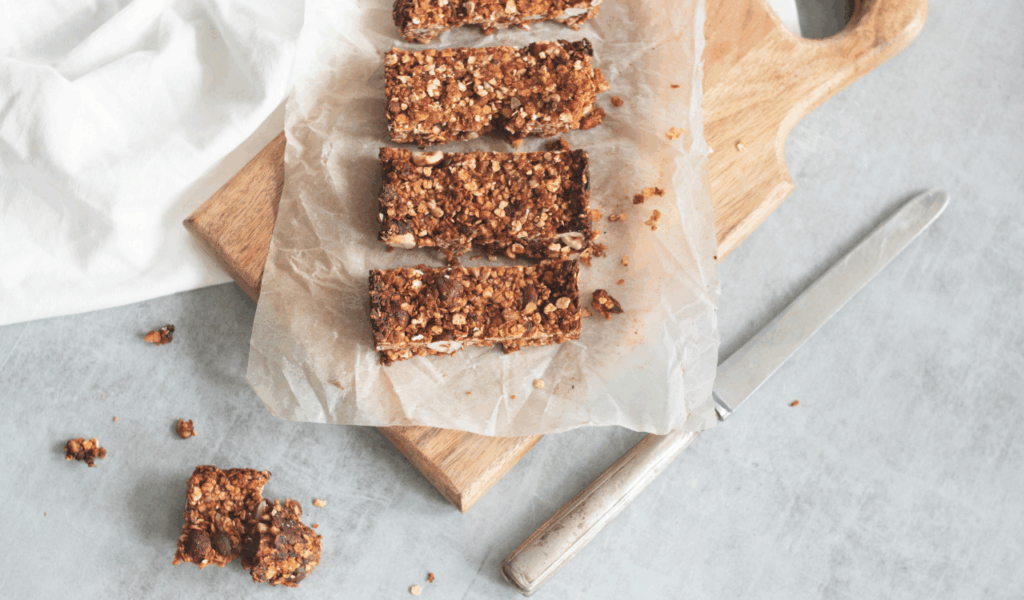
Granola bars depend on proper binding from syrups, nut butters, or honey. If ratios are off or bars are not cooled long enough, they crumble easily. Even well-set bars can soften and break when jostled in backpacks. Once broken, they are messy to eat and scatter crumbs everywhere. Kids may avoid them to keep their hands and desks clean. Crumbly bars also feel less filling and less satisfying, making children more likely to discard them. What seemed like a nutritious, portable snack turns into a fragile item that cannot survive a school day.
8. Fruit Cups That Became Watery and Bland
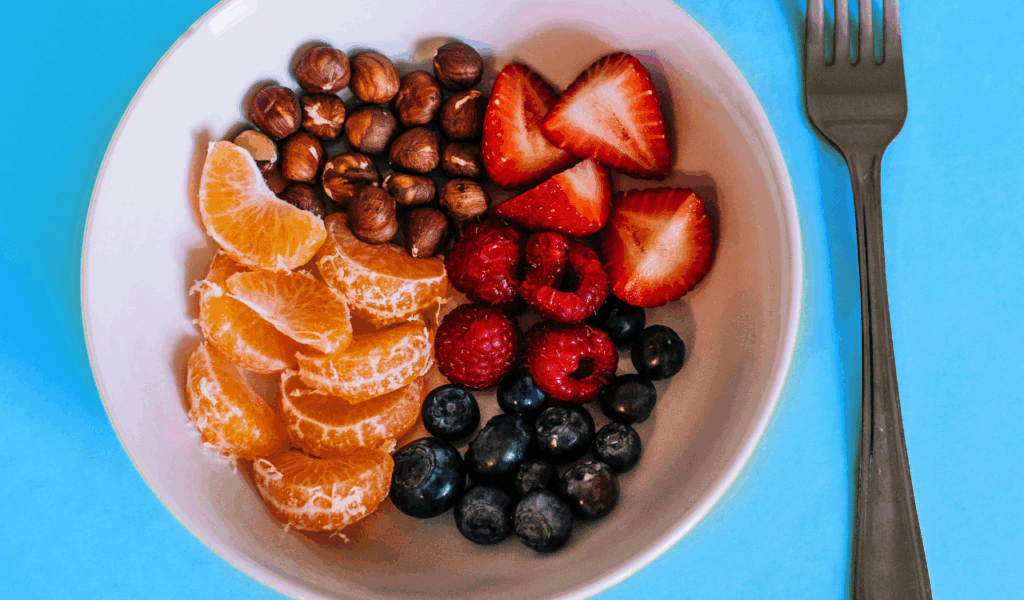
Fruit cups without heavy syrup often rely on juice that continues to dilute as fruit releases moisture. Over time, pieces lose firmness and flavor, floating in liquid that tastes thin. Texture becomes slippery, and fruit may feel overripe. Kids expecting a bright, juicy snack instead find something that feels tired and washed out. Once the cup is opened, the scent and appearance can discourage eating. Even though the fruit is still safe, the sensory experience no longer feels appealing, and kids are quick to move on to other items.
9. Pressed Fruit and Chia Bars That Turned Sticky or Hard
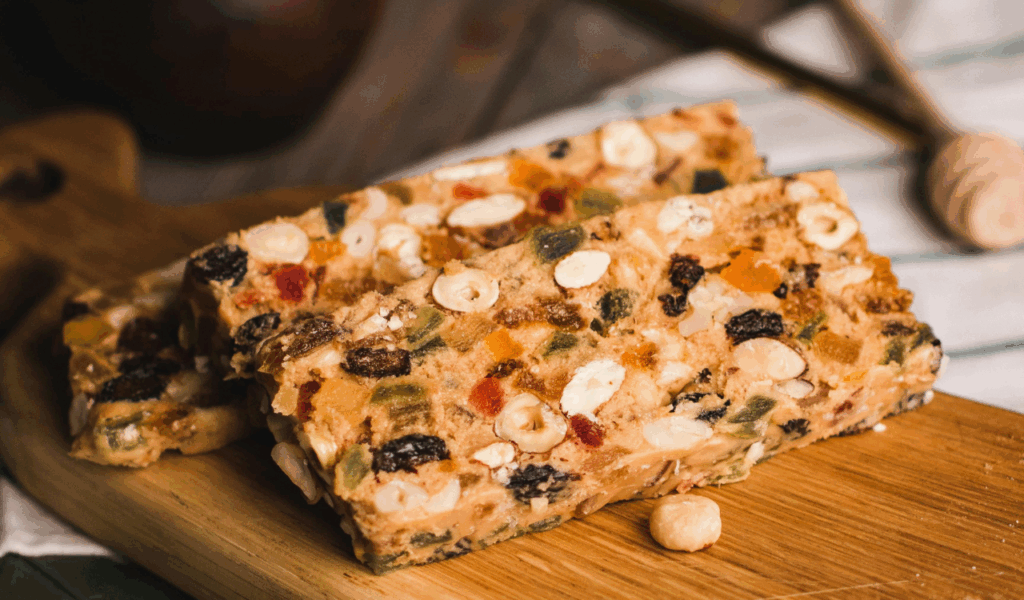
Pressed bars change quickly with temperature shifts. Warm conditions make them sticky and prone to melting, while cooler conditions can harden them into dense bricks. Chia and fiber ingredients also absorb moisture, changing the chew over time. Bars that stick to wrappers or feel too tough to bite are often left uneaten. Kids do not want to wrestle with their food, especially during short snack breaks. Once bars lose their intended soft texture, they stop feeling like an easy option and become something kids quietly ignore.
10. Apple and Banana Chips That Lost Crunch
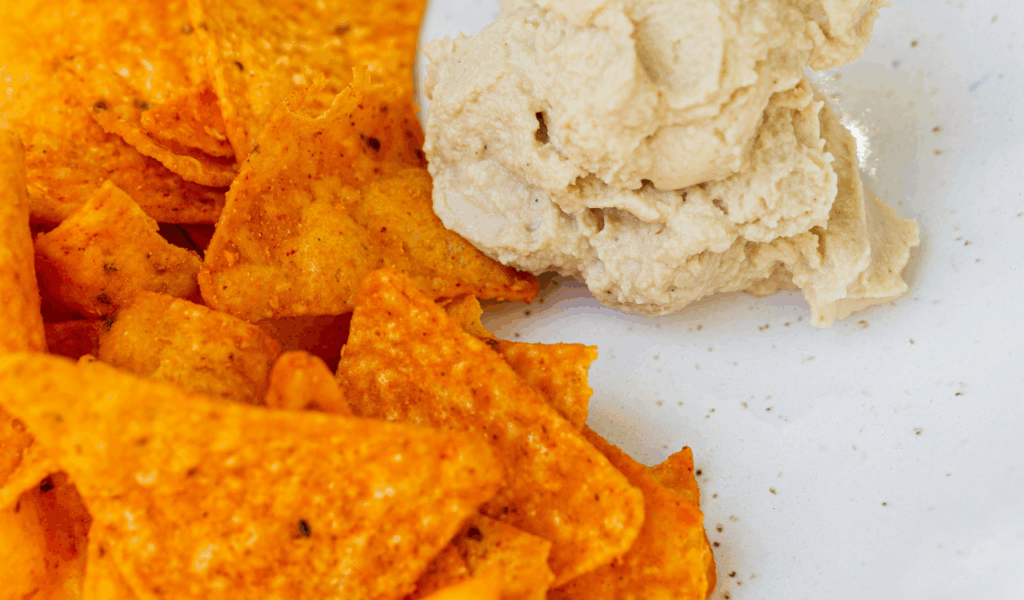
Dried fruit chips stay crisp only when protected from humidity. Once exposed to air, they absorb moisture and soften within hours. In lunchboxes, they often sit near cold packs or moist foods, speeding up the process. Soft chips feel leathery and lack the satisfying snap kids expect. Flavor also dulls when texture changes. Instead of feeling light and fun, they feel stale and chewy. Many children take one bite and decide the rest are not worth finishing.
11. Popcorn Cakes That Went Chewy
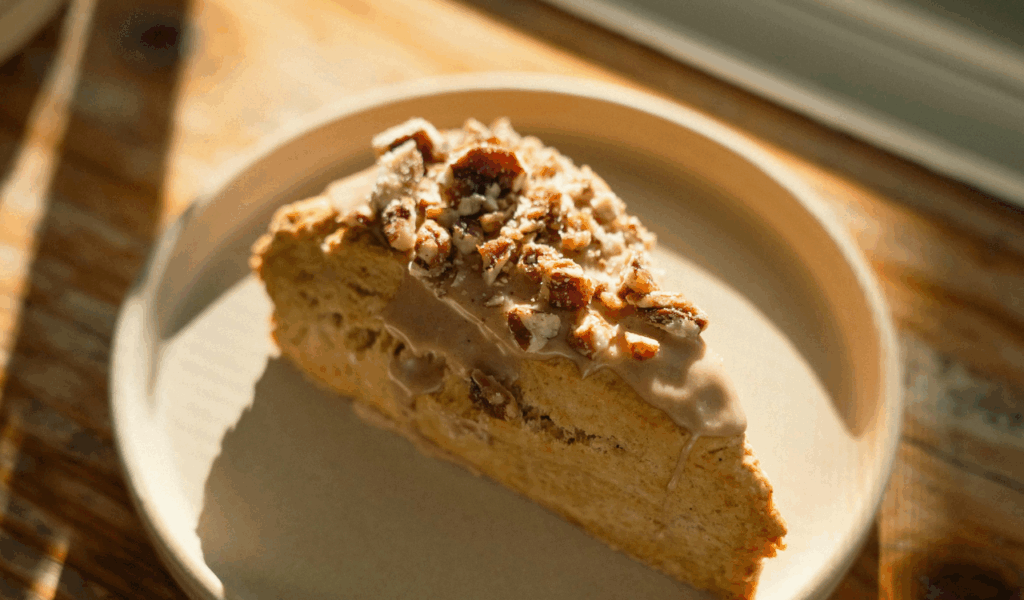
Popcorn cakes are extremely sensitive to moisture. Even slight humidity turns them from crisp to chewy. In packed lunchboxes, condensation from cold items or warm classroom air affects texture fast. Once soft, they feel dense and bland. Popcorn flavor also fades quickly when exposed to air. Kids who expect crunch are disappointed and may toss them aside. Because popcorn cakes rely so much on texture for enjoyment, losing that crispness removes most of what makes them appealing.
12. Loose Cereal That Became Limp

Packing cereal without sealed packaging exposes it to air and moisture. Crunchy flakes and puffs soften quickly, especially when packed near fruit or cold packs. Once limp, cereal tastes bland and feels stale. It also becomes harder to eat without spilling. Kids are less likely to finish cereal that no longer delivers the expected crunch. Instead of a light, quick snack, it becomes something they nibble at and abandon. What started as a convenient option ends up wasting both food and effort.
13. Nut Butter Packs That Thickened or Separated
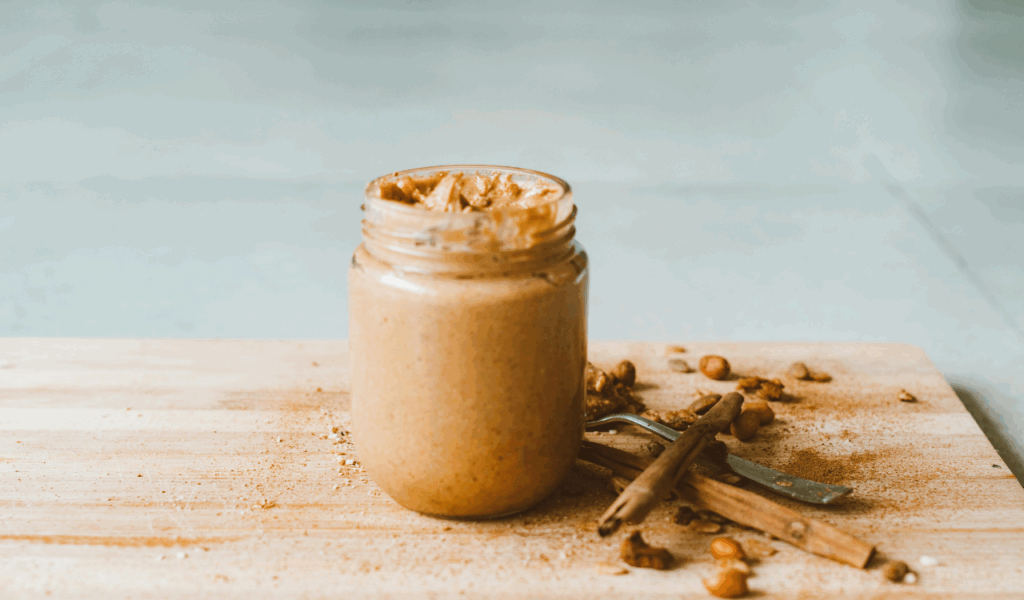
Natural nut butters separate as oils rise to the top and solids settle. Without stirring, the texture becomes uneven and difficult to spread. In cold temperatures, nut butter thickens and becomes stiff, making dipping fruit or crackers frustrating. In warm conditions, oil can leak into packaging or onto other foods. Both situations reduce how enjoyable the snack is to eat. Kids may give up if spreading takes too much effort or if the snack feels messy. What should be smooth and satisfying turns into a struggle, and that often means it goes unfinished.