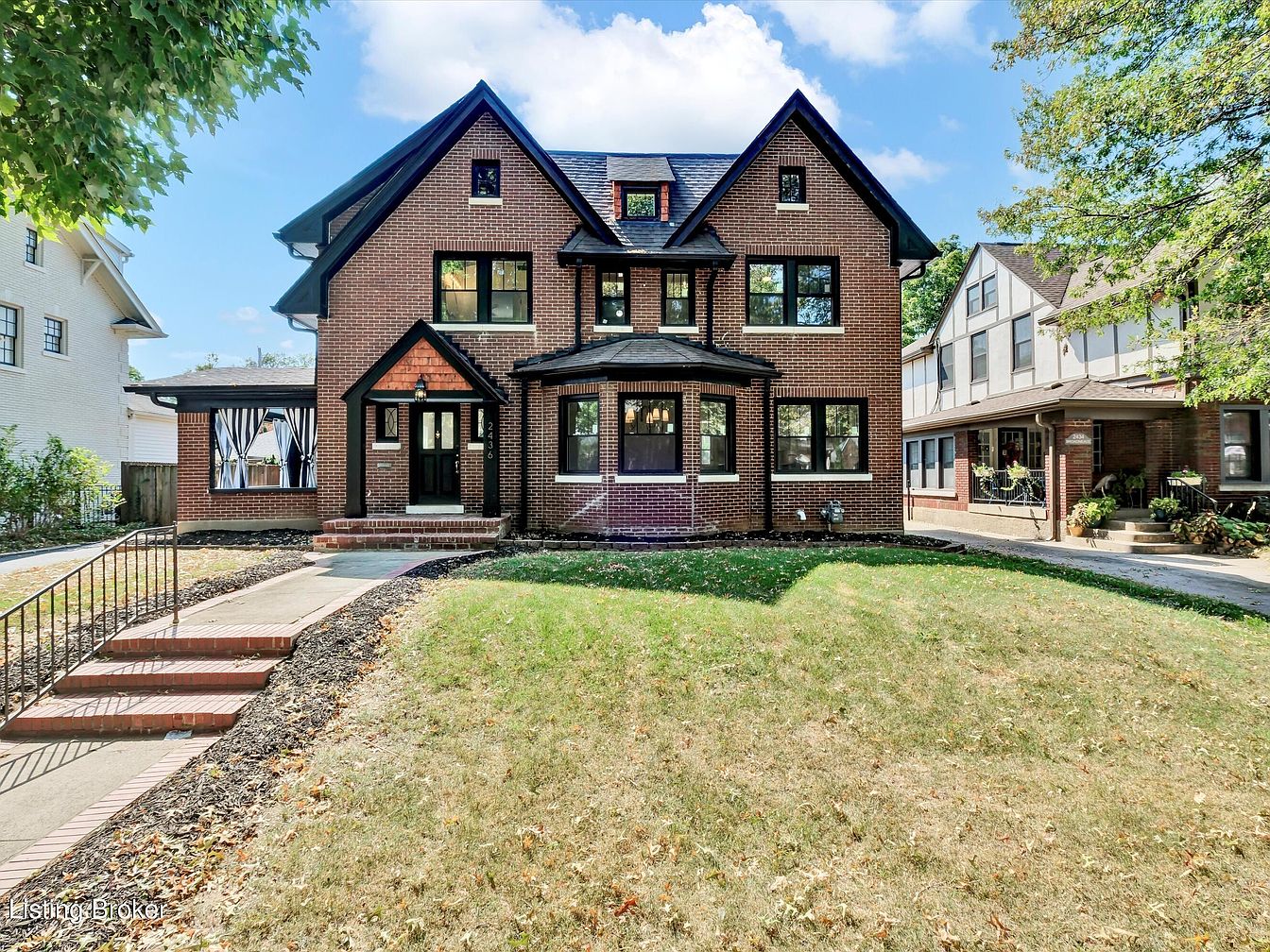
11 Decor Pieces That Help a Room Feel Calm and Balanced
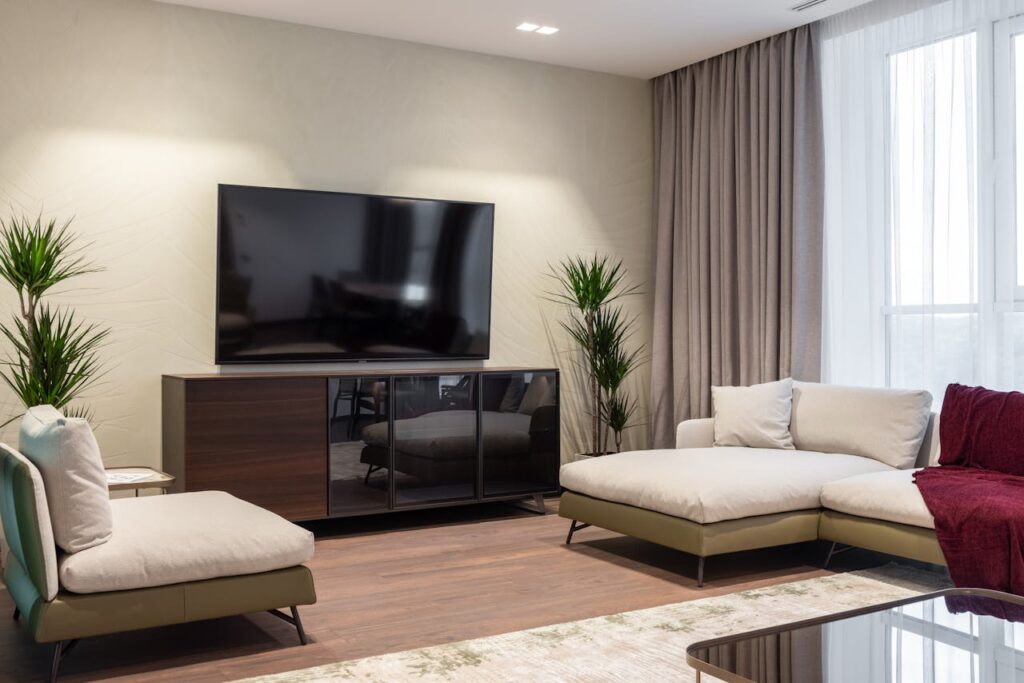
When your home feels chaotic, your mind often follows. You may not notice it right away, but cluttered corners, harsh lighting, and mismatched decor can quietly raise your stress levels. The good news is you do not need a full renovation to create a calmer atmosphere. Designers often say balance comes from thoughtful layering, soft textures, and intentional restraint.
By choosing decor pieces that support visual harmony, you help your room feel steady, welcoming, and easy to unwind in. If you want your space to feel peaceful the moment you walk in, these carefully chosen decor updates can make a meaningful difference.
1. Soft, Neutral-Toned Area Rugs That Ground the Space
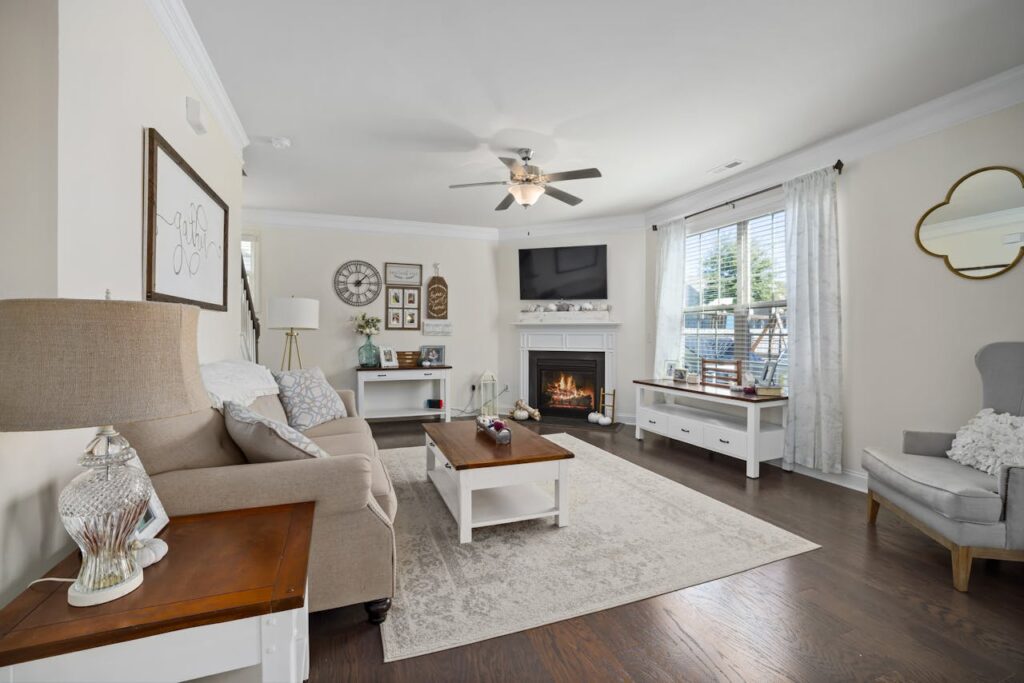
A soft area rug in shades like warm beige, light gray, or muted taupe instantly anchors your furniture and defines the room. When your seating floats without visual boundaries, the space can feel unsettled. A neutral rug pulls everything together and gives your eye a place to rest.
Choose low-contrast patterns or subtle textures instead of bold prints. Designers often recommend natural fibers like wool or cotton because they absorb sound and soften foot traffic. When your room feels physically softer and visually cohesive, you create a steady foundation that supports calm energy throughout the entire space.
2. Layered Lighting That Eliminates Harsh Shadows
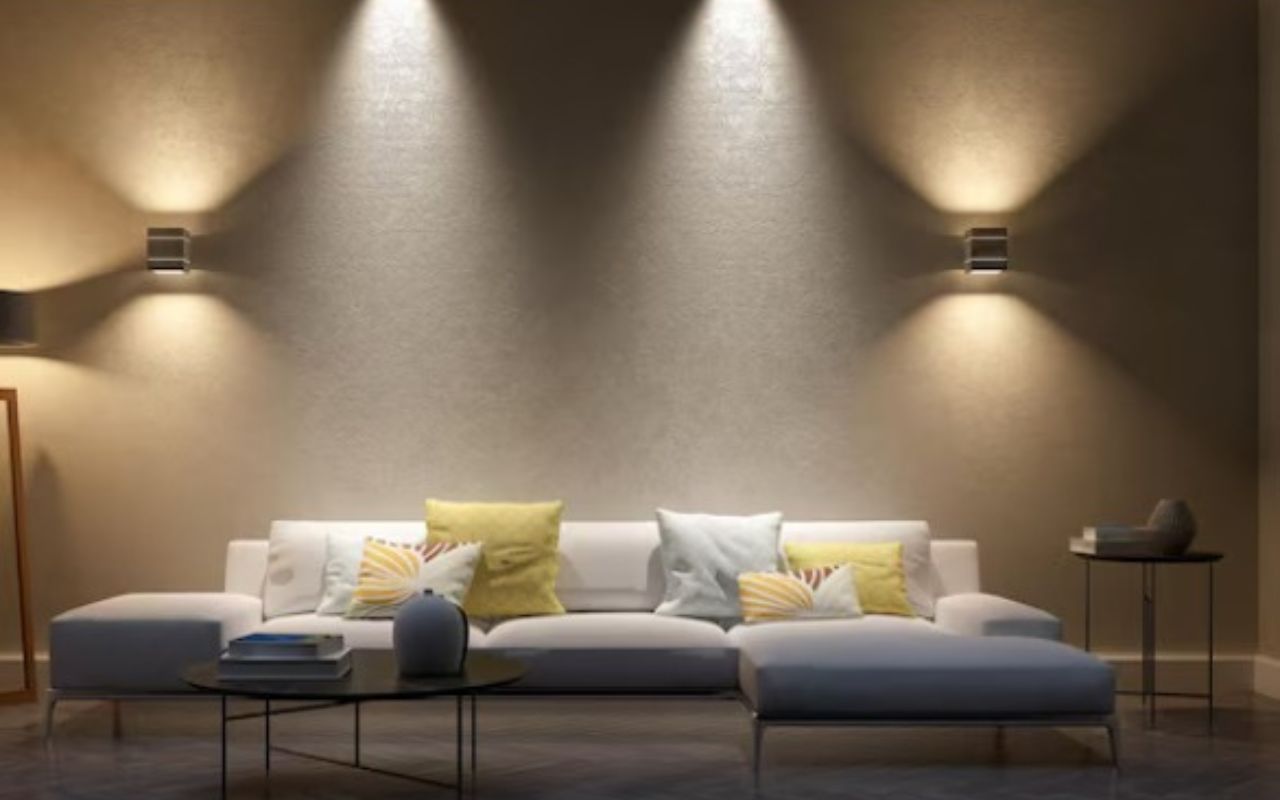
Overhead lighting alone can feel stark and uninviting. To create balance, you need layers. Combine table lamps, floor lamps, and soft wall lighting so light spreads evenly across the room. This prevents sharp shadows that can make a space feel tense.
Use warm white bulbs instead of cool tones to add comfort. When you control lighting at different heights, you shape the mood intentionally. Designers often suggest dimmers so you can adjust brightness as the day shifts. Gentle, layered light wraps your room in warmth and helps you transition smoothly from busy afternoons to relaxed, peaceful evenings.
3. Natural Wood Accents That Add Warmth Without Clutter
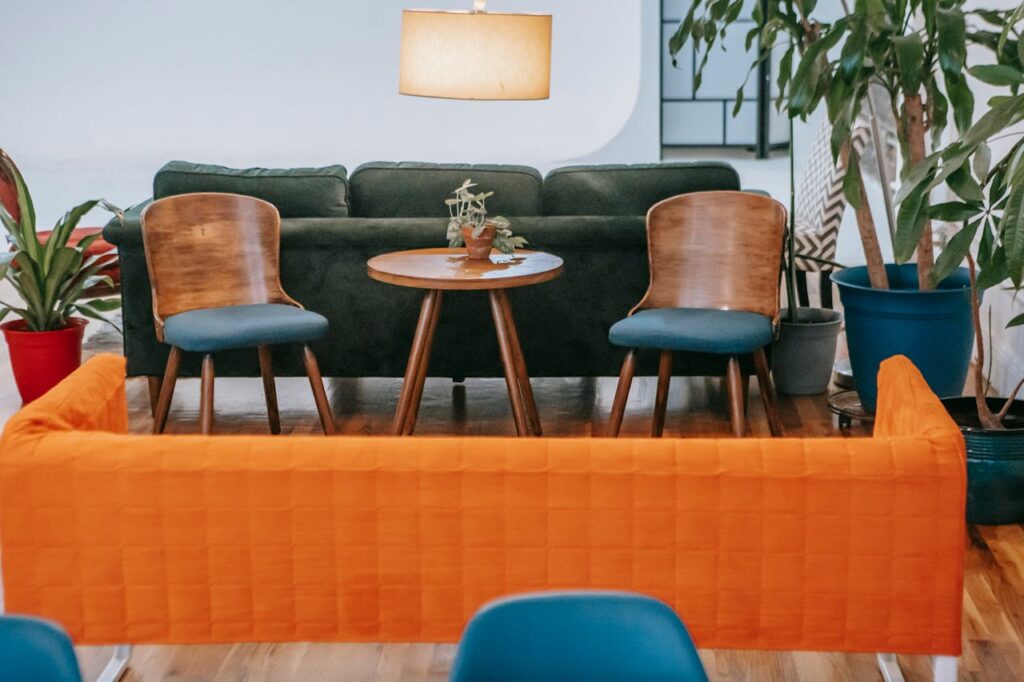
Natural wood elements bring organic warmth that instantly softens modern interiors. A simple wooden coffee table, picture frame, or side chair introduces texture without overwhelming the room. You do not need many pieces to feel the effect, especially when they are thoughtfully placed.
Stick to similar undertones, such as light oak or medium walnut, to keep the palette cohesive. Too many wood finishes can feel chaotic. When you limit variety and focus on quality, wood accents create subtle grounding energy. They remind you of nature, which naturally encourages a slower, steadier rhythm inside your home and daily routine.
4. Linen Or Cotton Curtains That Soften Light Gently
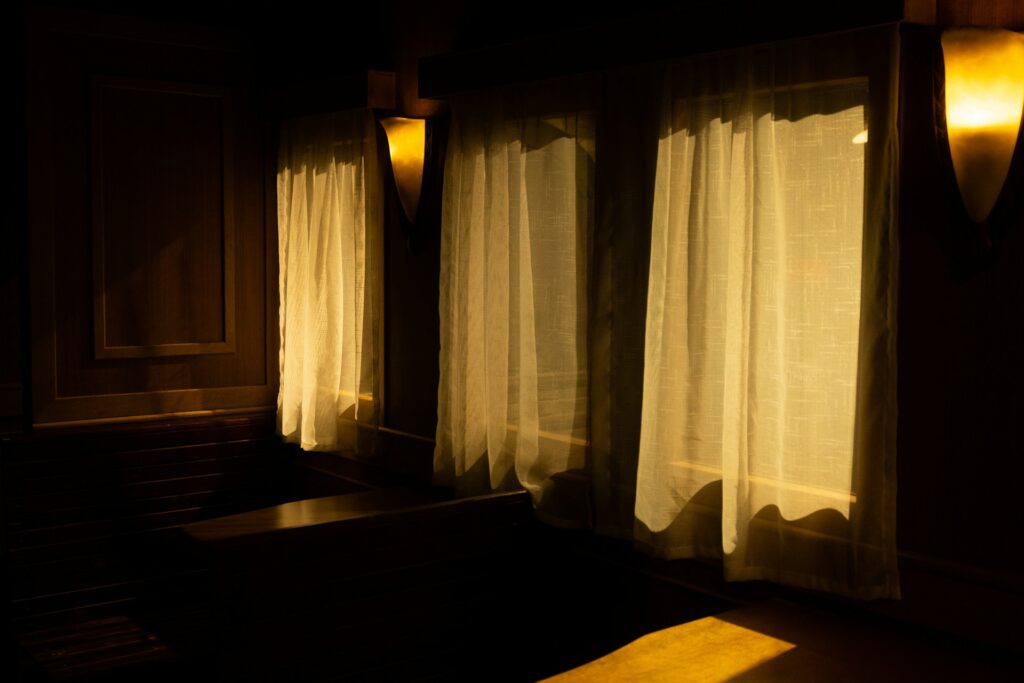
Heavy, dark drapes can block light and make a room feel closed off. Instead, choose breathable fabrics like linen or cotton in soft neutral shades. These materials filter sunlight rather than eliminate it, creating a gentle glow that feels airy and welcoming.
Hang curtains higher than the window frame to add height and balance to your walls. When natural light moves through soft fabric, it reduces glare and creates a calming ambiance. Designers often say that softened daylight feels more flattering and less harsh. This simple swap can instantly shift your room from rigid to relaxed and visually balanced.
5. Minimalist Wall Art With Breathing Room
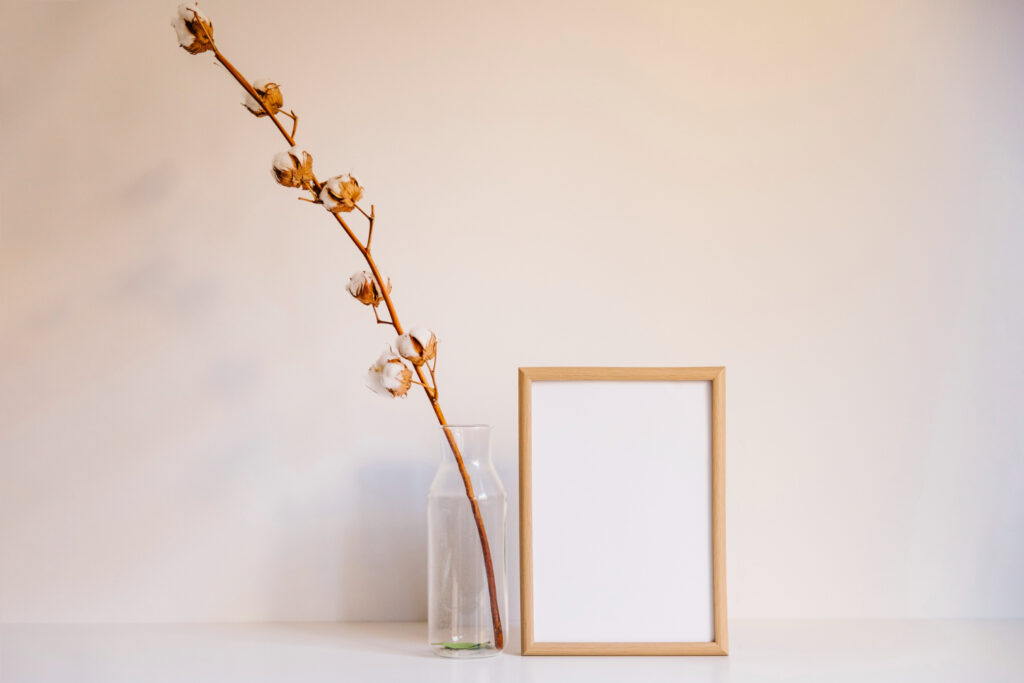
Too many frames clustered together can overwhelm your walls and your senses. Instead, choose a few meaningful pieces and give them space to breathe. Negative space allows your eye to pause and prevents visual fatigue over time.
Select artwork with soft colors or simple compositions that complement your palette. When each piece feels intentional rather than crowded, your room gains structure without feeling busy. Designers often recommend aligning frames carefully to maintain symmetry. Thoughtful placement keeps your walls interesting while preserving a sense of order and overall visual balance.
6. Indoor Plants That Bring Organic Movement
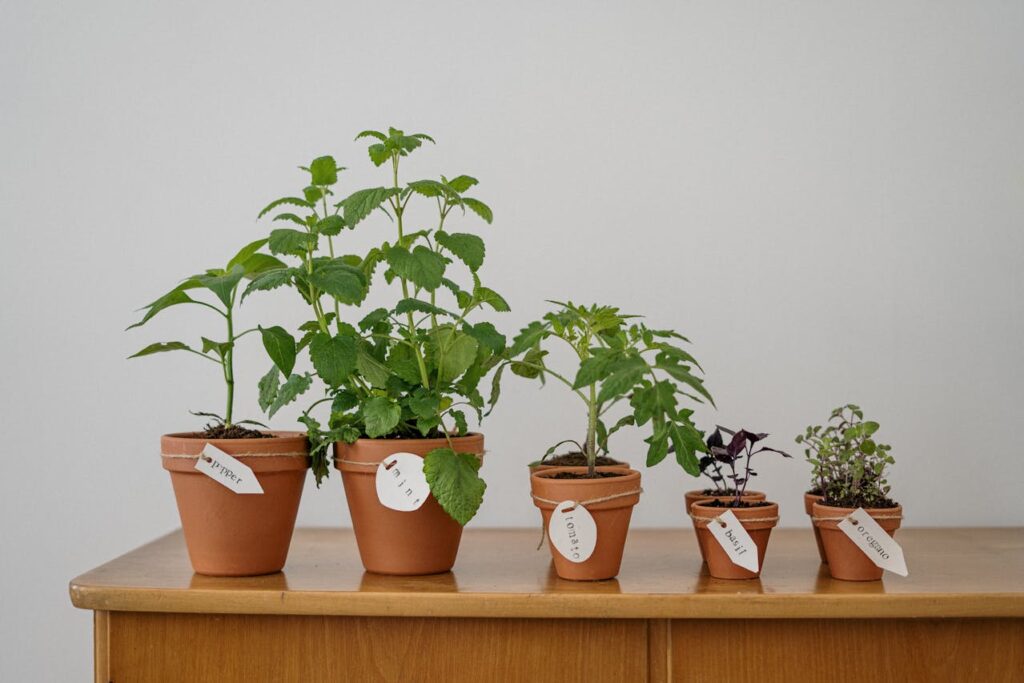
Plants introduce life and subtle movement that help a room feel dynamic yet calm. A tall fiddle leaf fig in a corner or a small pothos on a shelf adds softness to structured furniture lines. Greenery naturally balances hard surfaces and adds a sense of vitality to the space.
Choose planters in neutral tones to keep the look cohesive. You do not need a jungle effect to feel the benefit. Even one or two well-placed plants can refresh the air visually and emotionally. When you bring natural elements indoors, you create a quiet connection to the outdoors that supports relaxation, and an overall sense of well-being throughout your home.
7. Upholstered Furniture In Muted Earth Tones
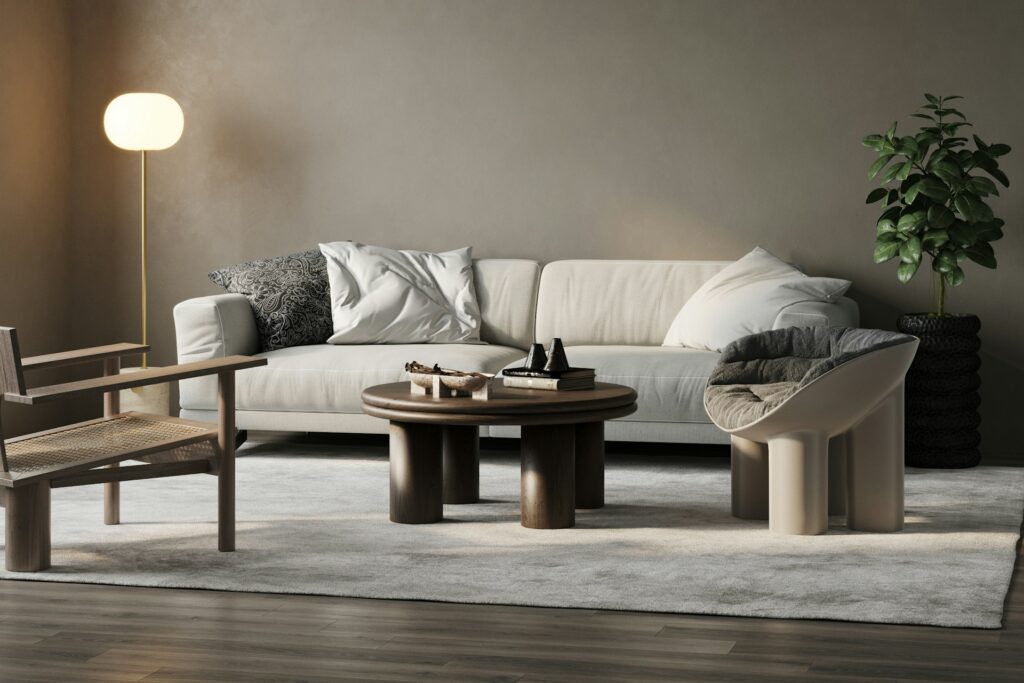
Furniture in bold or highly saturated colors can dominate a space. If you want balance, look for sofas and chairs in muted earth tones like clay, sage, or warm gray. These shades feel grounded, soothing, and easy on the eyes throughout the day.
Earth-inspired hues blend well with wood, textiles, and greenery. When your largest pieces feel harmonious, the entire room follows. Designers often suggest building your palette around one or two calm tones and repeating them subtly. This repetition creates rhythm and cohesion, helping your room feel thoughtfully composed rather than visually scattered or chaotic.
8. Decorative Storage That Reduces Visual Noise
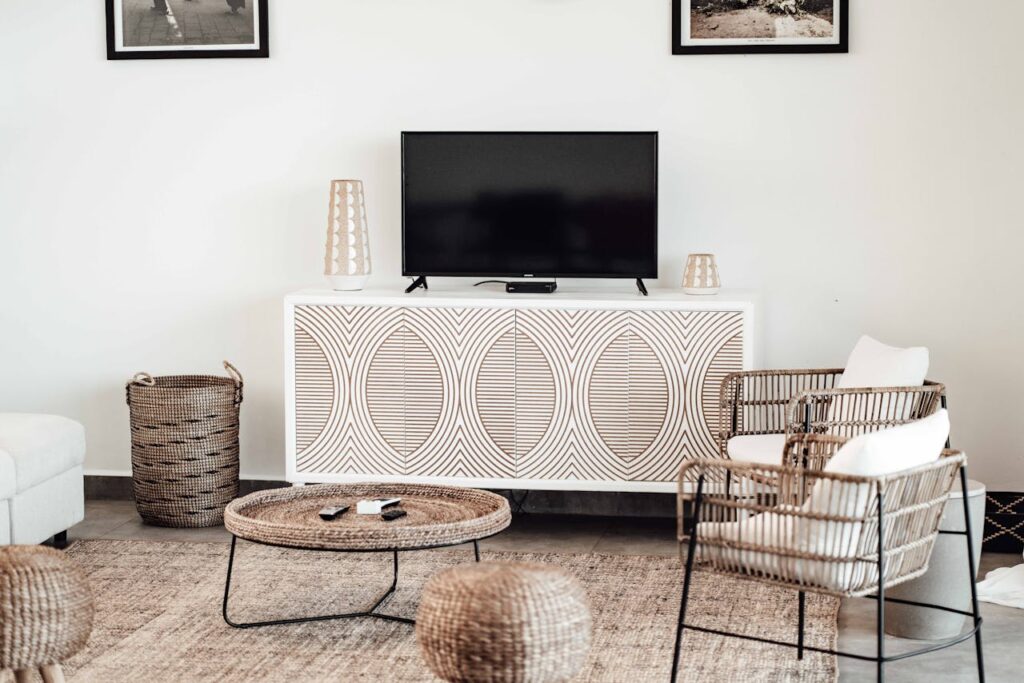
Visible clutter can quietly increase mental tension. Decorative storage solutions such as woven baskets, closed cabinets, or lidded boxes help you maintain order without sacrificing style. When everyday items disappear from sight, your room instantly feels lighter and more inviting.
Choose storage pieces that match your overall palette and texture scheme. Consistency keeps them from looking random. Designers emphasize that calm spaces are organized spaces. When you reduce visual noise, you allow key decor elements to stand out, which creates clarity and supports a balanced, peaceful, and harmonious environment.
9. Symmetrical Table Lamps Or Matching Side Tables
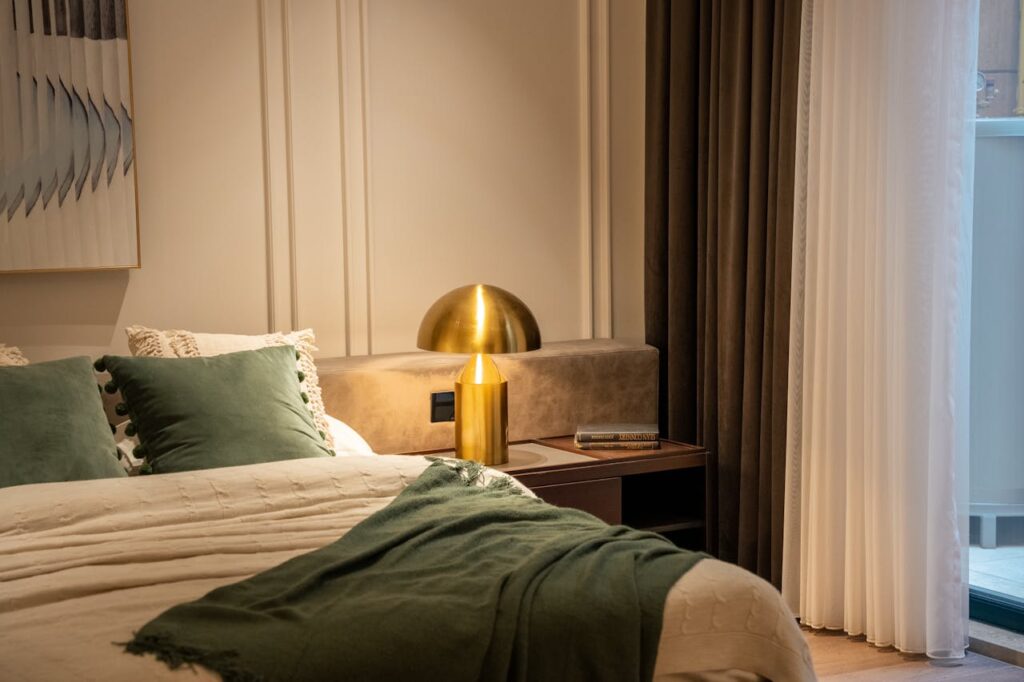
Symmetry naturally signals stability to your brain. Placing matching lamps on either side of a sofa or bed creates visual balance that feels reassuring and inviting. Even subtle symmetry can make a room feel more composed and harmonious.
You do not need identical furniture throughout the space. Focus on pairing key elements in central areas. Designers often use symmetry to anchor seating arrangements and create order. When both sides of a room feel evenly weighted, your eye moves smoothly across the space, reinforcing a sense of calm, thoughtful design, and overall visual harmony throughout the room.
10. Textured Throw Pillows In Coordinated Shades
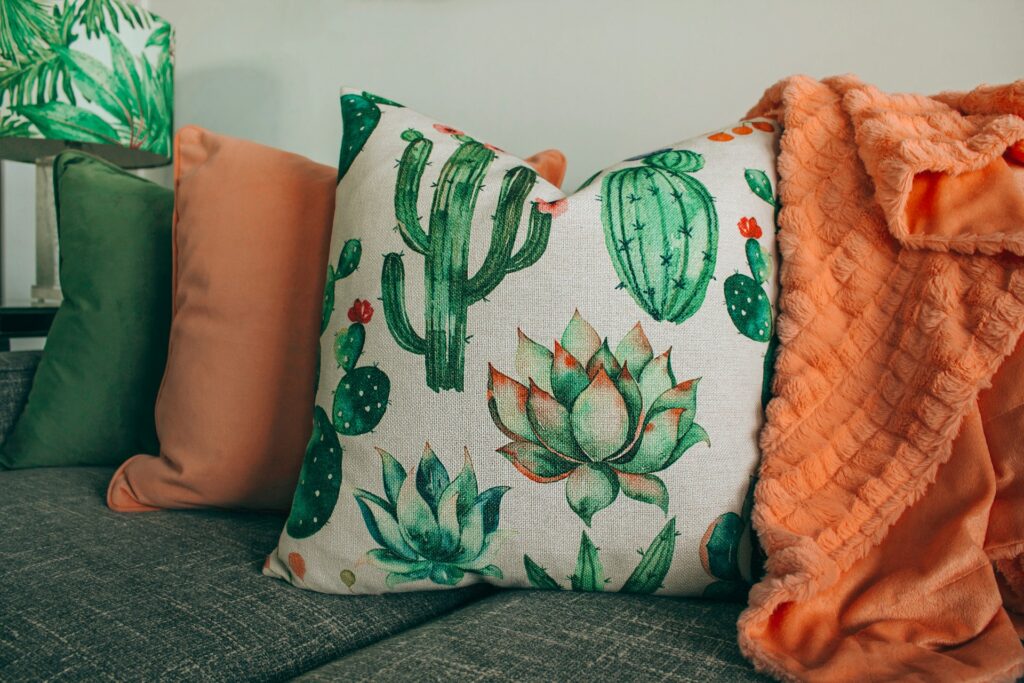
Throw pillows offer an easy way to add comfort without overwhelming the room. Choose textured fabrics like boucle, knit, or soft velvet in coordinated shades rather than contrasting colors. This keeps the look layered, cozy, and visually controlled.
Limit your palette to two or three related tones. When pillows echo colors found elsewhere in the room, they feel intentional and thoughtfully designed. Designers often recommend mixing textures instead of patterns for a calmer effect. The added softness invites you to relax, while coordinated hues maintain visual harmony and a welcoming, balanced feel across your seating area.
11. One Statement Piece That Anchors the Room
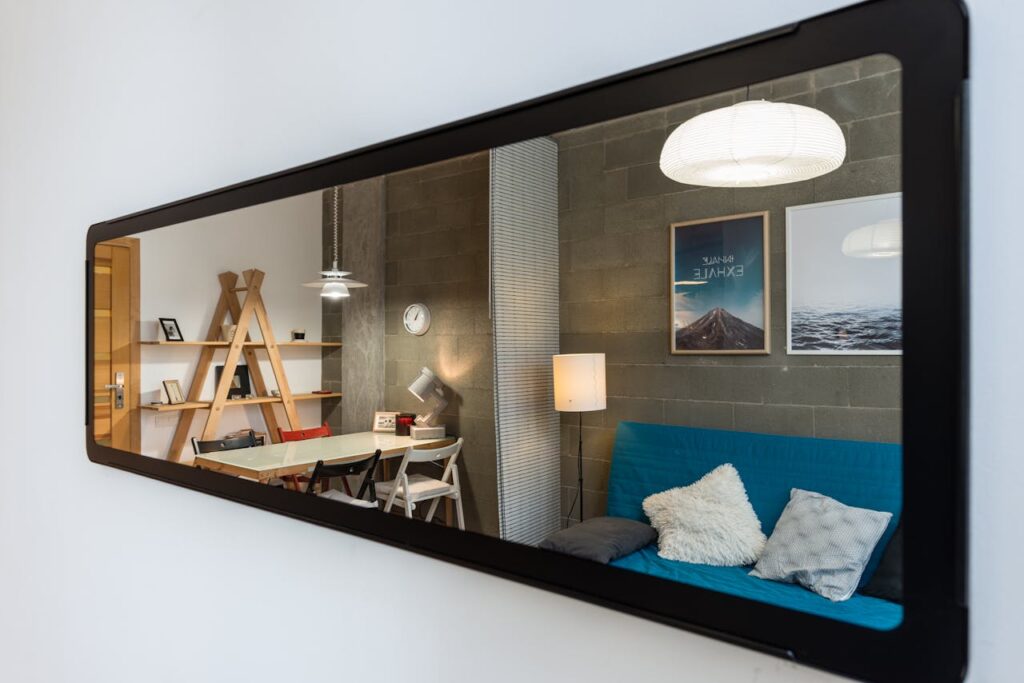
A room without a focal point can feel unsettled. Choose one statement piece, such as a large mirror, an oversized piece of art, or a sculptural light fixture, to anchor the space. When you give the eye a clear destination, everything else feels more organized.Keep surrounding decor simple so the statement piece can shine.
Designers often stress restraint in balanced interiors. By limiting bold elements to one central feature, you avoid competition and visual clutter. This approach creates structure, strengthens cohesion, and helps your room feel intentionally calm rather than accidentally busy.