
Why Walmart’s Self-Checkout Changes Will Impact Your 2026 Shopping
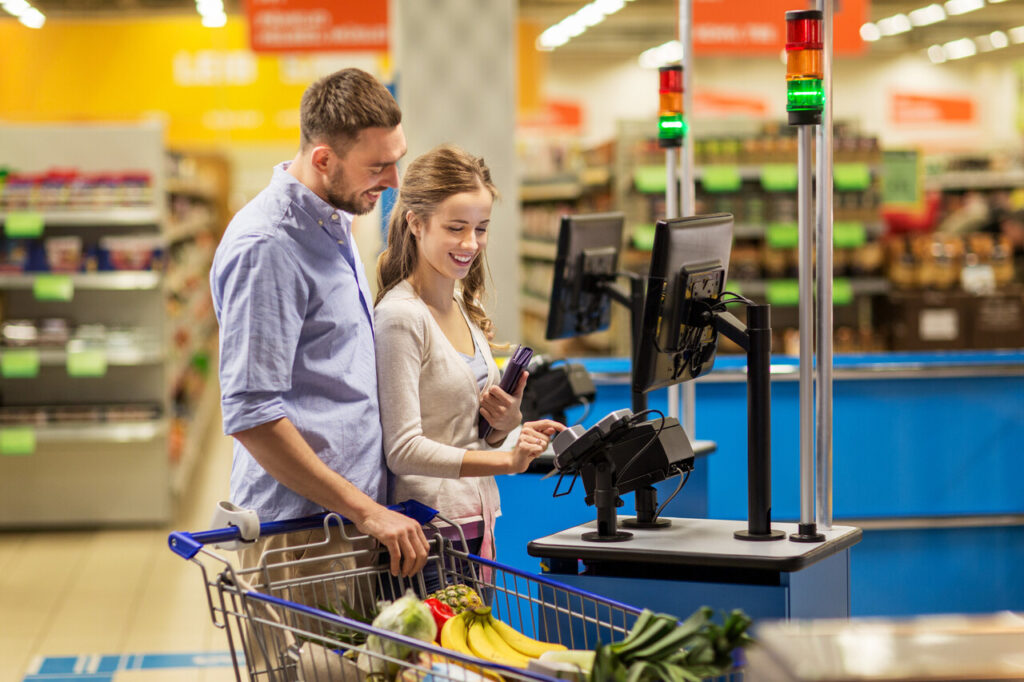
Walmart’s shift away from widespread self-checkout is more than a simple policy tweak. It signals a broader rethink of how efficiency, security, and customer experience should balance in the future of retail. As theft concerns, automation costs, and labor realities collide, Walmart is reshaping checkout to favor control over speed. These changes will quietly alter how shoppers move through stores, how long trips take, and how much interaction happens at the register. By 2026, the familiar rhythm of scanning and leaving on your own terms may no longer define a Walmart visit.
1. Walmart Is Reducing Access to Self-Checkout Lanes
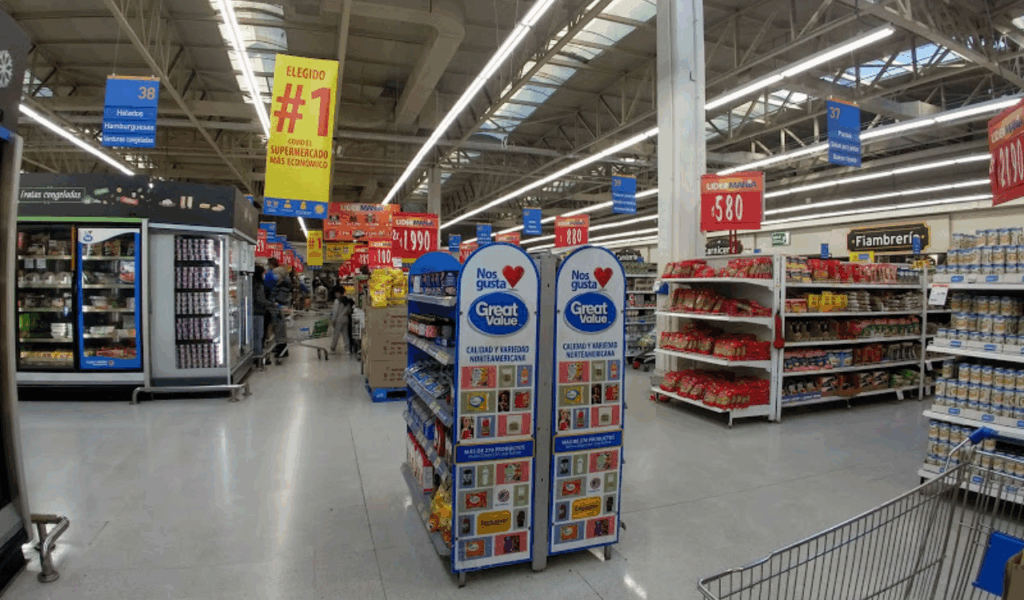
Here’s the big shift shoppers will notice first. Walmart is pulling back on wide-open self-checkout areas that once dominated store entrances. The change is largely driven by loss prevention and operational control rather than customer preference. Self-checkout lanes proved efficient, but they also became costly when theft and scanning errors increased. By limiting how many are available and where they are placed, Walmart is reshaping traffic flow inside stores. In 2026, many shoppers will no longer default to scanning their own items. Instead, self-checkout will feel conditional rather than guaranteed.
2. Staffed and Hybrid Checkout Will Become the New Normal

Walmart isn’t abandoning automation; it’s redefining where it belongs. Stores are increasingly shifting to hybrid models where an employee oversees several lanes or where self-checkout and traditional registers are mixed more deliberately. This is meant to balance efficiency with oversight. For shoppers, that means more human interaction at checkout, whether expected or not. While some customers welcome staffed lanes, others who grew used to scanning may feel slowed down. The hybrid approach also changes how lines form and move.
3. Loss Prevention Will Be Much More Visible
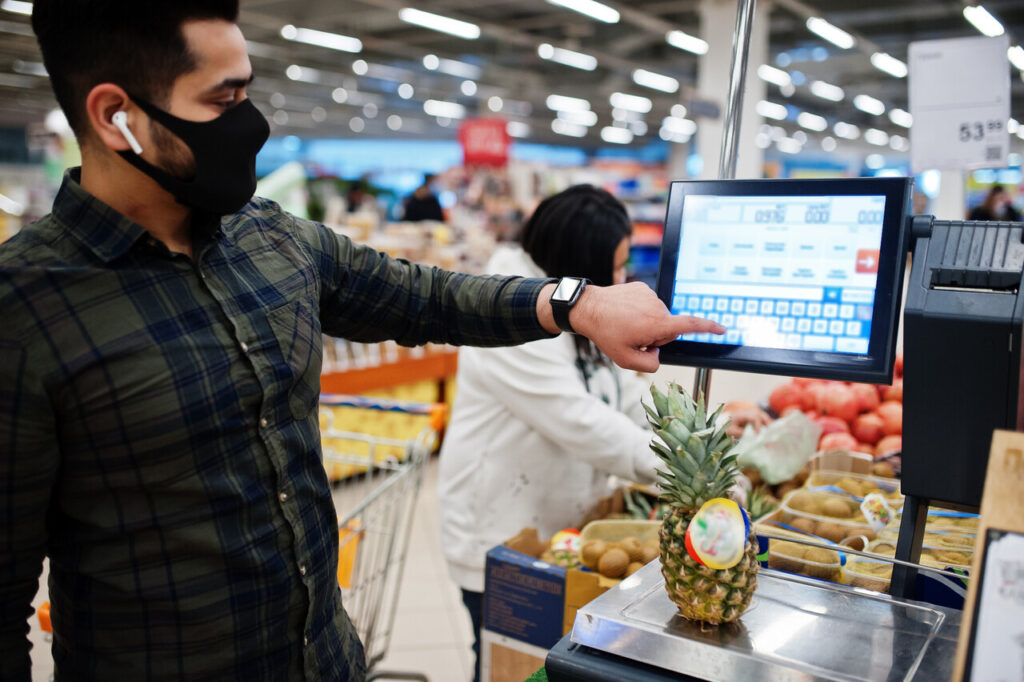
One of the clearest reasons behind Walmart’s self-checkout changes is theft reduction. Self-checkout shrink became a measurable problem, and the response is tighter monitoring. In practice, this means more cameras, more alerts, and more intervention during checkout. Shoppers may notice associates watching transactions more closely or stepping in when the system flags irregular behavior. Even honest mistakes like missed scans can now trigger delays. The shopping experience in 2026 will feel more supervised, particularly at checkout. Walmart is signaling that convenience comes second to protecting margins, and that changes how relaxed the process feels.
4. Automation Is Moving Behind the Scenes Instead of the Register
While customers see fewer self-checkout lanes, automation inside Walmart is actually expanding. The company is investing heavily in automated fulfillment, inventory management, and backend logistics. This shift improves restocking speed and order accuracy, especially for online pickup and delivery. For in-store shoppers, the impact is subtle but real. Shelves may be replenished faster, but checkout itself feels less automated. Walmart is separating customer-facing convenience from operational efficiency. By 2026, automation will be working hardest where shoppers don’t see it, not where they interact with it.
5. Peak-Hour Wait Times May Increase

With fewer self-checkout lanes available, crowding during peak hours becomes more likely. Weekends, evenings, and holiday periods will test the new system. Even with hybrid lanes, throughput may slow compared to the free-for-all self-checkout layouts of the past. Shoppers who time trips carefully or rely on fast checkouts will need to adjust expectations. Walmart is betting that better control offsets longer lines, but the trade-off is real. In 2026, speed may depend more on timing than technology.
6. AI Monitoring Will Play a Larger Role in Checkout

Artificial intelligence is becoming central to Walmart’s checkout strategy. Computer vision and behavior analysis tools are increasingly used to detect missed scans or unusual patterns. For shoppers, this means checkout systems that watch more closely and intervene more often. While the goal is accuracy, the experience can feel intrusive. Transactions that once finished quietly may now pause for verification. The system prioritizes loss reduction, not frictionless flow. By 2026, shoppers will interact less with machines and more with automated judgment systems that decide when something looks wrong.
7. Employee Roles Will Shift Rather Than Disappear

Despite concerns, Walmart’s strategy is not about eliminating workers. Instead, roles are shifting from passive cashier positions to active oversight, assistance, and fulfillment support. Employees are increasingly responsible for monitoring lanes, resolving issues, and supporting online orders. For shoppers, this means staff are more present but less focused on traditional scanning. Help may come faster when something goes wrong, but the casual, hands-off self-checkout experience is fading. The store feels more managed, less self-directed.