13 Holiday Displays That Feel More Like a Cry for Attention Than Celebration

Holiday displays are meant to bring joy, but many of the most impressive setups demand far more time than people expect. What starts as a simple plan to add some festive cheer often turns into hours of climbing ladders, untangling cords, adjusting placements, and fixing small issues that only show up once the lights are on. Weather, uneven ground, and fragile decorations all slow things down. By the time everything finally looks right, a full day or even an entire weekend can be gone. These displays delivered big visual impact, but they came with a serious time commitment that few people fully anticipate.
1. Massive Outdoor Light Shows That Required Careful Planning and Long Installation Hours
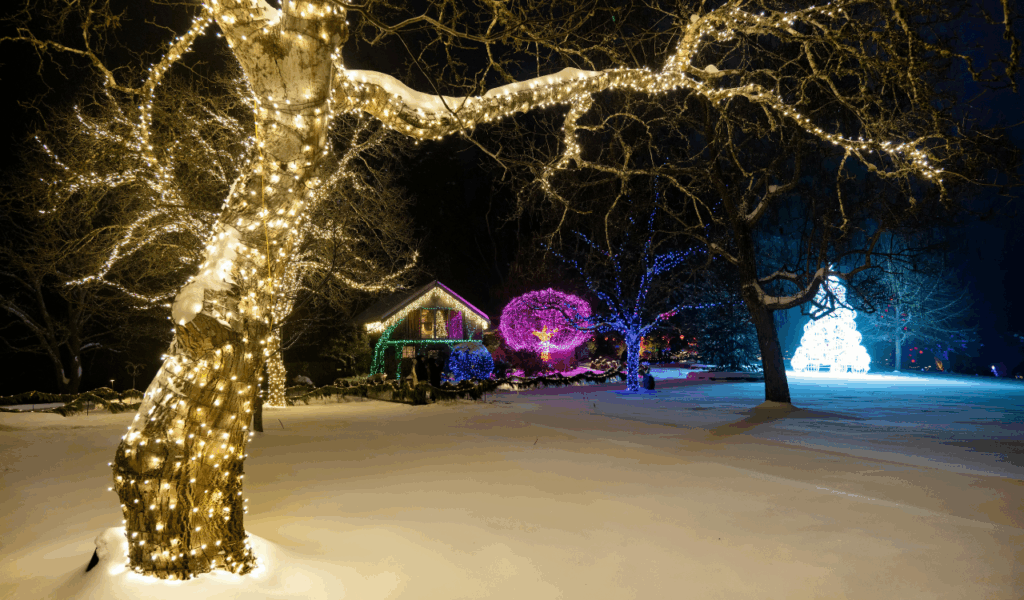
Large outdoor light displays look magical when finished, but getting there is a serious project. Homeowners must first test every strand, replace broken bulbs, and untangle wires that sat in storage all year. Rooflines require ladders, safety precautions, and secure clips so lights do not fall in wind or rain. Measuring spacing matters because uneven lines are very noticeable once everything is lit. Extension cords must be routed safely to avoid tripping hazards and overloaded outlets. Many displays also include timers or smart plugs that need setup and testing. What looks like simple decorating often turns into a full weekend of work, especially on larger houses where multiple roof angles and trees are involved.
2. Neighborhood Theme Displays That Demanded Group Coordination
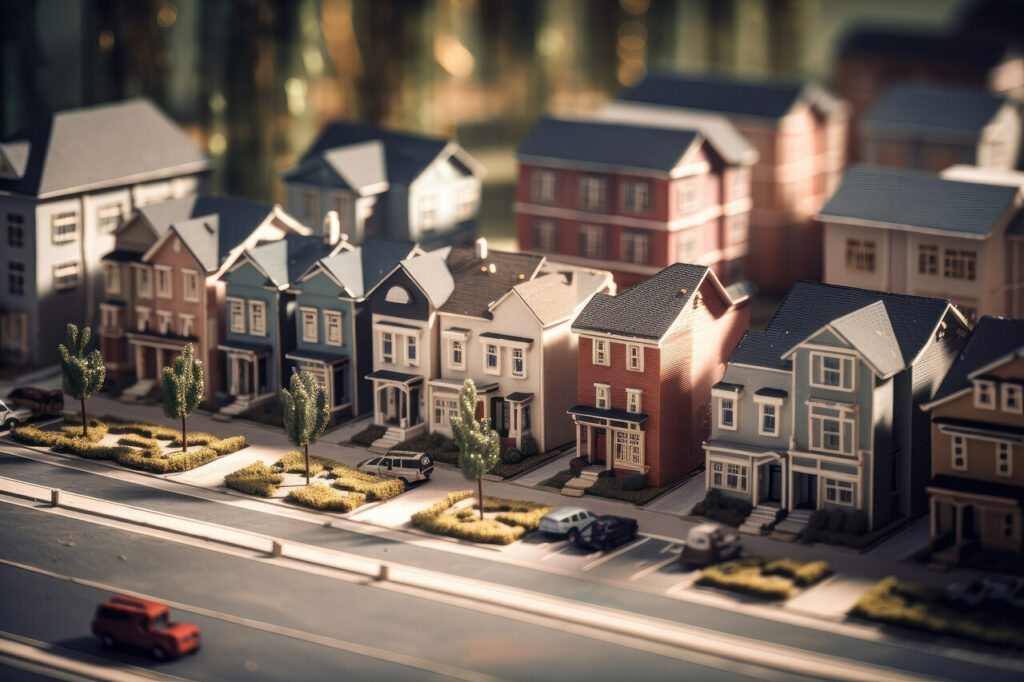
Street wide holiday themes are charming, but they involve far more than decorating one yard. Neighbors must agree on designs, colors, and timing. Large props are often built from wood or foam and painted by volunteers before installation even begins. Each house must place displays at similar heights and spacing so the street looks unified. Lighting needs to be synchronized visually, if not electronically. Weather delays, storage logistics, and transporting large pieces all add complexity. Even small misalignments can ruin the overall effect, so adjustments continue well after initial setup. What appears festive and spontaneous is usually the result of many hours of shared planning and physical labor.
3. DIY Wooden Yard Trees That Needed Construction Before Decorating

Pallet trees and wooden yard structures are popular on social media, but they require real building skills. Boards must be cut, sanded, and fastened into stable frames that can stand up to winter weather. Anchoring is essential so structures do not tip in wind. Once built, the decorating phase begins, which means wrapping lights evenly, attaching ornaments securely, and hiding power cords. Because wood is uneven, lights do not naturally sit straight, so adjustments take time. Painting or staining also adds drying time before lights can be attached. The project becomes part carpentry, part decorating, and far more demanding than store bought decorations.
4. Oversized Ornament Displays That Needed Assembly and Anchoring

Large ornament spheres or light balls look simple, but they usually arrive in pieces that must be assembled. Frames must be connected correctly so they hold their shape. Then hundreds of lights are wrapped around the structure in even patterns to avoid patchy brightness. Each ornament must be staked or weighted so it does not roll or blow away. Power cords must be hidden and routed safely across lawns. When multiple ornaments are used, spacing and alignment matter so the display looks intentional rather than scattered. Installation often takes hours per piece, especially when adjustments are needed after dark to balance brightness.
5. Icicle and Cascading Roof Lights That Took Precision to Install
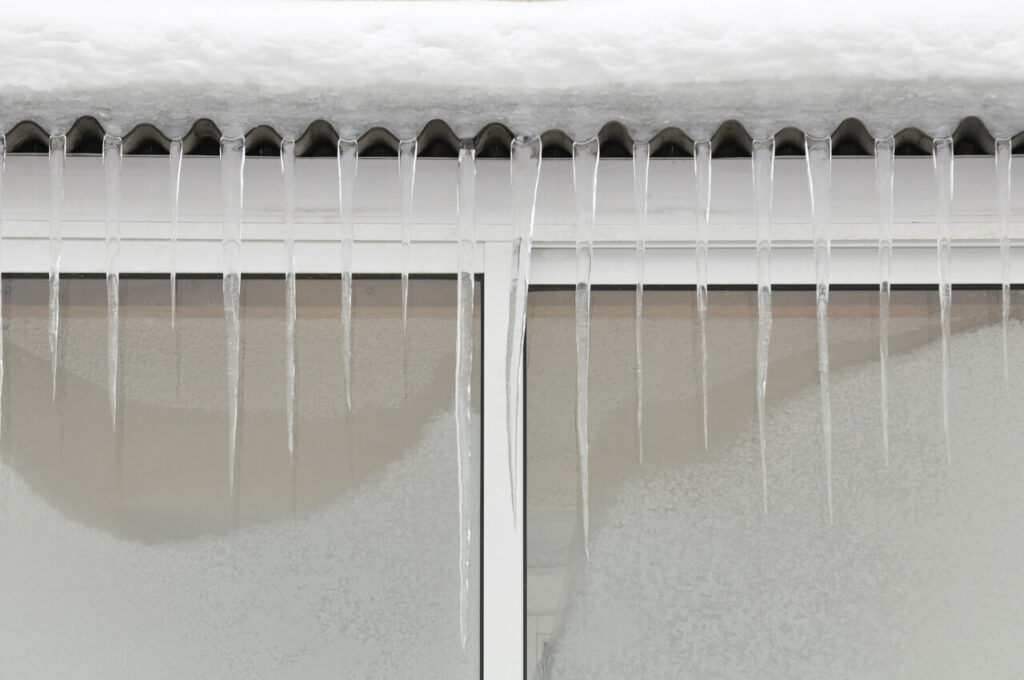
Hanging icicle lights along roof edges seems straightforward, but spacing and securing each strand properly takes patience. Clips must be placed at regular intervals so lights hang evenly. Sagging sections look sloppy and often need redoing. Working along eaves also requires careful ladder movement and safety checks. Connecting multiple strands into continuous runs adds complexity, especially when different roof sections require separate power sources. Wind can easily tangle hanging strands during installation, forcing repeated adjustments. Once installed, testing at night often reveals uneven brightness or gaps, leading to more climbing and fixing before the display looks complete.
6. Walkway Lighting That Needed Exact Spacing and Safe Wiring
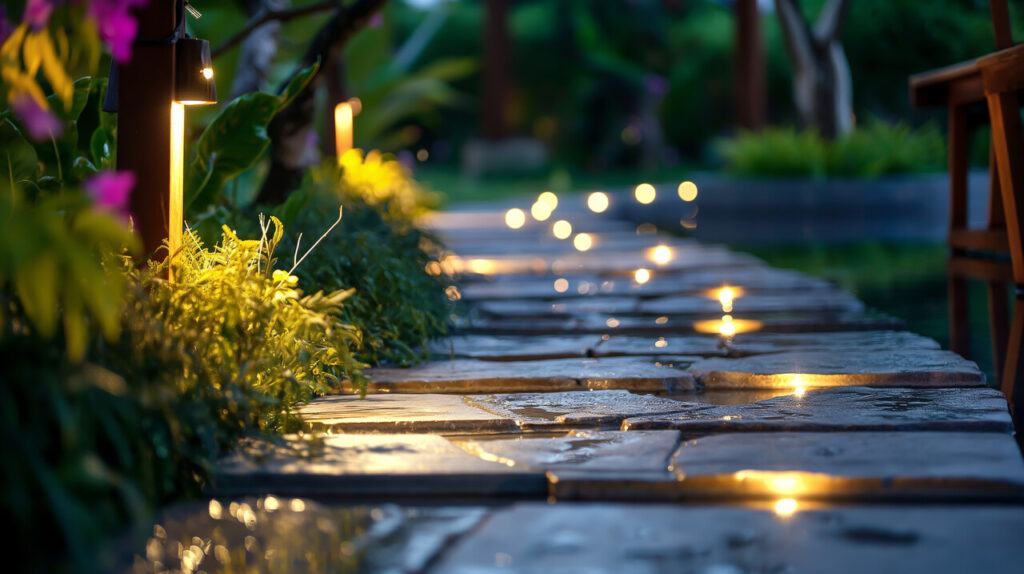
Lighting paths with stakes, lanterns, or luminarias adds beauty but demands careful layout. Lights must be spaced evenly to guide visitors safely without looking cluttered. Each fixture must be pushed into frozen or compact soil, which is harder than it looks. Electrical versions require outdoor-rated extension cords routed discreetly and safely. Battery-powered lights must be tested and sometimes repositioned to ensure visibility. Wind and rain can knock lightweight pieces out of alignment, meaning adjustments continue after installation. Creating inviting paths involves more trial and error than many expect.
7. Animated Yard Figures That Required Structural Support
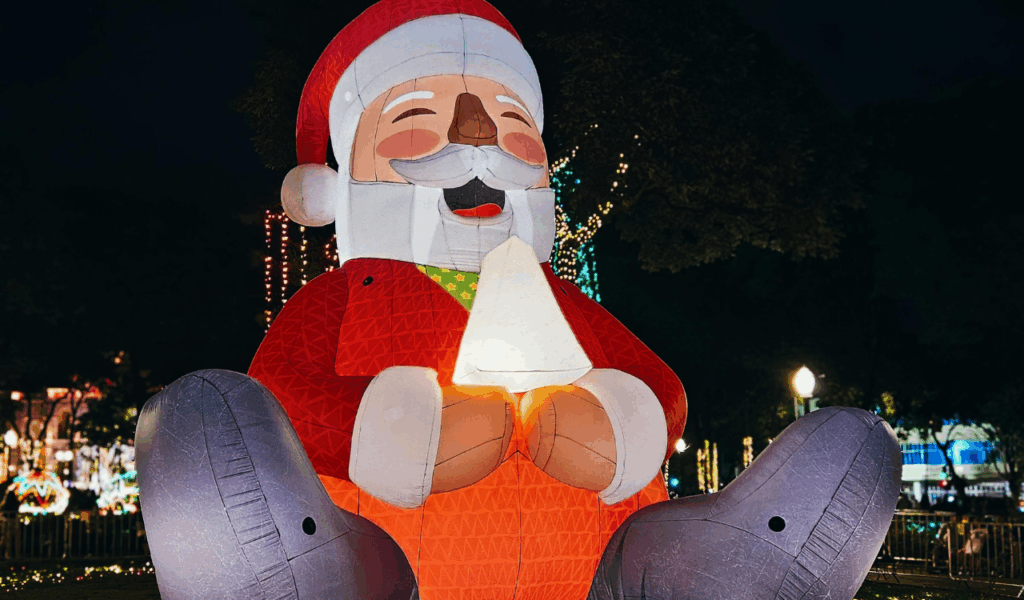
Large reindeer, sleighs, and snowmen are not just plug-and-play. They must be anchored firmly so they do not tip in strong winds. Metal frames often require stakes or sandbags to stay upright. Assembly involves connecting multiple sections and checking stability before adding lights. Power cords must be protected from moisture and placed where lawn mowers or pets will not damage them. When figures move or light up, testing is needed to ensure the motors function correctly. If one part fails, the whole display can look broken. Setup time increases quickly as each figure adds another layer of work.
8. Pixel Light Systems That Needed Programming and Testing

Pixel lighting systems allow custom animations, but they are among the most complex displays to install. Individual lights must be mounted securely along the roof edges or structures. Controllers and power supplies must be protected from the weather. After physical installation, software programming begins. Patterns must be uploaded, synced, and tested. Troubleshooting is common when sections fail to respond correctly. Adjusting brightness and timing takes multiple rounds of testing, often at night when effects are visible. The technical side alone can take hours, even before physical installation is complete.
9. Projection Displays That Required Precise Placement

Holiday projectors promise easy decorating, but getting clear images takes experimentation. Distance and angle must be adjusted so images fit walls or lawns without distortion. Trees, windows, and uneven surfaces can interrupt projections, forcing repositioning. Equipment must be secured against wind and moisture, sometimes requiring protective covers or mounting brackets. Power sources must be weather safe and stable. Multiple images or layered effects require syncing several projectors. What begins as plug and play often becomes a series of small adjustments to achieve acceptable results.
10. Layered Landscape Lighting That Involved Wrapping Every Branch
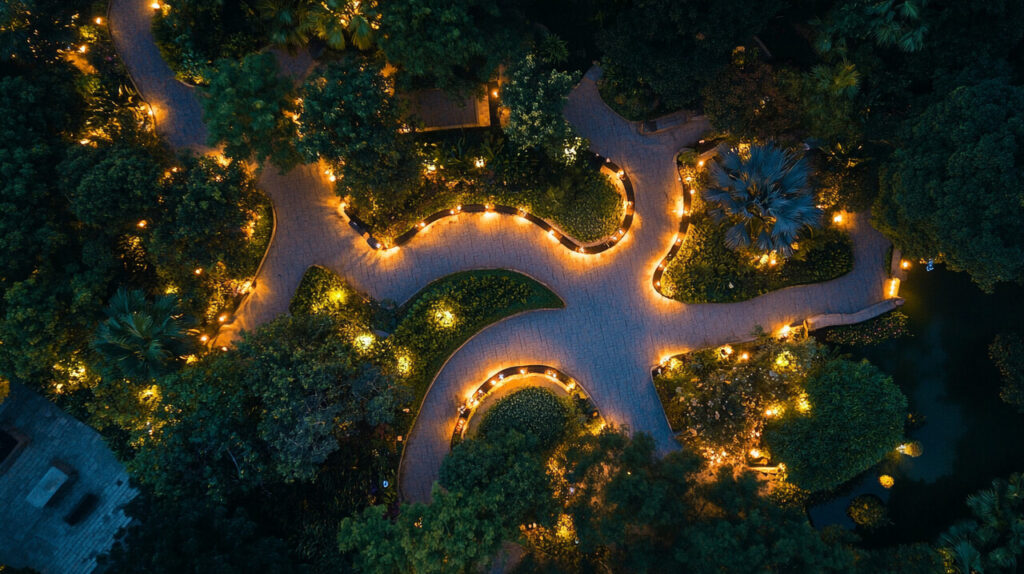
Wrapping bushes and trees with lights takes far longer than outlining rooflines. Each branch must be wrapped or woven so lights appear evenly distributed. Dense shrubs require careful threading to avoid bunching. Extension cords must connect multiple sections while remaining hidden. Snow or wet foliage complicates the process and increases installation time. When multiple trees are involved, consistency across shapes and sizes becomes another challenge. The result is beautiful, but the labor required is significant, especially when re wrapping is needed after storms shift lights out of place.
11. Town Scale Displays That Required Community Build Days
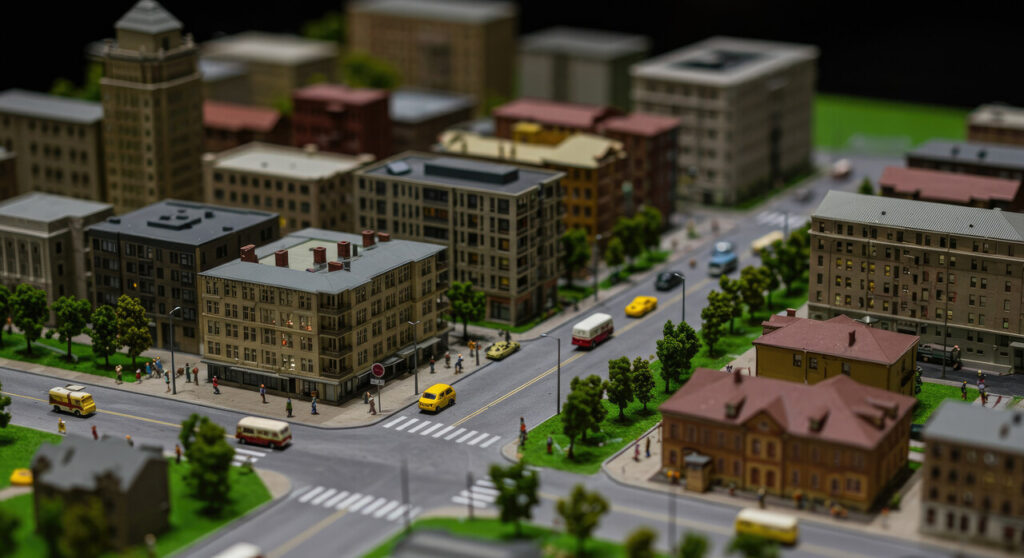
Large public holiday displays involve collecting materials, building frames, and attaching thousands of lights. Volunteers often work in shifts over several days. Structures must meet safety standards and withstand weather for weeks. Electrical systems must be designed to handle heavy loads without failure. The setup includes testing the entire system before opening to the public. Storage and teardown planning also factor into the project. These displays showcase community spirit, but they demand serious logistical coordination and physical effort that extends far beyond typical home decorating.
12. Window and Door Frame Lighting That Multiplied Installation Points
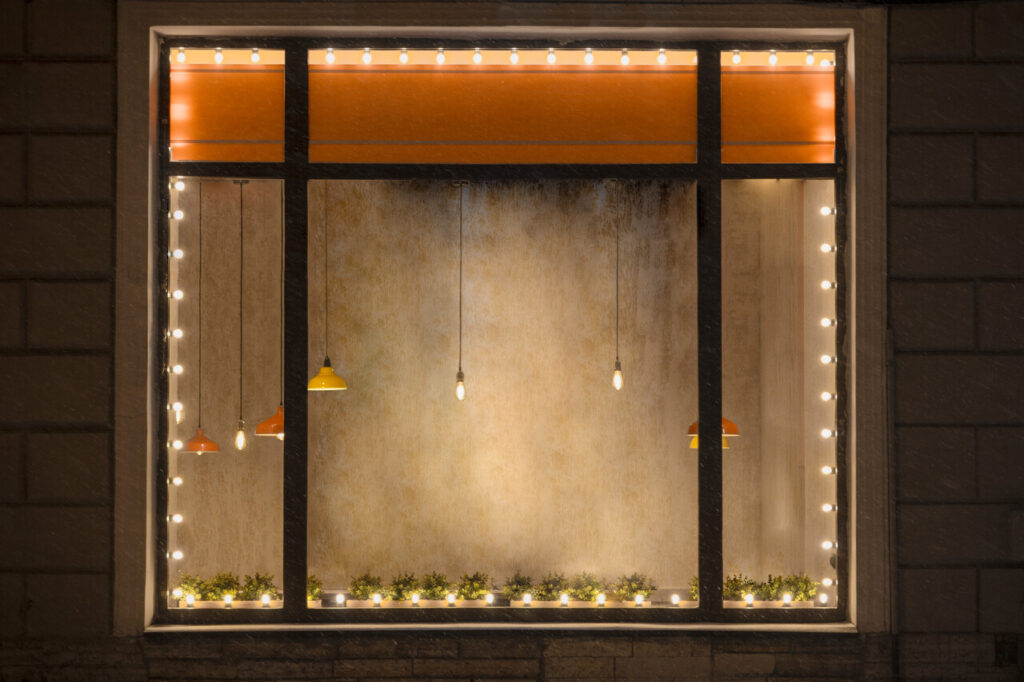
Outlining every opening on a house multiplies attachment points quickly. Each frame must be measured and clipped so the lights follow straight lines. Corners are especially time-consuming because strands must bend without breaking. Power routing becomes complicated when several windows are far apart. Testing each run ensures no dark sections remain. Once night falls, imperfections become obvious, leading to further adjustments. While this style of lighting looks clean and polished, achieving that effect requires careful placement and repeated fine-tuning.
13. Net Lights That Still Needed Careful Draping
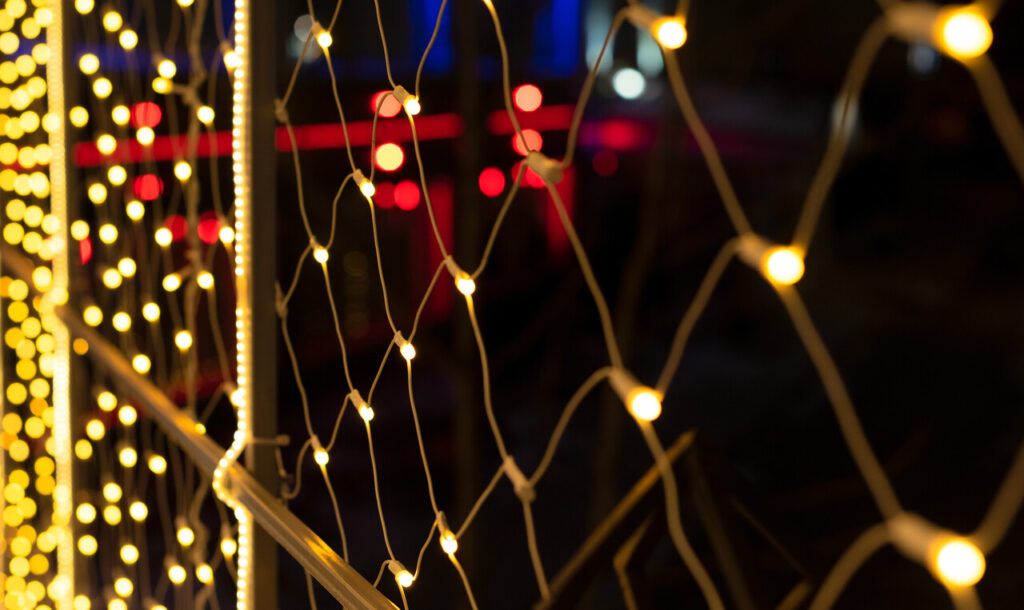
Net lights are marketed as fast solutions, but they still need precise placement to look good. Nets must be stretched evenly over bushes without sagging or bunching. Branches often catch and twist sections, requiring repositioning. Connecting multiple nets requires aligning patterns so coverage looks continuous. Wind can easily shift nets before they are secured, forcing rework. Power connections must be hidden and weather-protected. Although faster than wrapping individual strands, net lights still demand attention and time to avoid messy, uneven results.