Professional Italian Chefs Put 10 Frozen Pizzas to the Test: Here Is the Ultimate Ranking
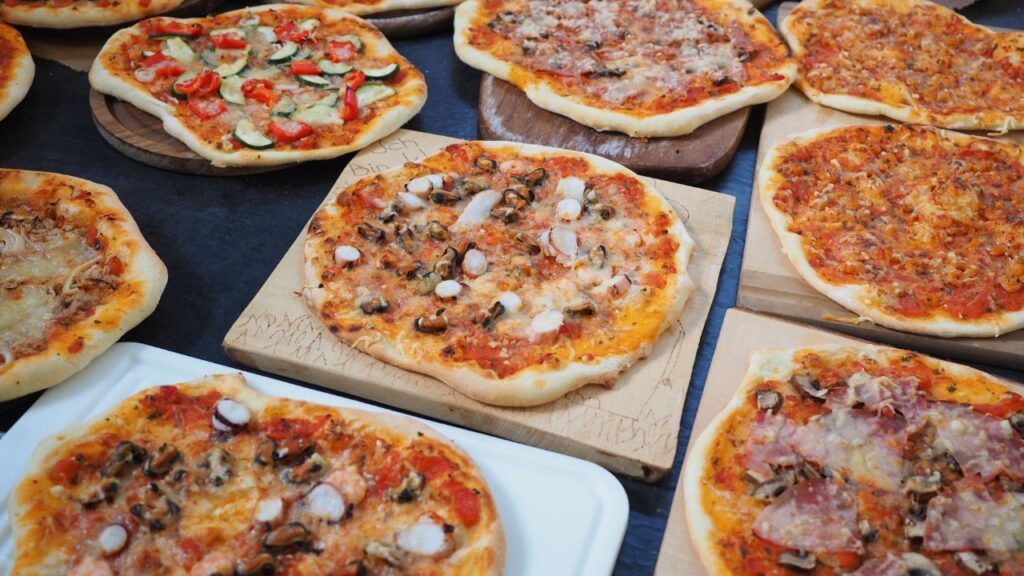
Frozen pizza has evolved from a last-minute freezer option into one of the most competitive segments in American grocery stores. In 2025, US frozen pizza sales climbed to $6.8 billion, growing more than 10 percent year over year as inflation pushed families toward affordable comfort foods. Market data shows 52 percent of American households now purchase frozen pizza at least once a month, signaling a shift from emergency food to regular meal planning. Despite this growth, consumer dissatisfaction remains high, with sweetness, poor crust texture, and artificial flavors cited as the most common complaints.
To cut through branding and nostalgia, a panel of professional Italian chefs with careers spanning Rome, Naples, and northern Italy conducted a blind taste test of 10 major frozen pizza brands sold nationwide. All pizzas were baked in a standard 400°F home oven and evaluated on crust structure, sauce balance, cheese melt, topping integrity, and aftertaste. Chefs scored each pizza independently before discussing results as a group. The final ranking revealed a sharp divide between mass-market familiarity and products that come closer to respecting Italian pizza fundamentals.
10. Tombstone Original Pepperoni
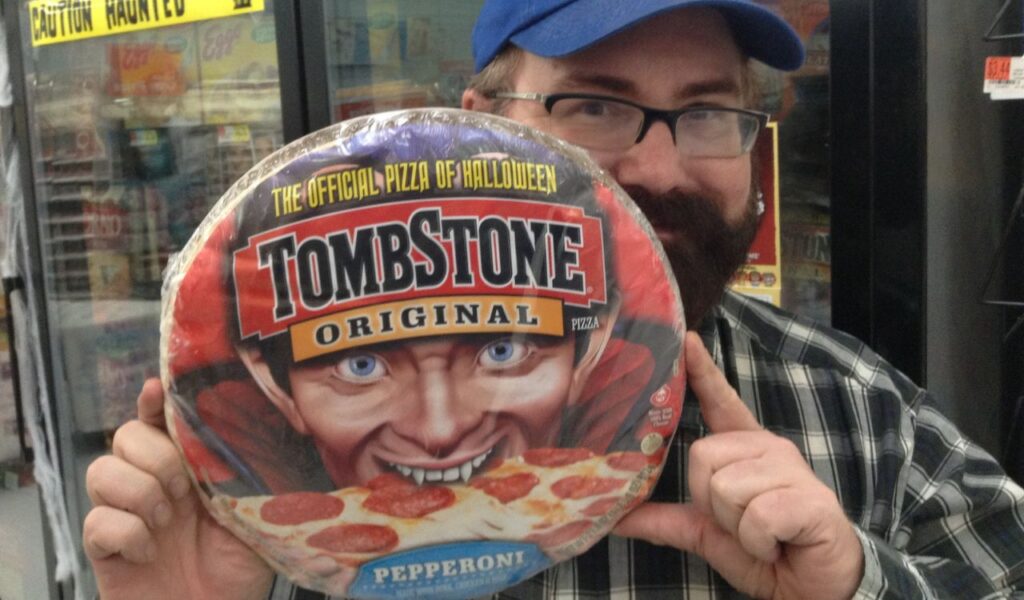
Tombstone finished last after an almost unanimous rejection from the panel. Nine out of ten chefs rejected Tombstone after the first bite, citing what one called a “corn syrup overload” that overwhelmed the palate. The sauce registered as aggressively sweet with almost no acidity, masking tomato character entirely. Chefs also criticized the crust for lacking fermentation flavor and structural resistance, noting it softened within minutes of leaving the oven.
As the pizza cooled, oil separated heavily from the cheese, leaving a greasy surface rather than a cohesive melt. Pepperoni slices dried quickly at the edges and delivered little spice or aroma. From a value perspective, chefs noted that while Tombstone is inexpensive at roughly $4.99 for a 16-ounce pizza, the low price translated directly into compromised ingredients. The panel agreed it prioritized shelf appeal and cost savings over any authentic pizza technique.
9. Red Baron Classic Crust Pepperoni
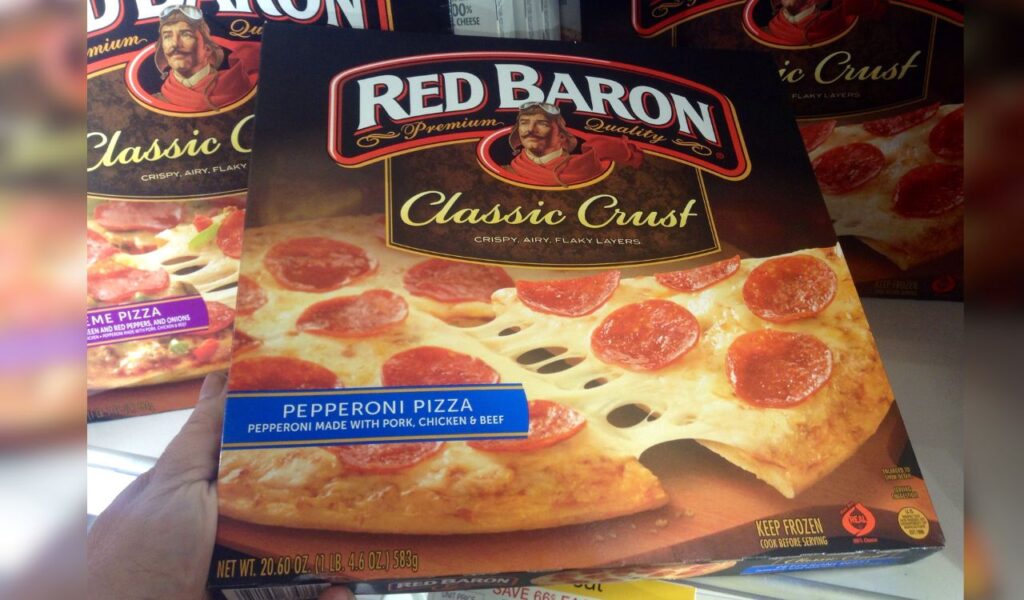
Red Baron ranked slightly higher but still landed firmly in the bottom tier. Chefs immediately detected a processed sweetness when the pizza emerged from the oven, which several attributed to added sugars in the sauce. While the crust browned evenly, it lacked internal structure and collapsed quickly, failing the chew test Italian chefs consider essential to proper dough.
Flavor balance was the primary weakness. The sauce leaned sweet rather than savory, and the cheese melted proved inconsistent, pooling oil in the center while drying out at the edges. Although the pepperoni showed some cupping, the spice level did not carry through. At its common retail price point, chefs felt Red Baron offered familiarity but little value when measured against pizza fundamentals or ingredient integrity.
8. Totino’s Party Pizza
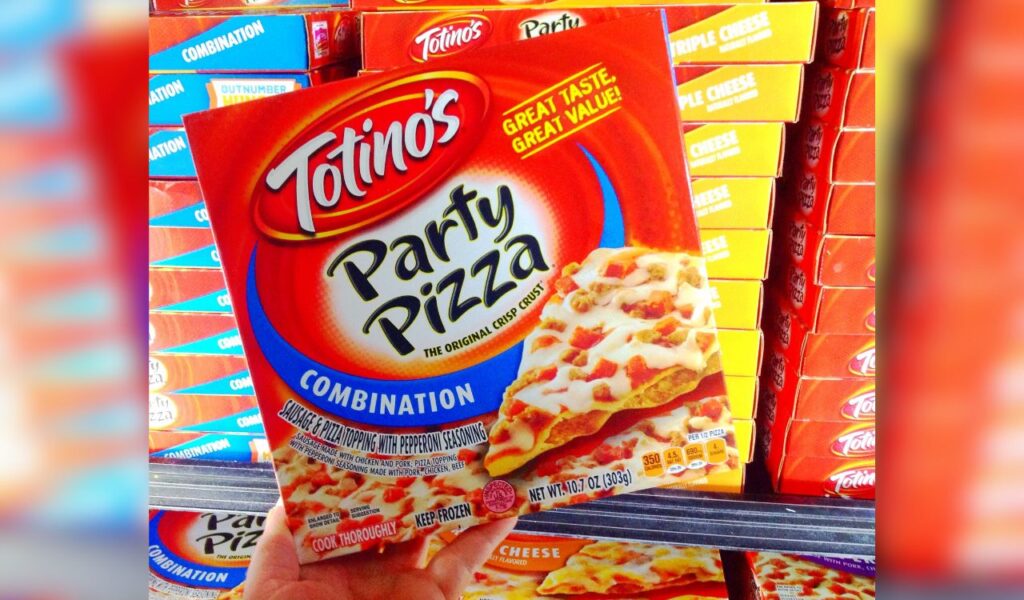
Totino’s presented a unique challenge for the panel. Chefs agreed it functions more as a nostalgic snack than a true pizza, which influenced its placement. The crust was extremely thin and cracker-like, delivering crunch but no chew or elasticity. Sauce coverage was minimal and noticeably sweet, offering little tomato presence.
Cheese melted into a uniform layer with no stretch or richness, reinforcing its snack-food identity. While several chefs acknowledged Totino’s succeeds at delivering consistency and affordability, they agreed it fails nearly every authenticity metric used in Italian pizza evaluation. It ranked above lower entries only because its expectations are transparent and limited.
7. Caulipower Margherita
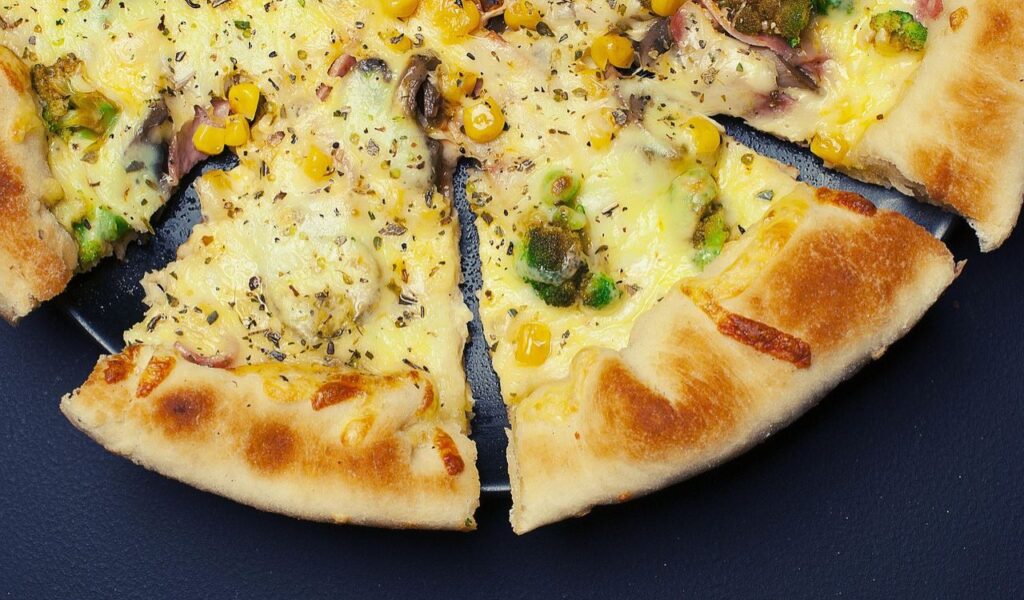
Caulipower earned mixed reactions from the chefs. Ingredient transparency and restrained seasoning were viewed positively, but texture proved to be the deciding factor. The cauliflower crust baked evenly yet lacked elasticity and collapsed under its own toppings. Chefs emphasized that regardless of dietary goals, pizza crust must support structure and bite.
Flavor was clean and free of excessive sweetness, which helped its score, but the sauce felt muted, and the cheese lacked stretch. While chefs respected the health-forward approach, they agreed that the eating experience sacrificed too much satisfaction to compete with even average wheat-based frozen pizzas.
6. Amy’s Cheese Pizza
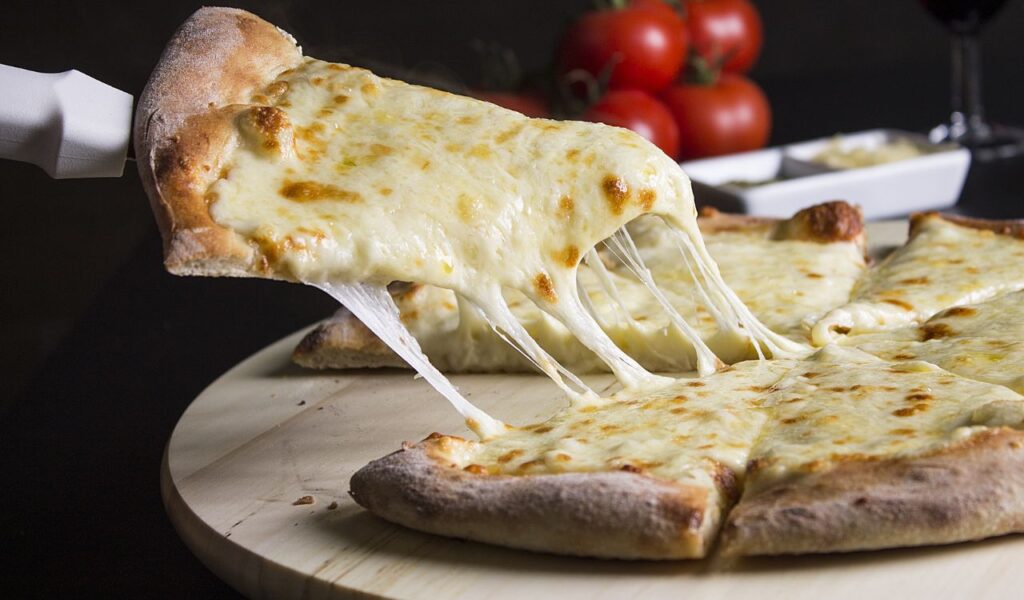
Amy’s landed in the middle of the rankings thanks to higher ingredient quality and a more restrained flavor profile. Chefs praised the sauce for avoiding added sweetness and allowing tomato acidity to remain present. However, the crust was described as dense and bread-forward, lacking the airy fermentation pockets associated with well-made dough.
Cheese quality exceeded mass-market competitors but still melted into a flat layer without elasticity. Texture declined noticeably as the pizza cooled. From a value standpoint, chefs felt Amy’s higher price reflected organic sourcing but did not fully translate into superior eating quality. It earned respect, but not enthusiasm, from the panel.
5. Freschetta Brick Oven Style
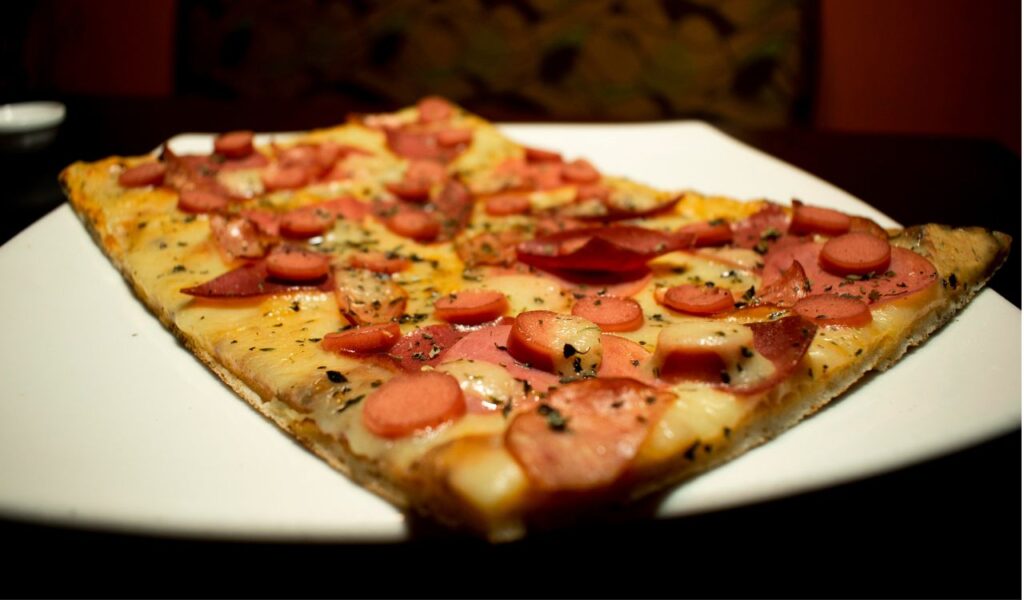
Freschetta marked a noticeable shift upward in technical execution. Seven out of ten chefs approved Freschetta’s crust structure, noting stronger browning and better moisture control than lower-ranked pizzas. The base maintained its shape longer after baking and delivered a mild chew that suggested improved dough formulation. Sauce balance remained neutral, avoiding the sugary spike that dominated earlier entries.
Cheese melted evenly and stayed cohesive, though chefs described the flavor as safe rather than expressive. Toppings were applied generously but lacked aromatic impact. At an average retail price of $6.49 for a 21-ounce pizza, Freschetta delivered respectable value through consistency and reliability. The panel agreed it was well-engineered and dependable, but emotionally flat, performing well across categories without leaving a lasting impression.
4. DiGiorno Rising Crust Pepperoni
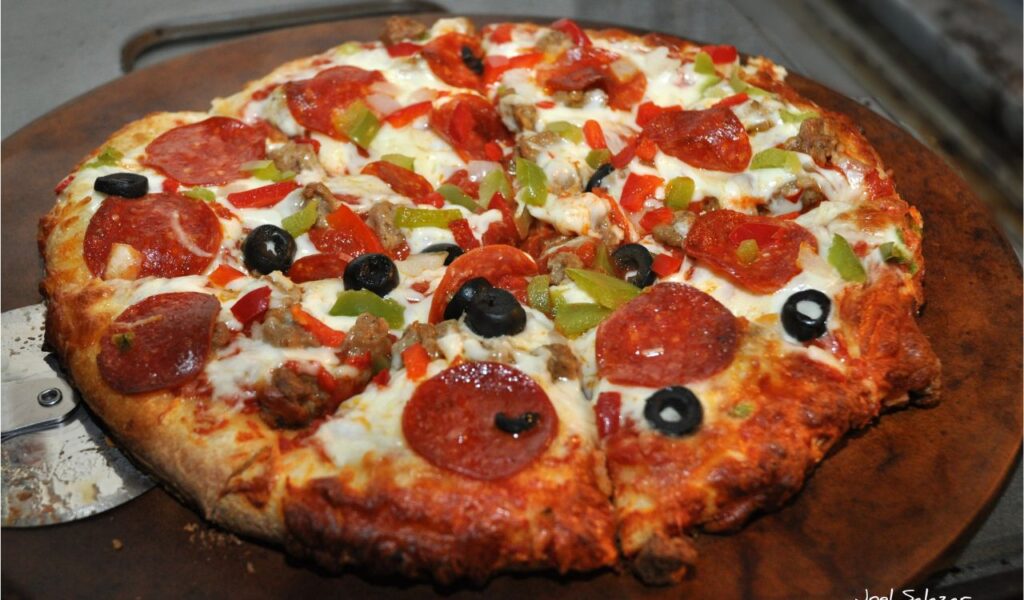
DiGiorno scored highly for structural performance, particularly its thick, bread-forward crust. Eight out of ten chefs acknowledged DiGiorno’s superior rise and volume, even while noting it does not resemble Italian pizza dough. The crust maintained height, softness, and internal moisture without collapsing, which helped it score well in oven performance tests.
Flavor balance remained the limiting factor. Sauce leaned sweet, and cheese released visible oil as the pizza cooled. Still, at approximately $6.99 for a 27-ounce pizza, DiGiorno offered strong value per square inch and dependable results. Chefs agreed it succeeds as an American-style frozen pizza built for mass appeal, ranking high due to consistency and structure rather than authenticity.
3. Costco Kirkland Signature Cheese Pizza
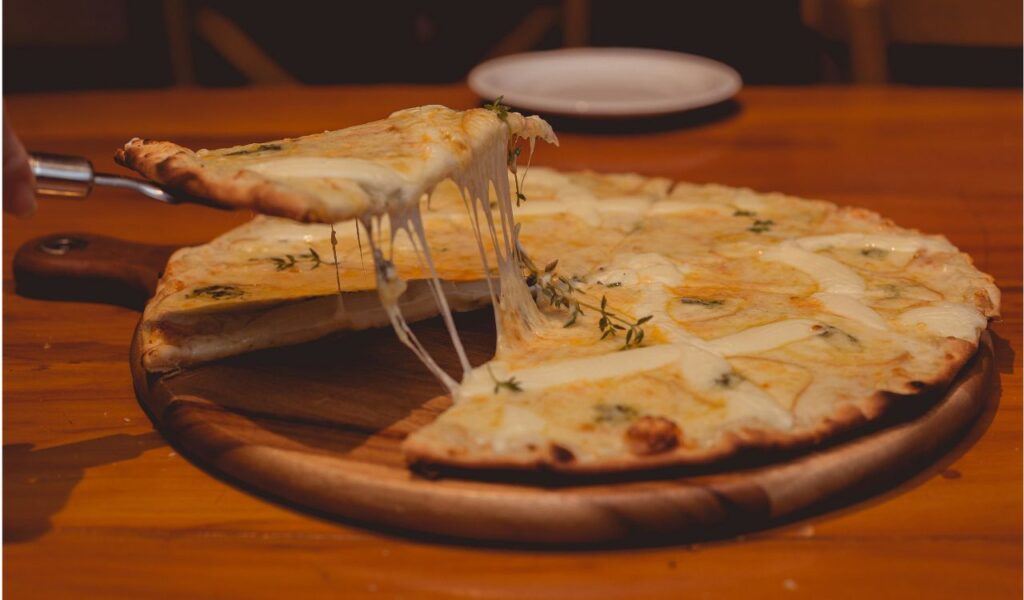
Kirkland surprised the panel with its balance of value and restraint. Eight out of ten chefs rated Kirkland above expected quality for a bulk retailer brand, praising its even bake and retained chew. The sauce showed better acidity control than most mainstream competitors, and sweetness stayed in check.
Cheese coverage was generous and melted smoothly without excessive oil separation. At $9.99 for a 4-pound pizza, chefs calculated it delivered the best cost per square inch in the entire test, outperforming premium brands on value alone. While not artisanal, Kirkland felt composed rather than engineered, respecting basic pizza principles more consistently than many national brands.
2. Trader Joe’s Pizza Parlanno
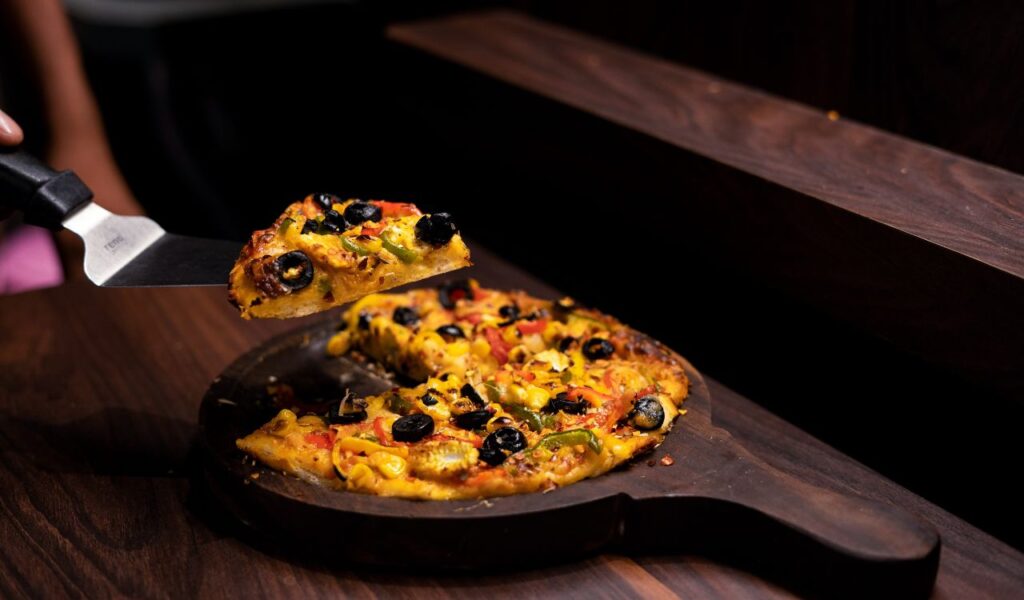
Trader Joe’s emerged as the strongest traditional-style contender. Nine out of ten chefs approved its sauce balance, citing visible tomato character and an absence of added sweetness. The thinner crust crisped effectively in a standard home oven while retaining a tender interior.
Cheese quality stood out, offering mild stretch and clean dairy flavor without greasiness. Toppings were evenly distributed, preventing sogginess and maintaining bite integrity. At roughly $6.99 for a 17.5-ounce pizza, Trader Joe’s delivered strong value relative to flavor authenticity. Chefs agreed it demonstrated that frozen pizza can align closely with Italian sensibilities while remaining accessible.
1. Rao’s Frozen Pizza
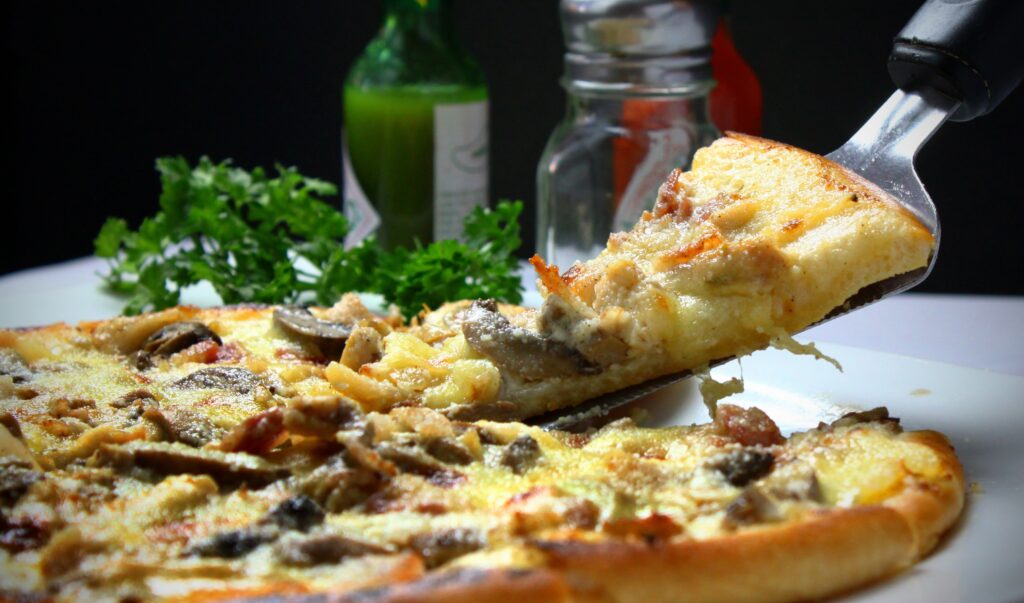
Rao secured first place by a clear margin. All ten chefs unanimously approved Rao’s, making it the only pizza to achieve full panel consensus. The sauce was the defining feature, delivering bright acidity and depth without sweetness, closely resembling San Marzano-style tomatoes.
The crust baked evenly with a crisp exterior and soft interior, maintaining structure even as the pizza cooled. Cheese melted cleanly with minimal oil separation. Although priced higher at approximately $8.99 for a 16-ounce pizza, chefs calculated 68 cents per square inch, the highest in the test. Even so, the panel agreed that Rao justified its cost by honoring Italian technique better than any frozen option tested.