Home Features That Feel Dated Faster Than People Expect
Home design trends can be fleeting, with certain features becoming outdated more rapidly than anticipated. Understanding which elements are prone to quick obsolescence can help homeowners make informed decisions that ensure their spaces remain stylish and functional over time.
Overuse of Gray Tones
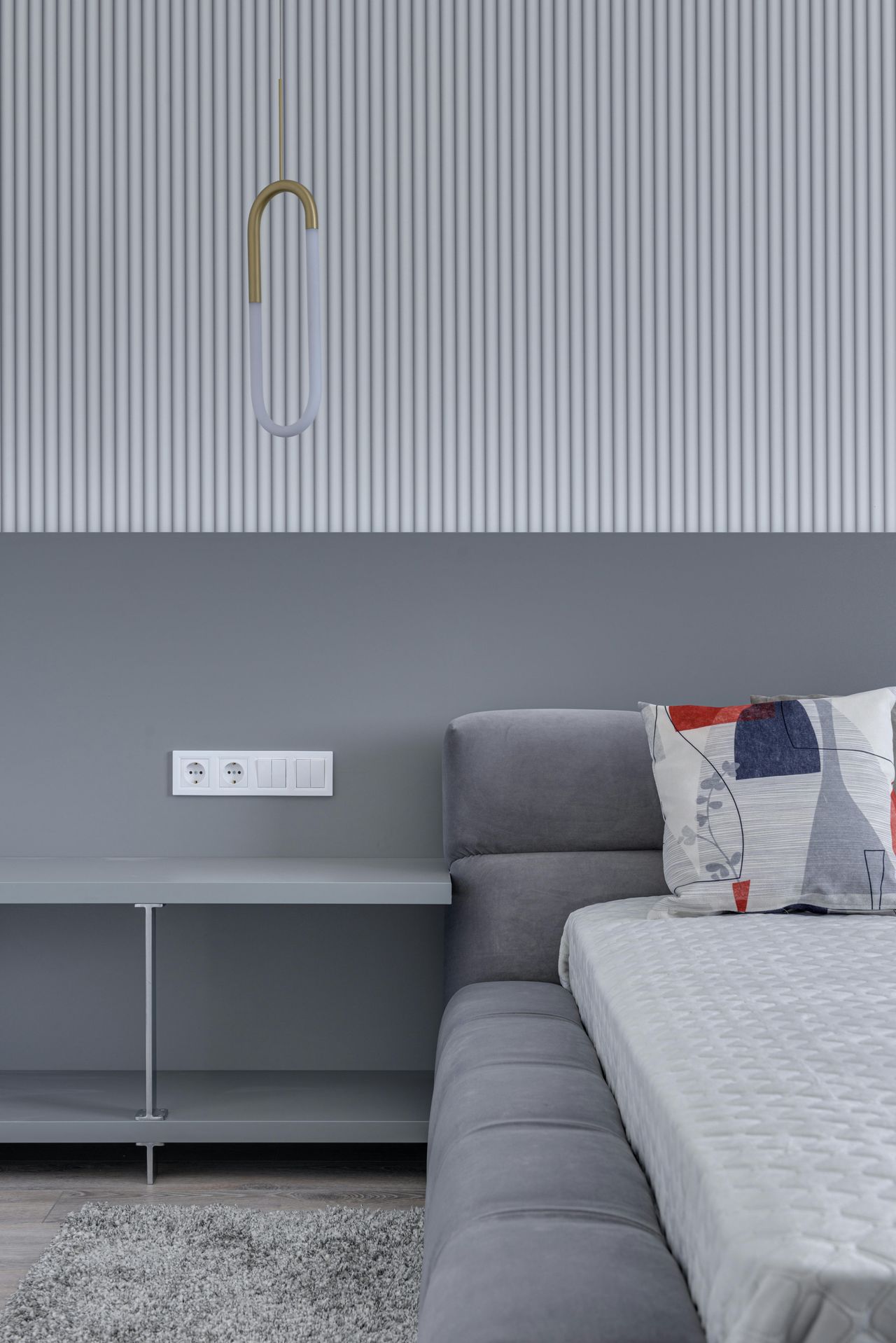
Gray has been a dominant color in interior design for years, appreciated for its neutrality and versatility. However, an overreliance on gray can render spaces feeling cold and impersonal. Designers are now shifting towards warmer neutrals and richer hues to create more inviting environments. Incorporating colors like creamy whites, soft beiges, and earthy tones can add warmth and depth to a room, making it feel more personalized and less sterile.
All-White Kitchens
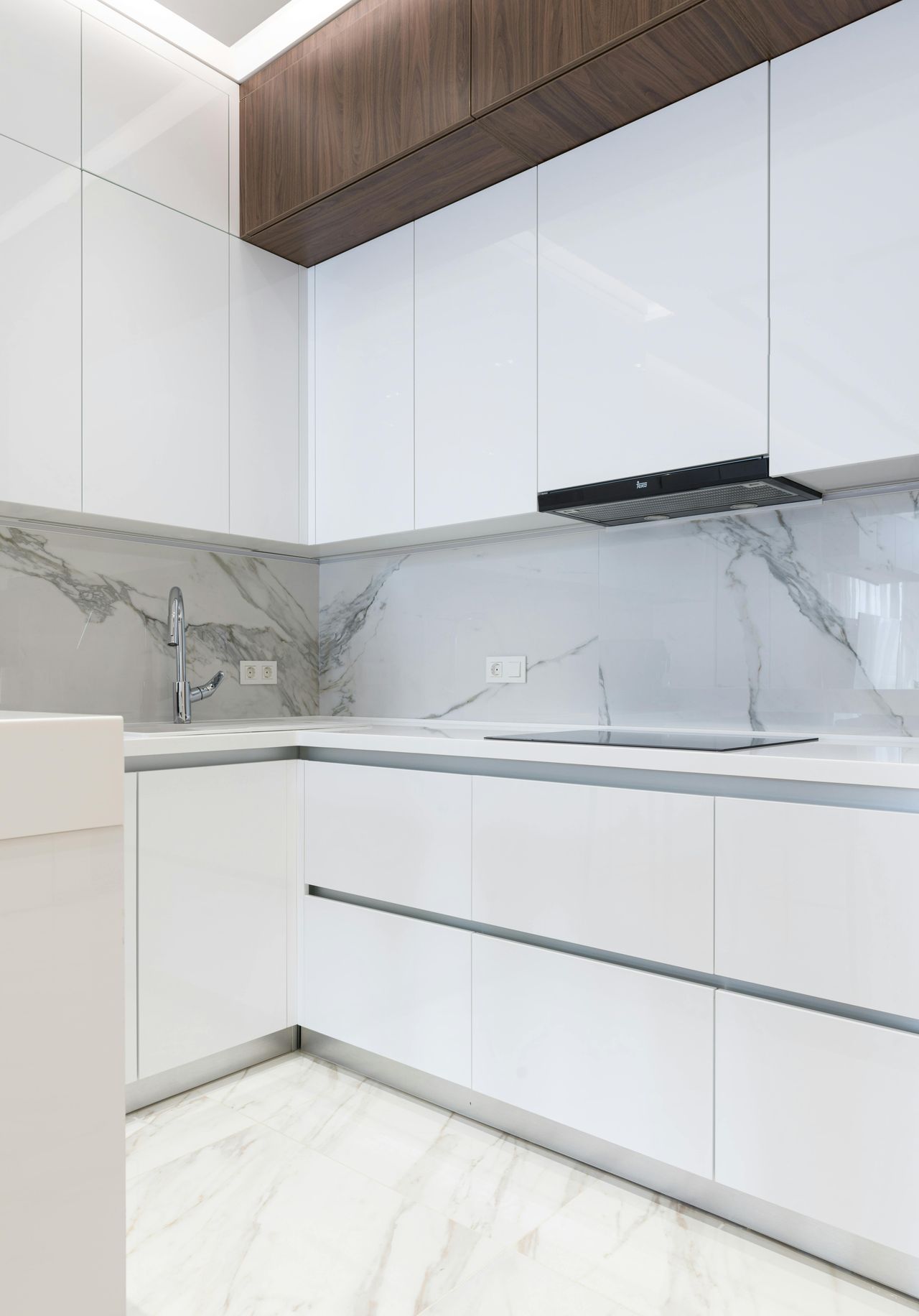
The all-white kitchen has long been a symbol of cleanliness and modernity. Yet, this monochromatic approach can quickly feel clinical and devoid of character. Introducing contrasting elements such as natural wood accents, colorful backsplashes, or textured materials can break the monotony and infuse personality into the space. This approach not only adds visual interest but also ensures the kitchen remains timeless and adaptable to evolving tastes.
Open Shelving in Kitchens

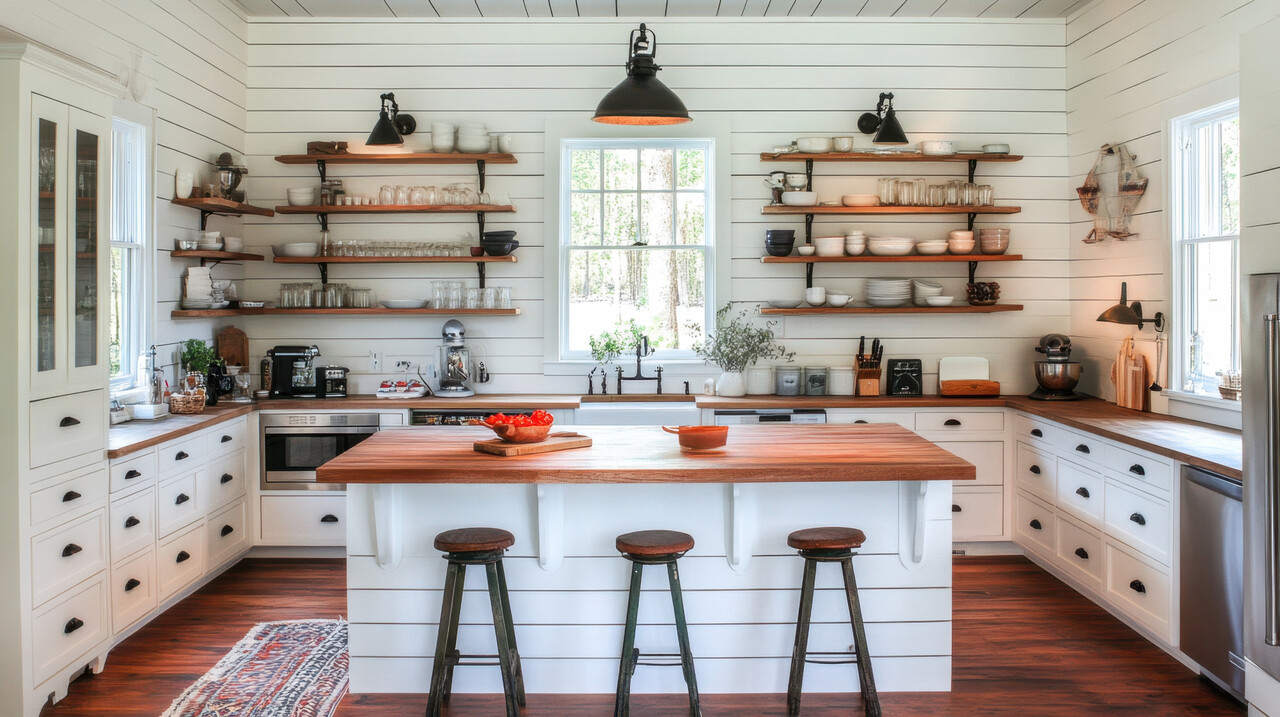
Open shelving offers a way to display dishware and decorative items, adding a sense of openness to the kitchen. However, it requires meticulous organization and regular cleaning, as items are exposed to dust and grease. Over time, open shelves can contribute to a cluttered appearance, making the kitchen feel chaotic. Opting for a combination of closed cabinetry and selective open shelving can provide both functionality and aesthetic appeal without overwhelming the space.
Sliding Barn Doors
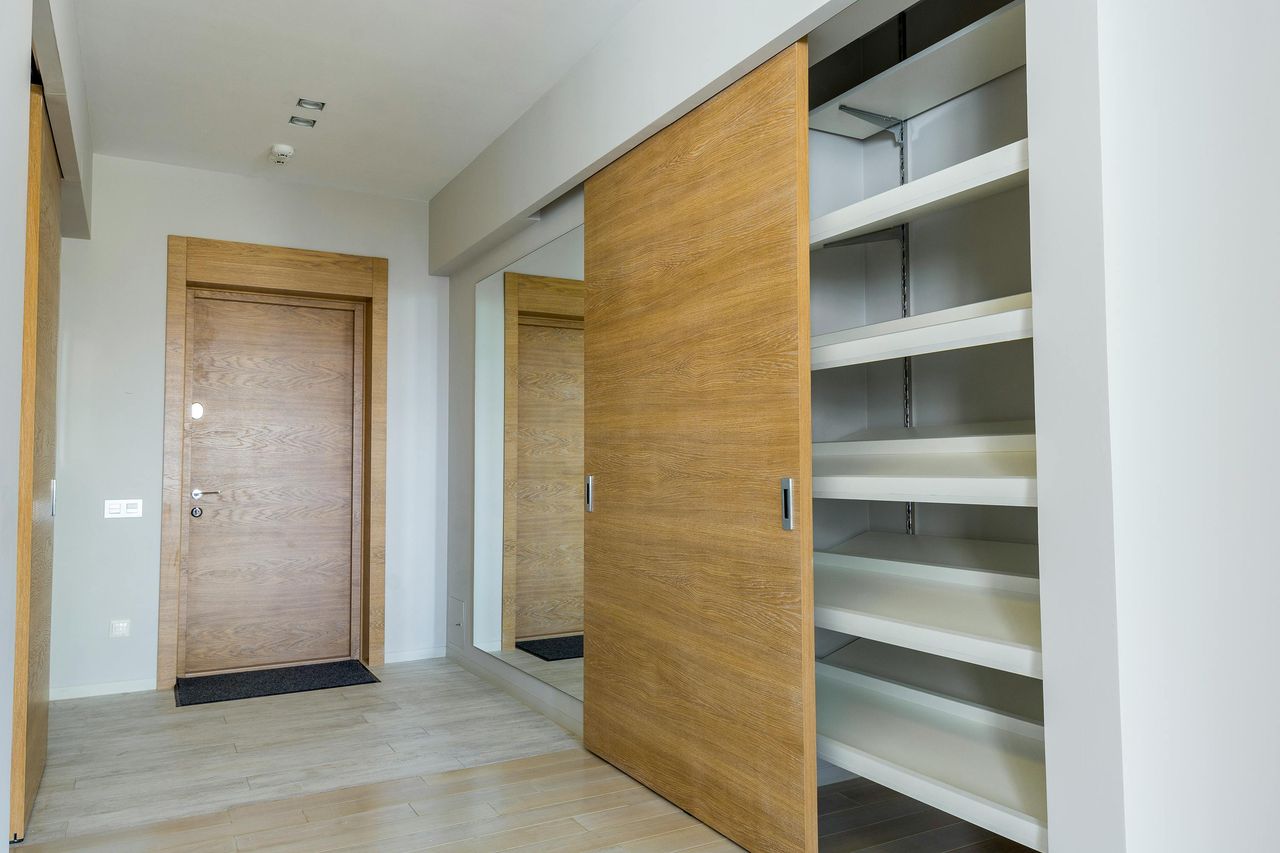
Once a hallmark of rustic and farmhouse styles, sliding barn doors have become ubiquitous in various home settings. While they can serve as space-saving solutions, they often lack the soundproofing and privacy offered by traditional doors. Additionally, their distinctive style can clash with other design elements, making them feel out of place. Considering alternative door styles that align with the home’s overall aesthetic can prevent this feature from feeling dated.
Shiplap Overload
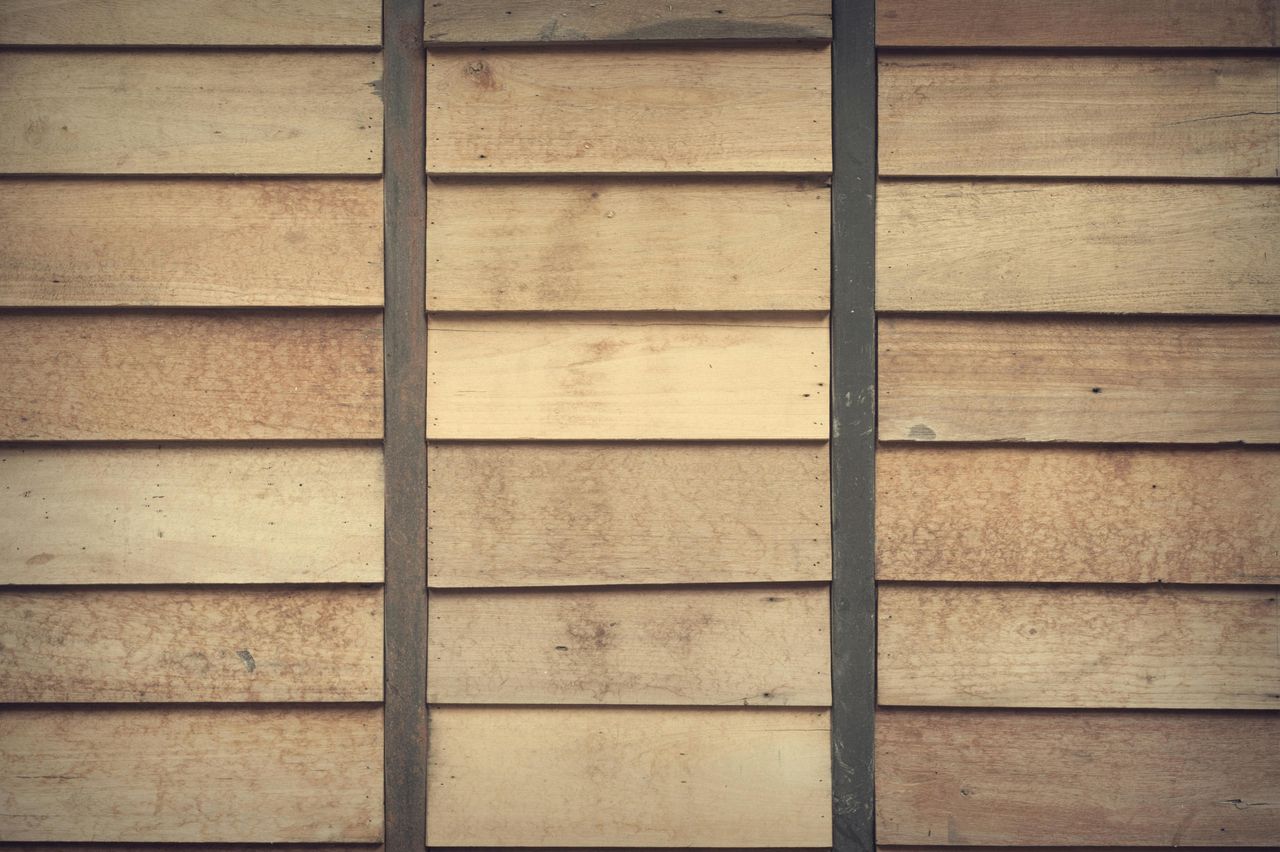
Shiplap walls gained popularity for their ability to add texture and a sense of coziness to interiors. However, excessive use of shiplap can make a home feel overly themed and tied to a specific trend. To maintain a balanced look, it’s advisable to use shiplap sparingly, perhaps as an accent wall or in specific areas, rather than throughout the entire home. This restraint ensures the design remains fresh and adaptable.
Fast-Fashion Furniture
Affordable, trend-driven furniture pieces are tempting for quick updates but often lack durability and timelessness. These items can show wear quickly and may not withstand changing design preferences. Investing in high-quality, classic furniture pieces provides a solid foundation that can be complemented with smaller, trendier accessories. This strategy allows for flexibility in design without the need for frequent, costly replacements.
Overly Open Floor Plans
Open floor plans have been favored for creating spacious, communal living areas. However, the lack of defined spaces can lead to challenges in privacy and noise control. Homeowners are now seeking ways to delineate areas within open layouts, using furniture arrangements, area rugs, or partial partitions to create distinct zones. This approach maintains the openness while adding functionality and comfort.
Faux-Aged Finishes
Distressed finishes and faux patinas were once popular for adding a sense of history and character to new pieces. However, overuse of these treatments can make interiors feel contrived and inauthentic. Incorporating genuine vintage or antique items alongside modern pieces can achieve a more authentic and timeless aesthetic. This blend of old and new creates a curated look that reflects personal style without relying on artificial aging techniques.
Heavy Floral Wallpaper
Bold floral wallpapers can add drama and personality to a space but may quickly become overwhelming and dated. Opting for more subtle patterns or using floral designs in smaller doses, such as on a single accent wall or within framed panels, can provide visual interest without overpowering the room. This moderation ensures the design remains versatile and enduring.
Brass Hardware and Fixtures
Shiny brass fixtures were once a standard in home design but can now make spaces feel outdated. Transitioning to finishes like matte black, brushed nickel, or oil-rubbed bronze can modernize the look of hardware and fixtures. These alternatives offer a contemporary feel while maintaining versatility across various design styles.
Wall-to-Wall Carpeting
Extensive carpeting, especially in areas like bathrooms and kitchens, is increasingly viewed as impractical and outdated. Hardwood floors, luxury vinyl planks, or tiles are preferred for their durability and ease of maintenance. Area rugs can be used to add warmth and comfort, providing the benefits of carpeting without the associated drawbacks.
Overly Themed Décor
Committing too heavily to a specific theme, such as farmhouse or industrial, can limit the longevity of a design. Incorporating elements from various styles allows for a more personalized and adaptable space. This eclectic approach ensures the home can evolve with changing tastes without requiring complete overhauls.
Accent Walls with Bold Paint Colors
While accent walls can add a focal point to a room, relying solely on bold paint colors can feel dated over time. Utilizing architectural features, textured materials, or wallpaper can create interest without the commitment to a single, potentially fleeting color choice. This strategy allows for easier updates and a more dynamic interior.
Overly Industrial Finishes
Elements like exposed ductwork, concrete floors, and metal fixtures can lend a modern edge but may feel cold and impersonal if overused. Balancing industrial features with softer materials, such as wood or textiles, can create a more inviting atmosphere. This combination ensures the space remains functional and comfortable.
Ultra-Glossy Cabinets and Surfaces
High-gloss finishes can add a sleek look but often show fingerprints and smudges, requiring constant maintenance. Matte or satin finishes offer a more forgiving and timeless alternative, providing a sophisticated appearance without the upkeep. This choice enhances the practicality and longevity of the design.
Overuse of Chevron and Geometric Patterns
Bold patterns like chevron can add energy to a space but may quickly become overwhelming and dated. Incorporating such patterns in smaller doses, such as through accessories or textiles, allows for flexibility and easier updates as trends change. This approach maintains visual interest without committing to a potentially short-lived trend.
Clashing Design Styles
Mixing too many design styles without a cohesive plan can result in a disjointed and chaotic space. Selecting a primary style and thoughtfully incorporating elements from other styles can create a harmonious and personalized interior. This intentional blending ensures the design feels curated rather than haphazard.
Patchwork Tile and Busy Patterns
Intricate tile patterns can add character but may become overwhelming if overused. Using statement tiles sparingly, such as in a backsplash or as an accent, can provide visual interest without dominating the space. This restraint ensures the design remains balanced and adaptable.
Painted Roof Tiles
Painting roof tiles to match exterior color schemes can seem like a quick update but may lead to maintenance issues as paint chips and fades. Opting for natural or stained finishes that complement the home’s architecture offers a more durable and timeless solution. This choice enhances the home’s curb appeal without the need for frequent upkeep.
By being mindful of these design elements and opting for timeless, adaptable choices, homeowners can create spaces that remain stylish and functional for years to come.