9 Grocery Items Shoppers Are Cutting Back on Even Before Checkout
Before reaching the checkout, many shoppers are finding themselves reconsidering certain grocery items. From budget constraints to changing eating habits, learn which products are being left behind and why they might not be making it to your cart anymore.
Premium Meats

Even before reaching the register, shoppers are pausing when it comes to premium meats. With rising prices and a push towards plant-based diets, many are finding it easier on the wallet to opt for more affordable cuts or alternatives. The cost of high-quality beef, pork, and specialty game meats can sometimes be tough to justify.
Chefs have noted a significant shift towards plant-based proteins as more people explore vegetarian and vegan diets. While the unique flavors of premium meats are unmatched, the price tag often leads consumers to think twice. For those not giving it up entirely, a smaller portion now tends to suffice, creating a shift in buying habits.
As a result, grocery stores might be seeing less demand for these items, with more shoppers instead focusing on seasonal sales or special occasions to indulge in premium meats. Their smaller footprint at dinner tables reflects broader changes in dietary preferences.
Name-Brand Cereals
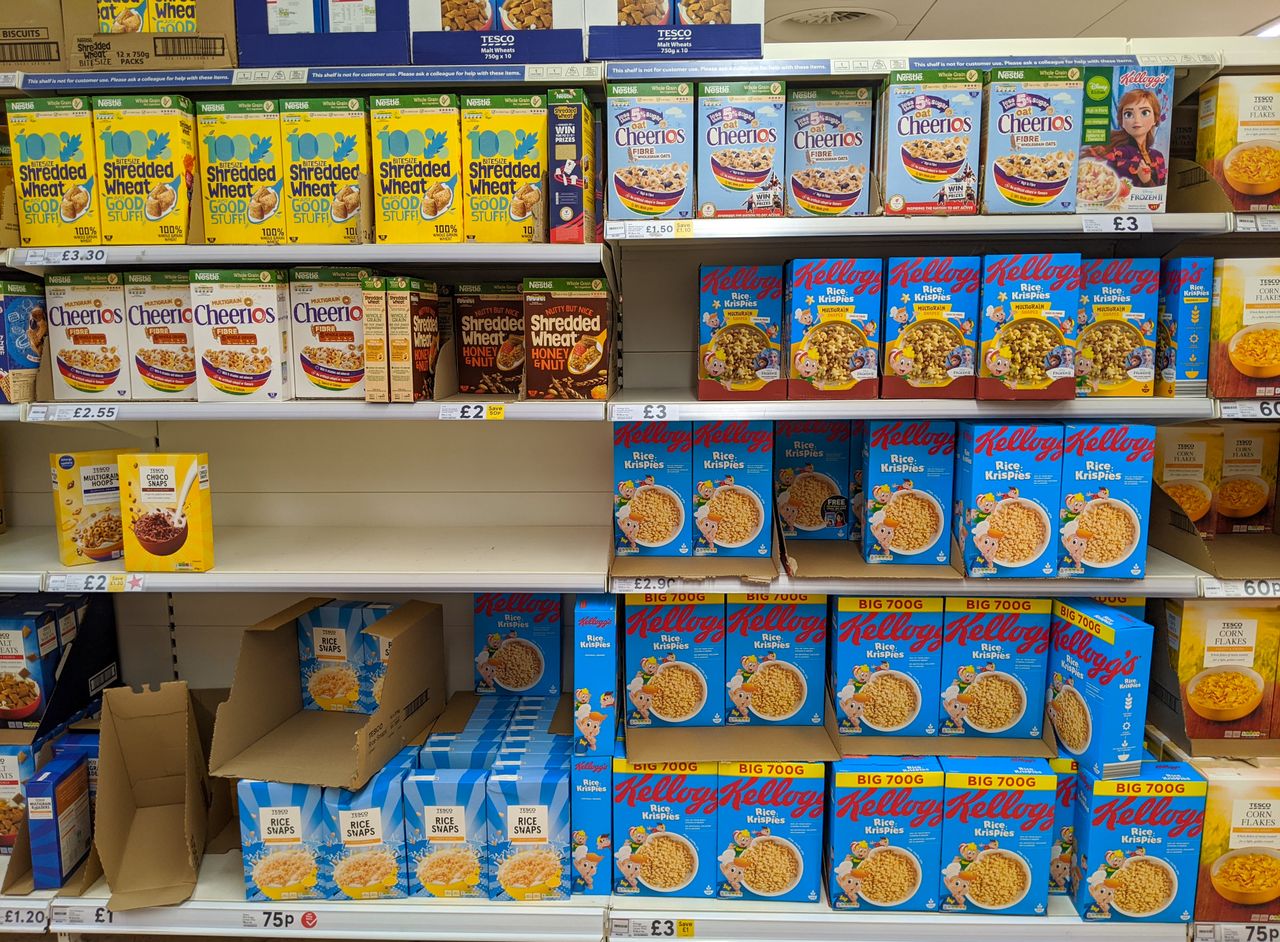
It seems cereal may no longer be everyone’s favorite breakfast option as name-brand cereals find themselves on the cutting room floor. With a variety of alternative breakfast choices that promise more nutritional value, consumers are reconsidering spending extra for that familiar box. Store brands and generic versions offer similar flavors at a fraction of the cost.
Mornings are evolving; health-conscious shoppers often swap their sweetened grains for whole foods like oatmeal or yogurt. Additionally, for those with dietary restrictions, gluten-free and lower-sugar options are becoming more appealing. This shift in breakfast habits is slowly edging traditional cereals out.
These adjustments in purchasing are leaving the big cereal brands vying for attention. While a nostalgic bowl of cereal can still bring comfort, it seems practicality and budget are starting to win out more often. Supermarket aisles may be seeing less of the iconic boxes flying off the shelves.
Pre-Packaged Salads
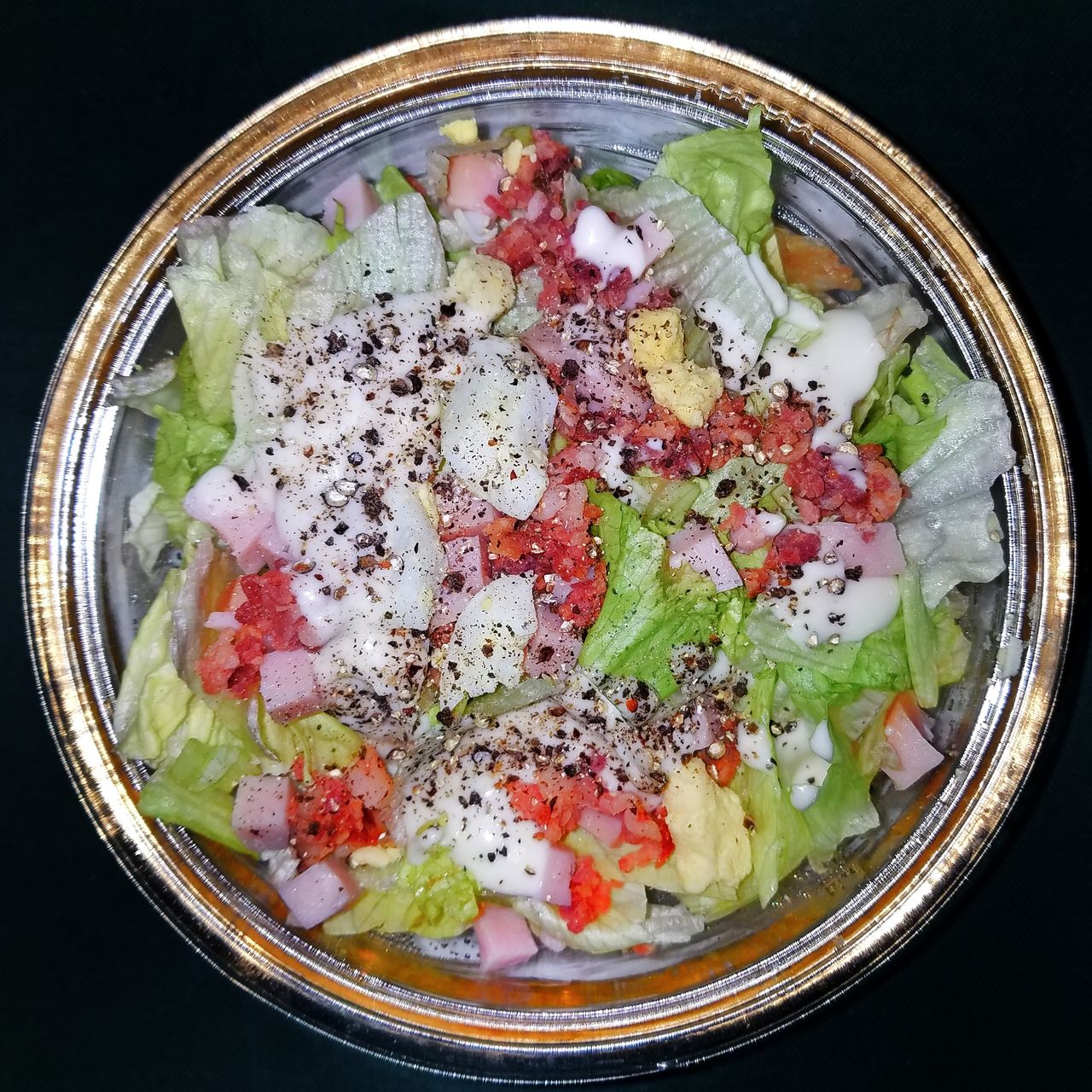
Buying pre-packaged salads was once a convenient win for busy shoppers. Lately, however, they’re being reconsidered thanks to pricing and freshness concerns. While convenient, these products often come with a premium price and a shorter shelf life, prompting buyers to opt for DIY salad kits instead.
Many consumers are finding that purchasing fresh vegetables and assembling salads at home not only extends the life of their produce but saves money too. With easy recipes and online tutorials, the convenience factor isn’t as compelling as it once was. The trend of farm-to-table dining and home gardening has also inspired more people to get hands-on.
With this shift, pre-packaged salads might be taking a backseat, making room for more diverse produce sections. The art of salad-making is back in the hands of the consumers, with an emphasis on customization and freshness.
Ready-Made Meals
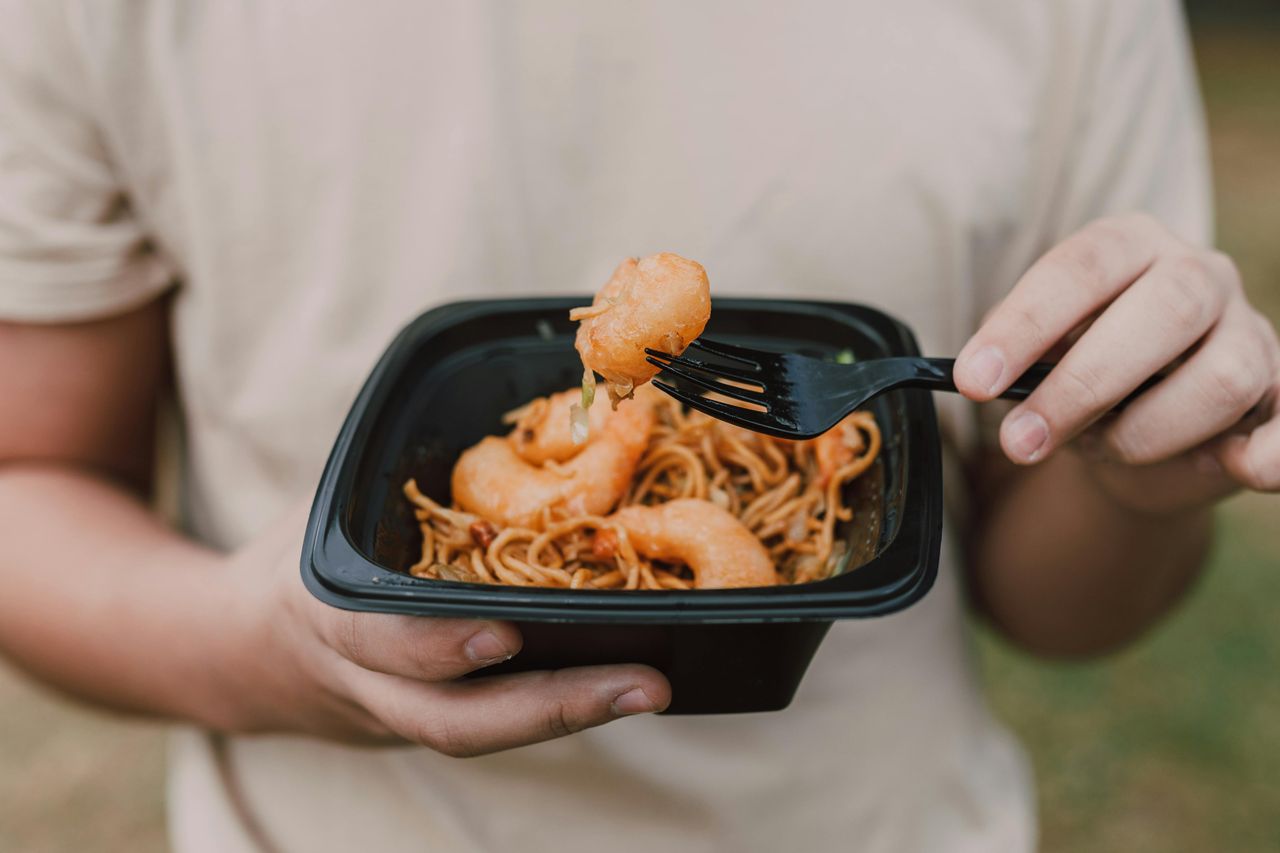
Once a staple for the on-the-go eater, ready-made meals are facing cutbacks in the grocery list lineup. Priced higher than the sum of their parts, these meals were valued for their grab-and-go appeal. However, increasingly discerning shoppers are realizing that pre-planned cooking is just as effective, not to mention more affordable and less processed.
The rise of meal prep kits and services provides a healthier and often more cost-efficient alternative, allowing for portion control and dietary customization. This change in approach to meal preparation signals a move towards mindfulness in eating habits and the power of planning.
Although convenient, the hidden costs of ready-made solutions—nutritionally and financially—are prompting many to pause. A resurgence in home cooking culture means more home chefs are taking time out to make meals from scratch, putting pre-packaged options on the shelf.
Bottled Water
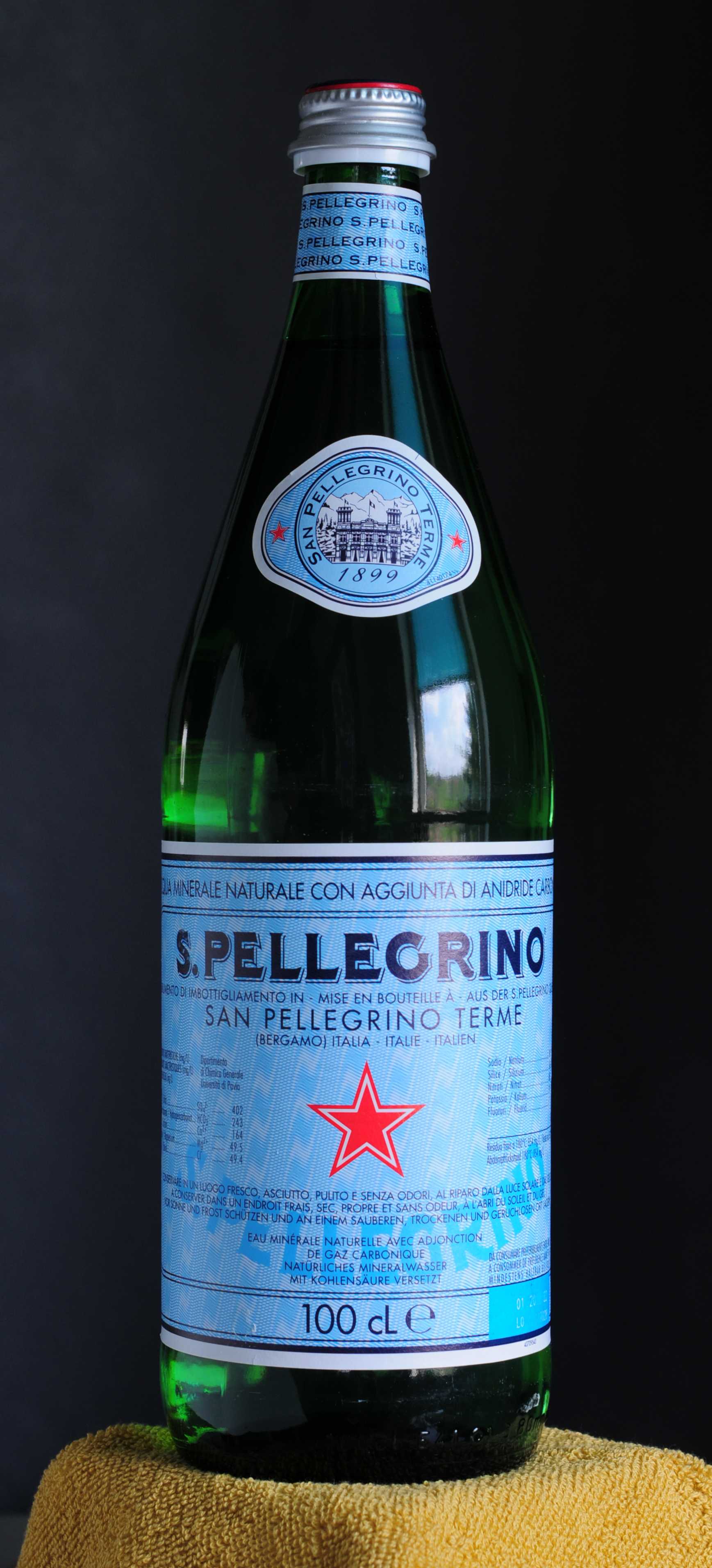
It’s no secret anymore—bottled water is being reconsidered by environmentally conscious consumers. As awareness about plastic waste grows, so does the inclination to swap single-use bottles for sustainable alternatives like reusable water bottles and home filtration systems, which save money and reduce carbon footprint.
The financial allure isn’t insignificant either. For many, paying for what effectively is tap water in a plastic shell is becoming less appealing. Reusable options bring long-term savings and a new sense of eco-responsibility to the everyday routine.
Grocery stores may start seeing a slow decline in bottled water sales as this awareness spreads, making room for an increased focus on filtered dispensers and water refill stations. This shift embodies a blend of economic savvy and eco-consciousness gaining momentum among shoppers.
Jarred Pasta Sauces
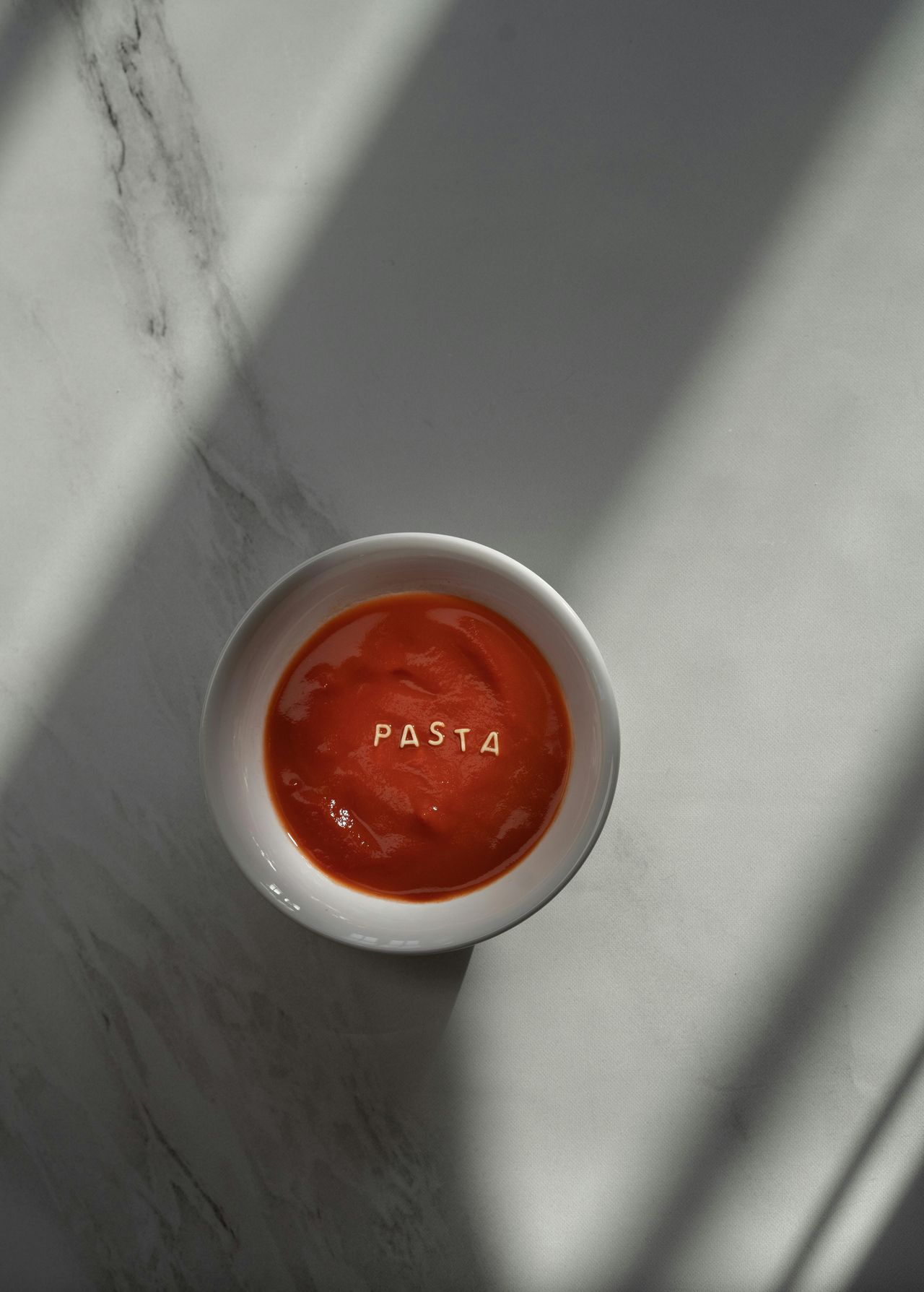
Despite their convenience and variety, jarred pasta sauces are being sidelined by cost-conscious shoppers who prioritize homemade meals. Making pasta sauce from scratch can be significantly cheaper and healthier, offering control over ingredients and flavors sans preservatives.
This culinary trend has been further fueled by the rising popularity of cooking shows and recipes that demystify homemade sauce preparation. Whether it’s a classic marinara or an inventive, creamy option, making it at home can be rewarding both in taste and personal accomplishment.
As kitchen confidence grows, the lure of a custom sauce already in a jar fades. The simple pleasures of a simmering pot of homemade sauce are becoming part of more households, leaving jars on the shelves as consumers seek authenticity and savings.
Frozen Desserts
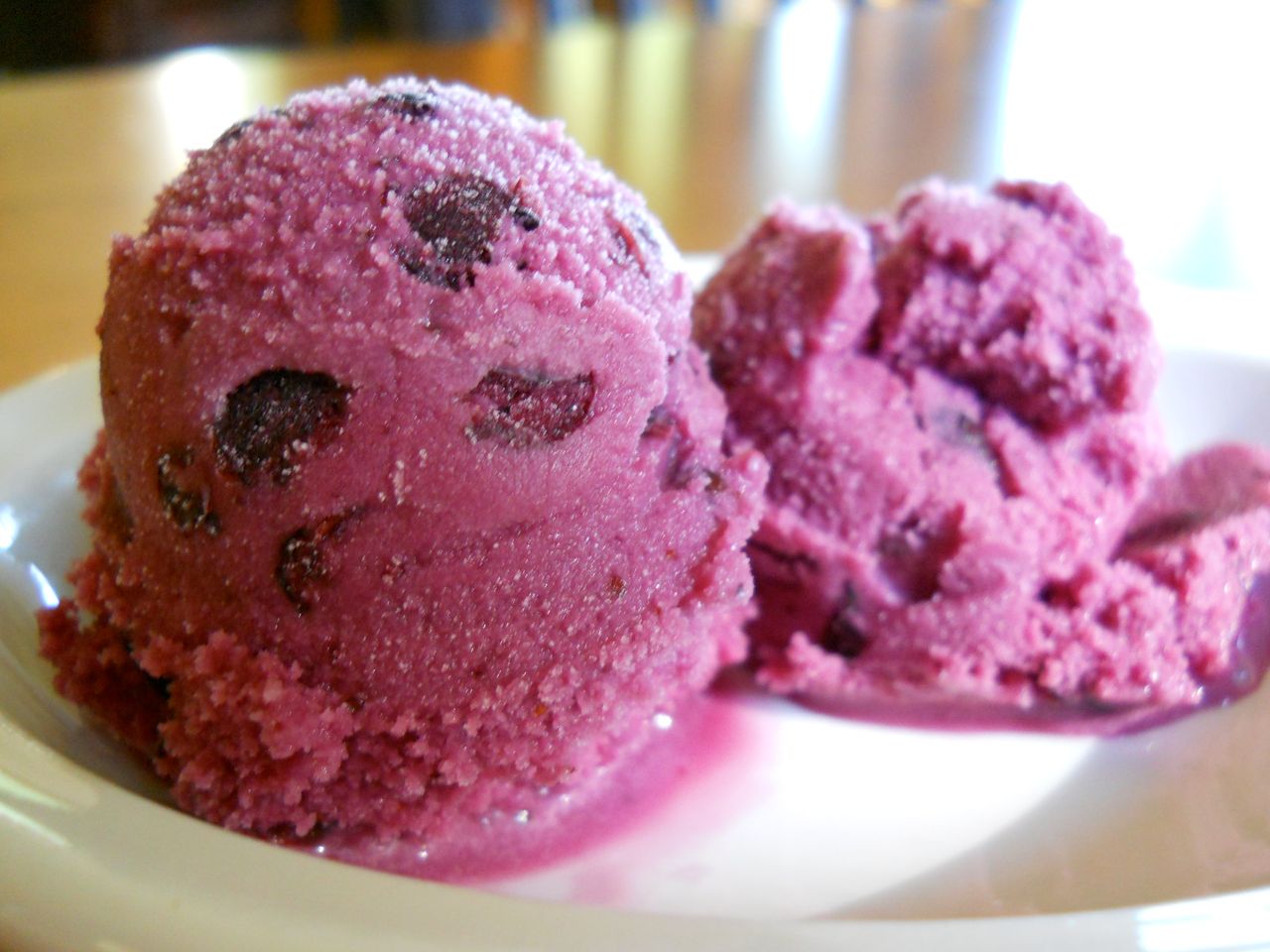
Frozen desserts might be a sweet indulgence fewer are willing to splurge on. The allure of ice creams, sorbets, and frozen pies aren’t immune to the cost-cutting decisions of shoppers looking for healthier options. Making desserts at home or choosing fresher, seasonal fruits as substitutes appeal to both budgeters and health enthusiasts.
With the internet awash in easy dessert recipes, the DIY approach has become increasingly popular, cutting costs and allowing for creativity. The benefits extend beyond cost, as homemade desserts are free of additives often found in store-bought versions.
This trend reflects a larger shift towards conscious indulgence where flavor meets mindfulness. Grocery stores are gradually noticing the impact as frozen dessert aisles face increasingly careful scrutiny from shoppers seeking nutritious alternatives.
Sodas and Sugary Drinks

Sugary drinks, including sodas, are sliding down the priority list for health-minded consumers. With high sugar content being a significant dietary concern, shoppers are opting for options like flavored sparkling waters, kombuchas, and herbal teas that promise a healthier sip.
This movement towards less sugar-laden beverages is driven by a growing awareness of diet-related health issues. Avoiding empty calories offers not just a waistline benefit but an improved overall well-being, which appeals to a broad audience.
The trend puts a squeeze on standard soda sales as fridge spaces fill with healthier alternatives. Beverage aisles are increasingly showcasing a variety of these choices, catching the eye of those eager for a dietary refresh.
Snack Packs
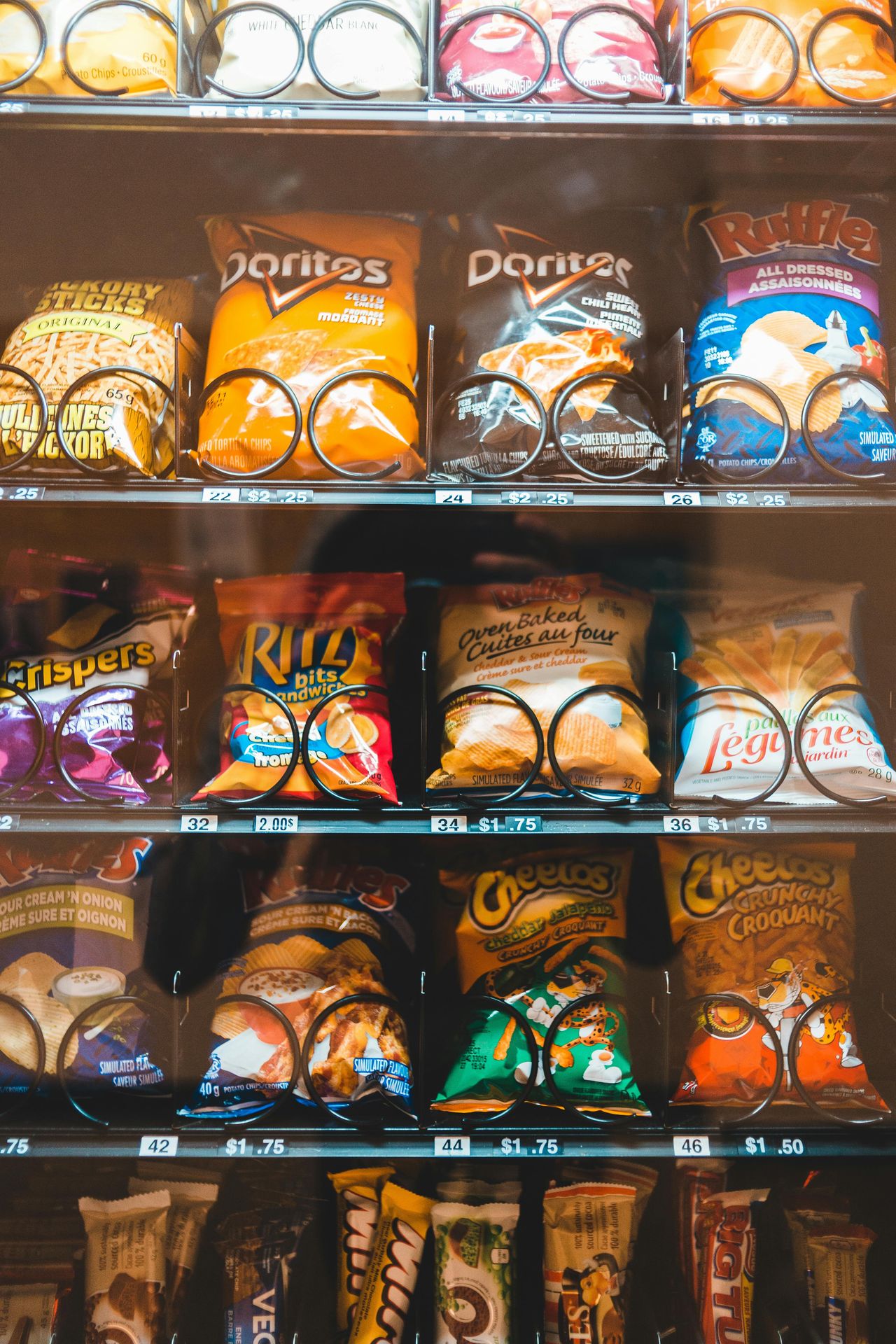
Snack packs have enjoyed their moment, but are increasingly being left behind as shoppers become more cost-conscious. While they pack convenience in every bite-sized serving, assembling snacks from larger bulk items is proving to be more economical.
As consumers pivot towards budgeting and healthier eating, they are assembling their own snack creations that offer better value and portion control. This shift is encouraging dietary personalization and promoting the purchase of whole-grain, nut-based alternatives over pre-packed options.
As snacking trends evolve, the once irresistible single-serving packs may see dwindling sales. Customization overcomes pre-packaged convenience, making snack time both economical and personal, catching up with modern food lifestyle shifts.