Are These Small Choices That Make Homes Easier to Live In
The lack of everyday friction is what defines a truly functional home, not the size of the space. The most “livable” homes, according to expert interior designers, are those in which the little, frequently disregarded features have been optimized to facilitate the organic flow of human activities.
Known as “low-friction design,” these small changes help to remove the little annoyances that build up over the course of a hectic day. Tasks get quicker, relaxation deepens, and the home stays organized with far less conscious effort when your surroundings anticipate your needs. A home’s “ease of use” is frequently cited by real estate agents and professional organizers as its most valuable feature for long-term satisfaction.
According to experts, you may build a self-maintaining sanctuary by making deliberate decisions about furniture finishes, placement, and practicality. These eight little decisions help to simplify your life rather than conflict with the design or surfaces of your house. By putting these professional-driven tips into practice, you may change your attention from ongoing housework to just enjoying the area you have meticulously designed.
1. Selecting Satin or Eggshell Paint Finishes
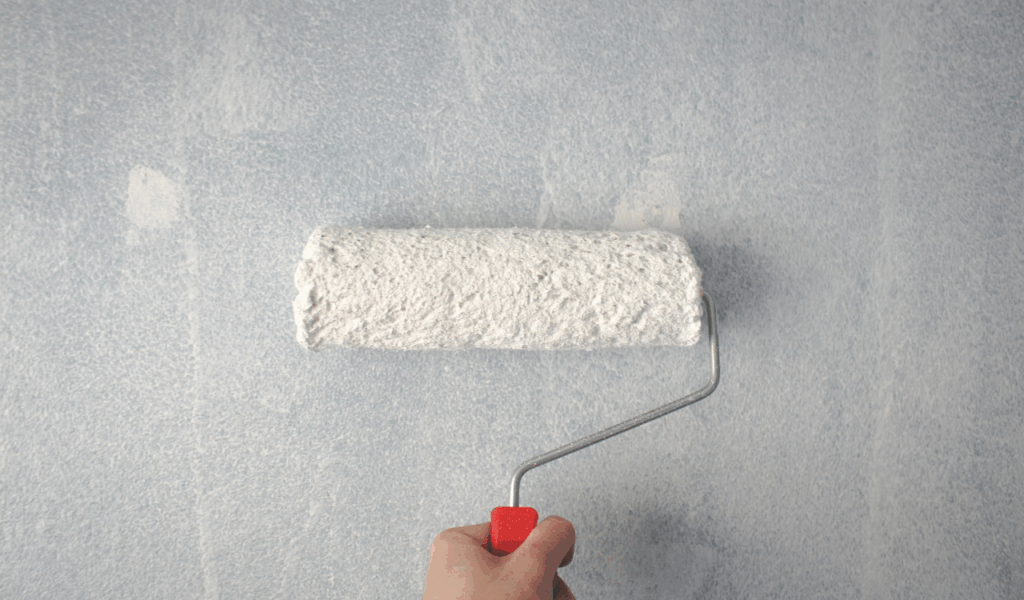
Although flat or matte paint may appear elegant in photos, expert painters and interior designers caution that it is prone to fingerprints and scuffs that are very difficult to remove. Instead, for all high-traffic walls, experts advise using an eggshell or satin finish. In addition to their lovely light-reflecting, subtle, velvety shine, these finishes are “washable.” Professional flippers claim that anyone with kids or pets will greatly save time by being able to clean a hallway wall with a moist towel without damaging the paint.
According to designers, you can keep a “freshly painted” appearance for years without having to touch them up frequently because of how long-lasting these finishes are. While semi-gloss is typically saved for baseboards and trim, experts claim that an eggshell finish on the walls offers the ideal harmony of visual depth and long-term durability. The long-term upkeep needs of your house can be decreased and your walls will always look immaculate and well-maintained with little work if you select a paint that can withstand the rigors of everyday living.
2. Using High-Sided Decorative Trays
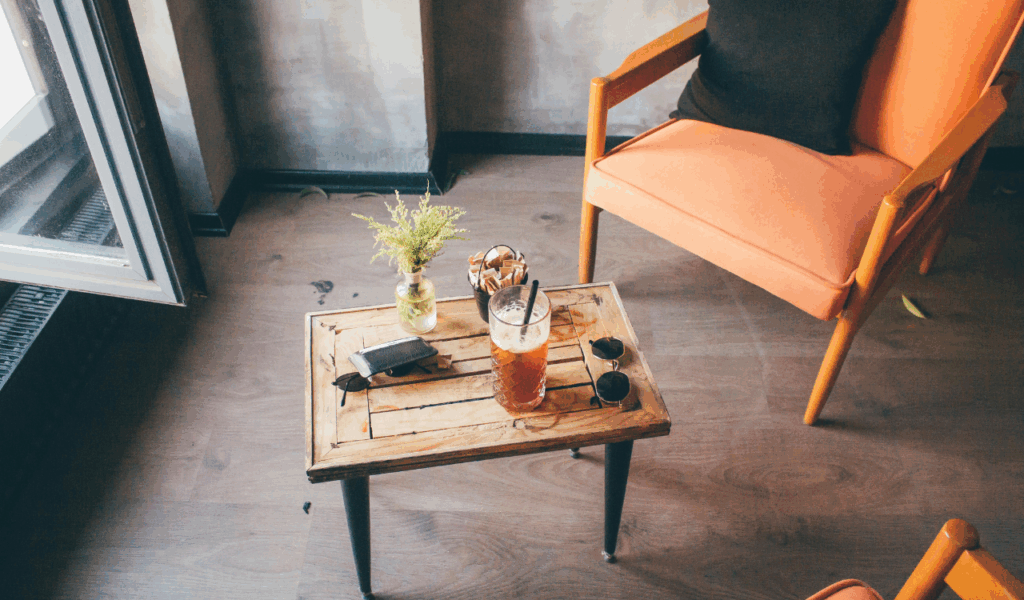
The fact that “clutter” is frequently just a collection of ungrouped tiny items is a huge secret among interior decorators. A high-sided decorative tray on a coffee table, nightstand, or entry console, according to experts, creates a “micro-zone” for things like glasses, remote controls, and keys. You can stop these items from spreading over the full flat surface of a tray by keeping them inside its four walls.
Even though the tray itself is full, this method transforms a disorganized chaos into a well-chosen vignette, giving the space a sense of organization. To help conceal the contents when seated, designers advise using trays with sides that are at least two inches high. Professional organizers say this works especially well in the kitchen for keeping salt cellars and oils close to the burner.
You establish a visual rule that objects must remain inside the “active area” of a countertop by delineating it with a tray. It is a straightforward, transportable storage option that serves as a barrier for your surfaces, guaranteeing that your décor stays deliberate and your surfaces remain uncluttered even during hectic workweeks.
3. Installing Dimmer Switches on All Fixtures
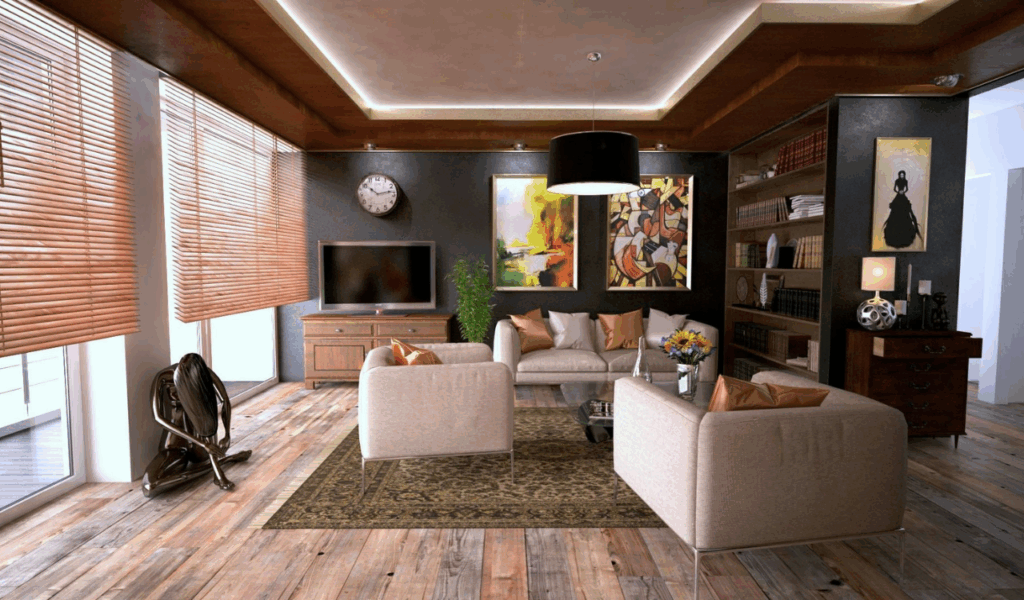
One bright overhead “big light” is the enemy of a cozy and useful house, according to lighting experts. Designers advise a tiered strategy instead, with task and ambient lighting managed by dimmer switches. Dimmers are among the least expensive improvements that offer the greatest return on everyday satisfaction, according to contractors. Without altering a single piece of furniture, they let you to transform your house from a light-filled, energetic workstation in the morning to a cozy, restful haven in the evening.
According to experts, eye strain and mental exhaustion can be considerably decreased by using the appropriate light for the job, such as a low-wattage bulb for evening reading or an under-cabinet LED for cooking. Dimmers provide you complete control over the ambiance of your house. This adaptability ensures that the surroundings always support your current activity, which simplifies daily life. It is a technical marvel that offers a sense of comfort on a daily basis, demonstrating that the best designs are frequently those that eliminate sensory barriers you were unaware existed.
4. Opting for Round Coffee and Dining Tables
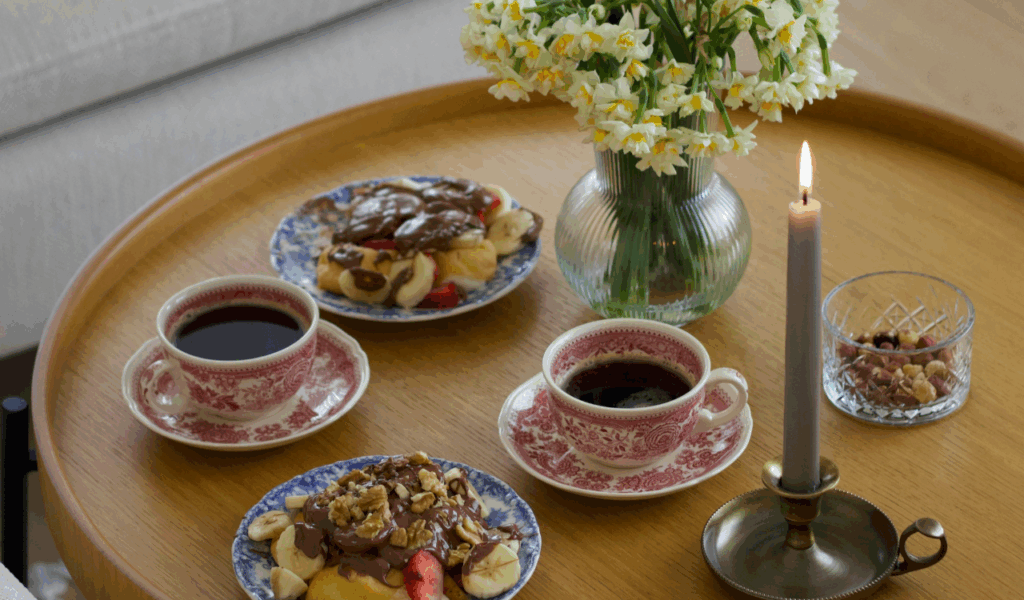
Sharp corners are frequently viewed in the field of interior design as superfluous impediments in a house with heavy traffic. For central living and dining areas, round or oval tables are recommended by professional decorators and child safety specialists. Because there is no “head” of the table, round tables, according to designers, allow for more flexible seating when guests arrive and improve conversation flow.
The “hip-bruising” corners that may make a crowded space feel like an obstacle course are eliminated, which is more significant. Round tables, which are crucial for smaller open-concept spaces, provide a floor plan a more flowing and less rigid sense, according to realtors.
According to experts, you can walk around the room more quickly and confidently without the rough edges of a rectangular table. Because it lowers the possibility of minor injuries, this “softened” layout is especially useful in households with kids or pets who are active. The home feels more intuitive and considerably safer to explore thanks to this subtle decor choice that emphasizes people’s natural, curving movement.
5. Floating Furniture Away from Walls
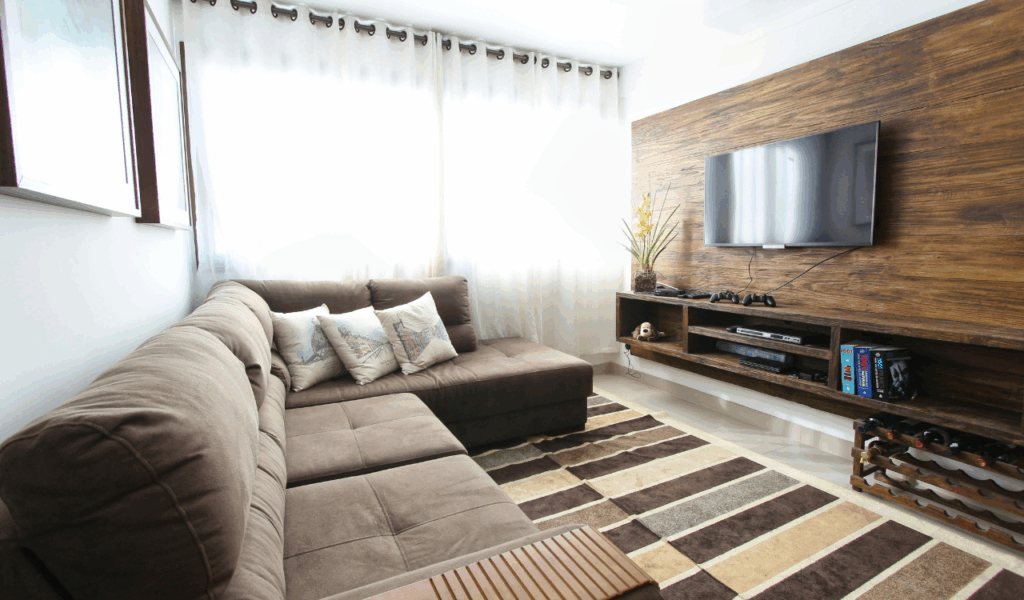
The “waiting room” effect, in which every piece of furniture is pushed against the edge, is a frequent error that throws off the space’s flow and convenience. To create private islands of activity with well-defined pathways surrounding them, interior designers suggest “floating” furniture. Instead of cutting through the center of the conversation area, this layout adjustment encourages people to meander around it. It makes the space easier to navigate by defining its role while preserving an airy and open feeling that wall-hugging furniture can never accomplish.
According to experts, allowing space between a sofa’s back and the wall really enlarges the area because the floor space and shadows continue behind the piece. As a result, traffic has a supplementary “outer loop” that makes it possible for someone to go to a window or bookshelf without disturbing someone watching TV. The area has a refined, purposefully designed vibe thanks to a modest change in shape. This decision improves the general functionality of the house by eliminating the unplanned room’s continual “stop-and-start” movement.
6. Utilizing Dark-Colored Grout for Tiled Areas
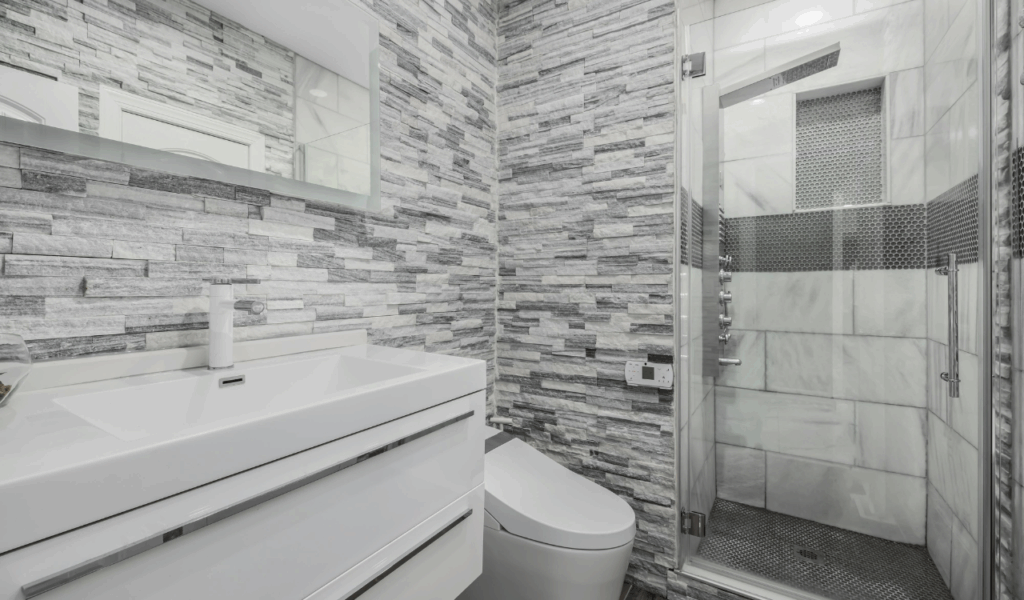
Choosing white grout for kitchen or bathroom tiles is one of the most frequent mistakes people tell contractors they regret. Light-colored grout frequently gets discolored or ruined within months, necessitating vigorous cleaning with harsh chemicals. Instead, interior designers advise going with charcoal or medium-to-dark grey grout.
The tile is wonderfully framed by this elegant, high-contrast design, but more significantly, it conceals the discoloration that inevitably results from daily use and dampness. Dark grout is the ideal “cheat code” for a bathroom that looks clean, according to professional organizers.
You may go much longer between deep cleanings because it keeps its color integrity for a lot longer than white versions. Because epoxy-based grouts are considerably more stain-resistant, experts say they are the ideal for lifetime. Your tiled surfaces will appear purposefully designed, spotlessly clean, and require a lot less upkeep if you select a grout color that complements rather than fights against a home’s natural ageing process.
7. Investing in Performance Fabrics
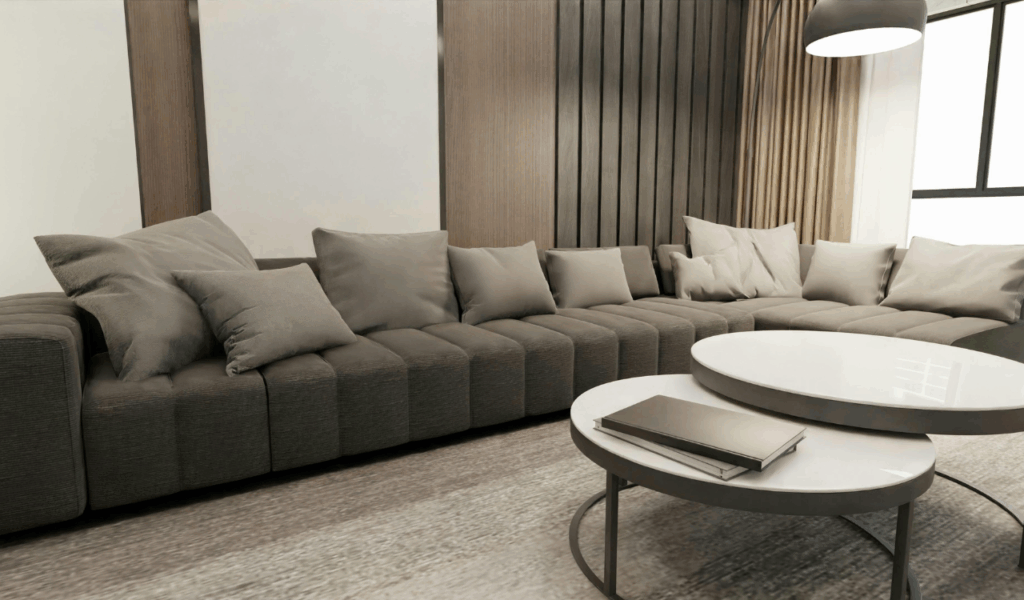
High-performance textiles that resemble velvet or fine linen yet act like industrial materials have been made possible by advancements in textile technology. These are popular among designers because they enable light-colored furniture to be used in homes with kids and pets. The worry that comes with “nice furniture” vanishes when you understand that a muddy paw print or a spilt glass of water can be cleaned up promptly. Your home becomes a far more comfortable place to live when you stop thinking about the fabric and just enjoy sitting on it.
According to experts, when a material performs this effectively, it eliminates a mental obstacle to making the most of your house. You now view the sofa as a nice spot to unwind rather than as a valuable item that has to be safeguarded. The ultimate objective of functional decor is this change in perception. These textiles blend into the backdrop of your life as a dependable, timeless essential since they are designed to withstand stains and fading, keeping their original look for years. By making this decision, you may live completely in your environment without worrying about long-lasting stains.
8. Creating Dedicated “Drop Zones” for Tech
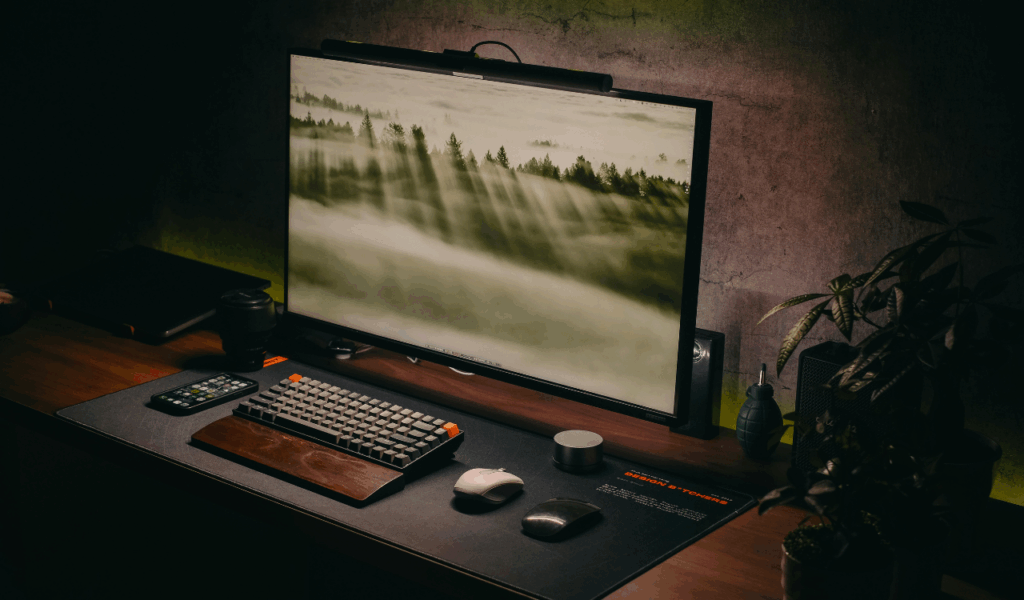
The “nest” of tangled wires and gadgets that frequently takes up kitchen counter space is a significant cause of stress and clutter in the home in the digital era. To control your technology, designers and home automation specialists advise setting up a special, concealed charging station. This may be as easy as a “tech drawer” in the kitchen with built-in USB ports or a valet tray with integrated cable management. Professional organisers say that by keeping your gadgets in one location, you can stop them from moving into your areas of leisure.
A well-designed charging station should serve as a backup “landing strip” for your digital life, according to experts. Realtors claim that a modern, “smart” home designed for today’s lifestyle must include integrated tech storage. You may effortlessly preserve the neat, polished appearance of your surfaces by concealing the “visual static” of cords and chargers.
It is a compact yet effective storage solution that solves a contemporary issue in a clever way, guaranteeing that your house stays a high-functioning space for work and pleasure, free from the disarray of electronic clutter.