Decorating Habits Many People Pick Up From Their Family Homes
The layout of our surroundings is frequently a quiet legacy that has been handed down through the centuries long before we ever sign a lease. Interior designers and psychologists claim that our early childhood settings serve as a basic model for what a “home” should look like. Subconscious preferences for particular furniture configurations, color schemes, or even how we showcase our most treasured possessions are frequently the result of these deeply rooted design habits. While some of these practices offer comfort and continuity, others may unintentionally keep us bound to antiquated design theories that are incompatible with our contemporary way of life.
Realtors and professional organizers commonly observe that customers are often taken aback when they discover they are replicating their parents’ homes. Whether it is a particular method of “protecting” furniture or a preference for a certain type of window treatment, these decisions are rarely deliberate; rather, they are the outcome of years of observation. According to experts, by recognizing these inherited patterns, you may start to differentiate between the customs that make you happy and those that are just taking up unnecessary space in your home. To create a home that expresses your individuality rather than just your past, you must first understand where your aesthetic decisions came from.
1. Pushing All Furniture Against the Walls
The “waiting room” furniture arrangement is among the most prevalent customs passed down from previous generations. In the past, families would ring a room’s perimeter with couches and chairs due to smaller homes and the necessity for multipurpose floor space. Interior designers claim that a lot of individuals still do this because they think it enlarges a space. But according to experts, this “perimeter-pushing” actually makes the seating arrangement feel formal and disjointed rather than intimate, and it also creates a dead zone in the middle of the room.
In order to modernize a space, professional flippers frequently start by “floating” furniture away from the walls. You may generate a feeling of sophisticated depth and airiness by bringing the sofa just six inches toward the center of the space. Designers claim that this change removes the unspoken habit of viewing the floor as a valuable resource that needs to be maintained clear. Rather, it facilitates improved traffic flow and produces comfortable hubs of activity that give the house a purposeful character and make it far more welcoming for contemporary, informal living.
2. Saving “Good” Items for Special Occasions
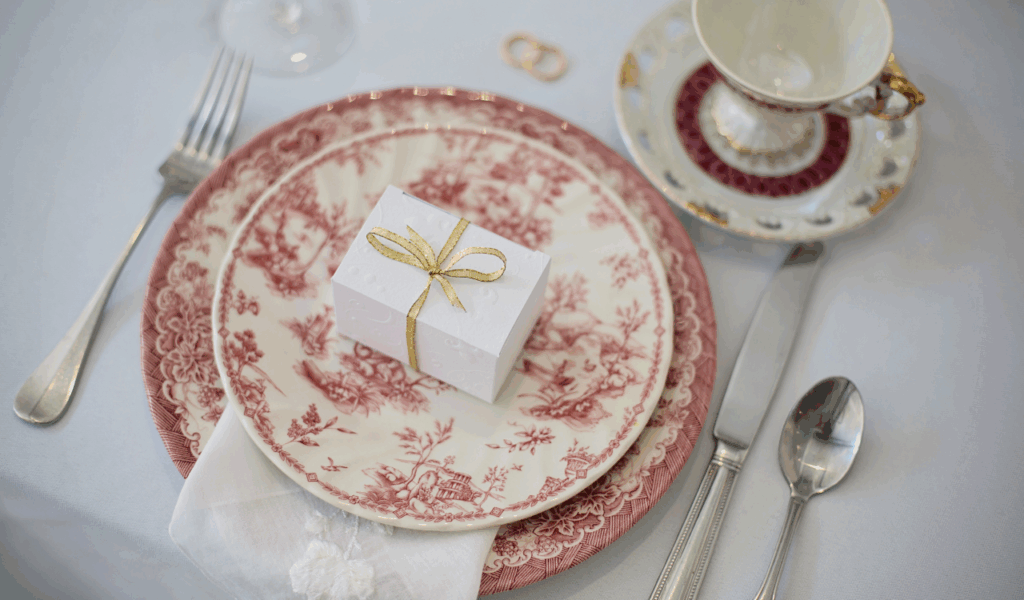
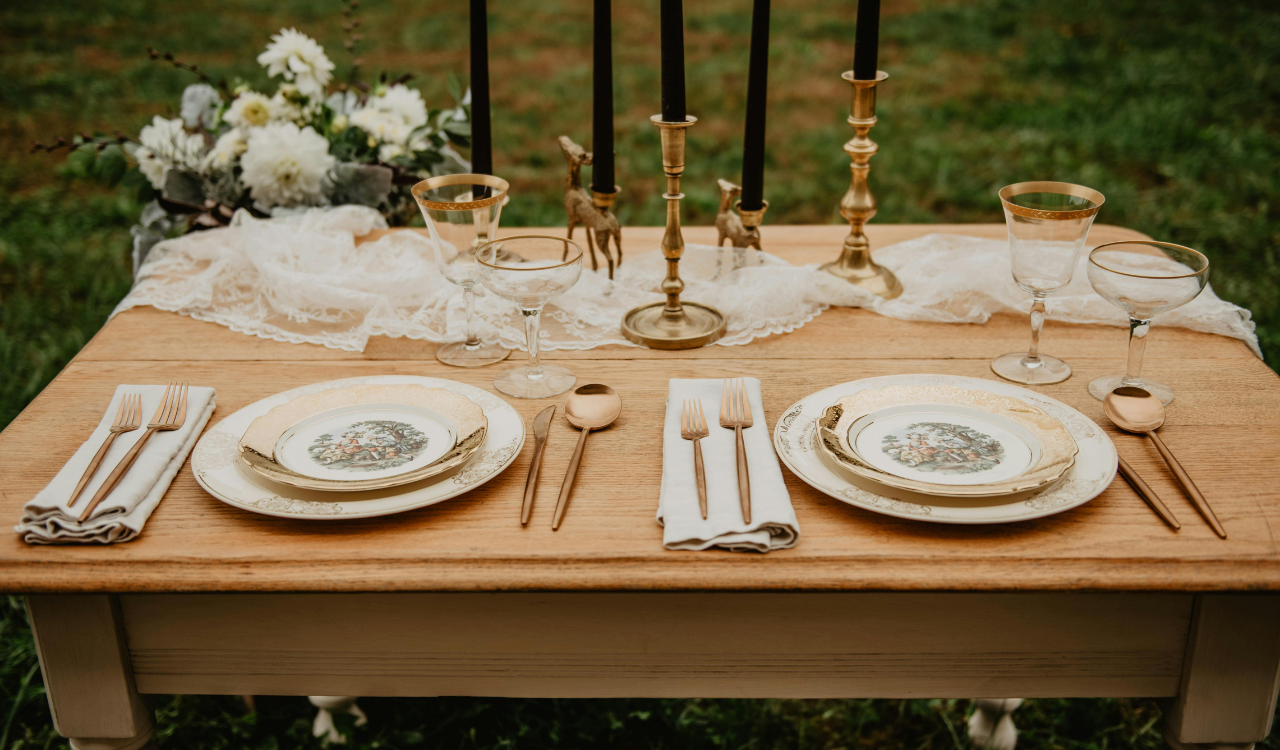
Growing up, many households had a “fancy” dining room or a set of china that was only used for special occasions and well-known visitors. Professional organizers claim that this tendency frequently manifests as a contemporary hesitancy to utilize pricey candles, fine glassware, or linens on a Tuesday evening. When it comes to décor, this “preciousness” can turn a house into a museum instead of a haven. According to experts, the practice of putting your home’s best features in “storage mode” keeps you from getting the most out of both your daily life and your investment.
Designers advise incorporating luxury goods into your everyday routine to stop this loop. Realtors claim that as more homeowners choose adaptable, lived-in areas, the “formal dining room” is becoming less popular. According to experts, burning your favorite candle while working from home or utilizing your “good” dishes for a simple weeknight dinner can change the home’s energy from preservation to participation. You may eliminate the psychological barrier to relaxation and make sure that your most exquisite possessions are truly fulfilling their intended function by approaching each day as an occasion.
3. The Compulsion to Match Everything
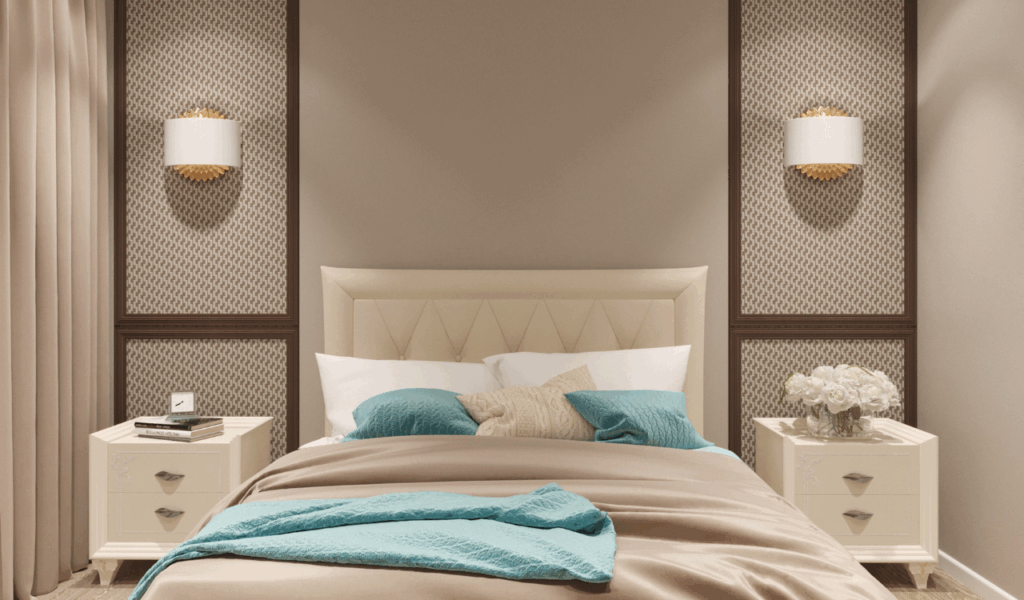
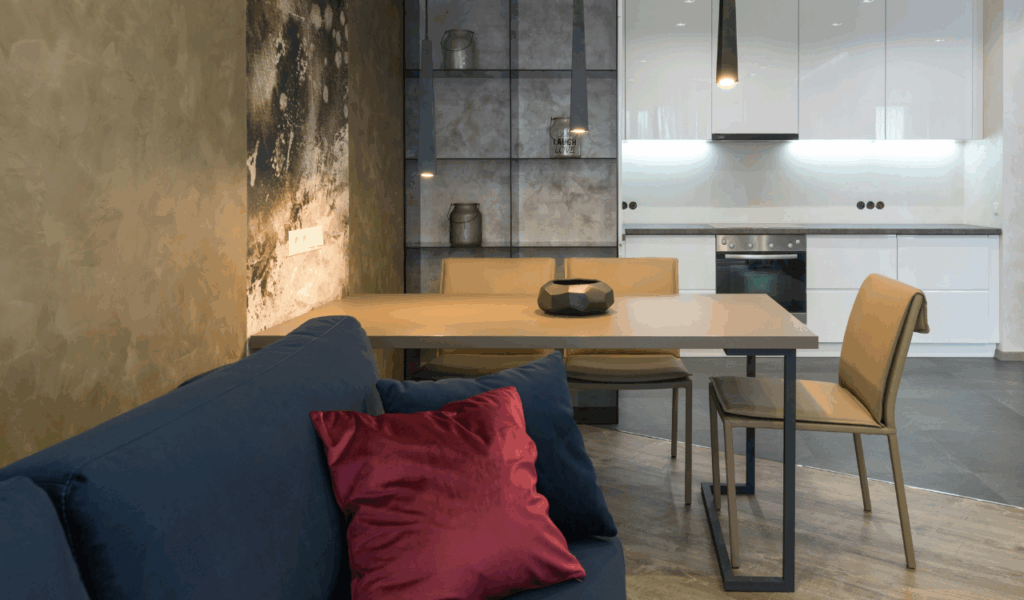
For many years, the “furniture set” was considered the pinnacle of home décor, and many people thought that a bedroom had to include a headboard, dresser, and nightstand that were all from the same collection. One of the most difficult traditions to break, according to interior decorators, is the tendency to match everything. Although it offers a secure, unified appearance, it frequently comes across as “flat.” A more complex strategy, according to contemporary designers, entails “mixing, not matching,” fusing various woods, textures, and historical periods to produce a well-considered, refined style.
According to experts, a room with identical elements frequently lacks the visual tension needed for a dynamic design. Professional flippers claim that a house seems far more upscale when it appears to have been gathered over time rather than bought in a single afternoon. You can break away from the “catalog” appearance of your youth by utilizing mismatched nightstands or placing an antique chair next to a contemporary sofa. This change in behavior guarantees that your home represents your unique trips, preferences, and developing interests while also enabling more personal expression.
4. Hanging Art Too High on the Wall
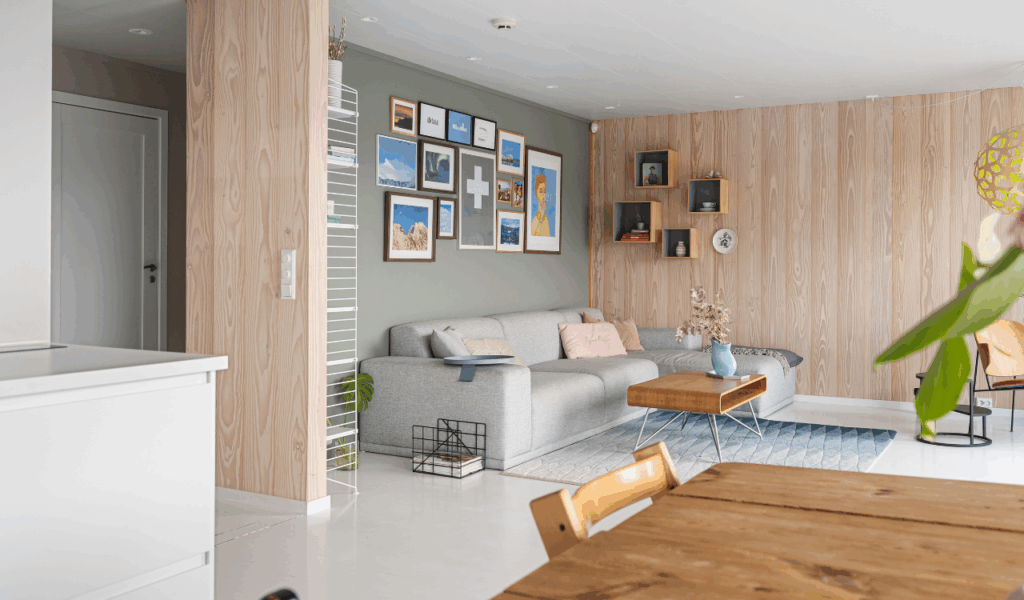
The inclination to put mirrors and artwork too near the ceiling is a subtle but widespread practice that has been passed down through families. Professional carpenters and gallery curators claim that older generations frequently hung artwork at eye level, which makes the pieces seem out of place with the furnishings beneath them. This “floating art” phenomenon can give a space an uneasy, top-heavy vibe. According to experts, the ideal hanging position for art is between 57 and 60 inches off the ground, which is in line with the human eye.
It is advised by interior designers that artwork should complement the furniture it is placed above; typically, it should hang only 6 to 8 inches over the back of a console table or sofa. Realtors say that one of the best ways to “ground” a space and make the ceilings appear higher is to hang art correctly. Breaking the habit of placing items sky-high makes the gallery feel more personal and polished. This technical modification instantly enhances a home’s visual flow by giving the decor a sense of integration rather than being “stuck on” the walls.
5. Over-Reliance on Overhead Lighting
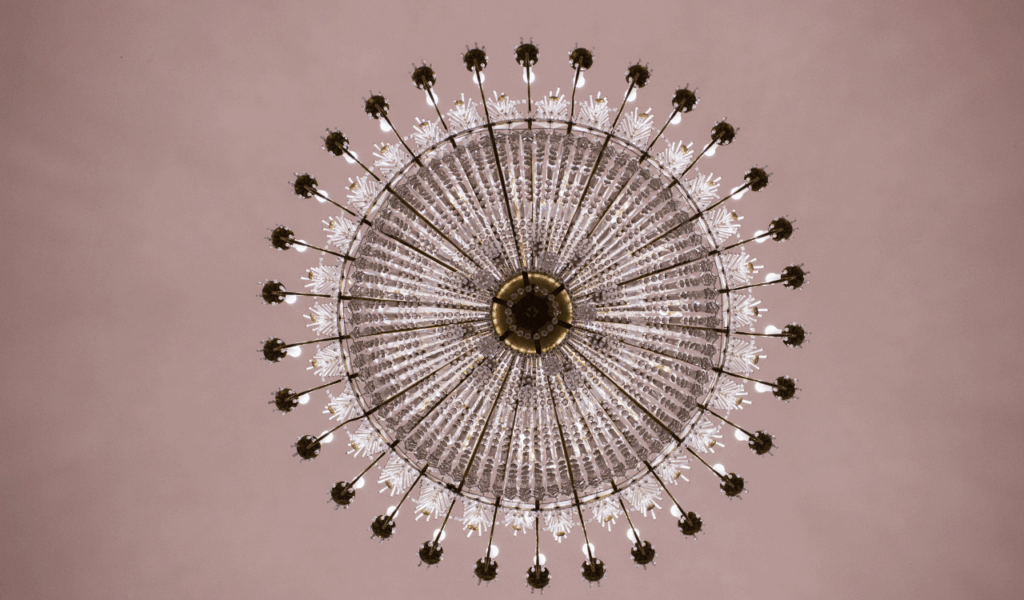
In many family houses, the “big light” is a common fixture that was supposed to light up a whole room. Many people continue this tendency into adulthood, depending on a single flush-mount fixture or a ceiling fan light to meet all of their demands, according to lighting experts. According to experts, this results in a clinical, flat atmosphere that draws attention to shadows and lessens comfort. The most successful homes, according to designers, have “layered lighting,” which combines sconces, table lamps, and floor lamps to produce a cozy and adaptable atmosphere.
Architects and contractors agree that eliminating overhead lighting as the main source is the greatest approach to update a home’s ambience. Designers claim that task lighting and accent lighting let you adjust the room’s mood for the various times of day. Breaking the “overhead only” tendency allows you to add architectural depth and comfort that a single bulb will never provide. It is a change from functionality to ambiance, making your house feel more like a cozy haven than a well-lit office.
6. Symmetrical Room Layouts
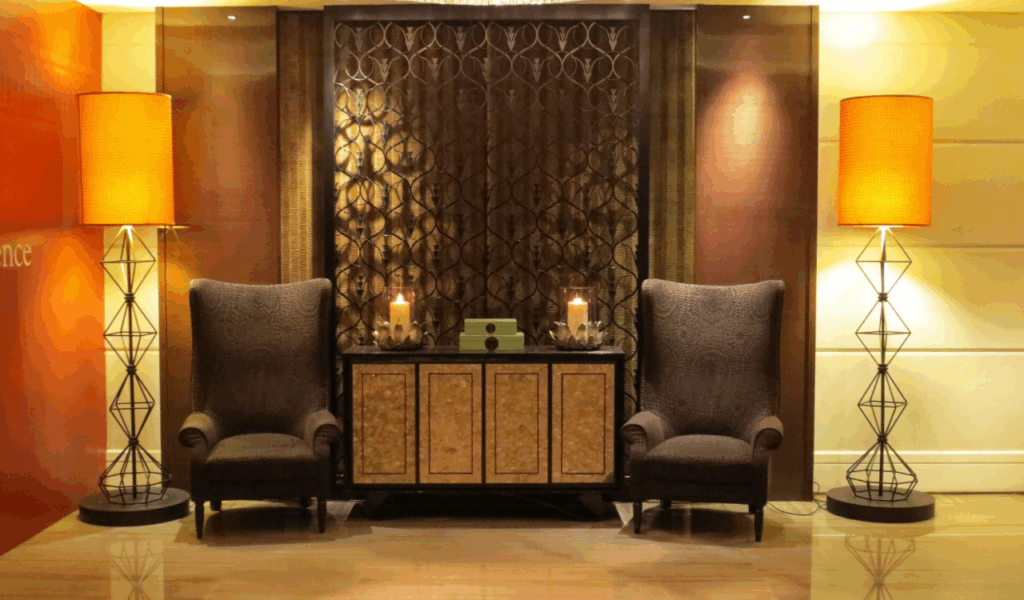
Placing two identical lights on either side of a sofa or two matching chairs facing a fireplace are two examples of how many parents employed the classic design idea of symmetry to create a sense of order. Although symmetry promotes serenity, interior designers warn that using it excessively can make a space seem stiff and regimented. Many people are unable to break free from this habit and end up using a “mirror-image” arrangement. Because it evokes a sense of movement and visual wonder, experts claim that “asymmetry” is frequently more captivating.
Designers say that by choosing pieces with comparable “visual weight” instead of identical items, you may retain balance without exact symmetry. For instance, a towering floor lamp in one corner can be balanced by a huge plant in another. Asymmetrical arrangements are frequently used by professional flippers to give a room a more contemporary and natural feel. The rigid “two-of-everything” guideline can be broken to create a more fluid and natural flow. By encouraging you to experiment with scale and proportion, this behavior change makes your house feel less like a copy and more original.
7. Using Dark Wood for “Serious” Rooms
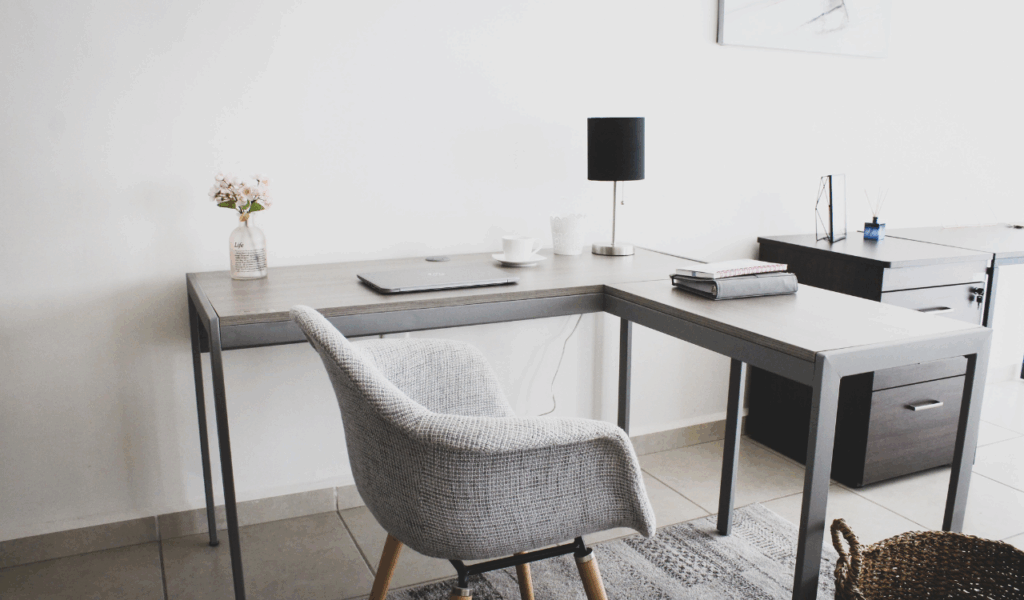
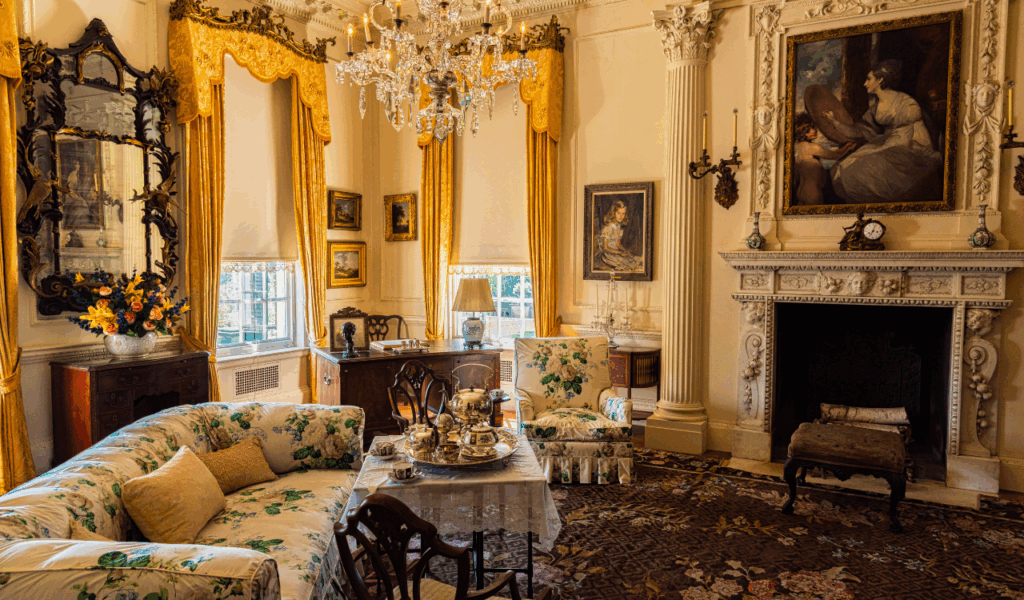
Dark mahogany or cherry woods were typically seen in “important” or “serious” areas of historic homes, such as the formal living room or home office. Interior decorators claim that this has resulted in a long-standing custom of avoiding mixed finishes or lighter woods in certain spaces. This can make a house feel antiquated and ponderous, according to experts. Light oak, walnut, and even painted woods are encouraged by modern design to add brightness and a sense of modernity.
Lighter wood tones are currently preferred because they may conceal dust and scratches and give the impression that a space is larger, according to contractors and real estate agents. A dark wood dining table with lighter wood chairs, for example, gives a dimension of refinement and “soul” to the house, according to designers. You can expand your palette to include a range of textures that represent a more contemporary, international aesthetic by breaking the tendency of sticking to a single dark wood family. It is a change that lessens the visible and emotional burden of your living space.
8. Preserving the “Guest Room” Vacuum
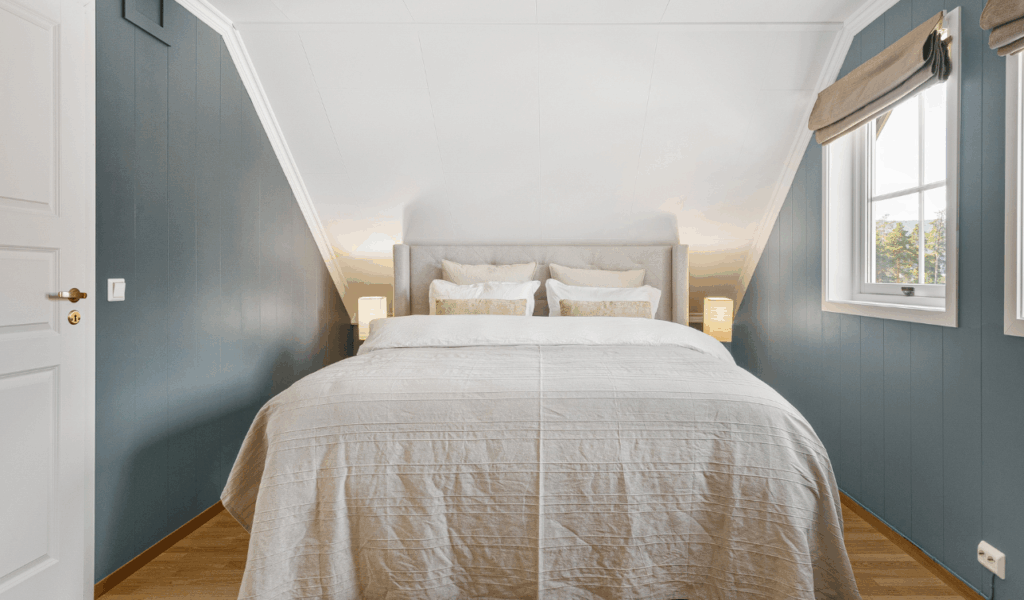
Many people inherit the custom of reserving a bedroom for visitors, which is typically the most opulent room in the house with the finest furnishings, from their parents’ homes. Professional organizers claim that this frequently leads to a “dead zone” that is only utilized occasionally, as people cram themselves into smaller spaces for hobbies or home offices. Every square foot in a modern home should be worth its keep, according to experts. It is more efficient to convert a guest room into a “flex space” that may be used as an office, gym, or library.
To keep the space usable all year round, designers advise utilizing “invisible” guest solutions like Murphy beds or premium sofa beds. Realtors claim that modern customers prefer adaptability to formal, one-use spaces. By abandoning the habit of the “pristine guest room,” you take back a large chunk of your house for your own everyday pleasure. This change makes the house feel much livelier and more intimate by ensuring that your layout represents your real lifestyle rather than a romanticized vision of hospitality from bygone eras.