8 Fluffy Feather Lamps That Leave Feathers Around Your Home
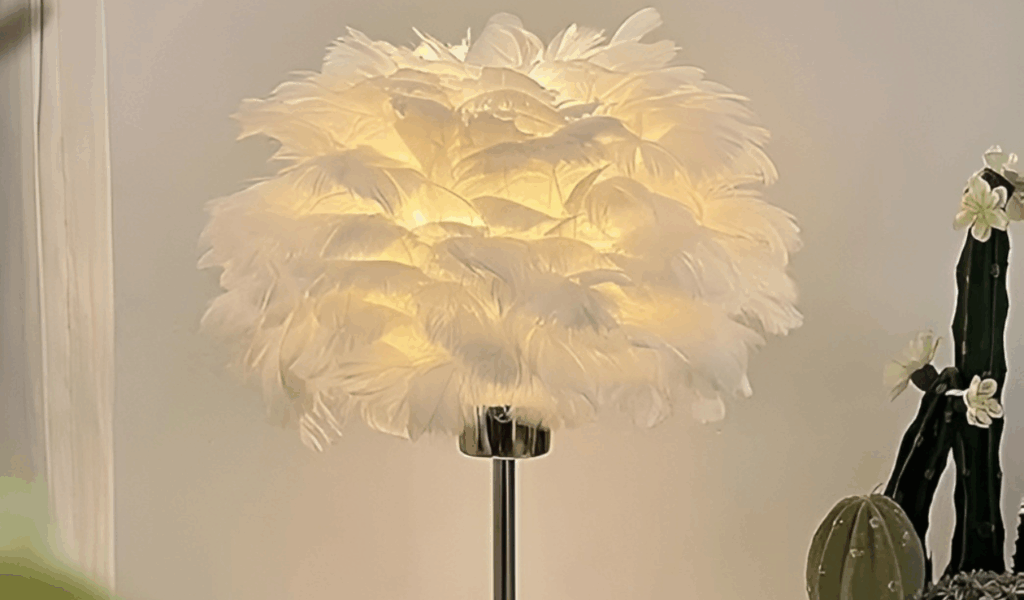
People often sell marabou feather lamps as the best way to add a touch of glam to a “Old Hollywood” regency look. They promise a soft, ethereal glow. But a lot of homeowners quickly realize that these fixtures are more trouble than they’re worth when it comes to keeping them clean. They look great in high-end photo shoots, but living with them means constantly fighting “feather snow.”
Interior designers often say that the delicate down can easily shed when there is even a small vibration or breeze, leaving fine white fibers on everything nearby. Professional home organizers say that the main problem is the feathers’ structural integrity. Marabou is very light and doesn’t have the strong quill that bigger feathers do, which makes it easy to break and float away.
Designers say that even a good lamp will lose fibers over time because the heat from the light bulb dries out the natural oils in the feathers, making them brittle. Instead of adding a touch of luxury, you get a fixture that looks more and more “plucked” and “tired” and requires constant dusting.
The Tripod Floor Lamp with Oversized Shade

The big marabou shade on this tall, wide tripod floor lamp makes it a favorite for living room corners, but it sheds a lot. People often bump or brush against the shade because it is at shoulder level. This makes a shower of down fall onto the floor and furniture. Designers say not to put these in places with a lot of foot traffic, where people moving around can create air currents. Experts say that the large number of feathers on these shades means that even a “normal” shedding rate can seem like a disaster for the environment.
Lighting experts say that a big, thick feather shade makes a big difference in how much heat it traps. As the warm air rises from the bulb, it moves through the feathers, carrying loose fibers up and then dropping them all over the room. Professional cleaners often have a hard time getting rid of the “feather dust” from these lamps on upholstery because the fibers are charged with electricity. Experts say that if you must have one, it should be put behind a piece of furniture so that it can’t be touched or blown away.
The Delicate Feather Pendant Light
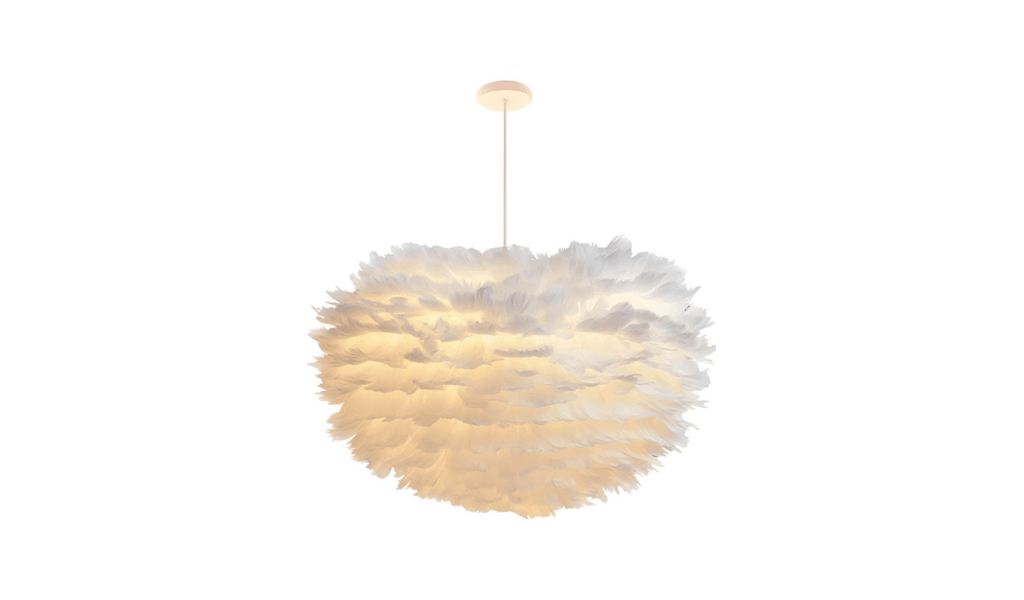
People often use hanging feather pendants to make a bedroom or nursery look like a cloud, but cleaning them can be dangerous because they are so high up. Interior designers say that when you dust these lamps, a cloud of fibers often falls on the bed or crib below.
Experts say that because they are hard to get to, the shedding often goes unnoticed until a thick layer of “feather-dust” builds up. Designers say that these are especially bad choices for people who have allergies or breathing problems. Professional organizers say that the “shedding” isn’t just a cleaning problem; it’s also a fire safety problem.
If the feathers fall toward the bulb, they can collect on the hot surface of the light source. Experts say that even though many modern feather lamps use fire-retardant sprays, these coatings can wear off or stop working as the feathers dry out. Designers say that pendant lights should only use low-heat LED bulbs to lower the chance of drying out the feathers, which would make them snap and fall off even faster.
The Tabletop “Puff” Accent Lamp
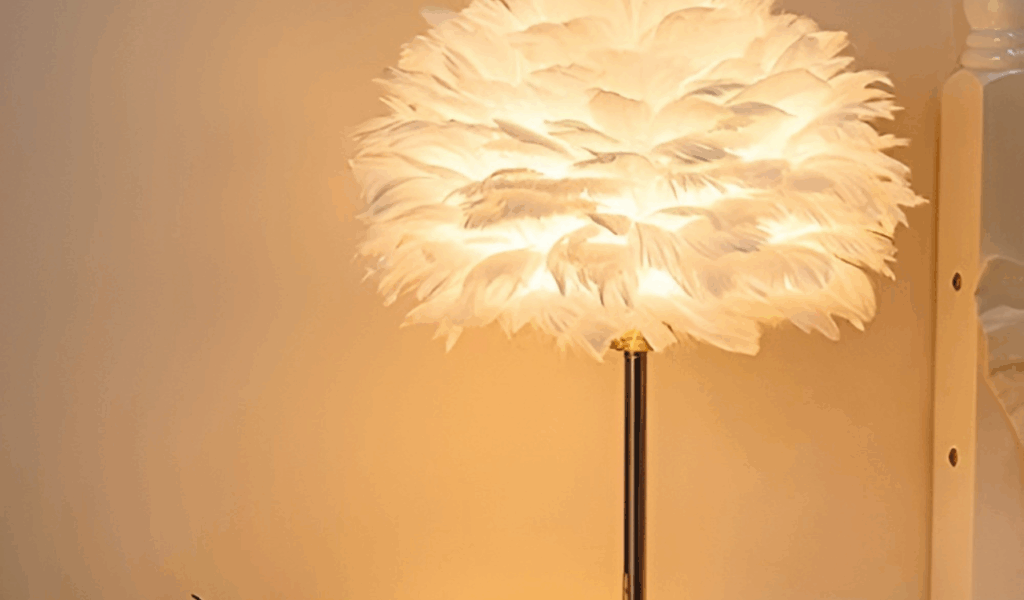
People often buy small marabou lamps for their desks or vanities as “fun” decorations, but these lamps are often made the worst. Flippers and resellers say that these cheap versions often use glue that gets brittle over time. Experts say that the feathers are often glued together in groups instead of one at a time. This causes “bald spots” where whole sections of the lamp fall off at once. Designers say that these little lamps can look “sad” and “mangy” after just a few months of use.
Interior designers say that tabletop lamps are in the way of “human activity,” like reaching for a phone or a glass of water. Every time you touch the surface the lamp is on, the vibration makes the delicate marabou release more down. Vision experts say that having fine feather fibers floating around a desk or vanity can make your eyes hurt. Experts say that instead of a lamp with a fully feathered body, you should choose one with a glass or fabric shade that has feathers as a small, protected trim.
The Dyed Colored Marabou Chandelier
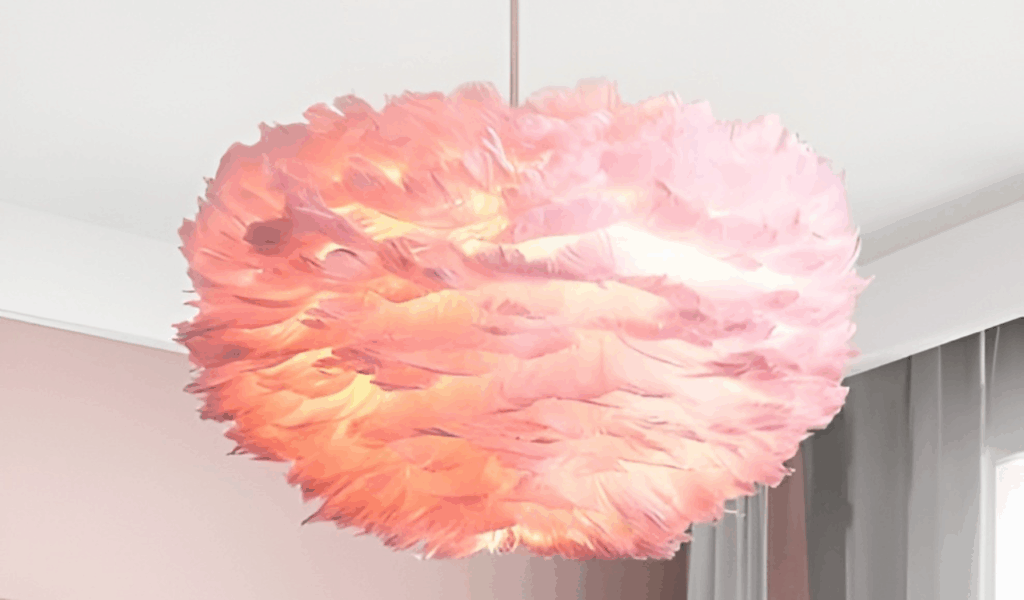
The classic choice is white marabou, but dyed versions in pink, black, or gray have an extra problem: “color shedding.” Textile experts say that the dyes used on feathers can sometimes come off on walls or ceilings if the fibers are moved around. Interior designers often see that black marabou lamps leave “ghostly” dark streaks on walls that are light in color.
When the feathers are dark or bright, the shedding is also much more obvious, which makes your home look dirty even after you’ve just cleaned it. When heated by a bulb, dyed feathers often smell like chemicals, which can be unpleasant in a small room, according to professional cleaners.
Decorators say that the “luxury” feel of a colored feather lamp is quickly ruined when the floor is covered in bright pink or blue fluff. Experts suggest that if you want a pop of color, it is better to use a solid-colored ceramic or metal lamp. It’s best to leave marabou in its natural state because dyeing it makes the fibers even weaker, which makes them break and shed more often
The Multi-Tiered “Tiered Cake” Feather Lamp
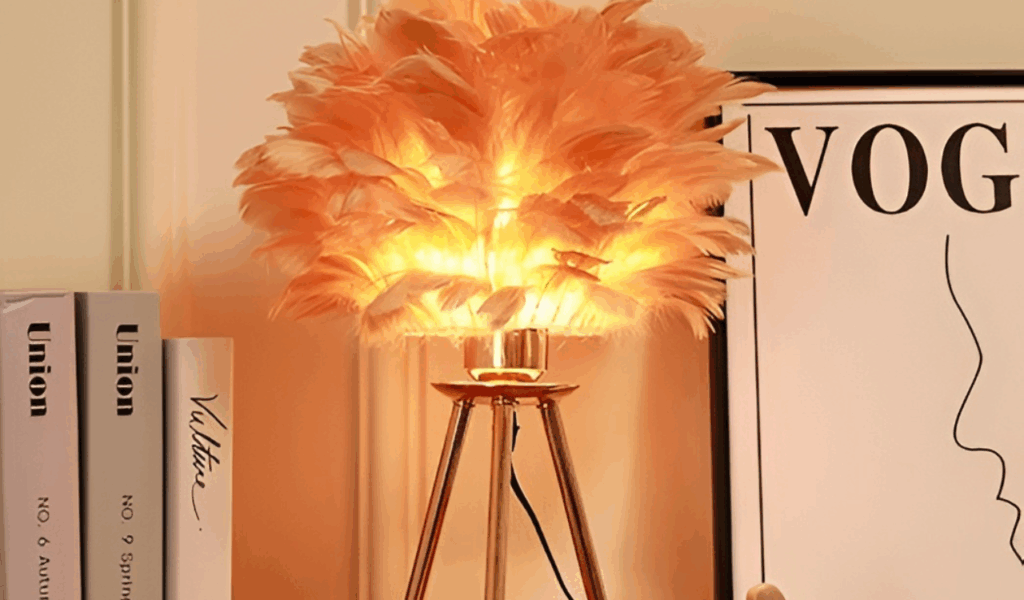
Marabou feathers are layered on top of each other in tiered feather lamps, giving them a thick, full look. But professional organizers say that these layers are great at catching dust. The fibers and dust from the top tiers fall into the bottom tiers, making a tangled mess that is almost impossible to separate. Designers say that these lamps can look “grey” and “heavy” within weeks because the feathers trap particles from the air, which makes the “ethereal” cloud look more like a storm cloud.
Lighting experts say that the density of tiered feathers makes the fixture give off a lot less light. To make up for this, a lot of people put in higher-wattage bulbs, which only makes the feathers dry and fall out faster. Experts in restoration say that you can’t vacuum a tiered feather lamp without ruining its shape. Designers say that if you like the look of tiers, a paper or silk “artichoke” style lamp gives you a similar texture without the mess and upkeep that comes with real animal products.
The “Ostrich-Hybrid” Marabou Lamp
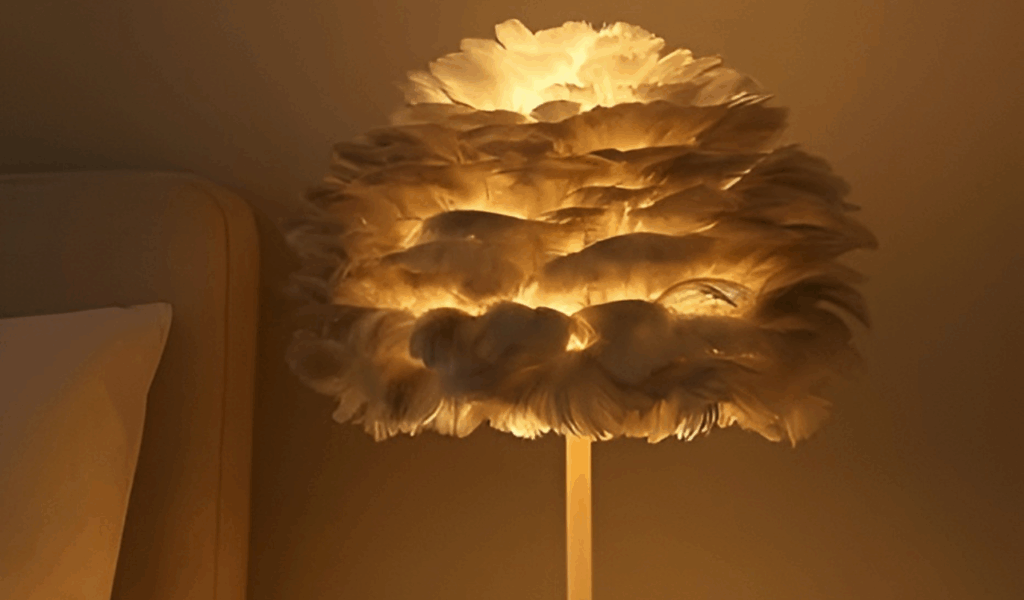
Some expensive lamps mix marabou with longer ostrich feathers to make a more dramatic look. Experts say that these two types of feathers shed at different rates and need different care, even though this looks very fancy. Interior designers say that the heavy ostrich feathers can actually “drag” the smaller marabou fibers out of the mounting as they move.
This makes a “dual-layer” shedding problem, where you have to pick up both big plumes and fine down from your rugs all the time. Professional stagers often find that these hybrid lamps are “one-season” items. The marabou tends to fluff up, while the ostrich feathers tend to droop.
Designers say that this makes the lamp look “broken” and uneven over time. Experts say that if you want a really high-end look, you should spend money on a lamp made of a material that lasts longer, like carved wood or textured glass that looks like the natural flow of feathers without the mess of shedding and drooping plumes.
The Battery-Operated Feather Lantern
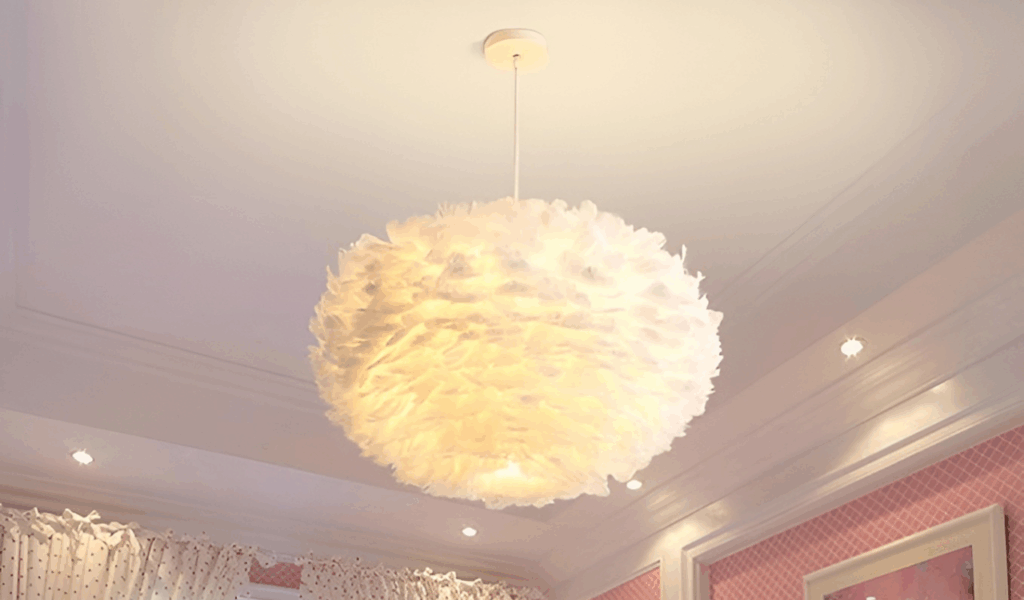
People often use portable feather lanterns for events or as temporary decorations, but their portability is what makes them bad. Professional event planners say that every time the lamp is moved, it leaves behind a “trail of evidence.” The battery compartment is often hidden under the feathers, so you have to dig through the delicate fibers every time you want to change the power source. Designers say that this constant handling is the quickest way to turn a pretty lantern into a “sad, bare stick.”
Experts say that these portable versions often use the cheapest glue they can find, which can break down in very dry or humid conditions. Home organizers say that the shedding from these lanterns can get into other storage bins and ruin clothes or linens. Designers say that these should only be used for events that last one night, not as permanent home decor. Experts say that if you want a portable “glow,” you should look for rechargeable frosted plastic or silicone lamps that give off a soft light without the risk of feathers falling off.
The “Vintage-Inspired” Marabou Sconce
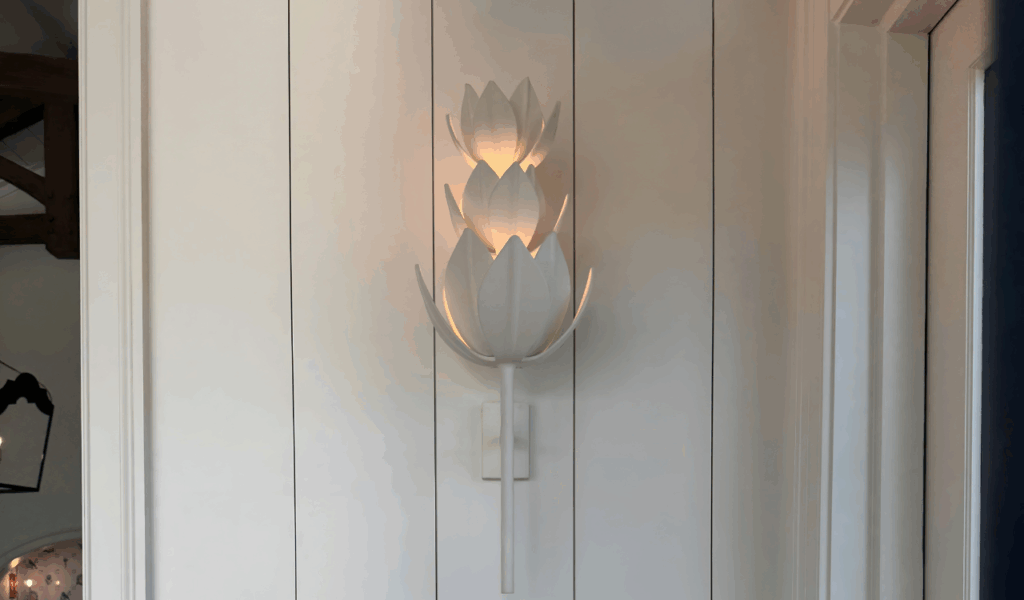
People often put wall-mounted feather sconces in hallways or near mirrors, but the fact that they are so close to the wall is a big problem. Interior contractors say that the static electricity between the wall and the feathers makes the fibers “stick” to the paint. Over time, this leaves a “shadow” of dust and fiber on your walls that is hard to clean without smearing.
Designers say that the shedding from a sconce often lands right on baseboards and floor trim, where guests can easily see it. Experts in home improvement say that the heat from a sconce goes up to the ceiling, which can “toast” the feathers at the top of the lamp and make them very brittle.
This causes “top-down” shedding, which means that the part of the lamp that is easiest to see breaks first. If you want to draw attention to a wall, experts say it’s best to use a metal sconce with holes in it. This gives you a similar “textured” light effect without the risk of ruining the finish on your walls or making a mess on your floors that won’t go away.