7 Painted Trays That Lose Their Look Too Soon
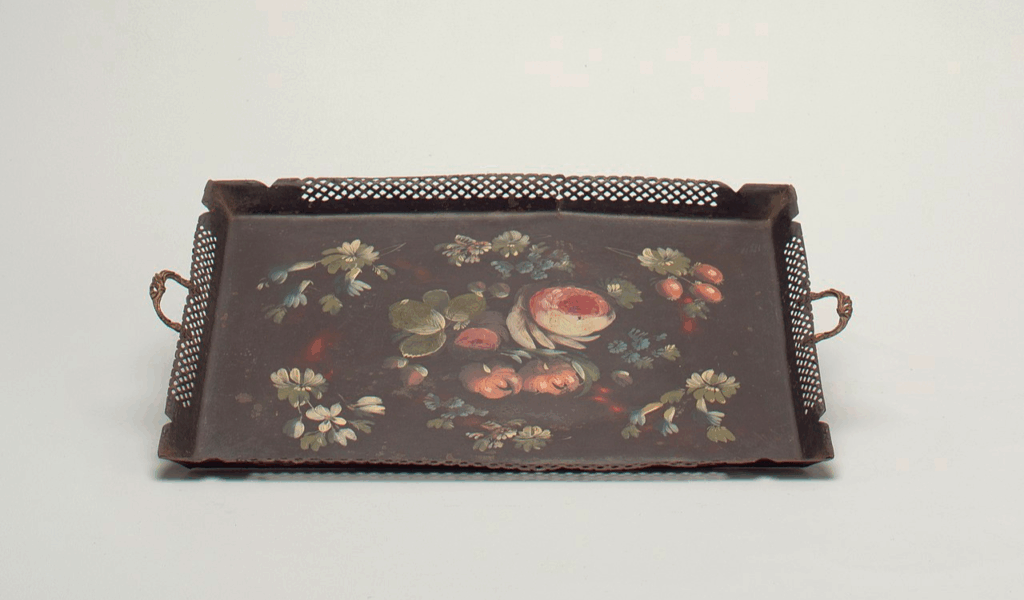
People love tole-painted trays because they have a vintage cottagecore look. They are usually made of lacquered tin or steel and have delicate floral designs on them. But many modern reproductions and even antiques that aren’t well cared for are known for being very fragile. They look great on a coffee table or as wall art, but the painted surfaces are very sensitive to heat, moisture, and bumps. Interior designers say that when the protective varnish is damaged, the intricate designs start to chip away, leaving behind a rusted and “sad” piece of the original.
The main problem, according to professional antique restorers, is that the metal base expands and contracts. The oil-based paints used for the “tole” designs don’t change temperature as quickly as metal does. This makes tiny amounts of stress that eventually causes big chips. Designers say that if you plan to use these trays for real service instead of just display, you should be ready for them to break quickly. Experts say that these things are often “visual clutter” waiting to happen because they don’t stay looking like they did in the showroom after just a few months of light use around the house.
The High Gloss Floral Serving Tray
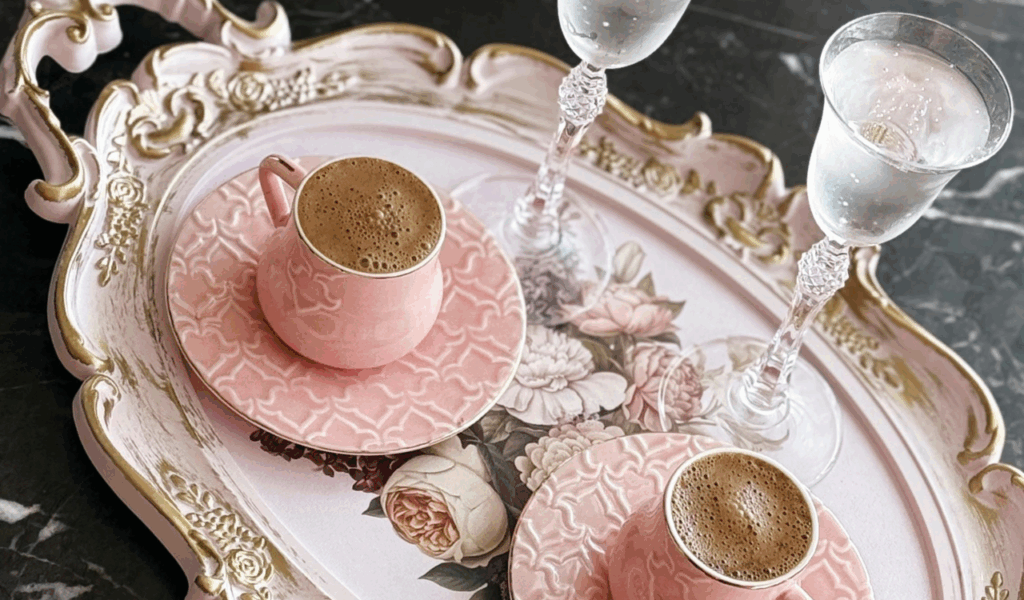
The high-gloss black tray with bright roses or peonies is the most common type of toleware. These are beautiful, but the high-shine finish is very fragile. Professional organizers say that these trays are magnets for fingerprints and scratches that go right through the paint.
When one chip shows up, the air gets to the tin underneath, which causes it to oxidize and push more paint off from the inside out. Designers often find these at estate sales in bad shape because the shiny topcoat doesn’t allow for any movement.
Experts say that glassware hitting these trays is especially dangerous. Every time you put down a heavy glass or ceramic mug, it makes a small impact that weakens the bond between the paint and the metal. Antique flippers say these are the hardest to sell again because a “sad” tray with missing petals loses almost all of its value. Designers say that you should only use these to hold light, soft things like mail or cloth napkins so that the delicate floral illustrations last longer.
Hand-Painted Distressed Metal Trays
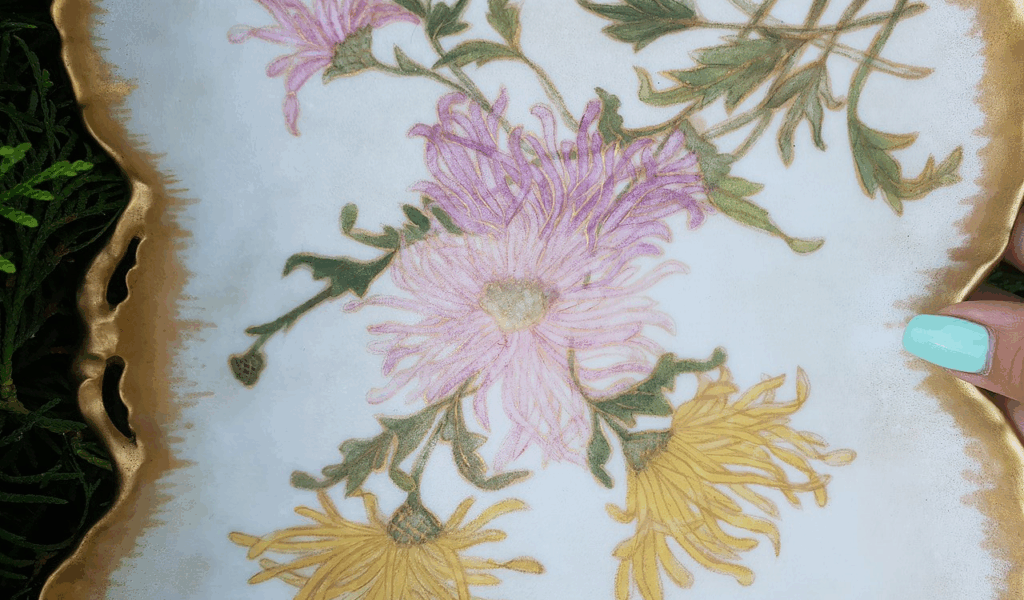
A lot of stores sell “new” tole trays that have been damaged on purpose to look like antiques. But professional contractors say that the “distressing” done at the factory often means making the paint too thin, which can be dangerous. The paint is already weak to get that weathered look, so it doesn’t protect against the elements at all. In just a few weeks, the intentional distressing can turn into accidental peeling, making your tray look broken instead of stylishly old.
Interior designers say that these trays are often made from cheap metals that rust as soon as they get wet. The salt air can get under the thin layer of paint in just a few days if you live by the ocean or in a humid area. Experts say that “faux-antique” toleware is often a bad investment compared to real vintage pieces that were made with thicker lead-based paints. They tell buyers to check the tray’s weight; if it feels light and “tinny,” the paint will probably start to chip off before the season is over.
Pale Pastel Tole Nursery Trays
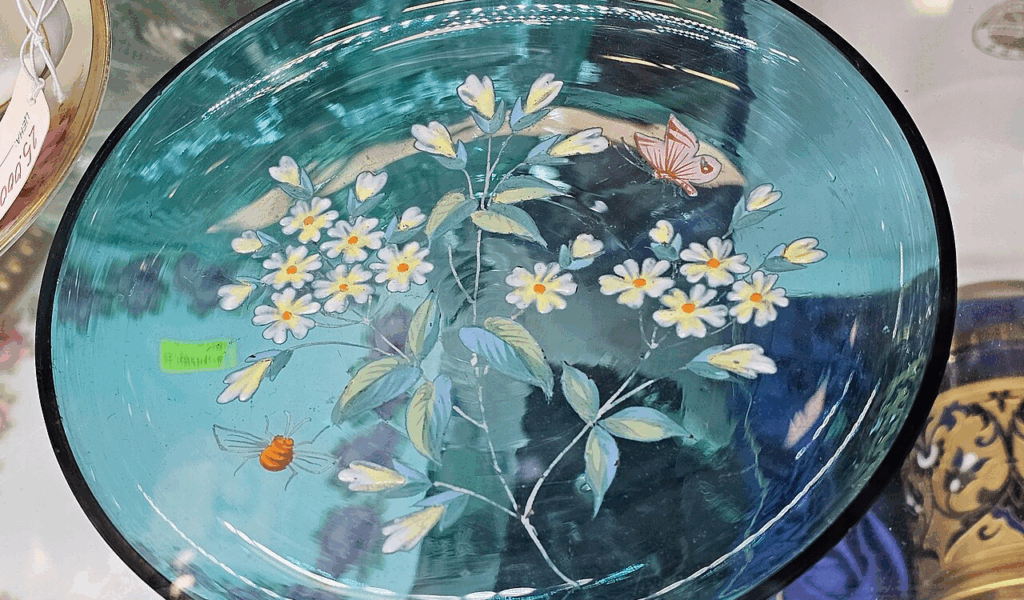
Pastel-colored tole trays are often used in nurseries or craft rooms because they look soft and feminine. But lighting experts say that light-colored tole paints are very likely to crack and yellow when exposed to UV light. Pastel paints’ chemicals can turn chalky when they are in direct sunlight from a nearby window, unlike darker pigments.
This chalkiness is the first sign of “paint failure,” which is when the design starts to come off on your hands or clothes. Professional organizers say that these trays are also harmed by common cleaning products. A lot of parents use disinfectant wipes or sprays in nurseries.
These have alcohol or ammonia in them, which can quickly remove the delicate hand-painted finish. Designers say that if you have to use toleware in a place where people touch it a lot, you should put a clear, museum-quality wax over it. Experts say that this makes a sacrificial layer that takes the damage and keeps the nursery accent from looking “sad” when it fades and chips.
Metallic Edge Filigree Trays
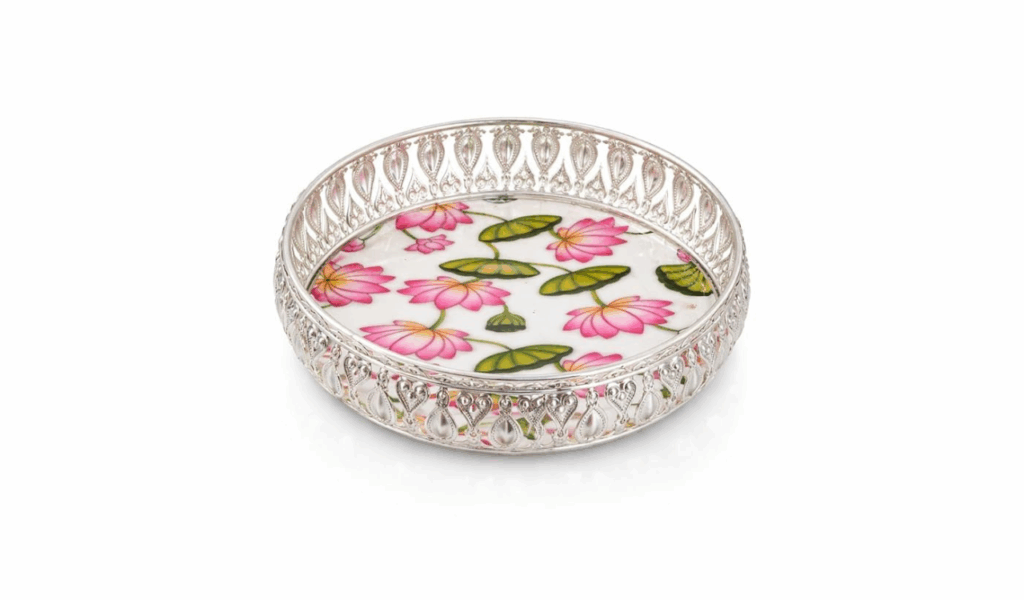
Trays with a painted center and a gilded or metallic-painted edge are sure to let you down. Flippers who know what they’re talking about say that the two types of paint—the matte floral center and the metallic rim—expand at different rates. This almost always causes “edge peeling,” which is when the gold or silver paint starts to curl away from the edge. The tray looks cheap and worn out once the rim is damaged, no matter how beautiful the central artwork is.
Designers say that the handles are the first place to show signs of wear. We naturally grab the tray by the metal edges, which breaks down the finish. Experts say that it is almost impossible to paint a metallic edge at home without leaving a mark. If you want a tray that will last, experts say you should choose one with a solid brass or wood rim instead of one with a painted-on metallic finish that will chip off after a few cocktail parties.
Geometric Patterned Tole Platters
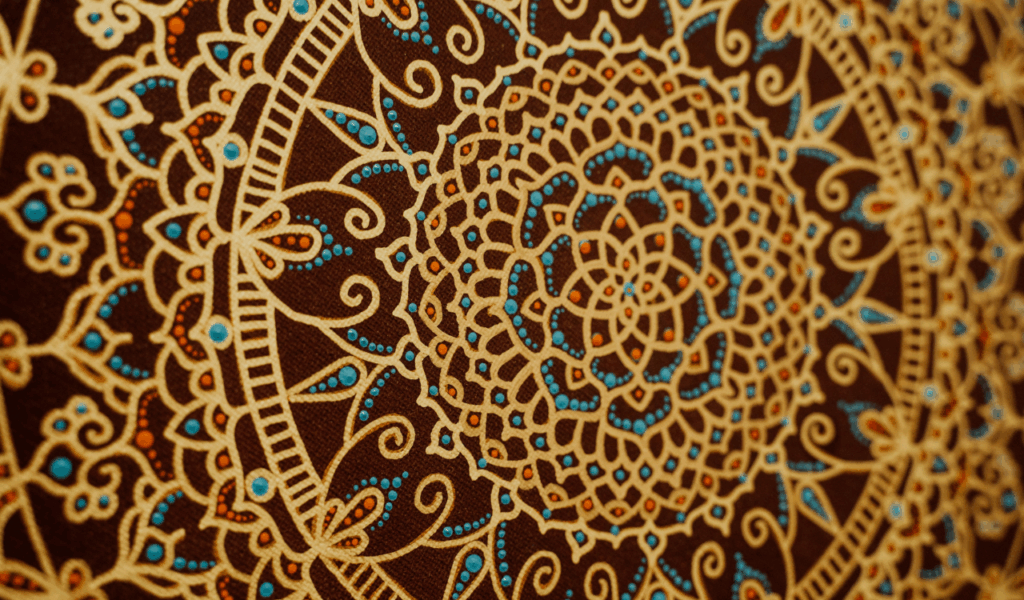
Traditional tole is floral, but modern versions often have stripes or grids that are geometric. Interior designers say that these patterns make chips stand out more than natural floral shapes. A straight line or grid with a missing piece of paint is an obvious eyesore that the human eye can’t ignore.
Contractors say that these trays often use “modern” acrylic paints, which don’t stick to metal surfaces as well as the oil-based paints that were used in the 18th century. Experts say that these trays are often used in “modern farmhouse” style, but they aren’t strong enough for that kind of living.
Because the “sad” chipping is too hard to photograph, professional stagers often hide these in the back of shelves. Designers say that if you like geometric patterns, you should get a ceramic or wooden tray instead. Experts say that metal tole is just too unstable for straight, rigid designs that need to be mathematically perfect to look good in a room with good lighting.
Scalloped Edge “Crackle” Trays
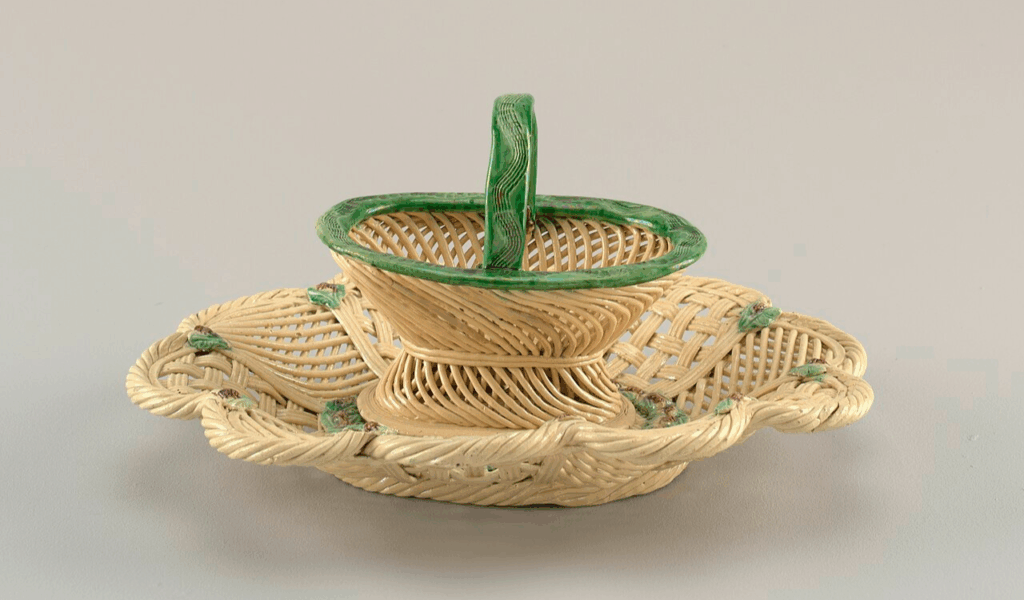
The “crackle” finish is a common tole technique that makes a top layer of paint shrink and crack over a base color. Experts say that the crackle effect is really just “controlled peeling,” even though this looks cool. Because the paint is already broken on purpose, any water that gets into those cracks will make the paint come off in big pieces. Home organizers often find that these trays “shed” small flakes of paint onto the tables they are meant to protect.
Interior designers say that crackle toleware is a “dust trap.” Because the paint is so fragile, you can’t scrub it clean without making it worse. Dust and dirt get stuck in the cracks. Designers say that these trays should only be used as “non-functional” art pieces. Experts say you shouldn’t put food or drinks on a crackle finish because any spills will seep into the cracks and permanently stain or loosen the paint. This will make the tray look worse very quickly.
Deep-Dish Tole Tins with Lids
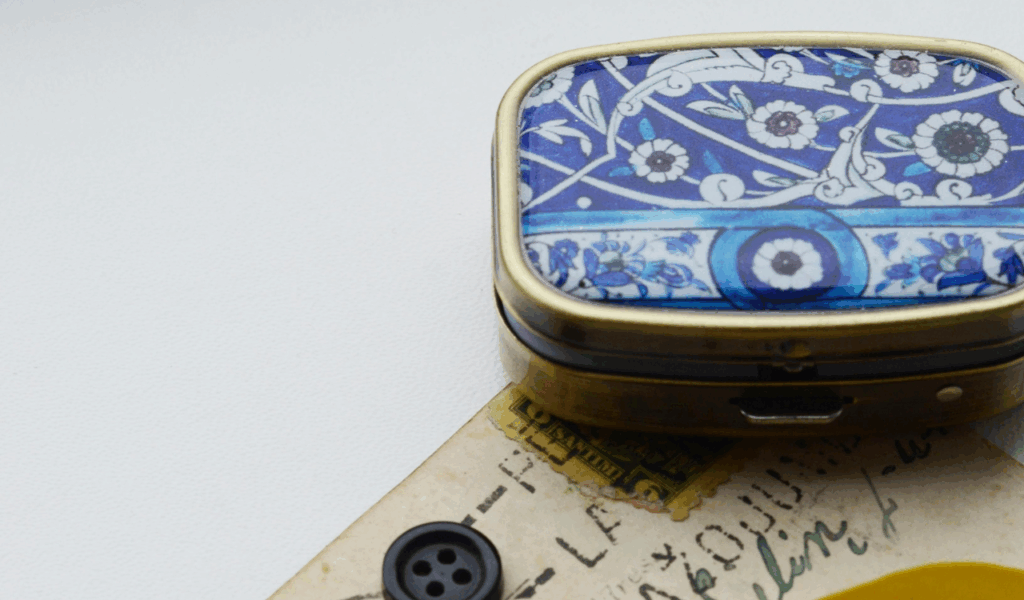
These deep-dish trays or tins are often used to hold crackers or tea, but they get “friction chipping.” Every time you take the lid off or put it back on, the metal-on-metal contact scrapes the paint off the edge. Professional organizers say that this makes a messy pile of paint dust inside the container, which is a big hygiene problem for storing food.
The rim turns into a jagged, rusty mess that looks very sad and unattractive in just a few months. Food safety experts say that older toleware may have lead in the paint, which makes it even more dangerous to use for food if it chips.
Even with new, lead-free versions, the “sad” look of a scratched rim makes the piece feel cheap. Designers say that lidded containers should only be made of glass or stainless steel. Experts say that toleware should stay flat. Any design that needs moving parts or lids that fit tightly will lose its paint and charm very quickly.