9 “Farm-to-Table” Claims Diners Catch Restaurants Faking
Farm-to-table has become one of the most trusted phrases on restaurant menus, especially among diners who care about freshness, sourcing ethics, and food transparency. The issue is that the term itself is loosely defined and largely unregulated, giving restaurants wide latitude to interpret it creatively. Chefs, servers, and even farmers acknowledge privately that many farm-to-table claims function more as branding than as a reflection of daily sourcing practices. As diners become more informed and comfortable asking questions, inconsistencies become easier to detect. When menus, staff explanations, and ingredient behavior do not align, guests start noticing the gap between promise and reality. These are the most common ways diners realize a farm-to-table label may not mean what it implies.
1. Seasonal Menus That Never Actually Change

Authentic farm-driven menus shift frequently based on harvest cycles, weather patterns, and supply fluctuations. Diners become skeptical when a restaurant claims seasonal sourcing yet serves the same dishes month after month without noticeable changes. Tomatoes appearing year-round or identical greens regardless of season raise quiet red flags, especially for guests who cook or shop for themselves locally. Over time, repetition undermines credibility.
Chefs experienced with local sourcing note that true seasonality forces constant adjustment, sometimes weekly. Ingredients disappear unexpectedly, substitutions become necessary, and menus evolve accordingly. When dishes remain static, it often signals reliance on broadline distributors rather than farms. Regular diners catch this inconsistency quickly, particularly when ingredients look uniform and predictable instead of variable and weather-dependent.
2. “Local” Produce That Travels Hundreds of Miles
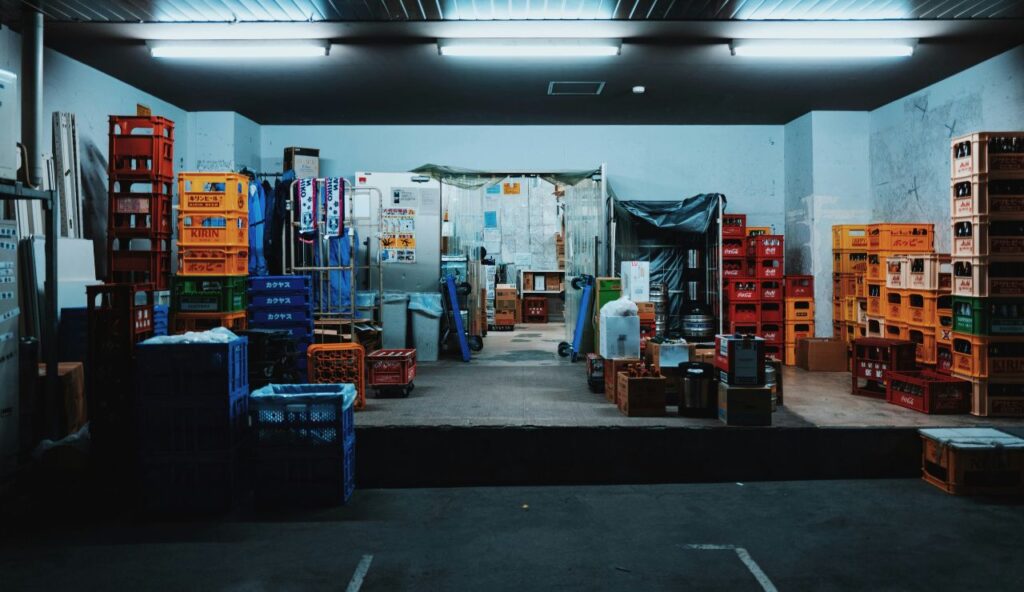
Many restaurants advertise local sourcing while quietly stretching the definition of what local means. Produce described as regional may still travel several states before arriving in the kitchen, blurring expectations for diners who associate local with nearby farms. Guests start questioning authenticity when servers struggle to name specific farms or give clear answers beyond general geographic terms.
Farmers and food buyers explain that genuine local sourcing usually comes with clarity and pride. Restaurants working directly with farms tend to know delivery days, crop limitations, and seasonal gaps. When explanations feel vague or rehearsed, diners infer that the supply chain is broader than advertised. Increasingly, guests recognize that true local produce shows variation, imperfections, and limited availability that cannot be smoothed over by marketing language.
3. House-Made Claims That Rely on Pre-Prepared Bases
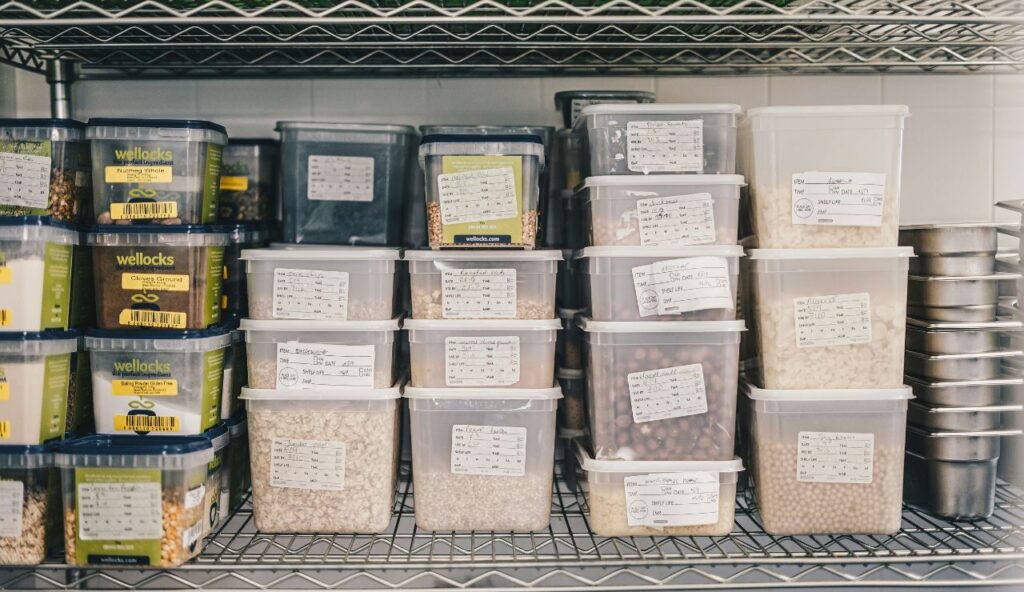
Menus frequently promote house-made sauces, soups, and dressings as proof of scratch cooking and farm-to-table integrity. Diners who spend time in restaurants or cook at home begin to notice when flavors remain identical across multiple dishes or taste overly consistent night after night. That uniformity often signals a shared base rather than fresh preparation.
Culinary professionals acknowledge that many kitchens start with commercial stocks, sauces, or concentrates and modify them slightly. While this saves labor and maintains consistency, it weakens the meaning of house-made. Guests who value authenticity often sense when something lacks the depth and variation expected from fresh ingredients. Over time, repeated exposure makes the disconnect more noticeable and harder to ignore.
4. Farm Names Listed Without Actual Partnerships

Listing farms on menus has become a common way to establish credibility. Diners grow suspicious when those names appear year after year without changes or context, especially if the farms are seasonal or limited in output. Curiosity increases when staff cannot explain current relationships or sourcing frequency.
Farm owners have noted publicly that their names sometimes remain on menus long after partnerships end or after only brief sourcing periods. Diners who research farms online or ask direct questions catch these inconsistencies quickly. When sourcing details cannot be confirmed, trust erodes fast. What initially felt transparent begins to feel performative, causing guests to question not just the claim, but the restaurant’s overall honesty.
5. Identical Produce Appearance Across Every Plate
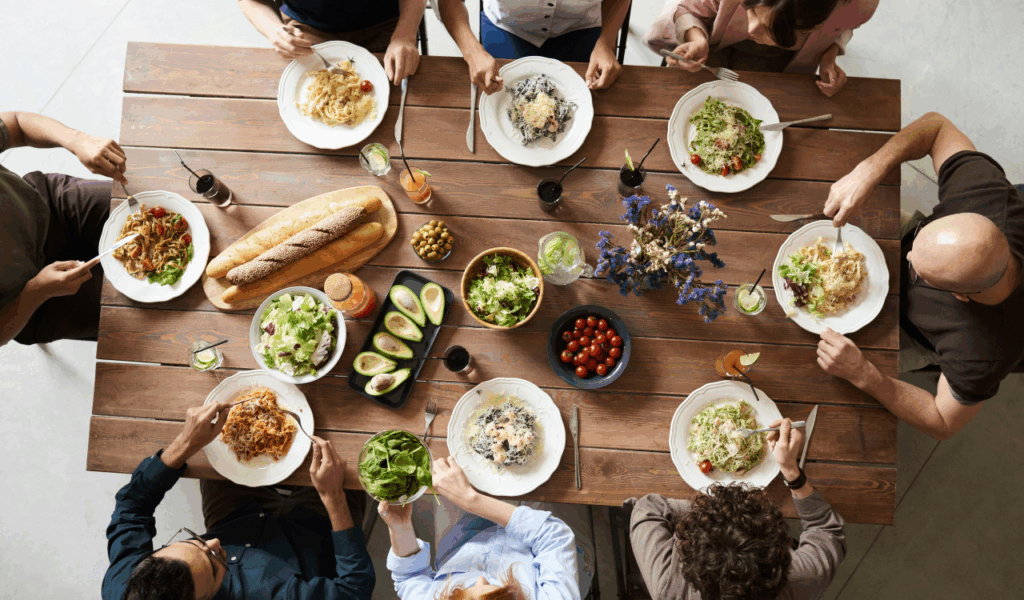
Produce sourced directly from farms rarely looks identical from plate to plate. Size, shape, and color shift naturally depending on harvest timing, weather, and storage conditions. Diners increasingly notice when vegetables appear perfectly uniform across every dish, every night, with no variation in cut or appearance. That level of consistency feels reassuring at first, but over time it raises questions about scale and sourcing.
Chefs who work directly with farms acknowledge that inconsistency is unavoidable and expected. One delivery may bring smaller carrots, the next slightly misshapen greens. Menus and plating adjust accordingly. When food looks overly polished and standardized, guests begin interpreting it as evidence of centralized distribution rather than field sourcing. What was meant to signal quality instead signals distance from the farm.
6. Servers Unable to Answer Basic Sourcing Questions
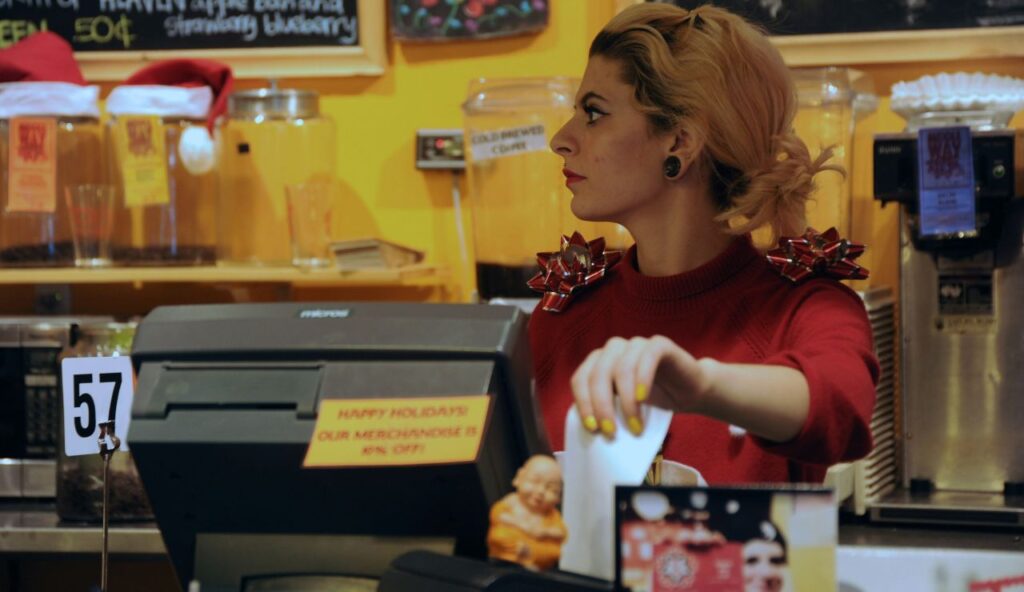
Restaurants that genuinely prioritize farm partnerships usually share that knowledge openly with staff. Servers know where ingredients come from, how often deliveries arrive, and which items rotate seasonally. Diners become skeptical when servers rely on rehearsed phrases but cannot answer simple follow-up questions about farms, locations, or sourcing frequency. The hesitation is often subtle, but noticeable.
Hospitality professionals note that transparency is cultural, not scripted. In real farm-to-table operations, curiosity is encouraged, not avoided. When staff deflect or provide vague answers, guests infer that the story may be thinner than the menu suggests. Over time, that lack of confidence becomes a clearer indicator than any written claim, quietly undermining trust in the restaurant’s sourcing narrative.
7. Meat Programs That Ignore Whole-Animal Reality
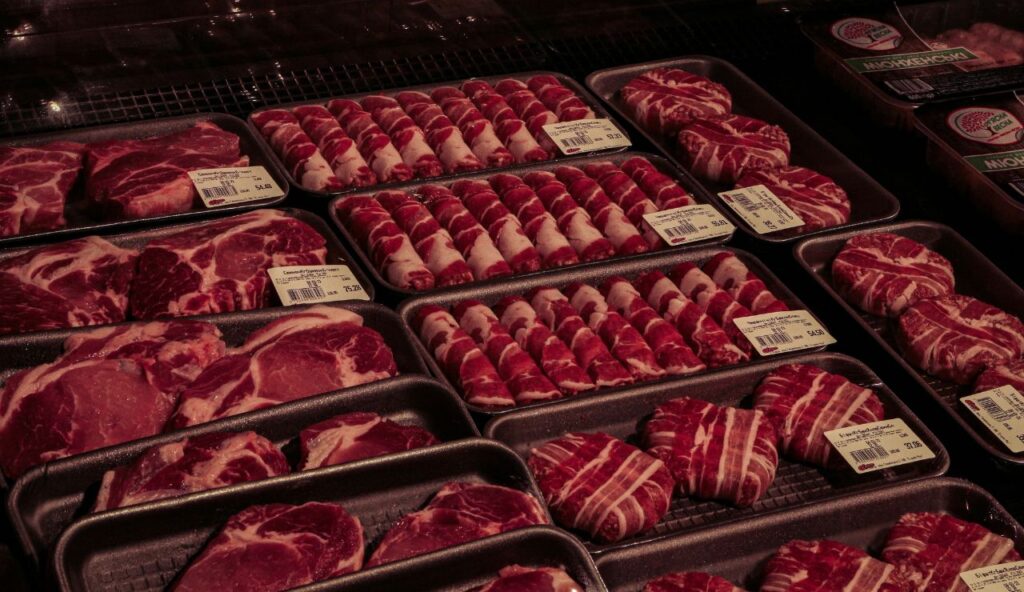
Farm-to-table meat sourcing usually comes with limitations. Small farms cannot supply every cut, every day, in unlimited quantities. Diners question authenticity when menus offer a full range of steaks, chops, and specialty cuts without interruption. That level of consistency rarely aligns with whole-animal purchasing or small-scale processing.
Butchers and chefs explain that true farm sourcing forces compromise and creativity. Some cuts run out, others need to be featured more prominently. Menus change to reflect availability. When offerings feel too complete and predictable, guests increasingly suspect conventional suppliers behind the scenes. The absence of limitation becomes the giveaway, signaling that the operation values consistency over genuine farm alignment.
8. Price Premiums Without Corresponding Transparency

Most diners understand that responsibly sourced food costs more. They are often willing to pay a premium when they feel informed and respected. Problems arise when prices increase without explanation or visible sourcing effort. Guests start questioning whether the added cost reflects ingredient quality or simply marketing language attached to the menu.
Restaurant consultants note that transparency builds tolerance. When diners see farm names, seasonal shifts, or staff knowledge, higher prices feel justified. Without that context, the premium feels arbitrary. Over time, the disconnect damages credibility more than pricing itself. Guests may not complain openly, but they quietly stop believing the story being sold to them.
9. Décor That Signals “Farm” More Than the Food Does
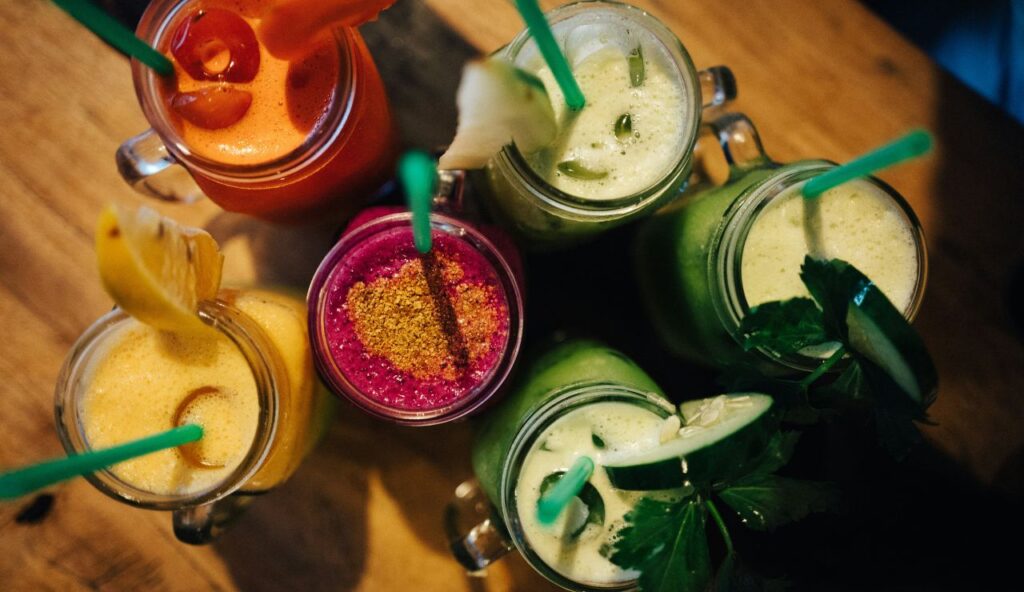
Rustic décor has become shorthand for farm-to-table branding. Reclaimed wood, chalkboard menus, and mason jars create immediate visual cues, but diners become wary when the atmosphere feels louder than the ingredient story. When aesthetics do more work than sourcing, skepticism grows.
Designers and restaurant operators acknowledge that visuals can distract from weak supply chains. Guests who care about farm-to-table values eventually look past décor and focus on flavor, seasonality, and staff knowledge. When those elements fail to support the image, the illusion collapses. What once felt intentional begins to feel performative, leaving diners unconvinced despite the setting.