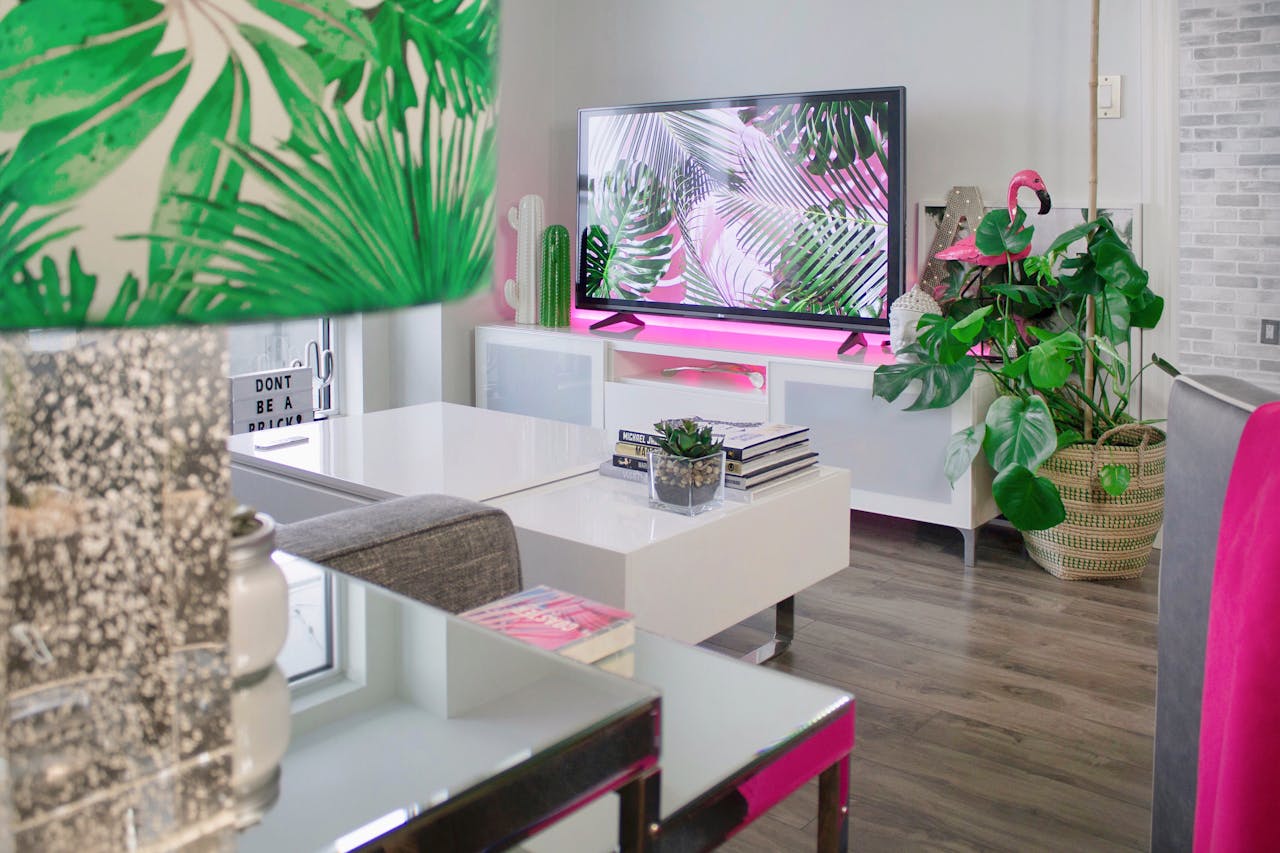
9 Trendy Home Décor Pieces That Didn’t Age Well
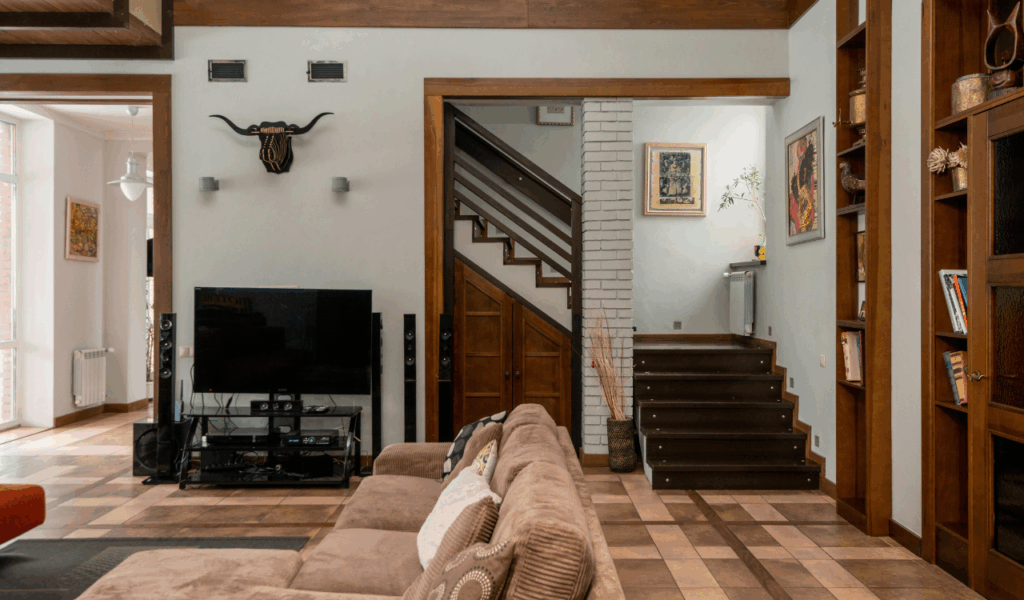
Trends in home decor change quickly, and social media, catalogs, and show homes that focus on making a big impression instead of lasting a long time are often to blame. Things that seem new and thrilling one year can become old-fashioned or useless just a few years later. Many of these trends weren’t bad, but they focused on newness and visual spectacle rather than long-term utility. Some once-popular décor themes now feel awkward or too much as tastes shift to comfort, adaptability, and authenticity. These inclinations explain why timeless designs are better than fleeting ones. These nine popular home decor items faded.
1. Word art wall decals
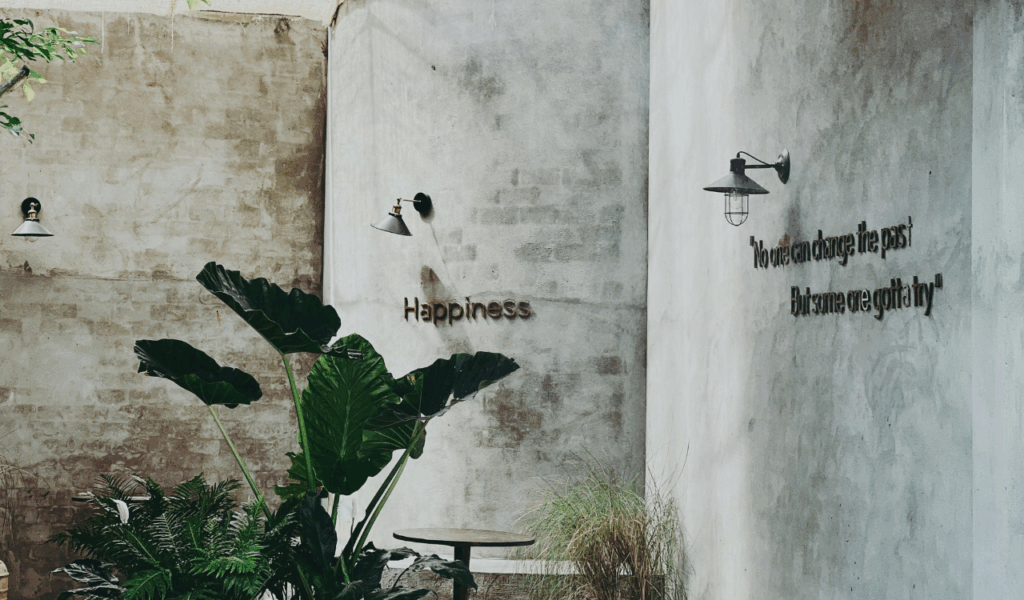
People used to put word art decals with motivational quotes on their living room and bedroom walls. The words were meant to be warm and personal, but they rapidly became too much to look at and too repetitious. When you see big print every day, it can feel more like a sign than decoration, which can make a room feel less comfortable. The fonts often followed short-lived trends, which today make the space look old right away. Decal removal can damage paint or discolor it, making it hard to maintain up. Owners learnt that showing their personality through products and textures is better than writing big messages on walls that last forever.
2. Shag carpets in high-traffic areas
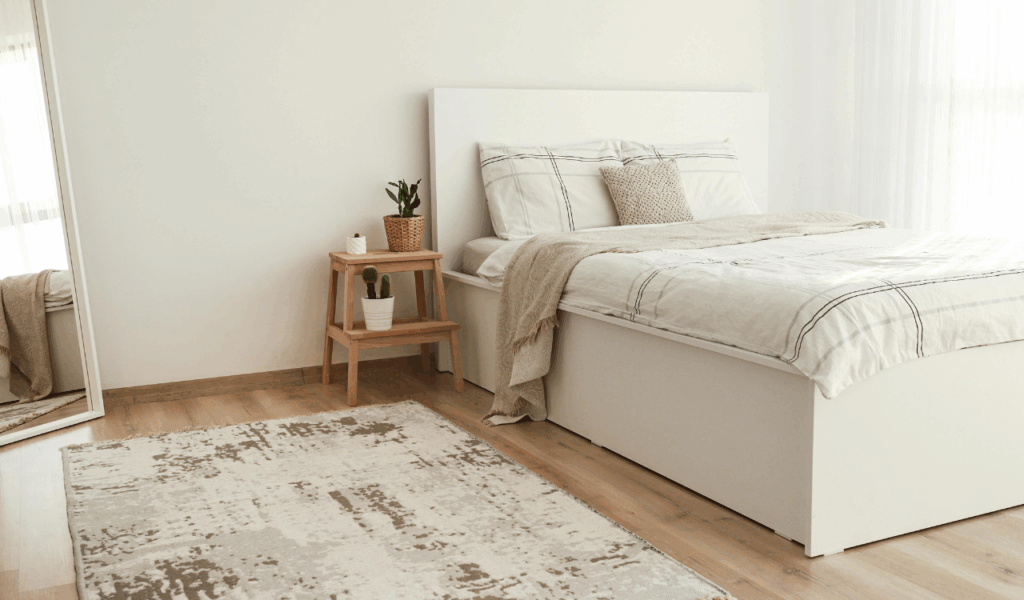
Shag carpets were a popular choice because they looked soft and cozy, even if they were hard to care for. It could be hard to get everything clean because the long strands are so good at catching dust, crumbs, and pet hair. When a lot of people walk on the pile, it tends to flatten out unevenly, which makes the pathways look worn and messy instead of inviting. It’s harder to clean up spills, and they could get deep into the fabric’s fibers. Shag rugs can still be utilized in some places, but their broad use showed that comfort is not always more important than practicality, especially in homes where cleanliness and durability are important every day.
3. All-gray room palettes
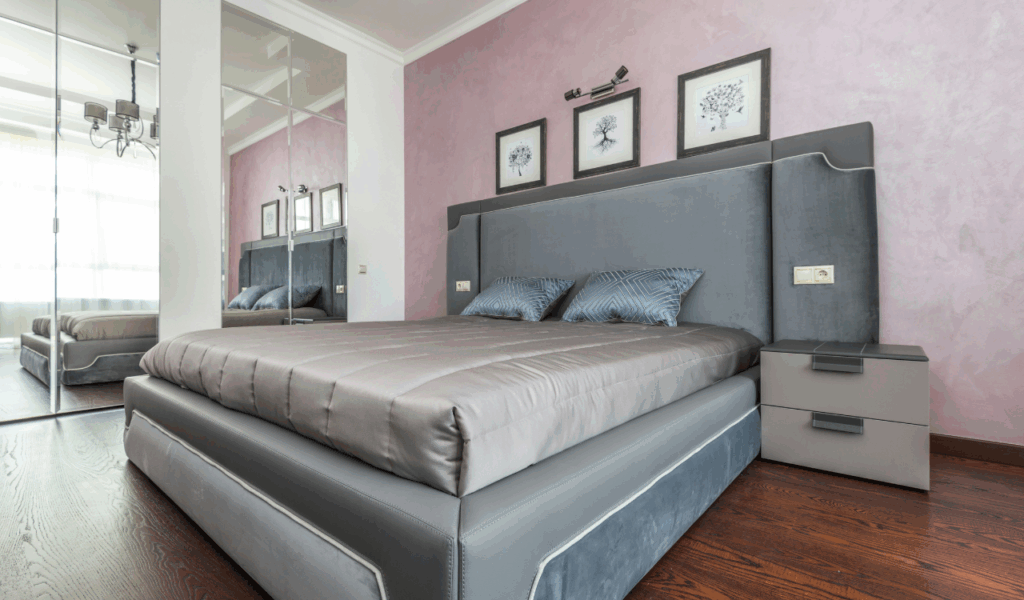
At one point, entire rooms were styled in shades of gray, from walls to furniture and floors. There was a time when everything in the room, from the walls to the furniture to the floors, was gray. Formerly modern and serene, these places were often frigid and lifeless. Without contrast or warmth, gray-on-gray designs lack depth and personality. Grey tones can look boring in natural light, which is not desirable. Heavy usage of gray became unwelcoming as design trends moved toward warmth and natural materials. Many homes are adding color, wood tones, or texture to drab spaces to make them more appealing.
4. Mirrored furniture everywhere
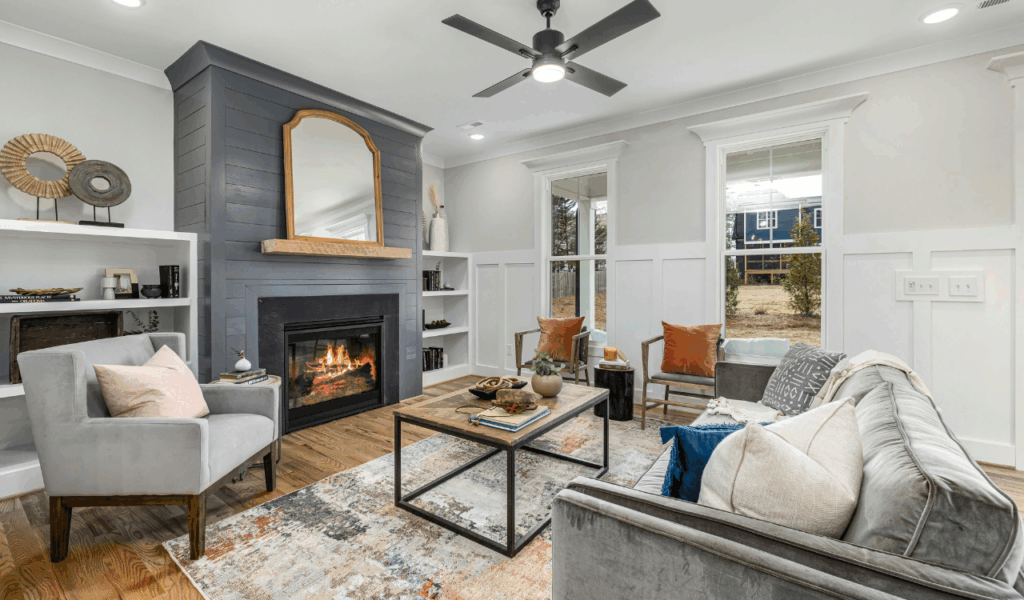
Mirrored furniture was supposed to be beautiful and make rooms look bigger by bouncing light around. Putting in too many mirrored pieces made things look confusing and needed constant upkeep. You need to clean often because fingerprints, dust, and smudges show up right away. Also, the surfaces that reflect light could feel rough and unpleasant, especially in rooms that are meant for sleeping. Mirrored furniture overpowers a room when used too much. When design trends favor materials with softer surfaces and more tactile characteristics, expensive items can seem outdated and impractical.
5. Barn doors used indoors
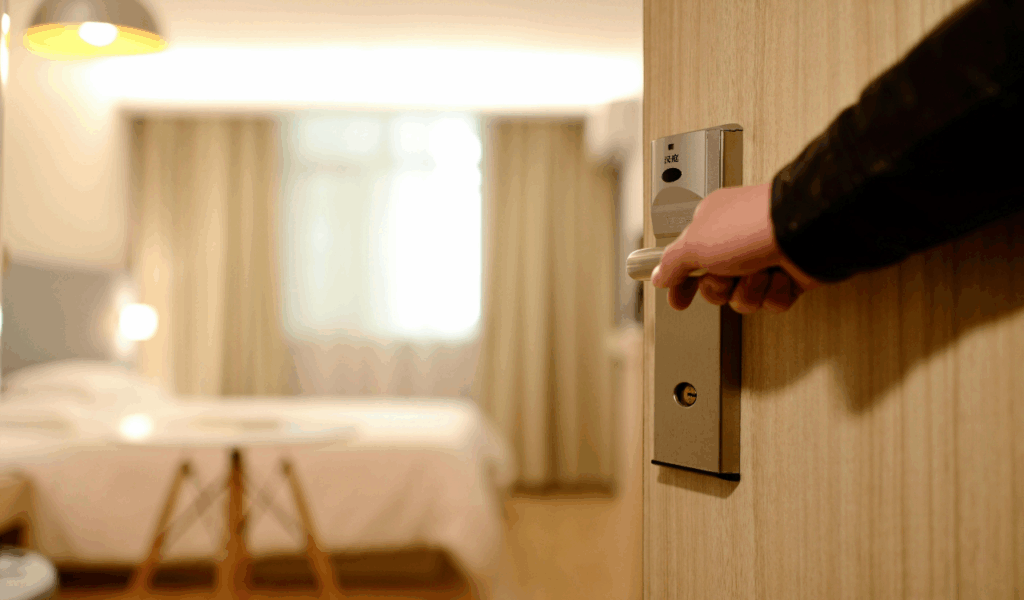
Sliding barn doors, which were inspired by trends in rustic style, became quite popular for separating rooms inside homes. They look nice, but they often don’t give you enough privacy or control over sound. There are gaps surrounding the door, which means that noise, light, and smells can go in. The technology can be hard to use and heavy on the eyes, which can make small spaces feel cramped. After a while, many homeowners preferred traditional doors to their new ones. In modern residences, farming-inspired ideas didn’t work. Thus, inside barn doors are style above substance.
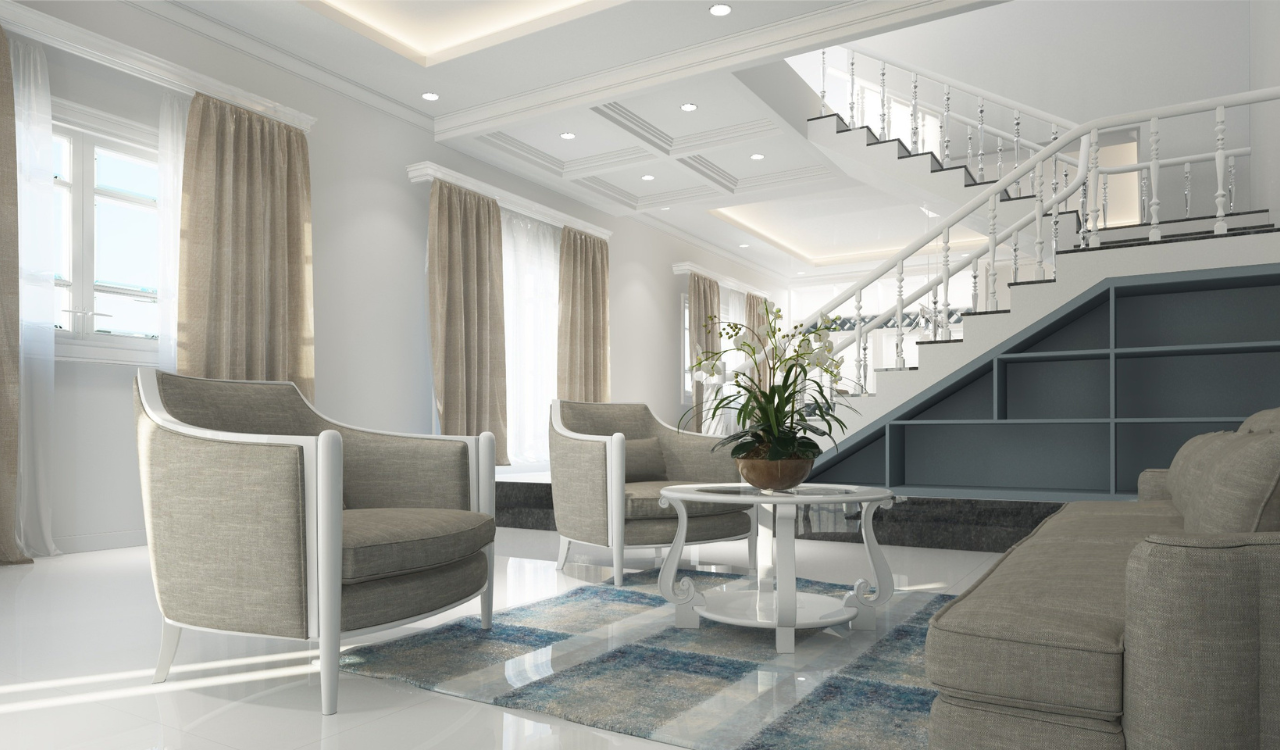
6. Overly ornate accent chairs
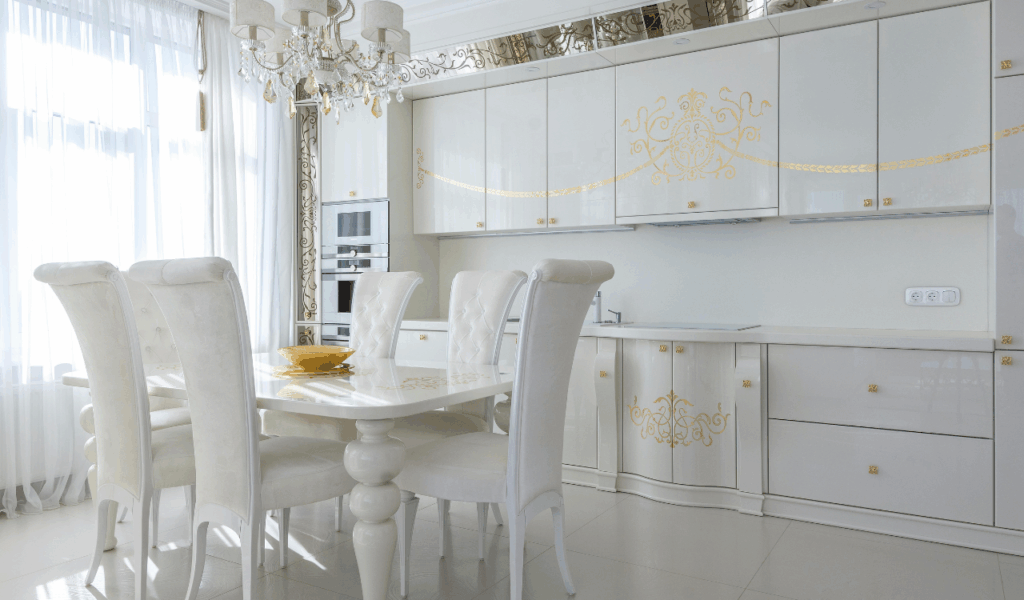
Accent chairs with sculptural forms, bright patterns, or dramatic shapes were previously popular ways to make a statement. A lot of these seats looked great, but they weren’t very comfortable. Because of their strange proportions, stiff materials, or non-functional armrests, it was hard to use them on a regular basis. They often didn’t work well with the constantly changing types of embellishments, which made them less useful. Instead of sitting, they became decorative obstacles that were rarely utilized. These too-fancy chairs lost their charm and utility as interior design prioritized comfort.
7. Industrial-style exposed pipes

Exposed pipes and raw industrial materials were popular for giving a room an edgy, city-like air. But they often made homes feel cold or incomplete. Dust can readily build up on pipes that are not covered, and cleaning them can be a pain. In homes, the look might feel forced instead than real, especially when it is mixed with other comfortable decor. Many homeowners came to recognize that comfort and warmth are more important than making their homes look like factories. What used to seem bold now sometimes seems unrealistic and harsh on the eyes in regular settings.
8. Faux distressed finishes
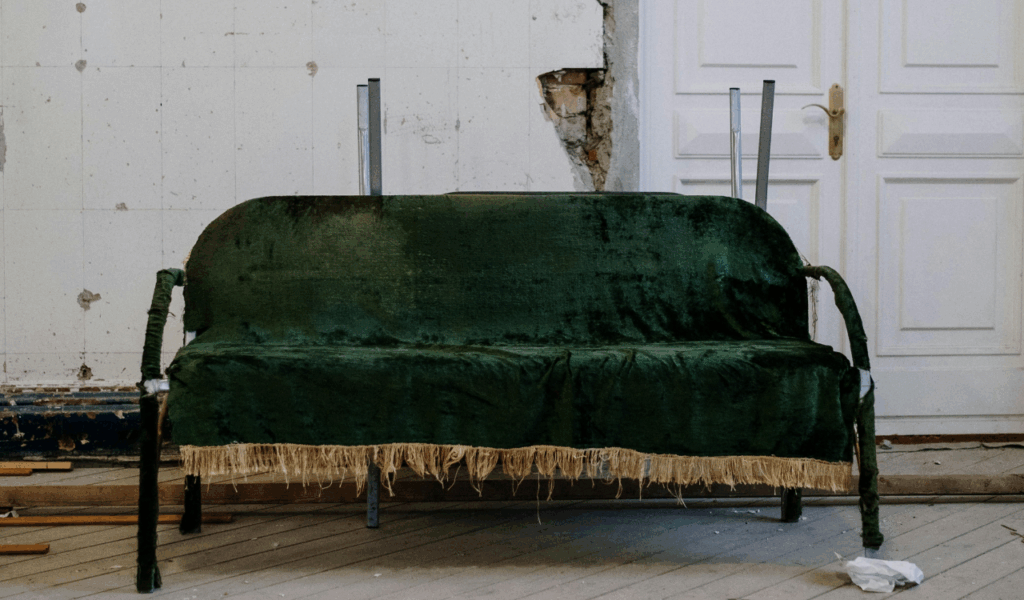
Furniture and decor with purposefully worn finishes were supposed to give the room personality and charm. These pieces appeared fake when they were too much, not like they had aged organically. Scratches, chips, and worn edges that were too equally spaced out made it feel false and boring. As tastes changed, customers started to like true wear that tells a story instead of fake defects. Faux distressing also makes things less flexible, which makes it tougher to mix them with new styles. As excellent craftsmanship and authenticity became more important in home decor choices, the trend faded.
9. Matching furniture sets
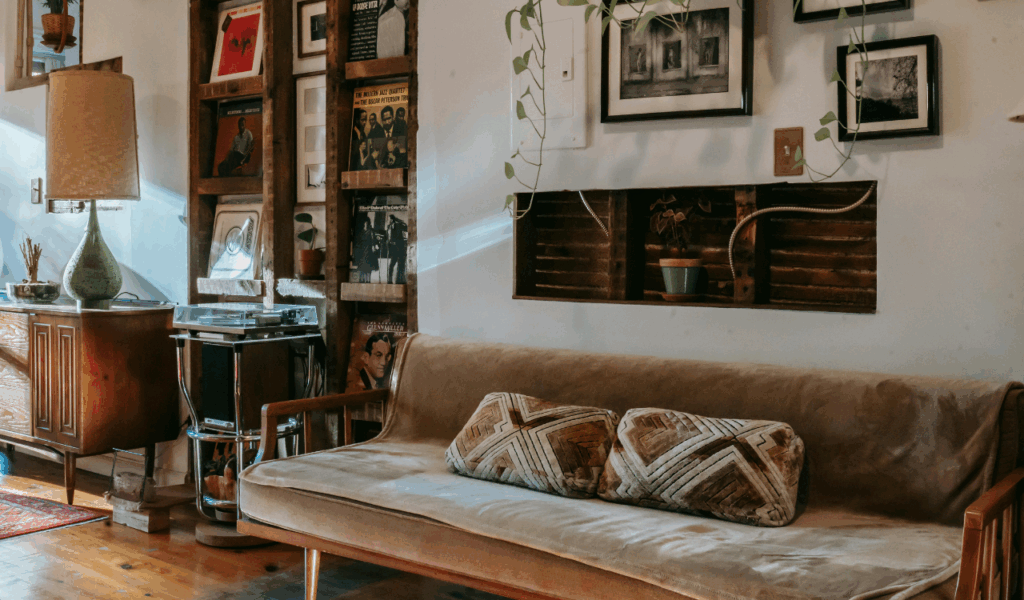
In the past, buying furniture sets that all matched exactly seemed like the easiest way to make everything appear good together. As time went on, these spaces started to feel flat and unwelcoming. Spaces weren’t interesting to look at because the materials, forms, and textures were all the same. Matching sets also made homes look less lived-in and more like showrooms. As design progressed toward collected, layered looks, precise matching became old-fashioned. Mixing pieces lets your personality come through and makes it easier to change a room over time. That’s why matching sets aren’t as popular in modern homes