10 Holiday Lighting Trends That Became Annoying Fast

Holiday lighting is meant to add warmth, cheer, and a sense of celebration, but some trends cross the line from festive to exhausting surprisingly fast. What looks exciting in a store display or on social media can feel overwhelming once it’s glowing every night outside your window. Constant motion, harsh brightness, and too many competing effects often disrupt comfort rather than enhance it. As more homeowners live with these lighting choices day after day, the downsides become obvious. The difference between joyful and irritating usually comes down to restraint, placement, and how lighting fits into everyday life, not how much attention it grabs at first glance.
1. Ultra-Bright LED Strips on Every Surface
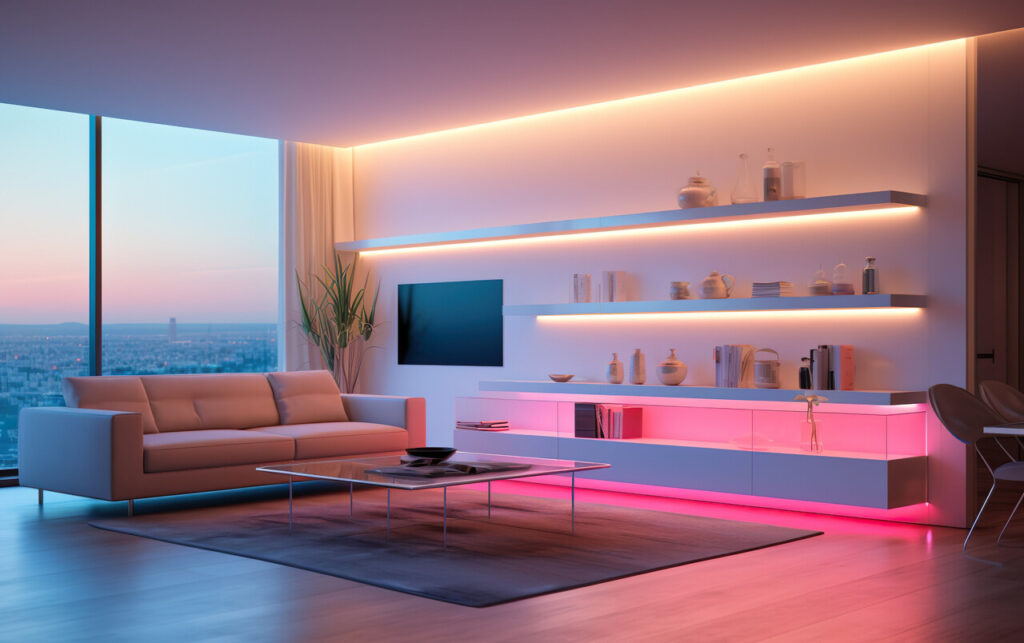
What starts as a clean, modern glow often turns into visual fatigue within days. Ultra-bright LED strips are designed for task lighting and commercial displays, not constant ambient holiday use. When wrapped around railings, cabinets, stair edges, and ceilings all at once, they overwhelm the eye and flatten a room’s natural depth. Many homeowners report headaches, glare on screens, and difficulty relaxing in spaces meant to feel cozy. The color temperature is another issue. Cool white LEDs clash with traditional holiday decor and make rooms feel stark rather than festive. Dimming helps, but most budget strips lack smooth controls.
2. Laser Light Projectors with Moving Dots
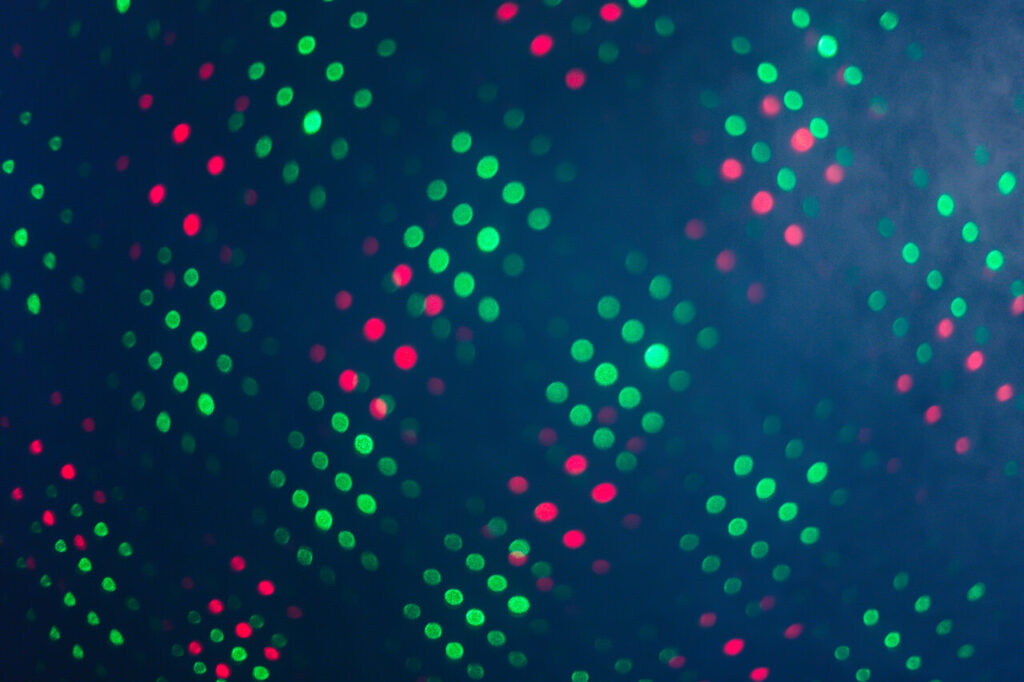
Laser projectors promise immediate impact with minimal effort, but the novelty wears off quickly. Constant motion draws the eye whether you want it to or not, which becomes exhausting over long evenings. Indoors, the effect is especially intrusive, bouncing across walls, ceilings, and faces. Outdoors, neighbors often complain about light spill crossing property lines or shining into windows. Another problem is a lack of control. Many projectors offer limited pattern options, so what feels fun the first night becomes repetitive by the end of the week. When paired with music or timers, synchronization issues can add frustration.
3. Blinking Multicolor Rooflines
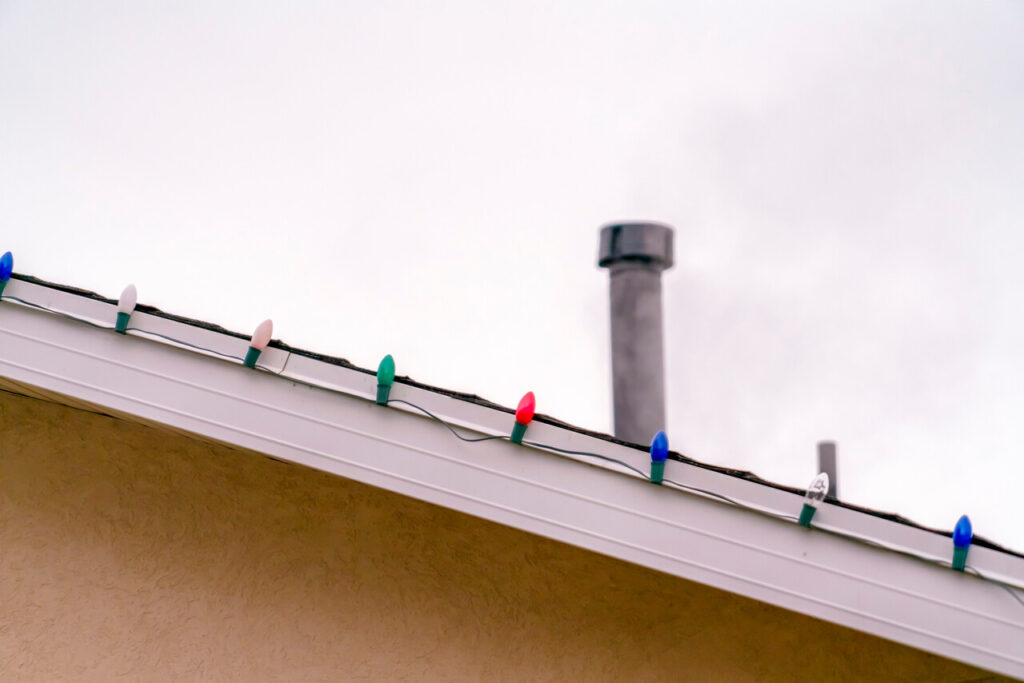
Blinking roofline lights are meant to feel playful, but they quickly tip into sensory overload. Rapid color changes draw attention away from the overall shape of the house and focus it on the flashing itself. This can make even well-designed homes look busy and unbalanced. For residents inside, the flicker can be distracting, especially in rooms near the roofline. Neighbors frequently cite these displays as disruptive, particularly when patterns run late into the night. Maintenance adds another layer of frustration, since chasing faults in long runs of blinking lights is time-consuming. What was intended as a bold statement often ends up feeling more like visual noise.
4. Running Lights on Mailboxes and Trash Bins

Adding lights to utilitarian objects sounds whimsical, but the execution rarely pays off. Mailboxes and bins are moved, handled, and exposed to wear, which means lights quickly become crooked, damaged, or half-working. The result looks messy rather than festive. Functionally, lights can interfere with lids, hinges, and access, creating daily annoyance. Visually, these elements pull focus away from the home itself and clutter the yard with glowing distractions. Many homeowners admit the idea sounded fun, but quickly became one more thing to fix, unplug, or ignore. Instead of adding charm, these lights often highlight areas better left understated.
5. Interior Wall-Mounted Pattern Projectors
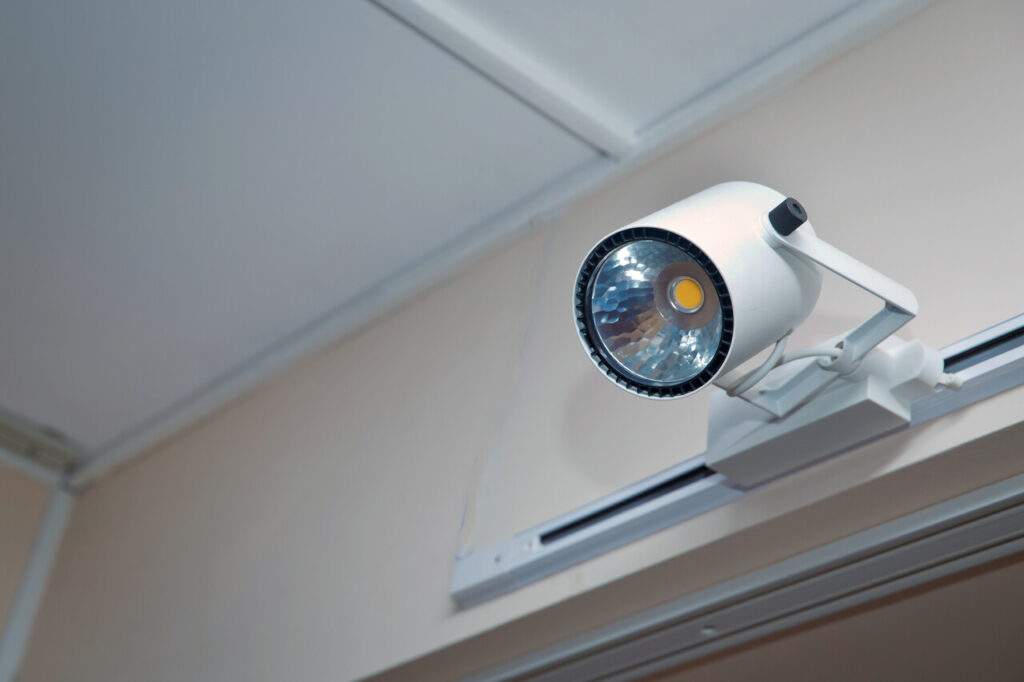
Projecting snowflakes, stars, or festive scenes onto interior walls feels immersive at first, but it changes how a room functions. Patterns distort wall color and artwork, making spaces feel unsettled rather than calm. In living rooms, the movement competes with conversation and television. In bedrooms, it interferes with rest. Projectors also require careful placement to avoid awkward angles or cropped images, which many homes can’t accommodate. Once furniture shifts or people move through the space, the illusion breaks. What was meant to create atmosphere often disrupts comfort, reminding homeowners that lighting should support a room’s purpose, not dominate it.
6. Multi-Pattern Curtain Lights in Every Window
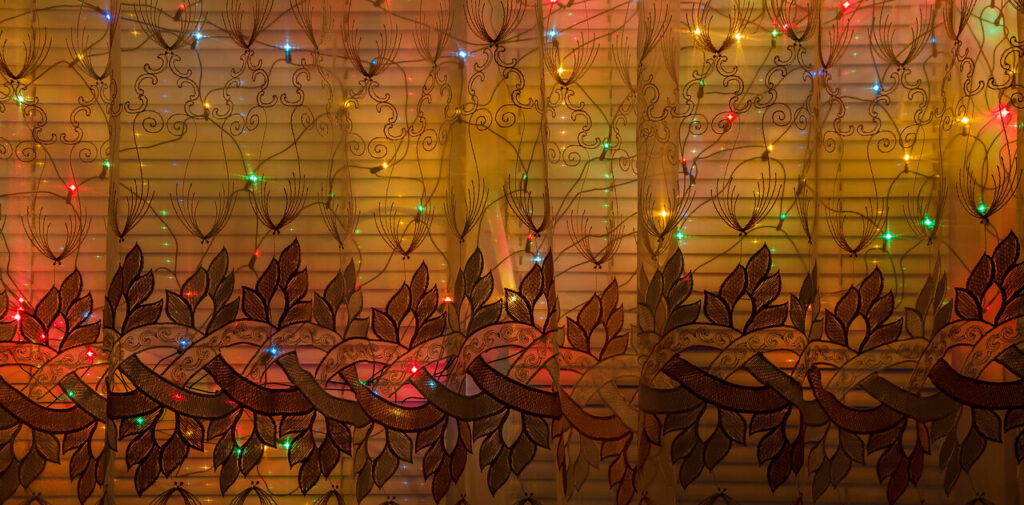
Curtain lights promise instant sparkle, but stacking multiple patterns across windows creates visual clutter. When every window competes for attention, the home loses cohesion. Indoors, the dense grid of lights blocks natural views and reflects harshly on glass and screens. Tangled cords and uneven hanging are common complaints, especially in older homes with varied window sizes. Outside, mismatched patterns can look chaotic rather than coordinated. Many people realize too late that restraint matters more than coverage. A single well-placed window display often looks intentional, while multiple competing patterns feel accidental and overwhelming.
7. Oversized Inflatable Figures With Built-In Lights
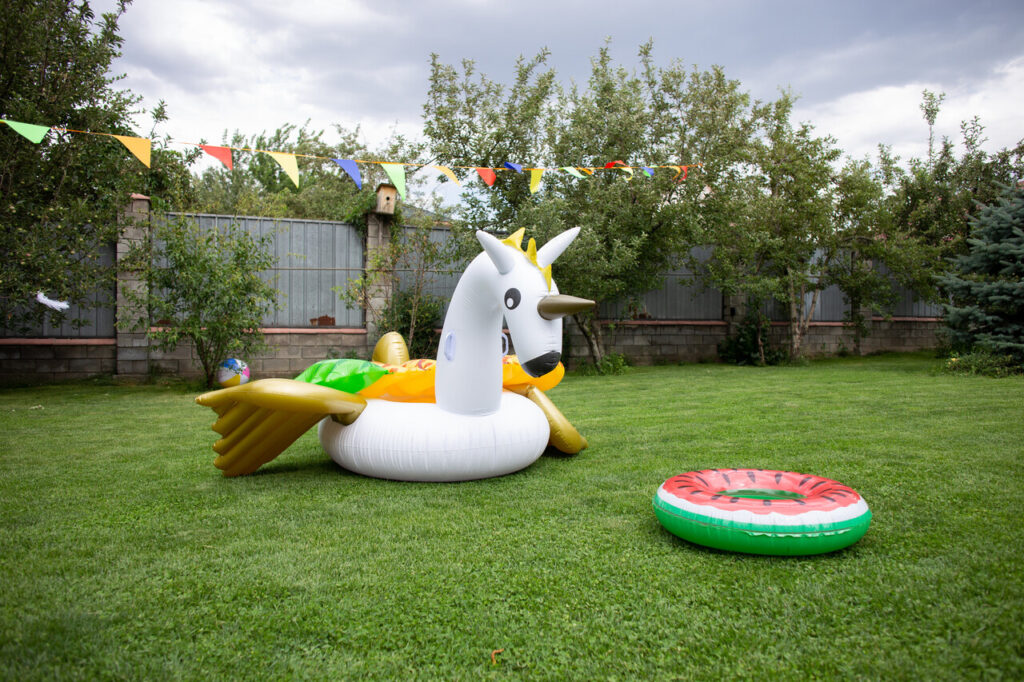
Large inflatables grab attention but demand constant upkeep. Wind causes them to sway, sag, or partially deflate, breaking the intended effect. The internal lighting is often uneven, leaving faces dim or distorted. Storage is another headache. Once deflated, these bulky items still take up space and rarely fold neatly. Visually, inflatables can overpower smaller homes or yards, throwing off scale and balance. Neighbors often describe them as blocking sightlines or dominating shared spaces. What begins as a playful centerpiece can quickly feel like an obligation to maintain rather than a decoration to enjoy.
8. Lighted Outdoor Netting Over Shrubs
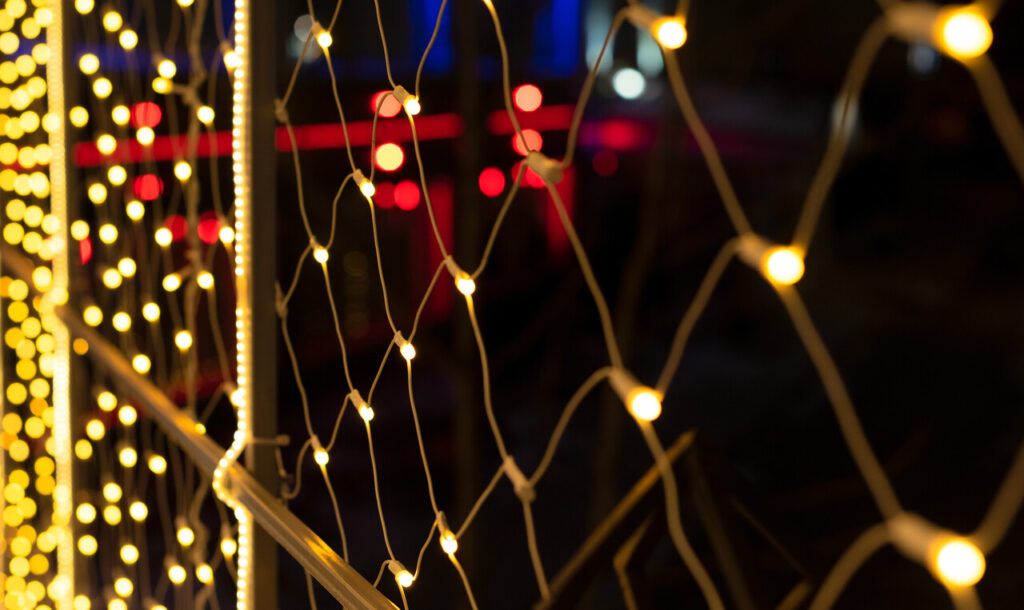
Net lights are marketed as foolproof, but real shrubs rarely match the neat shapes shown in ads. Branches poke through unevenly, creating clumps of light and dark patches. Installation often involves untangling knots, especially after storage. Once up, the nets can flatten natural plant forms, making landscaping look artificial. Repairs are challenging since a single failed section affects the entire grid. Many homeowners find that individual strand lights, though slower to install, offer better control and a more organic look. Netting trades convenience for aesthetics, and the compromise is often disappointing.
9. Smart Lights That Flash to App-Controlled Music
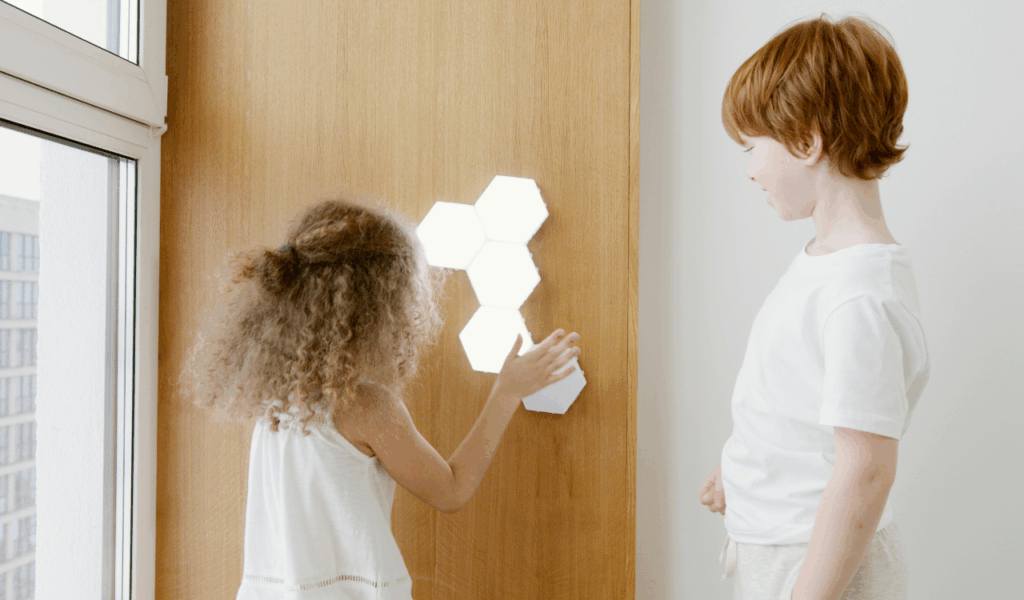
Music-synced lighting sounds exciting until latency and glitches appear. Delays between sound and light ruin the effect, while frequent disconnections force constant troubleshooting. The flashing itself can feel aggressive rather than festive, especially in residential settings. Indoors, it disrupts conversation. Outdoors, it draws complaints about noise and visual distraction. Setup requires time, patience, and compatible devices, which many users underestimate. Instead of enhancing celebrations, these systems often demand attention just to keep running. The technology overshadows the holiday rather than supporting it.
10. Excessive Backlit Yard Signs

Backlit signs multiply quickly, each competing for attention with bright panels and bold messages. When clustered together, they flatten the yard into a glowing billboard rather than a layered display. Glare can spill onto sidewalks and neighboring windows, causing frustration. During the day, the signs often look cheap or out of place once the lights are off. Storage and durability are ongoing issues, as panels crack or wiring fails. Many homeowners realize that one thoughtfully placed sign works better than several shouting at once. Too many backlit elements turn enthusiasm into excess.