10 “Coastal” Weathered Wood That Warps and Attracts Termites
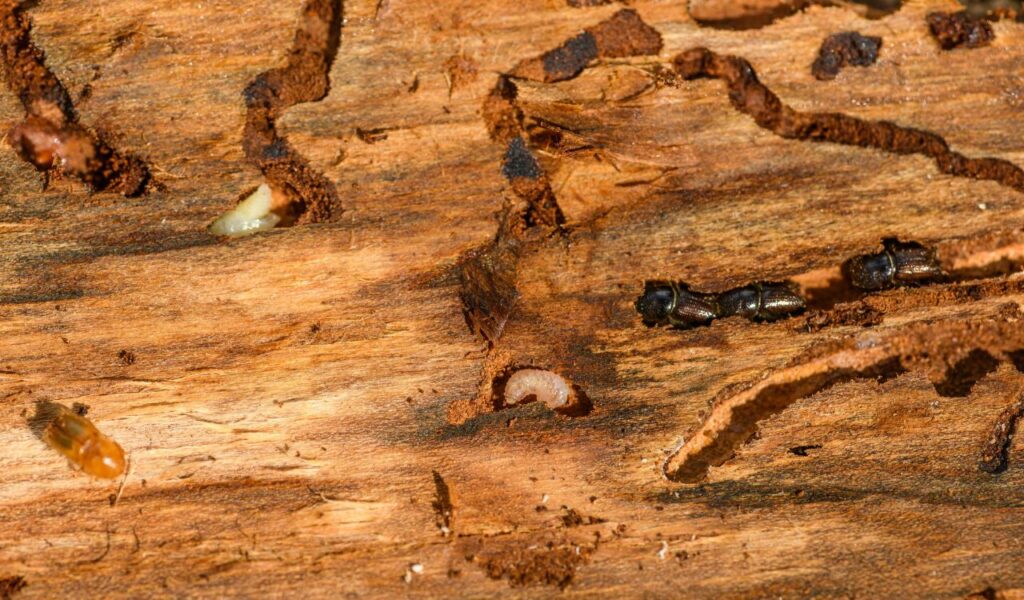
Weathered wood is a staple of coastal design, offering rustic charm and a lived-in aesthetic for homes, decks, and furniture. Yet many materials that look effortlessly beachy come with hidden risks, including warping, cracking, moisture damage, and termite infestation. Contractors and designers note that homeowners often underestimate how quickly wood can deteriorate in coastal climates, where humidity, salt air, and sun exposure accelerate structural issues. Surveys show that nearly half of coastal homeowners experience noticeable wood damage within five years, highlighting the gap between style and long-term durability. Understanding which types of wood are prone to failure helps homeowners make informed choices while still capturing the coastal vibe.
1. Driftwood Planks
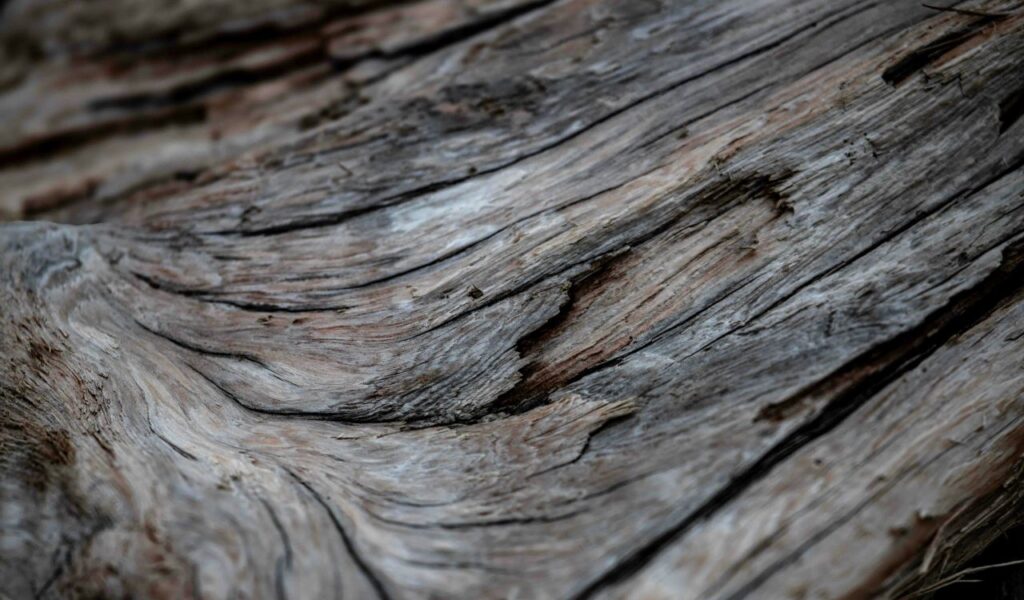
Driftwood planks are prized for their natural, bleached appearance and irregular textures, making them a go-to for accent walls and furniture. Contractors warn, however, that untreated driftwood absorbs moisture rapidly, which can lead to instant rot and structural weakening. Even pieces that have been naturally dried near the shore are highly susceptible to cracking and twisting once installed indoors or outdoors in coastal climates. Designers emphasize that driftwood is better suited for decorative, non-load-bearing applications rather than flooring or decks.
Homeowners who attempt to seal or varnish driftwood often discover that moisture continues to penetrate knots and splits over time, resulting in warped panels that no longer fit flush. Pest inspectors add that driftwood can attract termites if it remains damp, creating an unforeseen maintenance challenge. While visually striking, driftwood requires expert treatment and regular monitoring to prevent both structural and pest-related problems in coastal homes.
2. Untreated Pine
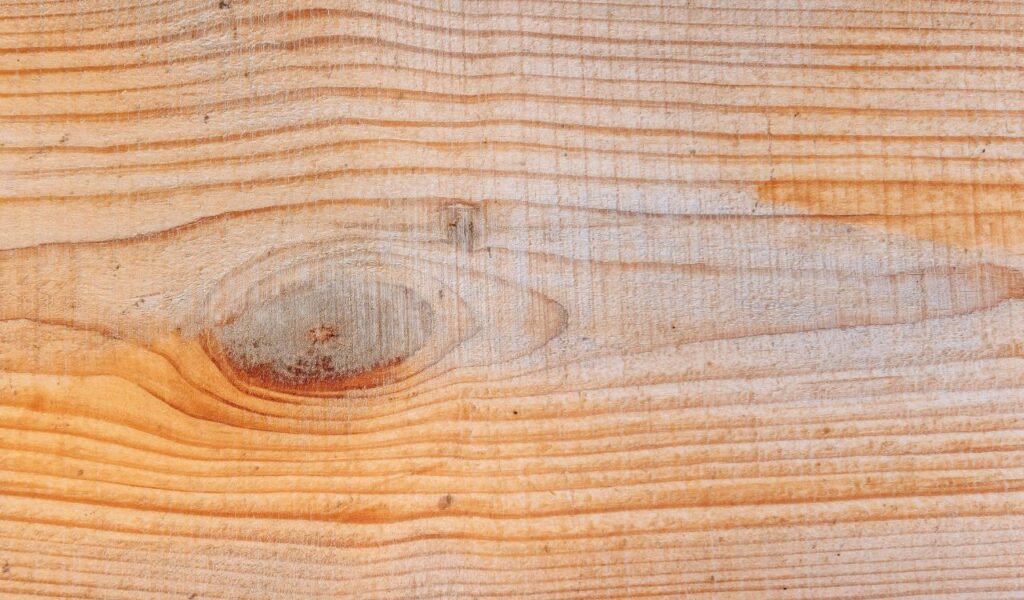
Untreated pine is a common choice for coastal decking and trim, thanks to its affordability and soft texture. Despite its popularity, contractors report that pine warps easily in humid, salty environments, with boards cupping, twisting, or bowing over time. Beyond structural distortion, untreated pine is highly attractive to termites, making it a high-maintenance option for homeowners seeking longevity. Experts suggest that even pressure-treated pine cannot fully resist moisture and pest damage without proper installation, spacing, and sealing.
Designers note that pine’s aesthetic appeal often masks its vulnerability, leading to costly repairs and replacements within a few years. Outdoor pine used in decks or fencing must be elevated and ventilated to reduce water exposure, but homeowners frequently underestimate the level of upkeep required. Professionals emphasize that while pine is inexpensive upfront, the combination of warping and termite risk often outweighs the initial cost savings, especially in exposed coastal conditions.
3. Reclaimed Barn Wood
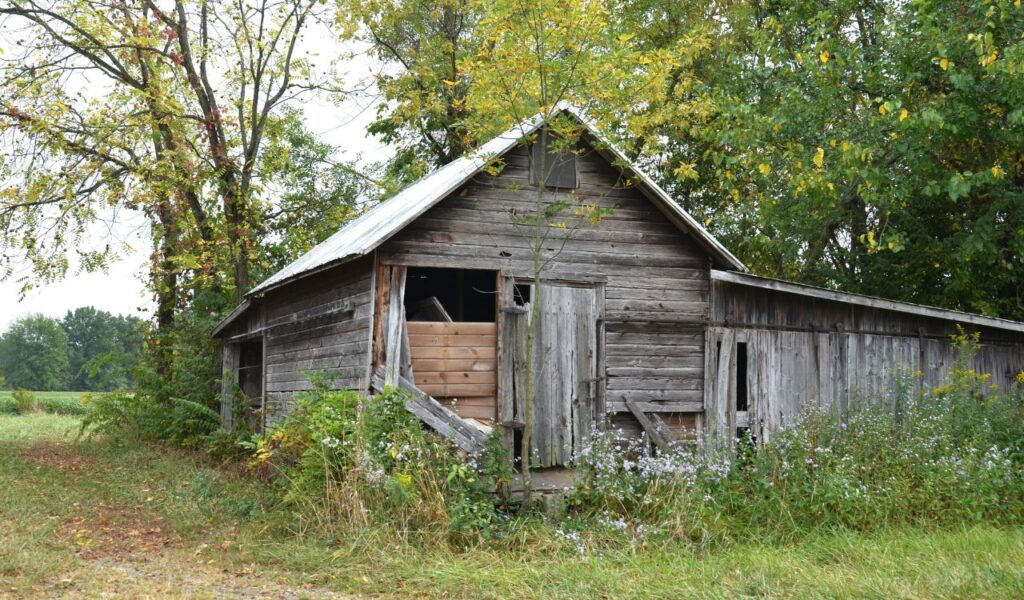
Reclaimed barn wood is celebrated for its rustic charm and unique patina, making it a favorite for furniture, beams, and accent walls. However, termite inspectors caution that older wood can contain hidden larvae or eggs, which remain dormant until exposed to the right conditions. Contractors report that even visually sound boards may conceal insect damage, rot, or mold, creating a serious risk for homeowners unaware of the material’s history. Pre-treatment and careful inspection are essential to avoid introducing pests into a home.
In addition to insect concerns, reclaimed barn wood can warp or split if not properly acclimated to indoor humidity levels. Designers recommend kiln-drying or chemical treatment to stabilize the wood before installation. While the material offers undeniable aesthetic appeal, experts stress that hidden structural and pest risks make it a project better suited to professionals than DIY enthusiasts attempting to install reclaimed wood in a coastal environment.
4. MDF
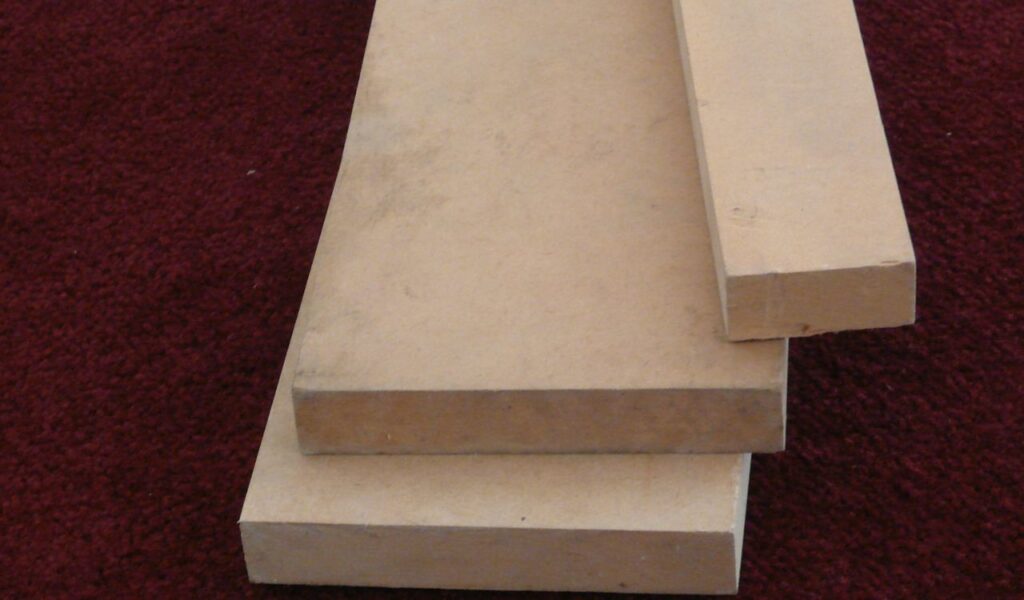
Medium-density fiberboard, or MDF, is a popular choice for painted cabinets and coastal-style furniture due to its smooth surface and affordability. Experts warn, however, that MDF swells, crumples, and loses structural integrity when exposed to high humidity or salty coastal air. Contractors report that even sealed MDF is vulnerable along edges and drilled holes, leading to warped panels that no longer fit properly. Its susceptibility to moisture also makes it a weaker target for termite activity than solid wood, though infestations can occur if the material remains damp for extended periods.
Designers note that homeowners often underestimate how quickly MDF fails in coastal conditions, especially near windows, doors, or outdoor areas. While it can be an excellent indoor material in dry, climate-controlled spaces, its performance in humid beach homes is limited. Experts recommend using solid, treated wood for high-moisture areas to avoid ongoing repairs and potential pest problems, keeping MDF for decorative or low-stress applications only.
5. Weathered Pine Decking
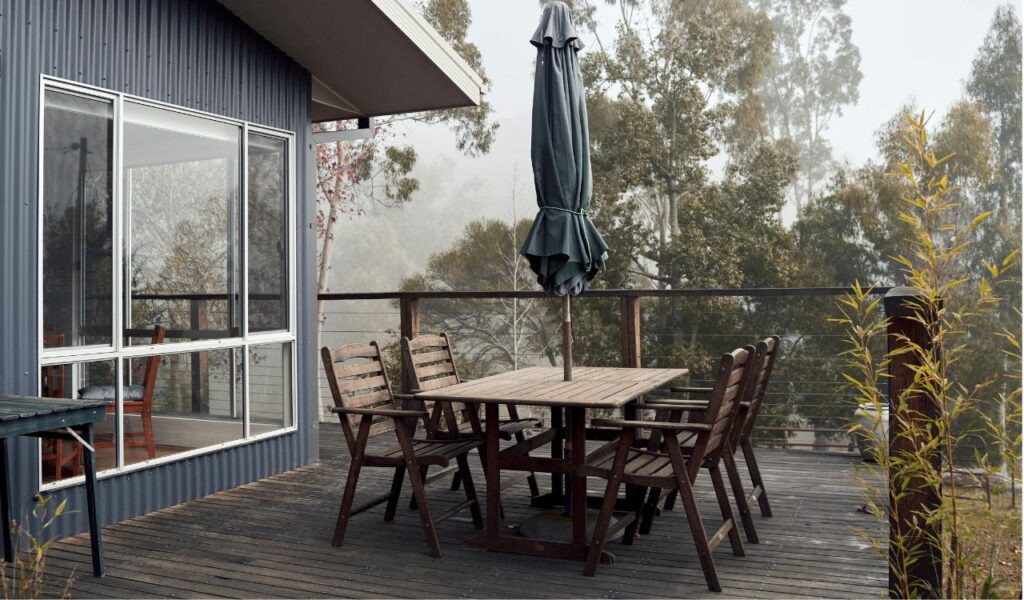
Weathered pine decking is a classic coastal choice, known for its faded look and soft texture underfoot. Contractors note that while the aesthetic is appealing, pine is prone to cupping and cracking when exposed to sun, salt, and moisture. Even pressure-treated boards can twist if spacing, ventilation, and fastening are not carefully managed. Experts report that uneven drying and repeated wet-dry cycles accelerate warping, leaving boards uneven and potentially unsafe for high-traffic areas.
Homeowners often underestimate the maintenance required, such as annual sealing and inspection for loose nails or screws. Moisture trapped between boards can also attract termites, creating long-term structural concerns. Designers recommend that weathered pine be used in shaded or covered areas whenever possible, and that proper airflow underneath decks is essential to mitigate both warping and pest infiltration while preserving the coastal charm.
6. Plywood
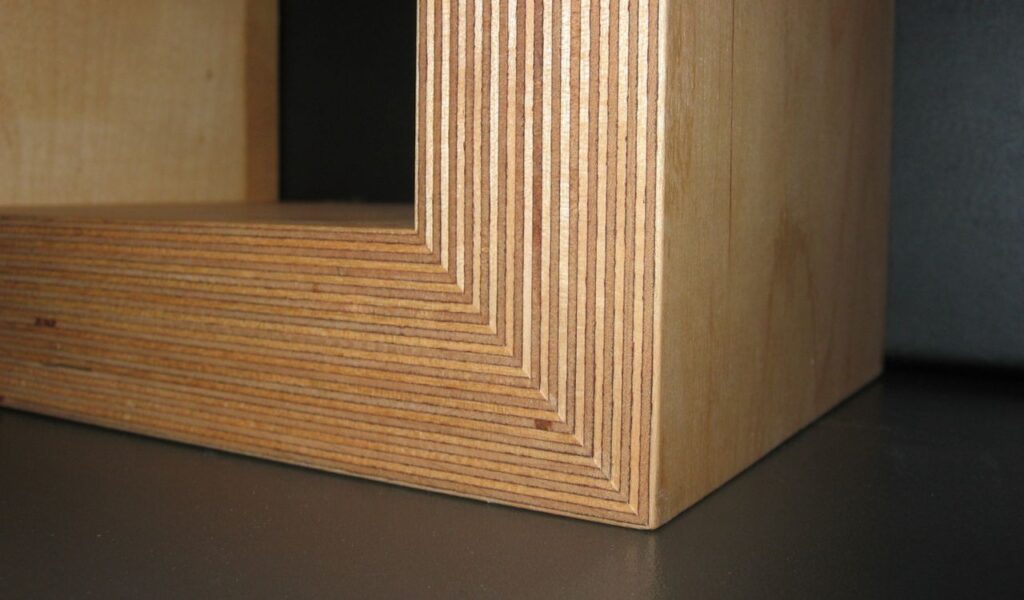
Plywood is commonly used for coastal cabinetry, wall sheathing, and furniture projects due to its affordability and ease of installation. Contractors warn that exposure to salt air or high humidity can cause delamination, where the thin veneer layers separate and bubble. Even marine-grade plywood is not immune to warping over time without proper sealing and ventilation. Experts emphasize that the aesthetic appeal of plywood often masks its vulnerability, particularly in outdoor or semi-exposed environments.
Moisture penetration can weaken screw and nail hold, creating loose joints that compromise stability. Additionally, pest inspectors report that termites can exploit the softer inner layers if the plywood remains damp. Designers note that plywood works best in fully enclosed, climate-controlled spaces rather than outdoor decks or coastal-facing rooms. Using solid or treated lumber is a more durable solution for areas exposed to salty air or high humidity.
7. White-Washed Pallet Wood
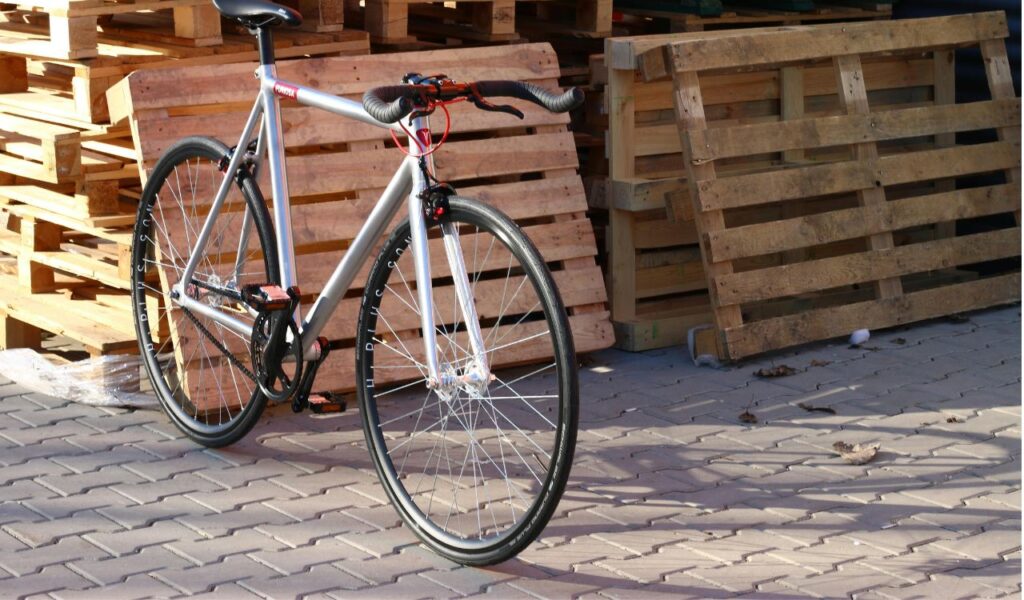
White-washed pallet wood has become a trendy option for coastal décor projects, offering a rustic and affordable aesthetic. DIY enthusiasts love its visual texture, but contractors warn that pallets are prone to splitting and have virtually no termite resistance. The boards are often inconsistently dried and may already contain hidden moisture or pest damage before installation. Even light humidity can cause these planks to twist, crack, or separate from one another over time.
Designers highlight that while pallet wood works well for decorative accents or wall features, using it for furniture, flooring, or outdoor projects is risky. Moisture and pests can quickly compromise structural integrity, leaving homeowners with costly repairs. Professionals recommend thoroughly treating or sealing pallet boards before use and limiting their exposure to damp environments to prevent warping and termite infestation.
8. Cedar Fence Panels
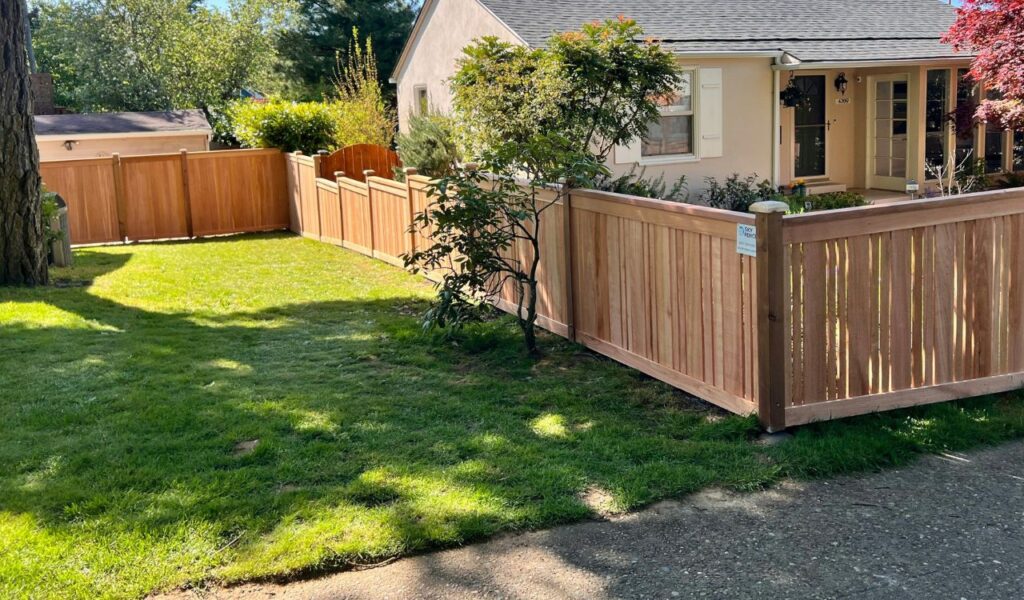
Cedar fence panels are valued for their natural resistance to rot and decay, making them a common choice for coastal landscaping. However, contractors note that cedar is not immune to twisting, cupping, or gaps caused by uneven moisture exposure. Panels installed too close to the ground or without proper ventilation can warp despite the wood’s natural oils. Pest inspectors also caution that while cedar deters many insects, termites can still attack if the wood remains damp or comes into contact with soil.
Homeowners often assume cedar is maintenance-free, but designers emphasize the need for sealing cut ends, regular inspections, and airflow management. Even aesthetically pleasing panels can compromise fence alignment and privacy if warped. Experts recommend treating cedar with water-repellent coatings and spacing boards to allow for natural expansion and contraction in coastal climates.
9. Particle Board
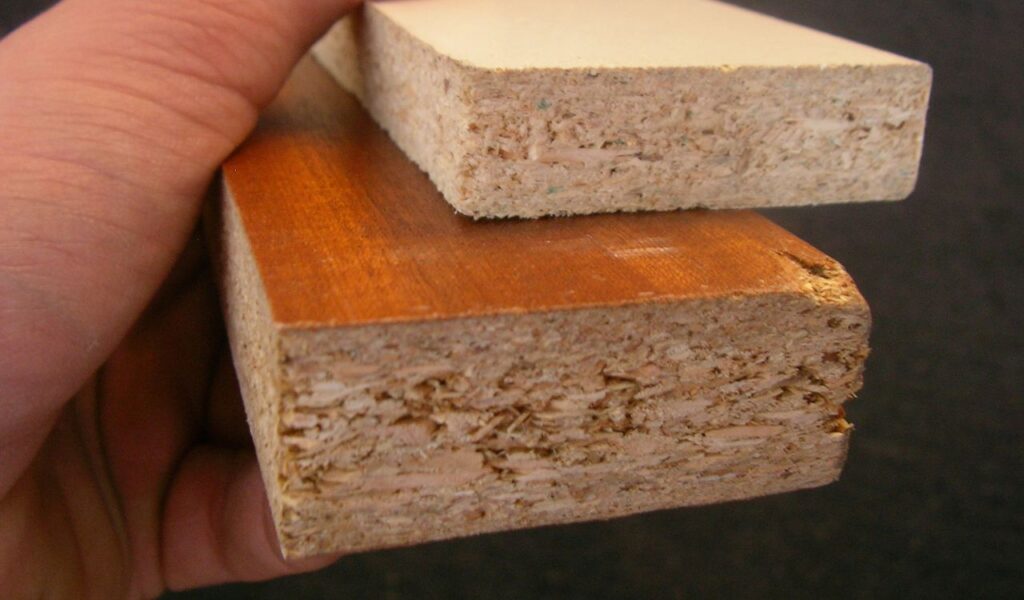
Particle board is frequently used for coastal cabinetry, shelving, and indoor furniture due to its low cost and smooth finish. Contractors report that particle board disintegrates quickly when exposed to humidity or accidental spills, swelling unevenly and losing structural integrity. Even sealed surfaces are vulnerable along edges and seams, and boards that absorb moisture often separate at joints or collapse under weight. Designers caution that it is unsuitable for outdoor or semi-exposed coastal applications.
Termite inspectors add that damp particle board is highly attractive to pests, as the wood fibers are easier to consume than solid lumber. While particle board offers affordability and convenience, experts note that it is a temporary solution at best, with rapid deterioration creating potential safety hazards. For long-term projects, solid or treated wood is a far more reliable choice in humid coastal conditions.
10. Gray-Washed Hardwood Floors
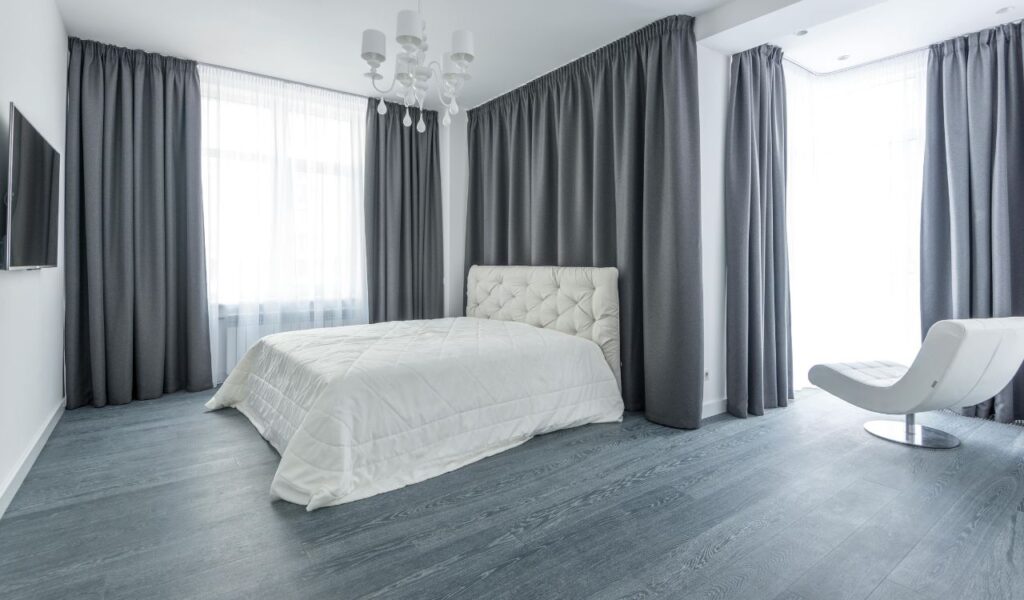
Gray-washed hardwood floors have become a signature coastal interior trend, delivering a driftwood-like appearance with a polished finish. Hardwood specialists warn that even premium planks can swell or cup under beach rugs or in areas with high moisture exposure. Improper acclimation, inconsistent humidity control, and salt-laden air contribute to uneven expansion, leaving gaps, uneven surfaces, or even lifting boards. Experts stress that finishing techniques alone cannot fully prevent warping in coastal environments.
Homeowners may also encounter pest-related issues, as damp areas under rugs or near windows can attract termites, especially if the wood is untreated or improperly sealed. Designers recommend careful humidity management, strategic rug placement, and routine inspections to preserve both aesthetics and structural integrity. While gray-washed hardwood creates the ideal beach house vibe, it requires diligent maintenance to prevent costly damage over time.