
9 “Neon” Signs That Burn Out and Leave Your Bar Cart Dead
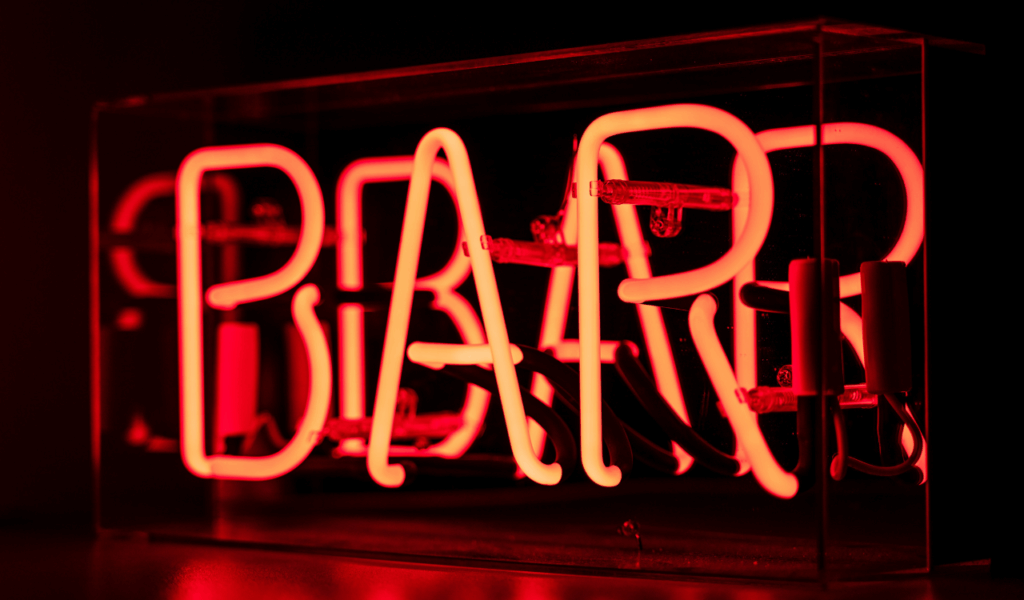
Neon signs are the best thing to have in a modern home bar since they give it a nostalgic light and make it feel like a party right away. Experts argue that the fast rise in inexpensive, mass-produced LED “neon” has flooded the market with low-quality goods that are likely to break down quickly. Interior designers and electricians say that even while these signs look bright on social media, the parts inside don’t always have the heat dissipation they need to last a long time.
When a sign goes out, it doesn’t only stop working; it makes your perfectly arranged bar cart look like it’s been left behind and unfinished. Broken, “dead” signs are worse than no sign, say lighting experts. Designers advise homeowners to distinguish between gas-powered neon lights and bendable LED lights.
Professional flippers blame cheap power adapters for burnout because they overheat and surge, damaging delicate light strips. If you choose the wrong lighting, your aesthetic may not last and end up in a landfill, costing you more in replacements than a single high-quality investment.
1. Budget USB-Powered Plastic Signs
The most common mistake people make when decorating their bar carts is using very cheap, USB-powered signs that you can find on big discount websites. Electricians say that these devices often have wiring that isn’t up to par and can’t handle running for long periods of time. Experts suggest that the USB connection itself is a problem. If the voltage from your charging block isn’t entirely stable, the LEDs will start to flicker and dim after a few months. Designers say that these signs are frequently made of thin, brittle plastic that can become yellow and break over time, making the light dimmer long before the electronics fail.
Professional organizers recommend using these economical choices sometimes, not daily like many homeowners prefer. Leave a $20 sign plugged into your bar cart every night and the plastic shell heat will melt the solder joints. Lighting designers claim “burnout” begins with one section of a letter turning dark, making the whole word impossible to see. Avoid anything that solely uses a phone charging port for a permanent home bar, say experts.
2. Unregulated “Neon Flex” Strips

Many people who like to make their own bar carts use “Neon Flex” strips to make unique shapes. However, installers say that these strips are likely to “spot” if they don’t have a proper voltage regulator. This is because unregulated power can cause uneven current distribution, which makes some LEDs in the strip burn brighter and hotter than others.
This makes for a patchy, inconsistent light that expert designers term “the death of a room’s vibe.” When one part of the flex strip burns out, the whole circuit is sometimes interrupted, leaving your bar cart in the dark. Contractors say that the adhesive backing on these strips is another problem. When the LEDs get hot, the glue melts, which makes the sign sag or come off the backing board.
Designers say that a neon sign that is sagging appears messy and unprofessional. Experts say you should only use “Neon Flex” that comes with a separate, high-quality power transformer and aluminum mounting clips to help keep the heat down. Without these protections, the bright pink or blue light you enjoy will gradually turn into a succession of dark, unsightly holes.
3. High-Voltage Traditional Glass Neon
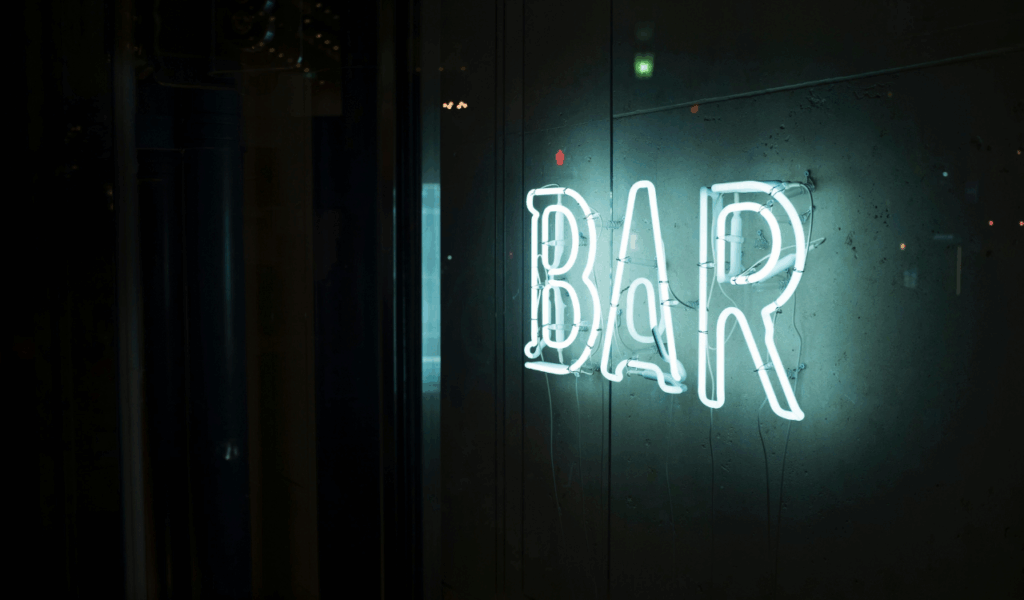
Real glass neon is the best choice for vintage fans, but restorers say it is quite fragile for a bar cart that moves around a lot or is in a busy area. Glass blowers say that the “burnout” in traditional neon happens when the electrodes at the ends of the tubes wear out or the vacuum seal breaks. Experts claim that even a tiny fracture from a clinking cocktail shaker can let gas escape, making the sign ineffective. Traditional neon needs a high-voltage transformer that can hum loudly or catch fire if it isn’t well-ventilated. This is not the case with LED variants.
Professional decorators think glass neon is too heavy for light bar carts. The fragile tubes can shatter if the cart is moved or damaged. Since broken glass signs contain mercury and argon gas, realtors say they are a major issue in homes. If you want the original effect, experts recommend attaching the sign on the wall behind the bar cart rather than on it. This prevents accidental hits and electrical failure.
4. Battery-Operated Mini Signs
Battery-powered neon signs are popular because they look “wireless,” but organizers say they are the most annoying choice for long-term decor. Battery experts say that neon-style LEDs use a lot of power, so typical AA or AAA batteries will only keep the light at maximum strength for a few hours. Experts believe that the sign’s hue changes when the power diminishes.
For example, a bright red sign can convert into a drab, sickly orange. During your evening get-togethers, this “fade out” makes your bar cart look dark and neglected. Designers say that these indicators are far more expensive in the long term than a plug-in version because they have to be replaced all the time.
Also, if batteries are kept in a dead indication for too long, they might leak and damage the connections inside. Experts say to only use these for transient event styling, like a birthday party that lasts one night. Designers say that the “dead” battery look is a big style fail for a permanent home element. It makes the room feel dead as soon as the lights start to decrease.
5. Cheap Color-Changing RGB Neon
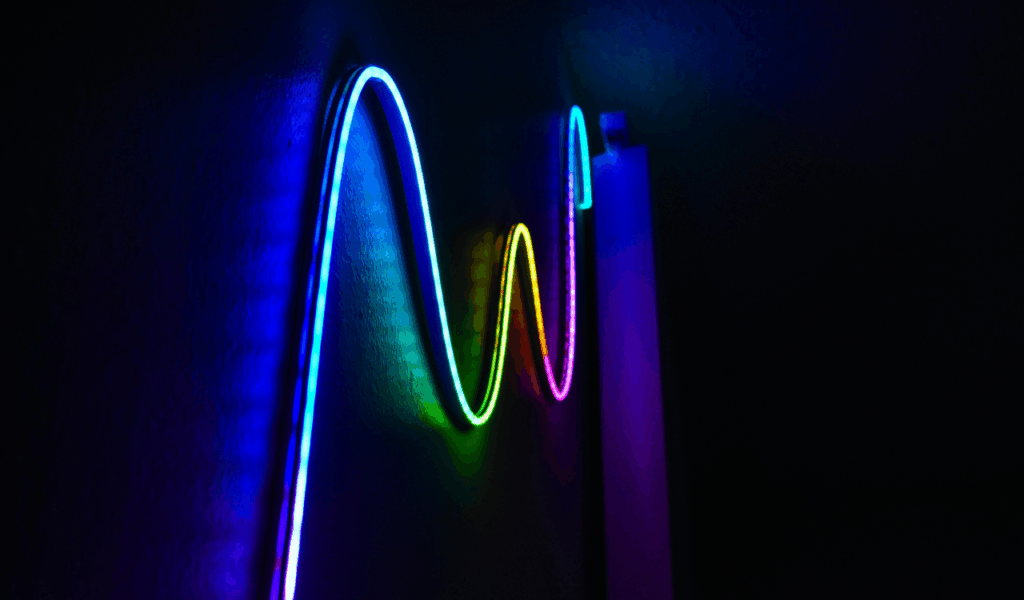
It’s quite tempting to have a sign that can shift from green to purple, but electricians say that the controllers in inexpensive RGB neon are often unreliable. Experts argue that multi-chip LEDs, which are needed for color-changing, are more susceptible to heat than single-color LEDs. Lighting designers say that one of the three main colors (red, green, or blue) usually fails first in the chip. This makes it so that the sign can’t make certain colors anymore, which makes your bar cart look mismatched and broken.
Professional flippers say that the remote controls for these indicators often break as well. If the sign’s infrared receiver malfunctions, you can be trapped with a single color that can’t be changed or a sign that is stuck in “demo” mode, which makes it flash. If you want a sign with more than one color, experts say you should get one that employs high-quality “smart” chips that work with home automation systems that are already in place. This makes sure that the hardware is strong enough to handle the complicated instructions needed for color changing without breaking down too soon.
6. Oversized Heavy-Backing Signs
Architects say that big neon signs with thick acrylic backs can look great, but they exert a lot of stress on their own parts. Designers say that the thick acrylic can work as an insulator, keeping heat around the LED strips. Experts warn that the “neon” will cook itself from the inside out if there isn’t any air flow between the lights and the backing.
This is especially true for signs with several layers of overlapping colors, which make concentrated hotspots that burn out quickly. Professional installers say that the signs’ weight often makes the mounting hardware break, which can trigger a terrible fall. Organizers say that if a sign falls on a bar cart with a glass top, it will inflict twice as much damage.
Designers suggest picking signs with “cut-to-shape” or skeletal backings that let air flow freely. Experts believe that the easiest method to keep your sign from making your bar cart look like a dark, deserted corner of a closed nightclub is to keep the electronics cool.
7. Non-Dimmable High-Brightness Signs
People often buy a sign that is “too bright” for a small place and can’t be dimmed. Vision specialists say that a neon sign that is 100% bright in a dark space might make people tired and give them headaches. Lighting designers say that using LEDs at their highest level all the time greatly shortens their life. Experts believe that if you keep pushing the diodes to their limit, you are “burning the candle at both ends,” which means that the sign will probably die within a year of buying it.
Decorators say that a sign that doesn’t have a dimmer switch isn’t very good. Professional flippers say you should only use neon lights that come with a pulse-width modulation (PWM) dimmer. This lets the lights run at a lower temperature. Not only does this make your bar cart look more like a “speakeasy,” but it also makes the LEDs last up to five times longer. Experts say that a sign that is trapped in “blinding” mode is likely to burn out quickly and end up in the garbage.
8. Outdoor-Rated Signs Used Indoors
You might think it’s a smart idea to buy a “tough” outdoor-rated sign for your indoor bar cart, but designers say these signs frequently don’t look well. Contractors say that outside signs are sealed with thick silicone or resins that can smell very pungent when they warm up inside. Experts argue that the waterproof coatings retain heat better than indoor ones.
This can make the interior parts burn out faster in a climate-controlled space where there is no wind to cool the case. Designers also say that outdoor-rated signage sometimes feature big, ugly power lines and industrial-looking connectors that make a bar cart look less streamlined.
Professional organizers say that the “industrial” look doesn’t usually work well in home decor. Experts say to only use signs made for indoor use, which focus on making things look clear and letting heat escape in more stylish ways. A sign that seems out of place and doesn’t work because it wasn’t made for the still air of a residential corner is typically the result of using the wrong tool.
9. Imitation “Neon” Fluorescent Tubes
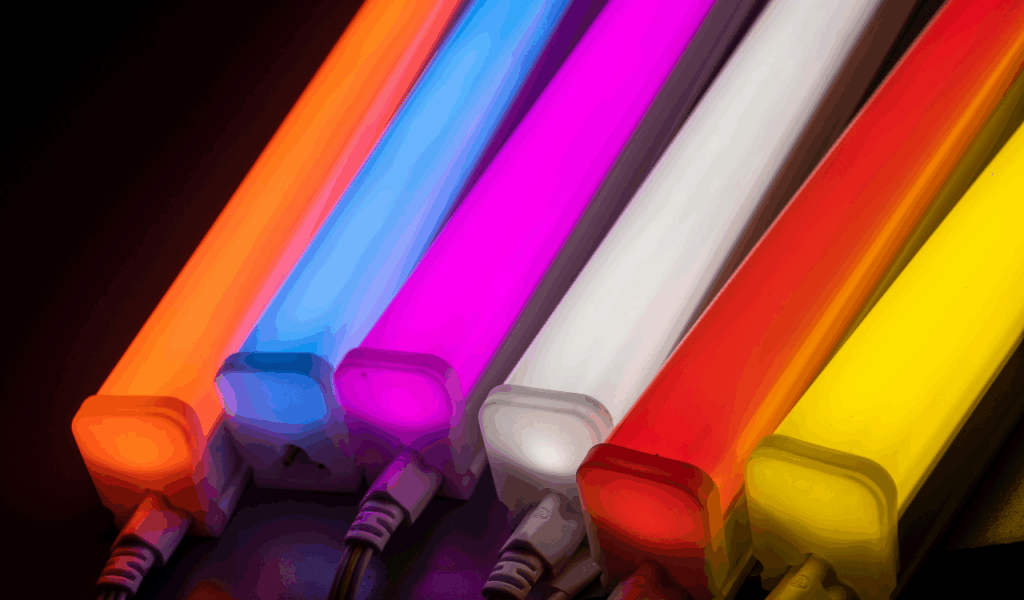
Some “neon” styles that are older or less expensive are really just colored fluorescent tubes, which expert cleaners say are a headache to keep clean. Lighting historians say that these tubes have gases and powders in them that might settle or break down, which makes them flicker, which is quite distracting. Experts claim that the ballasts in these units are likely to make a high-pitched “whine” that can disrupt a tranquil cocktail hour. When these tubes break, they usually make a loud pop or leave a scent of ozone behind.
Designers say that these fake tubes use a lot more energy than current LEDs and make a lot of heat. Flippers who work professionally say that the “flicker” of a dying fluorescent tube is one is the most prevalent reasons people feel uncomfortable in a room. If you locate one of these vintage-style units, experts say you should have it properly converted with current LED “neon” to keep the look while doing rid of the buzzing, flickering, and inevitable burnout that comes with old-school fluorescent technology.