8 Regional Signature Pies Grandmas Swear Are Overrated
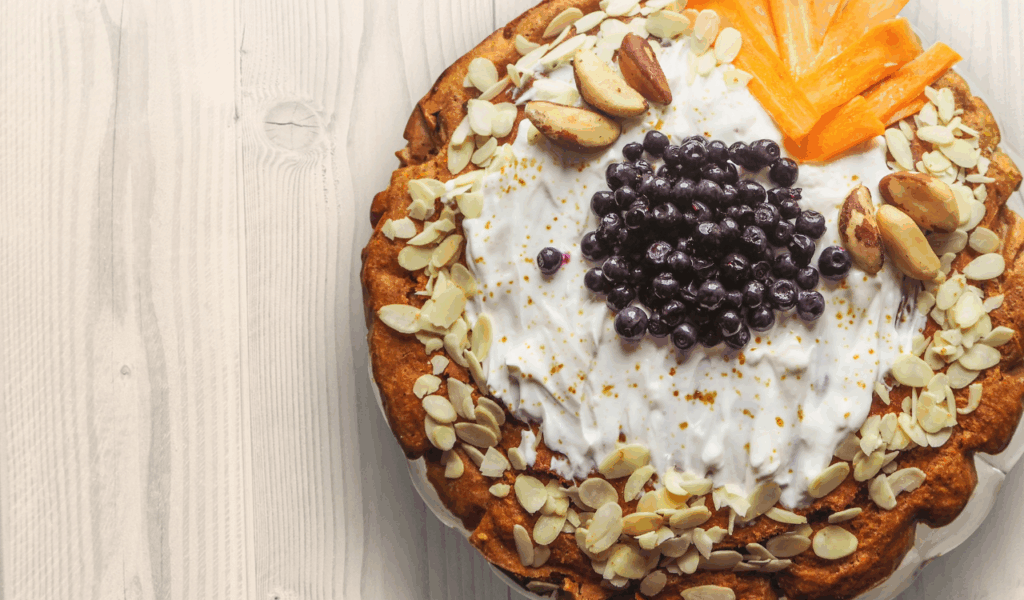
Regional pies are often the most famous foods in a region, but if you ask the women who have been making them for decades, not every famous crust lives up to the hype. Many “signature” pies have changed a lot since they were first made to make them easier to mass-produce or to appeal to tourists, according to experts. Professional bakers and culinary historians say grandmotherly suspicion usually results from changing ingredients or adding too much sugar. These pies are still famous, but women who learnt to bake from scratch claim the new ones aren’t as good.
A superb pie needs the appropriate acidity, fat, and sugar, say chefs and pastry experts. Regional favorites are more stable and easier to use, but they’ve lost their unique flavors. Traditional food designers claim that as recipes become “world-famous,” they lose their local flavor that grandmas loved. These experts advise looking beyond flashy postcards and local festivals to determine which pies are worth the calories and which ones are just riding on clever marketing rather than outstanding cooking.
1. The Classic Southern Pecan Pie
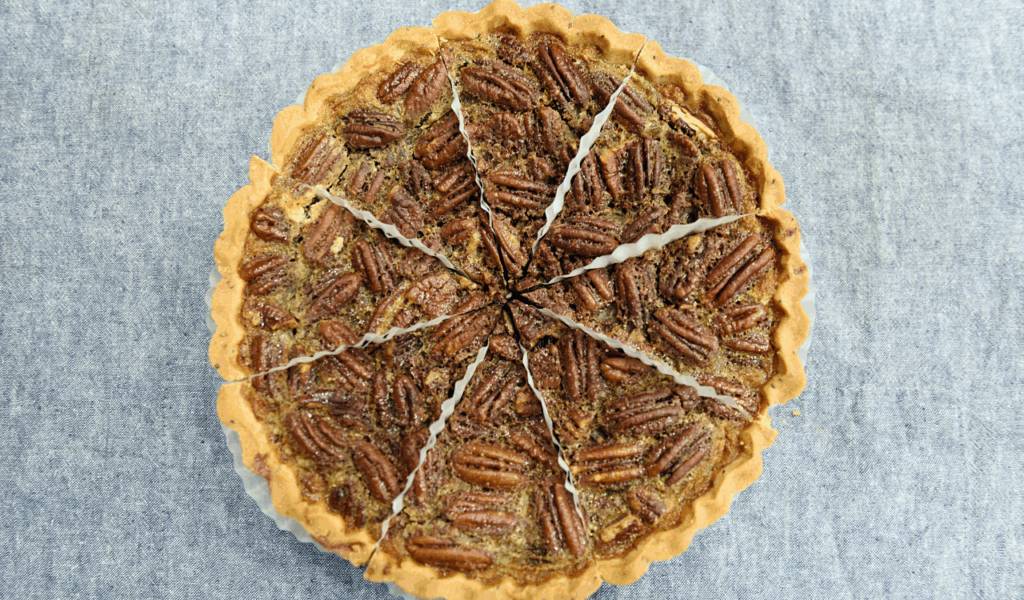
Many traditional grandmas say that modern pecan pie is just a “sugar bomb” with very no character, even though it is a must-have at every holiday table in the American South. Professional cooks say that the use of maize syrup has taken the place of the complex, deep flavors of cane syrup or honey that were employed in the past.
Experts claim that the overly sugary taste of many modern recipes hides the delicate, buttery flavor of the pecans themselves. Southern menu designers say that the pie isn’t sophisticated enough to be truly memorable without a lot of salt or a touch of bourbon.
Baking experts believe mass-produced pecan pie is more like viscous sludge than creamy custard. According to cookery teachers, the “overrated” reputation comes from the fact that most people have never tried a version with high-quality fats and toasted nuts. Grandmas complain the filling is too thin and the crusts are too thick, making the bite uneven. To make the nuts the star, experts recommend halving the sugar and adding more pecans if you must serve it.
2. Florida’s Tangy Key Lime Pie
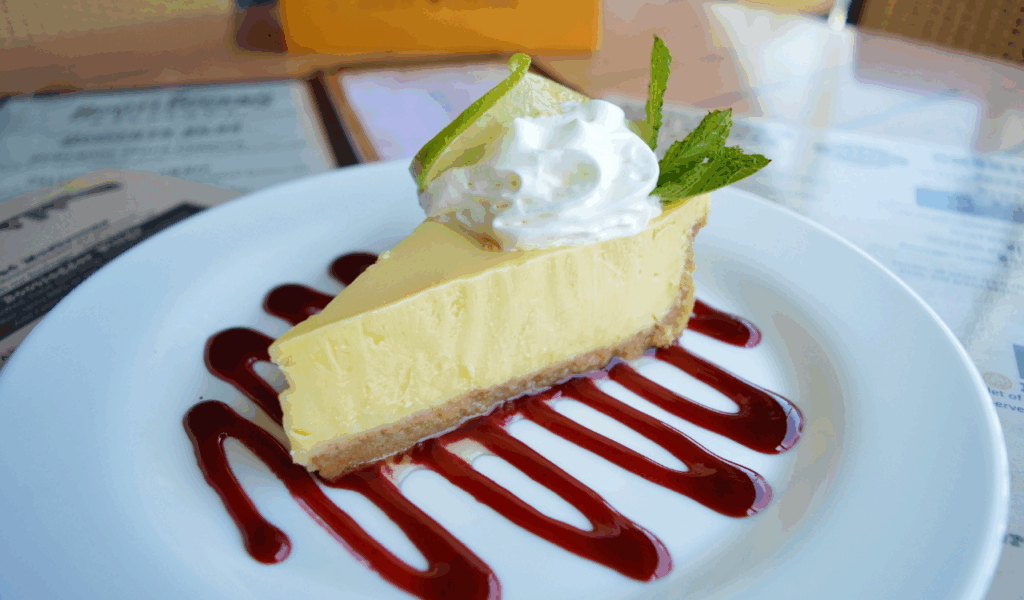
The Key lime pie is Florida’s official state dessert, yet many grandmas who grew up near the groves insist that the kind served in most restaurants is fake. Experts say that real Key limes are small, have a lot of seeds, and are very hard to juice. Because of this, many industrial bakers use Persian limes instead. Experts say that the end result is a pie that doesn’t have the unique, floral scent of a real Key lime. Many “overrated” tropical desserts have a brilliant green tint that real tropical dessert designers claim is a symptom of fake dye.
Pastry chefs say that the topping is the most controversial part. Old-fashioned meringue is produced from leftover egg yolks, whereas modern meringue nearly always uses whipped cream to save time and work. Experts argue that this modification affects the dessert’s structure and mouthfeel in every way. If the pie isn’t a light, creamy yellow and served in a graham cracker crust that tastes like real butter, Grandma says it’s not worth the hype. People often call the extremely sugary, neon-colored slices found in tourist traps “overrated.”
3. The Mid-Atlantic Shoofly Pie
Shoofly pie is a famous Pennsylvania Dutch dish, although a lot of local grandmas say it may be really dry and boring if it’s not made just right. Historians in the area say that the pie was originally a “pantry cake” made with molasses when there weren’t any fresh fruits available. Experts argue that the “dry-bottom” variant frequently seems more like a stale muffin than a fancy pie.
People who flip bakery shops for a living say that shoofly pie is one of the hardest things to sell to people who don’t know what it is because the strong, bitter taste of blackstrap molasses is something you have to get used to. Chefs claim the crumble topping often becomes sandy and makes the entrée less tasty.
Heritage food program designers claim modern molasses tastes harsher since it is manufactured differently than 100 years ago. Even while local grandmas recommend “wet-bottom” versions to minimize dryness, they think the pie is more about memories than flavor. Without a strong personal connection to the location, this thick, syrupy dessert can be difficult to finish, warn experts.
4. The Upper Midwest’s Rhubarb Pie
Rhubarb is one of the first signs of spring in the Midwest, but grandmas in the area typically say that a plain rhubarb pie is too sour for most people. Experts on fruits and vegetables say that rhubarb is a vegetable and needs a lot of sugar to taste well as a dessert. Experts say that the “overrated” variants are the ones that don’t balance the intense tartness with a second fruit or a creamy aspect. Experts warn that a badly cooked rhubarb pie can be so acidic that it makes your teeth feel dry and scratchy.
Pastry designers say that the high water content in rhubarb often makes the crust “soggy bottom.” Grandmas typically say they like the strawberry-rhubarb mix better, although the basic version is usually called the “signature” one. Experts say rhubarb is too harsh without strawberries’ sweetness. Lattice crusts let steam escape, thus professional bakers recommend them. Many store-bought versions have a solid top that retains moisture in, making the filling sour and watery, which isn’t what consumers expect at this time of year.
5. New England’s Navy Bean Pie
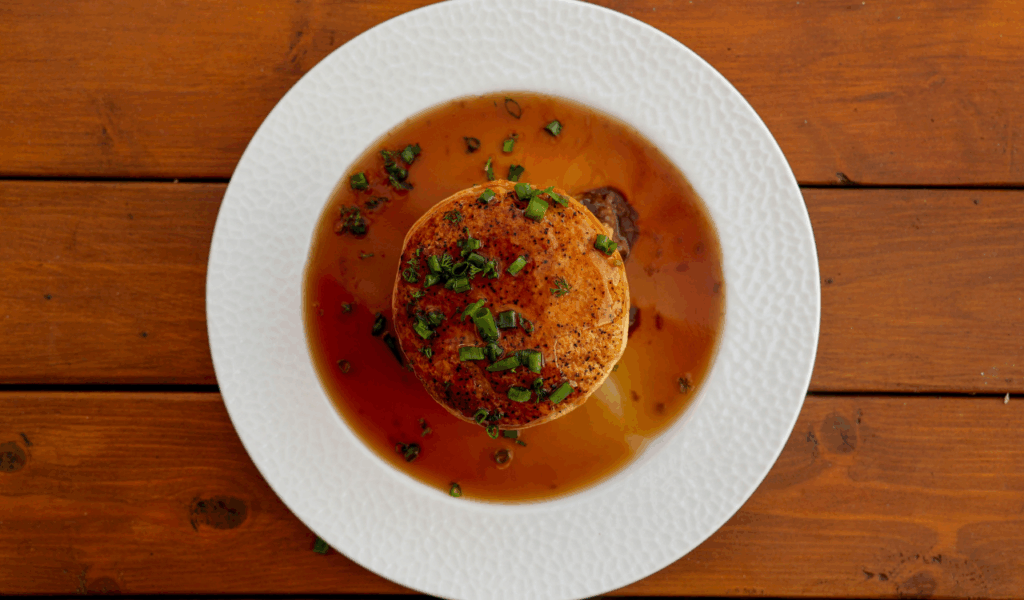
The navy bean pie has a long history in African American and Muslim communities in the Northeast, but grandmas who like fruit-based customs often don’t believe in it. Nutritionists say that the pie is a great example of how to use what you have to make something new. It turns ordinary beans into a custard-like filling. Experts suggest that the texture can be contentious, though.
If the legumes aren’t pureed to a silky smoothness, they can seem excessively dense or “beany.” Professional chefs say that using a lot of nutmeg and cinnamon is typically a way to hide the fact that the base isn’t very deep.
Since bean pie is promoted as a “healthier” alternative to pumpkin or sweet potato pie, culinary teachers think it is overblown because it is still high in sugar and butter. Soul food cooks say the flavor is so similar to sweet potato pie that many people wonder why they soak and peel beans. Grandmas recommend to stick to the classics while making custard pies. Many consumers who try bean pie for the first time choose novelty over taste, say experts.
6. The South’s Sweet Potato Pie
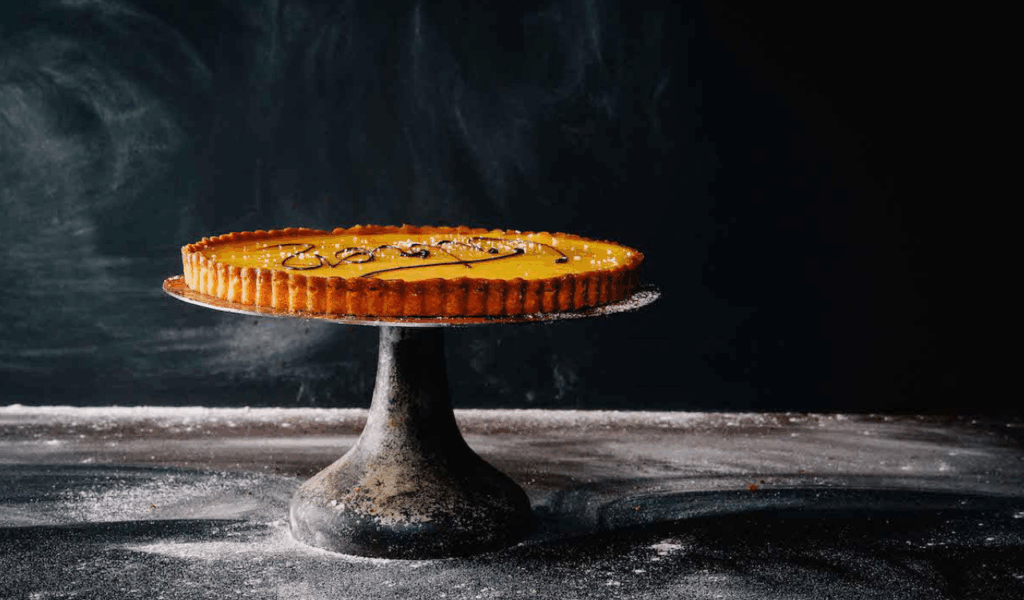
Sweet potato pie is a cultural icon, although grandmas who are experts at making it typically say that “store-bought” or restaurant versions are not very good. Vegetable specialists say that the kind of sweet potato and how it is cooked are the only things that affect the quality of the pie. Professionals warn that boiling the potatoes, which is a typical shortcut in restaurants, makes the filling watery and bland. Roasting the potatoes in their skins is a step that many “overrated” signature pies skip to save time, but experts say this is the best way to bring out the natural sugars.
Pastry professionals say that the texture is another thing that these pies don’t do well. Experts believe that many sweet potato pies are stringy or too dense, which makes them less tasty. Grandmas generally say that the key is in the “stringing” procedure, which is when fibers are taken out of the mush by hand. Designers of traditional holiday meals say that if you don’t use a lot of ginger, cloves, and vanilla, the pie can taste more like a side dish than a dessert. People who have only had the thick, fibrous kinds that are marketed in large amounts frequently say that they are “overrated.”
7. The Pacific Northwest’s Marionberry Pie
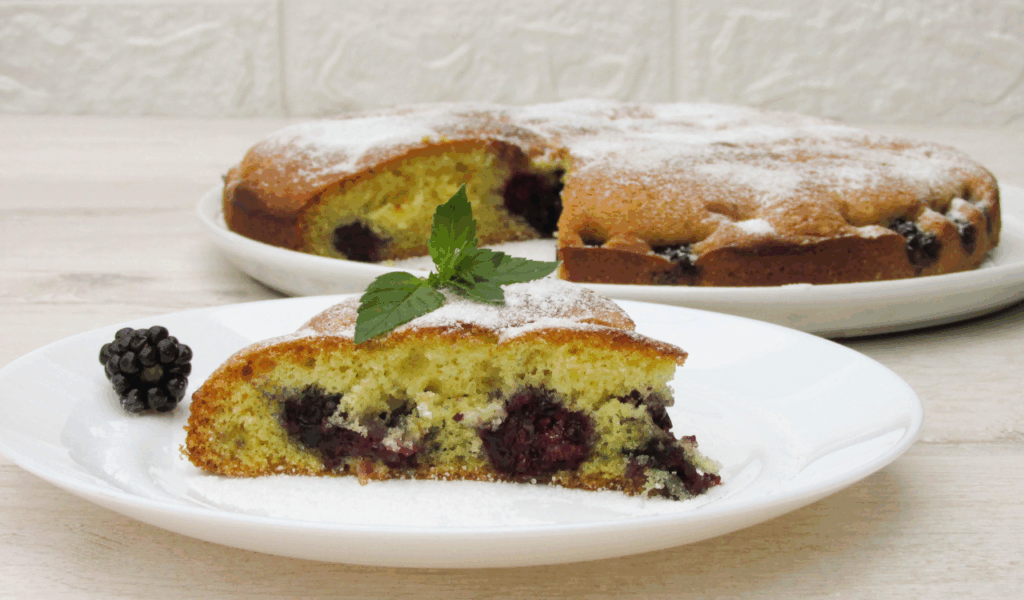
The Marionberry is a source of pride for Oregonians, although berry-picking grandmas often say that it is sold as more “exotic” than it really is. Pomologists say that the Marionberry is a mix between two kinds of blackberries. It has a complex flavor, but it is also very fragile. Experts say that because these berries don’t ship well, many commercial pies include frozen fruit that has lost its shape.
Experts argue that this makes a “signature” pie that is typically just a purple, mushy mass with very little of the berry’s sweet-tart bite. Chefs claim Marionberry seeds are larger and more common than other berries. Not knowing how to manage them may make eating them uncomfortable.
Regional culinary tour organizers believe Marionberry pie is pricey because of its name. Grandmas in the Northwest claim wild blackberries or a blend of blackberries and raspberries taste and feel better. Experts agree the fruit is fantastic fresh, but its “signature pie” reputation is more about state branding than taste.
8. The Great Lakes’ Sour Cherry Pie
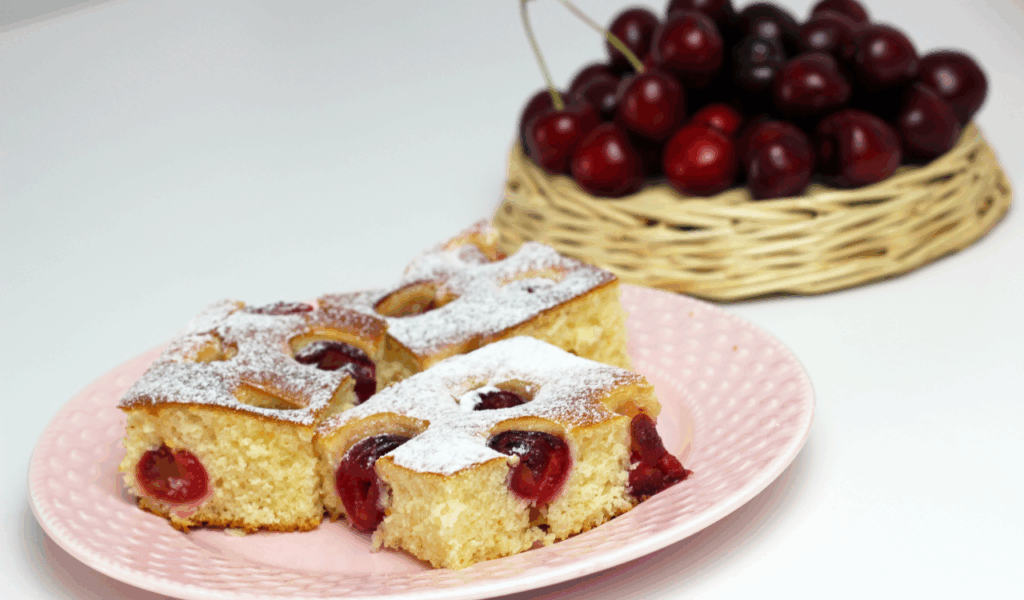
Sour cherry pie is a summer ritual in the Great Lakes, but grandmas who have pitted hundreds of cherries say that the “overrated” ones are the ones that use canned filling. Experts say that the Montmorency cherry is the best, but it only lasts for a very short time. Many “signature” cherry pies include fruit that has been soaked in heavy syrup, which takes away the bright, acidic punch that makes a sour cherry pie worth eating, according to experts. The end result is a red, gooey substance that tastes more like candy than fresh fruit, according to experts.
Sour cherries’ high liquid content makes fillings messy, pastry makers claim. Grandmas think tapioca or cornstarch is the sole solution, while experts say professional bakers make the pie overly thick, making it feel like rubber or “plastic.” Cherry juice soddens the crust in hours. taste realtors say the hype about these pies is often predicated on their “country orchard” look more than their high-quality taste.