9 Home Décor Purchases Buyers Admit They Regret Most
Home décor purchases often feel exciting in the moment, especially when they promise to elevate a space or solve a design problem instantly. But once the novelty wears off, many buyers realize certain items don’t live up to daily reality. From oversized furniture to delicate finishes, these choices can quietly create frustration, clutter, or inflexibility. What looks great online or in a showroom doesn’t always translate into comfort, function, or longevity at home. Over time, homeowners become more honest about which décor decisions they wish they had skipped and why practicality almost always matters more than trends.
1. Oversized Furniture That Dominates the Room
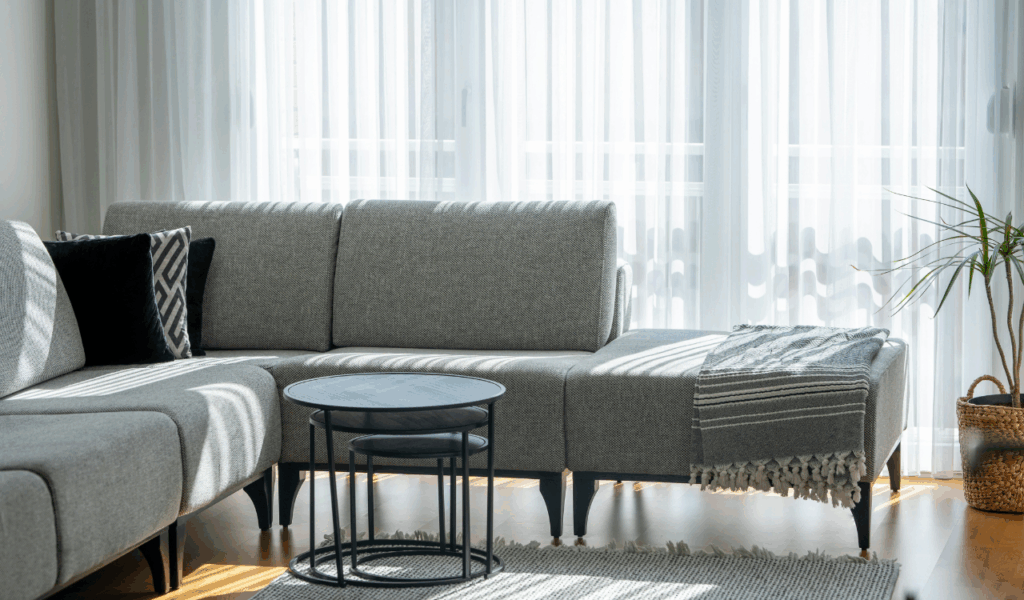
Big furniture promises comfort and drama, but here’s the thing: scale matters more than style. Buyers often fall for oversized sofas, sectionals, or beds in showrooms where space feels endless. Once those pieces land in an average home, they can take over the room entirely. Walkways shrink, side tables no longer fit, and the layout becomes rigid. Over time, homeowners realize the room feels heavy rather than inviting. Designers note that oversized furniture restricts flexibility, as everything else must accommodate it. Even beautiful pieces start to feel like obstacles when they disrupt movement and balance.
2. Single-Use Kitchen and Décor Gadgets
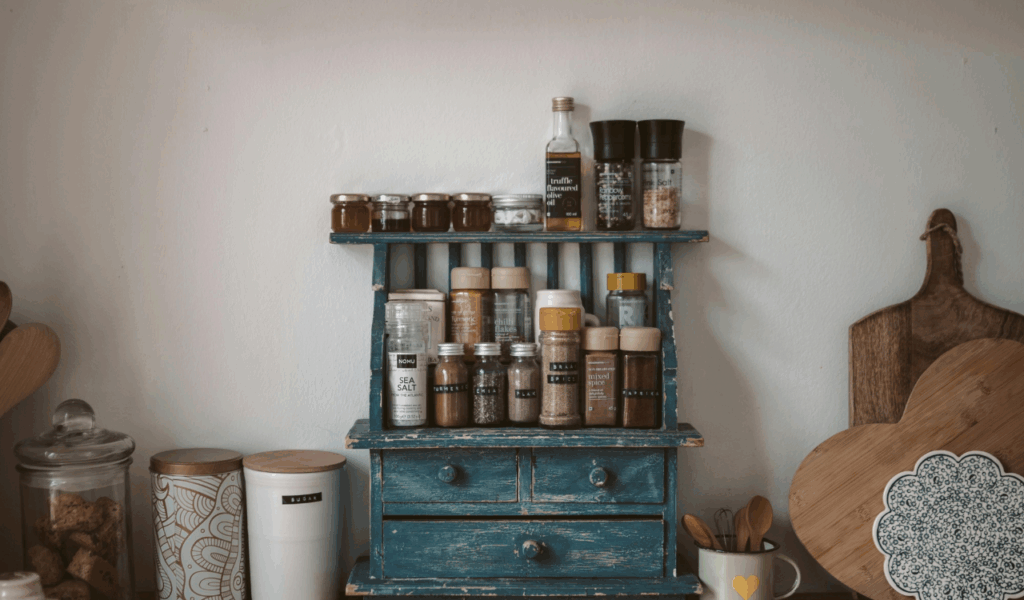
At first, single-purpose items feel clever. A gadget that does one thing really well sounds appealing, especially when it’s framed as a lifestyle upgrade. The regret sets in once the novelty wears off. These items take up cabinet or counter space while being used only a handful of times a year. Buyers often realize they still rely on their basic tools instead. In décor, the same issue appears with novelty organizers or decorative containers that don’t adapt to changing needs. What seemed efficient becomes clutter. Seasoned homeowners learn that versatility matters more than specialization.
3. Trendy Accent Pieces That Didn’t Last
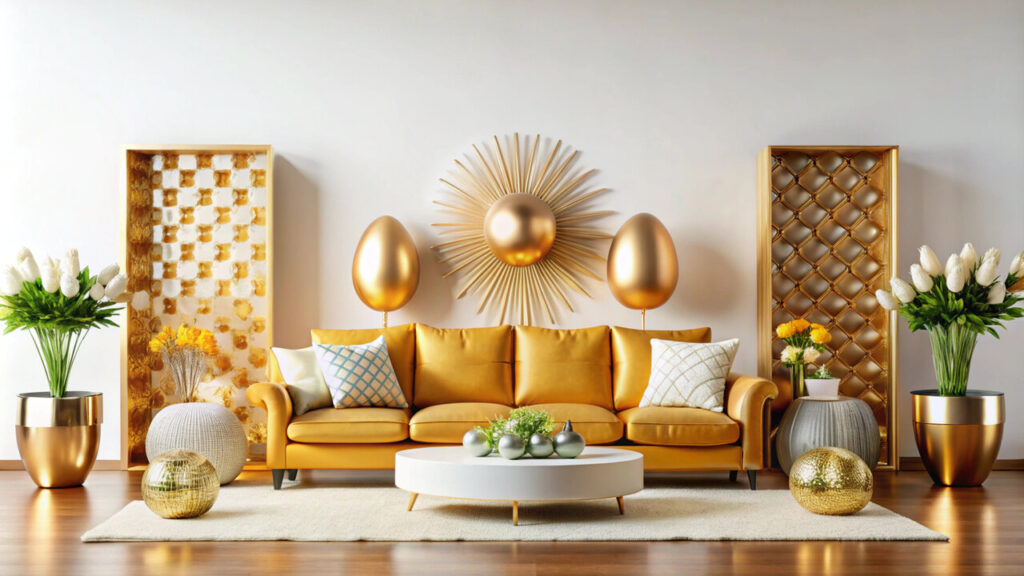
Trends move fast, and décor trends move even faster online. Accent pieces are often where people experiment, but that’s also where regret shows up first. A bold chair, sculptural lamp, or viral wall art can feel exciting in the moment. Six months later, it starts to feel loud or oddly specific. Homeowners admit these pieces lock a room into a narrow look that’s hard to update. Instead of elevating the space, they dictate it. Designers explain that trends work best in small, low-commitment ways. When accent pieces are too dominant, they age the room quickly. Many buyers wish they had invested in timeless foundations and layered trends more subtly.
4. Travel Souvenir Décor That Never Fit
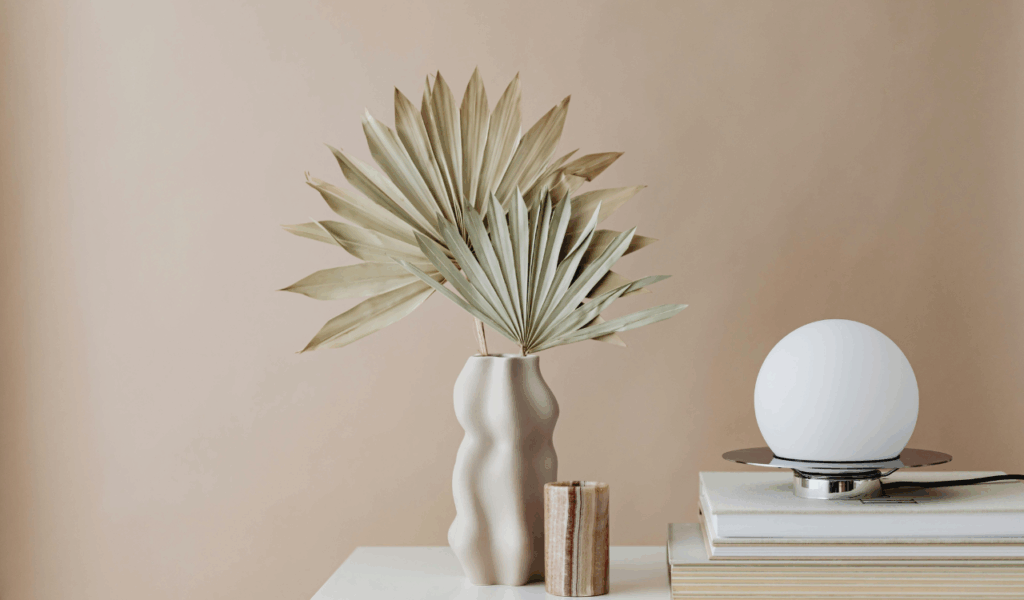
Souvenirs carry memories, but memories don’t always translate into cohesive décor. Buyers often bring home decorative items with the best intentions, imagining them as meaningful focal points. Once home, the reality sets in. The colors clash, the scale feels off, or the style simply doesn’t belong in the space. These items end up stored away, not because they aren’t valued, but because they don’t work visually. Homeowners later realize that displaying memories doesn’t require physical objects in every room. Photos, textiles, or smaller accents often integrate better. The regret isn’t about the trip, it’s about forcing sentiment into spaces that need harmony.
5. Nonfunctional Decorative Items
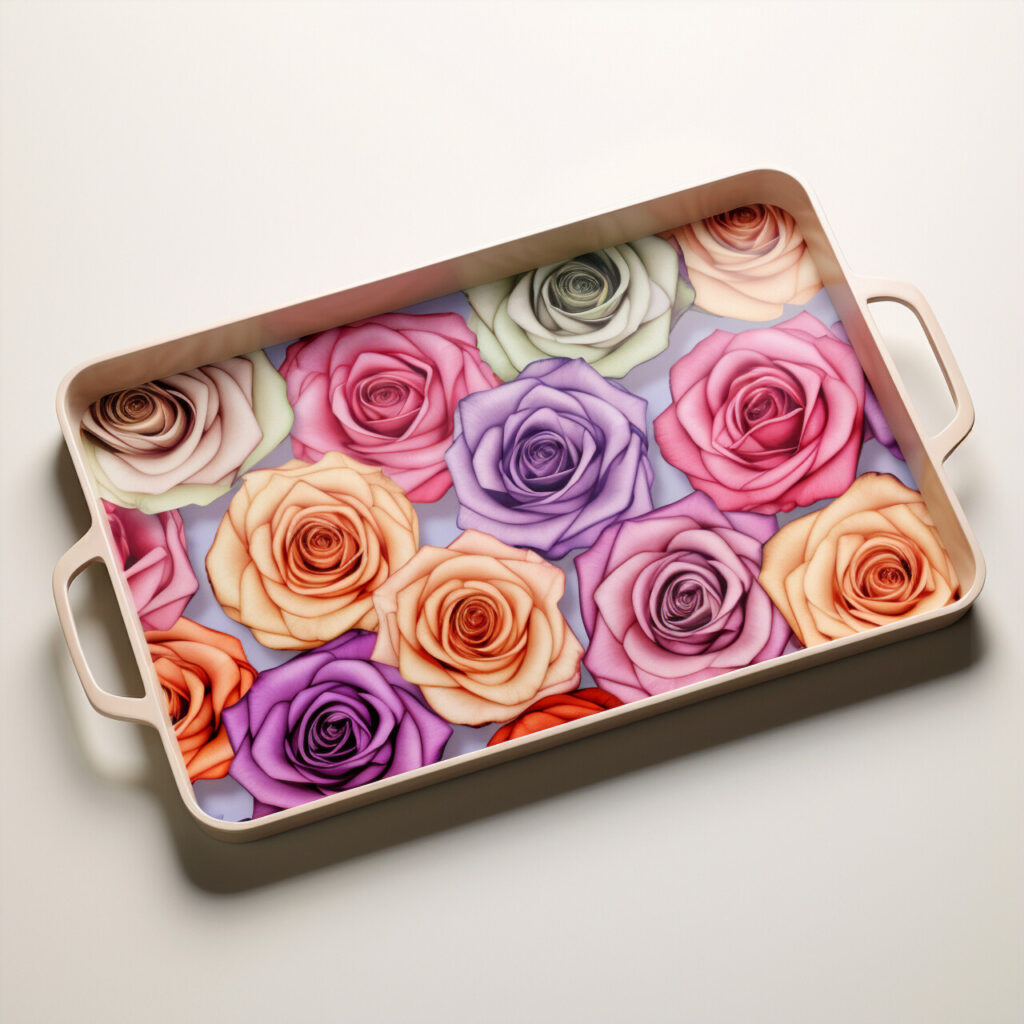
Purely decorative items look harmless until they multiply. Buyers often regret purchasing objects that exist only to be looked at. Bowls that can’t hold anything useful, sculptures that block surfaces, or trays that create more clutter than order become daily annoyances. These items require cleaning, rearranging, and constant decision-making. Over time, homeowners notice that rooms feel busier without feeling more lived-in. Designers emphasize that décor should support how a space is used, not complicate it. When objects don’t serve a purpose, they often become the first things removed during decluttering. Many buyers admit they mistook fullness for warmth, only to crave simplicity later.
6. Expensive Custom Rugs That Didn’t Work
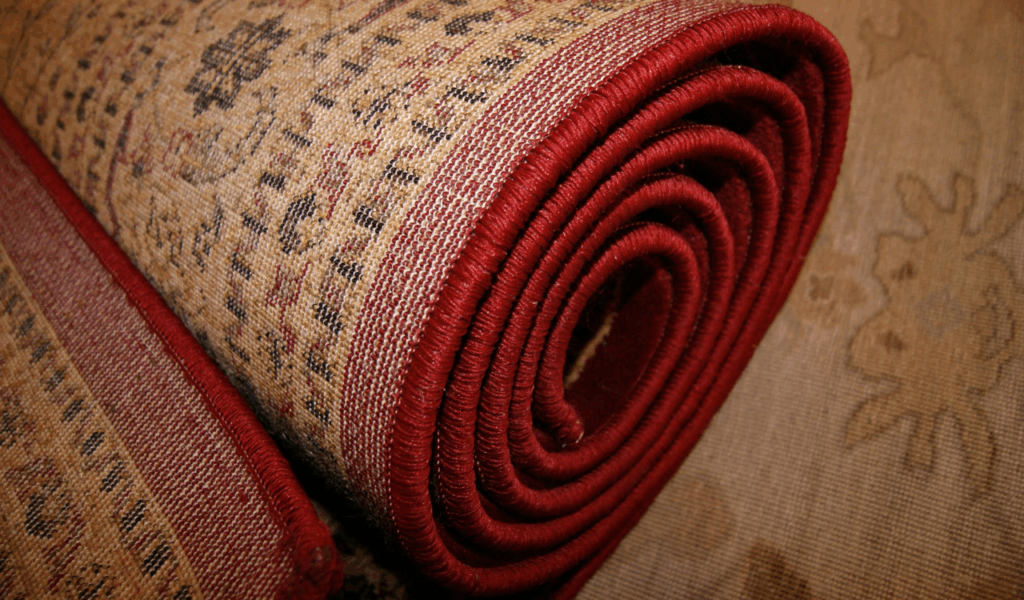
Custom rugs feel like a grown-up design decision. Unfortunately, they also come with risk. Buyers often commit to size, color, and pattern before fully understanding how the room will evolve. When the rug arrives, it might feel too bold, too muted, or simply wrong once furniture is placed. Because custom rugs usually can’t be returned, regret hits hard. Homeowners realize that flexibility matters, especially in shared or changing spaces. Designers often recommend starting with well-made standard sizes before investing in custom pieces. The regret isn’t about quality, it’s about commitment made too early without room to adjust.
7. Delicate Upholstery That Wears Quickly
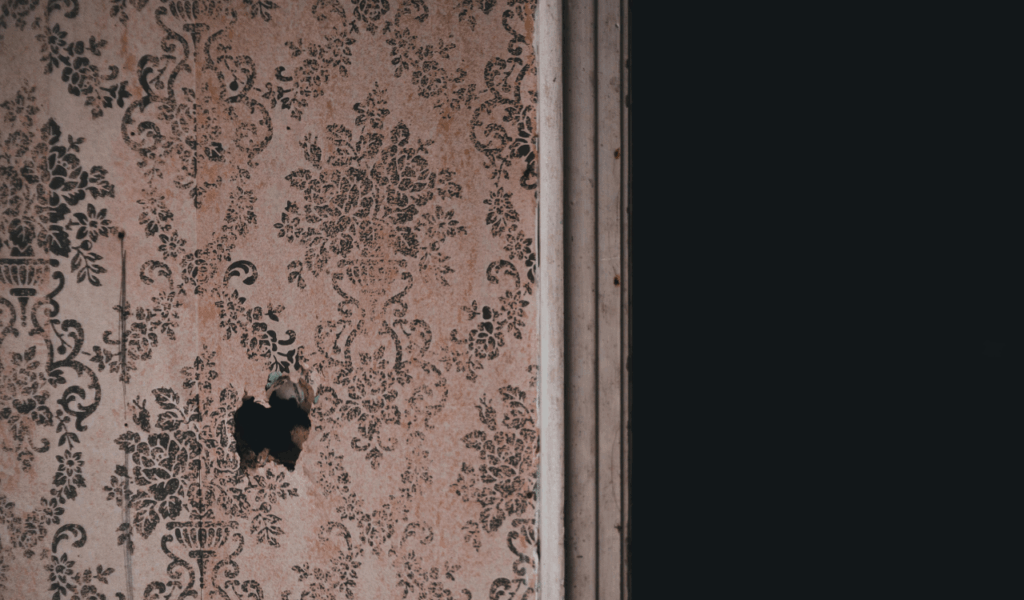
Light fabrics and delicate textures photograph beautifully, but real life is rarely that gentle. Buyers with kids, pets, or frequent guests often regret choosing upholstery that can’t keep up. Stains, wear marks, and fading show quickly, turning once-luxurious furniture into a source of stress. Homeowners admit they spend more time protecting the piece than enjoying it. Designers consistently point out that performance fabrics exist for a reason. Durability doesn’t mean sacrificing style. The regret usually comes from underestimating daily use and overestimating how careful everyone will be.
8. Imported Outdoor Furniture That Weathered Poorly
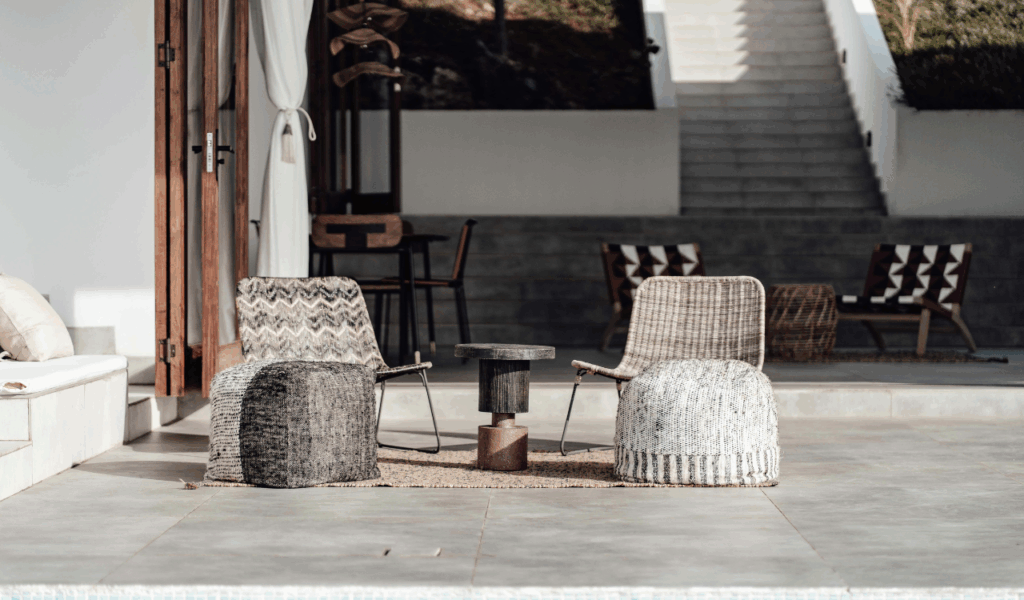
Outdoor furniture regret often shows up after the first season. Buyers choose imported or trendy outdoor pieces based on appearance, not climate reality. Sun exposure, humidity, rain, and temperature swings take a toll faster than expected. What looked elegant begins to crack, fade, or warp. Homeowners realize that outdoor furniture needs to be chosen like equipment, not décor. Materials matter more than aesthetics outside. Designers stress that weather resistance and maintenance requirements should lead the decision. The regret comes from replacing expensive pieces far sooner than planned.
9. Fragile Statement Pieces That Don’t Last
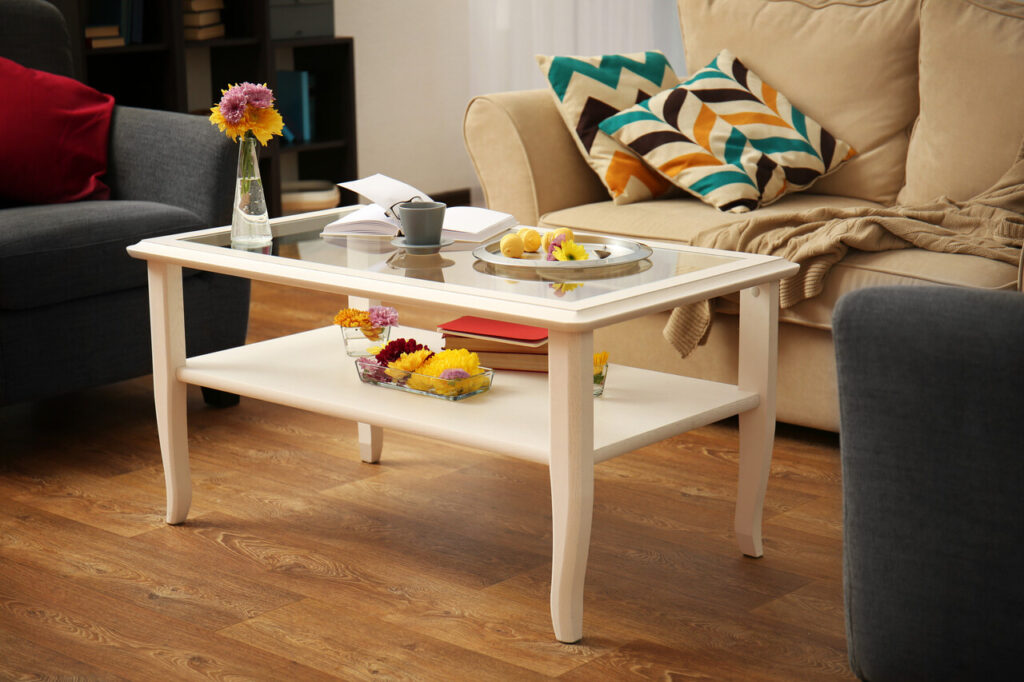
Statement pieces promise impact, but fragility undermines that promise. Buyers often regret items that look bold but can’t handle regular use. Light-colored ottomans, intricate stools, or decorative seating become off-limits rather than functional. Every scuff feels catastrophic. Over time, homeowners stop using the piece entirely, which defeats the purpose of owning it. Designers note that true statement pieces should still function well. When fear replaces comfort, the item has failed. Many buyers eventually replace these pieces with options that balance visual interest and everyday resilience.