5 Chefs Reveal the One Secret to Better Beef Chili
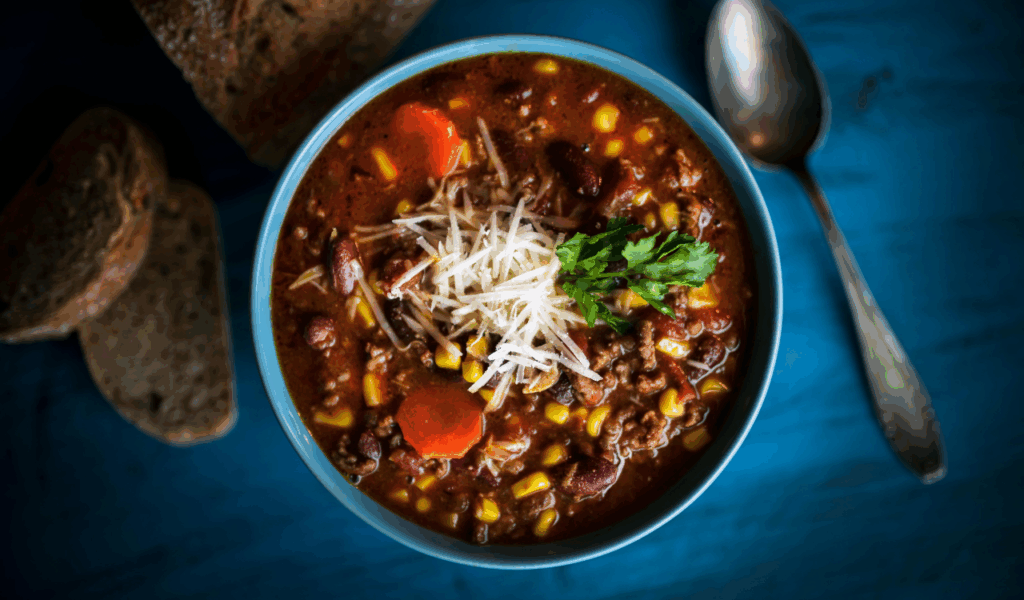
When you ask a chef for the “secret” to a meal, you probably expect five different responses that include strange spices or difficult methods. But five top chefs gave the same advise for beef chili: the trick isn’t what you put to the pot, but how you handle the meat before it ever touches a liquid. These experts say that the key to making an award-winning chili is to sear the meat aggressively and darkly to start the Maillard reaction. This chemical reaction creates complicated, tasty chemicals that give a rich “umami” flavor that no amount of chili powder can match.
According to professional chefs, most home cooks “gray” their meat instead of browning it. When you crowd the pan or use low heat, the beef lets out moisture and cooks in its own juices, making it tough and bland. If you want a crusty, mahogany-brown outside, the experts say you have to work in tiny batches with a very hot cast-iron or heavy-bottomed pot. This method turns the protein into a flavor bomb that is quite strong, so every spoonful of the completed stew has a rich, meaty depth that makes it a great chili.
1. Using Hand-Cut Chuck Over Ground Beef
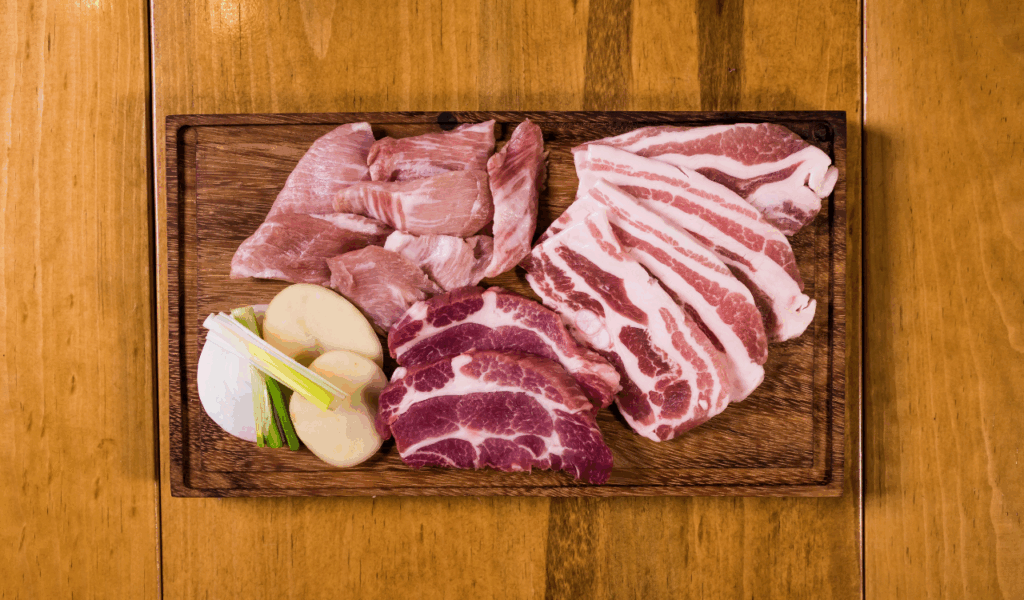
Ground beef is a quick weeknight meal, but skilled chefs say that chopping a chuck roast into small, half-inch cubes by hand is the key to getting a great texture. Experts in cooking say that ground meat often falls apart when it simmers for a long time, which makes it seem gritty in the mouth. Using cubes of chuck lets the connective tissue and intramuscular fat melt slowly, which makes the meat soft and “melt-in-your-mouth” and keeps its shape.
This tiny tweak in the prep work turns the dish from a simple meat sauce into a substantial stew that tastes like it came from a restaurant. The chuck roast is a popular choice for high-end restaurants because it is cheap and full of collagen. The collagen in the chili turns into gelatin while it cooks, which makes the sauce thicker and gives it a smooth, silky mouthfeel. T
o make sure that the cubes are clean and even, chefs suggest freezing the meat a little bit before cutting it. This extra process makes sure that the beef stays the main attraction. It has a pleasing chew and a strong flavor that can handle the fire of the spices and the acidity of the tomatoes.
2. Bloomed Spices for Maximum Potency
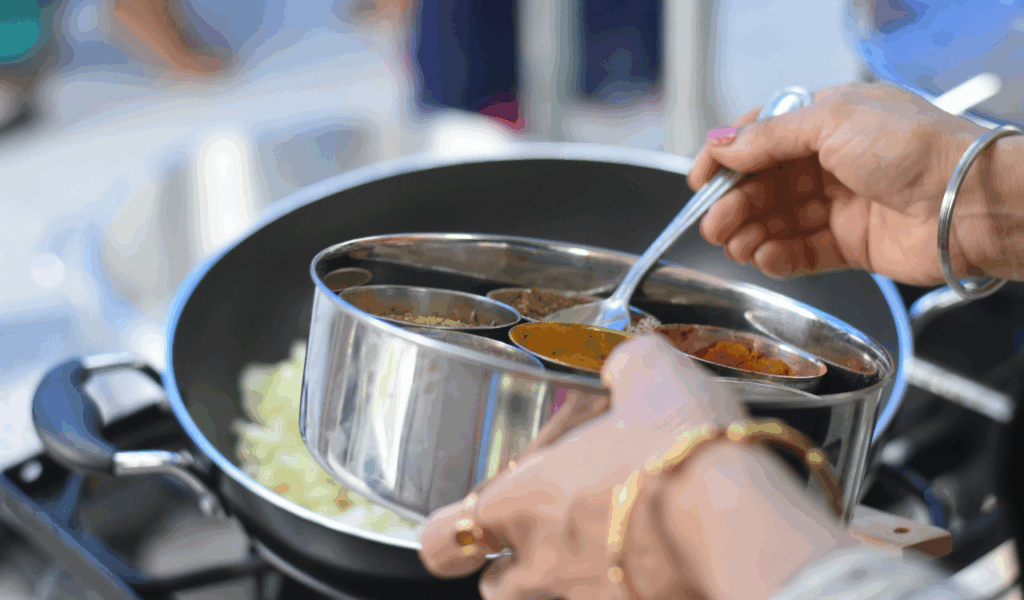
A typical error people make while making chili at home is to put dried spices directly into the liquid base. Expert chefs say that you should constantly “bloom” spices in heated fat with your aromatics, such onions and garlic. This method awakens up the essential oils in the dried peppers, cumin, and oregano, making their smells much stronger and more complex. Blooming spices means that they mix with the oil, which then spreads the flavor widely throughout the dish instead of just sitting on top of the liquid.
Flavor profile designers say that blooming keeps the spices from tasting “raw” or gritty. You just need to toast the mixture for 30 to 60 seconds until it smells good. If you toast it for longer, the delicate oils can burn and make it taste bad. Experts claim that this method is especially important for chili because the spice mix is what gives the dish its flavor. You can make the finished result taste like it’s been maturing for days by toasting your cumin and chili powders in the rendered beef fat.
3. The Power of Acidic Balance

Chefs say that a hefty, meaty dish like beef chili frequently doesn’t have enough brightness. Cooks say that adding a little acid immediately before serving is the key to making chili “pop.” The tomatoes add some acidity, although they usually turn sweet as they cook for a long time.
Adding a tablespoon of apple cider vinegar, a squeeze of fresh lime juice, or even a splash of pickled jalapeño brine can cut through the fat and salt, bringing out the flavors of the beef and peppers. Experts say that this last change is what makes a chili “great” instead of merely “good.” It highlights the flavors in the food so that it doesn’t taste heavy or flat. Recipe writers typically tell you to taste the chili at the end.
If it seems like it’s missing “something” although you’ve already added enough salt, it probably requires acid. This brightness balances off the smokiness of the cumin and the spice of the chilies, giving the dish a polished, professional look that makes visitors want to come back for more.
4. Deglazing with Dark Liquids

When you sear the meat, the bottom of the saucepan frequently gets covered in “fond,” which are the brown, caramelized bits that give the food a lot of flavor. Chefs say that the liquid you use to deglaze these parts is a great way to add a second layer of intricacy. Experts say that instead of ordinary water or a thin broth, you should use a dark, bitter liquid like a stout beer or a cup of strong black coffee. These drinks taste like the roasted and charred parts of the beef and have a complex bitterness that balances out the sweetness of the onions.
Designers of hearty stews say that the maltiness of beer or the earthiness of coffee gives the chili a “base note.” It gives the sauce a darker, more professional color and a texture like velvet by grounding the higher notes of the spices and tomatoes. According to chefs, the alcohol in the beer also helps to liberate taste molecules in the tomatoes that can only be dissolved in alcohol. This technical approach makes sure that every bit of flavor from the searing process is transferred back into the sauce, leaving you with a clean pot and a tasty supper.
5. Controlled Low-and-Slow Simmering

The five chefs’ last secret is that you need to be patient and keep an eye on the temperature. Experts say that a chili should never get to a rolling boil because high heat makes the protein fibers in the beef tighten and make it tougher. To break down the rough fibers and mix the flavors without losing too much liquid too quickly, you need a moderate, barely-there simmer instead.
This slow procedure lets the many spices “marry,” which makes the flavor more balanced so that no one spice stands out. Professional flippers of traditional recipes say that the best approach to keep this consistency is to use a slow cooker or a hefty Dutch oven in a low-temperature oven. Experts say that chili is often even better the next day because the flavors are stronger as the combination cools.
Keeping the heat low keeps the bottom of the pot from burning and keeps the beef juicy. A cook who knows that great flavor can’t be rushed knows that it has to be coaxed out with consistent, gentle heat over a long period of time.