5 Allergy-Friendly Restaurants Families Still Complain About

There are a lot of restaurants that claim to have allergy-friendly menus, but when families go, they usually end up disappointed. People with food allergies may still have a difficult time eating out due to cross-contact dangers, ambiguous labels, and inconsistent staff training, even when allergen charts are provided. While some chains may provide useful systems, customers have variable experiences due to inconsistent implementation across locations. When families know why these things happen, they can ask the right questions, make better choices, and eat out safely more often.
1. Build-Your-Own Bowl Chains
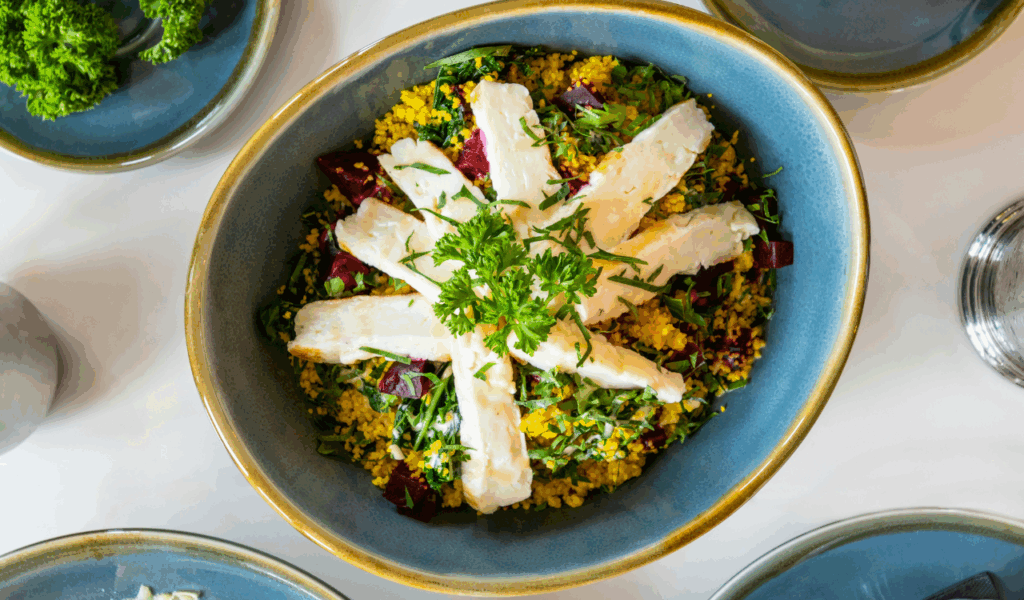
Families frequently have trouble with shared preparation lines and utensils, but custom bowl restaurants seem perfect for those with food allergies as customers get to choose every ingredient. Even with cautious handling, the possibility of cross-contamination exists because proteins, grains, and vegetables are all handled in the same area. Unexpected allergies or ingredients with vague names can be found in sauces. Although these chains promote adaptability, the rapid speed makes it challenging for employees to consistently adhere to rigorous allergy protocols.
2. Fast Casual Pizza Chains
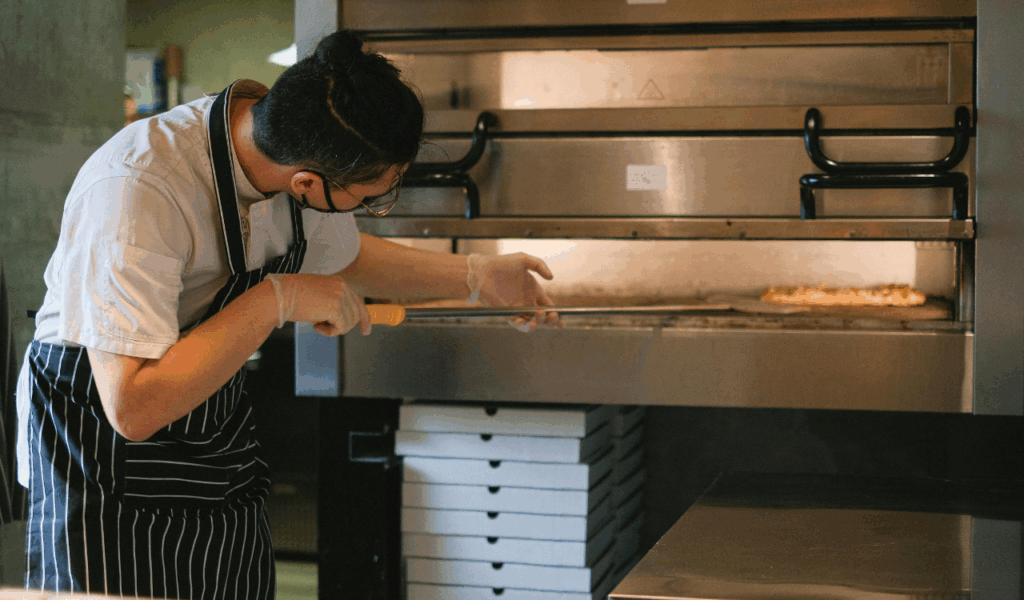
Parents still have concerns, even though many pizza places provide gluten-free crusts and dairy-free toppings, because the pizzas are cooked in communal ovens without special utensils. Some customers may experience airborne wheat allergies, and cutting boards often contain cheese residue. When families ask for additional caution due to allergies, staff members still don’t always listen, even when chains post allergy disclaimers. While these menus’ adaptability is a plus, the workflow isn’t always conducive to low-risk preparation.
3. Breakfast Diners
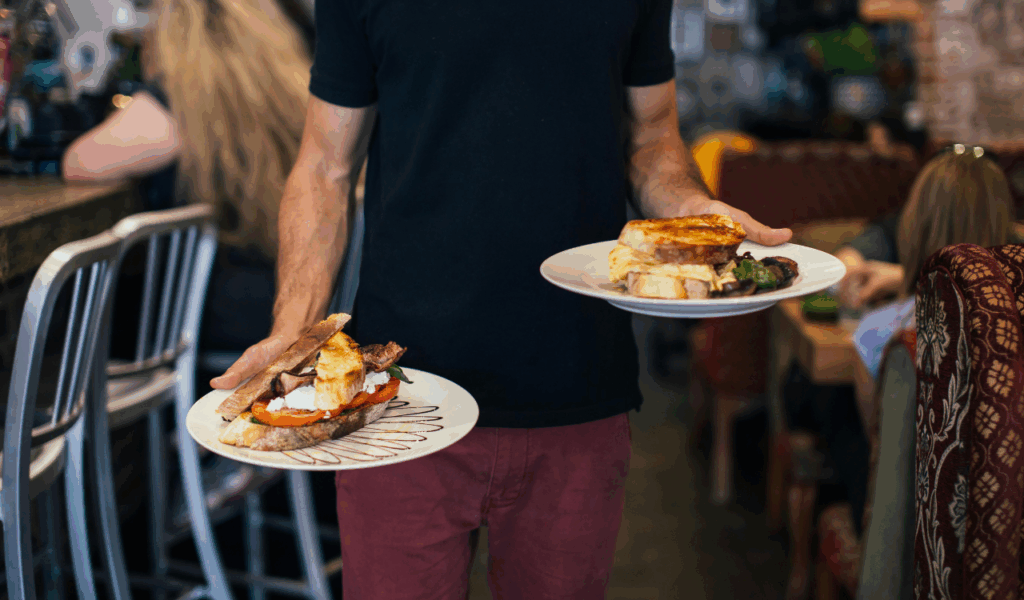
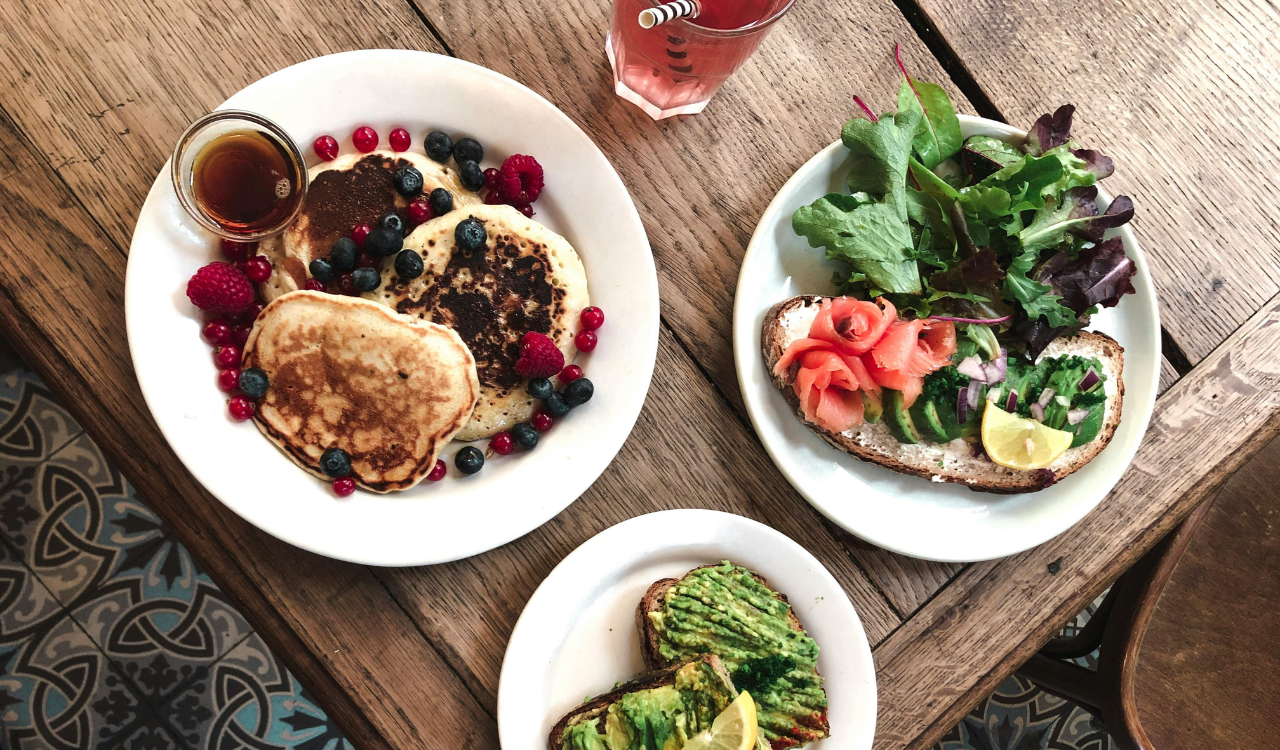
Crowded griddles used for sandwiches, pancakes, and eggs can be a problem for restaurants that promote allergy-friendly food. When people are using shared surfaces, it becomes more difficult to keep gluten and dairy products apart. Even though there may be designated pans and utensils for different ingredients, families often point out that menus often include substitutes. The storage of batters, spreads, syrups, and the like is sometimes mixed up, leading to more confusion. Traditional restaurant settings make careful allergy handling more challenging than anticipated, despite customers’ best efforts to accommodate.
4. Smoothie and Juice Bars

Families frequently bring up the fact that smoothie shops reuse blenders, scoops, and countertops without fully cleaning them during busy hours, even though they typically offer dairy- or nut-free options. Butters and milks made with nuts might leave behind residue, and fruit mixes might have extra ingredients that aren’t on the label. Orders may be hurriedly processed even by employees who mean well. Even though these bars appear to be allergy-friendly, there may be some variability in the safe preparation due to their fast turnover process.
5. Asian Fusion Chains
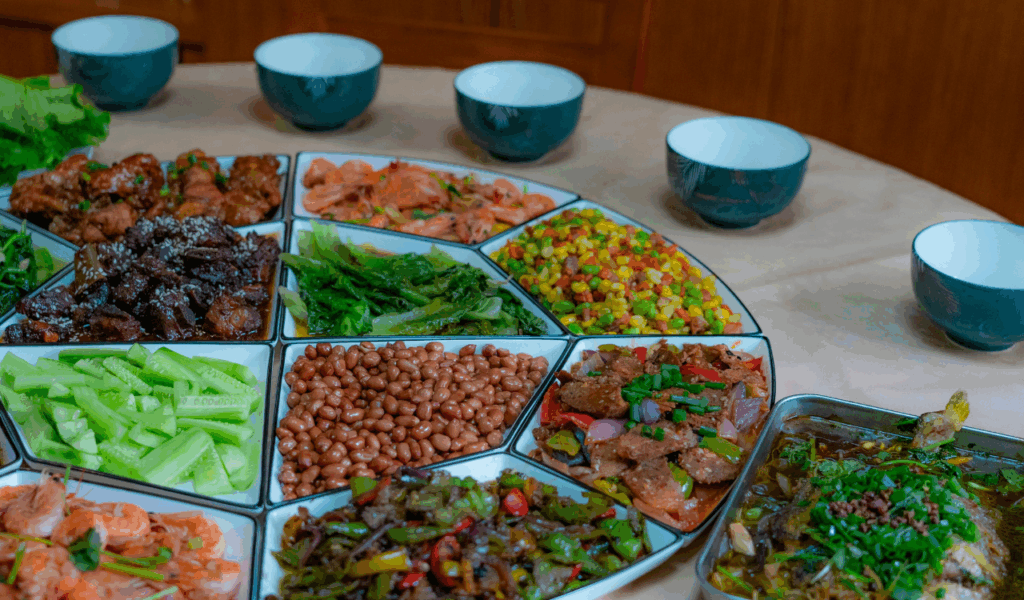
Despite the availability of gluten-free sauces and bowls, many Asian fusion restaurants keep soy sauce, wheat-based noodles, and toppings containing nuts in close proximity. The pans used at stir fry stations are usually communal and not easy to clean thoroughly between uses. Some families also say it’s hard to tell if sauces contain sesame or seafood, two common allergies. Although many restaurants encourage customers to be flexible, it can be difficult to take continuous allergy precautions due to their quick cooking technique and shared equipment.