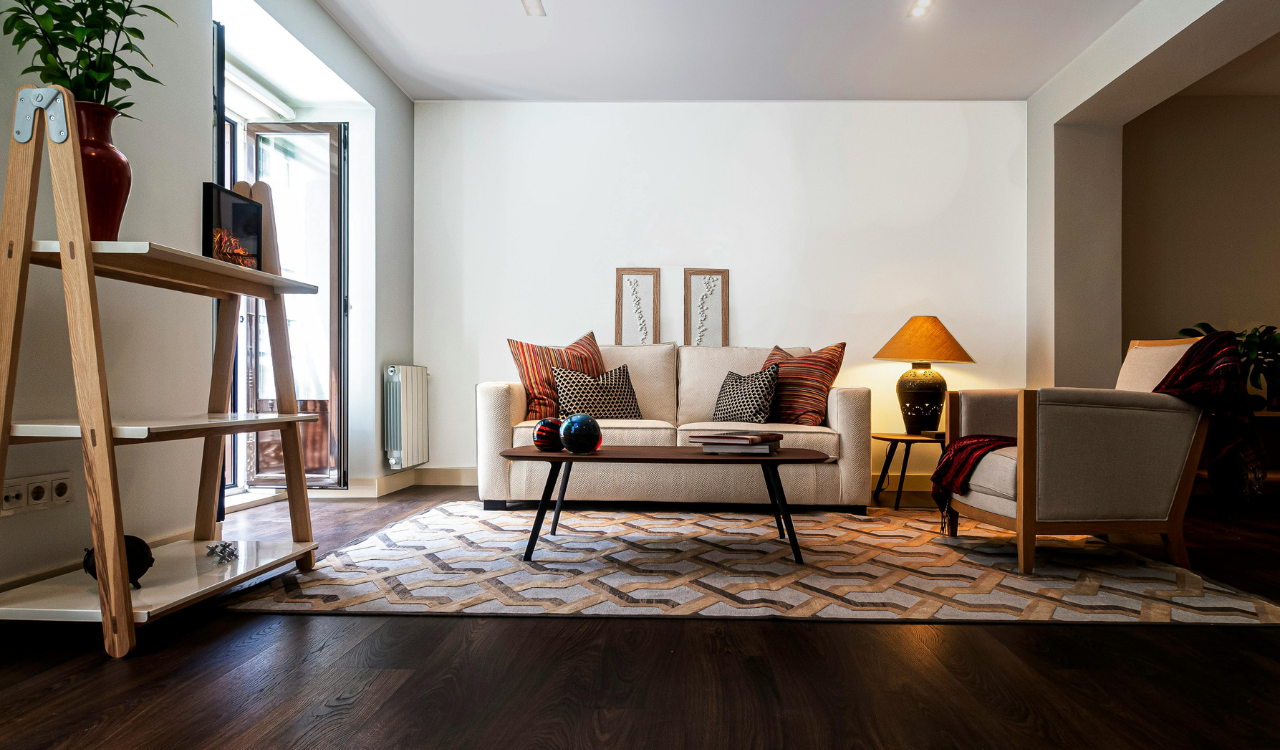
9 Bedroom Updates That Make Evenings Feel More Relaxing

The bedroom is the last line separating the need for internal healing from the pressures of the outside world. The environment of a bedroom has a direct impact on the body’s capacity to enter a parasympathetic state, which is necessary for deep sleep, according to interior designers and sleep scientists.
Although people frequently concentrate on the mattress, experts suggest that the room’s secondary components—such as the lighting, texture, and air quality—have an equal impact on lowering cortisol and heart rates. Through focused renovations, homeowners can turn a functional sleeping area into an elegant, healing haven. Professional designers and organizers claim that the psychological benefits of having a neat bedroom are immeasurable.
A cluttered or dimly lit room, according to experts, puts the brain in a low-level alert state and prevents the body’s normal wind-down process. By removing stressors and adding soothing sensory cues, you establish a special “decompression zone.” The engineering of a facility that puts human well-being first is the goal of these upgrades, not just aesthetics. When the surroundings are conducive to rest, going to sleep is no longer a daily battle but rather a smooth and eagerly awaited ritual.
1. Dimmable Amber-Toned Lighting
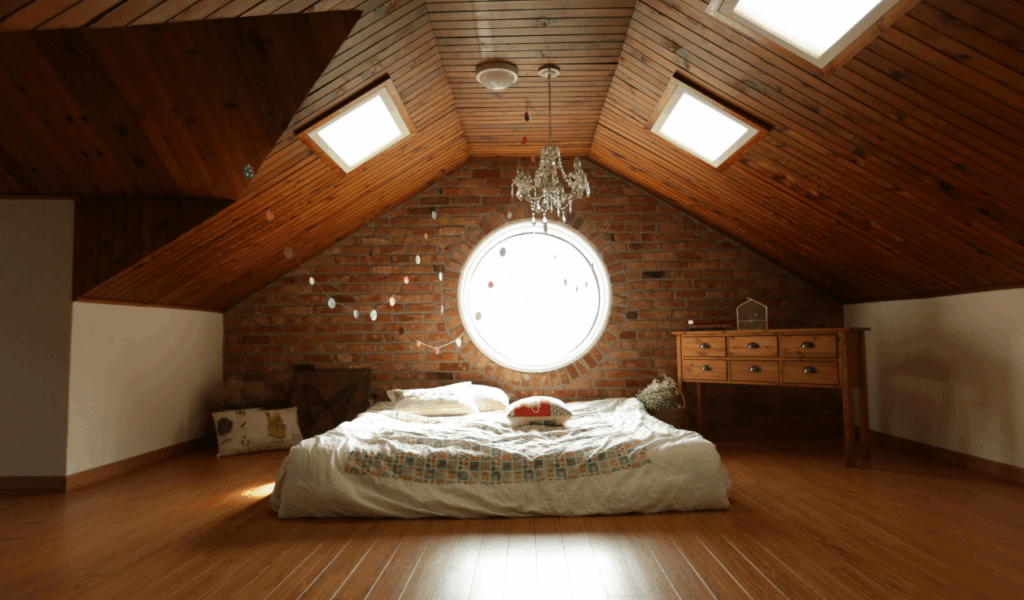
The human circadian rhythm is mostly influenced by lighting, and bright overhead lights are detrimental to rest. The most significant change you can make, according to lighting designers and sleep specialists, is to install dimmable fixtures or convert to amber-toned bulbs. Experts claim that although warm, amber light from ordinary LEDs simulates the setting sun and tells the brain to get ready for sleep, blue light from LEDs suppresses the production of melatonin. This small electrical change instantly produces a cozy, safe atmosphere that greatly improves the tranquility of the evening.
For a softer, cozier glow, designers advise positioning lamps at eye level as opposed to depending on ceiling lights. According to experts, a “layered” lighting strategy that combines low-level accent lights with bedroom lamps creates a configurable space. A warm-hued task light is ideal for people who like to read in the evening since it provides clarity without overstimulating the senses. You may take control of your body’s internal clock by adjusting the hue and intensity of your light, making your bedroom feel like a haven as soon as the sun sets.
2. High-Thread-Count Natural Linens

The most personal aspect of your nightly routine is the feel of your bedding. Purchasing high-thread-count natural fibers, like organic cotton, linen, or bamboo, greatly increases comfort, according to textile specialists and professional interior designers. Experts claim that because natural fabrics provide better thermoregulation, which keeps the body warm in the winter and cool in the summer, they are significantly preferable to synthetic mixtures.
An instant psychological “reset” that signifies the end of the day is provided by the tactile experience of slipping into clean, premium bedding. According to designers, the weight of your bedding is also important; a weighted blanket or a slightly heavier duvet can create a feeling of “grounding” that lowers anxiety.
According to experts, the visual peacefulness of the room is further enhanced by selecting linens with a neutral, soothing color scheme, such as creamy whites, sage greens, or soft greys. You can turn a fundamental need into an opulent experience by giving careful consideration to the fibers that come into contact with your skin. Every evening will feel like a stay at a posh boutique hotel thanks to this long-term investment in your physical comfort.
3. Dedicated Electronic-Free Charging Zones
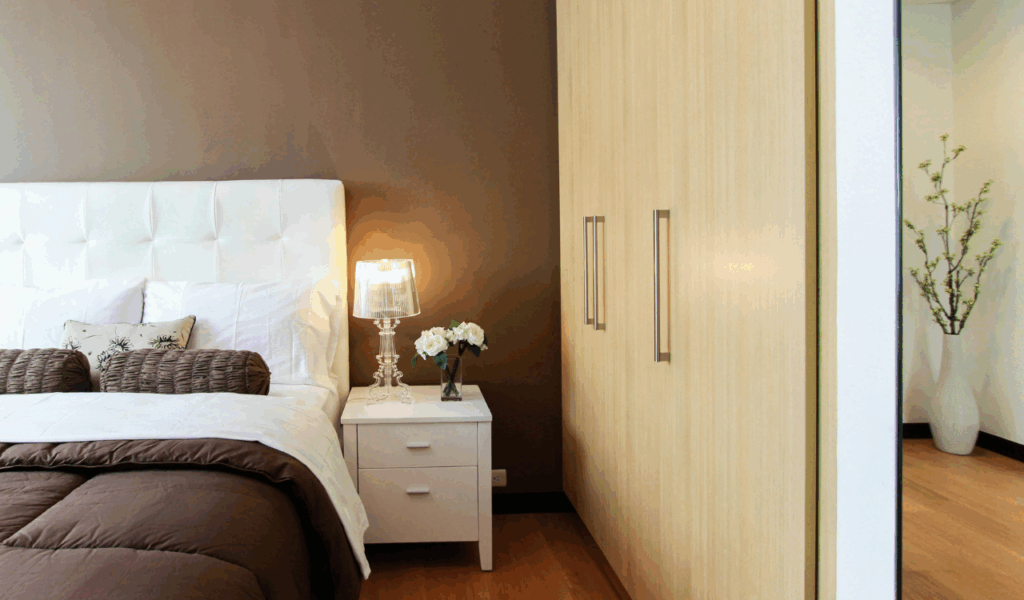
One of the main causes of cognitive friction and disturbed sleep is the use of cellphones and tablets in the bedroom. Experts in digital wellness and professional organizing advise relocating all charging cables to a specific station that is either outside the room or away from the bedside. The brain remains hyper-active because the sight of a phone might cause “work-mode” thinking or the need to scroll, according to scientists. By physically separating your sleeping area from your electronics, you can restore the bedroom as a location for introspection and interpersonal interaction.
To avoid checking your phone first thing in the morning or last thing at night, experts advise swapping out the alarm for a conventional analog clock. Designers claim that this upgrade also makes room on your nightstand for more calming accessories like a book or a carafe of water. A “digital detox” in the bedroom, according to experts, promotes deeper interactions with partners and a quicker transition to sleep. It is a free organizational upgrade that offers tremendous mental clarity and lets tranquility, not pings, determine your evenings.
4. Calming Essential Oil Diffusers

The feeling of place and emotional states can be greatly influenced by olfactory cues. According to aromatherapists and interior designers, a high-quality essential oil diffuser in the bedroom can improve relaxation by providing a constant aroma. Experts claim that fragrances like lavender, cedarwood, and sandalwood have relaxing benefits on the nervous system that have been scientifically verified. Including these scents in your nightly routine helps your brain form a strong “scent memory” that links the scent to falling asleep.
To make sure it does not interfere with your sleep, experts advise selecting a diffuser with a silent motor and an auto-shutoff mechanism. To prevent breathing in synthetic chemicals contained in less expensive air fresheners, health experts advise using only pure, therapeutic-grade oils.
Designers advise positioning the diffuser on a side table or dresser where the mist can freely flow. By appealing to your sense of smell, you enhance the ambience of your room with a refined element that subtly reduces stress and gets your body ready for a healing evening.
5. Plush Area Rugs for Soft Landings
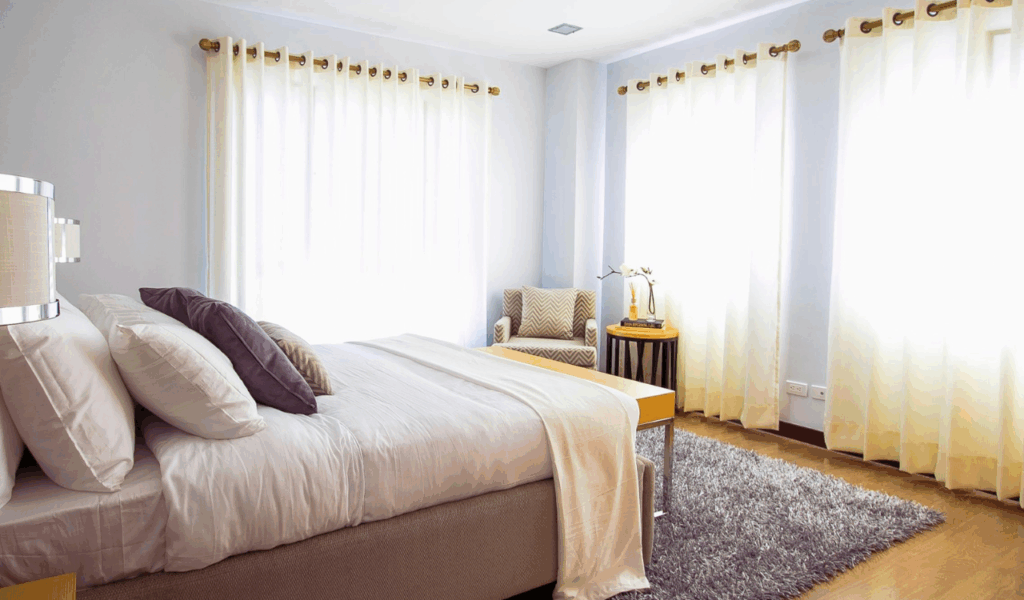
A condition of tranquility might be disturbed by the startling sensation of stepping onto a cold, hard floor in the morning or evening. Professional flippers and interior decorators agree that a large, luxurious area rug is a crucial addition for a tranquil bedroom. Experts claim that because rugs absorb echoes that might give a space a cold or empty feeling, they offer both thermal comfort and acoustic advantages. The bedroom’s function as a comfort-first space is further reinforced by the tactile experience of a soft texture beneath the feet, which serves as a “soft landing” for the day.
To guarantee a consistent experience, designers advise selecting a rug that protrudes at least 24 inches past the bed’s sides. Natural fibers like wool are the ideal option for beds, according to experts, because they are exceptionally soft, long-lasting, and flame-resistant. Architects claim that carpets serve as a visual anchor for the furniture and aid in defining the “sleep zone” in larger or open-concept bedrooms. This renovation creates a tactile shift from the bustle of the day to the quiet of the night by adding a layer of warmth and elegance that makes the space feel “finished” and purposeful.
6. Curated Bedside Relaxation Nooks
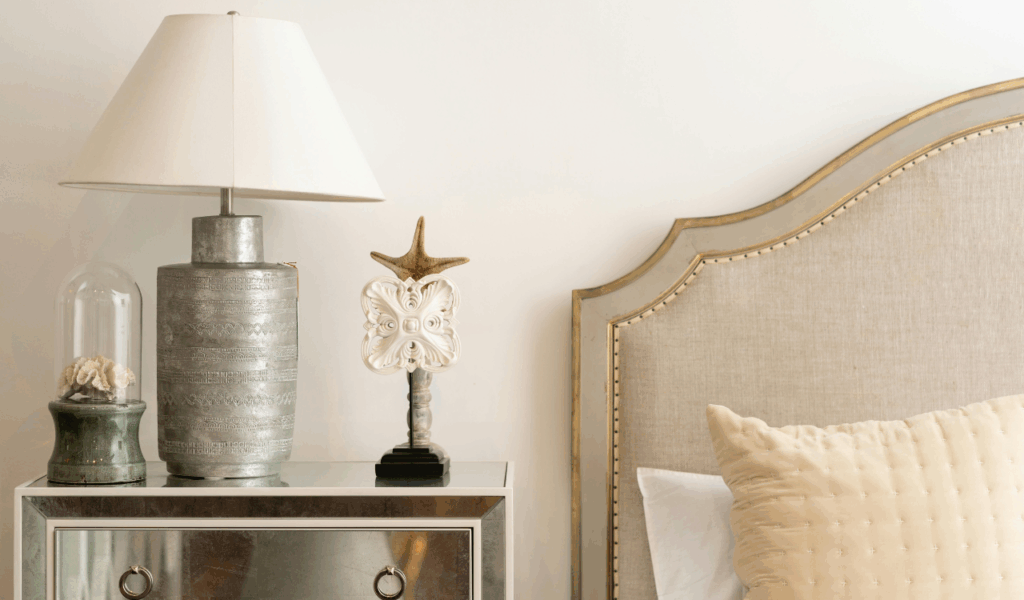
A nightstand should be a carefully designed space for rest rather than just a place to store mail and half-empty drinks. Expert organizers advise that you can alter your perception of the space by getting rid of unnecessary things and leaving just things that encourage relaxation, such a diary, a candle, or a tiny plant.
A “minimalist” bedside arrangement, according to experts, lessens visual noise, which can be overstimulating right before rest. Selecting a nightstand with drawers allows you to conceal unsightly but essential objects, such as charging cords or prescription drugs, while maintaining a calm surface.
Interior experts advise using a piece of art or a sentimental photo to give this room a unique touch. Keeping a “relaxation kit” close at hand, like a sleep mask or hand cream, makes it simpler to take care of yourself without getting out of bed, according to experts. Making the bedside feel like a small, personal altar to rest is the aim, stylists say. Your mind is in harmony with the beauty and orderliness of your immediate environment. It is a minor adjustment that has a big impact on how you feel in the last hour of the day.
7. Sound-Dampening Window Treatments
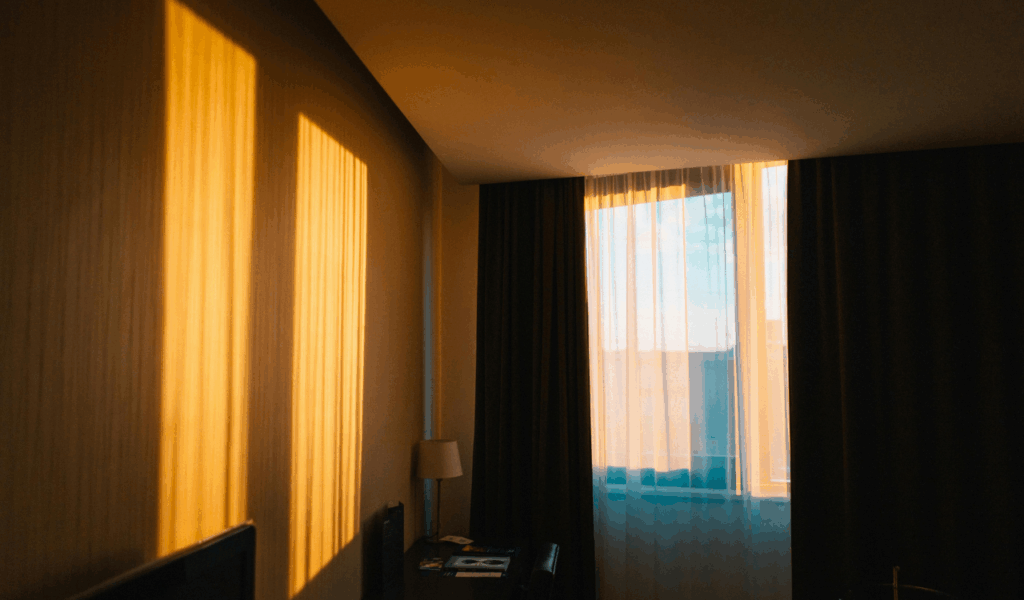
Evening peace is often disrupted by outside noise from neighbors, traffic, or the weather. According to interior designers and contractors, replacing your window treatments with thick, sound-absorbing drapes will significantly improve your space. Experts claim that “blackout” liners offer a strong barrier that muffles outdoor noises in addition to blocking obtrusive light. This produces a “cocoon” effect that isolates the bedroom from the craziness of the outside world. For many, these therapies offer the most opulent update possible in the form of silence.
In order to make the windows appear larger and to prevent light from leaking in through the margins, designers advise hanging drapes high and broad. According to experts, velvet and heavy linen are great fabric options because of their weight and ability to absorb sound. A quiet, dark environment is necessary to maintain deep sleep cycles during the night, according to sleep experts. Purchasing high-quality window coverings will shield your sleeping space from outside disturbances. It is a useful update that yields benefits like unbroken, excellent sleep and a calmer evening environment.
8. Integrated Air Purification Systems
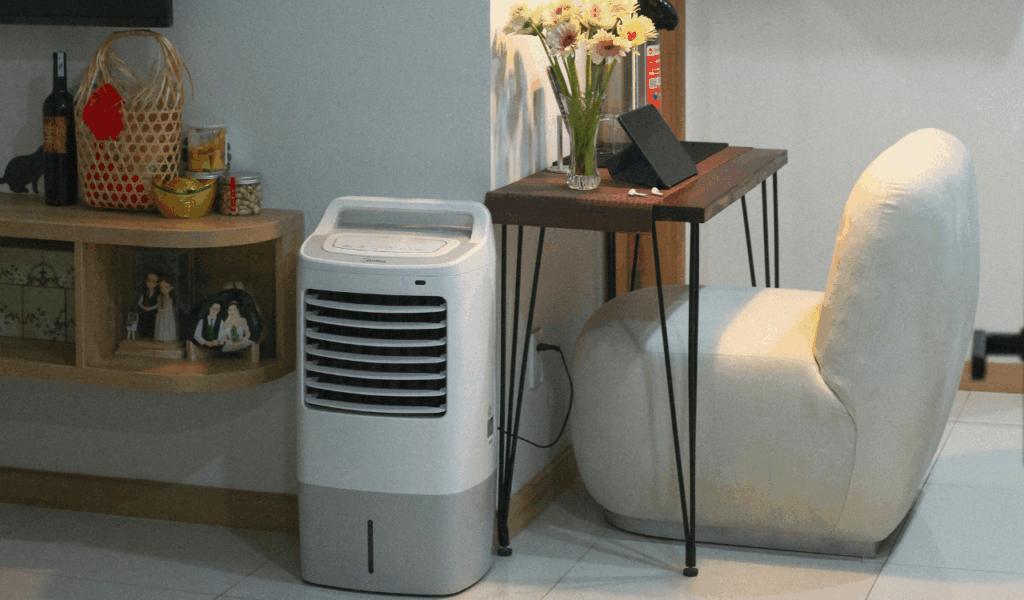
One subtle but important factor that affects how refreshed you feel at night is the quality of the air you breathe. To get rid of dust, pollutants, and allergies, health professionals and HVAC contractors advise installing a bedroom air purifier with a HEPA filter. Experts claim that cleaner air can avoid the morning “fog” that is frequently brought on by poor indoor air quality and lessen respiratory irritation.
Many contemporary purifiers also serve as white noise generators, producing a continuous, rhythmic hum that reduces distracting background noise and promotes relaxation. For whisper-quiet operation, designers advise selecting a device with a “sleep mode” that lowers fan speed and dims display lighting. According to experts, putting the purifier close to the head of the bed guarantees that you are breathing the purest air possible when you are at your most susceptible.
Environmental scientists claim that lowering the amount of particle matter in your bedroom can improve your general health and reduce allergies at night. This technological advancement puts your biological needs first, making sure that your surroundings are both comfortable and healthy.
9. Soft, Organic Wall Art and Colors
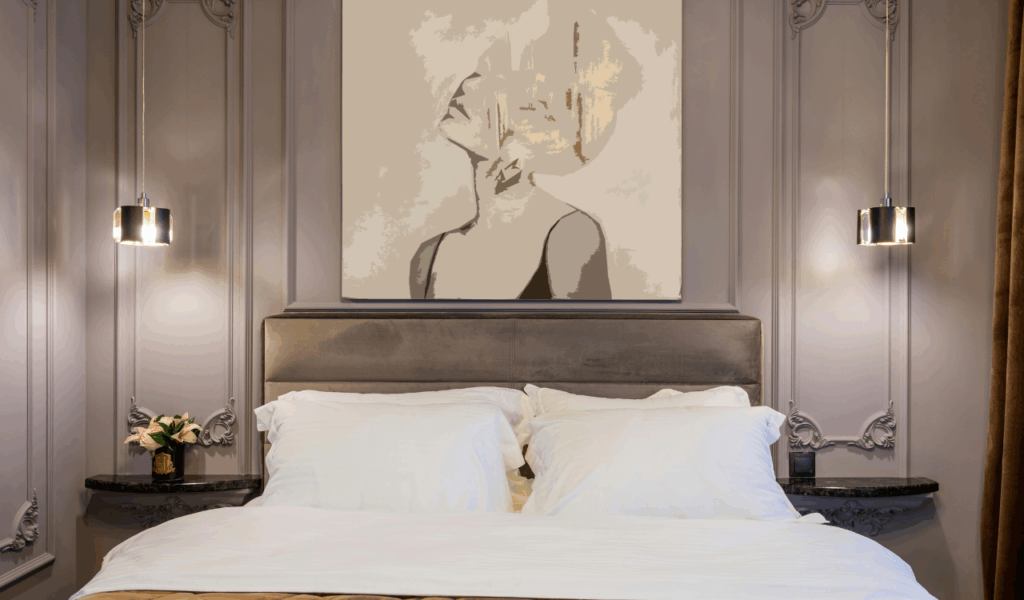
Your walls’ visual “weight” has the power to either uplift or soothe you. According to expert interior designers and painters, changing the hue of your walls to a subdued cool tint or a soft, matte earth tone can reduce your pulse rate. Bright whites and high contrast patterns are not as relaxing as colors like dusty blue, sage green, or warm terracotta, according to experts. By offering a pleasant spot for the eyes to rest, art with organic shapes, landscapes, or abstract “soft” forms further contributes to the room’s calm.
Since forceful colors and “busy” patterns might be subtly arousing, designers advise against using them in artwork. According to experts, the art’s scale should match the area; a single, sizable, serene piece works better than a busy gallery wall. Psychologists claim that encircling oneself with images and colors that recall nature can lower stress levels and enhance wellbeing. You may make sure that the final sights you see before closing your eyes are peaceful and beautiful by carefully selecting what fills your field of vision. It is a visual update that has a significant emotional impact.