8 “Terrazzo” Countertops That Chip and Show Every Spill
Terrazzo countertops are making a big resurgence in modern interior design. Many people love its fun colors and mid-century modern look. But expert contractors and long-term homeowners typically say that this material is not at all bulletproof.
Even though it appears great in a showroom, living with terrazzo means learning a lot about how to take care of it and how long it will last. Experts claim that terrazzo is a composite material, which means it has structural weaknesses that other solid stones, like granite, don’t have.
If you’re thinking about this surface, designers say you should know what chemicals are in your slab. A lot of newer variants employ a base made of epoxy or cement to hold decorative pieces of marble, glass, or quartz in place.
This combination makes a surface that looks great but can have problems with its structure when used a lot. Professional installers say that the very thing that makes terrazzo beautiful, its many parts, is also what makes it easy to chip and stain if it isn’t sealed perfectly from the start.
1. High-Contrast Marble Chip Terrazzo
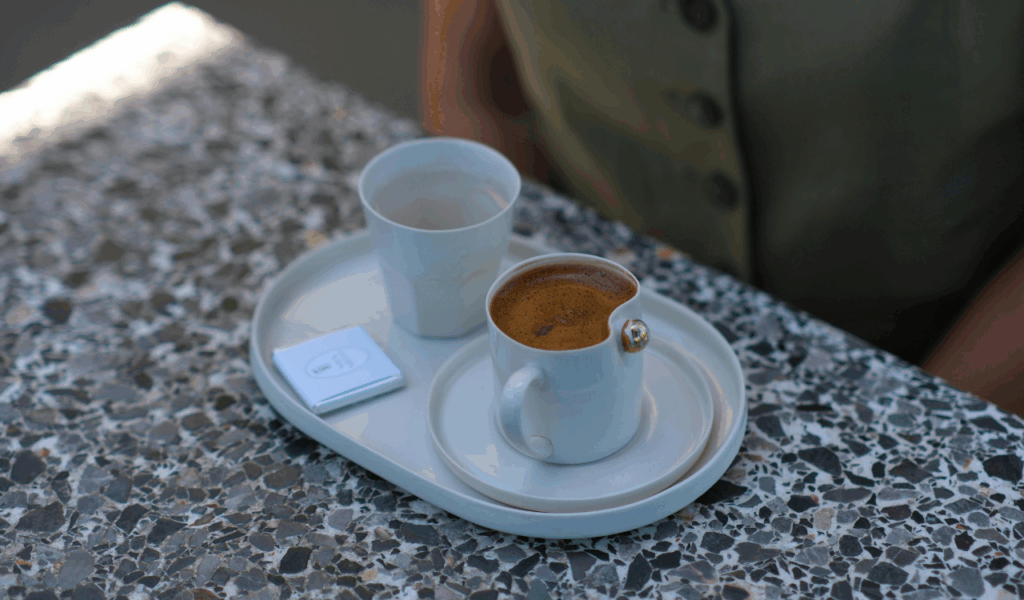
Terrazzo with dark marble chunks in a white cement base is a popular choice, but expert flippers say it’s one of the hardest surfaces to keep clean. The cement binder is porous, so it soaks up liquids like a sponge. The pigment immediately settles into the cement if you spill red wine or coffee, leaving a permanent shadow.
Experts in stone repair say that the black chipping and light foundation make every little flaw and stain stand out much more than a smooth surface. Also, the marble chips are softer than the binder that holds them together. Designers say that heavy pots or pans that fall can easily knock these decorative pieces out of place, leaving ugly divots.
When a chip is lost, the area around it becomes weaker, which often causes more chips to flake off. Experts note that even while this style seems high-end, the upkeep regimen needed to keep it looking perfect is frequently too much for a busy family to handle.
2. Large Aggregate Glass Terrazzo
Many modern designers adore the way huge pieces of recycled glass seem like jewels when used with terrazzo. Contractors, on the other hand, say that glass and resin expand and contract at different rates when the temperature changes. Putting a boiling kettle or steaming pot directly on this surface could create “thermal shock,” which could make the glass fragments pop out or the resin around them break. Professional installers say that you should always use trivets to avoid this kind of structural failure.
In addition to the heat problems, glass aggregate is known to micro-chip easily at the borders of the countertop. Because glass is fragile, the sharp corners of a countertop are especially likely to break when something hits them. The people in charge say that even a large glass bottle falling over can break the aggregate at the point of impact. The look is indeed bright, but the surface needs to be handled carefully and watched closely to keep it from looking worn and damaged after just a few years.
3. Porous Cement-Based Terrazzo
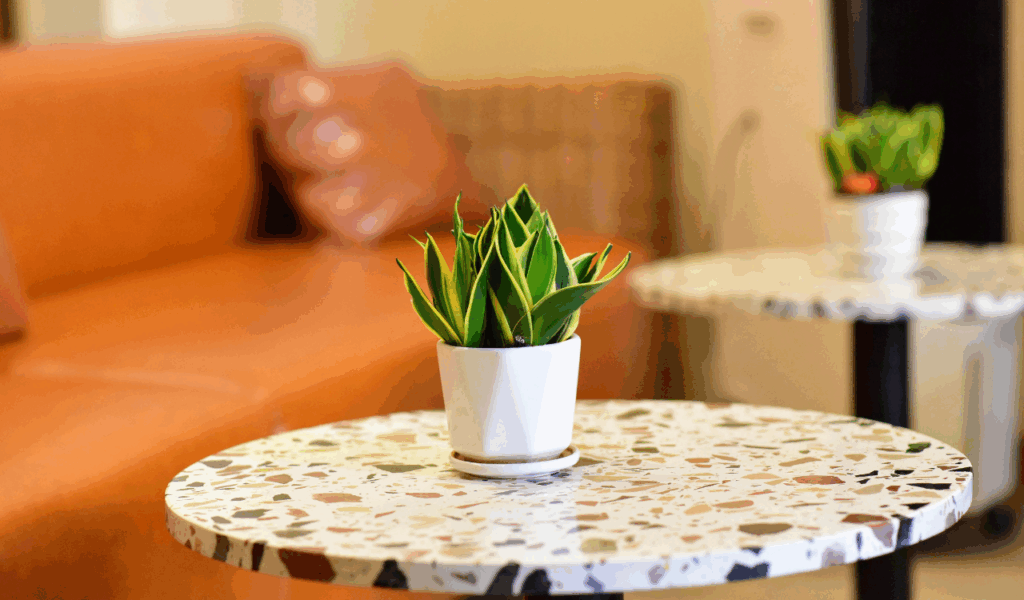
People love traditional cement-based terrazzo for its true, gritty texture, but real estate agents generally say it’s a nightmare for resale value in the kitchen. Cement is naturally alkaline and reacts strongly with acidic chemicals, unlike epoxy-based alternatives. Kitchen experts say that common items like lemon juice, vinegar, or tomato sauce may damage the surface in seconds.
This etching makes a dull area that scrubbing can’t get rid of, so it “shows” every spill long after the liquid has been wiped up. Safety experts also say that cement can hold bacteria if the sealer comes off since it is so porous. Professional cleaners say that you should reseal these counters at least twice a year, which is a big commitment.
Designers believe that if you miss a sealing window, the countertop will start to soak up cooking oils, which will leave dark, greasy spots that are almost impossible to get rid of. For a kitchen that gets a lot of use, this material is frequently more of a visual problem than a useful workplace.
4. Vibrant Dyed Epoxy Terrazzo
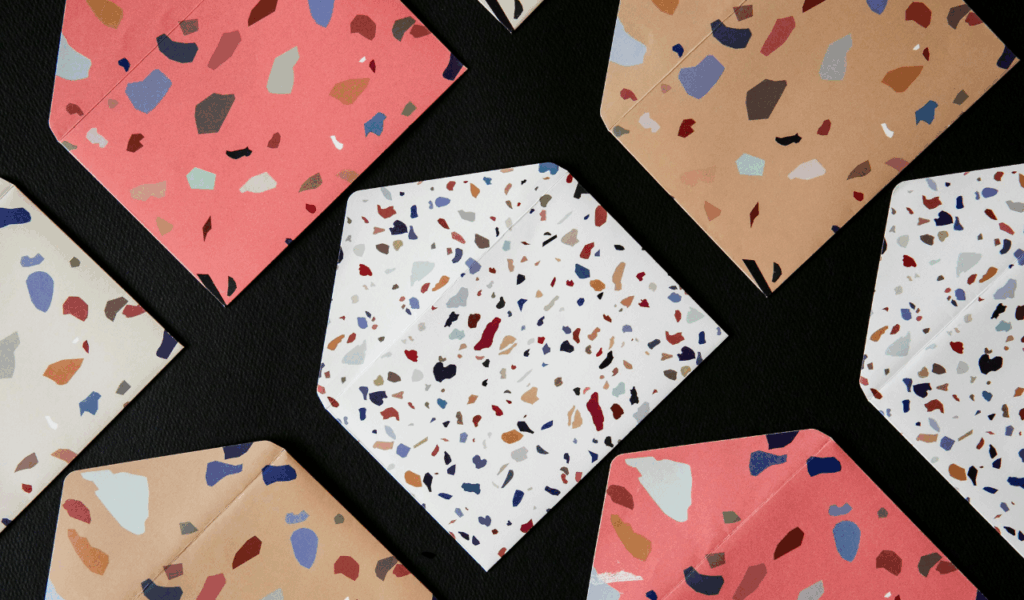
Epoxy terrazzo can make a kitchen really stand out with its vivid, vibrant colors, but experienced flippers say that these synthetic binders have a big flaw: they are sensitive to UV light. If your kitchen gets a lot of natural light, the dye in the epoxy can fade in patches, leaving behind ghost-like shapes where things usually lie on the counter. Experts argue that this change in hue makes the surface look old and “dirty” even when it is clean because the color depth is not the same across the slab.
Epoxy can fade and get scratched by regular kitchen utensils, too. Organizers say that the high-gloss finish shows every tiny scratch from a sliding plate or a dropped fork, even though the material is non-porous and resists stains better than cement. The surface loses its shine and starts to look foggy when these tiny scratches cover it. Designers only recommend this material for places with controlled lighting and little heavy-duty food processing to keep the colors bright and the surface smooth.
5. Soft Limestone Aggregate Terrazzo
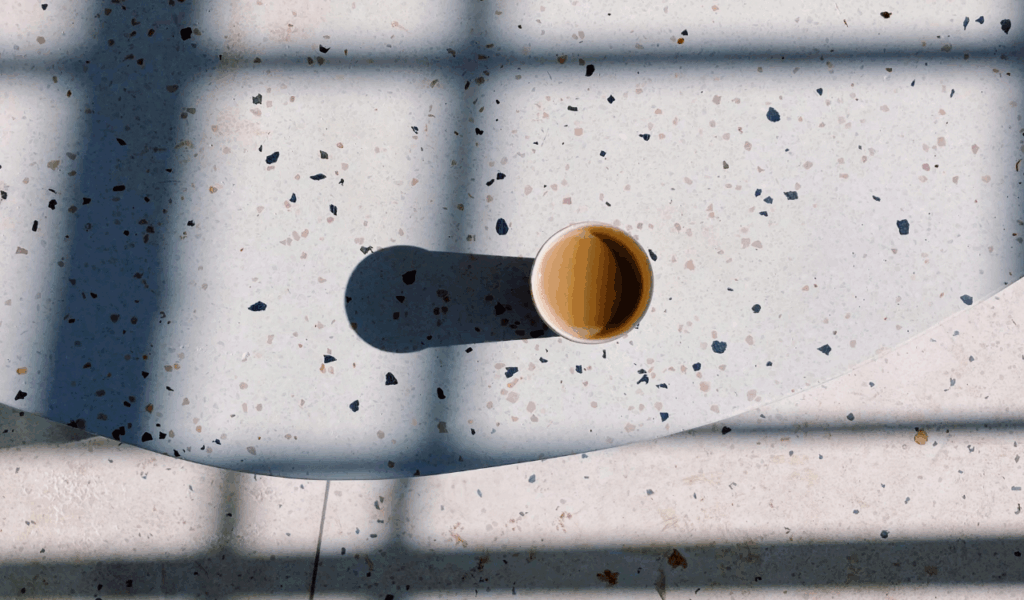
Some terrazzo mixtures use limestone chips to get a soft, natural color scheme. This seems warm and inviting, but builders say that limestone is one of the softest stones used in building. It responds severely to any acidic spills, which causes deep pitting. Stone experts say that when acid comes into contact with limestone chips, they practically dissolve at the surface level, leaving behind a “moon crater” appearance that is both ugly to look at and annoying to touch.
Realtors said that purchasers are often wary of terrazzo that is heavy in limestone because it “bruises” easily. A powerful blow doesn’t merely chip the stone; it can also leave a white, powdery mark called a stun mark that reaches deep into the stone.
Experts argue that fixing these blemishes needs skilled grinding and polishing, which is nasty and costs a lot of money. For people who really cook, limestone aggregate is a dangerous choice because it is so fragile and reflects the wear and tear of cooking every day.
6. Thin-Set Resin Terrazzo
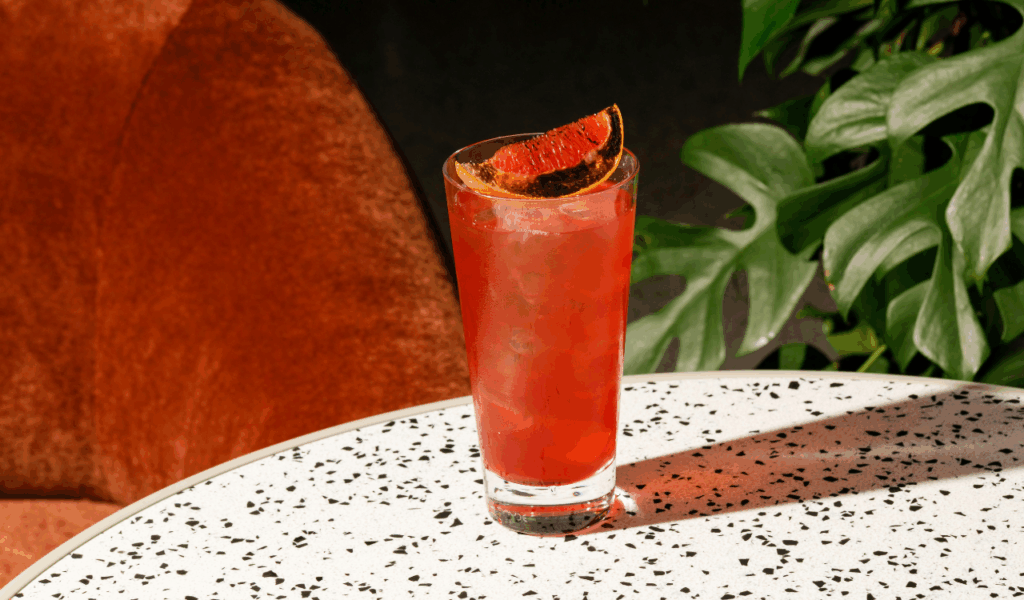
Thin-set terrazzo is a popular choice for modern renovations because it can be poured over existing surfaces. However, builders say that its thinness makes it more likely to crack. If the subfloor or cabinets shift, the thin layer might create “telegraphing” cracks to show up on the countertop. Professional flippers say that these tiny fissures attract spills because liquids soak into them and stain the material from the inside out, making them tough to clean.
If you choose a thin-set application, designers say you need to make sure the structure behind it is completely solid. Even with a strong base, the edges of thin-set counters are still fragile. Experts believe that the corners are considerably more likely to break off if they are hit by a heavy grocery bag or a vacuum cleaner without the bulk of a full-thickness slab. Because it is so fragile, a countertop may look smooth and seamless on the first day, but it often ends up looking jagged and improperly cared for in a short amount of time.
7. Mirror-Flecked Terrazzo
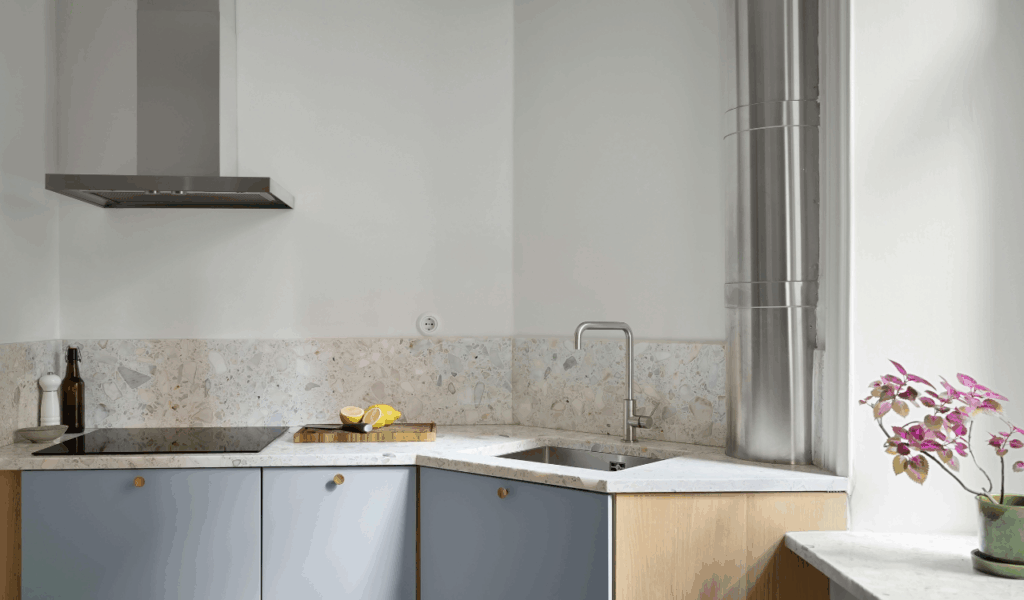
Terrazzo with mirrored glass chips gives a bit of glam and reflects light nicely, but experienced organizers say there is a big problem: the “sparkle” covers dirt but shows streaks. When you clean a surface with mirror flecks on it, the shiny particles make it hard to tell if you’ve really gotten rid of all the grease.
Experts believe that this often causes a coating to build up that dulls the whole surface over time. When the light hits it just so, every water stain and fingerprint stands out.
In addition to being hard to clean, mirror chips can also delaminate. Installers say that the flat back of a mirror fragment doesn’t always stick precisely to the cement or resin binder.
These little mirrors can shake free or peel off over time, leaving behind holes with sharp edges. Contractors say that these little spaces not only look awful, but they can also become stuck on cleaning cloths or flesh. The shimmer is nice, but the reflecting parts don’t stick well to the surface, which can hurt its long-term structural stability.
8. Oversized Multi-Material Terrazzo
“Mega-terrazzo” is a trend that uses large pieces of different materials, such as marble, granite, and quartz, all on one slab. Experts argue that this makes a surface with “differential hardness,” even if it seems cool.”
Because each material has a distinct density, they wear down at various speeds. Professional stone polishers say that with time, the softer stones will sink while the tougher stones will stay high. This will make the surface uneven and wavy, making it challenging to utilize as a level prep area.
Designers say that this unevenness also makes the countertop more susceptible to chip where different materials meet. The connection between a big piece of quartz and the cement around it is a natural weak spot.
Contractors say that one hard hit might start a “chain reaction” of cracks along these edges. For people who want a long-lasting kitchen, the complicated nature of enormous multi-material terrazzo can make it so that every bump and spill shows up in very high clarity.