8 Gallery Ledges That Fall and Shatter Your Heirlooms
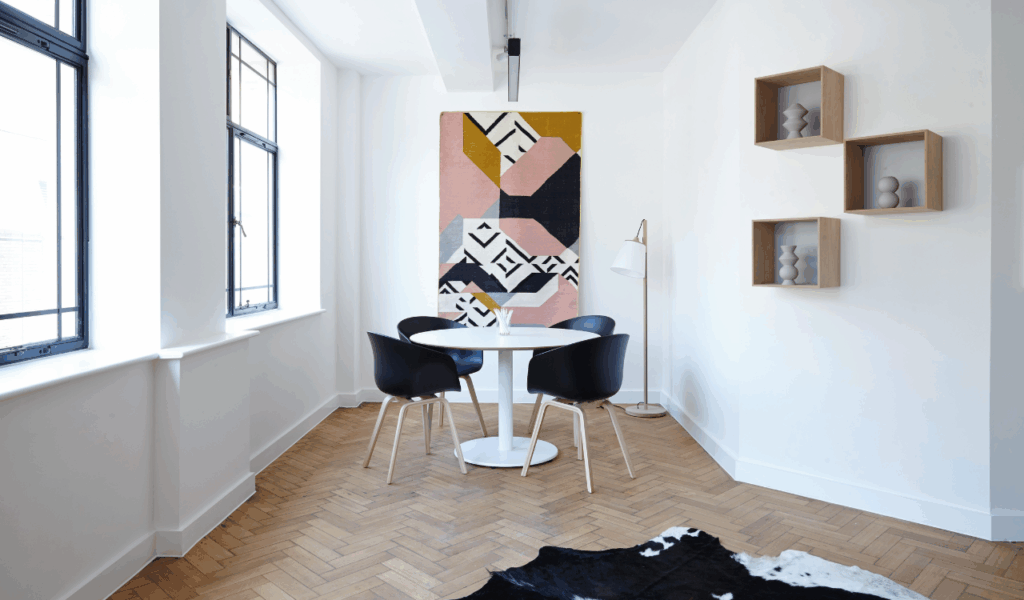
Interior designers love gallery ledges because they can show off a rotating array of art and antiquities without having to drill dozens of holes on the walls. But skilled contractors say that these small shelves are often the main cause of home décor disasters. If a ledge isn’t properly fastened or is too heavy, it can create a leverage effect that pulls hardware right out of the drywall.
Experts argue that the “floating” look often masks problems with the structure that you can’t see until you hear glass breaking in the middle of the night. Designers say that homeowners should think of gallery ledges as important parts of the building, not just decorations. Structural organizers say that the depth of the ledge and the weight of the things on it must be exactly matched to keep it stable for a long time.
If you’re showing off unique family artifacts, a single mistake in choosing the right anchors or placing the studs can cause you to lose your family’s history forever. The first step in making a display that will last for years and look good is to figure out why these ledges fail.
1. Plastic Wall Anchor Failures
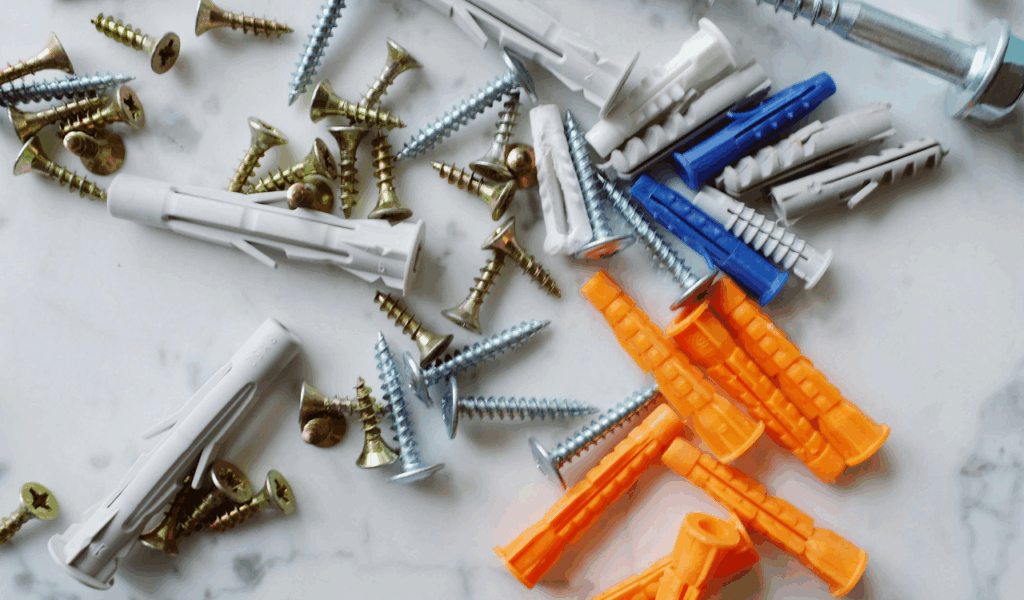
Using cheap plastic expansion anchors is one of the main reasons why gallery ledges fall. Professional contractors say that these anchors are meant for static loads that pull straight down, but gallery ledges commonly pull outward instead. Experts believe that the vibration of the house or the weight of large frames over time makes the plastic lose its grip on the walls. This causes the display to slowly sag, which eventually causes it to collapse all at once and in a very bad way.
If you can’t find a wall stud, designers say to use toggle bolts or zinc self-drilling anchors. Professional flippers say that they often find broken drywall from plastic anchors that didn’t work during restorations. This shows that these small parts aren’t strong enough to hold treasured artifacts. You need to pick hardware that can hold at least double the weight of what you plan to display to keep your ledges safe. Before putting your valuable things on a ledge that is only held up by plastic, always verify the weight limit on the container.
2. Missing the Wall Studs

Experts who install things say that the safest approach to put up a gallery ledge is to drill right into the wooden wall studs. But a lot of people who like to do things themselves skip this stage since the studs don’t line up properly with where they want the ledge to go. Contractors say that a ledge that is merely tied to drywall is like a bomb that is about to go off.
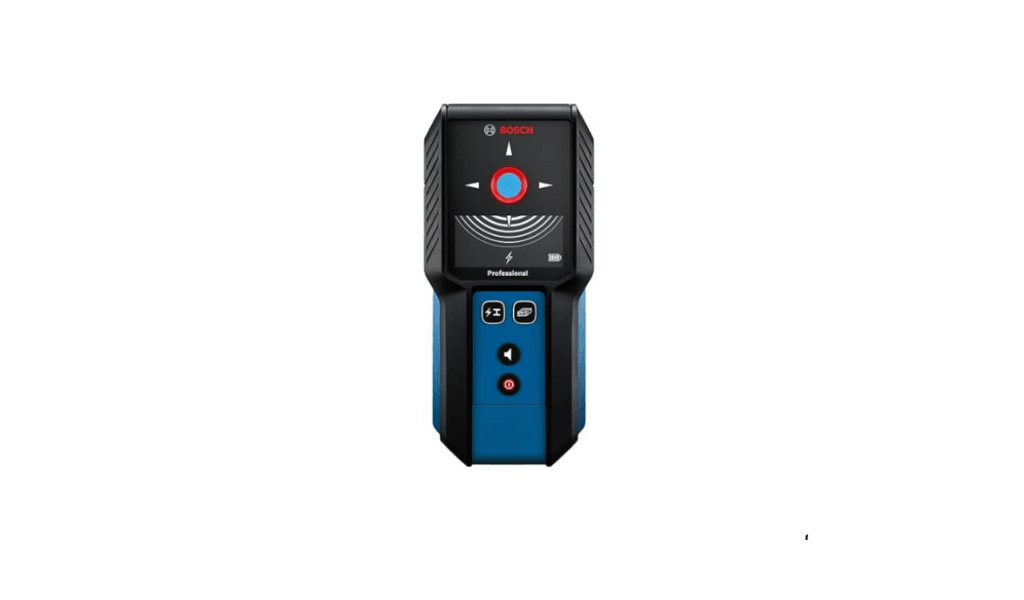
Even good anchors can break if the drywall gets wet or brittle over time. Experts suggest that any shelf longer than twenty-four inches must hit at least one stud. Before you buy your ledges, the people in charge say you should use a good stud finder to map out the inside of your wall.
If the studs aren’t in the appropriate spot, designers say you can put up a decorative backer board that goes between two studs and then attach the ledge to that board. This method gives you a strong base that can hold large ceramic vases or thick wooden frames without the fear of coming off the wall. When your family heirlooms are at danger, don’t guess where your structural supports are.
3. The Overloading Over-Lean
Gallery ledges are made to be thin, which makes it easy for people to rest many frames against each other to make a layered look. Designers say that this “over-leaning” moves the center of gravity too far forward, which puts a lot of stress on the front edge of the ledge. Structural experts say that this makes a prying action that operates like a crowbar against the wall bolts. The more things you put on top of each other, the more likely it is that the ledge will lean forward and drop your heirlooms onto the floor below.
Experts say that the heaviest things should be toward the back of the ledge and that no frame should tilt more than fifteen degrees. To keep frames from sliding forward, professional organizers suggest putting museum wax or “earthquake putty” on the bottom. This modest step can stop a chain reaction in which one falling frame knocks the others off the brink. You may have the layered look without hurting the structure of your wall-mounted display system by carefully regulating the weight distribution.
4. Short-Screw Syndrome
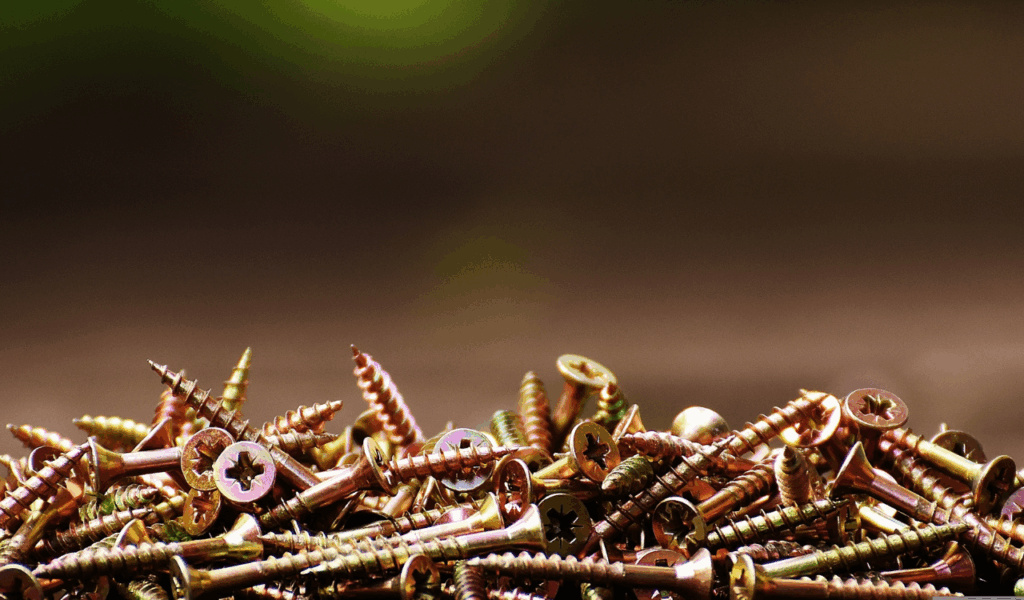
A lot of store-bought gallery ledges come with a set of one-inch screws that are just too short to be safe. Contractors say that by the time a screw goes through the ledge and the half-inch thick drywall, there isn’t much “bite” left to retain the weight. Experts suggest that you need screws that are at least two and a half inches long to get to the solid wood of the studs.
Short-screw syndrome is one of the main reasons why ledges look OK for a month but then fall when the seasons change. Designers say you should throw away the hardware that comes with the box and acquire high-quality wood screws separately.
Professional flippers say that a screw that doesn’t go at least an inch into a stud is basically useless for a gallery ledge. Using longer screws makes sure that the ledge is held close against the wall, which makes it less likely to droop. It’s a little cost of a few cents per screw but can save you thousands of dollars in damage to your most valuable and fragile household objects.
5. Humidity and Adhesive Backing

Some homeowners use heavy-duty adhesive strips to hang their gallery ledges instead of drilling holes. Professional organizers and designers say that you should not use this for anything except than the lightest plastic ledges. Experts believe that with time, humidity in the air can break down the chemical binding of the glue. This is especially true in kitchens or near bathrooms. Contractors say that glue failure doesn’t come slowly; it happens all at once, causing a dramatic crash that breaks your antiques.
Designers stress that mechanical fasteners are the best way to keep treasures safe. The rating of the glue may say it can withstand fifty pounds, but that’s usually based on perfect lab conditions and not the painted surfaces of a real home. Also, when adhesives do fail, they often take a piece of the wall paint or drywall paper with them, which is a double tragedy for the homeowner. If you rent and can’t drill holes, experts say to use a floor-based easel or a strong bookshelf instead of an adhesive-mounted ledge.
6. Improper Ledge Leveling
Not only does a ledge that isn’t completely level look crooked, but it also makes the weight uneven, which might cause it to fail. If one side of the ledge is lower than the other, gravity will pull all the things on that ledge toward the lower end, according to experienced installers. Experts suggest that this concentration of weight can make the anchors on the low side fail and draw the high side away.
Designers say that a level ledge is a balanced ledge, and balance is what makes structures last.
To make sure the whole display is level, organizers suggest using a four-foot level instead of a little torpedo level. Designers say you should check the level again after putting the things on the ledge because the weight can cause them to settle a little.
If you see even a tiny bit of tilt, it’s worth the time to take everything out and put the hardware back in. If your display is on a completely flat surface, gravity will work with it instead of against it.
7. Using the Wrong Material for the Ledge

Not all gallery ledges are the same, and the material they are made of can be a weak spot. Designers say that if you put heavy things on cheap particleboard or thin MDF ledges, they can bend in the middle. Experts claim that when a ledge starts to bow, the mounting points lose some of their strength. Professional contractors say that solid wood or metal ledges are the only safe ways to show off important artifacts since they don’t bend or warp when you put weight on them.
Before you buy a ledge, designers say you should check the bottom for reinforcement brackets. If you can see that you can bend the material with your hands, it isn’t sturdy enough to hold a collection of framed art. Professional flippers commonly encounter “smiling” shelves that have sagged over time, which makes the frames slide off the front lip. Putting money into a strong, high-quality material makes sure that the ledge stays a flat, safe place for your belongings, not a sagging danger that could ruin your design.
8. Vibrations and Structural Movement

People who own homes often forget that houses are living things that move and shake. Structural engineers say that being close to busy roads, building sites, or even loud sound systems can make the wall shake a little bit. Over time, these vibrations might move a gallery ledge away from the wall or make frames shake toward the edge.
Experts claim that if your ledge isn’t perfectly level, these vibrations get stronger, which makes the wall anchors wear out faster and causes the ledge to fall. Designers say that putting a little strip of rubberized shelf liner on the ledge will help it grip and reduce vibrations. As part of your home maintenance program, professional organizers also suggest testing the tightness of your mounting screws once a year.
You can take efforts to make sure your gallery ledges stay securely attached by accepting that your home is always moving. To keep your antiques safe, you need to install them well and keep an eye out for little indicators of structural strain.