8 Faux Plants That Look So Real They Fool and Annoy Your Guests
When it comes to plants, the border between them and plastic art has grown so hazy that even horticulturists with years of experience are frequently taken aback. According to interior designers, plants that appeared to be “silk” have been transformed into high-quality polymers that have the appearance and feel of living tissue. Experts say that this is a win for people who do not have a green thumb, but it may also lead to awkward social situations in which guests want to water a piece of decor or even strike up a conversation with them.
According to horticultural experts, the synthetic plants that are the most lifelike are commonly equipped with “real-touch” technology, which gives the leaves a slightly cool and damp sensation respectively. These hyper-realistic options, according to designers, function most well in environments that receive a great deal of light and are suitable for the growth of a real plant.
As a result, the illusion is strengthened even further. However, when a guest discovers that they have been complimenting a false bush for twenty minutes, the initial surprise may quickly transform into a little bit of resentment at the fact that they have been so completely tricked by a home accent.
1. Real-Touch Fiddle Leaf Figs
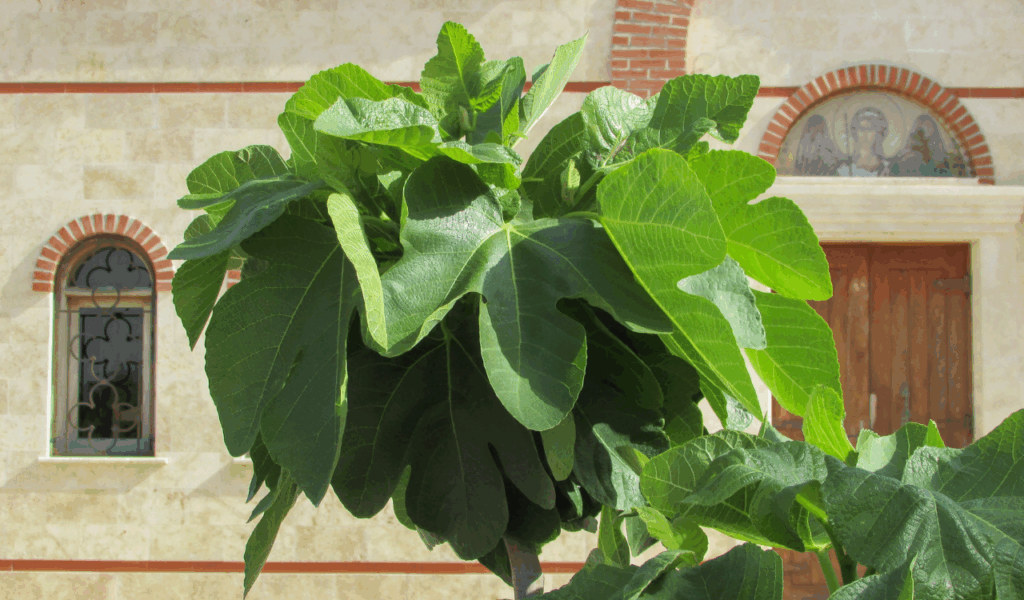
The high-end imitation form of the Fiddle Leaf Fig is frequently chosen by individuals due to the fact that it is difficult to maintain its life. It is said by interior designers that the greatest ones feature large, waxy leaves with printed veining that looks just like the way the structure of a living tree is imperfect. The addition of a “trunk” that is made of actual wood or high-quality plastic, according to designers, makes it appear more lifelike and makes it nearly difficult to differentiate it from the real thing from a distance.
When people come over, they are frequently irritated by these because they are accustomed to seeing brown Fiddle Leaf Figs that are dying from the inside of most homes. The majority of the time, when folks see a plant that is extraordinarily lush and emerald green, they reach out to touch the leaves to determine whether or not you have discovered a secret method of gardening. A number of specialists contend that the “annoyance” stems from the fact that people quickly realize that the lovely appearance does not require any maintenance, which causes them to view their own houseplants that are struggling as an unnecessary burden.
2. UV-Resistant Boxwood Topiaries
Although boxwood topiaries are a popular method to beautify a doorway, it is important to keep in mind that genuine topiaries are susceptible to spider mites and require regular trimming. It has been reported by landscape architects that new artificial boxwoods that do not fade in the sun have successfully duplicated the dense, multi-toned green color of the actual shrub. As a result of the fact that these are typically placed outside in conventional planters, guests believe that they are real plants until they realize that the leaves do not change or develop in accordance with the changing of the seasons.
One of the things that gets people upset, according to exterior designers, is the “uncanny valley” effect that occurs when they encounter a plant that appears to be too lovely. It is possible that the difference in how a guest feels when they touch the plastic-coated leaves that are hard could strike them as surprising.
Experts believe that combining them with a few real trailing vines is the most effective way to make them work without making them “too” uncomfortable. This causes the eye to become confused and gives the impression that the entire display is more natural and less like a stage set.
3. High-Definition Faux Olive Trees
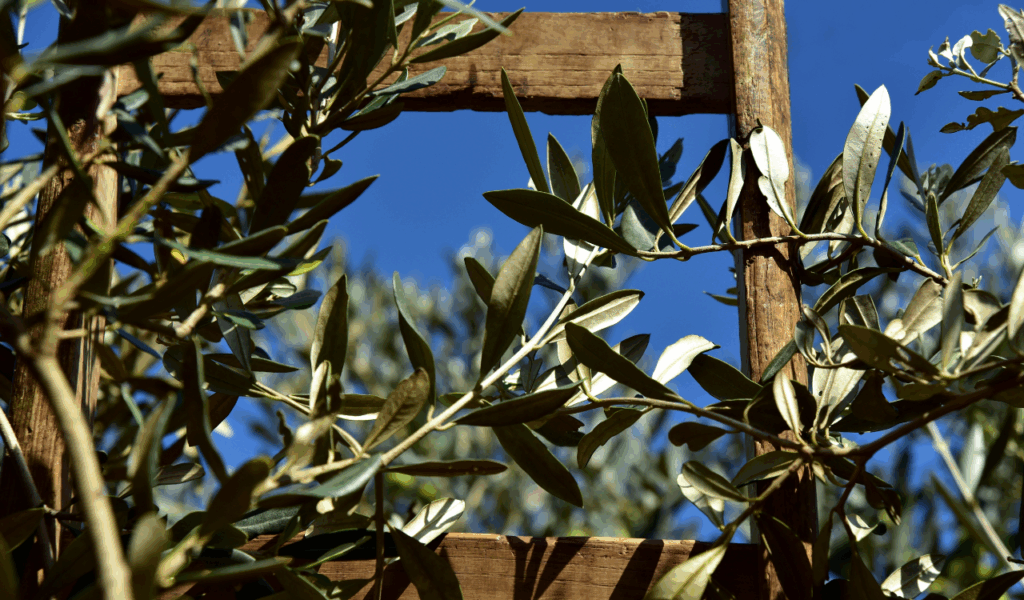
In spite of the fact that olive trees are considered to be the “it” plant for Mediterranean and minimalist homes, they are notorious for being dirty and require a great deal of light. According to interior designers, high-definition imitation olive trees now have branches that are realistically thin and with leaves that are silver-green in color and move in response to the breeze.
The experts say that the best copies even feature microscopic olives that are “ripening” and changing color from green to dark purple. This adds a level of realism that frequently fools guests into thinking that they are actually buying the real thing.
When tourists stoop down to smell the tree or examine the fruit, they frequently become frustrated when they discover that the tree or fruit is made of a hard plastic imitation that does not smell like anything. Those who specialize in home staging believe that olive trees are particularly “deceptive” due to the fact that their natural shape is light and airy, which was previously hard to achieve with affordable artificial materials. When the illusion is finally dismantled, the guests are generally disappointed to discover that the gorgeous focal point that was supposed to be “living” is actually merely an object.
4. Hand-Painted Faux Snake Plants
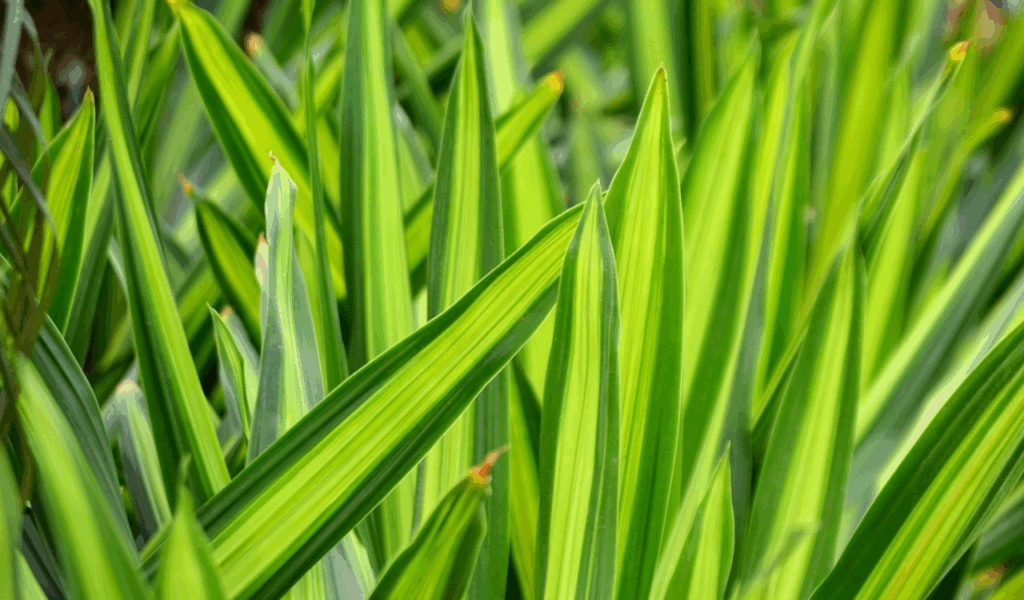
Due to the fact that snake plants are already well-known for their architectural appearance, which is practically similar to that of plastic, it is very simple to fool people into thinking that they are real. Hand-painted fake snake plants are said to be the most realistic imitations of actual snake plants because they have the characteristic yellow margins and dark green banding that are found on real snake plants. The majority of the time, interior organizers will place these in dark corners where there is little possibility of a living plant growing. It is common for guests to overlook this subtle clue until they are in close proximity to the location.
Dust is the only thing that can be used to identify these, according to professionals in the cleaning industry. This is because dust settles on the firm, upright leaves in the same manner as it would on a real plant. People who stay at these hotels dislike them because they frequently feel the need to “test” how stiff the leaves are, only to discover that they are just as stiff as they had anticipated a real Sansevieria to be.
This is precisely why they dislike these hotels. According to the designers, these are suitable for apartments that have a limited amount of light; however, they also state that the more realistic they appear, the greater the likelihood that someone will accidentally drop their remaining water into the containers.
5. Silk Hanging String of Pearls
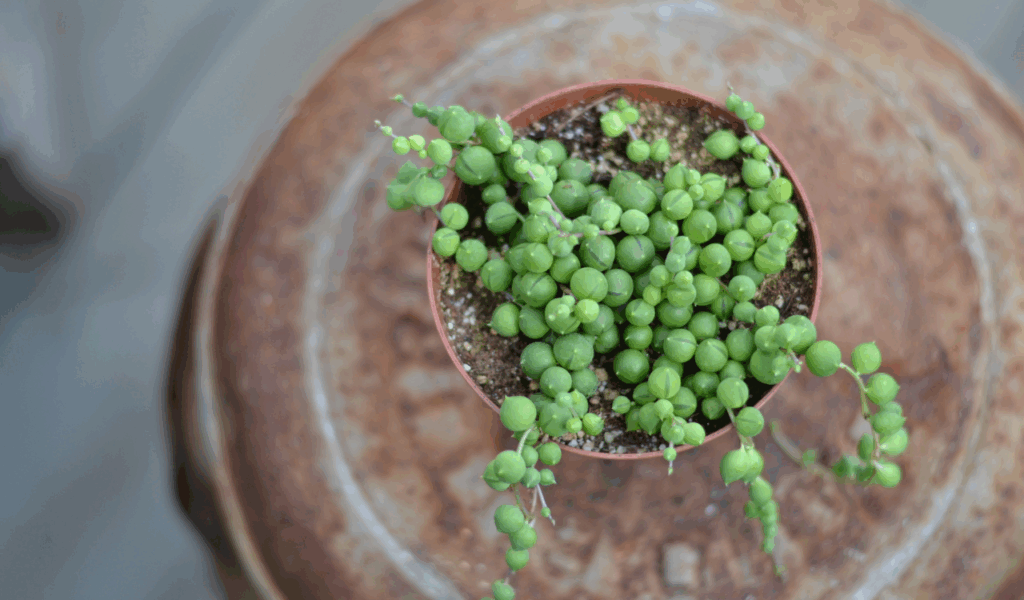
It is well knowledge that the succulent known as the “String of Pearls” is prone to being overwatered. Because of this, a significant number of individuals choose for the trailing phony version. A soft-touch plastic that resembles the juicy, round “pearls” of the real succulent is said to be used in the creation of the best fake copies, according to botanical designers. When the long, green hair is thrown over a high shelf or mantle, it gives the impression of being extremely luxurious and in good health. Guests frequently remark about the means by which you were able to cultivate such a lengthy and vibrant plant.
According to those who are knowledgeable about succulents, the source of the aggravation lies in the fact that the actual one is so unexpected. An individual who has been responsible for the murder of three of the guests within the preceding year may have a sense of personal affront when they come upon a ten-foot-long, flawless string of “pearls.”
As soon as the guest realizes that the plant is a fake, the subject frequently shifts from suggestions on how to properly care for plants to a discussion on how contemporary home decor is “deceptive.” Because of this, the room’s comfortable atmosphere may be ruined.
6. Potted Faux Orchids with “Air Roots”
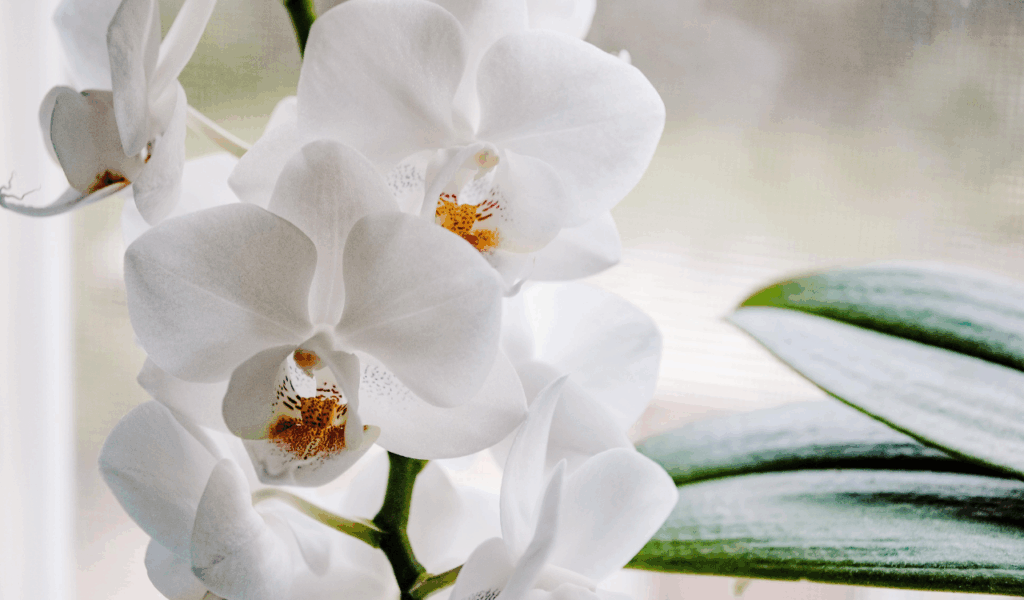
Although real orchids are considered to be a symbol of riches, their flowers only bloom for a brief period of time and their stems are fragile. According to floral designers, high-end artificial orchids now come with characteristics such as “air roots” and bases that are covered in moss that has a wet sensation when touched.
According to the opinions of specialists, the petals are often made up of a coated cloth that has a comfortable and slightly squishy texture. The fact that this is the case makes it extremely difficult to differentiate between the two without either examining them through a microscope or giving them a very firm pinch.
Due to the fact that fake orchids are a traditional “gift” item, people frequently become angry when they encounter them. The fact that you are able to cultivate plants to the point where a guest believes they are looking at a real orchid that has been blooming for months can be an impressive demonstration of your knowledge.
When they discover that the bloom is a permanent component of the house, the “magic” that it possessed is no longer present. According to the recommendations of specialists, if you use fake orchids, you should change them to other rooms on a regular basis. This will ensure that your guests do not realize that the orchids have been in the same state of bloom for three years.
7. Faux Eucalyptus with Seed Pods
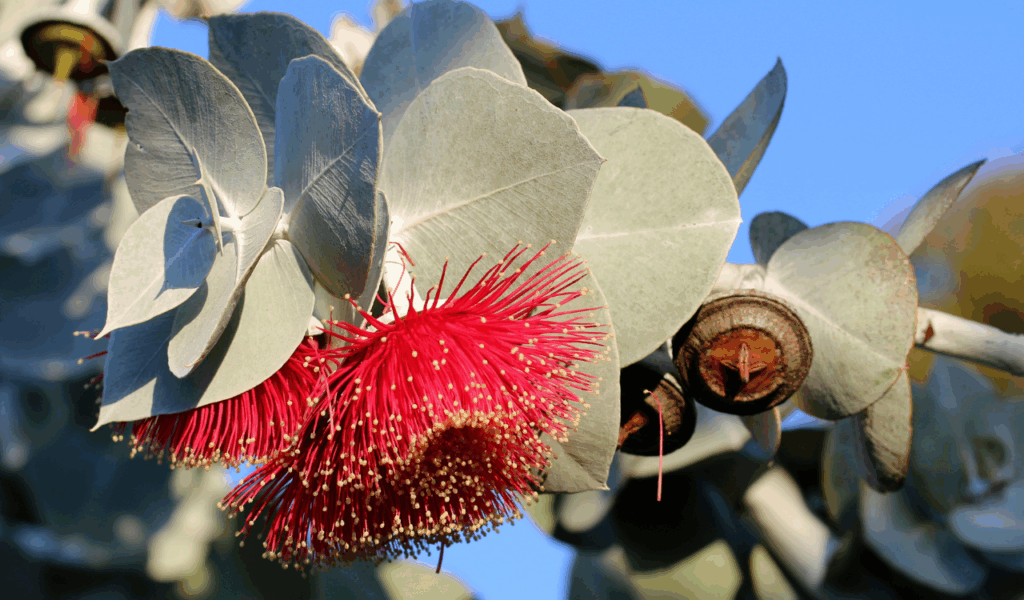
After a week, fresh eucalyptus loses its moisture and becomes more fragile, despite the fact that people like the scent and structure of the plant. It has been observed by interior designers that imitation eucalyptus branches have recently acquired the characteristic dusty, “frosted” blue-green hue, as well as the little, lifelike seed pods that are characteristic of the Silver Dollar kind. It is standard practice, according to experts, to incorporate them into actual flower arrangements in order to create a hybrid display that leaves guests guessing about which stems are real and which are not.
When it comes to this situation, the “annoyance” factor has almost little to do with the absence of odor. When visitors enter a room and see a large vase of eucalyptus, they typically anticipate the aroma of the characteristic, invigorating, therapeutic fragrance as soon as they step inside. It appears unusual when people lean in to sniff it and just get a hint of the smell of plastic or room spray when they do so. The designers recommend adding a few drops of eucalyptus essential oil to the bottom of the vase in order to complete the illusion and prevent viewers from being disappointed by the “fake plant” occurrence.
8. Hyper-Realistic Faux Agave Plant
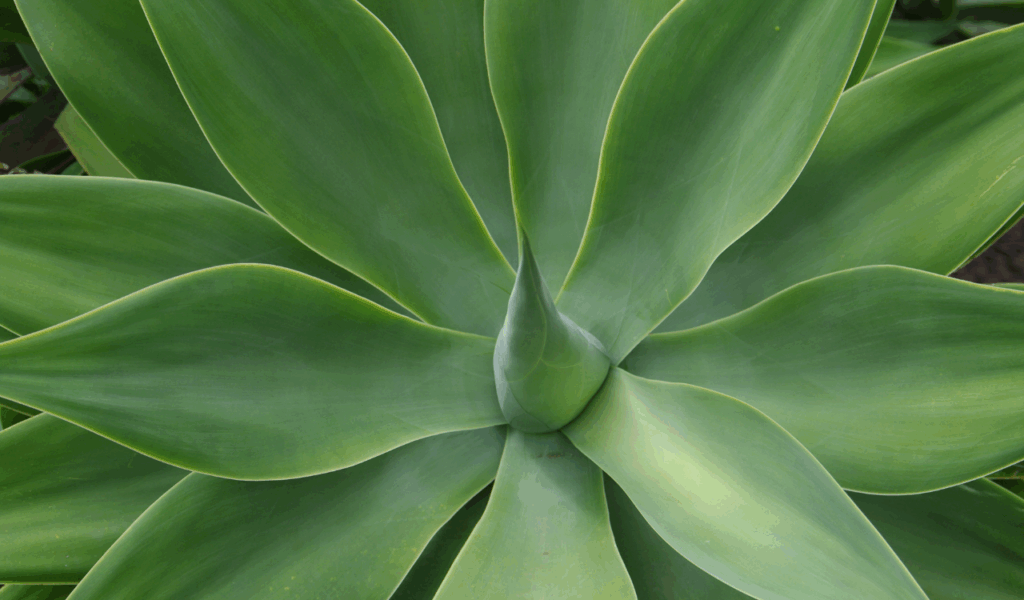
Despite the fact that their needles are sharp and sometimes hazardous, agaves are attractive architectural plants that may give a home a desert atmosphere. There are experts who suggest that decent fake agaves have the same serrated edges and “teeth” as real ones, but they are typically manufactured from a material that is a little bit flexible, which makes them safer for houses that include children or pets. According to landscape designers, these are typically used in planters that are placed at ground level, where they appear to be very solid and grounded.
People who come over frequently find these to be bothersome since they instantly move away in order to avoid being poked, only to discover that the “spikes” are not deadly. For a considerable amount of time, experts believe that this “scare” causes people to lose trust in the other plants that are in their homes.
The homeowner is pleased with the fact that it is risk-free and does not require any maintenance, but the visitor has the impression that they have been fooled by a visual fraud. In spite of the fact that the leaves are false, designers believe that using a huge container that is loaded with stones is an effective way to sell the weight and authenticity of the plant.