
11 Kids’ Room Updates Parents Regretted by February
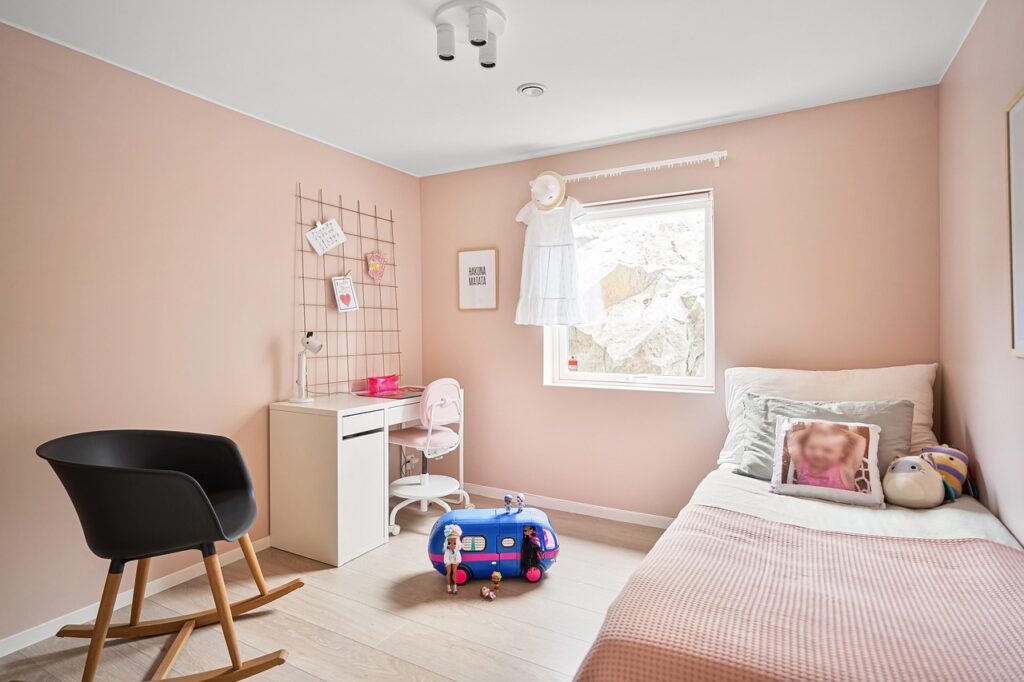
Kids’ rooms are often redesigned with the best intentions. Parents want spaces that feel fun, inspiring, and functional, especially at the start of a new year or school term. But by February, reality tends to settle in. Daily routines expose what does not work, what gets ignored, and what becomes harder to live with over time. Trends that looked great online start to feel impractical. Storage solutions fail. Play features lose appeal. What seemed like a smart upgrade turns into a quiet regret once the room is actually used every day. These are the kids’ room updates many parents wish they had reconsidered sooner, after seeing how real life plays out beyond the initial excitement.
1. Over-Decorating for One Short Phase
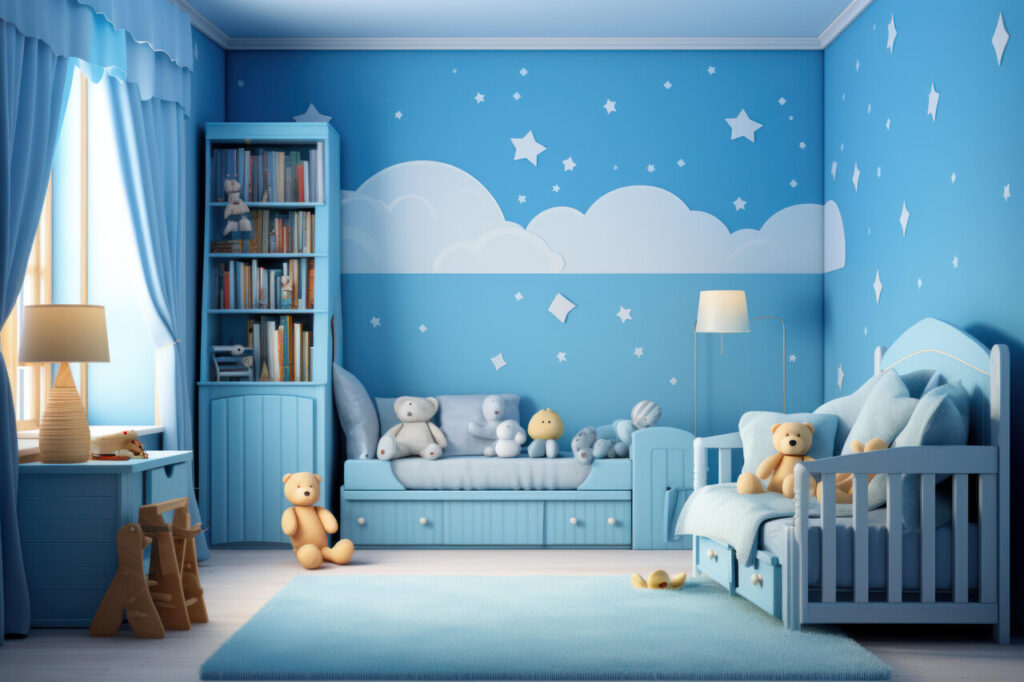
Here’s the thing about designing a kids’ room around a single age or obsession. It feels right in the moment, then collapses fast. Parents often go all in on a theme tied to a favorite character, color, or hobby, only to watch their child outgrow it within months. By February, the posters feel childish, the bedding feels out of place, and the excitement is gone. What makes this regret sharper is cost and effort. Paint, furniture, wall art, and accessories add up quickly, and most of it cannot adapt. Children change their interests more quickly than adults expect, especially during the early school years. Rooms that lack flexibility force parents into repeat makeovers, turning what should be a long-term space into a revolving project.
2. Skipping the Child’s Input Entirely
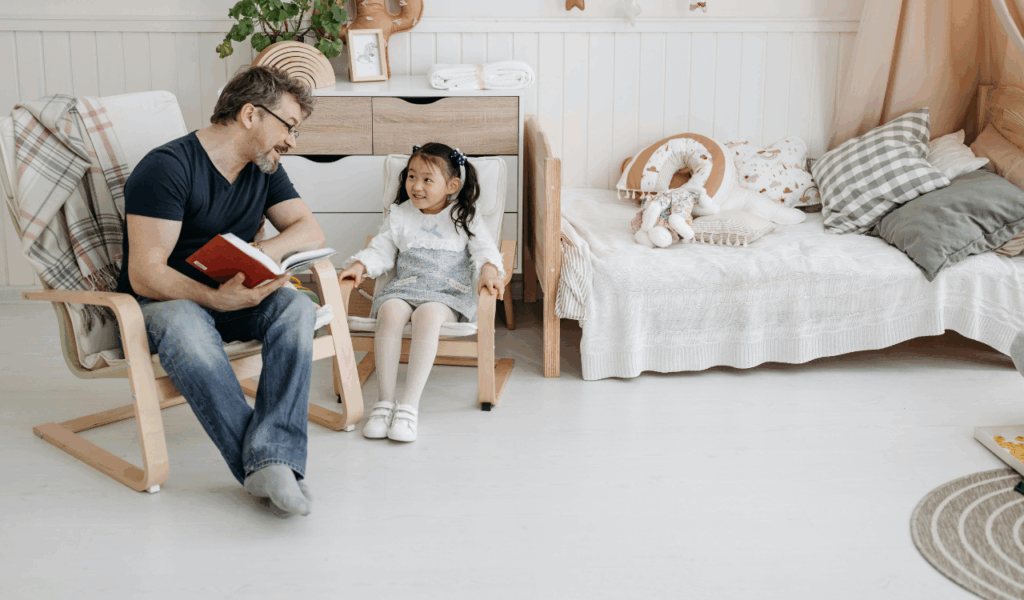
Many parents design with good intentions but forget one crucial voice. The child who actually lives in the room. When decisions are made without asking what the child likes, the result often feels off right away. Kids notice when a space does not reflect them, even if they cannot fully explain why. By winter, parents see signs of resistance. Toys migrate elsewhere, homework happens at the kitchen table, and the bedroom feels unused. This regret tends to surface once daily routines settle in. A room that ignores a child’s preferences rarely supports their habits, whether that means reading, building, drawing, or resting. Involving kids early often prevents expensive changes later.
3. Removable Wallpaper That Did Not Remove Cleanly

Peel-and-stick wallpaper sounds like a safe commitment, but reality is mixed. Some brands fail under temperature changes, humidity, or frequent touching. Corners curl, seams separate, and patterns start to look sloppy within weeks. By February, parents often notice peeling edges or discoloration. Worse, removal is not always clean. Adhesive residue and torn drywall surprise many homeowners, especially in older houses. Kids also interact with walls more than adults expect. Leaning, tapping, and picking speed up wear. What was meant to be a temporary design solution often becomes a repair job, making parents wish they had stuck to paint or simpler wall treatments.
4. Under-Bed Storage That Became Chaos
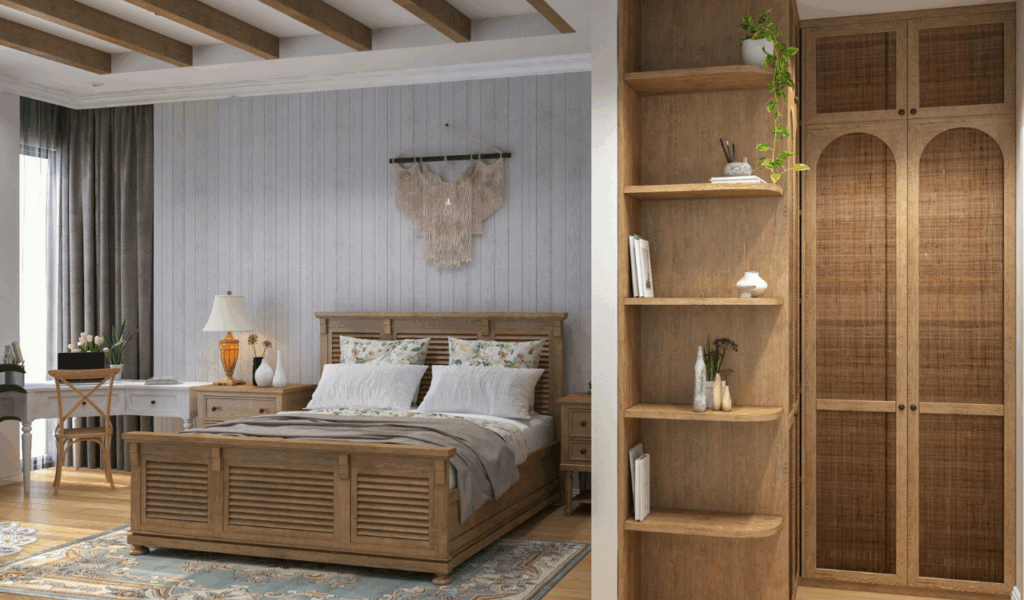
Under-bed storage looks efficient on paper, but in practice it often turns into a black hole. Without clear systems, kids shove everything underneath and forget it exists. By mid-winter, parents pull out bins only to find broken toys, mismatched pieces, and items no one remembers owning. Accessibility is another issue. Low drawers are awkward for younger kids and too tempting for clutter dumping. Dust buildup also becomes a problem, especially if bins are uncovered. Instead of solving mess, under-bed storage can hide it, delaying cleanups until frustration hits. Many parents regret not choosing storage that encourages visibility and routine use.
5. Over-the-Door Organizers That Added Visual Noise
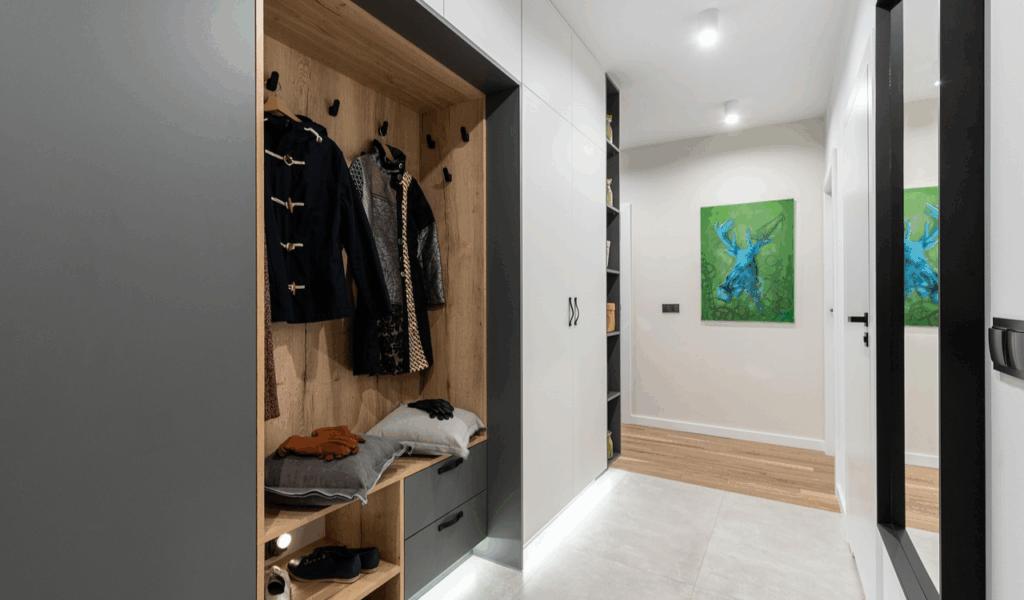
Over-the-door storage promises space-saving magic, but it often overwhelms a small room. Once filled, these organizers stick out, sway with movement, and make doors harder to use. Kids struggle to keep items sorted, leading to tangled pockets and overstuffed compartments. By February, the organizer looks cluttered even when technically organized. Visually, it draws attention to mess rather than hiding it. Doors also take more abuse, with hinges loosening over time. Parents often realize too late that storage needs to blend into the room, not dominate it. What seemed clever becomes a constant visual reminder of disorder.
6. Toy Rotation Systems That Fell Apart
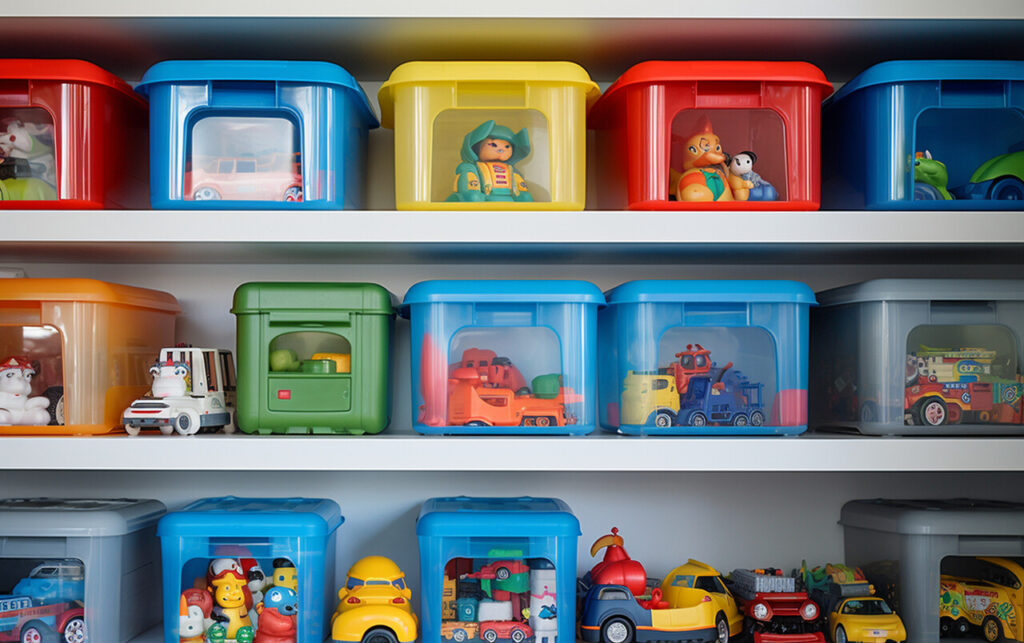
Toy rotation works only with consistency, and that is where many families stumble. The idea is simple. Limit what is out, store the rest, and swap regularly. In real life, busy weeks disrupt the cycle. Toys pile up again, bins overflow, and rotation stops entirely. By winter, parents notice they are back where they started, but with more containers and labels. Kids may also resist having favorites put away, leading to negotiations and frustration. Without clear rules and time set aside for rotation, the system collapses. Parents regret the extra effort and storage invested in a plan that never fully stuck.
7. Treehouse-Style Structures That Wasted Floor Space
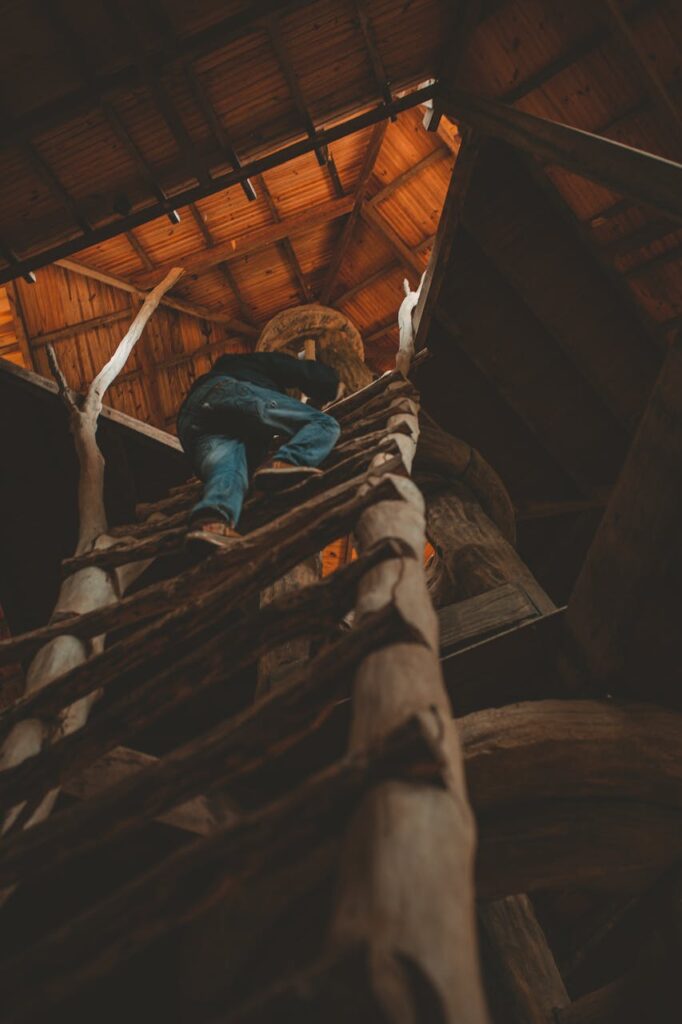
Indoor treehouses look magical online, but they consume more space than expected. Once installed, they limit furniture placement and restrict open play areas. Many kids lose interest after the novelty fades, especially if climbing or imaginative play is not part of their daily routine. By February, parents see the structure collecting laundry or unused toys. Cleaning around it becomes harder, and room flexibility disappears. These builds are often expensive and difficult to remove, which deepens regret. What felt whimsical during planning can feel impractical once real life routines take over.
8. Rock Climbing Walls That Rarely Get Used

A climbing wall signals adventure, but usage tends to drop quickly. Safety concerns make parents cautious, limiting when and how kids can use it. Younger children need supervision, while older ones may lose interest. By winter, the wall often sits untouched, taking up valuable wall space. Installation costs and maintenance also weigh in. Holds loosen, walls scuff, and the surrounding furniture must be rearranged. Parents realize they invested in a feature that suits occasional play, not everyday living. The regret is less about fun and more about practicality.
9. Bouncing Nets That Overpowered the Room
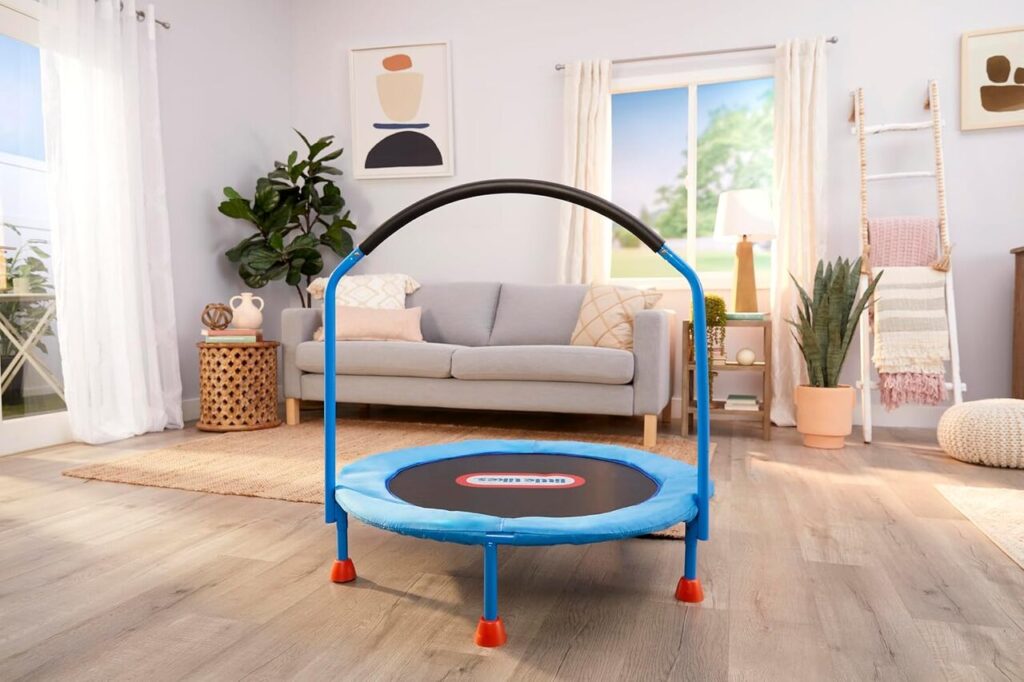
Bouncing nets feel exciting but demand a specific type of space. Ceiling height, anchoring, and safety clearances matter. In many homes, the net ends up dominating the room visually and physically. Kids enjoy it at first, then move on, while the structure remains. By February, parents notice limited floor space and awkward layouts caused by the net’s footprint. Noise is another issue. Movement travels through floors and walls, affecting the rest of the house. What seemed playful becomes disruptive, leading parents to question the trade-off.
10. Built-Ins That Could Not Grow With the Child
Custom built-ins look polished, but they lock a room into one stage of life. Shelves sized for toys do not work for books later. Desks placed too low become unusable. By the time school routines settle in, parents realize the room no longer supports their child’s needs. Modifying built-ins is costly and sometimes impossible. Kids grow quickly, and their storage, study, and privacy needs shift just as fast. Fixed solutions struggle to keep up. This regret often hits when parents compare flexibility with friends who chose modular furniture instead.
11. Reading Nooks That Went Ignored
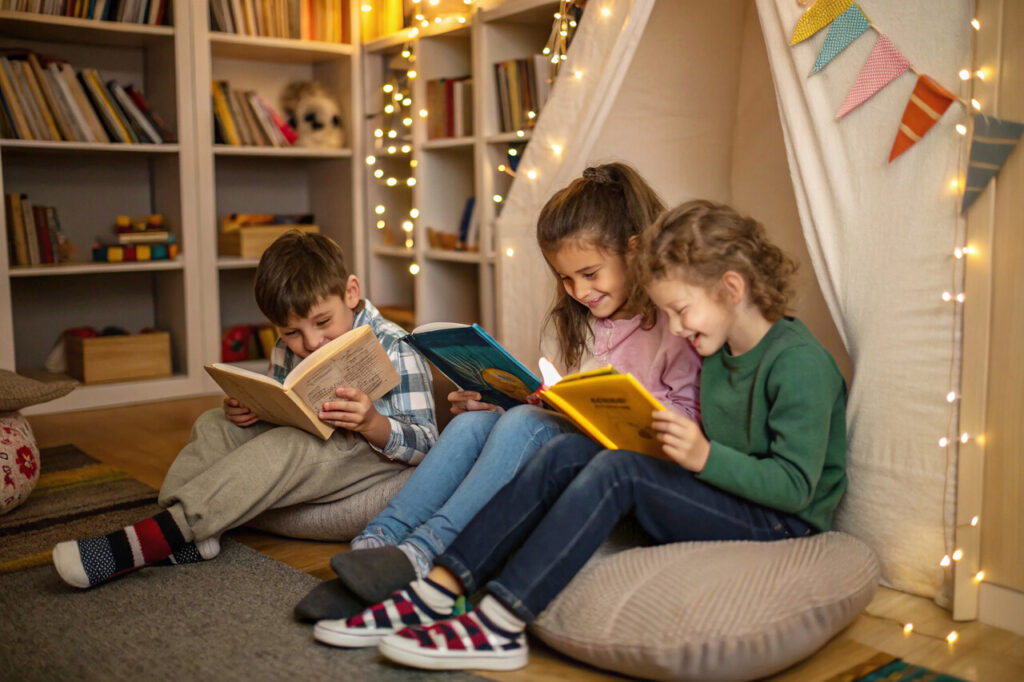
Reading nooks appeal to adult imagination, but kids do not always use them as intended. Many prefer reading on beds, floors, or shared spaces. By winter, the nook often becomes a catch-all for pillows and clothes. Lighting may be insufficient, seating uncomfortable, or location too isolated. Parents realize they designed for an ideal version of their child rather than real habits. The space sits unused while the rest of the room feels crowded. The regret comes from lost square footage that could have supported daily activities more naturally.