12 Slow Travel Hacks Turning Ordinary Homes into Dreamy Escapes
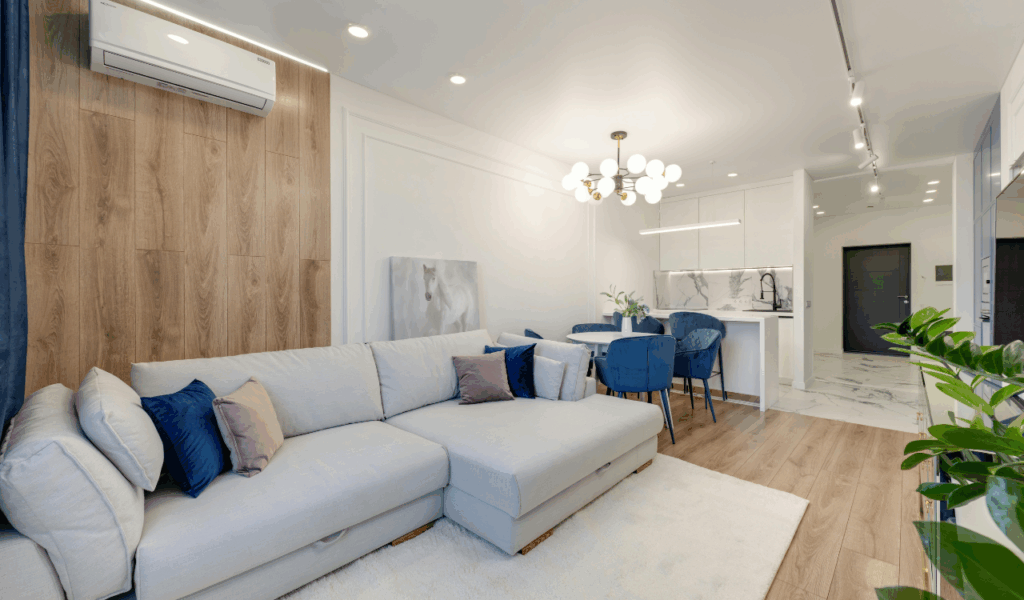
Old-world charm and modern comfort blend in leisurely journey aesthetics, creating beautiful, calm, and timeless houses. Relaxation and belonging come from memories of well-chosen stays, lovely rooms, and ideal lighting. With inspiration, they set standards most homes cannot meet. Homeowners encounter clutter, repairs, time, money, and family changes. Slow travel photos can mistake natural comfort with false beauty. Their dwellings may seem inadequate because they look lived-in or practical. From this difference may come dissatisfaction, overspending, and constant redecorating. Discovering how these aesthetics affect perception helps create healthier, more realistic daily images of a lovely home.
Carefully Curated Spaces Look Effortless But Are Not
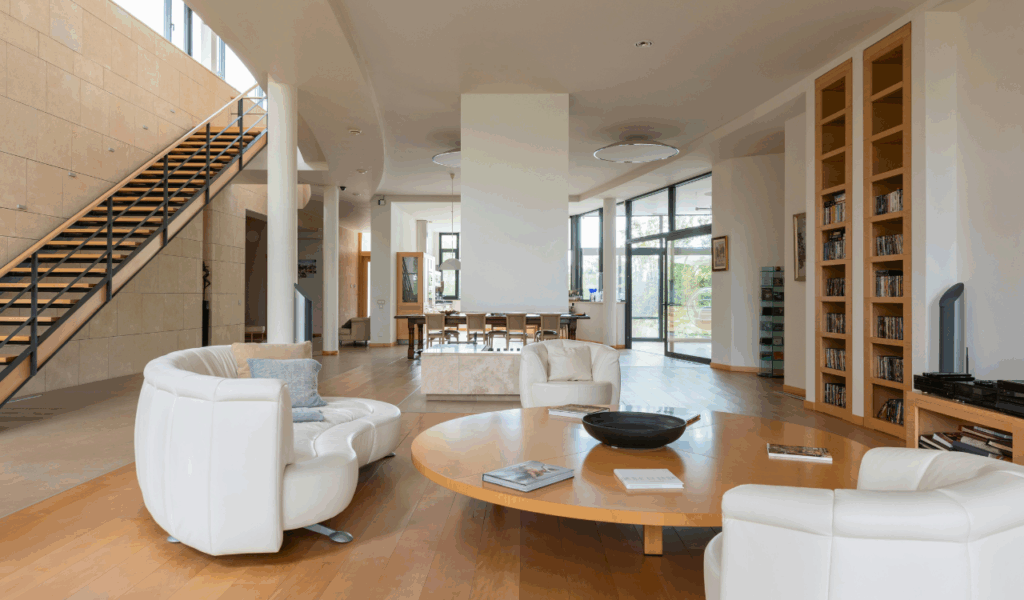
Clean surfaces, well-balanced furniture, and just enough personality make leisurely trip rooms feel real. These sites rarely show their preparation. We use skilled styling, chosen camera angles, temporary decor, and daily clutter elimination. Not average, these homes are well photographed. Viewers may assume this peacefulness is easy to maintain, yet rare in real households. Personal things, mail, shoes, and appliances disrupt visual harmony. Demanding a photo-ready home may exasperate or guilt. Believe that effortlessness is natural, not inspiration. These photos’ secret effort separates inspiration from artificial norms that ignore real-life turmoil and movement.
Natural Light Is Often Overemphasized
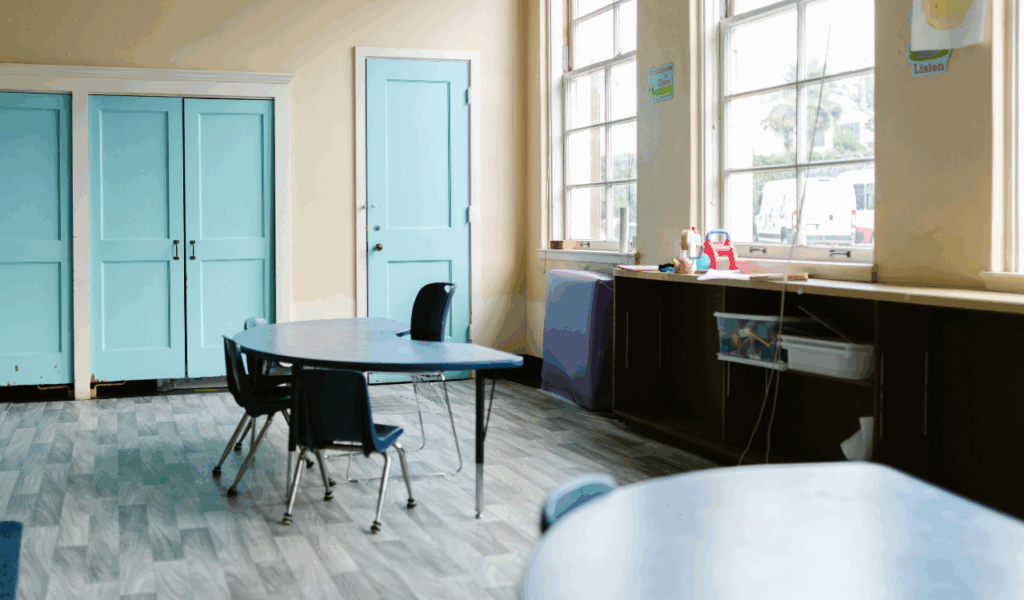
Slow journey rooms are pleasant, airy, and calm due to plentiful natural light. Perfect sunlight angles, large windows, and good weather are prevalent. However, location, temperature, and building design prevent natural light from reaching many residences worldwide. Comparisons to sunlight travel photos might make functioning spaces feel inadequate. Images are modified to remove or soften artificial lighting, altering expectations. Practical lighting design includes stacked bulbs, adjustable brightness, and energy considerations. By thinking a beautiful home must be bright, these truths are ignored. It may promote costly renovations that don’t guarantee results. Knowing photos’ light is timed and increased minimizes false comparisons and promotes wiser lighting.
Minimalism Is Shown Without Daily Life
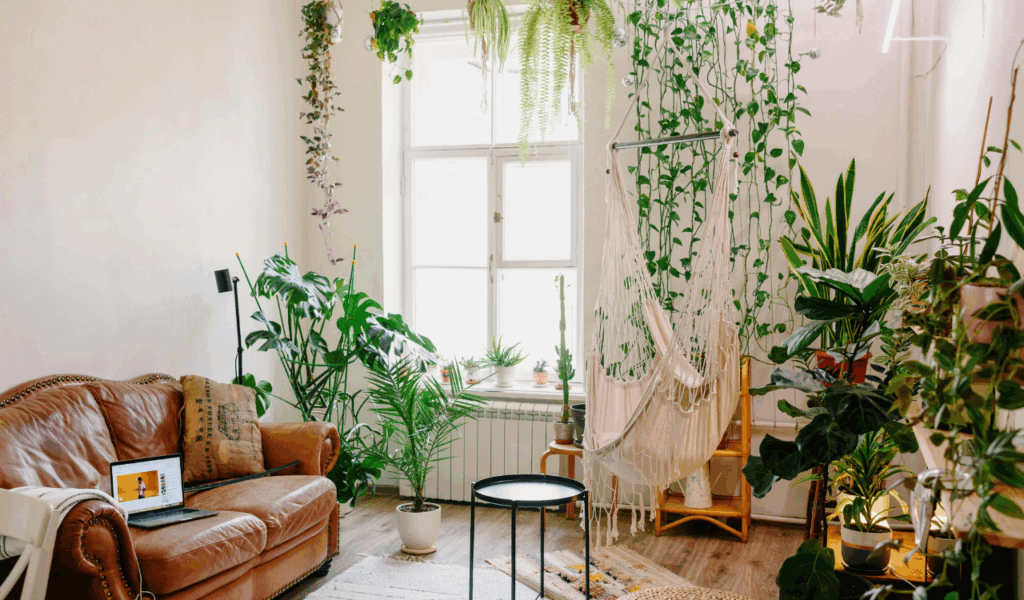
Many slow journey homes are minimalist with few items, open spaces, and neutral colors. This minimalist style is beautiful but often lacks essentials. Actual homes need storage for clothes, tools, gadgets, paperwork, and personal stuff. Minimalism without context implies that owning less brings peace. Forced minimalism that ignores functional necessities can generate tension and inconvenience. Families, remote workers, and hobbyists need space for routines. The style lacks supply cabinets and seasonal closets. Expecting the same emptiness might be confining. Genuine comfort is simple and usable. Recognizing that minimalist travel homes are transient helps avoid false long-term living aspirations.
Age and Wear Are Romanticized Selectively
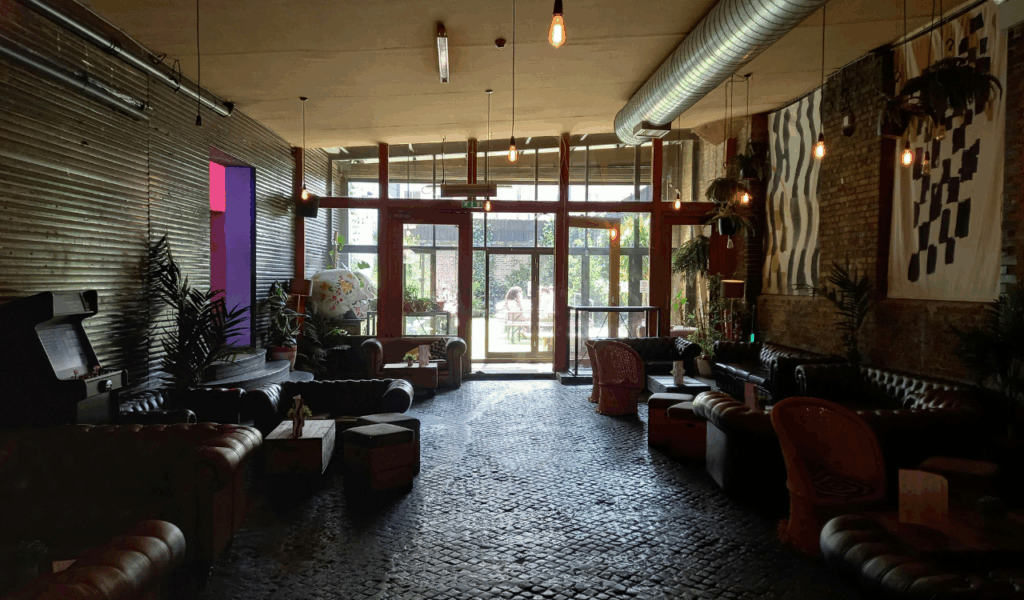
Slow journey images showcase old wood, stone, and textures as appealing and heartfelt. Very selective appreciation. Functional issues are suppressed while attractive aging signals are accentuated. Aging materials can cause drafts, uneven floors, leaks, and maintenance issues in homes. Romanticizing clothing without understanding maintenance might disappoint. Without knowing their care needs, viewers may want distressed finishes. Broken tiles may look pretty in photos but can be dangerous or uncomfortable in real life. Scale and context vary. Professionals maintain travel houses effortlessly. Recognizing selective narrative helps homeowners recognize character without compromising daily durability and safety.
Outdoor Living Appears Constantly Accessible
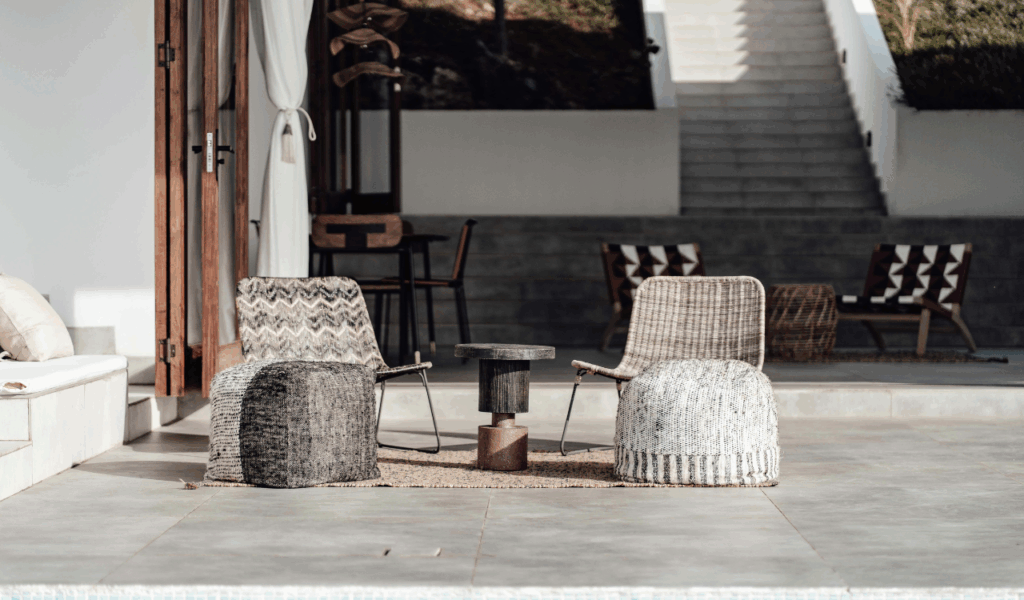
Slow travel designs often have doors to gardens, terraces, or scenic views. These places are convenient and usable year-round. Environmental factors like weather, insects, noise, and maintenance affect outdoor spaces. Many climates impede outdoor comfort. Photos rarely reflect cleaning, furniture protection, or seasonal changes. It can be naïve to expect outdoor life to always be calm and easy. Homeowners who rarely use their balcony or yard may be unhappy. Outdoor fun changes and takes forethought. Resetting expectations and appreciating comfortable outdoor environments by realizing that travel imagery captures ideal moments rather than daily situations helps.
Neutral Palettes Are Treated as Universally Calming
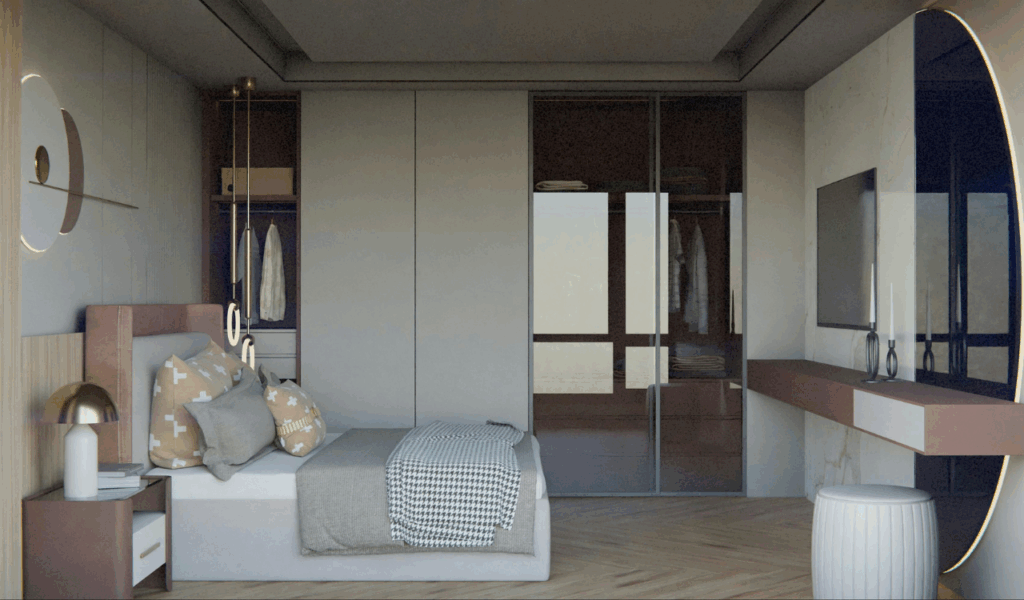
Slow journey furnishings are filled with soft, neutral colors, indicating peace. Neutrals are soothing but not uniformly satisfying. Personal tastes, cultural influences, and lifestyle needs differ. Color and visual energy lovers may find a neutral-heavy home bland or unworkable. Travel homes combine texture, lighting, and architecture to offer intrigue, unlike regular residences. Replicating the palette without these qualities might create dull settings. Individuality is overlooked when neutral=peaceful. Homes should reflect their owners, not trends. Color psychology is personal, so avoid duplicating palettes that don’t promote comfort or enjoyment.
Temporary Stays Hide Storage Reality
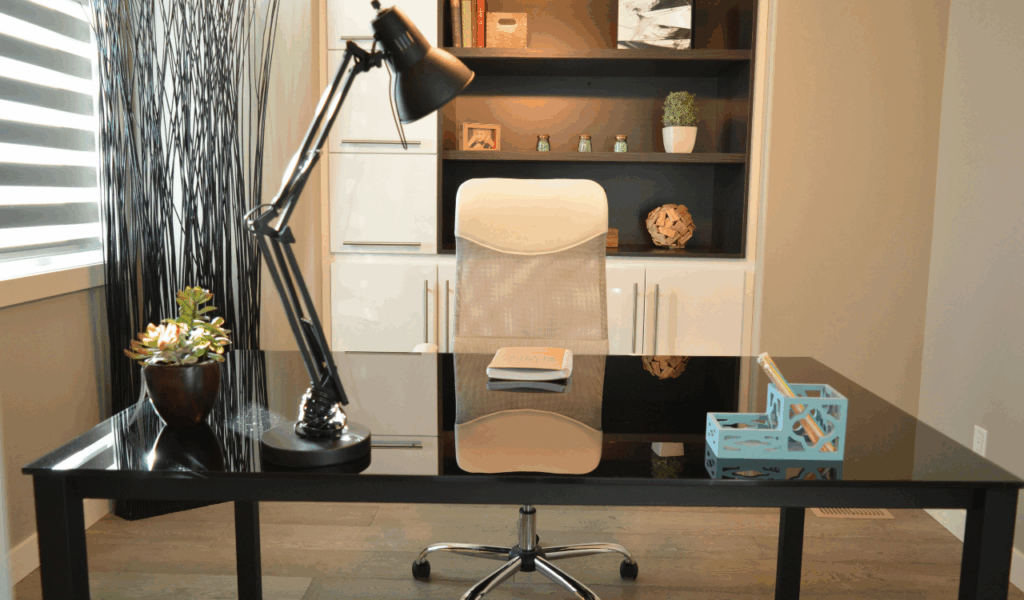
Slow travel residences stay occupied briefly, reducing storage needs. In suitcases, guests live only what they need. This makes space and order appear. Homes need additional storage for long-term living. The accumulation of seasonal apparel, tools, cleaning supplies, and personal collections. Viewers may unfairly feel cluttered or unorganized when comparing real residences to temporary rentals. This is about use, not excess. Living in a home like a short-term stay is unrealistic. By understanding this difference, people may create storage solutions that complement daily life rather than chasing empty.
Cultural Context Is Often Removed
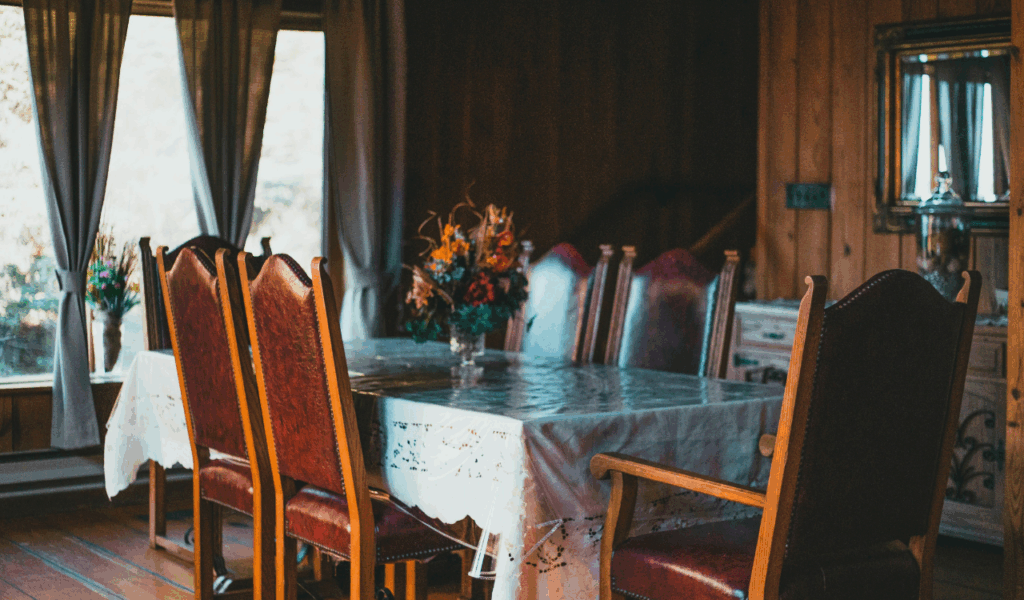
Slow travel aesthetics often ignore culture and borrow regional trends. Designs are portrayed as universally attractive without discussing their origins or function. Climates and lifestyles influenced design, materials, and furnishings. Replicating them may change their performance. Open layouts work in mild climes but not in excessive heat. Remove context and good design becomes surface-level ornamentation. This can create attractive yet inefficient dwellings. Appreciating cultural design needs knowing why it works where it came from. Recognizing this helps homeowners adapt ideas intelligently rather than mindlessly copying.
Maintenance Is Rarely Shown
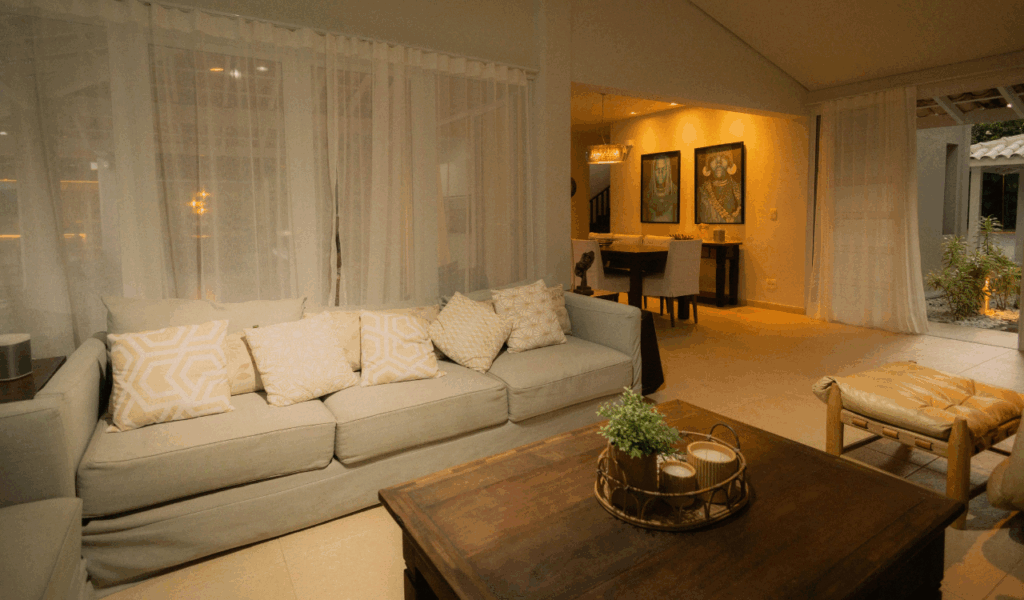
Travel photos emphasize beauty, not maintenance. Immaculate flooring, textiles, and finishes appear effortless. However, preserving such areas takes time, effort, and occasionally expert help. For beauty, natural materials need frequent upkeep. Audiences may misjudge the effort and become discouraged when their homes fail. Avoiding certain products or stressing out can result. Sustainability is improved by understanding maintenance needs before choosing a style. Homes should support daily routines, not pressure you to look good. Recognition of aesthetics’ invisible effort raises expectations.
Silence and Calm Are Overrepresented
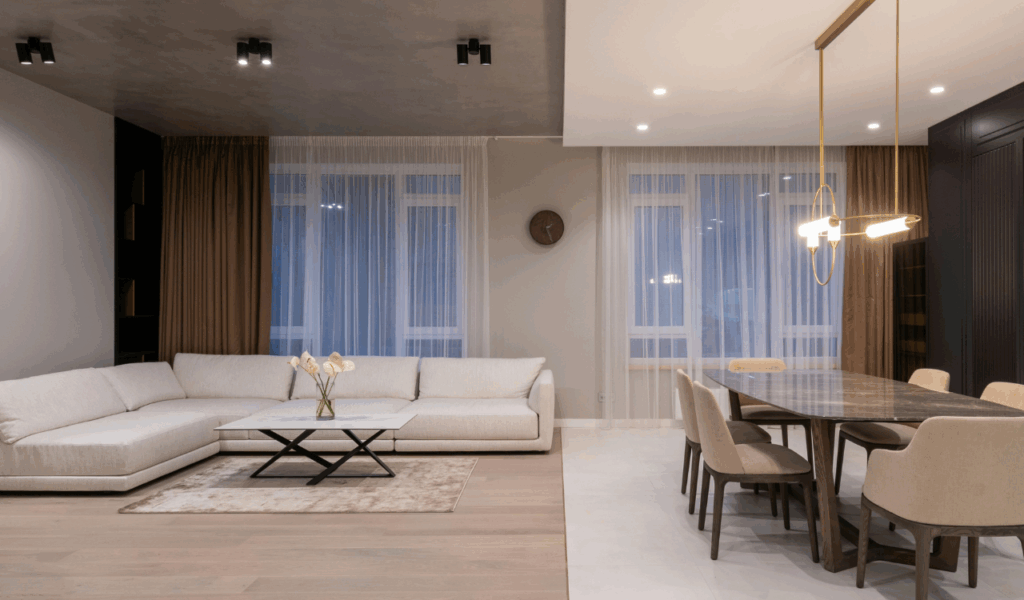
Slow trip houses are frequently peaceful and quiet, with no noise or other things to bother you. This peace is nice, but it’s not always possible. Living in a city, sharing a building, and having a family all add sound and movement. If you expect peace and quiet all the time, you may not be happy. Real comfort is having times when you are active and loud. Travel pictures show calm, not the whole flow of daily life. If individuals are willing to acknowledge this distinction, they will be able to appreciate their homes as dynamic and functional environments rather than as static sanctuaries. A state of calm can be achieved in a matter of seconds, but it cannot be maintained for extended periods of time.
Budget Constraints Are Ignored
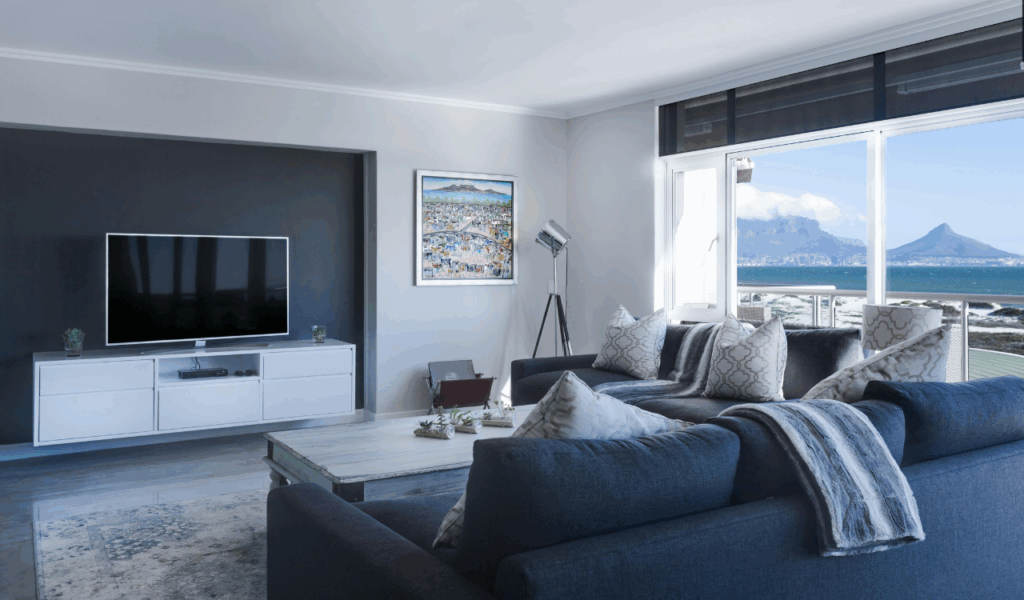
A great number of slow travel spaces are able to reap the benefits of increased budgets, sponsorships, or advantageous locations. It is possible that the materials, craftsmanship, and furnishings will be expensive or difficult to obtain. When trying to reproduce a look, viewers could feel pressured to spend more money than they can afford. It is possible that this will result in financial burden without producing the desired outcome. In order to shift the focus away from visual replication and toward attainable comfort, it is helpful to recognize the differences in affordability. Not price tags, but livability is what defines a home that is warm and inviting.
Everyday Personalization Is Downplayed
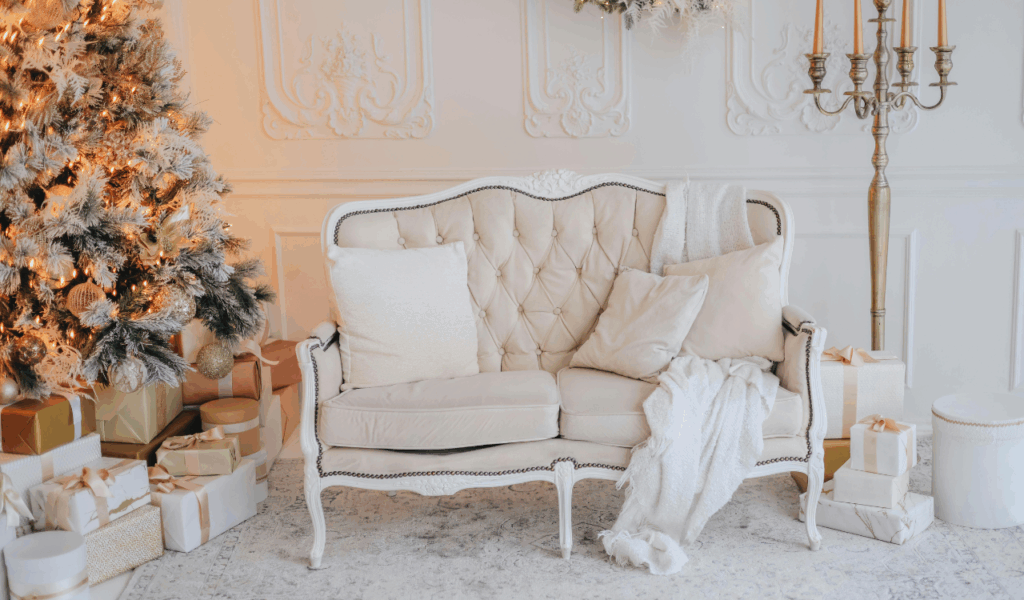
It is common practice in travel aesthetics to minimize the amount of personal items in order to preserve visual harmony. Photos may contain a book or a plant, but they almost never reveal meaningful clutter such as photographs of the family, hobbies, or instruments used in the workplace. This may imply that the display of one’s individuality interferes with beauty. When it comes down to it, individuality is what gives a house a sense of vitality and comfort. If you remove it for the purpose of aesthetics, it may give the impression that the place is impersonal. People are better able to accept their originality without feeling guilty when they are aware that genuine homes tell tales.