8 Accent Chairs That No One Actually Sits In
Accent chairs are supposed to offer character and extra sitting, but many popular models end up being pricey decorations that no one uses. Styled photographs make them look great, but they don’t pass the basic tests of comfort, support, and usefulness in real homes. People naturally avoid sitting in them since they are uncomfortable, have strange shapes, and are made of fragile materials. This article looks at eight types of accent chairs that people often use as garment storage instead of seats. Readers may select better furniture choices that look good and are comfortable to sit on every day if they know why these designs don’t work.
1. Sculptural Statement Chairs
Sculptural chairs put artistic form ahead of comfort for people. Their harsh angles, stiff curves, or exaggerated shapes frequently make it hard to find a comfortable position to lay your arms or back. They seem great on their own, but after a few minutes of sitting in them, they feel awkward and unsupported. A lot of them are built with thin padding or rigid materials that don’t give you any support. Guests are hesitant to utilize them because they don’t know how to sit right. In real homes, furniture needs to promote a calm posture, not merely look good. This makes these chairs more cosmetic than useful.
2. Slipper Chairs With No Arm Support

Because they are small and don’t have arms, slipper chairs are easy to design but not very pleasant to sit in for long periods of time. The body isn’t balanced without arm support, which is especially true for older people or people with joint problems. Also, the seats and backs of these chairs are usually too shallow and low to support the spine adequately. People don’t like them at parties because they feel unsteady, but they look good in nooks or bedrooms. Chairs with arms are more comfortable, help you relax, and let you sit for longer periods of time, thus armless designs aren’t practical.
3. Egg Chairs Designed for Indoors

Online, indoor egg seats look comfortable, but in real life, they typically don’t live up to their promise. Their deep, confined design makes it hard to move around and get in and out. A lot of them are too big and take up too much floor space, but they only fit one restricted sitting position. In hot weather, cushions might be uncomfortable if there isn’t enough air flow. These chairs also don’t match the heights of regular furniture, which throws off the optical equilibrium. They are fine for lounging around every now and then, but they aren’t very useful for sitting in every day or for guests in most homes.
4. Ultra Low Lounge Chairs
Very low lounge chairs may look trendy and casual, but they are hard to sit in properly. Getting up takes effort, which puts stress on the knees and back. The low height also makes it hard for people to talk to each other because people sitting down are below eye level. These seats frequently don’t have enough support for the lower back, which makes people slump. People naturally pick higher seating in real houses where comfort and accessibility are important. Ultra-low seats are more for show than for use, especially when people are over.
5. Rattan or Cane Chairs Without Cushions
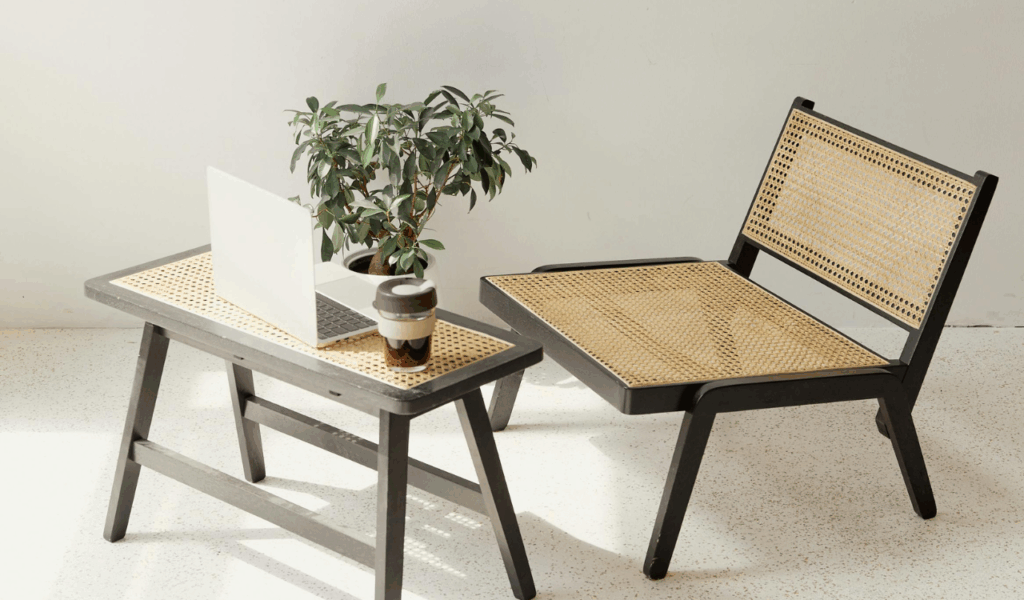
Chairs made of natural fibers provide texture, but they aren’t always comfortable. Rattan and cane seats without enough cushions are rough and uneven, which makes them uncomfortable to sit on for long periods of time. Over time, these fabrics might sag or poke, which makes them even less comfortable. Changes in temperature and humidity can also impair their structure indoors. People may like how they look, but they swiftly get up. Adding cushions helps, but many designs put looks ahead of sufficient padding, which makes them less useful in real life.
6. Accent Chairs With Overly Narrow Seats
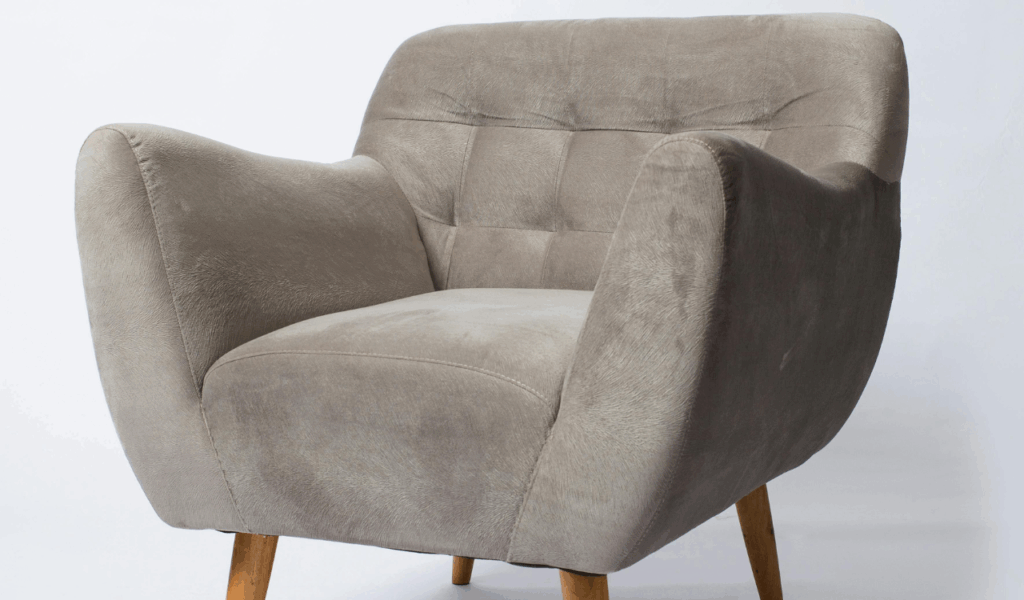
Some accent chairs are so thin that only people with petite bodies may sit in them comfortably. People don’t want to relax when they have narrow chairs since they can’t move about. People commonly pick these seats to conserve room, however they aren’t very comfortable or welcoming. It may be uncomfortable for guests to squeeze into them, especially if they are staying for a long time. Furniture in real houses should fit people of all shapes and sizes. Chairs that are too narrow don’t meet this basic need and go underutilized even though they seem nice.
7. Acrylic or Hard Plastic Chairs
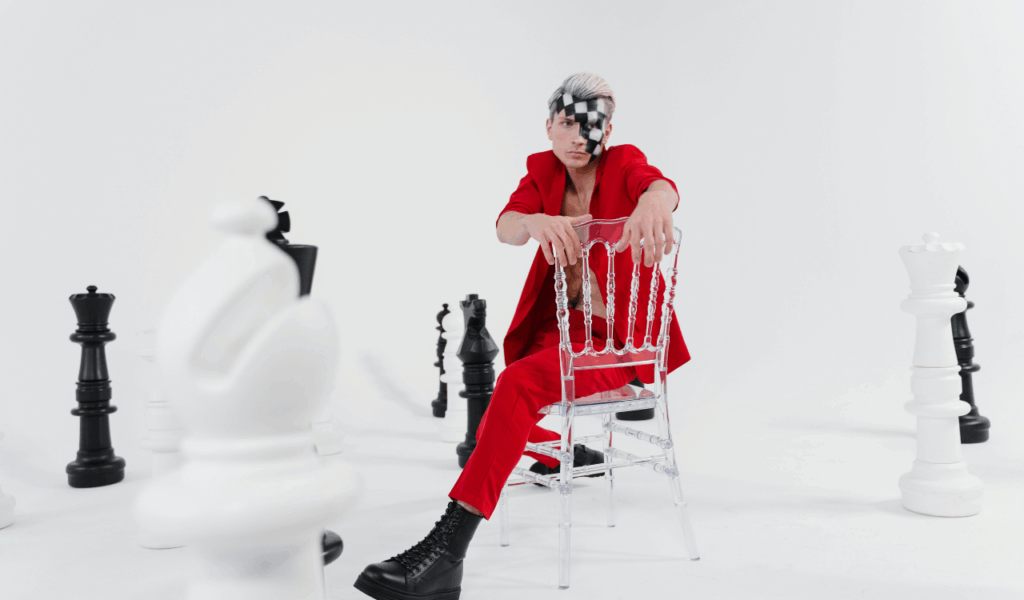
Clear or molded plastic chairs look clean and modern, but they don’t feel very comfortable. There is no padding on hard surfaces, and the material typically feels chilly or slick. It gets uncomfortable to sit for long periods of time, especially if the chair isn’t shaped well. Scratches and scuffs also show up easily, which makes them less appealing over time. These chairs are great for visual minimalism, but most people don’t like them when they can sit on something softer and warmer. They usually don’t get used outside of pictures.
8. Delicate Chairs You Are Afraid to Sit In
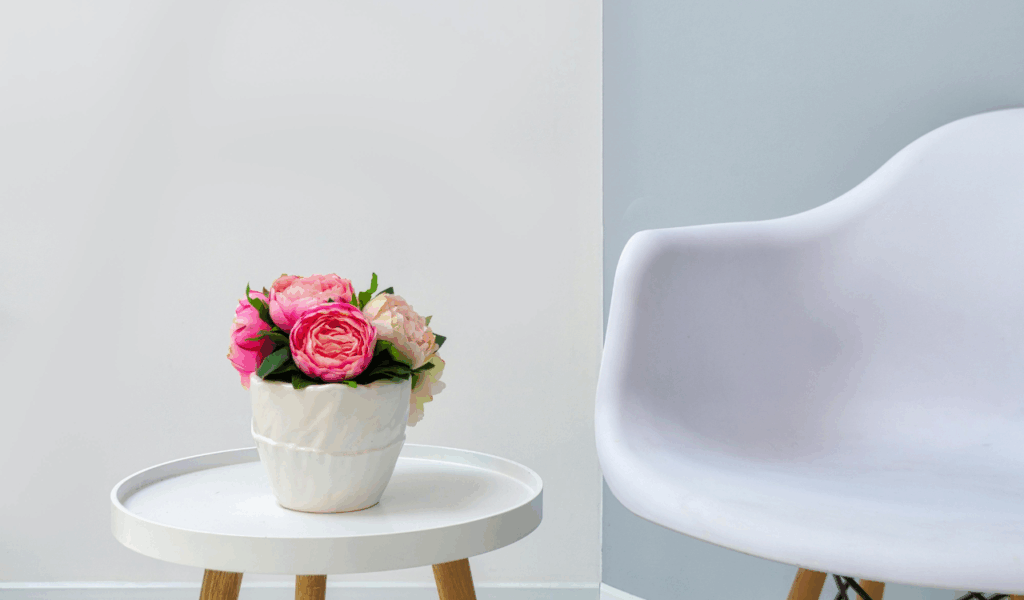
Some accent chairs look so weak that people are afraid to sit in them. People are afraid of breaking or injuring the piece because it has thin legs, a light frame, or a delicate finish. Even if the structure is sound, the way it looks makes people not want to sit. Seating at home should be strong and inviting. The chair doesn’t do its job when people are worried about breaking it. These pieces may appear nice, but they are more for show than for use in ordinary living environments.